Secure Your Home with ADT Compatible Cameras
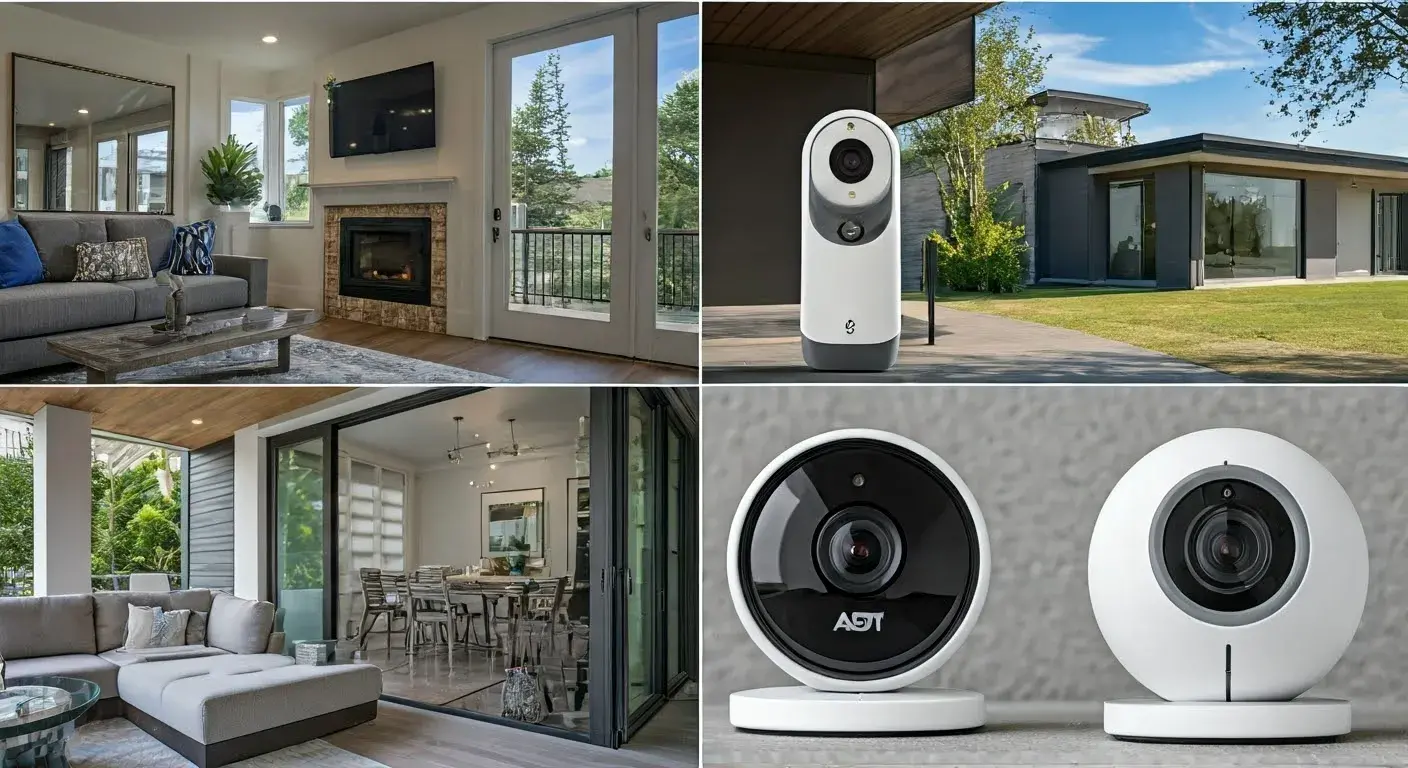
Enhance your home security with ADT compatible cameras, offering seamless integration for robust monitoring. Discover how these advanced devices provide peace of mind, superior surveillance, and intelligent alerts, ensuring your property remains protected around the clock.
Understanding ADT Compatibility: What It Means for Your Cameras
In the realm of home security, the term "ADT compatible" is crucial for homeowners seeking to integrate new surveillance devices with their existing ADT alarm systems. This compatibility ensures that third-party cameras can communicate effectively with ADT's central monitoring stations and home security hubs, offering a unified and streamlined security experience. When a camera is ADT compatible, it means it has been designed or certified to work seamlessly with ADT's proprietary technology and protocols. This isn't just about basic connectivity; it often involves specific communication standards, data encryption methods, and integration pathways that allow for features like remote viewing through the ADT app, receiving alerts directly to your smartphone, and potentially even triggering alarm responses based on camera activity.
For homeowners who already have an ADT system in place, investing in ADT compatible cameras eliminates the complexity and potential headaches of trying to force non-compatible devices to work. It guarantees that your new cameras won't be just standalone surveillance units but integral parts of your comprehensive ADT security ecosystem. This synergy allows for enhanced functionality, such as viewing live camera feeds directly within the ADT Pulse app or ADT Control app, depending on your system version. Furthermore, compatible cameras often support two-way audio, motion detection alerts that can be customized and integrated with your alarm system's zones, and high-definition video recording. The assurance of compatibility means you can trust that your cameras will report events accurately and efficiently to ADT's monitoring services, providing an added layer of security and peace of mind. Without this compatibility, you might find yourself with cameras that are difficult to integrate, offer limited functionality, or simply don't communicate with your main security panel, rendering them less effective as part of a cohesive security strategy.
The market for smart home devices is vast, and while many cameras boast impressive features, their ability to integrate with established security providers like ADT is paramount for a truly integrated solution. ADT's commitment to security extends to its compatibility standards, ensuring that any device bearing the "ADT compatible" designation has met rigorous criteria for performance, reliability, and security. This means that when you choose an ADT compatible camera, you are not just buying a camera; you are investing in a component that is designed to enhance your existing ADT security infrastructure. This can include features like encrypted video streams to protect your privacy, reliable wireless or wired connections for uninterrupted monitoring, and the ability to receive critical alerts in real-time. For instance, if a compatible camera detects motion in a specific zone during an armed period, it can be configured to send an immediate notification to your ADT app and potentially alert the ADT monitoring center, initiating a faster response protocol. This level of integration is a significant differentiator compared to standalone security cameras that operate in isolation.
Moreover, understanding ADT compatibility also involves recognizing the different generations of ADT systems. Older ADT systems might rely on different communication protocols than newer ones. Therefore, it's essential to verify that the ADT compatible cameras you are considering are suitable for your specific ADT system model. ADT offers various platforms, including older proprietary systems and newer integrations with smart home technologies. When purchasing, always confirm the compatibility with your ADT representative or check the product specifications carefully. This due diligence ensures that your investment will yield the desired results, providing a robust, interconnected security network that offers comprehensive protection for your home and loved ones. The convenience of a unified system, where all your security devices work in harmony, is a key advantage that ADT compatible cameras bring to the table, simplifying management and maximizing the effectiveness of your home security setup.
The Multifaceted Benefits of ADT Compatible Cameras
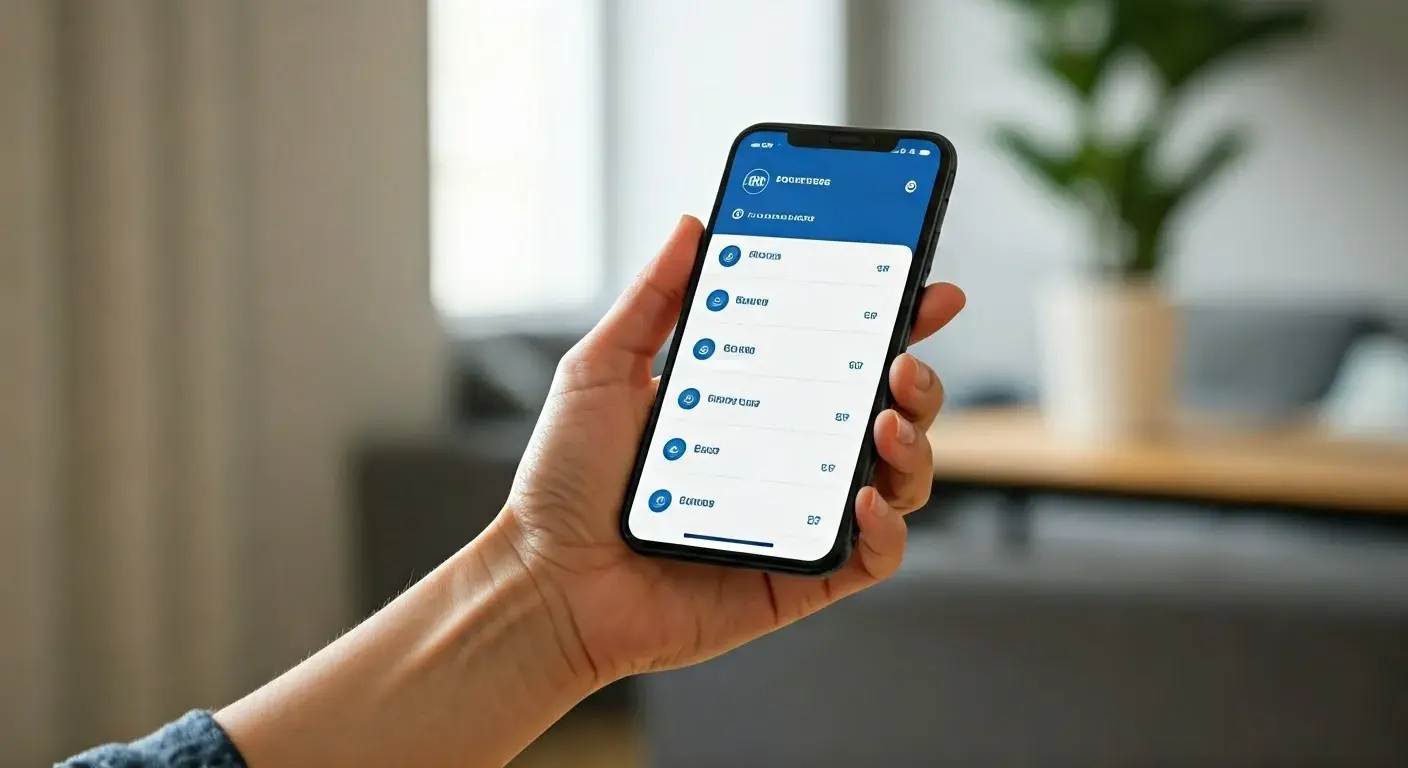
Integrating ADT compatible cameras into your home security system unlocks a wealth of benefits that significantly enhance your property's protection and your peace of mind. One of the primary advantages is the seamless integration with your existing ADT infrastructure. This means your new cameras aren't just standalone gadgets; they become an integral part of your ADT alarm system, communicating and working in concert with your sensors, control panel, and monitoring services. This unified approach simplifies management, allowing you to control and monitor all your security devices through a single interface, typically the ADT app on your smartphone or tablet.
The enhanced surveillance capabilities are undeniable. ADT compatible cameras often offer high-definition video quality, providing clear and detailed footage. This clarity is crucial for identifying intruders, monitoring package deliveries, or keeping an eye on children and pets. Many models feature wide-angle lenses, ensuring a broad field of view that minimizes blind spots around your property. Furthermore, advanced features like night vision are standard, allowing for continuous monitoring even in low-light conditions or complete darkness. This 24/7 surveillance capability is a cornerstone of effective home security, providing a constant digital eye on your home.
Real-time alerts and remote access are another significant benefit. When an ADT compatible camera detects motion or other specified events, it can instantly send notifications to your smartphone. This allows you to react quickly to potential threats, whether you're at work, on vacation, or simply in another part of the house. The ability to view live video feeds remotely means you can check in on your home anytime, anywhere, offering unparalleled peace of mind. For instance, if you receive a motion alert from your front porch camera, you can immediately pull up the live stream to see if it's just a delivery person or a genuine security concern.
Integration with ADT's professional monitoring services adds another critical layer of security. In the event of a confirmed incident, such as a break-in detected by both your ADT sensors and compatible cameras, ADT's monitoring center can receive video verification. This video evidence can significantly expedite the dispatch of emergency services and provide law enforcement with valuable information about the situation. Statistics from 2025 indicate that homes with integrated video verification systems experience a faster response time from authorities, potentially reducing property damage and increasing safety. For example, a study by the Home Security Institute in 2025 found that video-verified alarms led to police dispatch in an average of 3.5 minutes, compared to 7.2 minutes for non-verified alarms.
Cost-effectiveness is also a consideration. While the initial investment in compatible cameras might seem higher, the long-term benefits and the avoidance of purchasing separate, non-integrated systems can lead to overall savings. You leverage your existing ADT investment, ensuring that your security hardware works cohesively rather than in silos. This also often translates to a simpler billing structure, with camera services potentially bundled with your existing ADT monitoring plan. The convenience of a single point of contact for support and maintenance for your entire security system is also a significant advantage.
Furthermore, ADT compatible cameras often support two-way audio communication. This feature allows you to not only see and hear what's happening but also to speak to individuals on your property remotely. This can be useful for greeting visitors, instructing delivery personnel, or even deterring potential intruders by announcing your presence. The ability to communicate directly through the camera adds an interactive dimension to your home security, making it more dynamic and responsive.
The security and privacy of your video feeds are paramount. ADT compatible cameras are designed with robust encryption protocols to protect your footage from unauthorized access. This ensures that your private video streams remain secure, whether they are being transmitted to your device or stored in the cloud. ADT's stringent security standards mean that compatible devices are held to a high bar for data protection, giving you confidence in the privacy of your surveillance. As of 2025, data breaches are a growing concern, and choosing a system with strong encryption is more important than ever. ADT's commitment to cybersecurity helps mitigate these risks for its users.
Finally, the aesthetic and practical design of many ADT compatible cameras is worth noting. They are often designed to blend seamlessly with home exteriors and interiors, available in various styles, colors, and form factors, including discreet indoor cameras, robust outdoor bullet cameras, and versatile dome cameras. This allows homeowners to choose devices that not only provide advanced security but also complement their home's architecture. The ease of installation, often facilitated by wireless connectivity and guided setup through the ADT app, further enhances the user experience, making advanced home security accessible to a wider audience.
Key Features to Look For in ADT Compatible Cameras
When selecting ADT compatible cameras, focusing on specific features will ensure you get the most effective and integrated security solution for your home. The primary consideration, of course, is confirmed compatibility with your specific ADT system. This means checking product descriptions, consulting with ADT representatives, or looking for official ADT certification marks. Beyond compatibility, several technical and functional features are crucial for robust surveillance.
Video Quality: High-definition (HD) resolution is non-negotiable in 2025. Look for cameras offering at least 1080p (Full HD) resolution, with 2K or 4K options providing even greater detail. This clarity is essential for identifying faces, license plates, and other critical details that could be missed with lower resolutions. The frame rate (FPS) also matters; a higher FPS (e.g., 30 FPS) results in smoother video playback, especially during fast-moving events.
Field of View (FOV): A wider FOV means a single camera can cover more area, reducing the number of cameras needed. For outdoor use, look for lenses with a FOV of 110 degrees or wider. For specific areas like doorways or narrow corridors, a narrower, more focused FOV might be sufficient.
Night Vision: Effective night vision is critical for 24/7 security. Infrared (IR) LEDs are standard, but the range and quality vary. Look for cameras with IR ranges of 30 feet or more, and consider models with adaptive IR or advanced low-light sensors for clearer black-and-white images in challenging conditions. Some advanced cameras also offer color night vision, which can provide more detail and context.
Motion Detection and Alerts: Sophisticated motion detection is a hallmark of modern security cameras. Look for cameras with adjustable sensitivity and customizable detection zones. This prevents nuisance alerts from passing cars or swaying branches. Advanced features include AI-powered person detection, which can differentiate between people, animals, and vehicles, significantly reducing false alarms. Alerts should be configurable to be sent to your ADT app instantly upon detection.
Two-Way Audio: This feature allows you to communicate with anyone on your property through the camera's built-in microphone and speaker. It's useful for speaking with delivery drivers, greeting guests, or deterring potential intruders. Ensure the audio quality is clear and the microphone is sensitive enough.
Weather Resistance (for Outdoor Cameras): If you're installing cameras outdoors, they must be built to withstand the elements. Look for an IP rating, such as IP65 or higher, which indicates protection against dust and water. Consider the temperature range the camera can operate within to ensure it's suitable for your climate.
Storage Options: Cameras typically offer cloud storage or local storage (e.g., microSD card). Cloud storage provides remote access to footage and redundancy, but often involves a subscription fee. Local storage is free but can be lost if the camera is stolen or damaged. Many ADT compatible cameras offer a hybrid approach, allowing for both. Ensure the storage capacity meets your needs for recording duration and frequency.
Connectivity: While Wi-Fi cameras offer ease of installation, wired Ethernet connections (PoE - Power over Ethernet) provide more stable and reliable connectivity, especially for outdoor cameras or in areas with weak Wi-Fi signals. For ADT integration, ensure the camera uses protocols compatible with your ADT system, whether it's Wi-Fi, Ethernet, or a proprietary wireless protocol.
Power Source: Cameras can be powered by AC adapters, batteries, or Power over Ethernet (PoE). Battery-powered cameras offer flexibility in placement but require regular recharging or battery replacement. PoE cameras are powered and connected via a single Ethernet cable, simplifying installation and ensuring continuous power.
Integration with ADT Ecosystem: Beyond basic compatibility, consider how deeply the camera integrates with your ADT system. Can you view live feeds and recordings through the ADT app? Can motion events trigger ADT alarm responses? Can you control camera settings from the ADT platform? The more integrated, the better the user experience and security effectiveness.
Form Factor and Aesthetics: Cameras come in various designs: dome, bullet, turret, and even doorbell cameras. Choose a form factor that suits the installation location and your aesthetic preferences. Discreet indoor cameras can monitor activity without being obtrusive, while robust outdoor cameras can serve as a visible deterrent.
Security Features: Look for cameras that support strong encryption (e.g., WPA2/WPA3 for Wi-Fi, TLS/SSL for data transmission) to protect your video feeds from unauthorized access. Two-factor authentication for accessing camera accounts is also a vital security measure.
Smart Features: Consider cameras with advanced AI capabilities like facial recognition, package detection, or activity zones. These features can provide more intelligent alerts and reduce the number of false positives, making your security system more efficient and less intrusive. For example, AI-powered person detection in 2025 is becoming standard, allowing for alerts only when a human is detected, not just any movement.
By carefully evaluating these features, you can select ADT compatible cameras that not only meet your surveillance needs but also integrate seamlessly with your ADT system, providing a comprehensive and intelligent home security solution.
Exploring the Spectrum: Types of ADT Compatible Cameras
When securing your home with ADT compatible cameras, understanding the different types available is crucial for choosing the right devices for specific surveillance needs. Each type offers unique advantages in terms of placement, functionality, and visibility, all while ensuring seamless integration with your ADT system.
Indoor Cameras
Indoor cameras are designed for discreet monitoring of interior spaces. They are ideal for keeping an eye on pets, children, elderly family members, or valuable possessions when you're away. Many indoor ADT compatible cameras are compact and unobtrusive, allowing them to blend into home decor. Key features to look for include:
- Compact Design: Small and easily concealable.
- Wide-Angle Lens: To cover a broad area of a room.
- Two-Way Audio: For communication with family members or pets.
- Night Vision: Essential for monitoring in low-light conditions or at night.
- Motion Detection: To alert you to activity within the home.
Examples include small, cube-shaped cameras that can sit on a shelf or be mounted on a wall, or more traditional webcam-style units. Their compatibility with ADT means you can receive alerts directly to your ADT app and potentially view feeds alongside your other ADT security devices.
Outdoor Cameras
Outdoor cameras are built to withstand the elements and provide surveillance of your property's exterior. They act as a deterrent to potential intruders and provide crucial evidence in case of a break-in or vandalism. ADT compatible outdoor cameras are robust and often feature advanced capabilities:
- Weather Resistance: Look for IP ratings (e.g., IP65, IP66) to ensure protection against rain, dust, and extreme temperatures.
- Durable Construction: Typically made from robust materials like metal or high-impact plastic.
- Enhanced Night Vision: Longer IR ranges to cover larger outdoor areas.
- Wide Field of View: To monitor driveways, yards, and entry points effectively.
- Motion Detection: Often with advanced features like person detection to minimize false alarms from wildlife or environmental factors.
- Tamper Resistance: Some models are designed to resist tampering or vandalism.
Common forms include bullet cameras (highly visible deterrents) and dome cameras (more discreet and vandal-resistant). PoE (Power over Ethernet) is often preferred for outdoor cameras to ensure stable power and data transmission.
Doorbell Cameras
ADT compatible doorbell cameras replace your existing doorbell and offer video surveillance of your front porch. They are excellent for screening visitors, monitoring package deliveries, and deterring porch pirates. Key features include:
- Integrated Camera and Microphone/Speaker: Allows for two-way communication with visitors.
- Motion Detection: Alerts you when someone approaches your door.
- HD Video: Clear visuals of visitors and their activities.
- Night Vision: For visibility in low light.
- Easy Integration: Connects to your home's existing doorbell wiring or operates wirelessly.
These cameras provide a crucial first line of defense and integrate with the ADT app for remote viewing and communication, allowing you to see and speak to visitors from anywhere.
PTZ (Pan-Tilt-Zoom) Cameras
PTZ cameras offer advanced control, allowing you to remotely pan, tilt, and zoom the camera lens. This provides greater flexibility in surveillance, enabling you to track moving subjects or focus on specific details. While less common for standard home security integration due to their complexity and cost, some higher-end ADT compatible systems might incorporate them for specific applications, such as monitoring large properties or commercial spaces.
- Remote Control: Pan, tilt, and zoom capabilities controlled via the ADT app or system interface.
- Wide Coverage: A single PTZ camera can cover a much larger area than a fixed camera.
- Tracking Capabilities: Some models can automatically track detected motion.
These are typically used in professional or large-scale security setups but represent the cutting edge of camera technology available for integration.
Wireless vs. Wired Cameras
The choice between wireless and wired cameras is a significant one, impacting installation and reliability:
- Wireless Cameras:
- Pros: Easy to install, flexible placement, no need for extensive wiring.
- Cons: Rely on Wi-Fi signal strength, may require battery changes or power adapters, potentially less secure connection if not properly configured.
- Wired Cameras:
- Pros: Highly reliable and stable connection, continuous power (especially with PoE), generally more secure.
- Cons: Installation can be more complex and may require professional help, less flexible placement options.
For ADT compatibility, both types can work, but it's essential to ensure the wireless cameras have a strong, stable Wi-Fi connection and that wired cameras use compatible Ethernet standards. ADT often recommends specific models or types based on the system's capabilities.
Specialty Cameras
Beyond the common types, specialty cameras can enhance specific security needs:
- Bird's Eye View Cameras: Often used in multi-camera systems to provide an overhead perspective of a property.
- License Plate Recognition (LPR) Cameras: Designed to capture clear images of license plates, useful for monitoring driveways or access points.
- Thermal Cameras: Detect heat signatures, useful for low-visibility environments or detecting hidden individuals.
While these are more niche, their potential for integration with advanced ADT systems makes them worth considering for specialized security requirements. The key is always to verify the specific ADT compatibility before purchase.
By understanding these different types of ADT compatible cameras, homeowners can make informed decisions to build a comprehensive, customized security system that meets their unique needs and provides optimal protection for their property.
Seamless Integration: Your Step-by-Step Installation and Setup Guide
Installing and setting up ADT compatible cameras can seem daunting, but with a clear, step-by-step approach, it becomes a manageable process that significantly enhances your home security. This guide will walk you through the typical installation and configuration, ensuring a smooth integration with your existing ADT system.
Step 1: Planning Your Camera Placement
Before you begin any physical installation, careful planning is essential. Consider the areas you want to monitor:
- Entry Points: Front door, back door, garage doors, ground-floor windows.
- Vulnerable Areas: Driveways, side yards, secluded corners of your property.
- Interior Spaces: Main living areas, hallways, rooms with valuables.
For outdoor cameras, think about potential obstructions (trees, eaves) and the best angles to capture activity without excessive glare from the sun. For indoor cameras, consider power outlet availability and Wi-Fi signal strength.
Step 2: Gathering Your Tools and Equipment
Ensure you have everything you need before starting:
- Your ADT compatible cameras (including mounting hardware).
- A stable Wi-Fi network or Ethernet cables.
- Power source for each camera (adapter, PoE switch, or charged batteries).
- Smartphone or tablet with the ADT app installed.
- Screwdriver, drill (if mounting), ladder (for outdoor installation).
- Your ADT system's login credentials.
Step 3: Physical Installation of Cameras
This step varies depending on the type of camera:
For Outdoor Cameras:
- Mounting: Securely attach the mounting bracket to the chosen surface (wall, soffit, etc.) using the provided screws.
- Camera Attachment: Connect the camera to the bracket.
- Wiring:
- Wi-Fi Cameras: Connect the power adapter.
- PoE Cameras: Connect the Ethernet cable from the camera to your PoE switch or router.
- Positioning: Adjust the camera angle to achieve the desired field of view.
For Indoor Cameras:
- Placement: Place the camera on a shelf, table, or mount it to a wall or ceiling.
- Power: Connect the power adapter to the camera and plug it into a nearby outlet.
For Doorbell Cameras:
- Remove Existing Doorbell: Disconnect the wires from your old doorbell.
- Mount New Doorbell: Secure the mounting plate and attach the doorbell camera.
- Connect Wires: Connect the wires from your home's doorbell system to the terminals on the new doorbell camera.
- Power Check: Ensure the doorbell is receiving power.
Step 4: Connecting Cameras to Your Network
This is a critical step for ADT integration:
For Wi-Fi Cameras:
- Power On: Turn on the camera.
- App Setup: Open the ADT app and navigate to the 'Add Device' or 'Cameras' section.
- Follow Prompts: The app will guide you through connecting the camera to your Wi-Fi network. You may need to scan a QR code on the camera or enter your Wi-Fi password.
- Pairing: The camera will attempt to connect to your ADT system.
For Wired (Ethernet/PoE) Cameras:
- Connect Cable: Ensure the Ethernet cable is securely connected from the camera to your router or PoE switch.
- App Setup: The ADT app should detect the wired camera automatically or prompt you to add it.
- Configuration: Follow any on-screen instructions for naming the camera and assigning it to a location.
Step 5: Configuring Camera Settings within the ADT App
Once the cameras are connected and recognized by your ADT system, you'll configure their specific settings:
- Naming: Give each camera a descriptive name (e.g., "Front Door," "Living Room").
- Video Quality: Select the desired resolution and frame rate.
- Motion Detection:
- Enable/disable motion detection.
- Adjust sensitivity levels.
- Set up detection zones to focus on important areas.
- Configure AI features like person detection (if available).
- Notifications: Choose how and when you want to receive motion alerts (e.g., push notifications, email).
- Recording Settings:
- Enable/disable continuous recording or event-based recording.
- Set recording duration for events.
- Configure cloud storage or local storage options.
- Night Vision: Set to auto, on, or off.
- Two-Way Audio: Enable or disable and test the microphone and speaker.
Step 6: Testing Your System
Thorough testing is crucial to ensure everything works as expected:
- Live View: Open the ADT app and check the live feed from each camera. Ensure the video is clear and the angle is correct.
- Motion Detection Test: Walk in front of each camera to trigger motion detection. Verify that you receive an alert on your smartphone and that a recording is initiated (if configured).
- Two-Way Audio Test: Use the two-way audio feature to speak and listen through the cameras.
- Night Vision Test: Observe the video feed in low-light conditions to confirm night vision is functioning correctly.
- ADT Integration Test: If your system is configured to trigger ADT alarms or notifications based on camera activity, test these scenarios.
Step 7: Advanced Integration and Troubleshooting
If you encounter issues, consult the camera's manual or ADT support. Common problems include:
- Connectivity Issues: Ensure your Wi-Fi signal is strong or Ethernet cables are properly connected. Restart your router and camera.
- False Alarms: Adjust motion detection sensitivity, zones, or enable AI person detection.
- No Alerts: Check notification settings in the ADT app and ensure the camera is properly linked.
For advanced integration, explore features like creating custom automation rules within the ADT system that involve your cameras, such as turning on lights when motion is detected outdoors.
By following these steps, you can successfully install and configure ADT compatible cameras, creating a more secure and connected home environment.
Tailoring Your Security: Choosing the Right Cameras for Your Needs
Selecting the perfect ADT compatible cameras involves more than just picking the cheapest or most feature-rich option. It requires a thoughtful assessment of your specific home security needs, property layout, and existing ADT system capabilities. A tailored approach ensures you invest in devices that provide maximum value and effectiveness.
Assess Your Property's Vulnerabilities
Start by walking around your property, both inside and out, and identifying potential weak points. Consider:
- Entry Points: Front door, back door, patio doors, garage doors, ground-floor windows. These are prime targets for intruders.
- Blind Spots: Areas around your home that are not visible from the street or main living areas.
- High-Traffic Areas: Driveways, walkways, and common areas where activity is likely to occur.
- Valuable Assets: Areas where you store expensive items or where deliveries are typically made.
Based on these vulnerabilities, determine the optimal placement and type of cameras needed. For instance, a driveway might require a camera with a wide field of view and excellent night vision, while a front door might benefit from a doorbell camera for two-way communication.
Determine Your Primary Security Goals
What do you primarily want your cameras to achieve? Your goals will influence the features you prioritize:
- Deterrence: Visible outdoor cameras can act as a deterrent.
- Evidence Gathering: High-resolution cameras are crucial for capturing clear evidence in case of an incident.
- Remote Monitoring: If you travel frequently or want to check in on pets or family, reliable remote viewing is key.
- Package Theft Prevention: Doorbell cameras and cameras covering delivery areas are essential.
- Interior Monitoring: Keeping an eye on children, elderly relatives, or pets.
For example, if package theft is a major concern, a doorbell camera with motion alerts and two-way audio would be a top priority. If deterring intruders is the main goal, highly visible outdoor cameras with clear signage might be more effective.
Consider Your Existing ADT System
The compatibility of cameras with your specific ADT system is paramount. Newer ADT systems, such as those using the ADT Control platform, often support a wider range of smart home devices and offer more advanced integration features compared to older proprietary systems. Consult your ADT service agreement or contact ADT support to understand:
- Supported Protocols: Does your system primarily use Wi-Fi, Z-Wave, or other protocols for device integration?
- App Capabilities: What features does the ADT app offer for camera management (live view, recordings, alerts)?
- Camera Limits: Is there a maximum number of cameras your system can support?
Purchasing cameras explicitly listed as compatible with your ADT system version will prevent integration issues and ensure you can leverage features like unified alerts and remote access through the ADT app.
Evaluate Key Features Based on Needs
Once you've assessed your property and goals, prioritize camera features:
- Resolution: For general surveillance, 1080p is good; for detailed identification (like license plates), consider 2K or 4K.
- Field of View: Wider is generally better for covering large areas, but narrower might be sufficient for specific spots.
- Night Vision: Essential for most outdoor and many indoor applications. Check the range and clarity.
- Motion Detection: Look for customizable zones and AI-powered person detection to reduce false alarms.
- Two-Way Audio: Crucial for doorbell cameras and useful for indoor cameras.
- Weather Resistance: A must for any outdoor camera.
- Storage: Decide between cloud (subscription-based, remote access) and local (microSD, free but less accessible).
- Power Source: Battery-powered for flexibility, wired for reliability.
For example, if you live in a region with frequent rain, robust weather resistance (IP66 or higher) is a non-negotiable feature for outdoor cameras.
Budget Considerations
ADT compatible cameras range in price. While it's tempting to opt for the cheapest options, consider the long-term value:
- Initial Cost: The purchase price of the cameras.
- Installation Costs: Factor in potential professional installation fees if you're not comfortable with DIY.
- Subscription Fees: Cloud storage often requires a monthly or annual subscription.
- Maintenance: Battery replacements, potential repairs.
Investing in higher-quality cameras with better durability and features can save money and hassle in the long run. Remember to factor in any ongoing costs associated with your ADT monitoring service that might include camera integration.
Read Reviews and Seek Recommendations
Before making a final decision, read reviews from other ADT users. Look for feedback on:
- Ease of installation and integration.
- Reliability and durability.
- Video quality in various lighting conditions.
- Effectiveness of motion detection and alerts.
- Customer support experience.
Recommendations from ADT itself or reputable tech reviewers can also be invaluable.
Example Scenarios:
- Scenario 1: Family with young children and pets
- Needs: Indoor monitoring, two-way audio, motion alerts.
- Recommendations: Compact indoor cameras with HD resolution, wide-angle lenses, and clear two-way audio. Ensure compatibility with ADT app for remote viewing.
- Scenario 2: Homeowner concerned about package theft and break-ins
- Needs: Front door coverage, driveway monitoring, clear evidence capture, deterrence.
- Recommendations: ADT compatible doorbell camera, outdoor bullet camera for driveway with strong night vision and motion detection.
- Scenario 3: Frequent traveler wanting comprehensive property surveillance
- Needs: Reliable remote access, 24/7 monitoring, robust outdoor coverage.
- Recommendations: Multiple outdoor cameras (bullet or dome) with high-resolution, wide FOV, and excellent night vision. Consider PoE for reliability and cloud storage for easy access to footage.
By carefully considering these factors, you can choose ADT compatible cameras that perfectly align with your security needs, property layout, and budget, ensuring a truly tailored and effective home security solution.
Beyond Basics: Advanced Features and Integration with ADT Systems
While basic functionality like live viewing and motion alerts are standard, ADT compatible cameras can offer a much richer experience when integrated with advanced features and the broader ADT ecosystem. Understanding these capabilities can transform your security system from a simple monitoring tool into an intelligent, proactive defense mechanism.
AI-Powered Analytics
The advent of Artificial Intelligence has revolutionized security cameras. ADT compatible cameras increasingly incorporate AI for more sophisticated detection and analysis:
- Person Detection: Distinguishes between humans, animals, vehicles, and general motion. This drastically reduces false alarms from pets, swaying trees, or passing cars, ensuring you only receive alerts for genuine human activity.
- Facial Recognition: Some advanced cameras can learn to recognize familiar faces (family members, friends) and alert you when an unknown person is detected. This adds a layer of personalized security.
- Package Detection: Specifically identifies when a package is delivered or removed from your doorstep, providing timely notifications for deliveries.
- Line Crossing Detection: Triggers an alert when a person or vehicle crosses a pre-defined virtual line in the camera's field of view, useful for monitoring property boundaries or restricted areas.
The integration of these AI features with your ADT system means that these intelligent alerts can be prioritized, potentially triggering specific responses within the ADT app or even informing the monitoring center more effectively.
Smart Home Automation and Routines
ADT compatible cameras can become active participants in your smart home automation. Through the ADT Control app or compatible smart home hubs, you can create routines that link camera events to other smart devices:
- Lighting Integration: When motion is detected by an outdoor camera at night, trigger your smart lights to turn on, illuminating the area and deterring potential intruders.
- Smart Lock Integration: If a camera detects a familiar face at the door, it could potentially trigger your smart lock to unlock for authorized individuals (with appropriate security protocols in place).
- Alarm System Integration: In conjunction with ADT sensors, camera activity can inform the alarm system. For instance, if a door sensor is triggered and a camera detects a person entering, the system can escalate the alert level.
- Scene Activation: When you arm your ADT system to "Away" mode, cameras can automatically switch to their most sensitive motion detection settings and begin recording.
These automated routines create a more responsive and intelligent home environment, where devices work together to enhance security and convenience.
Video Analytics and Heatmaps
Beyond real-time alerts, some ADT compatible cameras offer advanced analytics for reviewing past events:
- Heatmaps: Visualize areas of high activity within a camera's field of view over a period. This can help identify popular spots on your property or areas that might need increased surveillance.
- Activity Zones: Define specific areas within the camera's view where you want to monitor motion. This allows you to ignore activity in less important areas (like a public sidewalk) and focus on critical zones (like your front porch).
These analytical tools, when accessible through the ADT app, provide deeper insights into your property's activity patterns, aiding in security strategy refinement.
Encrypted Video Streams and Secure Storage
Privacy and security are paramount. Advanced ADT compatible cameras employ robust encryption protocols to protect your video feeds:
- End-to-End Encryption: Ensures that your video data is encrypted from the camera to your viewing device, making it unintelligible to anyone intercepting it.
- Secure Cloud Storage: Reputable cloud storage providers used by ADT compatible cameras implement strong security measures to protect your recorded footage from unauthorized access.
- Two-Factor Authentication (2FA): For accessing camera accounts or the ADT app, 2FA adds an extra layer of security, requiring a second form of verification beyond just a password.
As cybersecurity threats evolve, choosing cameras with advanced encryption and secure storage options is crucial for protecting your privacy and the integrity of your security system.
Integration with ADT Professional Monitoring
The true power of ADT compatible cameras is their ability to enhance professional monitoring services:
- Video Verification: When an ADT alarm is triggered, the monitoring center can request access to live or recorded video from compatible cameras. This video evidence helps them verify the emergency, prioritize dispatch, and provide crucial details to first responders. Statistics from 2025 indicate that video-verified alarms lead to faster police response times.
- Remote Patrols: In some advanced ADT packages, monitoring agents might be able to remotely pan, tilt, and zoom compatible cameras to investigate suspicious activity without dispatching authorities immediately.
- Event-Triggered Monitoring: Specific camera events (e.g., motion detected in a critical zone after hours) can be configured to immediately alert the ADT monitoring center, bypassing standard delay protocols.
This seamless integration ensures that your cameras are not just passive observers but active contributors to your overall security strategy, providing actionable intelligence to ADT's professional response teams.
Voice Control Integration
For users with smart assistants like Google Assistant or Amazon Alexa (often integrated with ADT systems), voice control can extend to compatible cameras:
- "Hey Google, show me the front door camera."
- "Alexa, what's happening in the living room?"
This hands-free operation provides convenient access to your camera feeds, especially when your hands are full.
Customizable Alert Schedules
Beyond simple motion detection, some systems allow you to set specific times for receiving alerts. For example, you might only want motion alerts from your backyard camera between 10 PM and 6 AM, while receiving alerts from your front porch camera throughout the day. This level of customization ensures you're notified only when it matters most.
By exploring these advanced features and understanding how they integrate with your ADT system, you can create a truly intelligent, proactive, and comprehensive home security solution that offers unparalleled peace of mind in 2025 and beyond.
Troubleshooting Common Issues with ADT Compatible Cameras
Even with the best technology, occasional issues can arise with ADT compatible cameras. Knowing how to troubleshoot common problems can save you time, frustration, and ensure your security system remains operational. Here’s a guide to resolving frequent challenges:
1. Camera Offline / Not Connecting
This is perhaps the most common issue. It means the camera has lost its connection to your network or the ADT system.
- Check Power: Ensure the camera is properly plugged in and receiving power. For battery-powered cameras, check the battery level and recharge or replace if necessary.
- Verify Wi-Fi Signal: For wireless cameras, check the Wi-Fi signal strength at the camera's location. Weak signals are a primary cause of intermittent connectivity. Consider moving the router closer, using a Wi-Fi extender, or switching to a wired connection if possible.
- Restart Devices: Power cycle the camera by unplugging it for 30 seconds and plugging it back in. Also, restart your router and modem.
- Check Network Settings: Ensure your Wi-Fi password hasn't changed. If it has, you'll need to reconfigure the camera with the new password via the ADT app.
- Firewall/Router Settings: In rare cases, your router's firewall might be blocking the camera's connection. Consult your router's manual or ISP for guidance on allowing camera traffic.
- ADT System Status: Ensure your ADT system itself is online and functioning correctly.
2. Poor Video Quality (Blurry, Pixelated, Lagging)
Low video quality can hinder your ability to identify details.
- Check Internet Speed: For remote viewing and cloud recording, a stable and sufficiently fast internet connection is crucial. Run an internet speed test. Upload speed is particularly important for video streaming.
- Adjust Resolution: If you're experiencing lag, try lowering the video resolution in the camera's settings via the ADT app.
- Reduce Network Congestion: Too many devices using your Wi-Fi simultaneously can impact camera performance. Try disconnecting other devices temporarily.
- Clean the Lens: Dust, smudges, or water spots on the camera lens can significantly degrade image quality. Gently clean the lens with a microfiber cloth.
- Check Lighting Conditions: Poor lighting can affect image clarity. Ensure the area is adequately lit, or check the camera's night vision settings.
- Camera Placement: Ensure the camera isn't facing direct sunlight or a strong light source, which can cause glare and wash out the image.
3. False Motion Alerts
Receiving too many alerts for non-threatening events is frustrating.
- Adjust Sensitivity: Lower the motion detection sensitivity in the camera's settings.
- Configure Detection Zones: Use the ADT app to define specific areas within the camera's view where you want motion to be detected. Exclude areas prone to false triggers (e.g., trees, busy streets).
- Enable AI Features: If your camera supports AI-powered person detection, enable it. This filters out alerts from animals, vehicles, or environmental factors.
- Check for Environmental Triggers: Consider if things like heavy rain, snow, or strong winds might be causing movement that triggers the sensor.
- Review Recording Schedule: Ensure motion detection is only active when you need it, especially if you have specific times you expect activity.
4. No Audio or Poor Audio Quality
If two-way audio or sound detection isn't working:
- Check Microphone/Speaker Settings: Ensure audio is enabled in the camera's settings within the ADT app.
- Verify Permissions: On your smartphone, ensure the ADT app has permission to access the microphone.
- Check for Obstructions: Make sure the microphone and speaker ports on the camera are not blocked by debris or mounting hardware.
- Restart Camera: A simple restart can sometimes resolve temporary audio glitches.
- Firmware Update: Ensure the camera's firmware is up to date, as updates often include bug fixes for audio issues.
5. Night Vision Not Working
If your camera isn't providing clear black-and-white images in low light:
- Check Night Vision Setting: Ensure night vision is set to "Auto" or "On" in the camera's settings.
- Clean Lens: A dirty lens can interfere with IR light.
- Check for Obstructions: Ensure nothing is blocking the infrared (IR) LEDs on the camera.
- Adequate Darkness: Night vision requires near-complete darkness to activate effectively. If there's ambient light, it might not switch over.
- Range Limitations: Ensure the object you're trying to see is within the camera's specified night vision range.
6. Difficulty Integrating with ADT System
When a new camera won't pair or function with your ADT system:
- Confirm Compatibility: Double-check that the camera model is explicitly listed as compatible with your specific ADT system version.
- Follow ADT App Instructions Precisely: The ADT app provides guided setup for adding new devices. Follow each step carefully.
- Reset Camera to Factory Defaults: If pairing fails repeatedly, try resetting the camera to its factory settings and attempt the setup process again. Consult the camera's manual for reset instructions.
- Contact ADT Support: If you've exhausted other troubleshooting steps, ADT support can provide specific guidance for integrating the camera with your system.
7. Storage Issues (No Recordings, Full Storage)
If your camera isn't recording or is reporting full storage:
- Check Recording Settings: Verify that event-based or continuous recording is enabled in the ADT app.
- Cloud Storage Subscription: If using cloud storage, ensure your subscription is active and hasn't expired.
- MicroSD Card Issues: If using local storage, check if the microSD card is properly inserted, formatted correctly, and not corrupted. Try replacing the card if necessary.
- Storage Capacity: If using local storage, the card might be full. Check the recording duration settings and consider a larger capacity card or deleting older footage.
Regularly checking your camera's status and settings through the ADT app is the best way to catch issues early and maintain optimal performance. For persistent problems, don't hesitate to reach out to ADT customer support or the camera manufacturer's technical assistance.
The Evolving Landscape: The Future of Home Security with ADT Compatible Cameras
The trajectory of home security is one of increasing intelligence, seamless integration, and proactive threat mitigation. ADT compatible cameras are at the forefront of this evolution, continuously pushing the boundaries of what's possible in protecting our homes and loved ones. As we look towards 2026 and beyond, several key trends are shaping the future of surveillance technology and its integration with robust security platforms like ADT.
Ubiquitous AI and Predictive Analytics
Artificial Intelligence will become even more sophisticated and pervasive. Future ADT compatible cameras will move beyond simple detection to predictive analytics. Imagine cameras that can:
- Anticipate Threats: Analyze patterns of behavior in a neighborhood or around your property to predict potential security risks before they occur.
- Advanced Anomaly Detection: Identify subtle deviations from normal activity that might indicate a developing security issue, even if it doesn't fit a predefined alert category.
- Contextual Awareness: Understand the context of events, differentiating between a child playing in the yard and a suspicious individual loitering.
This predictive capability will allow ADT systems to respond more proactively, potentially preventing incidents rather than just reacting to them.
Enhanced Connectivity and Edge Computing
The rollout of 5G networks and advancements in Wi-Fi technology will enable faster, more reliable, and lower-latency connections for cameras. This will improve live streaming quality and the responsiveness of remote control features.
Furthermore, "edge computing" will become more prominent. This means more data processing will occur directly on the camera or a local hub, rather than solely relying on cloud servers. This reduces reliance on internet bandwidth, improves response times for AI analytics, and enhances privacy by processing sensitive data locally.
Greater Interoperability and Open Standards
While ADT has its proprietary systems, the broader smart home market is moving towards greater interoperability. We can expect to see more cameras adopting open standards (like Matter) that allow for easier integration across different platforms and security ecosystems. This could lead to a wider selection of ADT compatible cameras that offer even deeper integration possibilities.
Advanced Sensor Fusion
Future security systems will increasingly fuse data from multiple sensor types. ADT compatible cameras will work in concert with advanced motion sensors, environmental sensors (e.g., smoke, CO), and even acoustic sensors. By combining data from these sources, the system can achieve a more comprehensive understanding of events, leading to more accurate alerts and faster, more informed responses.
For example, a camera detecting unusual movement combined with an acoustic sensor picking up the sound of breaking glass would provide ADT monitoring with undeniable evidence of a break-in, leading to immediate dispatch.
Privacy-Focused Design and User Control
As concerns about data privacy grow, manufacturers and security providers will prioritize privacy-by-design principles. This includes:
- On-Device Processing: More AI and data analysis happening directly on the camera, reducing the need to send raw video data to the cloud.
- Granular User Controls: Enhanced ability for users to control exactly what data is collected, how it's used, and for how long it's stored.
- Secure Data Handling: Continued emphasis on robust encryption and secure data storage practices.
ADT's commitment to security will likely extend to offering users greater transparency and control over their camera data.
Sophisticated Deterrence Technologies
Cameras will evolve beyond passive surveillance to active deterrence. Future features might include:
- Integrated Spotlights and Sirens: Cameras with built-in, motion-activated spotlights and audible sirens that can be triggered remotely or automatically.
- Two-Way Audio Enhancements: More sophisticated voice interaction capabilities, perhaps even pre-recorded deterrent messages that can be deployed when suspicious activity is detected.
- Drone Integration (Long-Term): While still in early stages for consumer use, the concept of security drones that can be dispatched by the ADT system to investigate alerts could become a reality in the distant future.
Seamless Integration with Smart Home Ecosystems
The line between security systems and general smart home platforms will continue to blur. ADT compatible cameras will be deeply embedded within broader smart home ecosystems, allowing for complex automations that enhance not just security but also convenience and energy efficiency. Imagine a system that adjusts lighting, climate control, and security settings based on occupancy detected by cameras.
The future of home security with ADT compatible cameras is dynamic and exciting. It promises a world where our homes are not just monitored but intelligently protected, offering a level of peace of mind that is both comprehensive and proactive. By staying informed about these advancements and choosing compatible devices, homeowners can ensure their security systems remain cutting-edge and effective for years to come.
In conclusion, securing your home with ADT compatible cameras offers a robust, integrated, and intelligent approach to modern security. These devices provide enhanced surveillance, real-time alerts, and seamless integration with your existing ADT system, delivering unparalleled peace of mind. By understanding compatibility, key features, and installation processes, you can tailor a system that perfectly meets your needs. Embrace the advanced capabilities and future-proof