Navigating the landscape of home security pricing can be complex, especially when considering a reputable provider like ADT. This guide unpacks the ADT monthly monitoring cost for 2026, detailing the factors that shape your bill and helping you make an informed decision for your home's protection.
Understanding ADT Monitoring Costs
For homeowners and renters alike, securing their property is a paramount concern. ADT, a household name in the security industry, offers a range of services designed to provide peace of mind. However, understanding the true cost of their services, particularly the recurring monthly monitoring fees, is crucial for budgeting and making the right choice. This section aims to demystify what goes into your monthly ADT bill, providing clarity for the upcoming year.
The Core of ADT's Service: What You're Paying For
At its heart, ADT's monthly monitoring fee covers the continuous oversight of your home security system. This isn't just about the hardware; it's about the 24/7 human element that responds when your alarm is triggered. When sensors detect motion, a door opening, or a smoke alarm sounding, the signal is transmitted to an ADT monitoring center. Trained professionals then assess the situation, verify the alarm, and dispatch emergency services (police, fire department, or medical personnel) if necessary. This rapid response capability is the primary value proposition and a significant driver of the monthly cost.
Beyond Basic Alarm Monitoring
While basic alarm monitoring is the foundation, ADT's service often extends beyond this. Depending on your chosen package and add-ons, your monthly fee can also encompass:
- Professional Installation: While often a one-time fee, the cost of professional installation is sometimes bundled or amortized into the monthly service agreement. This ensures your system is set up correctly and optimally.
- System Maintenance and Support: ADT typically offers ongoing technical support and may include provisions for system maintenance or replacement of faulty equipment under certain plans.
- Smart Home Integration: As smart home technology becomes more prevalent, ADT's monitoring services increasingly integrate with smart locks, thermostats, lighting, and cameras, offering a more comprehensive connected home experience. The cost reflects this expanded functionality.
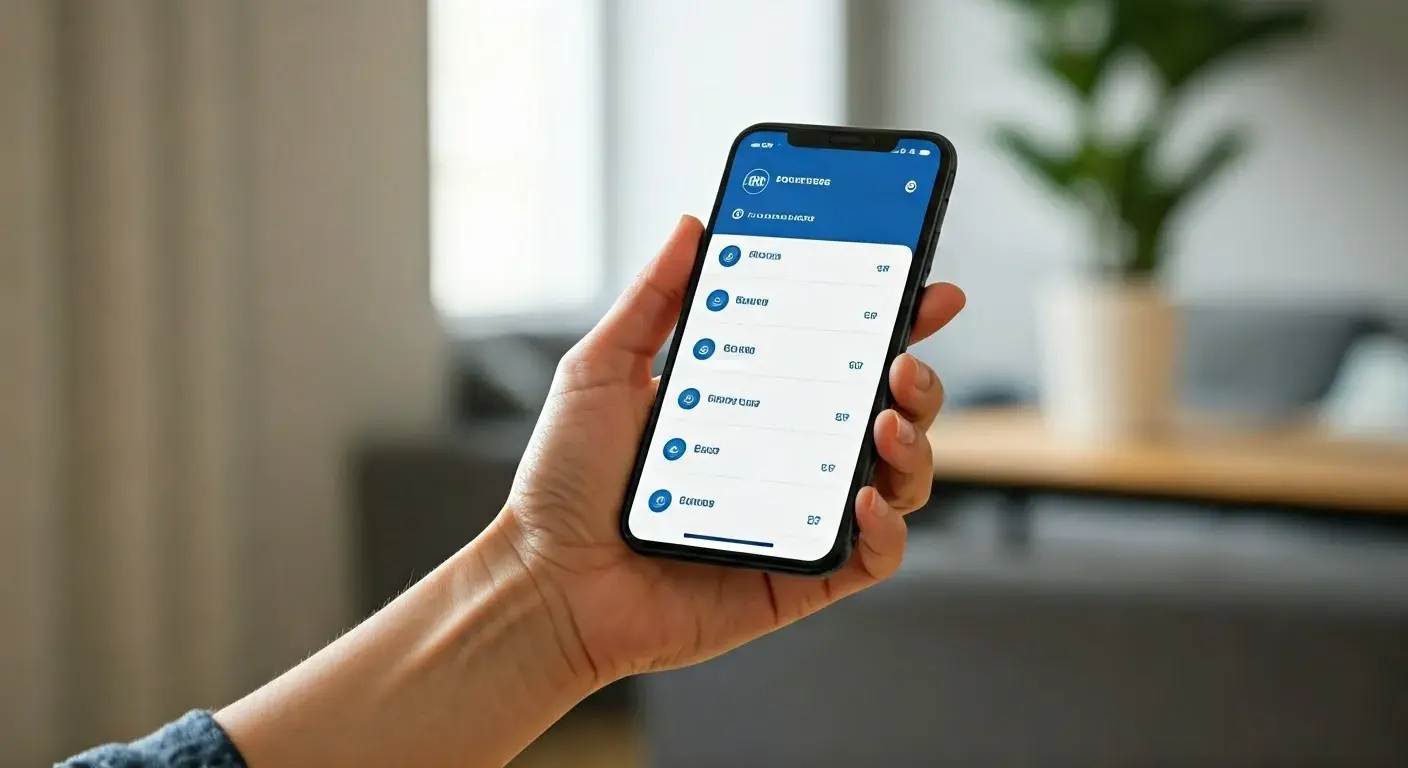
- Mobile App Access and Remote Control: Many ADT systems come with a mobile app that allows you to arm/disarm your system, receive alerts, and even view live camera feeds remotely. This convenience is factored into the pricing.
- Video Surveillance and Recording: If you opt for security cameras, the monthly fee can include cloud storage for recorded footage, remote viewing, and advanced analytics.
- Life Safety Monitoring: Beyond intrusion detection, ADT also monitors for environmental hazards like smoke, carbon monoxide, and floods, providing a holistic safety net.
The specific combination of these features within your chosen ADT package will directly influence the final ADT monthly monitoring cost in 2026.
Why ADT's Pricing Structure is Key
ADT's pricing is generally structured around a monthly subscription model. This allows customers to spread the cost of sophisticated security technology and 24/7 monitoring over time, making it more accessible than a large upfront investment. Understanding this recurring cost is vital for long-term financial planning. The specific price you pay will depend on a variety of factors, which we will explore in detail.
Factors Influencing ADT Monthly Monitoring Fees
The ADT monthly monitoring cost isn't a one-size-fits-all figure. Several key variables interact to determine the exact price you'll pay for your home security service. Understanding these factors is essential for accurately estimating your potential expenses and identifying opportunities to optimize your budget. By considering these elements, you can gain a clearer picture of what influences the final ADT monthly monitoring cost in 2026.
System Complexity and Equipment Selection
The type and quantity of security devices you choose significantly impact your monthly fees. A basic package might include a control panel, a few door/window sensors, and a motion detector. However, if you opt for more advanced equipment, such as:
- Additional Sensors: Adding more door/window sensors for every entry point, glass break detectors, or specialized sensors (e.g., water leak detectors, freeze sensors).
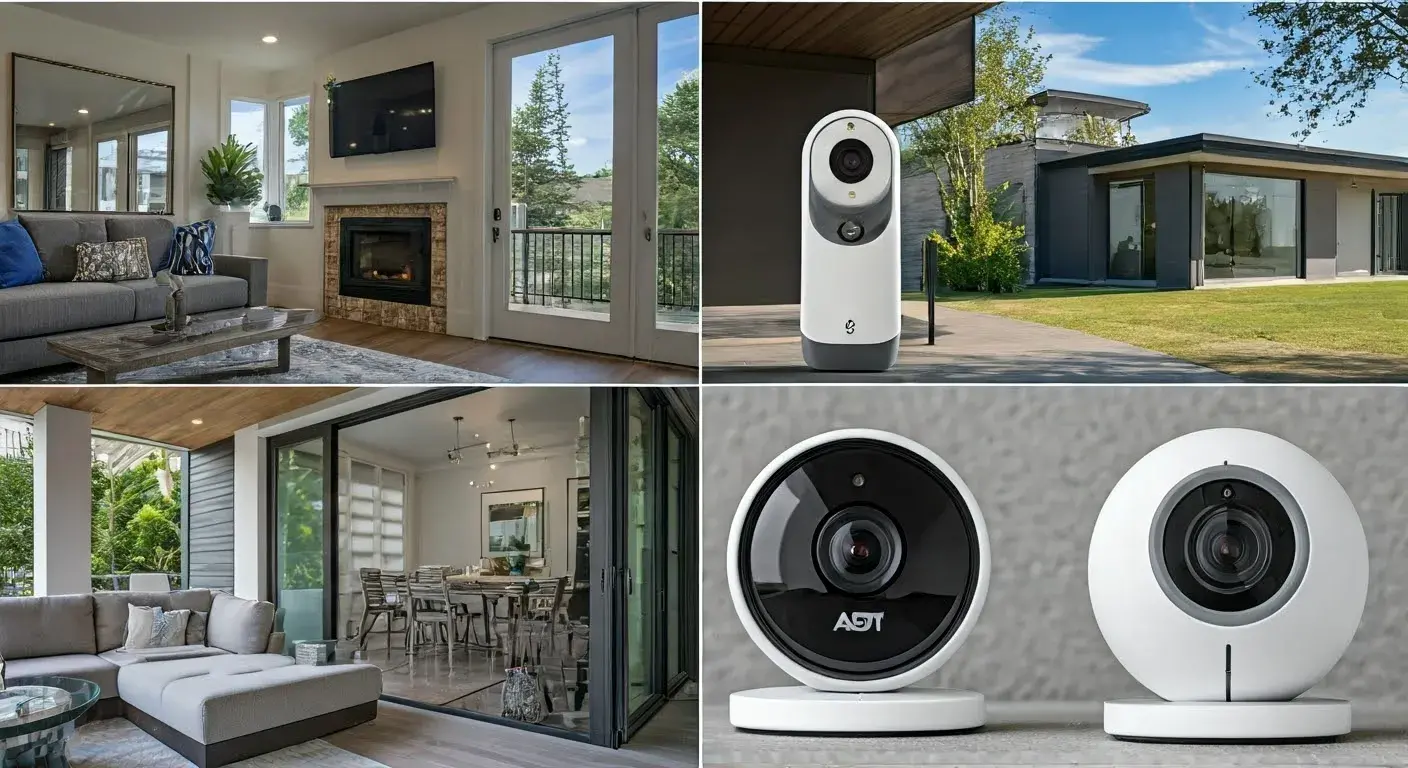
- Security Cameras: Indoor, outdoor, doorbell cameras, each with varying resolutions, night vision capabilities, and two-way audio features. The number of cameras included will also play a role.
- Smart Home Devices: Integration with smart locks, smart thermostats, smart lighting, and voice assistants.
- Yard Signs and Window Decals: While seemingly minor, these visible deterrents are part of the overall security package.
Each piece of equipment adds to the overall value and functionality of your system, and consequently, the ADT monthly monitoring cost. Higher-end, more feature-rich devices typically come with a higher associated monthly service fee, reflecting the increased capabilities and potential data transmission requirements.
Monitoring Service Level and Features
ADT offers different tiers of monitoring services, each with a distinct set of features and corresponding price points. These tiers are designed to cater to varying security needs and budgets. The core differences often lie in:
- Response Protocols: While all ADT services include 24/7 professional monitoring, some higher-tier plans might offer enhanced response protocols, such as prioritized dispatch or direct communication lines with specific emergency services in certain areas.
- Video Monitoring and Storage: Plans that include video surveillance will have varying costs based on the number of cameras, the quality of the video, and the amount of cloud storage provided for recorded footage. For example, 24/7 continuous recording will be more expensive than event-triggered recording.
- Remote Access and Control: The level of access provided through the ADT mobile app can vary. Some plans might offer basic arming/disarming, while others provide full control over all smart home devices, live video feeds, and system settings.
- Life Safety Monitoring: While often standard, the extent of environmental hazard monitoring (e.g., carbon monoxide, smoke, flood, freeze) might be bundled differently across packages.
- Cellular Backup: Most ADT systems utilize cellular backup to ensure communication with the monitoring center even if your home internet or landline is cut. The reliability and inclusion of this feature are factored into the cost.
Selecting a higher service level with more advanced features will naturally lead to a higher ADT monthly monitoring cost.
Contract Length and Commitment
ADT, like many security providers, often offers different contract lengths. Shorter contracts (e.g., 1-2 years) may come with a slightly higher monthly rate to compensate for the provider's reduced commitment period. Conversely, longer contracts (e.g., 3-5 years) can sometimes offer a lower monthly rate, as they provide ADT with greater customer retention and predictable revenue.
It's important to note that signing a longer contract often means you are committing to a specific monthly price for the entire duration. While this offers price stability, it also reduces flexibility. Early termination fees can be substantial if you decide to cancel before the contract term is up. Therefore, carefully consider your long-term plans and commitment level when choosing a contract length, as it directly impacts the ADT monthly monitoring cost over time.
Geographic Location and Local Regulations
Your physical location can subtly influence your ADT monthly monitoring cost. Factors such as local emergency response times, permit requirements for alarm systems, and the cost of doing business in a particular region can all play a role. In areas with higher operational costs for ADT, or where specific local regulations mandate certain service levels or response protocols, you might see slightly different pricing compared to other regions.
Additionally, some municipalities charge alarm permit fees, which are separate from your ADT bill but are a necessary cost of having an alarm system. While ADT doesn't set these fees, they are an important part of the overall cost of home security.
Promotional Offers and Discounts
ADT frequently runs promotional offers and discounts to attract new customers. These can include reduced installation fees, discounted equipment, or even temporary reductions in the monthly monitoring rate. These offers are often time-limited and may be tied to specific packages or contract lengths. Keeping an eye out for these promotions can help reduce the initial and ongoing ADT monthly monitoring cost. Discounts may also be available for existing customers of other services (e.g., bundled home services) or for specific groups (e.g., military, seniors), though these are not always guaranteed.
ADT Package Tiers and Their Costs
ADT offers a tiered system of security packages, each designed to meet different needs and budgets. While specific package names and exact pricing can fluctuate, understanding the general structure and the typical cost ranges associated with each tier is crucial for estimating your ADT monthly monitoring cost in 2026. These tiers are generally built upon a foundation of 24/7 professional monitoring, with added features and equipment as you move up the scale.
ADT Essentials (Basic Protection)
This entry-level package is designed for homeowners who need fundamental security coverage. It typically includes the core components necessary for basic intrusion detection and professional monitoring.
- Included Equipment: Usually consists of a smart security hub/control panel, a few door/window sensors, and one motion detector.
- Monitoring Features: 24/7 professional monitoring for intrusion, cellular backup for communication, and basic mobile app access for arming/disarming.
- Focus: Perimeter security and detection of unauthorized entry.
- Estimated ADT Monthly Monitoring Cost (2026): Typically ranges from $35 to $50 per month. This is a baseline cost, and specific pricing will depend on installation fees, contract length, and any initial equipment bundles.
This option is ideal for individuals or families seeking reliable security without extensive smart home integration or video surveillance.
ADT Control (Smart Home Integration)
The ADT Control package elevates the security experience by integrating smart home capabilities with robust security monitoring.
- Included Equipment: Builds upon the Essentials package, often adding more sensors, a smart doorbell camera, and potentially smart lighting or a smart thermostat.
- Monitoring Features: All features of the Essentials package, plus enhanced mobile app control over smart home devices, remote access to live video feeds from the doorbell camera, and event-triggered video recording.
- Focus: Comprehensive security with convenience and remote control of home functions.
- Estimated ADT Monthly Monitoring Cost (2026): Generally falls between $45 to $65 per month. The inclusion of smart devices and video capabilities increases the monthly fee.
This package is suitable for those who want a connected home experience alongside their security system.
ADT Command (Advanced Security & Video)
ADT Command represents a premium offering, focusing on advanced security features, extensive video surveillance, and sophisticated smart home integration.
- Included Equipment: Typically includes a larger set of sensors, multiple indoor and outdoor security cameras with advanced features (e.g., high resolution, facial recognition capabilities), smart locks, and potentially integration with a broader range of smart home ecosystems.
- Monitoring Features: All features of the Control package, with enhanced video monitoring capabilities, potentially longer video storage, advanced motion detection alerts, and more comprehensive smart home automation options. This tier often provides the most robust remote access and control.
- Focus: Maximum security, extensive property surveillance, and seamless smart home automation.
- Estimated ADT Monthly Monitoring Cost (2026): Can range from $60 to $85+ per month. The extensive equipment, advanced video features, and comprehensive integration drive this higher price point.
This tier is best for larger homes, those with significant assets to protect, or individuals who prioritize the most advanced security and smart home technology.
Customizable Packages
It's important to remember that ADT often allows for customization. You can typically start with a base package and add individual components or services as needed. This flexibility means that your ADT monthly monitoring cost can be tailored precisely to your requirements. For instance, if you're happy with the Essentials package but want to add a single outdoor camera, you can usually do so, and the monthly cost will be adjusted accordingly.
Installation Fees and Equipment Costs
While this section focuses on monthly monitoring, it's crucial to acknowledge that upfront costs exist. ADT installation fees can range from a few hundred dollars to over a thousand, depending on the complexity of the system. Sometimes, these costs are bundled into the monthly payments over the contract term, effectively increasing the monthly outlay. Always clarify whether the quoted monthly price includes the amortization of equipment and installation costs.
Example Scenario: A homeowner opts for the ADT Control package with a 3-year contract. The base monthly fee might be $55. However, if the total installation and equipment cost is $1200, and it's financed over 36 months, this could add an additional $33.33 per month ($1200 / 36), bringing the total monthly payment to approximately $88.33. This highlights how equipment and installation costs are often intertwined with the ADT monthly monitoring cost.
ADT Monitoring Cost Breakdown: 2026 Projections
Predicting exact pricing for the future is challenging, as market conditions, technological advancements, and ADT's own strategic pricing adjustments can influence costs. However, by analyzing current trends and industry forecasts, we can project the likely ADT monthly monitoring cost for 2026. This breakdown aims to provide a realistic expectation for consumers planning their home security investments.
Projected Average Monthly Costs for 2026
Based on current industry growth, inflation rates, and ADT's historical pricing patterns, we anticipate a slight increase in average monthly monitoring fees. The core ADT monthly monitoring cost is expected to see a modest rise, reflecting the ongoing investment in technology, infrastructure, and personnel required to maintain 24/7 professional monitoring services.
- ADT Essentials (Projected 2026): Expect costs to range from $37 to $53 per month. This reflects a potential increase of $2-$3 from current average rates.
- ADT Control (Projected 2026): The mid-tier package is likely to fall between $48 to $68 per month, a projected increase of $3-$5, driven by the integration of more smart home features and potentially enhanced video capabilities.
- ADT Command (Projected 2026): The premium tier could see costs ranging from $63 to $88+ per month. The projected increase of $3-$5+ here is influenced by the continuous evolution of advanced security and AI-driven features in higher-end systems.
These projections assume standard packages and do not account for significant promotional discounts or highly customized systems. Always obtain a personalized quote for the most accurate pricing.
Impact of Inflation and Economic Factors
Inflation is a significant driver of price increases across all industries, and home security is no exception. The cost of raw materials for manufacturing equipment, energy for monitoring centers, and labor for installation and support staff all contribute to the overall operational expenses for ADT. As inflation continues to be a factor in the global economy, it's reasonable to expect that these increased costs will be passed on, at least partially, to consumers through slightly higher monthly fees.
Economic conditions can also influence the perceived value of security services. During times of economic uncertainty, demand for home security may increase as individuals seek to protect their assets. This increased demand, coupled with rising operational costs, could further support modest price increases for ADT monthly monitoring cost in 2026.
Technological Advancements and Their Cost Implications
The home security landscape is constantly evolving with new technologies. In 2026, we can expect ADT to continue integrating advanced features such as:
- AI-Powered Video Analytics: Smarter detection of people, vehicles, and packages, reducing false alarms and providing more relevant alerts.
- Enhanced Cybersecurity: Robust measures to protect connected systems from cyber threats.
- Seamless Integration with Emerging Smart Home Standards: Compatibility with new protocols and devices, offering a more unified smart home experience.
- Improved Mobile App Functionality: More intuitive interfaces, faster response times, and richer features for remote management.
While these technological advancements offer significant benefits to consumers, they also represent substantial investment for ADT in research, development, and infrastructure. These investments are typically reflected in the pricing of the services that incorporate them, particularly in the higher-tier packages. Therefore, the ADT monthly monitoring cost for packages featuring these cutting-edge technologies may be slightly higher.
The Role of Cellular and Network Infrastructure
Reliable communication is the backbone of any security system. ADT's reliance on cellular networks for backup communication, especially in areas with less stable internet connectivity, means that costs associated with cellular service providers are a factor. As cellular technology evolves (e.g., 5G deployment), ADT may invest in upgrading its network infrastructure to leverage these advancements for faster and more reliable communication. These infrastructure costs can contribute to the overall ADT monthly monitoring cost.
Competitive Pricing Strategies
ADT operates in a highly competitive market. While they aim to maintain premium pricing due to their brand recognition and service quality, they also must remain competitive. In 2026, ADT will likely continue to employ strategic pricing, offering attractive introductory promotions and bundled deals to new customers. They may also adjust pricing tiers to better align with competitor offerings while still emphasizing their unique value proposition. This competitive dynamic can influence the final ADT monthly monitoring cost you encounter.
Comparing ADT to Competitors in 2026
Choosing a home security provider involves weighing various factors, including cost, features, and service quality. In 2026, ADT will continue to face competition from a diverse range of companies, from large national providers to smaller regional players and DIY security solutions. Understanding how ADT's pricing and offerings stack up against these competitors is essential for making an informed decision about your ADT monthly monitoring cost.
National Security Providers (e.g., Vivint, Brinks Home)
Companies like Vivint and Brinks Home are often considered direct competitors to ADT, offering professionally installed and monitored systems with similar tiered packages and smart home integration.
- Vivint: Known for its sleek, modern equipment and strong emphasis on smart home automation, Vivint's pricing is often comparable to ADT's mid-to-high tier packages. Their monthly fees can range from $40 to $70+, depending on the equipment and services chosen. Vivint typically requires a 42-month contract.
- Brinks Home: Offers a range of packages with competitive pricing, often starting around $30-$40 per month for basic monitoring and scaling up with additional features. Brinks Home also emphasizes professional installation and monitoring, often with contract options of 36 months.
Comparison Point: In 2026, ADT's strength will likely remain in its established brand reputation and extensive network of service centers. While Vivint may offer a more integrated smart home experience, and Brinks Home might present slightly more aggressive pricing on basic packages, ADT's comprehensive service and support will continue to be a key differentiator. The ADT monthly monitoring cost will likely remain in a similar range to these competitors, with variations based on specific package inclusions and contract terms.
DIY Security Systems (e.g., SimpliSafe, Ring Alarm)
DIY systems offer a significantly different approach, emphasizing self-installation and often lower monthly costs. Companies like SimpliSafe and Ring Alarm have gained considerable market share by providing accessible and affordable security solutions.
- SimpliSafe: Offers a range of wireless sensors and cameras that users can install themselves. Their professional monitoring service is typically very affordable, often around $15-$25 per month, with no long-term contracts required.
- Ring Alarm (Amazon): Provides a modular DIY system that integrates seamlessly with other Ring devices. Professional monitoring through Ring Protect Pro is usually around $20 per month.
Comparison Point: The primary difference here is the level of service and installation. DIY systems are ideal for renters or those on a tighter budget who are comfortable setting up their own equipment and troubleshooting minor issues. However, they lack the comprehensive professional installation and the same level of dedicated, 24/7 professional response that ADT provides. The ADT monthly monitoring cost will be higher than DIY options, but this is a trade-off for professional installation, a more robust system, and potentially faster, more reliable emergency dispatch.
Local and Regional Security Providers
Numerous smaller, local security companies operate across the country. These providers can sometimes offer more personalized service and potentially lower prices than national giants, especially if they have lower overhead costs.
- Potential Advantages: More localized customer support, potentially more flexible contract terms, and a deeper understanding of regional needs.
- Potential Disadvantages: May lack the advanced technology, extensive resources, or widespread brand recognition of national providers. The reliability and scope of their monitoring centers can vary.
Comparison Point: When comparing ADT to local providers in 2026, it's essential to evaluate the breadth of services, the quality of the monitoring center, and the technological capabilities. While a local provider might offer a slightly lower ADT monthly monitoring cost, it's crucial to ensure they meet your security needs comprehensively. ADT's advantage lies in its established infrastructure, extensive training for its monitoring staff, and consistent service delivery across its vast network.
Key Differentiators for ADT in 2026
Despite the competitive landscape, ADT aims to differentiate itself through several key strengths:
- Brand Trust and Longevity: ADT has been a leader in home security for decades, fostering a high level of trust among consumers.
- Extensive Professional Network: A vast network of trained technicians ensures professional installation and reliable service across the country.
- Comprehensive Monitoring Centers: ADT operates multiple, state-of-the-art monitoring centers that are UL-listed and employ highly trained professionals.
- Advanced Technology Integration: While competitors also offer smart home features, ADT continues to invest in integrating cutting-edge technology into its systems.
When evaluating the ADT monthly monitoring cost in 2026, consider these differentiators. The premium price often reflects the robust infrastructure, dedicated personnel, and established reliability that ADT offers, which may not be matched by all competitors, particularly DIY or smaller local providers.
Maximizing Value and Minimizing ADT Costs
While ADT offers a premium security experience, it's possible to optimize your investment and potentially reduce your monthly expenses without compromising on essential protection. By employing smart strategies, you can ensure you're getting the most value for your ADT monthly monitoring cost in 2026.
1. Choose the Right Package for Your Needs
The most significant factor influencing your monthly cost is the package you select. Avoid overspending on features you don't need.
- Assess Your Home: Do you live in a large house with many entry points, or a smaller apartment? Do you have valuable assets that require extensive surveillance?
- Identify Essential Features: Prioritize what matters most. Is it basic intrusion detection, smart home integration, or advanced video surveillance?
- Avoid Unnecessary Add-ons: Be critical of optional add-ons. If you don't anticipate using a particular feature regularly, it might be best to forgo it initially. You can often add services later if your needs change.
By carefully selecting a package that aligns precisely with your security requirements, you can avoid paying for superfluous services, thereby minimizing your ADT monthly monitoring cost.
2. Negotiate Your Contract and Installation Fees
Don't be afraid to negotiate, especially when signing a new contract.
- Research Competitor Pricing: Before contacting ADT, research the pricing and packages offered by their competitors. Use this information as leverage during your negotiation.
- Ask About Promotions: Inquire about any current promotions, discounts, or special offers available for new customers.
- Bundle Services: If you're considering other services (e.g., internet, mobile), explore if bundling with ADT offers any cost savings.
- Installation Fee Flexibility: Installation fees can sometimes be negotiable, especially if you're signing a longer contract or purchasing a more comprehensive package. Ask if there are any opportunities to reduce this upfront cost.
A successful negotiation can lead to a lower overall ADT monthly monitoring cost over the life of your contract.
3. Leverage Existing Equipment (If Possible)
In some cases, if you are switching from another provider or have compatible smart home devices, you might be able to integrate them into your ADT system, potentially reducing the amount of new equipment you need to purchase. While ADT systems are often proprietary, it's worth discussing with your sales representative if any of your existing, compatible devices can be incorporated to lower equipment costs and, by extension, the amortized monthly fee.
4. Take Advantage of Discounts
ADT sometimes offers discounts to specific customer groups.
- Military Discounts: Active duty military personnel and veterans may be eligible for special pricing.
- First Responder Discounts: Police officers, firefighters, and EMTs might also qualify for discounts.
- Homeowners Insurance: Many insurance companies offer discounts on premiums for homes equipped with a monitored security system. Ensure you inform your insurer about your ADT system to potentially lower your homeowners' insurance costs, effectively reducing your overall home security expenditure.
Always ask your ADT representative about available discounts and ensure you meet the eligibility criteria.
5. Monitor Your Usage and System Performance
Regularly review your ADT bills to ensure accuracy. If you notice any discrepancies or unexpected charges, contact ADT customer service immediately. Additionally, ensure your system is functioning optimally. A well-maintained system is less likely to require costly emergency service calls or equipment replacements outside of warranty.
6. Consider Contract Renewal Options Carefully
As your contract nears its end, ADT will likely offer renewal options.
- Review Your Needs: Have your security needs changed? Perhaps you require fewer services now, or conversely, need to upgrade.
- Negotiate Again: This is another opportunity to negotiate. Companies are often keen to retain existing customers, and you may be able to secure better rates or updated equipment.
- Compare Offers: Before committing to a renewal, compare ADT's offer against current deals from competitors.
By being proactive and informed, you can manage your ADT monthly monitoring cost effectively throughout your relationship with the company.
Understanding Your ADT Contract
Signing an ADT contract is a significant commitment, and understanding its terms and conditions is paramount. This section will delve into the critical aspects of an ADT contract that directly influence your ADT monthly monitoring cost and your overall experience as a customer in 2026.
Key Contractual Terms to Scrutinize
When presented with an ADT contract, pay close attention to the following elements:
- Contract Length: As discussed, ADT typically offers contracts ranging from 2 to 5 years. Ensure you are comfortable with the duration and understand the implications of early termination.
- Monthly Service Fee: This is the core of your ADT monthly monitoring cost. Verify that the fee is clearly stated, along with what services are included. Note any potential for price increases during the contract term (though ADT often locks in pricing for the duration).
- Equipment Costs: Clarify how equipment costs are handled. Are they included in the monthly fee (amortized over the contract term), or are they a separate upfront purchase? Understand the total cost of equipment.
- Installation Fees: The cost of professional installation should be clearly itemized.
- Early Termination Clause: This is perhaps the most critical clause. Understand the penalties for cancelling the contract before its expiration date. These fees can be substantial and are often calculated based on the remaining months of service.
- Renewal Terms: What happens when the contract expires? Does it automatically renew on a month-to-month basis, or will you be offered a new long-term contract? Understand the pricing structure after the initial term.
- Service and Support: Review the terms related to system maintenance, repairs, and customer support. What is covered under warranty, and what are the costs for out-of-warranty services?
- Moving Policy: Understand ADT's policy if you move. Can you transfer your service to a new home? Are there associated fees?
The Importance of Reading the Fine Print
It cannot be stressed enough: read the entire contract carefully before signing. Do not rely solely on verbal assurances from sales representatives. The written contract is the legally binding document. If any terms are unclear, ask for clarification or have a legal professional review it. Understanding these details can prevent future disputes and ensure you are fully aware of your obligations and ADT's responsibilities, directly impacting your perception of the ADT monthly monitoring cost.
What Happens After Your Contract Expires?
Once your initial contract term concludes, your service typically transitions to a month-to-month agreement. However, the monthly rate may change. ADT might offer you a new contract with updated pricing, or you may continue on a month-to-month basis at a potentially higher rate than your original contract price. This is a crucial juncture to re-evaluate your needs and compare ADT's current offerings with those of competitors. If you find a better deal elsewhere, you can switch providers without incurring early termination fees, assuming your contract has expired.
Customer Service and Dispute Resolution
Understanding how to engage with ADT customer service is vital. Know the channels available for support (phone, online chat, app) and their operating hours. If a dispute arises regarding billing, service quality, or contract terms, familiarize yourself with ADT's formal dispute resolution process. Documenting all communications, including dates, times, representative names, and summaries of conversations, is essential for resolving any issues effectively.
Your Rights as a Consumer
As a consumer, you have rights regarding contracts for services like home security. Familiarize yourself with consumer protection laws in your state or region. These laws often govern contract cancellations, disclosure requirements, and fair business practices. Being informed about your rights empowers you to make better decisions and seek recourse if necessary.
By thoroughly understanding your ADT contract, you can navigate your service agreement with confidence, ensuring that your ADT monthly monitoring cost aligns with the value you receive and that you are protected throughout your service period.
The Future of ADT Monitoring Pricing
The home security industry is in a constant state of evolution, driven by technological innovation, changing consumer demands, and economic shifts. Looking ahead to 2026 and beyond, several trends are likely to influence ADT's pricing strategies and the overall ADT monthly monitoring cost.
Increased Integration of AI and Machine Learning
Artificial intelligence (AI) and machine learning (ML) are poised to play an even more significant role in home security. In 2026, we can expect ADT to leverage these technologies to:
- Enhance Threat Detection: AI algorithms can analyze video footage and sensor data with greater accuracy, distinguishing between genuine threats (e.g., intruders) and false alarms (e.g., pets, environmental changes). This improved accuracy can lead to more efficient dispatch of emergency services and potentially reduce costs associated with unnecessary call-outs.
- Personalize Security Settings: AI can learn user habits and preferences to optimize system performance and provide more tailored security alerts and automations.
- Predictive Maintenance: ML algorithms can identify potential equipment failures before they occur, allowing for proactive maintenance and reducing the likelihood of system downtime.
While the initial investment in AI/ML technology is substantial, its long-term benefits in terms of efficiency, accuracy, and customer satisfaction could lead to more optimized operational costs for ADT, potentially influencing future pricing structures. The ADT monthly monitoring cost for packages incorporating these advanced AI features might reflect this added value.
The Rise of Proactive and Predictive Security
The industry is moving beyond reactive security (responding to events) towards proactive and predictive security. ADT is likely to invest further in systems that can anticipate potential threats. This could involve integrating with smart city infrastructure, analyzing broader environmental data, or offering more sophisticated risk assessment tools for homeowners. Such advanced capabilities, while offering enhanced protection, will likely be reflected in the pricing of premium service tiers.
Subscription Models and Service Bundling
The subscription-based model is firmly entrenched in the security industry, and this trend is expected to continue. In 2026, ADT may explore more flexible subscription options, potentially offering shorter-term commitments or tiered services that allow customers to scale their security features up or down more easily. Bundling services with other smart home providers or even utility companies could also become more prevalent, offering consumers a consolidated bill and potentially some cost savings. The ADT monthly monitoring cost could become more dynamic as a result of these evolving models.
Cybersecurity as a Core Component
As homes become more connected, cybersecurity becomes increasingly critical. ADT will undoubtedly continue to prioritize robust cybersecurity measures to protect its customers' data and systems from breaches. The ongoing investment in secure network infrastructure, encryption, and threat monitoring will be a significant operational cost, which will likely be factored into the ADT monthly monitoring cost, especially for packages that handle sensitive data or extensive smart home integration.
Sustainability and Energy Efficiency
Environmental consciousness is growing, and this could influence the development of security systems. In 2026, we might see ADT offering more energy-efficient equipment and exploring ways to reduce the environmental impact of its operations. While this might not directly lower the ADT monthly monitoring cost in the short term, it aligns with broader consumer values and could become a competitive differentiator.
The Balance Between Premium Service and Affordability
ADT's challenge will be to balance its reputation for premium service and cutting-edge technology with the increasing demand for affordability. While advanced features will command a higher price, ADT will likely continue to offer a range of packages to cater to different budget levels. The competition from DIY providers and other national companies will keep pressure on pricing, encouraging ADT to find efficiencies and offer compelling value propositions across its entire product line. The ADT monthly monitoring cost in 2026 will likely continue to reflect this strategic balancing act.
In conclusion, the ADT monthly monitoring cost in 2026 will be shaped by a confluence of technological advancements, economic factors, and competitive pressures. While costs may see a modest increase due to inflation and technological investment, ADT's commitment to providing reliable, professional monitoring, coupled with evolving smart home integrations, will continue to define its value proposition. By understanding the factors influencing pricing, carefully selecting the right package, and staying informed about contract terms, consumers can make the most informed decision for their home security needs.