Are Adt Alarms Any Good ?
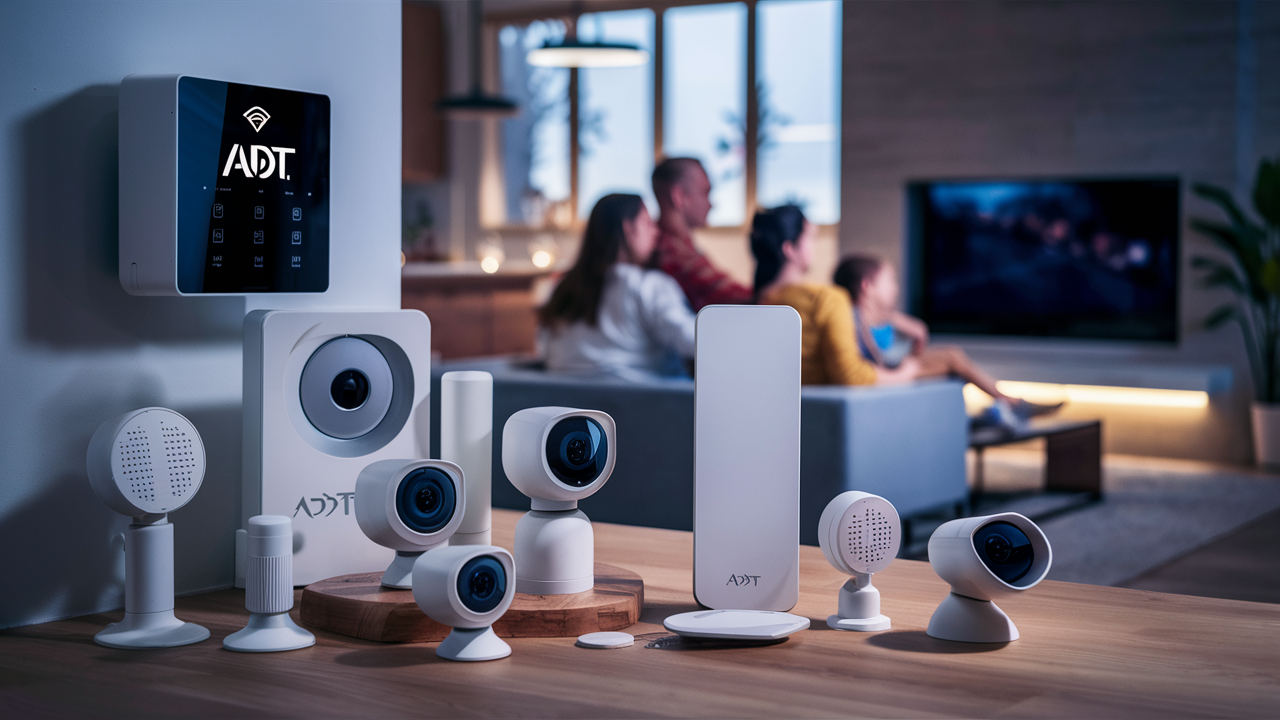
When considering home security, the question "Are ADT alarms any good?" is paramount. This comprehensive guide dives deep into ADT's offerings, evaluating their reliability, features, customer service, and overall value to help you make an informed decision for your peace of mind in 2025-26.
What is ADT? A Legacy in Home Security
ADT, a name synonymous with home security for decades, stands as one of the largest and most recognized providers in the United States and globally. Founded in 1874, ADT has evolved from a telegraph alarm service to a sophisticated provider of integrated smart home security solutions. Their long-standing presence in the industry is often seen as a testament to their reliability and experience. In the 2025-26 landscape, ADT continues to leverage its extensive network of monitoring centers and a vast customer base to offer a range of services, from basic alarm systems to comprehensive smart home automation. Their business model primarily revolves around professional installation and 24/7 professional monitoring, differentiating them from many DIY-focused competitors. This approach aims to provide a high level of security and customer support, but it also influences their pricing structure and contract terms. Understanding ADT's history and operational philosophy is crucial when evaluating whether their alarm systems are a good fit for your specific needs and expectations.
ADT Security Systems: Key Features and Technology (2025-26)
ADT offers a diverse portfolio of security systems, catering to various needs and budgets. While the core functionality remains robust alarm detection and monitoring, the company has significantly integrated smart home technology into its offerings for 2025-26.
Core Security Components
At the heart of any ADT system are the fundamental security devices designed to detect intrusions and environmental hazards. These typically include:
- Control Panel: The central hub of the system, allowing users to arm, disarm, and manage settings. ADT's panels are generally user-friendly, often featuring touchscreens and mobile app integration.
- Door/Window Sensors: These magnetic sensors trigger an alarm when a door or window is opened. ADT offers a variety of sensor types, including recessed and surface-mounted options.
- Motion Detectors: Designed to sense movement within a designated area, these are crucial for covering larger spaces and entry points. Pet-immune options are widely available to prevent false alarms.
- Glass Break Sensors: These listen for the specific frequency of breaking glass, providing an additional layer of security for windows.
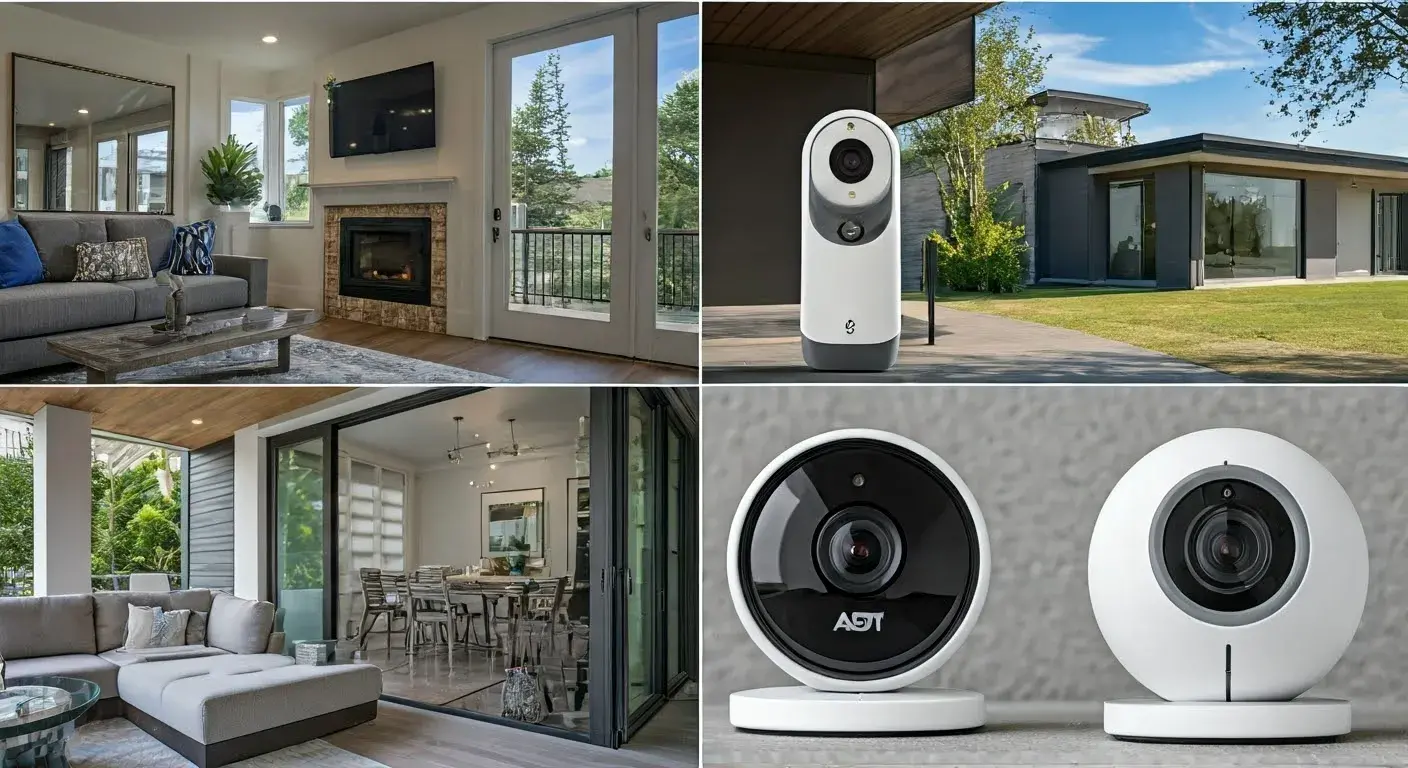
- Security Cameras: ADT provides both indoor and outdoor cameras, with options for high definition, night vision, two-way audio, and motion-activated recording. Integration with the ADT Control app allows for live viewing and recorded footage access.
- Environmental Sensors: Beyond intrusion detection, ADT offers sensors for smoke, carbon monoxide, and water leaks, providing comprehensive home protection.
Smart Home Integration and Automation
Recognizing the growing demand for connected homes, ADT has heavily invested in smart home capabilities. For 2025-26, their systems are designed to be more than just alarms; they are integrated smart home hubs.
- ADT Control App: This is the cornerstone of ADT's smart home integration. The app allows users to remotely arm/disarm their system, view live camera feeds, control smart locks, adjust thermostats, and manage lighting. It offers a unified interface for all connected devices.
- Smart Locks: ADT offers integration with popular smart lock brands, allowing users to lock and unlock doors remotely, grant temporary access, and receive notifications about door activity.
- Smart Lighting: Control and schedule lights remotely, or set them to turn on/off automatically with system arming/disarming or motion detection.
- Smart Thermostats: Integrate with smart thermostats to manage home temperature remotely, potentially saving on energy costs.
- Voice Assistant Compatibility: Many ADT systems are compatible with popular voice assistants like Amazon Alexa and Google Assistant, enabling voice control of security features and connected smart devices.
Advanced Features and Technologies
ADT continues to innovate, incorporating advanced technologies to enhance security and user experience.
- Cellular Backup: All ADT systems come with cellular backup, ensuring that your alarm can still communicate with the monitoring center even if your home internet or landline is disrupted. This is a critical feature for reliable monitoring.
- Professional Installation: ADT emphasizes professional installation by trained technicians. This ensures that the system is set up correctly, all components are optimally placed, and the user is thoroughly trained on its operation.
- Customizable Packages: ADT offers various packages that can be customized. Customers can choose from pre-set bundles or work with an ADT consultant to tailor a system to their specific home layout and security concerns.
- 24/7 Professional Monitoring: This is ADT's core service. Trained professionals monitor your system around the clock, ready to dispatch emergency services (police, fire, medical) when an alarm is triggered.
The breadth of features available with ADT systems, particularly their robust smart home integration for 2025-26, positions them as a comprehensive solution for homeowners seeking both traditional security and modern convenience.
Installation and Setup: Professional vs. DIY
One of the most significant differentiators for ADT is its unwavering commitment to professional installation. This approach has both advantages and disadvantages for consumers evaluating "Are ADT alarms any good?".
ADT's Professional Installation Process
When you opt for an ADT system, a significant part of the service includes having a certified ADT technician install the equipment. This process typically involves several key steps:
- Consultation: Before installation, a security consultant will assess your home's layout, identify potential vulnerabilities, and recommend the best system configuration and sensor placement.
- Scheduling: You will schedule a date and time for the installation that works for your availability.
- Equipment Installation: The technician will professionally mount and connect all components, including the control panel, sensors, cameras, and any other chosen devices. They ensure optimal placement for maximum coverage and effectiveness.
- System Testing: After installation, the technician will thoroughly test every component of the system to ensure it's functioning correctly and communicating with the ADT monitoring center.
- Customer Training: A crucial part of the process is the technician demonstrating how to use the system, including arming/disarming, understanding different alert types, and navigating the mobile app. They will answer any questions you may have.
Advantages of Professional Installation
The reliance on professional installation offers several benefits:
- Expertise and Accuracy: Technicians are trained to install systems correctly, minimizing the risk of errors that could compromise security. They understand optimal sensor placement and system configuration for maximum effectiveness.
- Time-Saving: For individuals who are not tech-savvy or have busy schedules, professional installation saves considerable time and effort.
- System Optimization: Professionals can fine-tune the system to your home's specific needs, ensuring all components work harmoniously and that false alarms are minimized.
- Warranty and Support: Professional installation often ensures that your system is covered by warranty from day one, and you have a direct point of contact for any immediate issues.
- Reduced Risk of Damage: Improper DIY installation can sometimes lead to damage to your home or the equipment itself. Professionals mitigate this risk.
Disadvantages of Professional Installation
However, this model also comes with drawbacks:
- Cost: Professional installation typically incurs an upfront fee, which can add to the overall cost of the system. This fee can range from a few hundred dollars to over a thousand, depending on the system's complexity.
- Scheduling Constraints: You are limited by the availability of ADT technicians, which may require you to take time off work or adjust your schedule significantly.
- Less Flexibility: Unlike DIY systems where you can often install and reconfigure at your own pace, professional installation involves a scheduled appointment and a more fixed setup.
Comparison with DIY Systems
For context, many competitors offer DIY (Do-It-Yourself) installation. These systems are designed for easy setup by the homeowner, often involving peel-and-stick sensors and simple app-guided instructions.
DIY systems generally have lower upfront costs, greater flexibility in installation timing, and the ability to move the system if you relocate. However, they require the homeowner to have a certain level of technical proficiency and can be prone to installation errors if not done carefully. The troubleshooting and support for DIY systems can also be more reliant on online resources or customer service calls, rather than an on-site technician.
When asking "Are ADT alarms any good?", the installation method is a critical factor. If you value a hassle-free, expert setup and are willing to pay for it, ADT's professional installation is a significant plus. If you prefer to save money and have the time and inclination to install it yourself, ADT's model might be less appealing.
Monitoring Services: The Heart of ADT's Offering
The primary value proposition of ADT, and a key factor in answering "Are ADT alarms any good?", lies in its 24/7 professional monitoring service. This is the backbone that provides continuous security oversight for your home.
How ADT Monitoring Works
When any sensor in your ADT system is triggered (e.g., a door opens unexpectedly, a motion detector senses movement, or a smoke alarm activates), the system sends an alert to one of ADT's state-of-the-art monitoring centers. These centers are staffed around the clock by trained professionals who follow strict protocols.
- Alarm Reception: The monitoring center receives an alert signal indicating the type of alarm and its location within your home.
- Verification: ADT operators will attempt to verify the alarm. This might involve calling your designated contact list, checking camera feeds if available, or using other verification methods to determine if it's a genuine emergency or a false alarm.
- Emergency Dispatch: If the alarm is confirmed as a genuine emergency, the operator will immediately dispatch the appropriate emergency services – police for burglaries, fire department for fires, or medical personnel for medical emergencies.
- Customer Notification: Throughout the process, ADT will strive to keep you or your designated contacts informed.
Key Features of ADT Monitoring
ADT's monitoring service is built on several pillars designed for reliability and effectiveness:
- 24/7 Availability: The monitoring centers operate continuously, ensuring that your home is protected day and night, every single day of the year.
- UL-Certified Monitoring Centers: ADT's monitoring facilities are Underwriters Laboratories (UL) certified, meeting rigorous standards for reliability, redundancy, and operational excellence. This certification is a mark of quality and trustworthiness.
- Redundant Systems: The monitoring centers are equipped with backup power, communication lines, and redundant equipment to ensure uninterrupted service even in the event of power outages or natural disasters.
- Trained Professionals: ADT employs highly trained monitoring agents who are skilled in handling emergency situations, making critical decisions quickly and efficiently under pressure.
- Cellular Backup: As mentioned previously, all ADT systems utilize cellular communication for transmitting alarm signals. This is crucial because it bypasses potential vulnerabilities of traditional phone lines or internet connections, ensuring that your alarm can always reach the monitoring center.
- Dispatch Protocol: ADT follows established protocols for dispatching emergency services, often working closely with local law enforcement and fire departments.
Monitoring Plans and Contract Terms
ADT's monitoring services are typically bundled into monthly subscription plans. These plans often vary in terms of the level of service and the equipment included. It's important to note that ADT historically has favored longer-term contracts, often 36 months or more. While this can sometimes offer a lower monthly rate, it represents a significant commitment.
For 2025-26, ADT is also exploring more flexible options, including some shorter-term or month-to-month plans, particularly for their newer smart home integrated systems. However, the traditional model with longer contracts remains prevalent. Understanding these terms is vital when assessing the overall value and commitment involved.
ADT Pulse vs. ADT Control
ADT has evolved its app and service platforms over the years. Historically, ADT Pulse was a popular offering. For 2025-26, the primary platform is ADT Control. ADT Control is a more advanced, integrated platform that offers enhanced smart home capabilities alongside traditional security monitoring. The monitoring service remains consistent across these platforms, but the user interface and the level of smart home integration differ.
Reliability and Response Times
ADT generally boasts high reliability due to its infrastructure and protocols. Response times can vary based on factors like the type of alarm, the verification process, and the availability of local emergency services. However, their established relationships with dispatch centers aim to ensure prompt action.
When evaluating "Are ADT alarms any good?", the strength and reliability of their 24/7 professional monitoring service are undeniable assets. It provides a level of security oversight that many DIY systems cannot match, offering peace of mind that trained professionals are always watching over your home.
ADT Plans and Pricing: Understanding Your Investment
The cost of ADT alarm systems is a significant consideration for many consumers. Unlike many DIY systems where you purchase equipment outright and then opt for optional monitoring, ADT typically bundles equipment, installation, and monitoring into monthly packages, often with longer contract terms. This makes direct price comparisons challenging and requires careful examination of the total investment.
Typical Cost Breakdown
When you consider an ADT system, the total cost generally comprises several components:
- Equipment Costs: While ADT may offer "free" equipment promotions, the cost of the hardware (control panel, sensors, cameras, etc.) is often factored into the monthly service fee over the contract term. If you choose premium equipment or add many devices, this will increase the monthly cost.
- Installation Fee: ADT charges an upfront fee for professional installation. This fee can vary based on the complexity of the installation and the package chosen, typically ranging from $100 to $500 or more.
- Monthly Monitoring Fee: This is the recurring cost for the 24/7 professional monitoring service, app access, and any included smart home features. Monthly fees for ADT systems generally range from $30 to $60+, depending on the package, equipment, and level of service.
- Contract Length: ADT is known for its longer contract terms, often 36 months. While this can sometimes result in a slightly lower monthly rate compared to month-to-month options, it represents a significant financial commitment. Shorter-term or month-to-month options are becoming more available, especially for newer smart home packages, but may come with higher monthly costs or require upfront equipment purchase.
Common ADT Packages and Their Pricing (Estimates for 2025-26)
ADT offers various packages, often categorized by the level of security and smart home integration. Pricing can vary significantly by region and specific promotions. Here are some general examples of what you might encounter:
ADT Essentials Package
This is typically the most basic package, focusing on core security functions.
- Includes: Control panel, 2-3 door/window sensors, 1 motion detector.
- Estimated Monthly Cost: $30 - $45
- Estimated Installation Fee: $100 - $300
- Contract Term: Typically 36 months
ADT Smart Home Package
This package integrates basic security with smart home capabilities.
- Includes: Control panel, 3-4 door/window sensors, 1 motion detector, 1 smart home device (e.g., smart lock or thermostat), access to ADT Control app.
- Estimated Monthly Cost: $45 - $60+
- Estimated Installation Fee: $200 - $400
- Contract Term: Can range from 36 months to shorter terms or month-to-month with higher upfront equipment costs.
ADT Video Security Package
This option includes video surveillance features.
- Includes: Control panel, 3-4 door/window sensors, 1 motion detector, 1-2 indoor/outdoor security cameras, access to live video feeds via ADT Control app.
- Estimated Monthly Cost: $55 - $75+
- Estimated Installation Fee: $300 - $500+
- Contract Term: Similar to the Smart Home package, with potential for varied terms.
Factors Influencing Price
Several factors can cause the price of an ADT system to fluctuate:
- Number and Type of Sensors: More sensors, specialized sensors (like glass break detectors), and additional cameras will increase the overall cost.
- Smart Home Devices: Integrating smart locks, thermostats, lighting, or garage door openers will add to the monthly fee.
- Promotional Offers: ADT frequently runs promotions, such as discounted installation fees, waived equipment costs (with a longer contract), or free upgrades. These can significantly impact the initial and ongoing costs.
- Location: Pricing can vary based on your geographic location and local ADT dealer.
- Contract Length: Shorter contracts or month-to-month plans often have higher monthly fees or require upfront purchase of equipment.
Is ADT Cost-Effective?
Whether ADT is cost-effective depends on your priorities. If you value professional installation, 24/7 professional monitoring, and integrated smart home features without the hassle of DIY setup, ADT can be a good investment. However, if your primary concern is the lowest possible monthly cost or you are comfortable with DIY installation and self-monitoring, other providers might offer better value.
It is crucial to obtain a detailed quote from ADT, carefully review the contract terms, understand what is included in the monthly fee, and compare it with other providers to determine if the cost aligns with the value you perceive. When asking "Are ADT alarms any good?", the pricing and contract structure are integral to that assessment.
Pros and Cons of ADT Alarms: A Balanced Perspective
To definitively answer "Are ADT alarms any good?", it's essential to weigh the advantages against the disadvantages. ADT offers a robust and well-established security solution, but like any service, it has its trade-offs.
Pros of ADT Alarms
ADT's long history and market presence are built on several key strengths:
- Reputation and Reliability: ADT is one of the oldest and most recognized names in home security. Their long track record instills confidence in their service and equipment reliability.
- 24/7 Professional Monitoring: This is ADT's core strength. Having trained professionals constantly monitoring your home provides a high level of security and peace of mind, especially for those who prefer not to self-monitor.
- Professional Installation: ADT's commitment to professional installation ensures that systems are set up correctly, optimally placed, and tested thoroughly. This minimizes installation errors and maximizes system effectiveness.
- Comprehensive Smart Home Integration: For 2025-26, ADT's systems, particularly through the ADT Control app, offer strong integration with smart locks, lights, thermostats, and voice assistants, turning your security system into a smart home hub.
- UL-Certified Monitoring Centers: The use of UL-certified monitoring centers signifies adherence to high industry standards for reliability and operational excellence.
- Cellular Backup: The inclusion of cellular backup as standard ensures that your system can communicate with the monitoring center even if your internet or landline is down.
- Wide Range of Equipment: ADT offers a variety of sensors, cameras, and environmental detectors, allowing for a customizable system tailored to specific home needs.
- Established Network: As a large company, ADT has a vast network of technicians and monitoring centers, which can translate to broader coverage and more consistent service across different regions.
Cons of ADT Alarms
Despite its strengths, ADT also has aspects that potential customers might find less appealing:
- Higher Cost: ADT systems are generally more expensive than many DIY alternatives. The combination of professional installation, monthly monitoring fees, and often longer contracts leads to a higher overall investment.
- Long-Term Contracts: Historically, ADT has required long-term contracts (e.g., 36 months). While some flexibility is emerging, these contracts can be restrictive and costly to break if you need to move or are dissatisfied with the service.
- Installation Fees: Unlike some competitors who offer free installation, ADT typically charges an upfront fee for professional installation, which can be a few hundred dollars.
- Limited DIY Options: ADT's model is heavily reliant on professional installation. If you prefer to install and manage your system yourself, ADT's offerings may not be suitable.
- Customer Service Variability: While ADT has a large customer base, experiences with customer service can vary. Some users report excellent support, while others have encountered issues with billing, service responsiveness, or contract disputes.
- Potential for Upselling: As with many large service providers, customers may feel pressured by sales representatives to purchase more equipment or services than they initially intended.
Who is ADT Best Suited For?
ADT is often a good choice for:
- Homeowners who prioritize professional installation and expert setup.
- Individuals who want the assurance of 24/7 professional monitoring and don't want to manage alerts themselves.
- Those looking for an integrated smart home security system with a single app for control.
- People who value brand recognition and a long-standing reputation in the security industry.
- Homeowners who are comfortable with a longer-term contract commitment in exchange for a comprehensive service package.
Who Might Consider Alternatives?
ADT might not be the best fit for:
- Budget-conscious consumers looking for the lowest possible upfront and monthly costs.
- Individuals who prefer DIY installation and the flexibility to manage their own system.
- Renters who need a portable system or are hesitant to sign long-term contracts.
- People who want to avoid long-term contracts altogether.
By understanding these pros and cons, you can better assess whether ADT's offerings align with your personal security needs, budget, and preferences. The question "Are ADT alarms any good?" is ultimately subjective and depends on individual priorities.
ADT vs. The Competition: How Do They Stack Up?
To truly gauge if "Are ADT alarms any good?", it's vital to compare them against key competitors in the home security market. ADT operates in a competitive landscape, with offerings ranging from other large professional installers to a growing number of DIY and smart home-focused companies. Here's a look at how ADT stacks up in 2025-26.
ADT vs. Vivint
Vivint is often considered ADT's closest competitor in the professional installation and monitoring space.
- Similarities: Both offer 24/7 professional monitoring, professional installation, and robust smart home integration with proprietary apps (ADT Control vs. Vivint App). Both tend to have higher monthly costs and longer contracts.
- Differences: Vivint often positions itself as more technologically advanced, with a sleek interface and a strong emphasis on its integrated smart home ecosystem. ADT has a longer brand legacy and a larger customer base. Vivint's equipment might be perceived as more modern by some users. Pricing structures can vary, but both are premium services.
ADT vs. SimpliSafe
SimpliSafe represents the DIY segment, offering a different approach to home security.
- Similarities: Both offer professional monitoring services (though SimpliSafe's is optional and typically lower cost). Both have apps for remote control and notifications.
- Differences: SimpliSafe is primarily a DIY system, meaning you install it yourself, which significantly reduces upfront costs. Its monitoring is optional and generally more affordable than ADT's. SimpliSafe offers more flexibility with no long-term contracts required for monitoring. ADT, conversely, offers professional installation and a more integrated, sometimes more complex, smart home ecosystem. ADT's monitoring is mandatory and typically more expensive.
ADT vs. Ring Alarm (Amazon)
Ring Alarm, backed by Amazon, is another popular DIY option.
- Similarities: Ring Alarm is a DIY system with optional professional monitoring through Ring's service. It integrates well with other Amazon devices and services.
- Differences: Ring Alarm is designed for self-installation and offers very competitive pricing, especially for equipment. Its professional monitoring is significantly cheaper than ADT's. ADT offers professional installation and a more robust, dedicated security infrastructure with its own monitoring centers. Ring's ecosystem is heavily tied to Amazon, while ADT is a standalone security provider. ADT's professional installation and dedicated monitoring centers are key differentiators.
ADT vs. Brinks Home Security
Brinks is another established player in the professional installation and monitoring market.
- Similarities: Brinks offers professional installation, 24/7 monitoring, and various equipment packages, similar to ADT. They also often work with longer contracts.
- Differences: While both are professional services, ADT generally has a larger market share and a longer history. Pricing and specific package features can vary, and it's worth comparing quotes. Brinks might offer different promotional deals or equipment options. The core service offering—professional installation and monitoring—is very similar.
ADT vs. Local Security Companies
Many regions have local security companies that offer personalized service.
- Similarities: Local companies often provide professional installation and monitoring, sometimes with more flexible contract terms.
- Differences: Local companies can offer a more personalized customer service experience and potentially more competitive pricing due to lower overhead. However, their monitoring infrastructure might not be as robust or redundant as that of national giants like ADT. ADT's brand recognition and extensive network are advantages that local providers may not match.
Key Differentiators for ADT in 2025-26
ADT's competitive edge in 2025-26 continues to lie in its:
- Established Trust: Decades of operation build significant brand trust.
- Robust Monitoring Infrastructure: Large, UL-certified, redundant monitoring centers.
- Professional Installation Guarantee: Ensuring correct setup every time.
- Integrated Smart Home Platform (ADT Control): A unified experience for security and home automation.
- Cellular Backup as Standard: A critical feature for reliable communication.
When to Choose ADT Over Competitors
You might lean towards ADT if:
- You want the peace of mind that comes with professional installation and 24/7 monitoring from a major, established provider.
- You are looking for a comprehensive smart home security solution with a single, user-friendly app.
- You are comfortable with longer contract terms and the associated monthly fees for a premium service.
When to Consider Alternatives
You might find competitors more suitable if:
- Your budget is a primary concern, and you're looking for lower upfront and monthly costs.
- You prefer a DIY approach to installation and setup.
- You want the flexibility of month-to-month monitoring without long-term commitments.
- You are primarily interested in basic security and don't require extensive smart home integration.
The question "Are ADT alarms any good?" is best answered by understanding where they fit within the broader market. They excel in the premium, professionally managed segment, while DIY providers cater to a different set of consumer needs and preferences.
Customer Reviews and Satisfaction: What Users Are Saying
Customer feedback is a critical component in evaluating any service, and for ADT, reviews offer a mixed but generally positive picture, particularly concerning the core security aspects. When people ask "Are ADT alarms any good?", understanding real-world user experiences is paramount.
Common Themes in Positive Reviews
Many satisfied ADT customers highlight the following aspects:
- Reliable Monitoring: The most frequently praised feature is the 24/7 professional monitoring. Users express confidence that their homes are protected and that ADT will respond effectively in emergencies. Many reviews mention successful dispatches of emergency services during actual incidents.
- Professional Installation Experience: Customers often commend the professionalism and thoroughness of ADT technicians during the installation process. They appreciate the clear explanations and the fact that the system was set up correctly from the start.
- Peace of Mind: For many, the primary benefit is the sense of security and peace of mind that comes with having a reputable company monitor their home. This is especially true for families, elderly individuals, or those who travel frequently.
- User-Friendly App (ADT Control): The ADT Control app receives positive mentions for its ease of use, allowing remote control of the system, live camera feeds, and notifications.
- Equipment Quality: The hardware provided by ADT is generally perceived as durable and reliable.
Common Themes in Negative Reviews
Despite the positives, ADT also faces criticism. Common complaints include:
- Contractual Issues: A significant portion of negative reviews revolves around contract terms. Customers sometimes report feeling locked into long-term contracts, difficulty canceling, or unexpected fees. Misunderstandings about contract length and cancellation policies are frequent.
- Customer Service Responsiveness: While some users have positive customer service experiences, others report long wait times, difficulty reaching a resolution, or unhelpful interactions with support staff. This can be exacerbated by ADT's large customer base.
- Billing Disputes: Issues related to billing accuracy, unexpected charges, or difficulties in resolving billing errors appear in some reviews.
- Cost: As a premium service, ADT's pricing is often cited as a drawback, especially when compared to more budget-friendly DIY options. Some users feel the monthly cost is too high for the services provided, particularly if they don't utilize all the features.
- Sales Tactics: Some customers have reported aggressive sales tactics or feeling pressured into purchasing additional equipment or services during the sales process.
Online Review Platforms and Ratings
On major review platforms, ADT generally receives a mixed-to-positive rating. For example:
- Better Business Bureau (BBB): ADT typically holds an A- or B+ rating, with a significant number of customer complaints filed, though many are marked as resolved. This indicates ongoing challenges with customer service and contractual issues for a segment of their customer base.
- Trustpilot and Consumer Review Sites: Ratings often fall in the 2-3 star range out of 5, reflecting the divided opinions. High scores often praise the core service, while low scores focus on the contractual and customer service aspects.
Statistics and Trends (2025-26)
Recent industry analyses and consumer surveys for 2025-26 indicate that while ADT maintains a strong market share, customer satisfaction scores can lag behind some of its more agile competitors, particularly those offering flexible DIY solutions. However, for customers who prioritize professional installation and dedicated 24/7 monitoring, ADT often scores highly on reliability and effectiveness. The trend is towards greater integration of smart home technology, and ADT's investment in the ADT Control platform is a response to this, aiming to improve the user experience and retain customers by offering a comprehensive smart home ecosystem.
Interpreting Reviews for Your Decision
When considering ADT, it's important to:
- Read Reviews Critically: Look for patterns in complaints and praise. Are the complaints about the core security service, or about billing and contracts?
- Consider Your Own Priorities: If you highly value professional installation and 24/7 monitoring and are comfortable with contracts, the positive aspects of ADT might outweigh the negatives.
- Focus on the Contract: Pay extremely close attention to the contract terms, cancellation policies, and all associated fees before signing.
- Look for Local Dealer Reviews: If possible, research reviews for the specific local ADT dealer or installation team in your area, as experiences can vary.
Ultimately, customer reviews suggest that ADT alarms are "good" in terms of their core security function and professional monitoring, but potential buyers must be aware of and prepared for the contractual and customer service aspects.
Making the Decision: Is ADT Right for You?
After a thorough examination of ADT's features, installation process, monitoring services, pricing, competitive landscape, and customer feedback, the question "Are ADT alarms any good?" can be answered with a nuanced "Yes, but with important considerations." ADT offers a robust, reliable, and comprehensive home security solution, particularly for those who value professional oversight and integrated smart home capabilities.
Recap of ADT's Strengths
ADT's primary strengths lie in its:
- Unwavering 24/7 Professional Monitoring: This is the bedrock of their service, providing constant vigilance.
- Expert Professional Installation: Ensuring the system is set up for optimal performance.
- Established Reputation and Trust: A long history in the industry instills confidence.
- Integrated Smart Home Ecosystem: The ADT Control app offers a seamless experience for managing security and smart devices.
- Reliable Technology: Including standard cellular backup for uninterrupted communication.
Key Considerations Before Committing
However, potential customers must carefully weigh these strengths against the following:
- Cost: ADT is a premium service with higher upfront installation fees and monthly monitoring costs compared to many DIY alternatives.
- Contractual Obligations: The prevalence of long-term contracts (often 36 months) requires a significant commitment and can be restrictive. Thoroughly understanding cancellation policies is crucial.
- Customer Service Experience: While generally reliable, experiences with customer service can be variable, and issues may arise with billing or service responsiveness.
Who Should Choose ADT?
ADT is an excellent choice if:
- You prioritize peace of mind above all else and want a professionally managed security system.
- You are not technically inclined or simply prefer not to handle the installation and setup yourself.
- You desire a comprehensive smart home integration managed through a single, reliable platform.
- You are comfortable with a longer-term contract and the associated investment for a high level of service.
- You value brand recognition and the assurance of a company with decades of experience.
Who Might Consider Alternatives?
You might find other options more suitable if:
- Your budget is a primary constraint, and you're seeking the lowest possible monthly fees and upfront costs.
- You prefer the flexibility of DIY installation and self-monitoring, or optional, more affordable professional monitoring.
- You want to avoid long-term contracts and prefer month-to-month options.
- You are a renter who needs a portable system or wants to avoid being tied to a property.
Actionable Steps for Your Decision
To make the best decision for your home security needs:
- Assess Your Needs: Determine what level of security and smart home integration you truly require.
- Compare Quotes: Obtain detailed quotes from ADT and at least two other reputable providers (both professional and DIY options) to compare pricing and features side-by-side.
- Read the Contract Carefully: Before signing anything with ADT, meticulously review the contract terms, paying close attention to the length, cancellation policy, fees, and what is included in the monthly service.
- Consider Your Budget: Ensure the total cost (installation + monthly fees over the contract term) fits comfortably within your budget.
- Read Recent Reviews: Look for the most up-to-date customer reviews to get a current perspective on service quality and customer satisfaction.
In conclusion, ADT alarms are indeed good—they offer a high level of security, reliability, and convenience through professional installation and 24/7 monitoring. However, their value proposition is best realized by those who align with their premium service model, understand the contractual commitments, and prioritize professional management of their home security. By following these steps, you can confidently determine if ADT is the right choice to protect your home and family in 2025-26.