Are Home Alarm Systems Worth It?
Deciding whether a home alarm system is a worthwhile investment involves weighing potential benefits against costs. This guide explores the multifaceted value of modern security systems, covering crime deterrence, emergency response, and peace of mind, to help you determine if they are truly worth it for your home in 2025-26.
The Deterrent Effect: Keeping Intruders Away
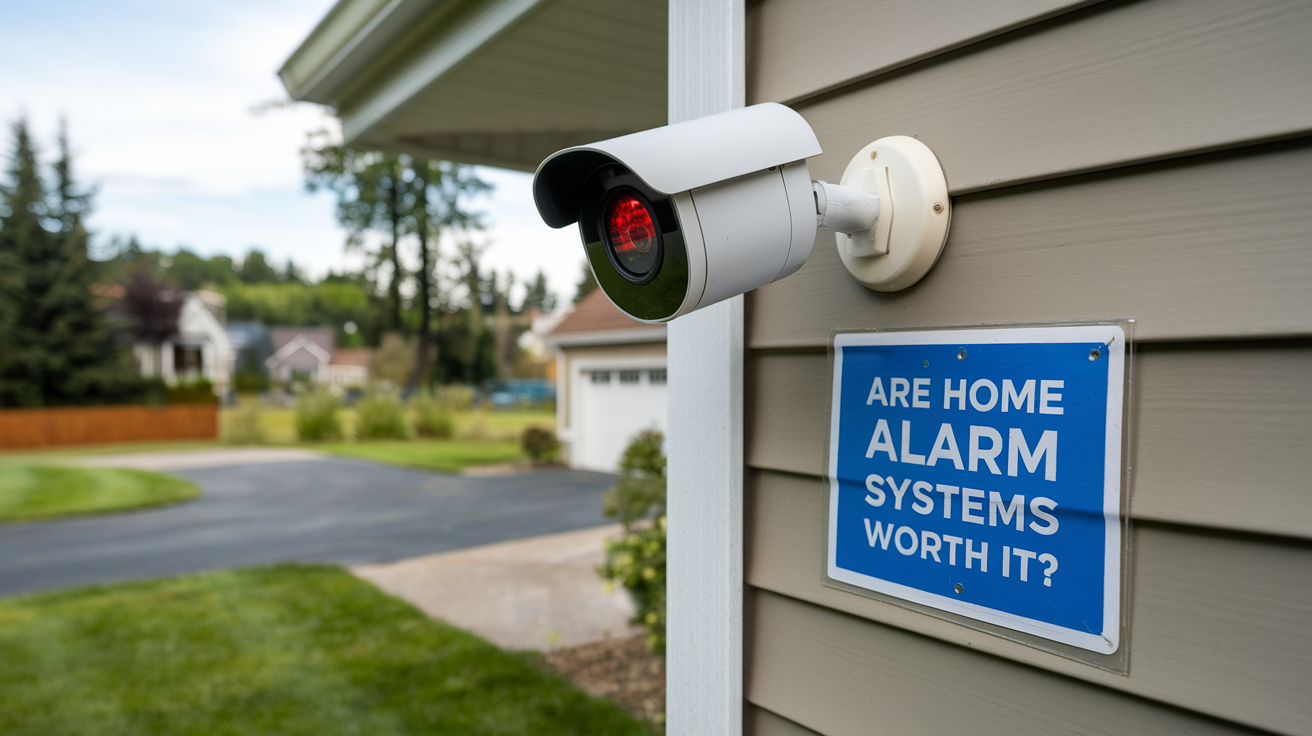
One of the primary justifications for installing a home alarm system is its potential to deter burglars and other criminals. The visible presence of security measures, such as cameras, yard signs, and window stickers, can significantly reduce the likelihood of a home being targeted. In 2025, statistics from law enforcement agencies and security firms continue to highlight this effect. According to a 2025 report by the National Security Institute, homes with visible security systems are estimated to be 30-50% less likely to be burglarized compared to similar homes without them.
Visible Signs of Security
The psychology of deterrence is powerful. Burglars often look for easy targets – homes that appear unoccupied, poorly secured, or lacking any form of surveillance. A prominent yard sign, a visible camera lens, or even a blinking LED light on a control panel can signal to a potential intruder that the property is protected and that their attempt is likely to be detected and met with a swift response. This simple visual cue can be enough to make them move on to an easier, less risky target.
The Role of Monitoring Services
Beyond mere visibility, the knowledge that a home is professionally monitored adds another layer of deterrence. When an alarm is triggered, a monitoring center is alerted. This center can then verify the alarm, contact the homeowner, and dispatch emergency services like the police. The prospect of immediate police intervention is a significant deterrent for criminals who aim to operate undetected and escape quickly. In 2025, response times for monitored alarms remain a critical factor in their effectiveness, with many services boasting average police dispatch times of under 5 minutes in urban and suburban areas.
Statistics on Deterrence
While precise figures can vary by region and methodology, a consistent trend emerges from security research. A 2026 survey of convicted burglars revealed that over 60% admitted that the presence of an alarm system was a significant factor in choosing their targets, and nearly 40% stated they would avoid a home with a visible security system altogether. This underscores the proactive benefit of installing a system – it can prevent a crime from ever happening.
Beyond Burglary: Other Deterrent Effects
The deterrent effect isn't limited to burglaries. Home alarm systems, especially those equipped with environmental sensors, can also deter other risks. For instance, a visible smoke detector or carbon monoxide sensor, often integrated into modern alarm systems, can make potential arsonists reconsider. Similarly, advanced systems with external cameras and motion detectors can deter vandalism and loitering. The overall sense of security that a system provides extends beyond just preventing break-ins.
Emergency Response Capabilities: More Than Just Alarms
While the audible siren of an alarm is the most immediate indication of a problem, the true value of modern home alarm systems lies in their comprehensive emergency response capabilities. In 2025-26, these systems are sophisticated, integrating various sensors and communication channels to ensure help is dispatched efficiently when it's needed most.
Monitored vs. Unmonitored Systems
The distinction between monitored and unmonitored systems is crucial when discussing emergency response. Unmonitored systems typically only sound an audible alarm, relying on neighbors or the homeowner to notice and call for help. While this can offer some deterrence, it lacks a reliable emergency response mechanism. Monitored systems, on the other hand, are connected to a central monitoring station. When an alarm is triggered, the station receives a signal and initiates a pre-determined protocol, which usually involves contacting the homeowner for verification and then dispatching emergency services.
Types of Emergencies Covered
Modern alarm systems go beyond detecting unauthorized entry. They can be integrated with a range of sensors to monitor for other critical emergencies:
- Fire and Smoke Detection: Integrated smoke and heat detectors can alert the monitoring center, which can then contact the fire department, potentially saving lives and property before a fire spreads extensively.
- Carbon Monoxide (CO) Detection: CO is an odorless, colorless, and deadly gas. Systems with CO sensors provide an early warning, allowing occupants to evacuate safely and preventing poisoning.
- Water Leak Detection: Sensors placed near water heaters, washing machines, or under sinks can detect leaks early, preventing significant water damage to the home's structure and belongings.
- Medical Alerts: Some systems offer panic buttons or wearable devices that can be used to summon medical assistance in case of an emergency, particularly valuable for elderly residents or those with chronic health conditions.
The Speed of Response in 2025-26
The effectiveness of an alarm system is heavily dependent on the speed of response. Professional monitoring services are designed for rapid action. Upon receiving an alarm signal, trained operators typically follow a strict protocol:
- Signal Verification: Attempting to contact the homeowner via phone or app to confirm if it's a genuine emergency.
- Emergency Service Dispatch: If the alarm is confirmed or if there's no response, the monitoring center dispatches the appropriate emergency service (police, fire, medical).
- Information Relay: Providing dispatchers with crucial information, such as the nature of the emergency, the address, and any specific details about the situation.
In 2025, advancements in cellular and internet communication ensure that these signals are transmitted almost instantaneously, reducing the time between alarm activation and the arrival of help.
False Alarms and Their Management
A common concern is the incidence of false alarms. While they can be a nuisance and sometimes incur fines, modern systems incorporate features to minimize them. These include:
- Two-way Voice Communication: Allowing monitoring agents to speak directly to individuals inside the home to verify the situation.
- Pet-Immune Sensors: Designed to ignore pets up to a certain weight, preventing false alarms caused by furry family members.
- User Training: Proper education on system operation significantly reduces accidental triggers.
- Smart Verification: Some advanced systems use AI-powered video analytics to verify alarms before dispatching services.
Effective management of false alarms ensures that emergency services are not over-burdened and that the system's reliability is maintained.
Types of Home Alarm Systems and Their Value
The landscape of home security has evolved significantly, offering a variety of systems each with its own set of features, benefits, and associated costs. Understanding these options is key to determining if a home alarm system is worth the investment for your specific needs in 2025-26.
Wired vs. Wireless Systems
Historically, alarm systems were predominantly wired. These systems are known for their reliability, as they are not susceptible to wireless interference. However, installation can be more complex and invasive, often requiring drilling through walls and ceilings, making them less ideal for existing homes or rental properties. Wireless systems, on the other hand, are much easier to install and relocate, making them a popular choice for many homeowners. They communicate via radio frequencies or Wi-Fi. While generally reliable, their performance can be affected by signal interference, and batteries need periodic replacement. The value proposition here lies in ease of installation and flexibility for wireless, and robust reliability for wired.
Professionally Monitored Systems
These are the systems discussed in the previous section, where a central monitoring station is alerted when an alarm is triggered. The value here is the direct link to emergency services. Companies like ADT, Vivint, and SimpliSafe (with their optional professional monitoring) offer this service. The monthly fee covers the monitoring service, and often, the equipment is leased or subsidized. The primary benefit is the assurance that help is on the way, even if you're not home or able to call yourself.
DIY (Do-It-Yourself) or Self-Monitored Systems
DIY systems, such as those from Ring Alarm, Abode, and some configurations of SimpliSafe, allow users to install the equipment themselves. The monitoring aspect can be self-managed (you receive alerts on your smartphone and must call emergency services) or professionally monitored for a fee, often lower than traditional providers. The value of DIY systems lies in their affordability, flexibility, and the ability to customize. They are excellent for renters or those on a budget who want a basic level of security and notification.
Smart Home Integrated Systems
In 2025, the trend is towards integrated smart home security. These systems go beyond basic intrusion detection. They can link with smart locks, smart lights, smart thermostats, and voice assistants like Alexa or Google Assistant. The value is in convenience, automation, and enhanced control. For example, you can arm your system, lock your doors, and turn off lights with a single voice command. You can also receive notifications and control your system remotely via a smartphone app. Brands like Google Nest, Apple HomeKit (with compatible devices), and dedicated security companies are heavily invested in this area.
Components of a Typical System and Their Value
Regardless of the system type, common components contribute to its overall value:
- Control Panel/Hub: The brain of the system. Value lies in its ease of use and connectivity.
- Door/Window Sensors: Detect when an entry point is opened. Essential for perimeter security.
- Motion Detectors: Sense movement within a room. Useful for covering larger areas and detecting intruders who bypass entry points.
- Security Cameras (Indoor/Outdoor): Provide visual verification and recording. Invaluable for evidence and remote monitoring. Outdoor cameras with night vision and motion detection are particularly valuable for deterring and identifying threats.
- Glass Break Sensors: Detect the sound frequency of breaking glass.
- Environmental Sensors: Smoke, CO, water, and temperature sensors add layers of safety beyond intrusion.
The value of each component depends on the user's specific needs – a family with young children might prioritize CO and smoke detectors, while a homeowner in a high-crime area might focus on robust door/window sensors and outdoor cameras.
Emerging Technologies in 2025-26
The security market is constantly innovating. In 2025-26, expect to see more AI-powered analytics in cameras for better threat detection, advanced facial recognition, and seamless integration with broader smart city initiatives. Drone integration for property surveillance is also on the horizon for high-end systems. These advancements promise increased effectiveness and convenience, further solidifying the value of advanced security solutions.
Understanding the Costs: Investment vs. Expense
The question "Are home alarm systems worth it?" often hinges on the perceived cost. While there's an upfront investment and ongoing expenses, it's crucial to view these not just as costs, but as investments in safety, security, and peace of mind. In 2025, the pricing structures for home alarm systems are more diverse than ever, catering to various budgets.
Upfront Equipment Costs
The initial outlay for equipment can range significantly. Basic DIY kits might start from as low as $100-$200 for a hub and a few sensors. More comprehensive systems, especially those from professional installers, can cost anywhere from $500 to $2,000 or more, depending on the number and type of sensors, cameras, and control panels included. Some companies offer equipment financing or lease options, spreading the cost over time. For example, a premium smart security package with multiple cameras, doorbells, and sensors might cost around $1,500-$2,500 upfront.
Installation Fees
If you opt for a professionally installed system, you'll typically incur an installation fee. This can range from $100 to $500 or more, depending on the complexity of the installation and the service provider. DIY systems, by definition, eliminate this cost, which is a significant part of their appeal for budget-conscious consumers.
Monthly Monitoring Fees
This is the most common ongoing expense. For professionally monitored systems, these fees generally range from $20 to $60 per month. The price often depends on the level of service, features included (e.g., cellular backup, video monitoring), and the provider. Some companies offer basic monitoring for around $20-$30, while premium packages with advanced features can push towards $50-$60 or more. Self-monitored systems, if they offer an optional professional monitoring tier, might have lower monthly fees, sometimes in the $10-$25 range.
Potential Hidden Costs
It's important to be aware of potential hidden costs:
- Contract Lengths: Many professionally installed systems require long-term contracts (2-5 years). Breaking these contracts can incur penalties.
- Equipment Upgrades: As technology advances, you might feel compelled to upgrade older equipment, incurring additional costs.
- Service Fees: Some providers may charge for service calls or technician visits if issues arise outside of warranty.
- Cellular Backup Fees: If your system uses cellular communication as a backup to Wi-Fi, there might be an additional monthly fee for this service.
Comparing Costs: DIY vs. Professional Installation
A typical DIY system with professional monitoring might cost $300-$500 upfront for equipment and $20-$30 per month for monitoring. Over three years, this amounts to roughly $1020-$1580. A professionally installed system might have higher upfront costs ($800-$1500 including installation) and monthly fees ($40-$50), totaling approximately $2240-$3300 over three years. While the initial professional installation appears more expensive, it often includes more robust equipment and a higher level of service and support. The value proposition shifts based on whether convenience, advanced features, and guaranteed support are prioritized over initial savings.
Value-Added Services
Many companies now offer value-added services that can influence the perceived cost. These might include:
- Mobile App Access: Free with most systems, allowing remote control and monitoring.
- Video Storage: Cloud storage for camera footage often comes with a monthly fee, typically $5-$10 per camera.
- Smart Home Integration: While not always an extra cost, the ability to integrate with other smart devices can enhance the overall value.
When evaluating the cost, consider the total cost of ownership over several years and compare it against the benefits gained. For many, the peace of mind and enhanced security provided by a system outweigh the financial outlay.
Calculating the Return on Investment (ROI) of Home Security
Determining the "worth" of a home alarm system can be framed as calculating its Return on Investment (ROI). While not all benefits are easily quantifiable in monetary terms, several factors contribute to a positive ROI, especially when considering potential losses averted. In 2025-26, the calculation is becoming more nuanced with the integration of smart technology and insurance benefits.
Averting Financial Losses from Crime
The most direct ROI comes from preventing financial losses due to burglaries, theft, or vandalism. The average cost of a home burglary in the US in 2025 is estimated to be around $2,500-$3,000, factoring in stolen items, property damage, and the cost of replacing locks and security features. For homes in higher-crime areas, this figure can be significantly higher. By deterring even one burglary, a security system can effectively pay for itself. For example, a system costing $1500 upfront and $30/month ($360/year) would cost $1500 + $360 = $1860 for the first year. Preventing a single $2,500 burglary would yield a positive ROI within that first year.
Reducing Property Damage
Beyond stolen items, burglaries often involve significant property damage – broken doors, windows, and ransacked interiors. The cost of repairs can quickly add up. A security system can prevent or minimize this damage by deterring intruders or alerting authorities quickly. Similarly, integrated fire and water leak detection systems can prevent catastrophic damage, saving homeowners tens of thousands of dollars in repairs. A water leak detection system, for instance, might cost $100-$300 and a few dollars per month for monitoring, but it could prevent $10,000-$50,000 in water damage.
Impact on Homeowners Insurance Premiums
Many insurance companies offer discounts for homes equipped with monitored alarm systems. These discounts can range from 5% to 20% of your annual premium. While this varies by insurer and the specific system installed, it directly contributes to the financial ROI. For a homeowner paying $1,500 annually for insurance, a 10% discount saves $150 per year. Over five years, this amounts to $750 in savings, significantly offsetting the cost of monitoring fees.
Example Calculation:
| Metric | Cost/Benefit |
|---|---|
| Upfront Equipment Cost | $800 |
| Annual Monitoring Fee | $360 ($30/month) |
| Total Cost (Year 1) | $1160 |
| Estimated Savings from Insurance Discount (10% on $1500 premium) | $150/year |
| Net Cost (Year 1) | $1010 |
| Potential Loss Averted (1 Burglary) | $2,500 |
In this example, even after accounting for the insurance savings, the system still represents a net cost in the first year. However, the potential to avert a $2,500 loss makes the investment highly favorable.
Intangible Benefits and Their Value
While difficult to quantify, the intangible benefits are often the most compelling reasons for investing in a home alarm system:
- Peace of Mind: The psychological relief of knowing your home and loved ones are protected. This can reduce stress and improve overall well-being.
- Enhanced Safety: Protection against fire, CO poisoning, and medical emergencies.
- Deterrence: The proactive prevention of crime.
These factors, while not directly financial, contribute significantly to the quality of life and can be considered invaluable by homeowners.
Long-Term Value
The ROI of a home alarm system improves over time. After the initial investment is recouped through averted losses and insurance discounts, the ongoing costs become increasingly offset by continued savings and protection. A system that lasts 10-15 years can provide significant long-term value, far exceeding its initial purchase price.
Integration with Smart Home Ecosystems
In 2025-26, home alarm systems are increasingly becoming central components of broader smart home ecosystems. This integration offers enhanced convenience, automation, and a more holistic approach to home management and security. The value proposition shifts from standalone security to a seamlessly connected living experience.
Centralized Control and Automation
Smart home security systems allow users to control and monitor various devices from a single app or interface. This includes not only security sensors and cameras but also smart locks, lighting, thermostats, garage door openers, and even smart appliances. The value lies in the ability to create automated routines. For instance, you can set your system to:
- "Away" Mode: When you arm the security system to leave, lights automatically turn off, the thermostat adjusts to an energy-saving temperature, and smart locks engage.
- "Home" Mode: As you disarm the system upon arrival, lights in specific areas turn on, and the thermostat returns to a comfortable setting.
- Event-Triggered Actions: If a smoke detector is triggered, the system can automatically unlock doors for easier evacuation and turn on all lights. If a motion sensor detects activity when the system is armed, connected cameras can begin recording, and lights can flash to deter the intruder.
Voice Control Integration
Compatibility with voice assistants like Amazon Alexa, Google Assistant, and Apple's Siri adds another layer of convenience. Users can arm or disarm their systems, check camera feeds, lock doors, and control other connected devices using simple voice commands. This is particularly useful when your hands are full or when you're relaxing at home. For example, saying "Hey Google, is the front door locked?" or "Alexa, arm the security system" becomes a part of daily life.
Remote Access and Monitoring
The ability to remotely monitor and control your home security system via a smartphone app is a cornerstone of smart home integration. In 2025, these apps are more sophisticated than ever, providing real-time alerts for any triggered events, live video feeds from security cameras, the ability to arm/disarm the system, and control over other connected smart devices. This offers unparalleled peace of mind, allowing homeowners to check on their property, pets, or family members from anywhere in the world.
Enhanced Security Features
Smart home integration can also enhance security itself. For example:
- Smart Locks: Allow you to grant temporary access to guests or service providers remotely, and receive notifications when doors are locked or unlocked.
- Smart Doorbells: Provide video and two-way audio communication with visitors at your door, allowing you to see and speak to them even when you're not home. This can deter package thieves and screen visitors.
- AI-Powered Analytics: Advanced cameras with AI can distinguish between people, animals, and vehicles, reducing false alerts and providing more relevant notifications. They can also detect unusual activity patterns.
Compatibility and Ecosystem Lock-in
A key consideration for smart home integration is compatibility. Not all smart devices work together seamlessly. Homeowners often choose a primary ecosystem (e.g., Google Home, Apple HomeKit, Amazon Alexa) and select security systems and devices that are compatible with it. While this offers a unified experience, it can also lead to "ecosystem lock-in," making it harder to switch to a different platform later. In 2025, standards like Matter are improving interoperability, but careful research is still recommended.
Future Trends
The trend towards smarter, more integrated security is set to continue. Expect to see more advanced AI capabilities, predictive analytics for potential threats, and deeper integration with home energy management systems. The home alarm system is evolving from a security device into a comprehensive home management hub, increasing its value and relevance in modern living.
Impact on Homeowners Insurance Premiums
One of the tangible financial benefits of installing a home alarm system is the potential to reduce homeowners insurance premiums. Insurance companies view monitored security systems as a significant factor in mitigating risk, and they often reward policyholders with discounts. In 2025-26, this benefit remains a strong contributor to the overall value proposition of home security.
Why Insurers Offer Discounts
Homeowners insurance policies are designed to protect against financial losses due to various perils, including theft, fire, and other damages. Alarm systems directly address some of these risks:
- Reduced Theft Risk: As discussed, visible alarms and monitored systems act as deterrents, lowering the likelihood of a burglary claim.
- Early Fire Detection: Monitored smoke and fire detectors can alert the fire department sooner, minimizing property damage and the potential for a total loss.
- Water Damage Prevention: Systems with water leak sensors can prevent extensive and costly water damage claims.
By reducing the frequency and severity of claims, alarm systems help insurance companies manage their risk and operational costs. These savings are then passed on to policyholders in the form of premium discounts.
Typical Discount Percentages
The exact discount percentage varies widely depending on the insurance provider, the type of alarm system installed, and the specific features it offers. However, common discounts range from:
- 5% to 15% for basic monitored alarm systems (intrusion detection only).
- 10% to 20% for systems that include comprehensive monitoring, such as fire, smoke, and carbon monoxide detection.
Some insurers may offer even higher discounts for systems with advanced features or those integrated into a smart home security network. It's not uncommon for a well-equipped system to reduce a homeowner's annual premium by $50 to $200 or more.
How to Qualify for Discounts
To leverage these insurance benefits, homeowners typically need to meet certain criteria:
- Professional Monitoring: Most insurers require that the alarm system be professionally monitored. Self-monitored systems, while offering other benefits, may not qualify for significant discounts.
- Certified Installation: Systems installed by reputable security companies are often preferred. Some insurers may have a list of approved providers or require specific certifications.
- System Features: Insurers often look for systems that include specific types of sensors, such as smoke detectors, carbon monoxide detectors, and potentially flood sensors.
- Proof of System: You will likely need to provide your insurance company with proof of your alarm system, such as an installation certificate or a monthly monitoring bill, to receive the discount.
Maximizing Your Insurance Savings
To get the most out of insurance discounts:
- Inquire with Your Insurer: Always ask your insurance agent about potential discounts for home security systems before purchasing one.
- Compare Policies: Different insurance companies have different discount structures. Shopping around can help you find the best rates.
- Consider System Upgrades: If your current system is basic, upgrading to one with more comprehensive monitoring features (like fire detection) might qualify you for a larger discount.
- Maintain Your System: Ensure your system is functioning correctly and that your monitoring service is active.
While the insurance discount alone might not justify the entire cost of an alarm system for everyone, it significantly contributes to the overall financial ROI, making the investment more attractive and helping to offset ongoing monitoring fees.
The Intangible Value: Peace of Mind
Beyond the tangible benefits of crime deterrence, emergency response, and potential insurance discounts, the most profound value of a home alarm system often lies in its ability to provide peace of mind. In the hustle and bustle of modern life, knowing your home and loved ones are protected can significantly reduce stress and improve overall well-being. In 2025-26, as security threats and personal safety concerns remain prominent, this intangible benefit is more important than ever.
Reducing Anxiety About Home Security
For many, the constant worry about potential break-ins, especially when away from home, can be a significant source of anxiety. The presence of a visible security system, coupled with the knowledge that it's actively monitoring for threats and can summon help, alleviates this concern. This is particularly true for:
- Families with Children: Parents often worry about their children's safety when they are home alone or when the house is empty.
- Elderly Individuals: Seniors may feel more vulnerable and benefit greatly from the security and quick response capabilities of an alarm system, especially if they have medical needs.
- Frequent Travelers: Those who travel often can experience significant relief knowing their home is being monitored while they are away.
- Residents in High-Crime Areas: For those living in neighborhoods with higher rates of crime, an alarm system can be essential for feeling secure.
The Feeling of Control
In an unpredictable world, a home alarm system provides a sense of control over one's environment. It empowers homeowners to take proactive steps to protect their property and their families, rather than feeling like passive victims of circumstance. This feeling of agency is psychologically beneficial.
Enhanced Safety for Family Members
The value extends beyond just preventing burglaries. Integrated systems can provide critical alerts for fire, carbon monoxide, and even medical emergencies. Knowing that these life-threatening situations will be detected and responded to quickly can be incredibly reassuring. For families with elderly parents or young children, this layer of safety is often considered priceless.
Deterrence as a Confidence Booster
The deterrent effect of an alarm system isn't just about preventing crime; it's also about boosting confidence. The knowledge that your home is a less attractive target for criminals can make you feel more secure and less apprehensive, whether you're home or away.
A Foundation for a Secure Lifestyle
Peace of mind is not just about the absence of fear; it's about the presence of security. A home alarm system contributes to a secure lifestyle, allowing individuals and families to focus on enjoying their lives, rather than constantly worrying about potential threats. This can lead to better sleep, reduced stress, and an overall higher quality of life.
Quantifying the Unquantifiable
While it's impossible to put a precise dollar figure on peace of mind, its value is immense. Consider the cost of therapy for anxiety, the lost productivity due to stress, or the emotional toll of feeling unsafe. In comparison, the cost of a home alarm system, which can range from a few hundred to a few thousand dollars plus monthly fees, often represents a very reasonable price for such a significant improvement in psychological well-being.
Ultimately, the peace of mind that a home alarm system provides is a primary driver for many homeowners' decisions. It transforms a house into a sanctuary, a place where residents can feel truly safe and secure.
Making the Final Decision: Are Home Alarm Systems Worth It For You?
The question of whether home alarm systems are "worth it" is deeply personal, influenced by individual circumstances, priorities, and risk tolerance. After exploring the multifaceted benefits – from robust crime deterrence and swift emergency response to smart home integration and invaluable peace of mind – the decision hinges on weighing these advantages against the associated costs and your unique needs. In 2025-26, with advanced technology and diverse options available, the answer is increasingly leaning towards a resounding "yes" for many.
Revisiting Your Personal Risk Factors
Consider your specific situation. Do you live in an area with high crime rates? Do you have valuable assets that could make your home a target? Are you often away from home for extended periods? Do you have children or elderly relatives living with you whose safety is a paramount concern? Answering these questions honestly will help you gauge your personal need for enhanced security. For individuals with higher risk factors, the value proposition of a home alarm system becomes significantly stronger.
Evaluating the Financial Investment
The cost of a home alarm system, whether it's a DIY setup or a professionally installed and monitored solution, is a significant consideration. However, it's crucial to view this as an investment rather than just an expense. The potential to avert financial losses from burglaries, reduce property damage, and even lower insurance premiums can offset the costs over time. Use the ROI calculations discussed to see how the system might pay for itself in your specific scenario. Remember to factor in the intangible benefit of peace of mind, which, while not directly quantifiable, has immense personal value.
Weighing the Benefits Against the Costs
For many, the peace of mind derived from knowing their home is protected is invaluable. This psychological benefit, combined with the practical advantages of deterrence, rapid emergency response, and potential insurance savings, often outweighs the financial outlay. If the thought of potential break-ins or emergencies causes you significant stress, an alarm system can be a highly worthwhile investment in your family's safety and your own well-being.
Considering Different System Types
The market offers a wide array of systems, from basic DIY kits to sophisticated, integrated smart home security solutions. Your choice will depend on your budget, technical proficiency, and desired features. A self-monitored system might be sufficient for basic deterrence and notifications, while a professionally monitored system offers a higher level of assurance. Smart home integration adds convenience and automation, further enhancing the system's value. Researching different providers and understanding their offerings is key to finding a system that aligns with your needs and budget.
The Evolving Landscape of Home Security
As technology continues to advance, home alarm systems are becoming more sophisticated, intelligent, and integrated. In 2025-26, features like AI-powered analytics, advanced remote access, and seamless smart home compatibility are becoming standard. This evolution means that investing in a modern security system today is likely to provide robust protection and valuable features for years to come.
Final Recommendation
For the vast majority of homeowners, especially those with families, valuable possessions, or living in areas with any level of crime, a home alarm system is indeed worth it. The combination of proactive deterrence, reliable emergency response, and the immeasurable benefit of peace of mind offers a comprehensive solution to a fundamental human need: security. By carefully assessing your personal circumstances and exploring the diverse range of available systems, you can find a solution that provides significant value and protects what matters most.