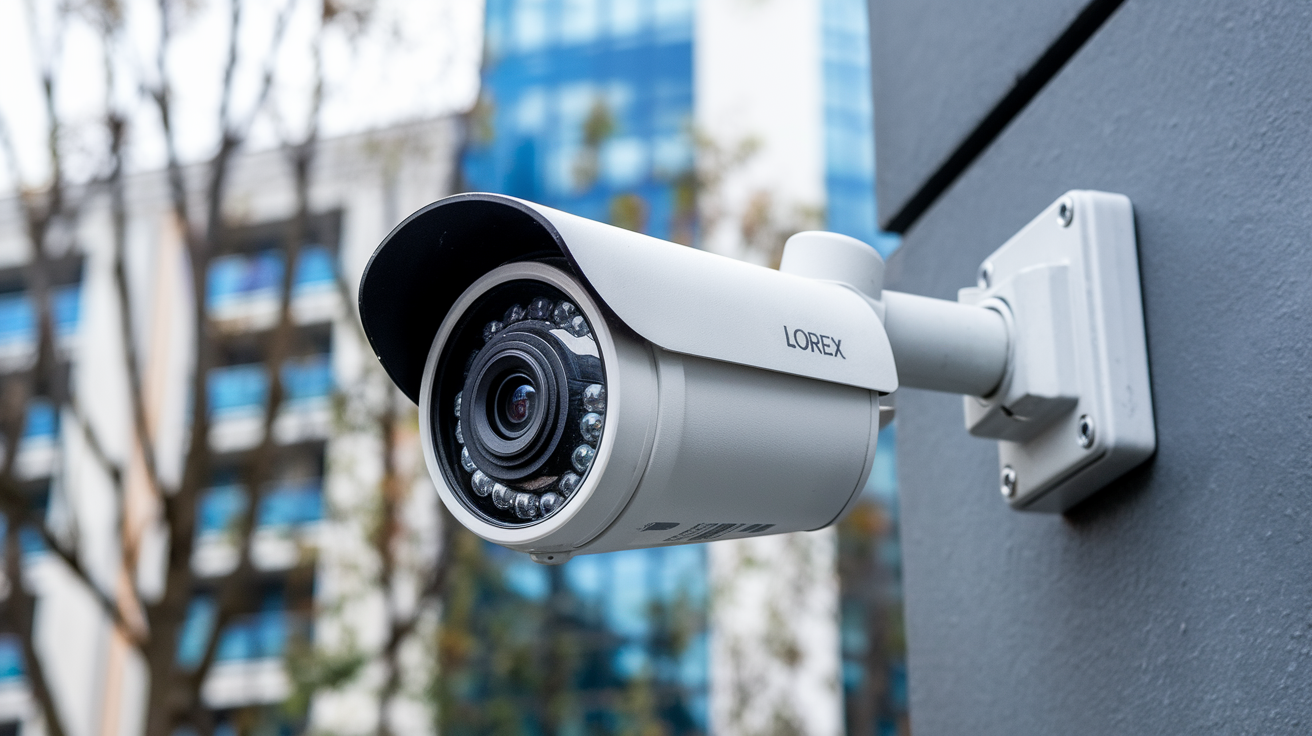
Lorex cameras are a popular choice for home and business security, but are they truly good? This comprehensive guide dives deep into Lorex's offerings, performance, and value to help you make an informed decision for your surveillance needs in 2025-26.
Understanding Lorex: A Brand Overview
Lorex Technology has established itself as a significant player in the consumer and professional security camera market. For years, they have focused on providing a wide range of surveillance solutions, from basic DIY kits to more robust professional-grade systems. Their strategy often involves offering competitive pricing while packing in features that appeal to a broad audience. In the rapidly evolving landscape of 2025-26, Lorex continues to adapt, integrating newer technologies like AI-powered analytics and enhanced cloud storage options. The brand is generally recognized for its extensive product catalog, catering to both residential and small-to-medium business (SMB) needs, aiming to strike a balance between affordability and advanced functionality. Understanding their market position is the first step in evaluating whether their cameras align with your specific security requirements.
Lorex Product Lines: What's on Offer?
Lorex offers a diverse array of security camera systems, each designed to meet different user needs and installation preferences. Their product lines can be broadly categorized into wired and wireless solutions, with increasing integration into smart home ecosystems.
Wired Security Systems (DVR & NVR)
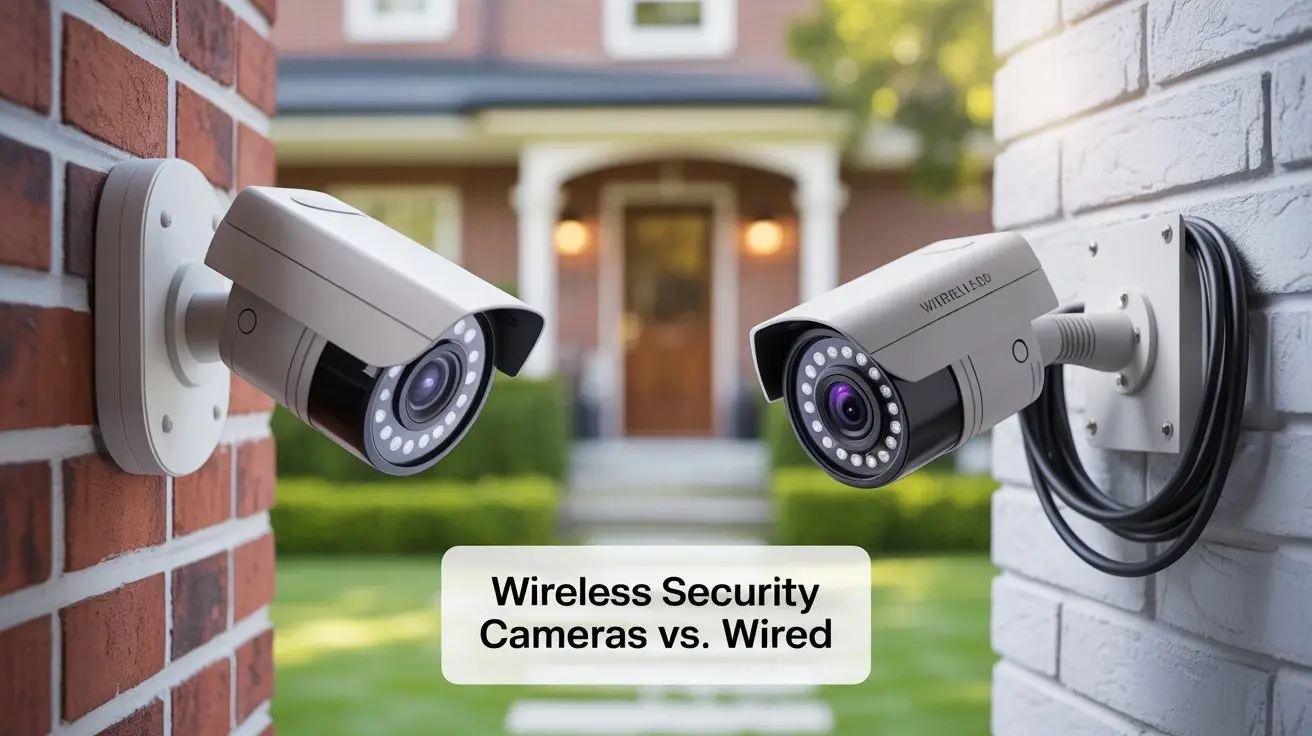
Lorex is particularly well-known for its wired security camera systems, which utilize either Digital Video Recorders (DVRs) or Network Video Recorders (NVRs). These systems are often favored for their reliability and the consistent performance they offer, as they are less susceptible to wireless interference.
- DVR Systems: These systems use analog cameras that connect to a DVR via coaxial cables. The DVR then converts the analog signal to digital for recording and viewing. DVR systems are a more traditional option, often found in older installations or as a more budget-friendly entry point. They typically offer good resolution, with many 2025-26 models supporting up to 4K recording.
- NVR Systems: NVR systems employ IP (Internet Protocol) cameras that connect to an NVR via Ethernet cables (often through a PoE - Power over Ethernet switch). NVR systems generally offer higher resolutions, more advanced features, and greater flexibility in camera placement and network configuration. They are the go-to for higher-end residential and commercial applications seeking robust performance. Lorex's NVR kits often come bundled with multiple cameras, providing a comprehensive surveillance solution right out of the box.
The advantage of wired systems, especially NVR setups, is their stability. Power over Ethernet (PoE) technology simplifies installation by allowing a single Ethernet cable to transmit both data and power to the camera, reducing clutter and complexity. Lorex's wired kits are designed for relatively straightforward setup, often featuring plug-and-play functionality for the NVR to detect cameras automatically.
Wireless and Wi-Fi Cameras
Beyond their wired offerings, Lorex also provides a selection of wireless and Wi-Fi cameras. These are ideal for users who prefer simpler installation, wish to avoid running extensive cabling, or need flexible placement options.
- Wi-Fi Cameras: These cameras connect directly to your home's Wi-Fi network, allowing for easy setup and remote access via a mobile app. Lorex offers various Wi-Fi camera models, including indoor, outdoor, and doorbell cameras. They often feature high-definition resolution (1080p, 2K, or even 4K) and various smart detection capabilities.
- Wire-Free Cameras: Some Lorex models are completely wire-free, meaning they are battery-powered and connect wirelessly. This offers the ultimate flexibility in placement but requires periodic battery charging or replacement. These are excellent for areas where running power or Ethernet cables is impractical.
While wireless options offer convenience, it's important to consider the reliability of your Wi-Fi signal in the areas where you plan to install them. Signal strength can impact video quality and responsiveness. Lorex's wireless cameras often include features like two-way audio and motion detection, making them versatile for various monitoring needs.
Smart Home Integration
In the 2025-26 market, smart home integration is no longer a luxury but a necessity for many consumers. Lorex has been steadily improving its smart home compatibility. Many of their newer camera systems and individual cameras can integrate with popular platforms like Amazon Alexa and Google Assistant.
This integration allows users to:
- View live camera feeds on smart displays (e.g., Echo Show, Google Nest Hub).
- Control certain camera functions with voice commands.
- Trigger other smart home devices based on motion detection events (e.g., turn on lights).
While Lorex's integration might not be as deep or seamless as some dedicated smart home brands, it offers a valuable layer of convenience for users already invested in these ecosystems. It’s worth checking the specific model's compatibility before purchase, as not all Lorex cameras support every smart home platform or feature.
Performance and Key Features
When evaluating "Are Lorex cameras good?", a deep dive into their performance and the features they offer is crucial. Lorex generally aims to provide a solid feature set for the price, but how do they stack up in real-world usage?
Image Quality: Resolution and Night Vision
Image quality is paramount for any security camera. Lorex offers a range of resolutions, from 1080p Full HD to 4K Ultra HD. In 2025-26, 4K resolution is becoming increasingly common even in mid-range systems, providing incredibly detailed footage that can be vital for identifying faces, license plates, or other critical details.
- Daytime Clarity: Most Lorex cameras provide clear, vibrant images during the day. Higher resolution models excel at capturing fine details, offering a significant advantage over lower-resolution cameras.
- Night Vision: Lorex cameras typically feature infrared (IR) night vision, allowing them to see in complete darkness. The effectiveness of night vision varies by model, with higher-end cameras offering longer ranges (e.g., 100-150 feet) and clearer black-and-white imagery. Some advanced models might also include color night vision technology, which uses ambient light to produce color images even in low-light conditions, offering better detail and easier identification.
The quality of the lens and sensor also plays a role. Lorex generally uses decent components, but for the absolute best in low-light performance and detail, you might need to look at their premium NVR systems or specialized cameras.
Durability and Weatherproofing
For outdoor cameras, durability and weatherproofing are non-negotiable. Lorex cameras designed for outdoor use typically come with IP ratings (e.g., IP66 or IP67) indicating their resistance to dust and water.
- IP Ratings: An IP66 rating means the camera is protected against dust ingress and high-pressure water jets, making it suitable for most outdoor environments. IP67 offers even greater protection, including immersion in water up to 1 meter for 30 minutes.
- Operating Temperatures: Lorex outdoor cameras are generally built to withstand a wide range of temperatures, from freezing conditions to high heat. Always check the specific operating temperature range for the model you are considering to ensure it's suitable for your climate.
The build quality of Lorex cameras is generally considered good for their price point. Metal casings are common on higher-end models, offering better protection against physical damage and the elements compared to purely plastic constructions.
Ease of Installation
Lorex systems are often marketed as DIY-friendly. The ease of installation can vary significantly between wired and wireless systems.
- Wired Systems (NVR): While running cables can be the most labor-intensive part, Lorex's NVR systems often feature Plug-and-Play setup. Once the cameras are connected to the NVR (or a PoE switch connected to the NVR), the system typically recognizes them automatically. The mobile app guides users through the initial network setup and remote access configuration.
- Wireless Systems: Wi-Fi cameras are generally the easiest to install. They require power (unless battery-powered) and a stable Wi-Fi connection. The setup process usually involves downloading the Lorex Home app, creating an account, and following on-screen prompts to connect the camera to your network. Battery-powered models offer the simplest installation, requiring only mounting.
However, for complex installations involving extensive cabling, drilling through walls, or integrating with existing networks, professional installation might still be recommended. The "ease" is relative to the user's technical proficiency and the complexity of the desired setup.
Storage Options: Local vs. Cloud
A critical aspect of any security system is how footage is stored. Lorex offers both local and cloud-based storage solutions, catering to different preferences and security needs.
- Local Storage (DVR/NVR): Lorex DVR and NVR systems come with hard drives for local storage. This means footage is recorded directly onto the device, offering a one-time purchase with no recurring fees. The storage capacity can range from 1TB to several terabytes, allowing for days or weeks of continuous recording, depending on the number of cameras, resolution, and recording settings. This is a significant advantage for users who want to avoid subscription costs and maintain full control over their data.
- Cloud Storage: In recent years, Lorex has expanded its cloud storage options. This typically involves a subscription service that allows you to store recorded footage securely online. Cloud storage provides an off-site backup, protecting against theft or damage to the local recording device. It also often enables easier access to footage from anywhere. Pricing for cloud plans varies based on the number of cameras and the duration of storage. As of 2025-26, Lorex's cloud offerings are more competitive, but it's essential to compare these costs against the initial investment of a local storage solution.
Many Lorex systems allow for a hybrid approach, using local storage as the primary method and cloud storage for critical events or as a backup. This provides a good balance of cost-effectiveness and data security.
Mobile App and Remote Access
The ability to monitor your property remotely is a key benefit of modern security systems. Lorex provides the Lorex Home app for iOS and Android devices, which is central to their remote access capabilities.
- Lorex Home App: The app allows users to view live feeds from their cameras, playback recorded footage, receive motion detection alerts, and manage their system settings. The interface is generally considered user-friendly, though some users have reported occasional bugs or connectivity issues, as is common with many mobile surveillance apps.
- Remote Access: With a stable internet connection for both your system and your mobile device, you can access your cameras from virtually anywhere in the world. This is crucial for peace of mind when you're away from home or the office.
The reliability and responsiveness of the app are critical factors in user satisfaction. Lorex has been continuously updating its app to improve performance and add features, but it's always wise to check recent user reviews for the latest feedback on app stability and usability.
Advanced Features: AI and Analytics
The security camera market in 2025-26 is increasingly driven by artificial intelligence (AI) and advanced analytics. Lorex has been incorporating these features into its product lines to provide more intelligent monitoring and reduce false alarms.
- Person Detection: Many Lorex cameras can now differentiate between people, vehicles, and general motion. This intelligent detection significantly reduces nuisance alerts from passing cars, animals, or swaying branches, allowing users to focus on genuine security events.
- Facial Recognition: Some higher-end Lorex systems offer facial recognition capabilities, allowing you to set up profiles for known individuals. The system can then notify you when a recognized face is detected, or alert you to the presence of an unknown person.
- Intrusion Zones: Users can define specific areas within the camera's field of view where motion detection should be prioritized or trigger specific alerts. This is useful for monitoring entry points or sensitive areas.
These AI-powered features enhance the practical utility of Lorex cameras, moving beyond simple motion detection to provide more actionable intelligence. The effectiveness of these features can vary by model, with more advanced AI typically found in NVR systems and higher-tier IP cameras.
Lorex vs. The Competition: A 2025-26 Comparison
To truly answer "Are Lorex cameras good?", it's essential to see how they stack up against key competitors in the current market. Here's a comparative look at Lorex with some of its most popular rivals.
Lorex vs. Reolink
Reolink is a direct competitor to Lorex, often competing on price and feature sets.
| Feature | Lorex | Reolink |
|---|---|---|
| Product Range | Extensive wired (DVR/NVR) and wireless options. | Strong focus on IP cameras, NVRs, and wireless solutions. |
| Image Quality | Good to excellent, with 4K options widely available. | Very good, often competitive with Lorex in resolution and clarity. |
| Storage | Local (DVR/NVR) and optional cloud subscriptions. | Local (SD card, NVR) and optional cloud subscriptions. |
| AI Features | Increasingly integrated, including person/vehicle detection. | Strong AI integration, often with advanced person/vehicle detection on mid-range models. |
| Price | Generally competitive, often offering good value in bundles. | Often slightly more budget-friendly, especially for individual cameras. |
| Ease of Use | Generally good, especially NVR systems with Plug-and-Play. | User-friendly apps and setup processes. |
Verdict: Both brands offer compelling value. Reolink might edge out Lorex slightly in terms of AI features on more affordable models, while Lorex often has a broader range of traditional wired DVR/NVR kits. For users prioritizing a complete wired system, Lorex is often a strong contender. For those seeking advanced AI on a budget with wireless options, Reolink is excellent.
Lorex vs. Swann
Swann is another established brand in the DIY security market, similar to Lorex.
| Feature | Lorex | Swann |
|---|---|---|
| Product Range | Wide variety of wired and wireless systems. | Strong emphasis on wired DVR and NVR kits, with some wireless options. |
| Image Quality | Solid performance, with 4K becoming standard. | Good quality, often focusing on Full HD and 4K resolutions. |
| Storage | Local (DVR/NVR) and cloud subscriptions. | Primarily local storage (DVR/NVR), some models with cloud options. |
| AI Features | Growing AI capabilities, including person detection. | More basic motion detection, less emphasis on advanced AI compared to some competitors. |
| Price | Competitive, especially for bundled systems. | Often positioned similarly to Lorex, sometimes slightly higher for comparable features. |
| Durability | Good, with robust outdoor models. | Generally good build quality for outdoor use. |
Verdict: Lorex and Swann are very similar in many respects. Lorex might offer a slightly more modern feature set with its increasing integration of AI. Swann often excels in the robustness of its wired systems and has a strong reputation for reliability. If advanced AI is a priority, Lorex might be preferred. If a straightforward, reliable wired system is the main goal, both are good options, but Lorex often presents better value.
Lorex vs. Amcrest
Amcrest is known for its extensive range of IP cameras and NVRs, often offering a high degree of customization and advanced features at competitive prices.
| Feature | Lorex | Amcrest |
|---|---|---|
| Product Range | Comprehensive wired and wireless options. | Vast array of IP cameras, NVRs, and some wireless models. Strong focus on DIY. |
| Image Quality | Good to excellent, with 4K widely available. | Excellent, often featuring high-resolution sensors and advanced optics. |
| Storage | Local (DVR/NVR) and cloud subscriptions. | Local (SD card, NVR) and optional cloud storage. |
| AI Features | Increasingly integrated, good for general use. | Strong AI capabilities, including advanced analytics and customization. |
| Price | Competitive, good value in bundles. | Often very competitive, offering high-end features at mid-range prices. |
| Software/App | Lorex Home app is functional but can have mixed reviews. | Amcrest View Pro app is generally well-regarded for its features and stability. |
Verdict: Amcrest often appeals to more tech-savvy users who appreciate granular control and advanced features. They frequently offer higher specifications for the price, especially in their IP camera range. Lorex provides a more curated, often bundled, experience that can be simpler for beginners. If you're looking for the absolute best bang-for-your-buck in terms of raw specs and customization, Amcrest is a strong contender. If a user-friendly, integrated system with good performance is preferred, Lorex is a solid choice.
Lorex vs. Nest (Google)
Nest cameras (now Google Nest) represent a different segment of the market, focusing heavily on smart home integration and ease of use for the average consumer.
| Feature | Lorex | Google Nest |
|---|---|---|
| Product Range | Comprehensive wired and wireless systems for diverse needs. | Focused on indoor/outdoor Wi-Fi cameras and doorbells. |
| Image Quality | Good to excellent, with 4K options. | Good, typically 1080p or 2K, with HDR. |
| Storage | Local (DVR/NVR) and cloud subscriptions. | Exclusively cloud-based (Nest Aware subscription required). |
| AI Features | Person/vehicle detection, facial recognition on some models. | Excellent AI, including person, animal, and vehicle detection, package detection, and familiar face detection (with subscription). |
| Price | Competitive, especially for NVR kits. | Higher initial cost per camera, mandatory subscription for full functionality. |
| Smart Home Integration | Supports Alexa and Google Assistant. | Deeply integrated into the Google Home ecosystem. |
| Installation | Varies; wired systems require more effort. | Very easy Wi-Fi setup. |
Verdict: Lorex offers a more traditional, comprehensive security solution with the advantage of local storage and more extensive system options (e.g., multi-camera NVR kits). Google Nest excels in its seamless smart home integration, user-friendly app, and advanced AI features (when subscribed). If you are heavily invested in the Google ecosystem and prioritize ease of use and intelligent alerts over local storage, Nest is a strong choice. If you need more control, local storage options, and potentially a more robust system for a larger property, Lorex is likely a better fit.
Pros and Cons of Lorex Cameras
To summarize the evaluation of "Are Lorex cameras good?", let's break down the advantages and disadvantages.
Pros:
- Extensive Product Range: Lorex offers a wide variety of wired (DVR/NVR) and wireless camera systems, catering to diverse needs and budgets.
- Value for Money: Generally provides a good balance of features and performance for the price, especially in their bundled NVR kits.
- Local Storage Options: DVR and NVR systems offer reliable local storage without recurring subscription fees, appealing to users who prefer to own their data.
- 4K Resolution: Many of their newer systems and cameras offer 4K resolution, providing excellent detail for identification.
- Improving AI Features: Lorex is increasingly integrating intelligent detection (person, vehicle) to reduce false alerts.
- DIY Friendly: Many systems are designed for relatively easy installation for the average homeowner.
- Decent Durability: Outdoor cameras are typically well-built and weather-resistant.
Cons:
- Mobile App Performance: While functional, the Lorex Home app can sometimes suffer from occasional bugs or slower performance compared to some competitors.
- Cloud Storage Costs: While available, cloud subscription plans can add to the overall cost, and their competitiveness varies.
- Advanced AI Lag: While improving, their AI features might not be as sophisticated or as consistently accurate as some higher-end or more specialized brands.
- Customer Support: User experiences with customer support can be mixed, which is a common issue in the consumer electronics space.
- Firmware Updates: Consistency and frequency of firmware updates can sometimes be a concern for long-term feature development and security.
Who Are Lorex Cameras Best Suited For?
Based on their product offerings and performance, Lorex cameras are an excellent choice for several user profiles:
- Budget-Conscious Homeowners: Individuals looking for a reliable, feature-rich security system without breaking the bank will find Lorex's bundled NVR kits particularly appealing. The inclusion of local storage is a major draw for those avoiding monthly fees.
- DIY Installers: Lorex systems are generally designed with the do-it-yourselfer in mind. The Plug-and-Play nature of their NVR systems and the straightforward setup of Wi-Fi cameras make them accessible to those comfortable with basic tech installations.
- Users Prioritizing Local Storage: For those who want complete control over their footage and prefer to avoid cloud subscription services, Lorex's DVR and NVR systems are ideal. This is crucial for privacy-conscious individuals or businesses with specific data retention policies.
- Small to Medium Businesses (SMBs): Lorex offers robust NVR systems that can support a significant number of cameras, making them suitable for monitoring retail spaces, offices, or warehouses. The 4K resolution ensures clear identification of individuals and details.
- Users Needing Versatile Solutions: Whether you need indoor cameras, outdoor cameras, or a combination, Lorex's broad product line ensures you can find a solution that fits your specific needs.
If you are looking for the absolute bleeding edge in AI technology with a seamless, fully integrated smart home experience and are willing to pay a premium for it, you might explore other niche brands. However, for a solid, reliable, and cost-effective security solution, Lorex remains a top contender.
Making the Decision: Final Verdict
So, are Lorex cameras good? The answer is a resounding **yes, for a significant segment of users.** Lorex consistently delivers a strong value proposition in the security camera market. They offer a comprehensive range of products, from robust wired NVR systems to convenient wireless cameras, all designed to provide reliable surveillance.
Their commitment to offering high resolutions like 4K, coupled with improving AI features for smarter detection, ensures that their systems are not just functional but also intelligent. The availability of local storage is a critical advantage for many, offering a cost-effective and privacy-focused solution. While their mobile app might not always be as polished as some competitors, and advanced AI can sometimes lag behind premium brands, these are often minor trade-offs for the overall quality and affordability Lorex provides.
For homeowners and businesses seeking a dependable, feature-rich security system that offers excellent value and flexibility in storage options, Lorex cameras are an excellent choice in 2025-26. They strike a commendable balance between advanced technology, user-friendliness, and cost, making them a highly recommended option for anyone looking to enhance their security.