Navigating the world of home security can be complex, but understanding your camera's power source is fundamental. This comprehensive guide dives deep into whether Ring cameras are truly wireless, exploring their connectivity, power options, and what this means for your home surveillance setup in 2025-26.
Understanding Ring Camera Power Sources
The question "Are Ring Cameras Wireless?" often stems from a desire for easy installation and flexible placement. However, to answer this accurately, we must first understand the different ways Ring cameras receive their power. While many consumers associate "wireless" with a complete absence of wires, in the context of home security cameras, it typically refers to the data transmission method. Ring offers a spectrum of solutions, each with its unique power requirements and installation nuances. By the end of 2025, the market for smart home security is projected to reach over $15 billion globally, with user-friendly installation and connectivity being key drivers of adoption. Ring, a prominent player, caters to this demand by offering diverse power options that influence how "wireless" a camera truly is.
What Does "Wireless" Truly Mean for Security Cameras?
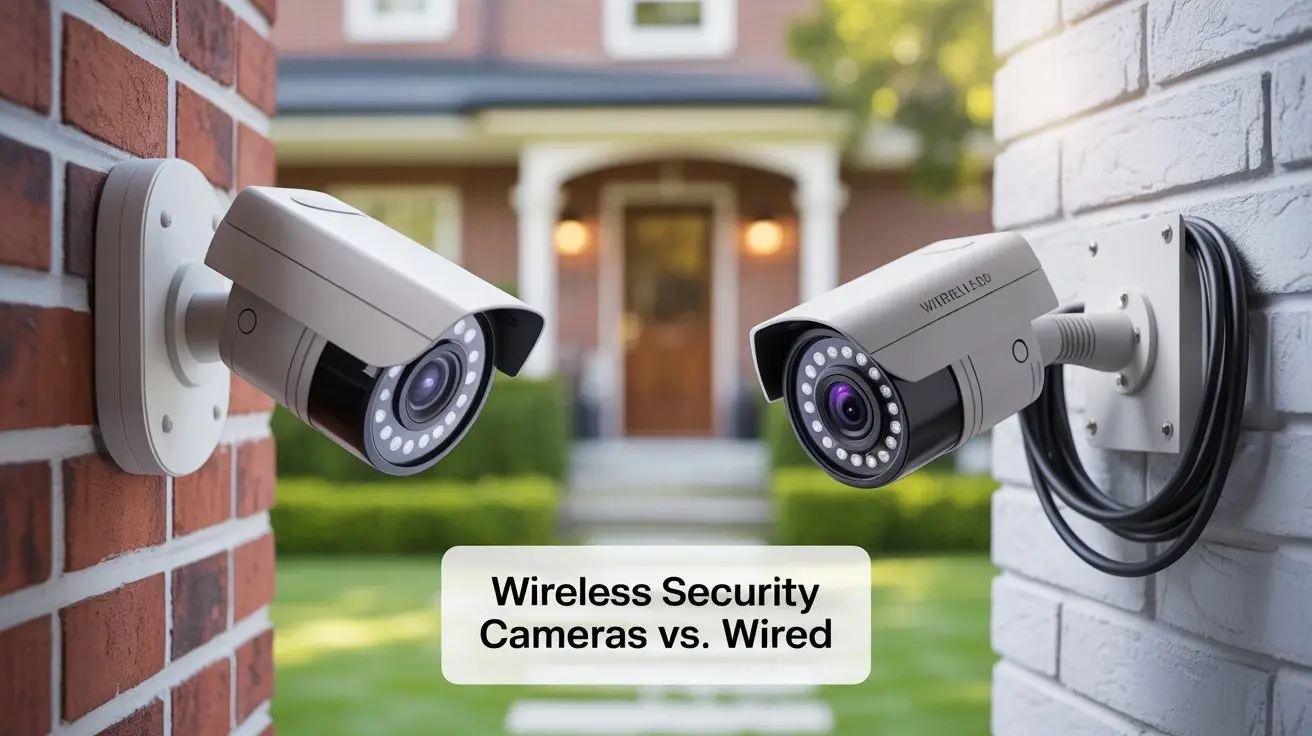
In the realm of consumer electronics, particularly security cameras, "wireless" can be a nuanced term. It's crucial to distinguish between wireless *connectivity* and wireless *power*. A camera that is truly wireless in every sense would draw power from a battery and transmit data over Wi-Fi, requiring no physical connection to a power outlet or a network cable. However, many cameras marketed as wireless primarily refer to their Wi-Fi connectivity, meaning they don't need an Ethernet cable to send footage to your network. They might still require a power cord to function. Understanding this distinction is paramount when evaluating options like Ring cameras. For 2025, the trend is leaning towards greater wireless freedom, with advancements in battery technology and power efficiency making more cameras truly wire-free. However, the majority still rely on some form of power connection, even if it's just a charging cable for a battery pack.
A Deep Dive into Ring Camera Connectivity Options
Ring offers a diverse range of security cameras, and their power sources vary significantly. This variety allows users to choose a solution that best fits their installation needs and preferences. Understanding these different power mechanisms is key to answering the "Are Ring Cameras Wireless?" question definitively for each model.
Battery-Powered Ring Cameras: The Definition of Wireless
When people ask if Ring cameras are wireless, they are often envisioning models that are completely free of power cords. Ring's battery-powered cameras fit this description perfectly. These devices are equipped with rechargeable battery packs that provide the sole source of power. This means you can install them virtually anywhere within your Wi-Fi range without needing to be near a power outlet. The batteries are typically designed to last for several months on a single charge, depending on usage patterns, motion detection frequency, and live view duration. When the battery level gets low, you receive a notification through the Ring app, and you can either remove the battery pack for charging indoors or, with certain models, swap it out for a fully charged spare. This offers the ultimate flexibility in placement, making them ideal for renters or those who prefer a cleaner, wire-free aesthetic. Examples include the popular Ring Stick Up Cam Battery and the Ring Spotlight Cam Battery. By 2025, battery life improvements have made these cameras even more convenient, with some models boasting up to 6-12 months of operation on a single charge under optimal conditions.
Wired-Powered, Wireless-Connected Ring Cameras
Many Ring cameras, while not requiring an Ethernet cable for data transmission, do require a continuous power source from a standard electrical outlet. These cameras are "wireless" in the sense that they connect to your home network via Wi-Fi, eliminating the need for a data cable. However, they are not truly wire-free as they must be plugged into a power source. This often involves a power adapter that connects to the camera and then to an outlet. Some models, like the Ring Floodlight Cam Wired Plus, are designed to be hardwired into your home's existing electrical system, similar to a traditional floodlight. This provides a constant, uninterrupted power supply, meaning you never have to worry about charging or swapping batteries. While this limits placement to areas near existing power sources or where new wiring can be installed, it guarantees continuous operation and eliminates battery management concerns. The Ring Indoor Cam is another example, requiring a plug-in power adapter.
Solar-Powered Ring Cameras: A Sustainable Wireless Solution
Ring offers a compelling hybrid solution for users seeking a more sustainable and convenient option: solar-powered cameras. These cameras, such as the Ring Spotlight Cam Solar and Ring Stick Up Cam Solar, come with a detachable solar panel. The solar panel is designed to continuously trickle-charge the camera's battery pack whenever it's exposed to sufficient sunlight. This significantly extends the time between manual battery charges. While they still rely on a battery pack to store power and operate during periods of low light or heavy usage, the solar panel dramatically reduces the frequency of charging. Therefore, these cameras offer a high degree of wireless freedom, combining the flexibility of battery power with the sustainability and reduced maintenance of solar energy. Placement is key here; the solar panel needs to be positioned to receive direct sunlight for a significant portion of the day. In optimal conditions in 2025, these can significantly reduce or even eliminate the need for manual charging.
Installation & Placement: What You Need to Know
The power source of a Ring camera directly influences its installation process and where you can realistically place it. Understanding these limitations and advantages is crucial for a successful setup and optimal surveillance coverage.
Battery-Powered: Unmatched Placement Flexibility
The primary advantage of Ring's battery-powered cameras is their unparalleled placement flexibility. Since they don't require any connection to a power outlet, you can mount them on virtually any surface – walls, fences, eaves, or even freestanding poles – as long as they are within your Wi-Fi network's range. This makes them ideal for monitoring areas where running power cables would be difficult or impossible, such as detached garages, sheds, remote gates, or along garden paths. The ease of installation means you can often set them up yourself in minutes without the need for an electrician. For renters, this is a significant benefit, as it allows for easy installation and removal without altering the property's permanent infrastructure. In 2025, with improved battery technology, the average uptime between charges has increased, further enhancing this flexibility.
Wired-Powered: Considerations for Power Outlet Proximity
For Ring cameras that are powered by a plug-in adapter or are hardwired, the installation location is dictated by the availability of a power source. Plug-in models require proximity to a standard electrical outlet. This might involve using extension cords, which can be less aesthetically pleasing and potentially pose a tripping hazard, or strategically planning the camera's placement to coincide with an outlet. Hardwired models, like the Floodlight Cam Wired Pro, necessitate connection to your home's existing electrical wiring, often replacing an existing fixture. This type of installation might require basic electrical knowledge or the assistance of an electrician, especially if new wiring needs to be run. While this limits placement options, it ensures a constant power supply, eliminating the need for battery management and offering uninterrupted surveillance.
Solar-Powered: Maximizing Sunlight Exposure
Ring's solar-powered cameras offer a balance between flexibility and sustainability. While they still utilize a battery pack, the integrated solar panel means their placement should be optimized for sunlight exposure. Ideally, the solar panel should face south (in the Northern Hemisphere) and be positioned to receive direct sunlight for at least 6-8 hours per day. Obstructions like trees, buildings, or even heavy shade can significantly reduce the panel's effectiveness, leading to more frequent manual battery charging. Therefore, while you still have the freedom to mount them in various locations, you must consider the sun's path throughout the day. This requires a bit more planning than purely battery-powered options but offers a greener and often more convenient solution than solely relying on manual charging.
Connectivity vs. Power: Separating the Concepts
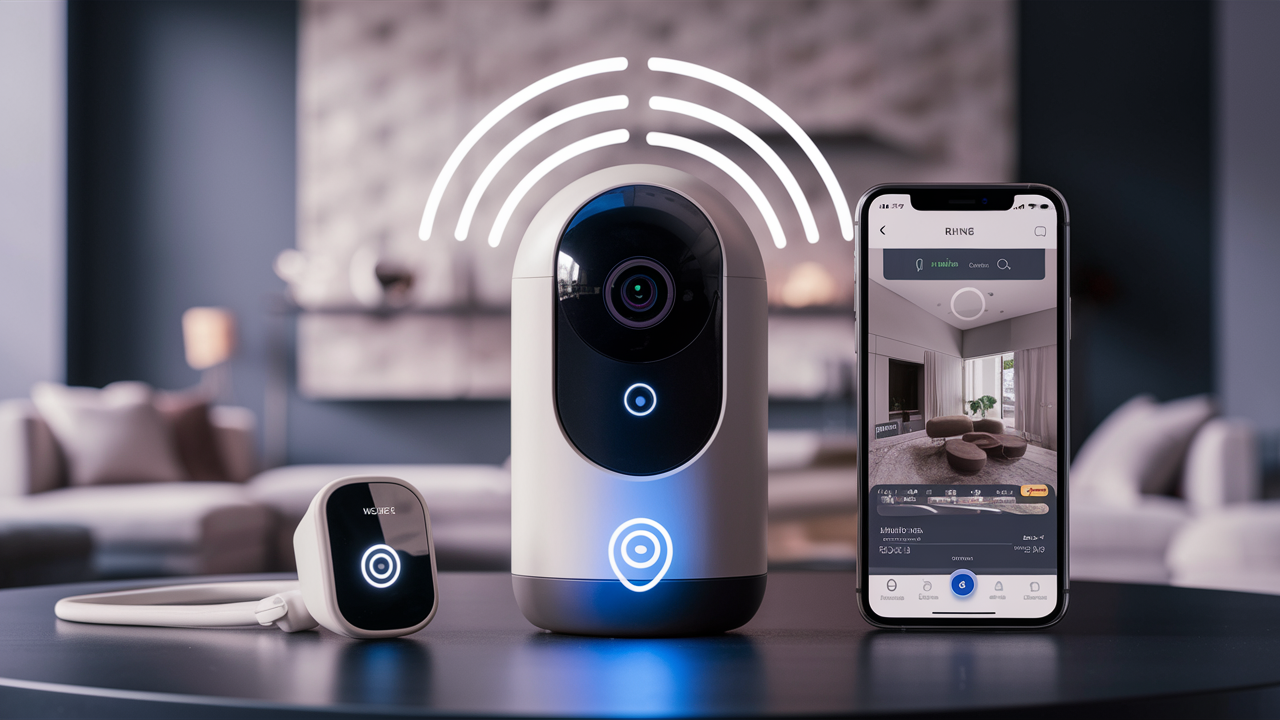
It's essential to reiterate the distinction between how a Ring camera connects to your network and how it receives power. All modern Ring cameras utilize Wi-Fi for connectivity, meaning they transmit video and audio data wirelessly to your home router and then to the Ring app on your smartphone or tablet. This wireless data transmission is what most people mean when they ask if a camera is "wireless." However, this Wi-Fi connectivity is independent of the camera's power source. A camera can be powered by a battery (truly wireless power) and still use Wi-Fi to connect (wireless connectivity). Conversely, a camera could be plugged into a power outlet (wired power) and still use Wi-Fi to connect (wireless connectivity). Understanding this separation helps clarify that a Ring camera might be "wireless" in terms of its data connection but still require a power cable or battery. As of 2025, the vast majority of Ring cameras rely on Wi-Fi for connectivity, with the primary differentiator being their power source.
Seamless Integration with the Ring Ecosystem
One of the significant advantages of choosing Ring cameras, regardless of their power source, is their seamless integration within the broader Ring ecosystem. All Ring devices – cameras, doorbells, alarms, and even smart lighting – can be managed through a single, intuitive Ring app. This unified platform allows for sophisticated automation and interaction between devices. For example, a motion detection event from a Ring Spotlight Cam Battery could trigger your Ring Floodlight Cam Wired Plus to turn on its lights and begin recording. Similarly, if your Ring Alarm system is triggered, all your Ring cameras can be set to start recording simultaneously. This interconnectedness enhances your home's overall security and convenience. The 2025 Ring app continues to evolve, offering more robust integration features and customizable alert settings across all powered and battery-operated devices, ensuring a cohesive smart home security experience.
Choosing the Right Ring Camera for Your Needs (2025-26)
Selecting the ideal Ring camera hinges on balancing your desired level of "wireless" freedom with practical installation considerations, budget, and specific surveillance needs. Here’s a breakdown of popular models and their suitability for different scenarios in 2025-26.
Top Battery-Powered Models
Ring Stick Up Cam Battery: This is a versatile indoor/outdoor camera that offers true wireless operation. It’s great for monitoring entryways, backyards, or even inside your home where power outlets are inconveniently located. Its compact design makes it easy to mount discreetly. With improved battery technology in 2025, expect up to 6 months of use on a single charge under moderate activity. It supports two-way talk and motion detection.
Ring Spotlight Cam Battery: This model adds integrated LED spotlights for enhanced night vision and deterring intruders. It’s ideal for areas needing more illumination, like driveways or dark corners of the yard. The battery pack is typically larger than the Stick Up Cam's, offering potentially longer life, though the spotlights will consume more power. It also features motion detection and two-way talk. The solar-powered variant is a popular upgrade.
Ring Stick Up Cam Solar: This option combines the flexibility of the Stick Up Cam Battery with a solar panel. It’s a fantastic choice for outdoor placement where consistent sunlight is available, significantly reducing the need for manual battery charging. It provides a great balance of wireless freedom and sustainable power. By 2025, these solar panels are more efficient than ever.
Top Wired-Powered Models
Ring Floodlight Cam Wired Plus: This is a powerful outdoor security camera with bright, motion-activated LED floodlights. It requires a wired connection to your home's electrical system, making it a permanent fixture. It's perfect for illuminating large outdoor areas, driveways, and yards. The wired power ensures continuous operation without battery concerns. It offers 1080p HD video, night vision, and two-way talk. The "Plus" version offers improved motion zone customization.
Ring Floodlight Cam Wired Pro: An upgrade to the Wired Plus, the Pro model often includes advanced features like 3D Motion Detection for more precise motion alerts and Audio Verification, which can help distinguish between genuine threats and false alarms. It also requires a wired connection and is ideal for comprehensive outdoor surveillance where constant power is a priority.
Ring Indoor Cam: This compact camera is designed for indoor use and plugs into a standard wall outlet. It’s a cost-effective way to monitor specific rooms, pets, or children. Its small size and simple plug-and-play setup make it very user-friendly, though its placement is limited by the availability of nearby outlets.
Top Solar-Powered Options
Ring Spotlight Cam Solar: As mentioned, this is a highly recommended option for outdoor surveillance. It offers the robust features of the Spotlight Cam (LEDs, two-way talk, motion detection) with the added benefit of a solar panel to keep the battery charged. It provides a great blend of wireless convenience and reduced maintenance, making it a top pick for many users in 2025.
Ring Stick Up Cam Solar: Similar to the Spotlight Cam Solar but without the integrated lights, this is a more discreet solar-powered option. It’s excellent for areas where you need wireless monitoring but don't necessarily require additional lighting. It’s a more budget-friendly solar option.
Maintenance and Troubleshooting Tips
Regardless of whether your Ring camera is battery-powered, wired, or solar-assisted, some basic maintenance and troubleshooting can ensure optimal performance. By 2025, Ring has refined its app and hardware to minimize issues, but understanding these points is still valuable.
Battery Management
For battery-powered and solar-powered Ring cameras, keeping an eye on battery levels is crucial. The Ring app will notify you when the battery is low. If you have a spare battery, swapping it is straightforward. For solar-powered models, ensure the solar panel is clean and free from debris that might obstruct sunlight. Periodically wiping it with a soft, damp cloth can improve efficiency. If you notice consistently low battery life on a solar model, re-evaluate its placement to maximize sun exposure.
Connectivity Issues
Ring cameras rely on a stable Wi-Fi connection. If your camera frequently goes offline, the issue is likely with your Wi-Fi signal strength or your internet connection. Ensure your router is within range of the camera. You might consider a Wi-Fi extender or a mesh network system to boost coverage, especially for outdoor cameras. Restarting your router and the camera can often resolve temporary connectivity glitches. Check the Ring app for signal strength indicators to diagnose potential problems.
Firmware Updates
Ring regularly releases firmware updates to improve performance, add new features, and patch security vulnerabilities. Most updates are applied automatically, especially for wired cameras. For battery-powered cameras, updates are typically downloaded when the camera is connected to Wi-Fi and has sufficient battery power. Ensure your Ring app is also up-to-date, as it often contains the interface for managing these updates and settings. These updates are critical for maintaining the security and functionality of your wireless devices.
Pros and Cons: A Comparative Overview
To summarize the decision-making process, here's a comparative look at the pros and cons of different Ring camera power types, relevant for 2025-26 purchasing decisions.
| Feature | Battery-Powered | Wired-Powered (Plug-in/Hardwired) | Solar-Powered |
|---|---|---|---|
| Wireless Freedom | Highest: No power cords required. | Moderate: Wireless data, but requires power cable/wiring. | High: Battery-powered with solar assist, minimal manual charging. |
| Installation Ease | Easiest: Mount anywhere within Wi-Fi range. | Moderate to Difficult: Requires proximity to outlets or electrical wiring. | Moderate: Requires sunlight-optimized placement. |
| Power Reliability | Moderate: Dependent on battery charge. | Highest: Continuous power supply. | High: Reliant on sunlight, but battery backup exists. |
| Maintenance | Moderate: Battery charging/swapping. | Lowest: No battery management. | Low: Occasional solar panel cleaning. |
| Cost (Initial) | Moderate: Camera cost + potential extra batteries. | Lowest to Moderate: Generally less expensive than solar variants. | Highest: Camera cost + integrated solar panel. |
| Environmental Impact | Moderate: Battery production/disposal. | Lowest: Uses grid power. | Lowest: Utilizes renewable solar energy. |
The Future of Ring Cameras: What to Expect in 2026 and Beyond
The trajectory for Ring cameras, like much of the smart home security market, points towards enhanced wireless capabilities and greater energy efficiency. In 2026 and beyond, we can anticipate several key developments. Firstly, expect further improvements in battery technology, leading to even longer operational times for battery-powered and solar-powered models, potentially making "truly wireless" the standard for most new releases. Secondly, advancements in low-power Wi-Fi and edge computing could reduce the reliance on constant cloud connectivity for basic functions, further optimizing power consumption. We might also see more integrated solutions that combine advanced AI for smarter motion detection and fewer false alerts, thereby conserving battery life. Furthermore, Ring will likely continue to expand its solar integration and explore other renewable energy charging methods. The focus will remain on user-friendly installation and seamless integration, making advanced home security accessible and convenient for a wider audience. The concept of "wireless" will continue to evolve, pushing the boundaries of what's possible without direct power or data cables.
Conclusion: Making an Informed Decision
So, are Ring cameras wireless? The answer is nuanced, but largely yes, in terms of their connectivity. All Ring cameras utilize Wi-Fi for data transmission, offering wireless communication. However, their power sources vary. Battery-powered and solar-powered models offer the most "wireless" experience, providing true freedom from power outlets. Wired-powered models, while still using Wi-Fi, require a connection to an electrical source. For 2025-26, Ring continues to offer robust solutions for every need, from the ultimate flexibility of battery-powered cameras to the unwavering reliability of wired installations. By carefully considering your home's layout, available power sources, and desired level of convenience, you can choose the Ring camera that best suits your security needs and truly embraces the "wireless" aspect of modern home surveillance. Prioritize your specific requirements: if maximum placement flexibility is key, opt for battery or solar. If constant power and minimal maintenance are paramount, a wired solution is ideal.