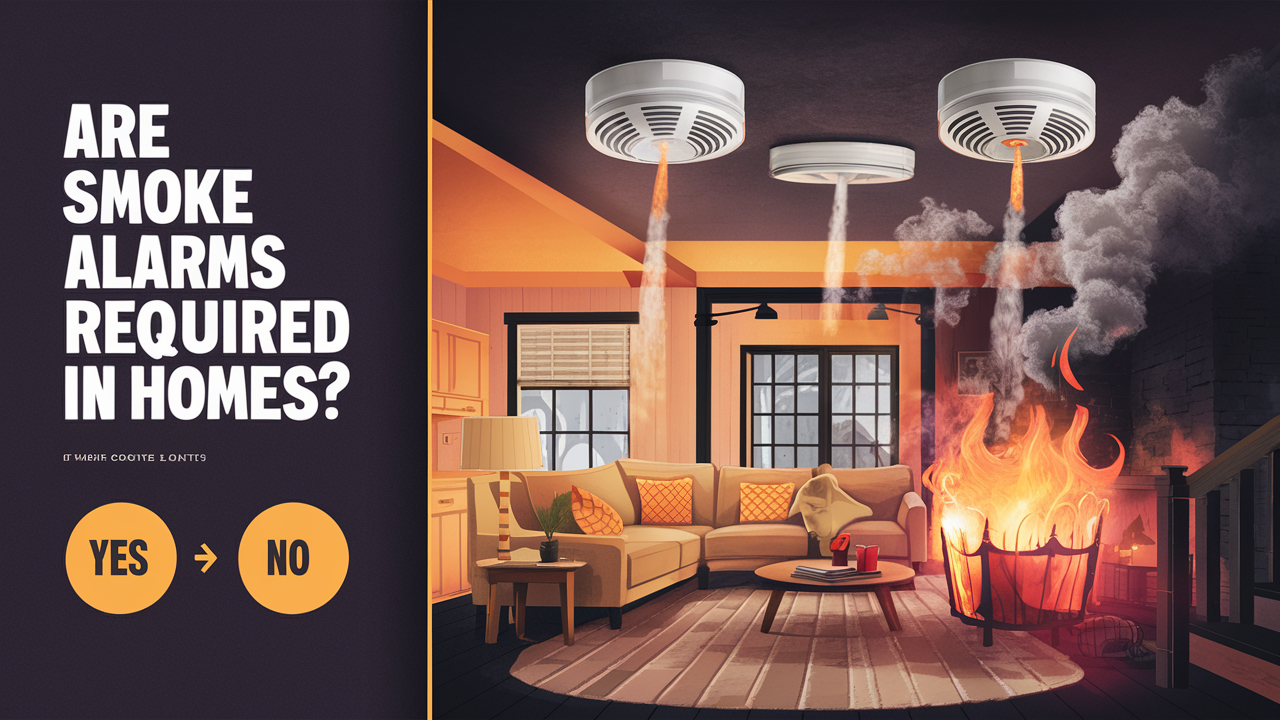
Yes, smoke alarms are unequivocally required in homes across most jurisdictions, mandated by law and building codes to enhance fire safety. Understanding these requirements is crucial for every homeowner and renter to protect lives and property from devastating fires.
Understanding Smoke Alarm Requirements
The question "Are smoke alarms required in homes?" is a fundamental one for ensuring the safety of occupants. The resounding answer is yes, in the vast majority of cases. These life-saving devices are not merely recommended; they are mandated by law and building codes in virtually all developed countries, including the United States, Canada, the United Kingdom, Australia, and many others. The primary objective behind these mandates is to provide early warning of a fire, giving residents precious minutes to escape safely before smoke and flames become overwhelming. These regulations are constantly evolving, driven by advancements in technology and a deeper understanding of fire dynamics and human behavior during emergencies. Staying informed about the specific requirements in your locality is paramount for compliance and, more importantly, for the well-being of your household.
The requirement for smoke alarms stems from their proven effectiveness in reducing fire-related deaths and injuries. Statistics from fire safety organizations consistently show that homes without working smoke alarms are significantly more likely to experience fatalities in the event of a fire. For instance, the National Fire Protection Association (NFPA) in the U.S. reports that in reported home fires where the smoke alarms were present but did not operate, roughly half were due to dead batteries. This highlights not just the need for alarms, but for properly maintained and powered ones. In 2025-26, fire departments continue to emphasize the critical role of these devices. According to preliminary data from the NFPA for 2025, approximately 70% of home fire deaths occurred in homes without working smoke alarms. This stark statistic underscores why regulations are so stringent and why homeowners must prioritize compliance. The legal framework ensures a baseline level of safety is met, protecting not only individuals but also communities by mitigating the impact of fires.
Why Are They Mandatory? The Life-Saving Impact
The mandatory nature of smoke alarms is directly tied to their proven ability to save lives. Early detection is the single most critical factor in surviving a house fire. Smoke inhalation is the leading cause of fire-related deaths, and smoke can spread much faster than flames. A functioning smoke alarm can alert occupants to a fire in its early stages, often while they are asleep, providing the crucial time needed to evacuate. Without this early warning, residents may be overcome by smoke and toxic gases before they even realize there is a danger.
Consider a scenario: a small electrical fault ignites a fire in a basement overnight. Without a smoke alarm, the smoke can silently fill the house, reaching bedrooms on upper floors. By the time occupants smell smoke or see flames, it might be too late to escape through normal means. A smoke alarm, however, would sound within minutes of the fire's ignition, waking the household and allowing them to escape while the fire is still manageable. This difference of mere minutes can be the difference between life and death. The 2025-26 fire safety landscape continues to reinforce this reality, with emergency services reporting that the vast majority of successful home fire evacuations involved functioning smoke alarms.
Historical Context of Smoke Alarm Regulations
The journey towards mandatory smoke alarm installation has been a long one, driven by tragic fire incidents and evolving scientific understanding. The first smoke detectors were developed in the mid-20th century, but they were expensive and not widely adopted. Early regulations were often voluntary or applied only to new construction. However, as the technology became more affordable and reliable, and as the devastating toll of home fires became increasingly evident, legislative bodies began enacting stricter laws. By the late 1980s and early 1990s, many countries and regions had established mandates for smoke alarms in existing homes as well as new constructions. These regulations have been periodically updated to reflect technological advancements, such as the requirement for interconnected alarms and specific placement guidelines. The ongoing push for enhanced fire safety means that these regulations are not static and will continue to adapt.
The Legal and Code Basis for Smoke Alarms
The requirement for smoke alarms in homes is not a suggestion; it is a legal obligation rooted in building codes and fire safety legislation. These codes are established by governmental bodies at national, state/provincial, and local levels. Understanding these legal underpinnings is crucial for homeowners and landlords to ensure compliance and avoid potential penalties. The specific requirements can vary significantly depending on your geographic location, the age of the building, and whether it's a new construction or an existing dwelling.
National and Regional Building Codes
In the United States, the International Residential Code (IRC) and the International Fire Code (IFC) are widely adopted and serve as the basis for many state and local building codes. These codes typically mandate the installation of smoke alarms in specific locations within a home. For example, the IRC generally requires smoke alarms to be installed outside each sleeping area, on every level of the dwelling, including basements. In Canada, the National Building Code of Canada and the National Fire Code of Canada provide similar guidelines. In the UK, the Building Regulations and fire safety legislation set out requirements, often enforced by local fire and rescue services. These codes are updated periodically, with the latest versions reflecting current best practices and technological standards. As of 2025-26, these codes continue to be the primary drivers for smoke alarm mandates.
State and Local Ordinances
While national codes provide a framework, it is often state, provincial, and local ordinances that dictate the precise requirements for smoke alarm installation and maintenance. These local laws can be more stringent than national codes. For instance, some jurisdictions may require alarms on every level, including within each bedroom, or mandate interconnected alarms. Landlord-tenant laws also play a significant role, often placing the responsibility for installing and maintaining smoke alarms squarely on the property owner. Failure to comply with these local ordinances can result in fines, legal action, and even impact insurance claims. It is therefore essential to consult your local fire department or building authority for the most accurate and up-to-date information pertaining to your specific address.
Fire Department Recommendations and Enforcement
Local fire departments are often the primary enforcers of smoke alarm regulations. They conduct fire safety inspections, respond to complaints, and educate the public on fire prevention. Many fire departments offer free smoke alarm installation services for low-income families or seniors, further emphasizing the importance they place on these devices. They also provide valuable guidance on the types of alarms to use, their proper placement, and the necessary maintenance schedule. While direct enforcement of smoke alarm requirements in existing homes might be reactive (e.g., after a fire or complaint), proactive measures like community outreach and inspection programs are common. For new constructions and major renovations, inspections by building code officials are mandatory to ensure compliance before occupancy is granted.
Types of Smoke Alarms and Their Placement
Not all smoke alarms are created equal, and understanding the different types and where to place them is critical for maximum effectiveness. The two primary sensing technologies are ionization and photoelectric. Many modern alarms are dual-sensor, combining both technologies for broader detection capabilities. The placement of these alarms is equally important, as incorrect positioning can render them less effective or prone to nuisance alarms.
Ionization vs. Photoelectric Sensors
Ionization alarms are generally more responsive to fast-flaming fires, which produce smaller smoke particles. They work by using a small amount of radioactive material to ionize the air in a chamber. When smoke particles enter the chamber, they disrupt the flow of ions, triggering the alarm. These are typically less expensive and better at detecting fires that start with flames and spread quickly, like a grease fire in the kitchen.
Photoelectric alarms are more responsive to slow-smoldering fires, which produce larger smoke particles. They work by using a light beam. In a normal state, the light beam is not directed at a sensor. When smoke enters the chamber, it scatters the light beam, directing it onto the sensor and triggering the alarm. These are often better at detecting fires that smolder for a long time before bursting into flames, such as a cigarette igniting upholstery.
Dual-sensor alarms combine both ionization and photoelectric technologies, offering the best of both worlds and providing a more comprehensive detection capability for a wider range of fire types. For comprehensive home protection, dual-sensor alarms are often recommended by fire safety experts.
Placement Guidelines for Maximum Effectiveness
Building codes and fire safety organizations provide specific guidelines for smoke alarm placement to ensure optimal protection. The general rule of thumb is to install alarms on every level of the home, including basements and habitable attics. Crucially, alarms must be placed outside sleeping areas (e.g., in the hallway leading to bedrooms) and inside each bedroom if people sleep with the doors closed.
Key Placement Areas:
- Hallways: Install alarms in the center of hallways or at the maximum distance allowed by the manufacturer's instructions, typically no more than 3.3 feet (1 meter) from the wall.
- Bedrooms: If doors are typically closed at night, an alarm should be placed inside each bedroom.
- Stairways: For multi-level homes, place an alarm at the top of the first-floor stairway and at the bottom of the second-floor stairway.
- Basements: Install an alarm at the base of the basement stairs.
- Living Areas: While not always mandated, consider alarms in living rooms or other common areas where fires might start.
Areas to Avoid:
- Kitchens: Avoid placing alarms within 10 feet (3 meters) of cooking appliances to prevent nuisance alarms from normal cooking smoke. If a kitchen alarm is necessary, a photoelectric alarm with a "hush" button is often recommended.
- Bathrooms: Avoid placement within 10 feet (3 meters) of bathrooms to prevent nuisance alarms from steam.
- Garages and Unheated Areas: Avoid areas with extreme temperatures or humidity, as these can affect alarm performance.
- Near Fans or Vents: Drafts can blow smoke away from the alarm, so avoid placing them directly in the path of strong air currents.
Adhering to these placement guidelines, as detailed in resources like the NFPA's smoke alarm guidelines, is vital for effective fire detection.
Special Considerations for Different Home Types
The specific requirements might vary slightly for different types of dwellings. For example, in multi-family dwellings (apartments, condos), each individual unit typically requires its own set of smoke alarms as per the codes mentioned earlier. In rental properties, landlords are almost universally responsible for ensuring that the required smoke alarms are installed and functional at the start of each tenancy. For mobile homes or manufactured housing, specific codes may apply, often requiring alarms that are designed for the unique construction and ventilation characteristics of these structures.
Interconnectivity and Power Sources
Modern fire safety standards increasingly emphasize interconnected smoke alarms and reliable power sources. Interconnected alarms communicate with each other, meaning if one alarm detects smoke, all connected alarms in the home will sound. This significantly improves the chances of occupants hearing the alarm, especially in larger homes or those with multiple levels. The power source of the alarm is also a critical factor in its reliability.
Wired Interconnected Alarms
Historically, interconnected alarms were hardwired into the home's electrical system. This requires professional installation and ensures a constant power supply. When one alarm detects smoke, it sends a signal through the wiring to all other connected alarms, causing them to sound simultaneously. This is considered the most robust and reliable form of interconnectedness. Many building codes now mandate hardwired, interconnected alarms for new constructions and major renovations. For example, if one alarm fails or its battery dies, the entire system is still functional due to the constant electrical feed.
Wireless Interconnected Alarms
More recently, wireless interconnected alarms have become popular, offering a simpler installation process, especially for retrofitting existing homes without complex rewiring. These alarms communicate with each other using radio frequency signals. While they still require a power source (usually battery or plug-in with battery backup), their interconnectedness ensures that an alarm in one part of the house will trigger alarms in other areas. This technology offers similar life-saving benefits to hardwired systems without the extensive installation work. When choosing wireless interconnected alarms, ensure they are certified to meet relevant safety standards.
Power Sources: Battery vs. Hardwired with Battery Backup
Smoke alarms are typically powered by one of two main sources:
- Battery-Powered: These are the simplest to install and are common in older homes or for renters. However, their effectiveness is heavily reliant on regular battery replacement. As noted by the NFPA, dead batteries are a leading cause of smoke alarm failures. Most battery-powered alarms require a 9-volt battery or a sealed lithium battery with a 10-year lifespan. If you have battery-only alarms, establish a strict schedule for testing them monthly and replacing batteries at least annually, or immediately when the low-battery chirp sounds.
- Hardwired with Battery Backup: These alarms are connected to the home's electrical system and also have a battery backup. This ensures they remain operational even during a power outage. This combination is generally considered the most reliable. Building codes often require this type of alarm for new construction. The battery backup typically needs to be replaced annually, or as indicated by the manufacturer.
For optimal safety, experts strongly recommend alarms that are both interconnected and have a battery backup, whether they are hardwired or wirelessly connected. The 2025-26 recommendations continue to prioritize these advanced features for enhanced home safety.
Essential Maintenance and Testing
Simply installing smoke alarms is not enough; they must be properly maintained and regularly tested to ensure they function when needed. This is a critical aspect of compliance and, more importantly, of ensuring the safety of your household. Neglecting maintenance is one of the primary reasons smoke alarms fail to operate during a fire.
Monthly Testing Schedule
Smoke alarms should be tested at least once a month. Most alarms have a test button on the unit. Press and hold this button for a few seconds until the alarm sounds. If the alarm does not sound, or if the sound is weak, it indicates a problem. This could be a dead battery, a faulty unit, or a need for cleaning. Make testing a habit, perhaps by linking it to another regular activity like paying bills or a specific day of the week. This consistent testing is a cornerstone of fire safety for any home.
Annual Battery Replacement and Cleaning
For battery-powered alarms, batteries should be replaced at least once a year, even if they are still working. A common recommendation is to change them when you change your clocks for daylight saving time. For hardwired alarms with battery backup, the backup battery should also be replaced annually. Alarms can also accumulate dust, cobwebs, and insects, which can interfere with their sensors. Gently vacuum the alarms or use a soft brush attachment once a year to clean them. Avoid using water or cleaning solvents, as these can damage the unit.
Replacement Timeline for Smoke Alarms
Smoke alarms do not last forever. The sensors within the unit degrade over time. Most manufacturers recommend replacing smoke alarms every 10 years from the date of manufacture. This date is usually printed on the back or side of the alarm. Even if the alarm appears to be working, its sensitivity and reliability decrease significantly after a decade. Therefore, it's crucial to note the manufacture date and set a reminder to replace all smoke alarms in your home at least every 10 years. This is a non-negotiable aspect of maintaining effective fire protection. Many newer alarms have a "end-of-life" warning sound to indicate when they need replacement.
Understanding Nuisance Alarms
Nuisance alarms, or false alarms, can be a common frustration. They can be triggered by cooking smoke, steam from showers, or even insects. While it's important to address the cause of nuisance alarms, never disable or remove a smoke alarm permanently. Instead, consider relocating it if it's in an inappropriate location (e.g., too close to the kitchen or bathroom), or explore models with features like a "hush" button that temporarily silences the alarm. If nuisance alarms persist, it might be time to replace the unit, as a malfunctioning alarm could be the cause.
Exemptions and Special Cases
While smoke alarms are required in the vast majority of homes, there can be limited exemptions or special circumstances that affect these requirements. These are typically rare and often apply to specific types of dwellings or situations. It's essential to understand these nuances to ensure you are complying with the law, or if you believe your situation might fall under an exemption.
Historic Buildings
In some cases, historic buildings may have modified requirements for smoke alarm installation due to the potential for damage to original structures or finishes. However, fire safety remains paramount. Instead of traditional alarms, alternative fire detection and suppression systems might be permitted, or less intrusive alarm installation methods may be allowed. These exemptions are usually granted on a case-by-case basis and require approval from the local fire marshal or building code authority. Simply being a historic building does not automatically exempt a property from fire safety regulations.
Rental Properties and Landlord Responsibilities
As mentioned earlier, landlords are generally responsible for ensuring that rental properties are equipped with working smoke alarms. Tenants also have a responsibility to not tamper with or disable the alarms and to report any malfunctions to the landlord promptly. In many jurisdictions, it is illegal for a landlord to rent a property without functional smoke alarms, and they are often required to test them before a new tenant moves in. The specific responsibilities can be detailed in lease agreements and local landlord-tenant laws. For renters, understanding your rights and responsibilities regarding smoke alarms is crucial.
Temporary Structures and Outbuildings
The requirement for smoke alarms typically applies to permanent, habitable dwellings. Temporary structures, such as seasonal cabins or sheds not used for sleeping, may not be subject to the same stringent regulations. However, if an outbuilding is used for sleeping or contains significant fire hazards, it may require a smoke alarm. It's always best to err on the side of caution and install a battery-operated smoke alarm in any structure where people might spend time, especially overnight.
Disability and Special Needs Considerations
For individuals with hearing impairments, standard smoke alarms may not be sufficient. Many jurisdictions require specialized alarms for these individuals, such as alarms that emit a brighter strobe light or have a vibrating component. Some interconnected systems can also be linked to specialized alerting devices. If someone in your household has a hearing impairment, it is essential to research and install appropriate assistive smoke alarm technology to ensure they can be alerted in the event of a fire. Resources from organizations like the NFPA can provide further guidance.
Consequences of Non-Compliance
Failing to comply with smoke alarm requirements can lead to significant consequences, ranging from financial penalties to devastating personal losses. These consequences underscore the importance of taking these regulations seriously and ensuring your home is adequately protected. The legal and financial ramifications are often secondary to the potential for injury or loss of life, but they serve as a strong deterrent against negligence.
Fines and Legal Penalties
In many jurisdictions, failure to install or maintain working smoke alarms can result in fines. These fines can be levied by local fire departments, building inspectors, or other regulatory bodies. For landlords, non-compliance can lead to legal action from tenants, as well as significant penalties. In cases where a fire occurs in a home without the required smoke alarms, the legal repercussions can be even more severe, potentially involving negligence lawsuits.
Insurance Implications
Homeowner's insurance policies often contain clauses related to fire safety. If a fire occurs in a home where mandated smoke alarms were not installed or were found to be non-functional due to neglect, an insurance company may deny or reduce a claim. This could leave homeowners responsible for the full cost of repairs or rebuilding, which can be financially ruinous. Insurance providers increasingly expect policyholders to adhere to basic fire safety measures, including the proper installation and maintenance of smoke alarms. Always review your insurance policy to understand its specific requirements regarding fire safety equipment.
Increased Risk of Injury or Death
The most profound consequence of non-compliance is the significantly increased risk of injury or death in the event of a fire. As the statistics consistently show, homes without working smoke alarms are far more dangerous. The early warning provided by a smoke alarm can be the critical factor that allows occupants to escape unharmed. By neglecting this essential safety measure, individuals are essentially gambling with their lives and the lives of their loved ones. The preventable tragedy of a fire death is the ultimate consequence of non-compliance.
Future Trends in Home Fire Safety
The field of home fire safety is continuously evolving, driven by technological advancements and a growing understanding of fire behavior and prevention. As we look towards 2025-26 and beyond, several key trends are shaping the future of smoke alarm technology and home fire protection.
Smart Home Integration
The integration of smoke alarms with smart home systems is becoming increasingly prevalent. Smart smoke alarms can send alerts directly to your smartphone, regardless of your location, allowing for remote monitoring and immediate notification of a fire. They can also be integrated with other smart devices, such as smart locks (which could automatically unlock during an alarm) or smart lighting (which could illuminate escape routes). This level of connectivity offers enhanced peace of mind and a more responsive safety system.
Advancements in Detection Technology
Research continues into more sophisticated detection technologies. This includes alarms that can differentiate between various types of smoke and gases, potentially providing more specific warnings. Some advanced systems are exploring the use of artificial intelligence and machine learning to analyze fire patterns and predict the spread of flames, offering even earlier and more precise alerts. The goal is to reduce false alarms while increasing the speed and accuracy of detection for all types of fires.
Enhanced Interconnectivity and Communication
Future smoke alarm systems will likely feature even more robust interconnectedness. This could include seamless communication not only between alarms within a home but also with emergency services. Imagine a system that, upon detecting a fire, automatically alerts the local fire department with the exact location and nature of the emergency. This would drastically reduce response times and improve the effectiveness of firefighting efforts. Standards for such integrated systems are being developed to ensure interoperability and security.
Focus on Prevention and Education
Beyond detection, there is a growing emphasis on fire prevention. This includes smart home devices that can monitor electrical systems for potential faults or alert homeowners to hazards like unattended cooking. Education remains a cornerstone, with ongoing efforts to inform the public about fire risks, the importance of working smoke alarms, and proper evacuation procedures. The trend is towards a holistic approach to home fire safety, encompassing detection, prevention, and rapid response.
In conclusion, the question of whether smoke alarms are required in homes receives a definitive "yes." These devices are mandated by law and building codes for a critical reason: they save lives. Understanding the legal basis, the types of alarms, proper placement, and essential maintenance is not just about compliance; it's about safeguarding your family and property. Staying informed about current regulations and embracing advancements in fire safety technology will ensure your home remains a safe haven. Prioritize the installation and maintenance of smoke alarms—it's one of the most effective and inexpensive ways to protect against the devastating impact of fire.