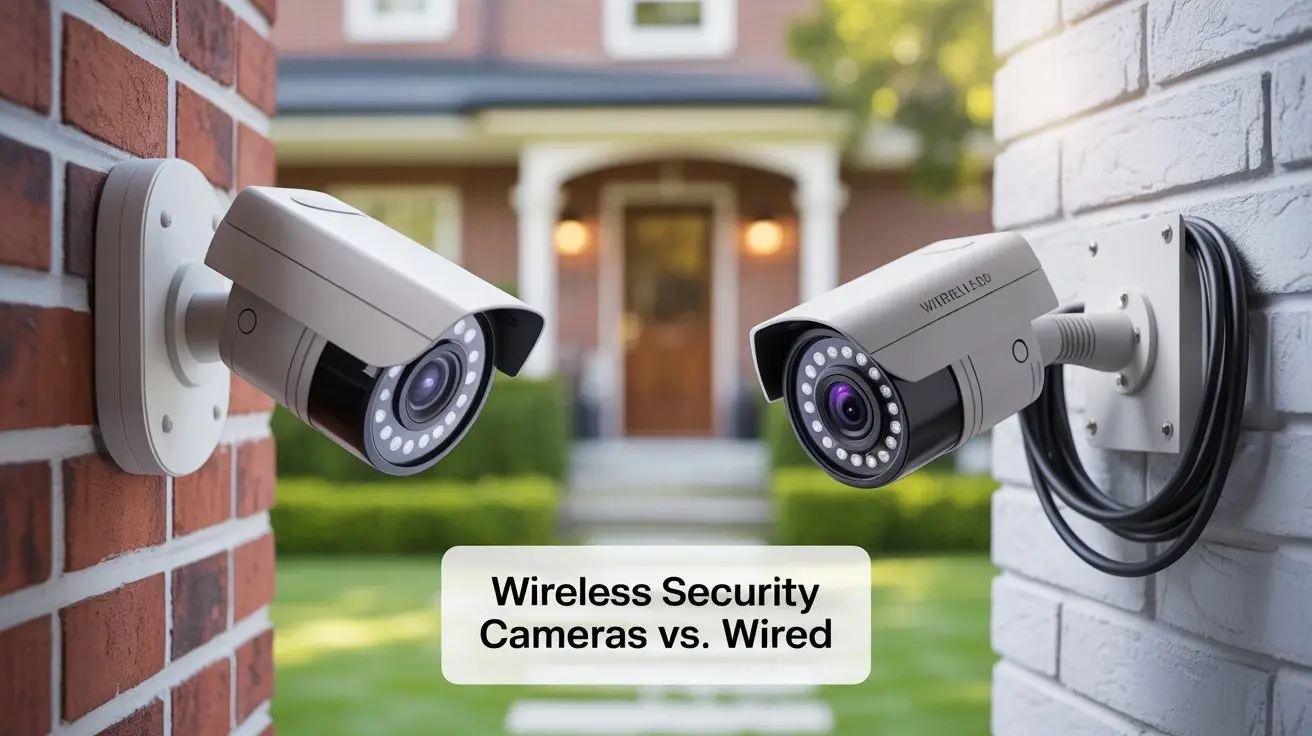
Discover top-rated outdoor security cameras offering robust features and reliable surveillance without the burden of monthly subscription fees. Protect your property and gain peace of mind with these excellent, one-time purchase solutions, perfect for budget-conscious homeowners in 2025 and beyond.
Introduction: The Rise of Subscription-Free Security
In an era where home security is paramount, the market is flooded with advanced surveillance systems. However, a significant barrier for many consumers has been the recurring cost of cloud storage subscriptions. Fortunately, the demand for robust, feature-rich outdoor security cameras that operate without mandatory monthly fees has spurred innovation. This guide dives deep into the best outdoor security cameras available in 2025-26 that offer exceptional performance, reliable recording, and advanced functionalities, all without requiring a continuous subscription. We aim to empower you with the knowledge to make an informed decision, ensuring your property is protected effectively and affordably.
Why Choose Outdoor Security Cameras Without a Subscription?
The appeal of subscription-free security cameras is multifaceted, addressing common pain points associated with traditional, subscription-dependent systems. By opting for cameras that don't require monthly payments, homeowners can enjoy a range of benefits that enhance both security and their financial well-being. The primary driver is, of course, cost savings. Over the lifespan of a security system, subscription fees can accumulate significantly, often exceeding the initial hardware cost. Eliminating these recurring expenses makes advanced home security more accessible and sustainable for a broader audience.
Beyond the financial aspect, subscription-free cameras often offer greater control and privacy. When footage is stored locally, such as on an SD card or a dedicated Network Attached Storage (NAS) device, users retain direct ownership and access to their data. This can alleviate concerns about data breaches or third-party access to sensitive video recordings. Furthermore, the independence from a cloud service means that your security system remains operational even if your internet connection is temporarily disrupted, provided the camera has local storage capabilities and power. This resilience is crucial for continuous monitoring. The market in 2025-26 is seeing a surge in models that balance this independence with smart features, offering a compelling alternative to the subscription model.
Cost-Effectiveness Over Time
The most compelling reason to choose cameras without a subscription is the long-term financial advantage. Consider a typical subscription that costs $5-$10 per month per camera. Over five years, this could amount to $300-$600 per camera, potentially thousands for a multi-camera system. A one-time purchase of a high-quality, subscription-free camera, even if slightly more expensive upfront, will almost always be more economical. This allows homeowners to invest in more cameras or higher-spec models within their budget.
Data Privacy and Control
For many, privacy is a significant concern. Storing footage locally means your personal video data stays within your home network. This reduces the risk of unauthorized access or data misuse by the service provider. You have complete control over who sees your footage and how it's managed. This is particularly important for sensitive areas around your home.
Independence from Internet Service Disruptions
While many smart cameras rely heavily on cloud connectivity, local storage options ensure that recording continues even if your Wi-Fi or internet service goes down. This is a critical advantage for uninterrupted surveillance, especially in areas prone to internet instability. The camera can still capture events and store them locally for later review.
No Vendor Lock-In
Choosing a subscription-free system often means you are less tied to a specific company's ecosystem. You can mix and match brands more easily or switch providers without losing access to your historical footage or incurring new recurring costs. This flexibility is valuable in a rapidly evolving tech landscape.
Key Features to Look For in Subscription-Free Cameras
When selecting an outdoor security camera that bypasses the subscription model, several core features are essential for effective surveillance. These cameras still need to offer robust performance, reliable connectivity, and intelligent detection capabilities to be truly valuable. Prioritizing these elements will ensure you get a system that meets your security needs without hidden ongoing costs. The advancements in 2025-26 have made it possible to find cameras with impressive feature sets that previously only came with subscriptions.
Local Storage Options
This is the cornerstone of any subscription-free camera. Look for cameras that support microSD cards for direct on-device recording. Some systems might offer a Network Attached Storage (NAS) option or a base station that consolidates recordings from multiple cameras. The capacity of the microSD card (e.g., up to 128GB, 256GB, or 512GB) will determine how much footage can be stored before older recordings are overwritten.
Video Quality and Resolution
Even without a subscription, you shouldn't compromise on clarity. Aim for cameras with at least 1080p Full HD resolution. Higher resolutions like 2K (1440p) or 4K (2160p) offer significantly more detail, which can be crucial for identifying faces or license plates. Features like HDR (High Dynamic Range) also improve image quality in challenging lighting conditions, like bright sunlight or deep shadows.
Night Vision Capabilities
Effective 24/7 surveillance requires excellent night vision. Look for cameras with infrared (IR) LEDs that provide clear black-and-white images in complete darkness. Some advanced models offer color night vision, which uses ambient light or built-in spotlights to produce color images after dark, offering better detail and easier identification.
Motion Detection and Alerts
Smart motion detection is vital to avoid constant false alarms. Look for cameras with customizable motion zones, PIR (Passive Infrared) sensors for detecting body heat, and AI-powered person/vehicle detection. These advanced features help distinguish between genuine threats and irrelevant movements (like pets or swaying branches). Alerts should be sent directly to your smartphone via a dedicated app.
Weather Resistance and Durability
Outdoor cameras must withstand the elements. Check for an IP rating (e.g., IP65, IP66, or IP67), which indicates the level of protection against dust and water. Cameras with robust construction can endure rain, snow, heat, and cold, ensuring long-term reliability.
Connectivity Options
Most outdoor cameras rely on Wi-Fi. Ensure the camera supports a stable 2.4GHz or 5GHz Wi-Fi band for reliable streaming. Some higher-end models might offer Power over Ethernet (PoE) for a more stable wired connection, though this often requires more complex installation.
Two-Way Audio
The ability to communicate through the camera is a valuable feature. Two-way audio allows you to speak to visitors or deter intruders remotely using your smartphone app. This adds an interactive layer to your home security.
Our Top Picks for Best Outdoor Security Cameras Without Subscription (2025-26)
The market for subscription-free outdoor security cameras is robust, with several manufacturers offering compelling options that balance features, performance, and affordability. Based on current trends and technological advancements for 2025-26, here are some of the leading contenders that excel without demanding monthly fees. We've analyzed their capabilities, storage solutions, and overall value to help you make the best choice for your home security needs.
1. Reolink Argus 3 Pro (and similar Reolink models)
Reolink has consistently been a leader in the subscription-free camera space. The Argus 3 Pro is a prime example, offering a blend of features that are hard to beat. It boasts 2K resolution, excellent night vision (including color night vision with its spotlight), and robust motion detection with customizable zones and person detection. Storage is handled via a microSD card (up to 128GB). It's a battery-powered camera, offering flexibility in placement, but also has a solar panel accessory option for continuous charging. Many other Reolink models, like the E1 Outdoor or RLC-810A, also offer similar subscription-free benefits with wired options and higher resolutions.
Key Features: 2K resolution, color night vision, PIR motion detection, person detection, microSD card support, battery/solar powered, two-way audio, weather-resistant (IP65).
2. EufyCam 3 (and Eufy's HomeBase system)
Eufy offers a compelling ecosystem that prioritizes local storage and no subscriptions. The EufyCam 3 (and its predecessor, the EufyCam 2 Pro) works with the Eufy HomeBase 3, which acts as a central hub for storage and AI processing. The cameras themselves offer 2K or 4K resolution, excellent battery life (often lasting 6-12 months on a single charge), and advanced AI features like person, vehicle, and pet detection, all processed locally on the HomeBase. Storage is on the HomeBase's internal drive (expandable with an additional hard drive), eliminating the need for cloud fees. This system is ideal for users who want a comprehensive, multi-camera setup without recurring costs.
Key Features: 2K/4K resolution, advanced AI detection (person, vehicle, pet), local storage via HomeBase, long battery life, solar charging accessory available, weather-resistant (IP67).
3. Blink Outdoor (with Sync Module 2)
Blink cameras, particularly when paired with the Sync Module 2, offer a very budget-friendly entry into subscription-free outdoor security. The Blink Outdoor camera provides 1080p HD video and good night vision. The key to its subscription-free operation is the Sync Module 2, which allows for local storage of video clips onto a USB drive. While Blink does offer an optional cloud subscription for extended storage and features, it's not mandatory for basic functionality and local recording. Motion detection alerts are sent to your phone. The cameras are battery-powered, offering easy installation.
Key Features: 1080p HD resolution, motion detection, local storage via USB drive with Sync Module 2, battery-powered, two-way audio, weather-resistant.
4. Wyze Cam Outdoor (with Wyze Cam Outdoor Base Station)
Wyze is known for its incredibly affordable smart home devices, and their outdoor camera is no exception. The Wyze Cam Outdoor requires the Wyze Cam Outdoor Base Station, which enables local storage via a microSD card. The camera itself offers 1080p HD video, decent night vision, and motion detection alerts. Like Blink, Wyze offers an optional cloud subscription (Cam Plus) for enhanced features, but the core functionality, including local recording, is available without it. The camera is battery-powered and designed for easy DIY installation.
Key Features: 1080p HD resolution, motion detection, local storage via microSD card with Base Station, battery-powered, two-way audio, weather-resistant.
5. Amcrest ProHD Outdoor Camera
Amcrest offers a range of professional-grade security cameras, many of which support local storage via microSD cards or direct recording to an NVR (Network Video Recorder). Models like the Amcrest ProHD Outdoor Camera often provide high-resolution video (1080p or higher), robust night vision, and advanced features like intelligent motion detection and customizable recording schedules. These cameras are typically wired, offering a more stable connection and power source. They integrate well with existing surveillance systems or can be used standalone with local storage.
Key Features: 1080p+ resolution, strong night vision, local storage (microSD/NVR), wired connection (PoE option), advanced motion detection, weather-resistant.
Comparison Table: Top Subscription-Free Outdoor Cameras (2025-26)
| Feature | Reolink Argus 3 Pro | EufyCam 3 | Blink Outdoor | Wyze Cam Outdoor | Amcrest ProHD |
|---|---|---|---|---|---|
| Resolution | 2K | 2K/4K | 1080p | 1080p | 1080p+ |
| Local Storage | microSD | HomeBase (internal/HDD) | USB Drive (with Sync Module 2) | microSD (with Base Station) | microSD/NVR |
| Power | Battery/Solar | Battery | Battery | Battery | Wired (AC/PoE) |
| AI Detection | Person | Person, Vehicle, Pet | Basic Motion | Basic Motion | Advanced Motion |
| Night Vision | Color & IR | Color & IR | IR | IR | IR |
| Weather Resistance | IP65 | IP67 | IP65 | IP65 | IP67 |
Understanding Storage Options: Local vs. Cloud
When opting for outdoor security cameras without a subscription, understanding storage is paramount. The primary distinction lies between local storage and cloud storage. Each has its own set of advantages and disadvantages, and the choice significantly impacts how you access, manage, and secure your video footage. In 2025-26, the technology for both has advanced, offering more flexibility than ever before.
Local Storage Explained
Local storage refers to saving video recordings directly onto a device within your home or on the camera itself. The most common methods for subscription-free cameras include:
- microSD Cards: Many standalone cameras feature a slot for a microSD card. This is the simplest form of local storage. When motion is detected or recording is continuous, footage is saved directly onto the card. The capacity of the card (e.g., 32GB, 128GB, 256GB) determines how much footage can be stored before older files are overwritten. Accessing footage typically involves using the camera's mobile app or removing the card and inserting it into a computer.
- Base Stations/Hubs: Some systems, like Eufy's HomeBase or Blink's Sync Module 2, act as central hubs. These devices often have internal storage or support external drives (like USB drives or even internal hard drives in more advanced hubs) for storing footage from multiple cameras. This consolidates recordings and can offer larger storage capacities than individual microSD cards.
- Network Attached Storage (NAS): For more advanced users, some cameras can record directly to a NAS device on your home network. A NAS is a dedicated storage server that offers significant capacity and can be accessed remotely. This is a robust solution for users who want extensive local storage and control over their data.
Pros of Local Storage:
- No recurring fees.
- Greater data privacy and control.
- Footage remains accessible even if internet is down (for recording).
- No reliance on third-party servers.
Cons of Local Storage:
- Risk of theft or damage to the storage device (camera or hub).
- Limited capacity unless a larger system (like NAS) is used.
- Remote access might be less seamless than cloud services for some users.
- Requires initial purchase of storage media (microSD, USB drive, or NAS).
Cloud Storage Explained
Cloud storage involves uploading your video recordings to remote servers managed by the camera manufacturer. While our focus is on subscription-free options, it's important to understand the alternative. Most cameras that offer cloud storage also have some form of local backup, or vice versa. For subscription-free cameras, cloud storage might be limited to short event clips or might not be offered at all, pushing users towards local solutions.
Pros of Cloud Storage:
- Footage is safe even if the camera or local storage is damaged or stolen.
- Easy remote access from anywhere with an internet connection.
- Often comes with advanced features like AI analysis and longer storage durations (though this usually incurs fees).
Cons of Cloud Storage:
- Recurring monthly or annual subscription fees.
- Concerns about data privacy and security of third-party servers.
- Reliance on internet connectivity for both uploading and accessing footage.
- Potential for service outages or changes in terms of service.
For those seeking the best outdoor security cameras without a subscription, local storage is the primary pathway. The key is to choose a system that offers sufficient storage capacity for your needs and provides a user-friendly interface for accessing your recordings. For instance, a 128GB microSD card in a 1080p camera might store several days of continuous recording or weeks of event-based recordings, which is often sufficient for most homeowners.
Installation and Setup: DIY vs. Professional
The ease of installation and setup is a significant factor when choosing any home security camera, especially those designed for outdoor use without a subscription. Fortunately, many of the best subscription-free options are designed with the do-it-yourself (DIY) homeowner in mind, offering streamlined processes that can be completed in under an hour. However, for those who prefer a more hands-off approach, professional installation is also an option, albeit one that adds to the overall cost.
DIY Installation: The Most Common Approach
The majority of subscription-free outdoor security cameras are built for DIY installation. This is often facilitated by battery-powered designs and wireless connectivity. Here's a typical DIY setup process:
- Unboxing and Charging: Unpack your camera and its accessories. If it's a battery-powered model, ensure the battery is fully charged. For wired cameras, you'll need access to a power outlet or PoE connection.
- Download the App: Most smart cameras require a dedicated mobile app. Download the manufacturer's app from your smartphone's app store (iOS or Android).
- Create an Account: Open the app and follow the prompts to create a user account. This is usually necessary for managing your cameras and receiving alerts.
- Connect to Wi-Fi: Follow the app's instructions to connect your camera to your home Wi-Fi network. This often involves scanning a QR code displayed on your phone with the camera or entering your Wi-Fi credentials. For some systems, you might need to connect a base station first.
- Mount the Camera: Choose a suitable location for your camera. Consider the viewing angle, potential obstructions, and proximity to your Wi-Fi signal. Most cameras come with mounting brackets that can be easily screwed into walls, eaves, or fences. For battery-powered cameras, ensure the location allows for easy battery replacement or solar panel access.
- Configure Settings: Once the camera is online and mounted, use the app to configure settings such as motion detection sensitivity, activity zones, notification preferences, and local storage (inserting and formatting the microSD card or USB drive).
- Test the System: Walk in front of the camera to test motion detection and ensure you receive alerts on your phone. Review the recorded footage to confirm it's working correctly.
Advantages of DIY:
- Significant cost savings compared to professional installation.
- Flexibility to choose the best mounting locations yourself.
- Learn your system intimately, making troubleshooting easier.
- Many systems are designed to be user-friendly, taking less than an hour to set up.
Disadvantages of DIY:
- Requires some technical comfort and basic tools.
- May be challenging for complex installations (e.g., running wires for PoE cameras).
- Potential for incorrect placement leading to blind spots or false alarms.
Professional Installation: For a Hassle-Free Experience
If you're not comfortable with DIY projects or need a more complex installation (e.g., multiple cameras, hardwiring, integration with existing systems), professional installation is a viable option. Many security companies and specialized installers offer this service.
The Process:
- Consultation: A professional will assess your property, discuss your security needs, and recommend the best camera placement.
- Installation: Technicians will mount the cameras, run any necessary wiring, connect them to your network and power sources, and configure the system.
- System Setup: They will set up the app, configure initial settings, and ensure the system is operational.
- Demonstration: The installer will walk you through the system's features and how to use the app.
Advantages of Professional Installation:
- Ensures optimal camera placement and coverage.
- Handles complex wiring and integration seamlessly.
- Saves you time and effort.
- Often comes with a warranty on installation labor.
Disadvantages of Professional Installation:
- Adds significant cost to the overall security system investment. Costs can range from $100 to $500 or more, depending on the number of cameras and complexity.
- Less flexibility in choosing exact placement without the installer's input.
For most users looking for the best outdoor security cameras without a subscription, the DIY route is perfectly feasible and highly recommended to keep costs down. Brands like Reolink, Eufy, Blink, and Wyze excel in providing intuitive DIY setup experiences.
Advanced Features and Considerations
Beyond the core functionalities of recording and motion detection, several advanced features can significantly enhance the utility and effectiveness of your outdoor security cameras. When choosing a subscription-free model, it's worth considering these elements to ensure you're getting a system that truly meets your needs in 2025-26. These features often differentiate between a basic camera and a smart, comprehensive security solution.
AI-Powered Detection
The evolution of Artificial Intelligence (AI) has revolutionized security cameras. AI-powered detection goes beyond simple motion sensing to differentiate between various types of activity. Look for cameras that offer:
- Person Detection: Alerts you only when a human figure is detected, significantly reducing false alarms from pets, cars, or swaying trees.
- Vehicle Detection: Identifies cars, trucks, or motorcycles, useful for monitoring driveways or street-facing cameras.
- Pet Detection: Specifically recognizes animals, preventing unnecessary notifications if your dog or cat triggers the motion sensor.
- Package Detection: Some advanced systems can notify you when a package is delivered or removed from your doorstep.
Many subscription-free cameras, like those from Eufy, are incorporating these AI features locally on the device or hub, meaning you don't need a cloud subscription to benefit from them.
Two-Way Audio and Built-in Sirens
Two-way audio allows you to communicate with individuals near the camera through your smartphone app. This is invaluable for greeting visitors, speaking with delivery drivers, or warning off potential intruders. Most modern cameras include a microphone and speaker for this purpose.
Some cameras also feature built-in sirens that can be triggered remotely or automatically when motion is detected. A loud siren can be a powerful deterrent against burglars and vandals.
Smart Home Integration
For a truly integrated home security experience, consider cameras that work with popular smart home ecosystems like Amazon Alexa or Google Assistant. This allows for voice control (e.g., "Show me the front door camera") and can enable automation routines (e.g., turning on lights when motion is detected).
Compatibility Check: Always verify the specific integration capabilities with the camera manufacturer's specifications. Some cameras might only offer basic compatibility, while others allow for deeper integration.
Power Options: Battery vs. Wired
The power source for your outdoor camera is a critical consideration:
- Battery-Powered: Offers maximum flexibility in placement, as no power cables are required. However, batteries need periodic recharging or replacement, which can be inconvenient, especially for hard-to-reach cameras. Look for models with long battery life (months) or solar panel accessories for continuous charging.
- Wired (AC Power or PoE): Provides a continuous, reliable power supply, eliminating the need for battery management. However, installation can be more complex, requiring access to power outlets or running Ethernet cables for Power over Ethernet (PoE) connections. Wired cameras often offer more advanced features and higher resolutions due to consistent power.
Field of View (FOV)
The field of view determines how wide an area the camera can capture. A wider FOV means fewer cameras are needed to cover a large area. Look for cameras with FOVs of 110 degrees or wider for comprehensive coverage. Some cameras offer pan and tilt functionality, allowing you to remotely adjust the camera's view, but this is less common in basic subscription-free models.
Durability and Weatherproofing
Outdoor cameras are exposed to the elements. Ensure your chosen camera has a high IP rating (e.g., IP65, IP66, or IP67) for protection against dust, rain, snow, and extreme temperatures. This ensures longevity and reliable performance in various weather conditions.
Firmware Updates
Regular firmware updates are crucial for security and performance. Manufacturers release updates to patch vulnerabilities, improve features, and enhance stability. While subscription-free cameras focus on avoiding recurring fees, ensure the manufacturer provides ongoing support through firmware updates for the life of the product.
Budgeting for Security: Beyond the Initial Purchase
While the primary goal of choosing outdoor security cameras without a subscription is to avoid recurring fees, it's essential to have a holistic view of the costs involved. Smart budgeting ensures you invest in a system that provides lasting value and meets your security needs without unexpected expenses. The initial purchase price is just one part of the equation; consider these additional factors for a comprehensive budget in 2025-26.
Initial Hardware Cost
This is the most visible expense. Subscription-free cameras might have a slightly higher upfront cost compared to basic models that rely on subscriptions. However, this one-time investment quickly pays for itself. When comparing prices, factor in the resolution, features, and build quality. For example, a 2K or 4K camera will naturally cost more than a 1080p model.
Storage Media Costs
For cameras relying on local storage, you'll need to purchase the storage media. This typically involves:
- microSD Cards: The cost varies based on capacity and brand. A high-quality 128GB or 256GB card can range from $20 to $50. For systems with multiple cameras, you'll need a card for each or a central hub that supports a single larger drive.
- USB Drives: If your system uses a base station with a USB port, you'll need to purchase a compatible USB flash drive or external hard drive. Prices are comparable to microSD cards, with larger capacities offering better value for extended recording times.
- Network Attached Storage (NAS): If you opt for a NAS solution, this is a significant upfront investment, ranging from a few hundred to over a thousand dollars, depending on the drive bays and included hard drives. This is typically for users with extensive storage needs or those who want to consolidate multiple security systems.
Tip: Always check the maximum supported capacity for microSD cards or USB drives for your specific camera model to avoid compatibility issues.
Optional Accessories
Some cameras offer optional accessories that can enhance their functionality but add to the cost:
- Solar Panels: For battery-powered cameras, solar panels can provide continuous charging, eliminating the need for manual recharging. These can cost $30-$60 per panel.
- Replacement Batteries: While batteries are designed to last, having a spare can be useful for quick swaps, especially in extreme weather.
- Mounting Hardware: While most cameras include basic mounts, specialized mounts for specific surfaces or angles might be needed.
- Wi-Fi Extenders/Mesh Systems: If your Wi-Fi signal is weak in the desired camera locations, you might need to invest in Wi-Fi extenders or a mesh Wi-Fi system to ensure reliable connectivity. This can range from $50 to $300+.
Installation Costs (If Not DIY)
As discussed in the installation section, if you opt for professional installation, this will be a significant additional cost. This can range from $100 to $500+ depending on the complexity and number of cameras. For budget-conscious users, mastering the DIY setup is the most effective way to save money.
Potential Replacement Costs
While durable, outdoor cameras are exposed to the elements and can eventually fail or be damaged. Factor in the lifespan of the product and the potential need for replacement after several years. Investing in reputable brands with good warranties can mitigate this risk.
Power Consumption (for Wired Cameras)
For wired cameras, especially those using PoE, there will be a slight increase in your electricity bill. However, modern security cameras are generally energy-efficient, and this increase is usually negligible, often less than a few dollars per year per camera.
By considering all these factors, you can create a realistic budget for your subscription-free outdoor security camera system. The initial investment might be higher than a basic subscription camera, but the long-term savings and enhanced control over your data make it a financially sound and strategically superior choice for comprehensive home security in 2025-26.
Conclusion: Securing Your Home Smartly and Affordably
The landscape of home security has evolved significantly, offering powerful, feature-rich outdoor cameras that no longer necessitate a monthly subscription. As we've explored, choosing a subscription-free model in 2025-26 provides substantial long-term cost savings, greater control over your data privacy, and independence from potential service disruptions. The top picks like Reolink, Eufy, Blink, and Amcrest demonstrate that you don't need to compromise on video quality, night vision, or smart detection features to avoid recurring fees.
When making your decision, prioritize local storage options such as microSD cards or dedicated hubs, and consider essential features like resolution, weatherproofing, and AI-powered motion detection. Whether you opt for a DIY installation or professional setup, the investment in a subscription-free system is a smart move towards securing your property effectively and affordably. Empower yourself with the knowledge to choose the best outdoor security cameras without a subscription, ensuring peace of mind without the ongoing financial burden.