Brinks vs ADT: A Home Security Comparison
Choosing between Brinks and ADT, two titans in the home security industry, can be daunting. This comprehensive comparison delves into their offerings, pricing, technology, and monitoring services to help you make an informed decision for your peace of mind in 2025-26.
Understanding Your Home Security Needs
Before diving into the specifics of Brinks and ADT, it's crucial to define what you need from a home security system. Factors like the size of your home, the presence of pets, your budget, and your comfort level with technology all play a significant role. Are you looking for basic intrusion detection, or do you desire a fully integrated smart home system with cameras, environmental sensors, and remote access? Understanding these requirements will help you evaluate which provider best aligns with your lifestyle and security priorities. For instance, a family with young children might prioritize video surveillance and remote access, while an elderly individual might focus on simple panic buttons and reliable emergency response.
Brinks Home Security: An Overview
Brinks has a long-standing reputation in the security industry, offering a range of solutions designed to protect homes and families. They emphasize a user-friendly experience, with options for DIY installation or professional setup. In 2025-26, Brinks continues to adapt to the evolving smart home landscape, integrating new technologies and enhancing their service offerings. Their approach often focuses on providing customizable packages to suit individual needs, moving away from a one-size-fits-all model.
Brinks Equipment Options
Brinks offers a diverse array of equipment, catering to various security needs. Their standard packages typically include:
- Control Panel: The central hub of the system, often a touchscreen interface for easy operation.
- Door and Window Sensors: Detect unauthorized entry.
- Motion Detectors: Cover larger areas within the home.
- Key Fobs: For convenient arming and disarming.
Beyond these basics, Brinks provides advanced options such as:
- Indoor and Outdoor Cameras: With features like night vision, motion detection, and two-way audio. Many 2025-26 models boast 2K or 4K resolution for superior clarity.
- Smart Locks: Allowing for remote access control and monitoring.
- Environmental Sensors: Including smoke detectors, carbon monoxide detectors, and flood sensors, crucial for comprehensive home safety.
- Smart Thermostats and Lighting: To integrate with the security system for enhanced automation and energy savings.
Brinks often partners with Alarm.com for its smart home capabilities, providing a robust platform for remote management and automation. The flexibility in choosing individual components allows users to build a system tailored precisely to their home and budget.
Brinks Monitoring Services
Professional monitoring is a cornerstone of Brinks' service. Their systems are connected to a central monitoring station, staffed 24/7 by trained professionals. When an alarm is triggered, the monitoring center receives the signal and can dispatch emergency services (police, fire, or medical) as needed. Brinks offers different tiers of monitoring, with advanced packages often including features like:
- Cellular Backup: Ensures the system remains connected even if the home's internet or landline is cut. This is a critical feature for reliable security in 2025-26.
- Video Monitoring: Allows monitoring agents to view live or recorded footage from your cameras, helping to verify alarms and reduce false dispatches.
- Mobile App Access: Provides real-time alerts, system status updates, and the ability to arm/disarm the system remotely via a smartphone or tablet.
The response times and protocols of Brinks' monitoring centers are designed to be efficient, aiming to minimize the time between an event and the arrival of help. Customer reviews for 2025-26 often highlight the reliability of their monitoring, though occasional comments about specific dispatch experiences can vary.
Brinks Pricing and Contracts
Brinks typically operates on a contract basis, often requiring a 3-year commitment for their professionally installed systems. Pricing can vary significantly based on the equipment chosen and the monitoring package selected. While upfront equipment costs can sometimes be subsidized or waived with longer contracts, the monthly monitoring fees are the primary ongoing expense. For 2025-26, basic monitoring packages might start around $30-$40 per month, with more advanced smart home and video monitoring services pushing this figure higher, potentially reaching $50-$60+ per month. Brinks also offers a DIY option, which can reduce installation costs and sometimes offer more flexible contract terms, though professional monitoring is still usually required.
ADT Home Security: An Overview
ADT is arguably the most recognized name in home security, with decades of experience and a vast network of service centers across North America. They are known for their robust professional installation and monitoring services, aiming to provide a comprehensive security solution for homeowners. In 2025-26, ADT continues to leverage its extensive infrastructure while investing in newer technologies, including advanced smart home integrations and cybersecurity measures to protect user data.
ADT Equipment Options
ADT offers a wide selection of equipment, often bundled into packages but also available à la carte. Their core offerings include:
- Touchscreen Control Panel: A modern, user-friendly interface for managing the system.
- Entry Sensors: For doors and windows.
- Motion Detectors: To cover interior spaces.
- Key Fobs: For easy arming and disarming.
ADT also provides a strong suite of advanced devices:
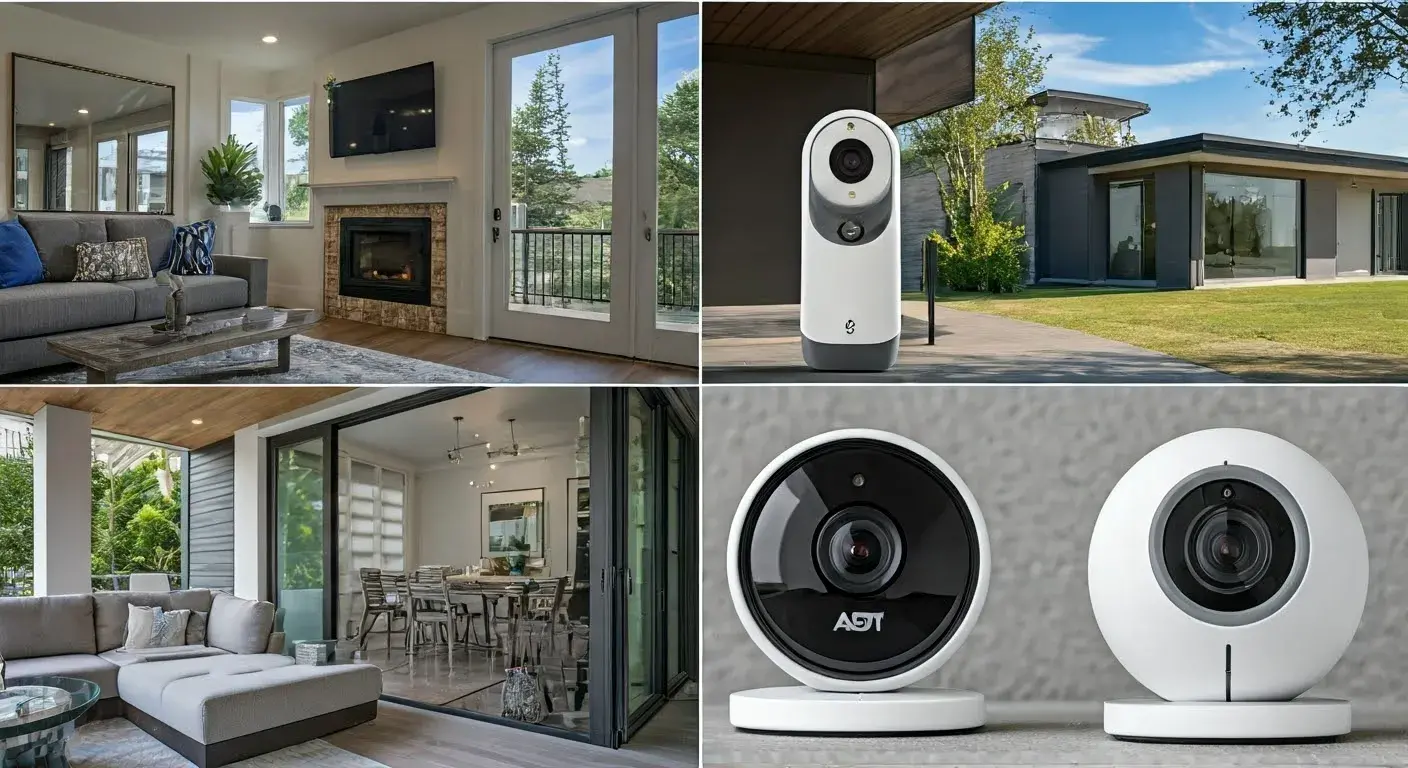
- Security Cameras: Including indoor, outdoor, and doorbell cameras, often with high-definition resolution and two-way talk capabilities. Many 2025-26 models support advanced AI features for person detection and package alerts.
- Smart Home Devices: Such as smart locks, thermostats, and lighting controls, which can be integrated into the ADT system for a connected home experience.
- Life Safety Devices: Smoke, carbon monoxide, and flood detectors, ensuring protection against various household hazards.
ADT's equipment is generally well-regarded for its reliability and integration with their proprietary platform, though some users may find the customization options slightly less extensive than with other providers.
ADT Monitoring Services
ADT's primary strength lies in its professional monitoring. They operate multiple, redundant monitoring centers across the country, ensuring continuous service even in the event of local emergencies. When an alarm is triggered, trained ADT professionals assess the situation and dispatch appropriate emergency responders. Key features of ADT's monitoring include:
- 24/7 Professional Monitoring: A core service that provides peace of mind.
- Cellular Backup: Standard in most packages, ensuring communication with the monitoring center even if Wi-Fi or landline service is disrupted. This is a non-negotiable for robust security in 2025-26.
- Mobile App (ADT Control): Allows users to remotely control their system, view camera feeds, receive alerts, and manage smart home devices.
- Video Verification: In higher-tier packages, ADT can use camera feeds to verify alarms, potentially speeding up police response and reducing false alarms.
ADT's reputation for rapid and effective response is a significant draw for many customers. Their extensive experience in handling alarm events translates into well-defined protocols for various emergencies.
ADT Pricing and Contracts
ADT is known for its comprehensive professional installation and monitoring, which typically comes with a contract. Most ADT contracts are for three years, though longer terms may be available. Pricing is highly dependent on the chosen equipment package and monitoring level. Basic systems with professional monitoring might start in the $35-$45 per month range for 2025-26. More advanced systems with cameras, smart home integration, and premium monitoring features can easily push the monthly cost to $50-$70 or more. While ADT sometimes offers promotional pricing or equipment deals, their overall cost is often perceived as being on the higher end of the market, reflecting their premium service and brand recognition.
Key Comparison Factors: Brinks vs. ADT
To make a clear decision, let's break down the key differences and similarities between Brinks and ADT across several critical categories relevant to homeowners in 2025-26.
Equipment and Technology
Both Brinks and ADT offer a comprehensive range of wireless security equipment, including sensors, motion detectors, and control panels. The primary differentiator often lies in the underlying smart home platform and the specific features of the cameras and smart devices. Brinks frequently leverages Alarm.com, a highly regarded platform known for its robust automation and integration capabilities. ADT uses its own proprietary system, which is also sophisticated and well-integrated, particularly with its own line of smart home devices.
In terms of camera technology for 2025-26, both providers offer high-definition resolution, night vision, and two-way audio. Some ADT camera packages might emphasize AI-driven features like person detection and package alerts more prominently. Brinks, through Alarm.com, also offers advanced video analytics. The choice here may come down to specific feature sets and user interface preferences.
Monitoring and Response
This is where both companies excel. Both Brinks and ADT provide 24/7 professional monitoring through their own central stations. ADT's vast network of monitoring centers is a significant advantage, offering a high degree of redundancy and reliability. Brinks also operates secure monitoring centers and has a strong track record. The critical factor for both is their ability to quickly and accurately dispatch emergency services. For 2025-26, both are investing in technologies that can help verify alarms, such as video verification, to reduce false dispatches and prioritize real emergencies.
Cellular backup is standard with both providers, which is essential. Landline systems are becoming increasingly obsolete, and relying solely on Wi-Fi can be risky due to potential internet outages or hacking. The speed and effectiveness of their response protocols are paramount, and both companies have extensive experience in this area.
Smart Home Integration
The smart home market continues to grow, and security systems are increasingly at its core. Brinks, by integrating with Alarm.com, offers extensive smart home capabilities. This platform is known for its flexibility and compatibility with a wide range of third-party devices, including smart locks, thermostats, lighting, and garage door openers. Users can create complex automation rules, such as turning off lights and locking doors when the alarm is armed.
ADT also offers smart home integration, primarily through its ADT Control app and compatible devices. While it integrates well with its own ecosystem of smart products, its compatibility with a broader range of third-party devices might be slightly more curated compared to Alarm.com. For users deeply invested in a specific smart home ecosystem (e.g., Google Home, Amazon Alexa), it's worth checking the specific compatibility lists for both providers.
Installation and Support
ADT is renowned for its professional installation services. Technicians are typically well-trained and ensure the system is set up correctly and efficiently. This is a major plus for those who prefer not to handle installation themselves. Brinks also offers professional installation, but they are also a strong proponent of DIY (Do-It-Yourself) installation, which can save on upfront costs and offer more flexibility for tech-savvy users. Their DIY systems are designed to be user-friendly.
Customer support is a critical aspect of any service. ADT has a massive customer base, which can sometimes lead to longer wait times for support. Brinks, while also a large company, may offer a more personalized support experience, particularly for their DIY customers. Both companies provide online resources, troubleshooting guides, and phone support. Reviews for 2025-26 often reflect varied experiences with customer service, which is common in large service industries.
Pricing and Value
Generally, ADT is considered a premium provider, and its pricing reflects this. The monthly monitoring fees and potential equipment costs can be higher than many competitors. This higher cost is often attributed to their extensive infrastructure, brand recognition, and comprehensive professional installation and support. ADT's value proposition is built on reliability and a long history of service.
Brinks often presents a more competitive pricing structure, especially for their DIY options. While professional installation is available, the ability to self-install can significantly reduce the initial investment. Their monthly monitoring fees are typically in line with or slightly lower than ADT's, depending on the package. Brinks' value proposition lies in offering customizable solutions and potentially lower overall costs, particularly for those comfortable with DIY setup.
Contract Terms and Flexibility
Both Brinks and ADT typically require customers to sign a contract, most commonly for three years. This is standard practice in the professionally monitored security industry, as it allows companies to subsidize equipment costs and ensure revenue for their monitoring services. Breaking these contracts can incur significant early termination fees.
For users seeking more flexibility, companies like no-contract home security providers might be a better fit. However, for the level of service and brand trust offered by Brinks and ADT, contracts are a common feature. It's crucial to read the contract terms carefully before signing, understanding the duration, cancellation policies, and any associated fees. Some Brinks packages, particularly DIY, might offer shorter contract terms or month-to-month options, though this is less common for their fully managed services.
Brinks vs. ADT: Side-by-Side Comparison
To summarize the key differences and similarities, here's a comparative table:
| Feature | Brinks Home Security | ADT Home Security |
|---|---|---|
| Monitoring Type | 24/7 Professional Monitoring (Required for most systems) | 24/7 Professional Monitoring (Required) |
| Installation Options | Professional Installation & DIY Options | Primarily Professional Installation |
| Contract Length | Typically 3 years (DIY may vary) | Typically 3 years |
| Smart Home Platform | Alarm.com integration (Highly flexible) | ADT Control platform (Integrated ecosystem) |
| Equipment Variety | Wide range, customizable | Wide range, often bundled |
| Camera Technology (2025-26) | HD, night vision, two-way audio, advanced analytics | HD, night vision, two-way audio, AI features (person detection) |
| Cellular Backup | Standard | Standard |
| Mobile App | Robust app via Alarm.com | ADT Control app (Comprehensive features) |
| Pricing Perception | Often seen as more competitive, especially with DIY | Generally considered premium, higher cost |
| Brand Recognition | Strong, long-standing reputation | Industry leader, highest recognition |
Who is Brinks Best For?
Brinks is an excellent choice for homeowners who:
- Are budget-conscious but still want professional monitoring: The availability of DIY installation can significantly reduce upfront costs.
- Prefer a highly customizable system: The flexibility offered by Alarm.com integration allows for tailored solutions.
- Are comfortable with technology and DIY installation: If you enjoy setting up your own smart home devices, Brinks' DIY option is ideal.
- Want a reliable security system without the highest premium price tag: Brinks offers a strong balance of features, reliability, and cost.
- Value advanced smart home automation: Alarm.com's platform is a leader in this space.
For example, a young family looking to secure their new home on a moderate budget, who are comfortable setting up smart devices, might find Brinks' DIY packages with professional monitoring to be the perfect fit. They can start with basic sensors and a control panel and add cameras or smart locks later as their needs evolve.
Who is ADT Best For?
ADT is an ideal choice for homeowners who:
- Prioritize ease of use and professional service: ADT's focus on professional installation means you can trust that the system will be set up correctly.
- Want the most recognized and established brand in security: ADT's long history and widespread presence offer a sense of security and trust.
- Are willing to pay a premium for comprehensive, top-tier service: ADT's pricing reflects their extensive infrastructure and dedicated support.
- Desire a fully integrated smart home system managed by one provider: ADT's proprietary system and compatible devices offer a seamless experience.
- Value extensive redundancy and a vast network of monitoring centers: ADT's infrastructure is designed for maximum reliability.
Consider a homeowner who is less tech-savvy and prefers to have an expert handle all aspects of their security system installation and setup. They might also be someone who values the peace of mind that comes with the ADT brand name and is willing to invest more for that assurance. For instance, an executive who travels frequently might appreciate ADT's robust monitoring and professional support, ensuring their home is always protected without them having to manage the system's intricacies.
Making Your Final Decision
The choice between Brinks and ADT ultimately depends on your individual priorities, budget, and comfort level with technology. Both companies offer robust, professionally monitored security solutions that are highly effective in protecting homes in 2025-26. If cost-effectiveness and customization through DIY are paramount, Brinks might be your preferred option. If you prioritize a seamless, professionally managed experience and brand prestige, ADT could be the better fit.
To make your final decision, consider the following steps:
- Assess your budget: Determine how much you are willing to spend upfront and on monthly monitoring fees.
- Identify your essential features: List the must-have components and functionalities (e.g., cameras, smart locks, environmental sensors).
- Evaluate your comfort with DIY: Are you comfortable installing and configuring technology, or do you prefer a professional to handle everything?
- Read customer reviews: Look for recent reviews (2025-26) regarding installation, customer service, and system reliability for both providers in your specific region.
- Get personalized quotes: Contact both Brinks and ADT for detailed quotes based on your specific needs. This is crucial as pricing can vary significantly.
- Understand the contract: Carefully review the terms and conditions, especially cancellation policies.
By following these steps, you can confidently select the home security provider that best meets your needs and provides the greatest peace of mind.
Conclusion
In the competitive landscape of home security, Brinks and ADT stand out as leading providers, each with distinct strengths. Brinks offers a compelling blend of customization, DIY options, and competitive pricing, making it an excellent choice for budget-conscious and tech-savvy homeowners. ADT, on the other hand, provides a premium, professionally managed experience with unparalleled brand recognition and a vast service network, ideal for those who prioritize ease of use and established reliability. Both offer robust 24/7 professional monitoring, cellular backup, and a range of smart home integrations crucial for modern security in 2025-26. Carefully weigh your personal needs, budget, and desire for professional versus DIY setup to determine which of these industry giants will best safeguard your home and family.