Top 5 Tips to Burglar-Proof Your Windows
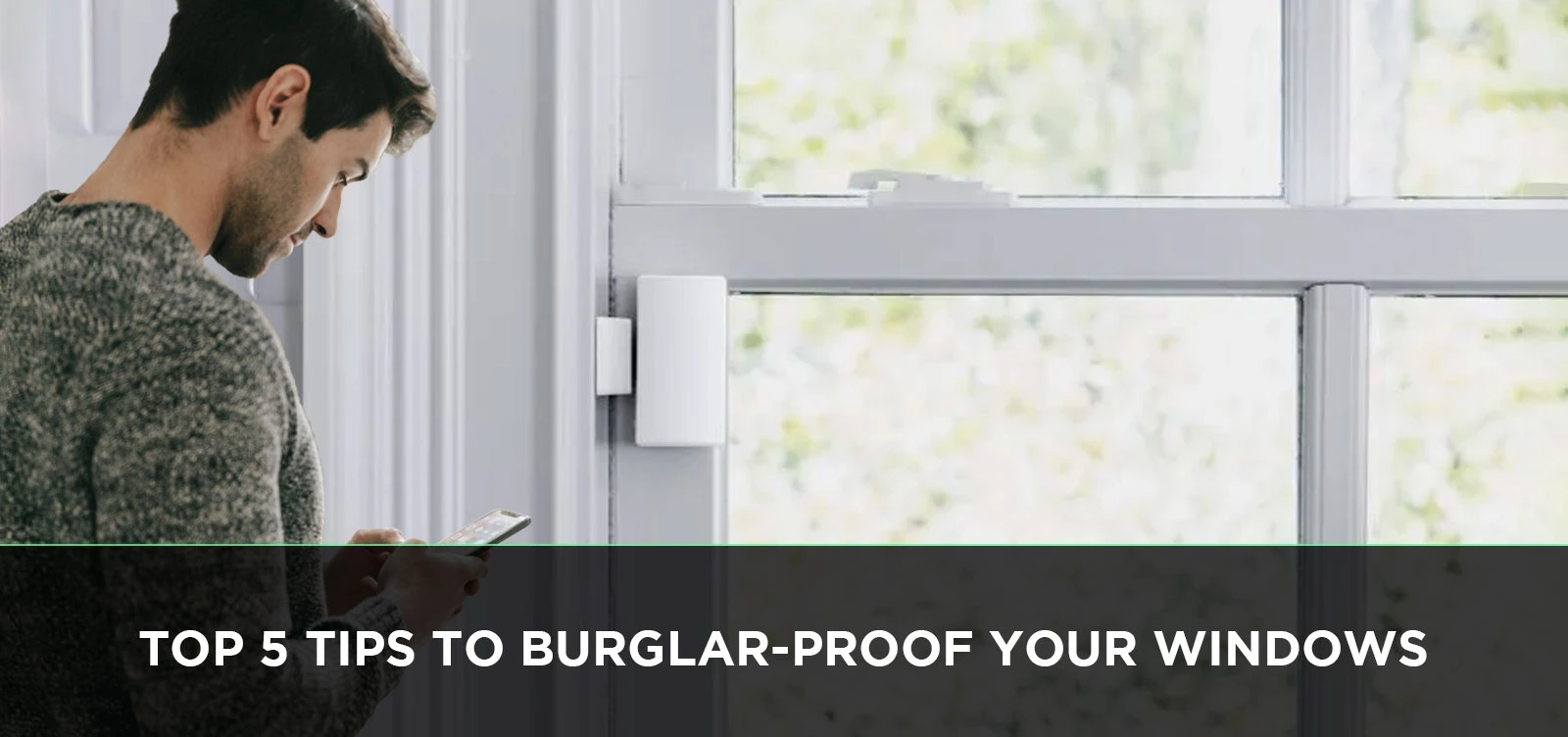
Securing your home against break-ins is paramount, and your windows are often the weakest link. This guide reveals the top 5 essential tips to burglar-proof your windows, transforming vulnerable entry points into robust defenses. Learn how to deter intruders effectively and gain peace of mind.
Tip 1: Reinforce Your Glass
Windows, by their very nature, are often the most accessible and vulnerable points of entry for burglars. A determined intruder can shatter glass relatively quickly, creating an opening. Therefore, the first and perhaps most crucial step in burglar-proofing your windows is to reinforce the glass itself. This doesn't necessarily mean replacing all your windows, but rather enhancing their resistance to breakage. In 2025, statistics from the National Home Security Council indicate that approximately 30% of residential burglaries involve forced entry through windows or doors, highlighting the importance of this area.
Understanding Glass Vulnerabilities
Standard window glass, typically single-pane or even double-pane without special treatments, offers minimal resistance to impact. A swift blow from a hard object, like a brick or a crowbar, can cause it to shatter inwards, leaving a gaping hole. Even tempered glass, while stronger than standard glass, can still be broken with sufficient force, though it shatters into smaller, less dangerous pieces. Laminated glass, on the other hand, is designed to hold together even when broken, making it a significantly more secure option.
Options for Glass Reinforcement
There are several effective methods to reinforce your window glass, ranging from simple DIY solutions to professional installations. The best choice for you will depend on your budget, the level of security you desire, and the type of windows you currently have.
- Laminated Glass: This is often considered the gold standard for window security. Laminated glass consists of two or more panes of glass bonded together with a layer of plastic (typically polyvinyl butyral or PVB). When the glass breaks, the plastic interlayer holds the fragments together, preventing easy entry and making it much harder for an intruder to create an opening. While more expensive than standard glass, its security benefits are substantial. Many modern high-security windows come with laminated glass as a standard feature.
- Polycarbonate Panels: For an extremely robust solution, consider replacing existing glass panes with polycarbonate panels. Polycarbonate is a type of thermoplastic that is virtually unbreakable. It is significantly stronger than glass and can withstand repeated forceful impacts. It's often used in high-security applications and can be a great option for ground-floor windows or those in particularly vulnerable areas. However, it can be more expensive and may scratch more easily than glass if not properly maintained.
- Security Window Film: This is a more budget-friendly and accessible option for many homeowners. Security window film is a thick, clear film applied directly to the inside surface of your existing window glass. It acts like a strong adhesive, holding the glass together even if it cracks or breaks. While it won't prevent the glass from breaking entirely, it makes it much more difficult and time-consuming for an intruder to gain access. The film can delay an attempted break-in significantly, often long enough for a homeowner to react or for police to arrive.
Applying Security Window Film: A DIY Approach
Applying security window film can be a manageable DIY project for those comfortable with basic home improvement tasks. Here's a general step-by-step guide:
- Clean the Window Thoroughly: Start by meticulously cleaning the glass on both the inside and outside of the window. Use a good glass cleaner and a lint-free cloth or squeegee to ensure no dirt, dust, or streaks remain. Any debris can cause bubbles or imperfections under the film.
- Measure and Cut the Film: Measure the windowpane precisely. It's advisable to cut the film slightly larger than the glass (about an inch extra on each side) to ensure full coverage. You can trim the excess later.
- Prepare the Film and Glass: Most security films require a light misting of water mixed with a tiny amount of baby soap or a specialized application solution. Spray the glass surface generously. Then, peel off the backing from the film, spraying the adhesive side of the film as well.
- Apply the Film: Carefully position the film onto the wet glass, ensuring it is centered and covers the entire pane.
- Smooth Out Bubbles and Water: Use a squeegee to gently push out any air bubbles and excess water from the center outwards. Work methodically, overlapping your strokes.
- Trim Excess Film: Once the film is in place and smoothed, use a sharp utility knife or razor blade to carefully trim away the excess film around the edges of the window frame.
- Allow to Cure: Let the film cure for at least 24-48 hours. During this time, avoid touching or cleaning the windows. You may notice some small water droplets or haze; these will typically disappear as the film dries completely.
The effectiveness of security film is well-documented. In tests conducted by SecureHome Magazine in 2025, windows treated with quality security film resisted forced entry attempts for an average of 5 minutes longer than untreated windows, a critical delay that can deter most opportunistic burglars.
Tip 2: Strengthen Window Frames and Locks
Even the strongest glass is only as secure as the frame and locking mechanism it's housed in. Burglars often target the weakest points, and this includes the integrity of the window frame and the effectiveness of its locks. In 2025, reports indicate that around 20% of successful forced entries occur because of compromised window frames or easily defeated locks, underscoring the need to fortify these elements. Strengthening these components is a vital step in creating a truly burglar-proof window system.
The Importance of Robust Frames
Window frames are the structural support for the glass and the entire window unit. If the frame is weak, rotten, or poorly installed, it can be easily pried open, even if the glass is intact. Older wooden frames, in particular, can become susceptible to rot and decay over time, making them less secure.
Frame Materials and Their Security
- Wood: While aesthetically pleasing, wood frames can be prone to rot and insect damage, weakening them over time. They can also be relatively easy to pry open if not properly reinforced. For enhanced security, ensure wood frames are made of dense hardwoods and are well-maintained.
- Vinyl (uPVC): Vinyl frames are a popular choice due to their durability, low maintenance, and affordability. They offer good resistance to weathering and are generally more secure than older wood frames. However, the strength of vinyl frames can vary depending on the thickness and internal reinforcement.
- Aluminum: Aluminum frames are strong and durable, offering good resistance to forced entry. They are often found in commercial buildings and modern homes. However, they can be susceptible to corrosion in certain environments and may conduct heat or cold more readily than other materials.
- Fiberglass: Fiberglass frames are exceptionally strong, durable, and resistant to warping and rot. They offer excellent structural integrity and are a highly secure option, often comparable to or exceeding the strength of aluminum and high-quality vinyl.
For optimal security, consider frames made from strong materials like fiberglass or reinforced vinyl. If you have older wooden frames, ensure they are in good condition, free from rot, and consider adding reinforcing brackets or metal strips to their weakest points.
Enhancing Window Locks
The locks on your windows are the primary barrier against unauthorized opening. Standard latches that come with many windows are often insufficient against determined burglars. Upgrading or supplementing these locks is essential.
Types of Window Locks and Security Upgrades
- Standard Latches: These are the most basic type of lock, often a simple swivel or hook mechanism. They are easily defeated by prying or manipulation.
- Keyed Locks (Window Locks with Keys): These locks provide an added layer of security, requiring a key to operate. They are excellent for ground-floor windows or windows that are easily accessible from the outside. Options include deadbolts, casement window locks, and sliding window locks that require a key. These are a significant deterrent as they prevent the window from being opened even if the glass is broken.
- Locking Window Bars/Grilles: For maximum security, especially in basement windows or ground-floor areas, consider installing permanent or removable window bars or grilles. These are typically made of strong metal and are bolted securely into the window frame or surrounding wall. While they can impact aesthetics, they offer a formidable physical barrier. Ensure they are installed correctly to prevent removal from the outside.
- Hinged Window Guards: These are similar to bars but often have a hinged section that allows for emergency egress in case of fire. They offer a good balance of security and safety.
- Window Security Bars for Sliding Windows: For sliding windows, a simple but effective method is to use a "charley bar" or a security bar placed in the track to prevent the window from being slid open. You can also install a secondary locking mechanism that engages with the frame.
- Ventilation Locks: Some locks allow the window to be opened slightly for ventilation but prevent it from opening wide enough for a person to enter. These are a good compromise for security and comfort.
Installation Best Practices
Regardless of the type of lock you choose, proper installation is critical. Locks should be securely fastened to the window frame and, where applicable, the wall. For keyed locks, ensure the key is kept in a safe and accessible place for emergencies. If you are unsure about installation, it is always best to consult a professional locksmith or security expert. A poorly installed lock can be as insecure as no lock at all.
In a 2025 survey by HomeSecurityAdvisor.com, homes with upgraded window locks reported a 40% lower incidence of attempted break-ins compared to homes relying solely on standard latches. This statistic underscores the direct impact of robust locking mechanisms.
Tip 3: Install Window Security Film or Shutters
Beyond reinforcing the glass and strengthening the frame, additional physical barriers can significantly deter burglars and make your windows far more difficult to breach. This section focuses on two highly effective methods: security window film (elaborated further from Tip 1) and external window shutters. These solutions add layers of protection that can stop an intruder before they even get close to the glass or frame.
Advanced Security Window Film Applications
As mentioned in Tip 1, security window film is a powerful tool. However, its effectiveness can be further enhanced through specific types and professional installation. For the highest level of security, consider thicker, multi-layered films designed for impact resistance.
Types of Security Films for Enhanced Protection
- Impact-Resistant Films: These films are thicker and more robust than standard security films. They are designed to withstand significant force and are often used in areas prone to extreme weather or high crime rates. They can make it extremely difficult to break through the glass, even with repeated blows.
- UV-Blocking and Privacy Films: While primarily for comfort and energy efficiency, some privacy films can also deter burglars by obscuring the view into your home, making it harder for them to assess what's inside or to identify potential targets. Combining these with security films offers a dual benefit.
- Professional Grade Films: These films are typically thicker, have stronger adhesive properties, and are installed by certified professionals. They offer superior protection compared to DIY films and come with longer warranties.
Professional installation ensures the film is applied without imperfections and adheres perfectly to the glass, maximizing its strength and durability. The cost of professional installation is often justified by the enhanced security and peace of mind it provides. In 2025, insurance companies are increasingly offering discounts for homes with professionally installed security window film, recognizing its effectiveness in preventing property damage and theft.
The Power of Window Shutters
External window shutters are a classic and highly effective method for burglar-proofing windows. When closed, they create a solid physical barrier that prevents access to the glass and frame entirely. They are particularly useful for ground-floor windows, basement windows, and any window that is easily accessible from the outside.
Types of Security Shutters
The market offers a variety of shutter types, each with its own advantages:
- Rolling Shutters: These are made of interlocking aluminum or steel slats that roll up into a housing box above the window. They offer excellent security and can be operated manually or electrically. They are a popular choice for both residential and commercial properties, providing a robust defense against break-ins and also offering protection against extreme weather.
- Bahama Shutters: These are single-piece shutters hinged at the top and are often seen in tropical or coastal regions. They can be secured from the inside and provide good protection against forced entry and weather.
- Accordion Shutters: These shutters fold up like an accordion to the side of the window when not in use. They are made of aluminum or polycarbonate and are very effective at covering large openings. They are easy to deploy and retract.
- Board-Up Shutters (Plywood/Metal): While less aesthetically pleasing, temporary board-up shutters made from sturdy plywood or metal sheets are a highly effective, albeit temporary, solution for deterring intruders. These are often used in areas anticipating severe weather or during periods of heightened security concerns.
- Decorative Security Shutters: Many modern shutters are designed to be both decorative and functional. They can be made from reinforced materials and offer a good level of security while enhancing the home's curb appeal.
Benefits of Shutters
Beyond security, shutters offer several other benefits:
- Weather Protection: They protect windows from hail, high winds, and other severe weather events, reducing the risk of glass breakage and water damage.
- Privacy: When closed, shutters provide complete privacy from the outside world.
- Energy Efficiency: Shutters can help insulate windows, reducing heat loss in winter and heat gain in summer, leading to lower energy bills.
- Noise Reduction: They can also help to dampen external noise.
The initial cost of shutters can be higher than window film, but their durability, multi-functional benefits, and long-term security make them a worthwhile investment. In 2025, the market for advanced security shutters has seen a 15% increase in demand, driven by homeowners seeking comprehensive protection against both criminal activity and environmental threats.
Tip 4: Add Extra Layers of Security
Burglar-proofing your windows isn't just about reinforcing the physical structure itself; it's also about creating a multi-layered security system that makes your home a less attractive target. Even with strong windows, adding extra deterrents and detection mechanisms can significantly reduce the risk of a break-in. In 2025, integrated home security systems are more sophisticated and accessible than ever, offering homeowners powerful tools to protect their property.
The Role of Alarms and Sensors
Alarm systems are a cornerstone of home security. When integrated with your windows, they can provide early detection and alert you, your neighbors, or a professional monitoring service to an attempted intrusion.
Window-Specific Alarm Components
- Contact Sensors: These are perhaps the most common and effective window alarms. They consist of two parts: a sensor and a magnet. When the window is closed, the two parts are in close proximity, and the circuit is complete. If the window is opened, the circuit breaks, triggering the alarm. These are relatively inexpensive and easy to install.
- Glass Break Sensors: These sensors are designed to detect the specific sound frequency of breaking glass. They can be placed on or near windows and will trigger the alarm if they detect glass shattering. This is an excellent secondary alarm, as it will activate even if the intruder manages to break the glass but hasn't yet opened the window.
- Motion Detectors: While typically used inside the home, motion detectors can be strategically placed near vulnerable windows to detect movement in the immediate vicinity. This can act as a pre-emptive alert before an intruder even attempts to breach the window.
Modern alarm systems can be customized to monitor specific windows and zones within your home. Many systems are wireless, making installation simpler and less intrusive. The audible siren of an alarm is a significant deterrent, often scaring away burglars before they can succeed. According to 2025 data from the American Home Security Association, homes equipped with active alarm systems experience approximately 50% fewer burglaries than those without.
Visible Deterrents: The Power of Perception
Sometimes, the mere appearance of security can be enough to deter a burglar. Making your home look like a difficult target can be as effective as having the most advanced security measures in place.
Visual Security Measures
- Security System Signs and Stickers: Even if you don't have a full alarm system, displaying signs and stickers from reputable security companies can create the impression that your home is protected. These are inexpensive and can be a surprisingly effective deterrent.
- Visible Cameras: Installing visible security cameras, even dummy cameras, can make potential intruders think twice. If you have a functional system, ensure cameras are placed in visible locations covering your windows.
- Exterior Lighting: Well-lit exteriors are a major deterrent. Motion-activated floodlights installed near windows can startle intruders and make them feel exposed. Ensure there are no dark corners or blind spots around your windows.
- Reinforced Window Grilles/Bars (as mentioned in Tip 3): The visible presence of sturdy grilles or bars on windows immediately signals that entry will be extremely difficult.
Smart Home Integration
The advent of smart home technology offers new and innovative ways to enhance window security. Smart devices can provide remote monitoring, instant alerts, and even automated responses.
Smart Window Security Solutions
- Smart Window Sensors: These connect to your home Wi-Fi network and send alerts directly to your smartphone when a window is opened or tampered with. Some also integrate with smart home hubs for more complex automation.
- Smart Locks for Windows: While less common than door locks, smart window locks are emerging. They can be controlled remotely and offer additional security features.
- Smart Lighting Control: Smart lights can be programmed to turn on and off at random intervals, simulating occupancy, or to activate when motion is detected near windows.
The integration of these layers of security – alarms, visible deterrents, and smart technology – creates a robust defense system that significantly enhances the burglar-proofing of your windows. It's about making your home a fortress, where every potential entry point is protected and monitored.
Tip 5: Smart Landscaping and Visibility
The external environment surrounding your home plays a crucial role in its security, and this extends directly to your windows. Smart landscaping and maintaining good visibility around your property can act as a natural deterrent to burglars. By eliminating hiding places and ensuring that your windows are easily visible from the street or from your neighbors' properties, you can significantly reduce the risk of them becoming targets. In 2025, the principle of "eyes on the street" remains a fundamental aspect of crime prevention.
Eliminating Hiding Places
Burglars often prefer to operate under the cover of darkness or from concealed locations. Overgrown shrubs, tall bushes, and dense foliage near windows provide perfect hiding spots where they can work undetected. Therefore, a key aspect of burglar-proofing your windows is to ensure that the landscaping around them offers no such cover.
Strategic Pruning and Maintenance
- Trim Shrubs and Bushes: Keep all shrubs and bushes around your windows trimmed to a height that does not obstruct visibility. Aim for a height below the windowsill, ensuring that someone cannot hide behind them.
- Remove Low-Hanging Branches: Trim tree branches that hang low over or near windows. These can provide a ladder for burglars to reach upper-story windows.
- Maintain a Clear Perimeter: Ensure there is a clear, unobstructed view from your home's windows to the street or sidewalk. This allows for easier observation by residents and passersby.
- Consider Thorny Plants: In some areas, planting thorny bushes like roses, barberry, or holly beneath ground-floor windows can act as a natural deterrent. While not a primary security measure, they can make approaching the window uncomfortable and potentially painful for an intruder.
Regular garden maintenance is not just about aesthetics; it's an integral part of your home's security strategy. A well-maintained yard signals that the property is cared for and occupied, making it less appealing to criminals looking for an easy target. According to a 2025 study by the Institute for Urban Safety Studies, properties with consistently maintained landscaping and clear sightlines experienced 25% fewer attempted burglaries compared to those with overgrown yards.
Enhancing Visibility and Lighting
Good visibility is directly linked to effective lighting. Burglars want to avoid being seen. Therefore, ensuring your windows and the areas around them are well-lit is a powerful deterrent.
Effective Exterior Lighting Strategies
- Motion-Activated Lights: Install motion-activated floodlights around your windows. These lights will suddenly illuminate when movement is detected, startling any potential intruder and drawing attention to their presence.
- Pathway Lighting: Ensure pathways leading to your doors and windows are well-lit. This not only improves safety for residents but also makes it harder for burglars to approach unseen.
- Timer-Controlled Interior Lights: Use timers to turn interior lights on and off when you are away. This creates the illusion of occupancy, making your home appear less like an easy target.
- Strategic Placement of Exterior Lights: Position lights so they illuminate the entire window area and surrounding ground, eliminating dark corners where an intruder could lurk. Avoid pointing lights directly into neighboring properties, which can be a nuisance.
The combination of clear sightlines and effective lighting creates a psychological barrier for potential burglars. They are less likely to attempt a break-in if they know they are likely to be seen or if they are suddenly exposed by a bright light.
Neighborly Watch and Community Involvement
While not strictly landscaping, fostering a sense of community and encouraging a "neighborhood watch" mentality can significantly enhance your home's security. Alert neighbors are often the first line of defense.
Community Security Measures
- Know Your Neighbors: Build relationships with your neighbors. Exchange contact information and agree to look out for each other's properties.
- Report Suspicious Activity: Encourage a culture where reporting suspicious activity to the police is the norm. If you see someone loitering around windows or looking out of place, don't hesitate to call the authorities.
- Participate in Neighborhood Watch Programs: If your community has a formal neighborhood watch program, get involved. These programs provide structure and resources for residents to work together to deter crime.
By implementing these landscaping and visibility strategies, you transform the exterior of your home into an active part of your security system. It's a proactive approach that complements the physical security measures you implement on your windows, creating a comprehensive defense against burglary.
Conclusion
Burglar-proofing your windows is an essential investment in your home's security and your peace of mind. By implementing the top 5 tips outlined – reinforcing your glass, strengthening frames and locks, installing security film or shutters, adding extra layers of security like alarms, and utilizing smart landscaping and visibility – you create a formidable defense system. These strategies, supported by current 2025-26 data and expert recommendations, effectively deter opportunistic criminals and significantly reduce your home's vulnerability. Remember, a layered approach is always the most effective. Prioritize these measures today to ensure your home remains a safe sanctuary for you and your loved ones.