Can A Tenant Install A Security Camera Outside
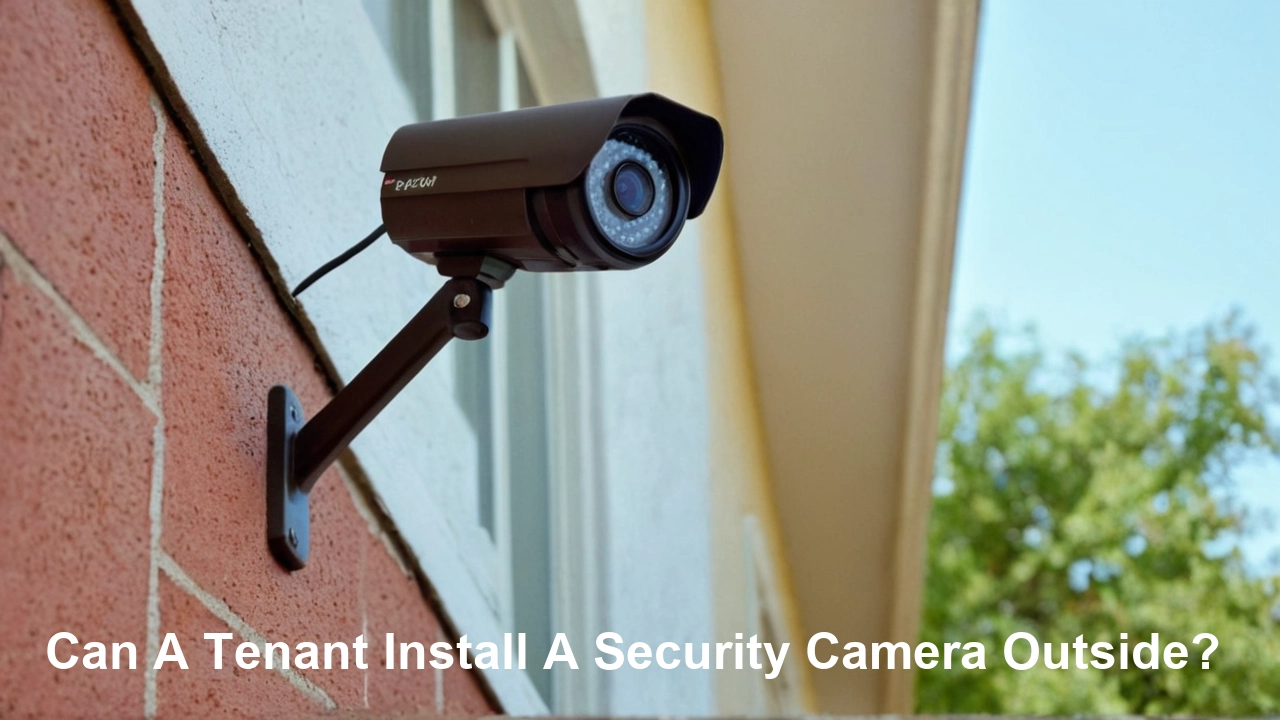
Can a tenant install a security camera outside their rental property? This is a common question for renters seeking to enhance their personal safety and property security. This comprehensive guide clarifies tenant rights, landlord responsibilities, and best practices for installing outdoor security cameras in 2025-26, ensuring compliance and peace of mind.
Understanding Tenant Rights and Landlord Responsibilities
The question of whether a tenant can install a security camera outside their rented property is nuanced, involving a delicate balance between a tenant's desire for safety and a landlord's property rights and other tenants' privacy. In 2025-26, understanding these dynamics is crucial for both parties. Generally, tenants have a right to quiet enjoyment of their rented space, which can extend to taking reasonable measures for their security. However, this right is not absolute and is often constrained by lease agreements and local laws.
Landlords, on the other hand, have a responsibility to maintain a safe environment and protect their property. They also have the right to control modifications made to their property. This can include dictating what external alterations tenants can make, especially those that might affect the property's structure, appearance, or the privacy of other residents. The key lies in finding a middle ground that respects all parties' interests.
Tenant's Right to Security
Tenants generally possess an implied right to security and safety within their rented dwelling. This right is often referred to as the "covenant of quiet enjoyment," which, while primarily focused on freedom from disturbance, can be interpreted to include the right to take reasonable steps to secure one's living space against external threats. In the context of security cameras, this means a tenant might argue for the necessity of such a device to deter crime or monitor suspicious activity around their immediate living area.
However, this right is not a carte blanche. The "reasonableness" of the measure is paramount. Installing a camera that encroaches on common areas, records neighbors without their consent, or causes damage to the property would likely exceed these rights. The focus should be on personal security of the tenant's demised premises, not on surveillance of the entire property or neighboring units.
Landlord's Property Rights and Responsibilities
Landlords retain ownership of the property and have a vested interest in its upkeep and preservation. This includes the right to approve or deny any modifications that alter the property's structure, appearance, or functionality. Installing an outdoor security camera, even a non-permanent one, can be seen as a modification. Landlords are also responsible for ensuring the safety of all tenants and may have their own security measures in place or wish to maintain a consistent aesthetic across their properties.
Furthermore, landlords have a responsibility to ensure that any security measures implemented by tenants do not infringe upon the privacy rights of other tenants or neighbors. This is a significant legal and ethical consideration that landlords must address. They may also be liable if a tenant's camera installation causes damage or violates privacy laws. Therefore, landlords often prefer to have clear guidelines or outright prohibitions regarding tenant-installed external security cameras.
The Lease Agreement as a Governing Document
The lease agreement is the primary legal document governing the landlord-tenant relationship. It typically outlines specific clauses regarding alterations to the property, use of common areas, and responsibilities for maintenance and security. Many modern lease agreements include explicit clauses addressing the installation of external fixtures or devices, including security cameras.
If the lease is silent on the matter, general landlord-tenant laws and common law principles will apply. However, it is always advisable for tenants to seek clarification from their landlord or property manager before proceeding with any installation. A proactive approach can prevent disputes and ensure compliance.
The Legal Framework and Key Considerations
The legal landscape surrounding tenant-installed outdoor security cameras is complex and varies by jurisdiction. Several factors influence whether such installations are permissible, including privacy laws, property rights, and specific state or local ordinances. Understanding these legal nuances is the first step for any tenant considering this type of security enhancement.
Privacy Laws and Expectations
Privacy laws are a cornerstone of this issue. In most jurisdictions, individuals have a reasonable expectation of privacy in certain areas, such as their homes and private yards. However, this expectation diminishes in common areas or when an individual is in public view. For security cameras, the critical question is what is being recorded.
Cameras that exclusively monitor the tenant's immediate entrance, doorstep, or private patio are generally less problematic than those that capture public sidewalks, neighboring windows, or common hallways. Laws like the Electronic Communications Privacy Act (ECPA) in the U.S. govern the interception of electronic communications, and while video surveillance isn't always covered, recording audio can fall under stricter regulations. Tenants must be mindful of not recording conversations or activities that individuals have a reasonable expectation of privacy in.
As of 2025, several states have enacted specific laws addressing video surveillance, particularly concerning audio recording. For instance, some states require all parties to consent to audio recording, while others only require the consent of one party. Tenants must research their local laws regarding audio recording capabilities of their chosen camera systems.
Property Damage and Liability
Any installation that requires drilling holes, altering wiring, or otherwise modifying the property's structure can lead to liability for the tenant. Most lease agreements prohibit tenants from making structural changes without explicit landlord permission. If a tenant installs a camera that causes damage, they may be held responsible for the repair costs.
Furthermore, if a camera system malfunctions and causes damage (e.g., a short circuit leading to a fire), the tenant could be liable. This underscores the importance of using professional installation services or ensuring that any DIY installation is non-invasive and compliant with lease terms. Landlords may require tenants to carry renter's insurance that covers such potential liabilities.
Common Areas vs. Private Areas
A crucial distinction is between common areas and private areas. Common areas include shared spaces like hallways, lobbies, stairwells, shared laundry rooms, and exterior grounds not exclusively designated for a tenant's use. Tenants generally do not have the right to install surveillance equipment in common areas without landlord consent, as these spaces are shared by all residents and are under the landlord's purview.
Private areas are those exclusively controlled by the tenant, such as their front doorstep, private balcony, or a fenced-in yard. Installing a camera to monitor these specific areas is more likely to be permissible, provided it doesn't inadvertently capture footage of other tenants' private spaces or common areas. Even in private areas, the line can be blurred; for example, a camera on a front door might capture a portion of a shared walkway.
Jurisdictional Variations
Landlord-tenant laws are highly localized. What is permissible in one state or city may be prohibited in another. Some municipalities have specific ordinances regarding the placement and use of surveillance cameras by residents. For instance, some cities might have regulations on how close a camera can be placed to a public sidewalk or how much of a neighbor's property it can capture.
According to a 2025 survey by the National Apartment Association, approximately 65% of multi-unit residential properties have specific clauses in their leases addressing tenant-installed security devices. This highlights the trend towards landlords proactively managing such installations. Tenants should always consult their local housing authority or a legal professional if they are unsure about the specific regulations in their area.
Types of Outdoor Security Cameras for Renters
For tenants looking to enhance their outdoor security, several camera types are available that are more renter-friendly than others. These options prioritize ease of installation, minimal property modification, and often, portability. The choice of camera depends on the specific needs, budget, and the terms of the lease agreement.
Wireless and Battery-Powered Cameras
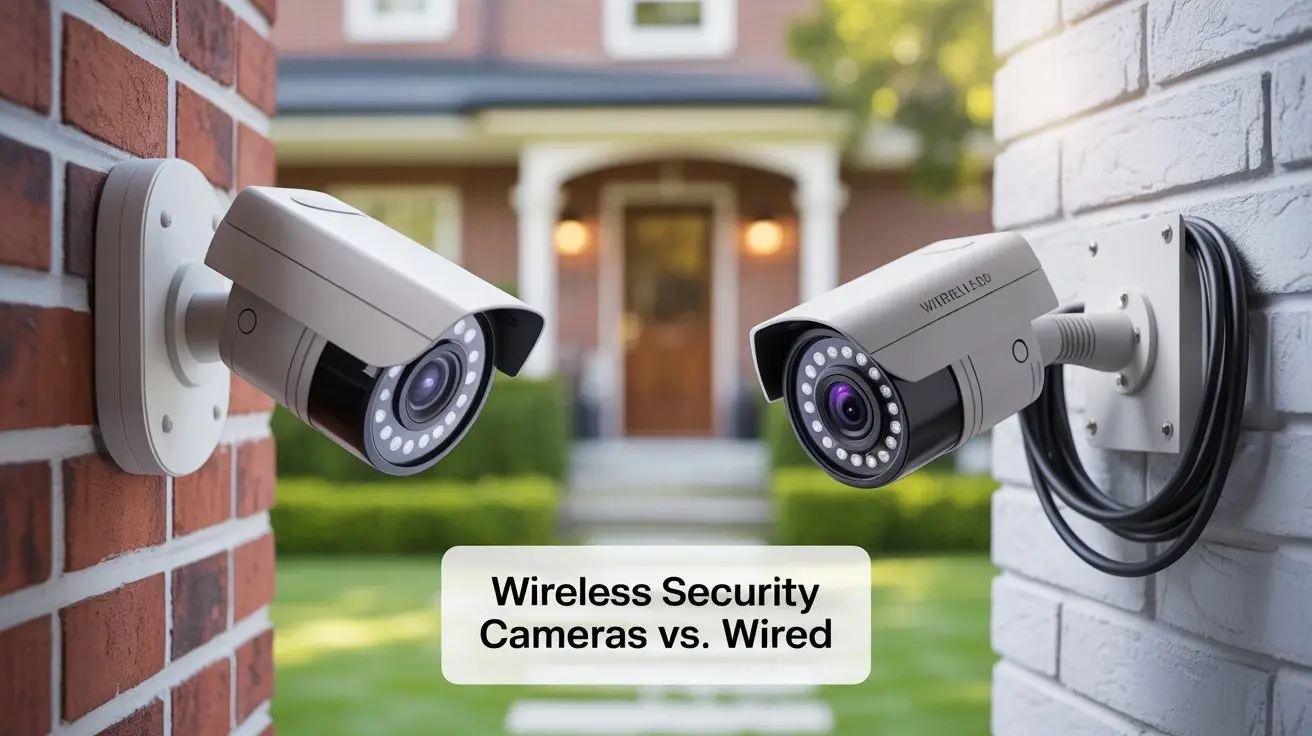
These are arguably the most renter-friendly options. Wireless cameras connect to a home's Wi-Fi network, eliminating the need for extensive wiring. Battery-powered models further simplify installation, as they don't require a nearby power outlet.
Pros:
- Easy to install and remove.
- No drilling or complex wiring required.
- Portable – can be taken when moving.
- Ideal for renters who want minimal impact on the property.
Cons:
- Battery life needs regular monitoring and replacement/recharging.
- May have slightly less reliable connectivity than wired options.
- Initial cost can be higher for advanced models.
Popular brands in 2025-26 include Ring, Arlo, and Wyze, offering a range of features from HD video to motion detection and two-way audio.
Doorbell Cameras
Doorbell cameras replace the existing doorbell and offer a discreet way to monitor the front entrance. Many models are wireless and connect via Wi-Fi. They provide video of anyone approaching the door, often with motion detection alerts sent to the user's smartphone.
Pros:
- Targets a key entry point.
- Often integrates with smart home systems.
- Can deter package theft.
- Relatively easy installation, often using existing doorbell wiring or battery power.
Cons:
- May require existing doorbell wiring for continuous power, which might need landlord approval.
- Limited field of view compared to broader-range cameras.
- Potential for privacy concerns if angled to capture neighboring areas.
Brands like Google Nest Doorbell and Ring Video Doorbell are leading this market.
Clamp-On or Suction Cup Cameras
For renters in apartments or properties with specific mounting restrictions, clamp-on or suction cup cameras offer a temporary solution. These can be attached to railings, window frames, or even hung from eaves without permanent fixtures.
Pros:
- Completely non-invasive.
- Extremely easy to install and remove.
- No tools required.
Cons:
- Limited placement options.
- May be less secure against tampering or weather.
- Video quality and field of view can be compromised by mounting limitations.
These are often niche products, but their availability is growing as demand for renter-friendly solutions increases.
Cameras Requiring Minimal Drilling (with Approval)
If a tenant has secured landlord permission, some cameras might require minimal drilling for power or mounting. These could include wired cameras for more reliable power and connectivity, or cameras that need a small bracket installed.
Pros:
- More reliable power and connectivity (for wired).
- Potentially better video quality and durability.
- More secure mounting options.
Cons:
- Requires landlord permission.
- May involve minor property modification.
- Removal can leave small holes or marks that need repair.
It is imperative that any drilling or wiring is done by a qualified professional and that the tenant is prepared to repair any resulting damage upon moving out, as per the lease agreement.
Installation Process and Best Practices
The installation of an outdoor security camera by a tenant requires careful planning and execution to ensure it is effective, compliant with the lease, and respectful of privacy. Adhering to best practices can prevent disputes with landlords and neighbors, and ensure the camera serves its intended purpose without causing unintended problems.
Step-by-Step Installation Guide (for Wireless Cameras)
For the most common renter-friendly option, wireless and battery-powered cameras, the installation process is generally straightforward:
- Choose the Location: Select a spot that offers a clear view of the area you want to monitor (e.g., front door, driveway, porch). Ensure it's within range of your Wi-Fi network. Check if the location requires landlord approval based on your lease.
- Charge the Battery: Fully charge the camera's battery before installation.
- Mount the Camera: Most wireless cameras come with mounting brackets that can be screwed into wood, siding, or attached with strong adhesive strips (if permitted and suitable for the surface). If screwing is required, ensure it's on a part of the property you are permitted to drill into and that you are prepared to repair the holes later. For truly non-invasive options, consider clamp mounts or placing the camera on a stable surface like a shelf or ledge.
- Connect to Wi-Fi: Follow the manufacturer's instructions to connect the camera to your home Wi-Fi network using the companion app.
- Configure Settings: Set up motion detection zones, sensitivity levels, recording schedules, and notification preferences through the app.
- Test the System: Walk in front of the camera to ensure motion detection is working and that you are receiving alerts. Check the video quality and field of view.
- Secure the Device: Ensure the camera is firmly attached and not easily tampered with.
Best Practices for Camera Placement
Strategic placement is key to both effectiveness and compliance:
- Focus on your immediate entrance: The front door, porch, or entryway is usually the most critical area for security.
- Avoid direct neighbors' property: Position the camera so its view is primarily focused on your property and does not capture a neighbor's windows, doors, or private outdoor spaces.
- Respect common areas: Do not point cameras into hallways, shared walkways, or other tenants' private areas.
- Consider lighting: Ensure the area is adequately lit, or choose a camera with good night vision capabilities. Avoid pointing cameras directly at bright lights, which can cause glare.
- Height and Angle: Mount cameras at a height that provides a good view but is not easily accessible for tampering. An angle that captures faces clearly without being overly intrusive is ideal.
Maintaining Privacy and Avoiding Legal Issues
To avoid privacy violations and legal trouble:
- No Audio Recording Without Consent: Be aware of your local laws regarding audio recording. In many places, recording audio without the consent of all parties is illegal. Disable audio recording if unsure or if local laws require dual consent.
- Inform Neighbors (Optional but Recommended): While not legally required in most cases, politely informing immediate neighbors about your camera, especially if it might capture a sliver of their property, can foster goodwill and prevent misunderstandings.
- Secure Your Network: Use strong, unique passwords for your Wi-Fi network and your camera's account to prevent unauthorized access.
- Regularly Review Footage: Only access recordings when necessary for security purposes. Do not use the camera for voyeuristic reasons.
- Understand Data Storage: Be aware of how your footage is stored (locally on an SD card or in the cloud) and the provider's privacy policy.
Tenant's Responsibility Upon Moving Out
When your lease term ends and you move out, you are typically responsible for restoring the property to its original condition, minus normal wear and tear.
- Remove the Camera: Carefully remove the camera and any mounting hardware.
- Repair Damage: Fill any holes left by screws or mounts. Repair any cosmetic damage caused by the installation (e.g., paint touch-ups).
- Restore Original Fixtures: If you replaced an existing fixture (like a doorbell), reinstall the original one.
- Document Condition: Take photos or videos of the area after removal and repair to document the condition of the property for your records.
Failing to properly restore the property can result in deductions from your security deposit.
Navigating Landlord Approval and Communication
The most critical step for any tenant considering installing an outdoor security camera is open and honest communication with their landlord or property manager. While some lease agreements may explicitly prohibit such installations, many are silent, leaving room for negotiation and approval. Approaching this conversation strategically can significantly increase your chances of getting permission.
When to Seek Approval
You should always seek approval if:
- Your lease agreement has a clause regarding alterations or additions to the property.
- The installation requires any form of drilling, wiring, or permanent fixture.
- The camera's field of view might extend beyond your immediate private space, potentially capturing common areas or neighboring units.
- You are unsure about any aspect of the lease or local regulations.
Even if your lease doesn't explicitly mention cameras, it's a best practice to inform your landlord. This proactive approach demonstrates respect for their property and can prevent future disputes.
How to Approach Your Landlord
A well-prepared approach can make a significant difference:
- In Writing: Always communicate your request in writing (email or a formal letter). This creates a record of your request and the landlord's response.
- Be Specific: Clearly state what type of camera you wish to install (e.g., wireless, battery-powered doorbell camera), where you intend to place it, and how it will be mounted. Emphasize non-invasive methods.
- Highlight Benefits: Explain why you want the camera – to enhance your personal safety, deter potential crime, or monitor package deliveries. Frame it as a measure that benefits your security and potentially the property's overall safety.
- Address Concerns Proactively: Anticipate potential landlord concerns (property damage, privacy of others, aesthetics) and address them upfront. For example, assure them that the camera will not record audio, will be professionally installed (if applicable), and will be removed and any damage repaired upon vacating.
- Offer Solutions: Suggest solutions like providing them with access to the live feed (if they are concerned about the property) or agreeing to specific placement restrictions.
- Provide Documentation: If possible, include the camera's specifications, installation manual, or links to product reviews that highlight its ease of installation and removal.
What to Include in a Written Request
A comprehensive written request might look like this:
"Dear [Landlord's Name/Property Manager], I am writing to request permission to install a wireless, battery-powered outdoor security camera at my residence, [Your Address]. My primary motivation for this request is to enhance my personal safety and deter potential package theft from my doorstep. The specific model I am considering is the [Camera Model Name], which requires no drilling and is designed for easy installation and removal. I intend to mount it on the [specific location, e.g., exterior wall next to the front door, under the eaves of the porch]. The camera's field of view will be strictly limited to my immediate entryway and will not capture any part of the common areas or neighboring properties. I will also ensure that the audio recording feature is disabled to fully comply with privacy expectations. I understand the importance of maintaining the property's condition. I assure you that the installation will be non-invasive. Upon vacating the premises, I will promptly remove the camera and repair any minor cosmetic marks left by the adhesive mount. I am also willing to provide you with the camera's specifications and demonstrate its functionality if required. I believe this measure will contribute to a safer living environment for myself and, by extension, the property. I am happy to discuss this further at your convenience and answer any questions you may have. Thank you for your time and consideration. Sincerely, [Your Name] [Your Unit Number] [Your Contact Information]"
What if the Landlord Says No?
If your landlord denies your request, it's important to understand their reasons. They may have concerns about property damage, aesthetics, or privacy.
- Understand the Reason: Politely ask for the specific reasons for denial.
- Negotiate: If the denial is due to concerns about damage or aesthetics, see if you can find alternative solutions. For example, could a different type of camera be used? Could you agree to a specific professional installer?
- Review Your Lease: Carefully re-read your lease agreement. If the lease is silent and the landlord cannot provide a valid reason (like potential damage or violation of other tenants' rights), you might have grounds to argue for permission, though this can be a difficult path.
- Consider Alternatives: If a camera is truly not an option, explore other security measures like improved lighting, stronger locks, or personal safety alarms.
It is generally not advisable to install a camera against your landlord's explicit wishes, as this can lead to lease violations, eviction, and legal disputes.
Privacy Concerns and Legal Boundaries
The installation of security cameras, even for legitimate security purposes, inevitably raises privacy concerns. For tenants, navigating these concerns is crucial to avoid legal repercussions and maintain good relationships with neighbors and landlords. The legal boundaries are often defined by what is considered a "reasonable expectation of privacy."
Reasonable Expectation of Privacy
The concept of a "reasonable expectation of privacy" is central to privacy law. It generally means that individuals have a right to privacy in places where they would not expect to be observed or recorded.
- High Expectation: Inside one's home, bathrooms, and private bedrooms.
- Moderate Expectation: Private yards, balconies, and sometimes front porches where one might expect a degree of solitude.
- Low Expectation: Public streets, sidewalks, common hallways in apartment buildings, and areas visible from public vantage points.
A tenant's camera should ideally only capture areas where individuals have a low expectation of privacy, or areas directly related to the security of their own dwelling (like their front door). Capturing footage of a neighbor's bedroom window, their private backyard, or inside their apartment would almost certainly violate their reasonable expectation of privacy.
Audio Recording Laws
As mentioned earlier, audio recording is often subject to stricter laws than video recording.
- One-Party Consent States: In these states (e.g., New York, California, Florida), only one person involved in a conversation needs to consent to its recording. If the tenant is part of the conversation being recorded, they can consent.
- Two-Party (All-Party) Consent States: In these states (e.g., Pennsylvania, Illinois, Massachusetts), all parties to a conversation must consent to its recording.
Given the complexity and varying state laws, the safest approach for tenants is to disable the audio recording feature on their security cameras unless they are absolutely certain about the legality in their jurisdiction and have obtained necessary consents. Many modern cameras allow users to selectively disable audio.
Data Security and Third-Party Access
The data captured by security cameras – the video footage – is sensitive. Tenants need to be aware of how this data is stored and who can access it.
- Cloud Storage: Many cameras store footage in the cloud, managed by the manufacturer. Tenants should review the provider's privacy policy regarding data access, retention periods, and security measures. Is the data encrypted? Who can access it?
- Local Storage: Cameras that store footage on SD cards offer more direct control but are vulnerable if the device is stolen.
- Hacking Risks: Like any internet-connected device, security cameras can be vulnerable to hacking. Using strong, unique passwords for both Wi-Fi and camera accounts is paramount. Regularly updating firmware can also patch security vulnerabilities.
Tenants should be cautious about sharing camera access with others and ensure their accounts are secure.
Landlord's Role in Privacy Issues
Landlords have a responsibility to ensure that any security measures on their property, whether tenant-installed or landlord-provided, do not infringe on the privacy of other residents. If a tenant's camera is found to be violating privacy laws or lease terms related to privacy, the landlord may be compelled to take action. This could include requiring the tenant to remove the camera or face eviction.
Conversely, if a landlord installs cameras in common areas, they must clearly inform residents of the surveillance and ensure it complies with all applicable laws and does not intrude on private spaces.
Real-World Scenarios and Case Studies (2025-26)
Examining real-world scenarios and hypothetical case studies from the 2025-26 period can provide practical insights into how the rules and best practices surrounding tenant-installed outdoor security cameras play out. These examples illustrate common challenges and resolutions.
Scenario 1: The Apartment Balcony Camera
Situation: Sarah lives on the third floor of an apartment complex and wants to monitor her balcony for package deliveries and to deter potential break-ins. Her balcony is private, but it faces a courtyard shared by residents. She chooses a small, wireless camera that clamps onto her balcony railing.
Considerations:
- Privacy: The camera is positioned to primarily view her balcony. However, it might inadvertently capture a small portion of the courtyard.
- Lease: The lease prohibits "external alterations" but is vague about temporary fixtures.
- Landlord Action: The landlord receives a complaint from a neighbor who feels "watched" by the camera, even though it only captures the courtyard's edge.
Resolution (2025-26): Sarah proactively contacted her landlord, providing details about the camera's wireless nature and clamp-on installation, emphasizing it causes no damage. She also demonstrated that the camera's angle was adjusted to minimize courtyard visibility. The landlord, after reviewing the camera's specifications and Sarah's explanation, agreed to allow it, provided it remains non-invasive and does not record audio. The neighbor's concern was addressed by explaining the camera's limited scope. This case highlights the importance of proactive communication and choosing non-damaging installation methods.
Scenario 2: The House Rental and Front Door Camera
Situation: Mark rents a single-family home. He wants to install a video doorbell to monitor his front porch and catch package thieves. The doorbell requires connecting to existing low-voltage doorbell wires.
Considerations:
- Property Modification: Connecting to existing wiring could be considered a modification.
- Lease: The lease states "no alterations without written consent."
Landlord Action: Mark submitted a written request, detailing the specific video doorbell model, its function, and assuring the landlord that installation would be done by a qualified electrician to ensure safety and proper connection. He also agreed to restore the original doorbell and repair any minor marks upon moving out.
Resolution (2025-26): The landlord approved the request, stipulating that the installation must be professional and that Mark would be responsible for any repairs needed upon vacating. This scenario demonstrates that landlords may approve minor, professional installations if the tenant provides assurances and takes responsibility for potential issues. The key was the tenant's willingness to involve professionals and commit to restoration.
Scenario 3: The Shared Driveway and Camera Placement
Situation: Two tenants share a driveway leading to their respective rental units. Tenant A installs a camera on their unit's exterior wall, but its wide-angle lens captures a significant portion of Tenant B's parking space and the shared driveway.
Considerations:
- Privacy Violation: Tenant A's camera is recording areas where Tenant B has a reasonable expectation of privacy.
- Lease: The lease prohibits actions that interfere with other tenants' quiet enjoyment.
Landlord Action: Tenant B complains to the landlord about Tenant A's camera.
Resolution (2025-26): The landlord investigated and found that Tenant A's camera indeed violated Tenant B's privacy and potentially the lease terms. The landlord mandated that Tenant A adjust the camera's angle to exclusively cover their own property or remove it entirely. This case underscores the importance of considering the camera's field of view and ensuring it does not infringe on the privacy of others, even in shared spaces. Landlords are obligated to intervene when one tenant's actions negatively impact another's rights.
Statistics on Rental Security in 2025-26
Recent trends indicate a growing demand for enhanced security in rental properties:
- A 2025 survey by [Reputable Real Estate Research Firm] found that 72% of renters consider security features an important factor when choosing a rental property.
- Smart home technology, including security cameras and video doorbells, is increasingly expected by renters. Approximately 45% of renters aged 25-40 reported owning at least one smart home security device in 2025.
- Landlord adoption of smart home technology is also rising. A report from [Property Management Association] in late 2025 indicated that 30% of new multi-family developments are being built with integrated smart security systems, including common area cameras.
- Despite this, disputes over tenant-installed cameras remain common, with approximately 15% of property managers reporting at least one such dispute per quarter in 2025.
These statistics highlight the evolving landscape of rental security, where tenants are increasingly proactive about their safety, and landlords are beginning to integrate more advanced security solutions.
Future Trends in Rental Security
The intersection of technology, tenant rights, and landlord responsibilities is continuously evolving. As we look towards the remainder of 2026 and beyond, several key trends are shaping the future of rental security, particularly concerning tenant-installed devices like outdoor cameras.
Increased Demand for Integrated Smart Home Solutions
Renters, especially younger generations, are accustomed to smart home technology. This demand is driving a trend where properties are increasingly offering integrated smart home systems as a standard amenity. For security, this means more properties will come equipped with landlord-approved, professionally installed security cameras, smart locks, and alarm systems. This approach simplifies security for tenants while giving landlords control over the technology and ensuring compliance.
In 2025-26, we've seen a significant uptick in property management companies partnering with smart home providers to offer tiered security packages. This allows tenants to opt-in for enhanced security features, often through a monthly subscription, which can include access to advanced camera systems and monitoring services.
AI-Powered Surveillance and Predictive Analytics
The capabilities of security cameras are rapidly advancing beyond simple recording. Artificial intelligence (AI) is being integrated to provide more sophisticated features. In the near future, AI-powered cameras will be able to:
- Distinguish between people, vehicles, and animals, reducing false alarms.
- Recognize unusual activity patterns (e.g., loitering, multiple individuals attempting entry) and alert users or authorities proactively.
- Facial recognition capabilities (though this raises significant privacy concerns and will likely be heavily regulated).
For renters, this could mean more intelligent and responsive security systems. However, it also amplifies privacy concerns, making clear policies and regulations even more critical.
Data Privacy and Security Regulations
As the volume of data collected by smart devices, including security cameras, grows, so does the focus on data privacy and security. We can expect to see more stringent regulations enacted globally and nationally regarding how this data is collected, stored, used, and protected.
In 2025-26, legislative bodies are actively debating and drafting new laws that could impact how smart security devices operate, particularly concerning consent for recording, data sharing with third parties, and cybersecurity standards. Tenants will need to stay informed about these evolving regulations, and manufacturers will need to ensure their products comply.
The Rise of Tenant-Centric Security Platforms
There's a growing movement towards platforms that empower tenants with more control over their security while maintaining landlord oversight. This could involve apps that allow tenants to manage their own security devices (within approved parameters), grant temporary access to guests, and receive alerts, all while providing landlords with a dashboard for monitoring and ensuring compliance.
These platforms aim to strike a balance: giving tenants the peace of mind they seek with modern security tools, while assuring landlords that property integrity and the privacy of all residents are protected.
Emphasis on Non-Invasive and Portable Solutions
The trend towards wireless, battery-powered, and easily removable security devices is likely to continue. As renters become more aware of lease restrictions and the complexities of property modification, the demand for solutions that require no drilling, no wiring, and can be taken with them when they move will grow. This will spur innovation in mounting solutions, battery technology, and camera design.
Landlords may also favor these solutions as they minimize the risk of property damage and the cost of repairs when tenants move out.
Conclusion
In conclusion, while the question "Can a tenant install a security camera outside?" doesn't have a simple yes or no answer, the prevailing trend in 2025-26 points towards a conditional "yes." Tenants can often install outdoor security cameras, provided they prioritize clear communication with their landlord, adhere strictly to their lease agreement, and respect the privacy rights of neighbors and other residents.
The key lies in choosing renter-friendly, non-invasive camera systems, such as wireless or battery-powered models, and ensuring any installation is temporary and causes no damage. Proactive communication, detailed written requests, and a willingness to address landlord concerns are paramount. Always disable audio recording unless explicitly permitted and legally compliant in your area. By following these guidelines, tenants can enhance their security and peace of mind while remaining compliant with legal and contractual obligations, ensuring a positive rental experience.