Considering selling your Vivint equipment? You're not alone. Many homeowners wonder if they can recoup some of their investment or simply offload devices they no longer need. This guide will comprehensively explore your options, legalities, and best practices for selling Vivint equipment, ensuring you get the most value and avoid potential pitfalls.
Understanding Vivint Equipment Ownership
When you sign up for Vivint's smart home security services, the ownership of the equipment is a crucial aspect that often causes confusion. Unlike some service providers where you might rent equipment, Vivint's model typically involves purchasing the hardware outright as part of your service agreement. This means that once the equipment is installed in your home, it generally becomes your property. This distinction is vital when considering whether you can sell it.
Vivint's pricing structure usually breaks down the cost of the equipment into an upfront fee or amortizes it over the contract term. In either scenario, by the time you've completed your contract or paid off the equipment, you hold legal title to it. This is a key differentiator from subscription-based models where the company retains ownership and you are merely leasing the devices. Understanding this ownership status is the first step in determining your rights and options regarding selling the equipment.
The equipment includes a range of devices, such as:
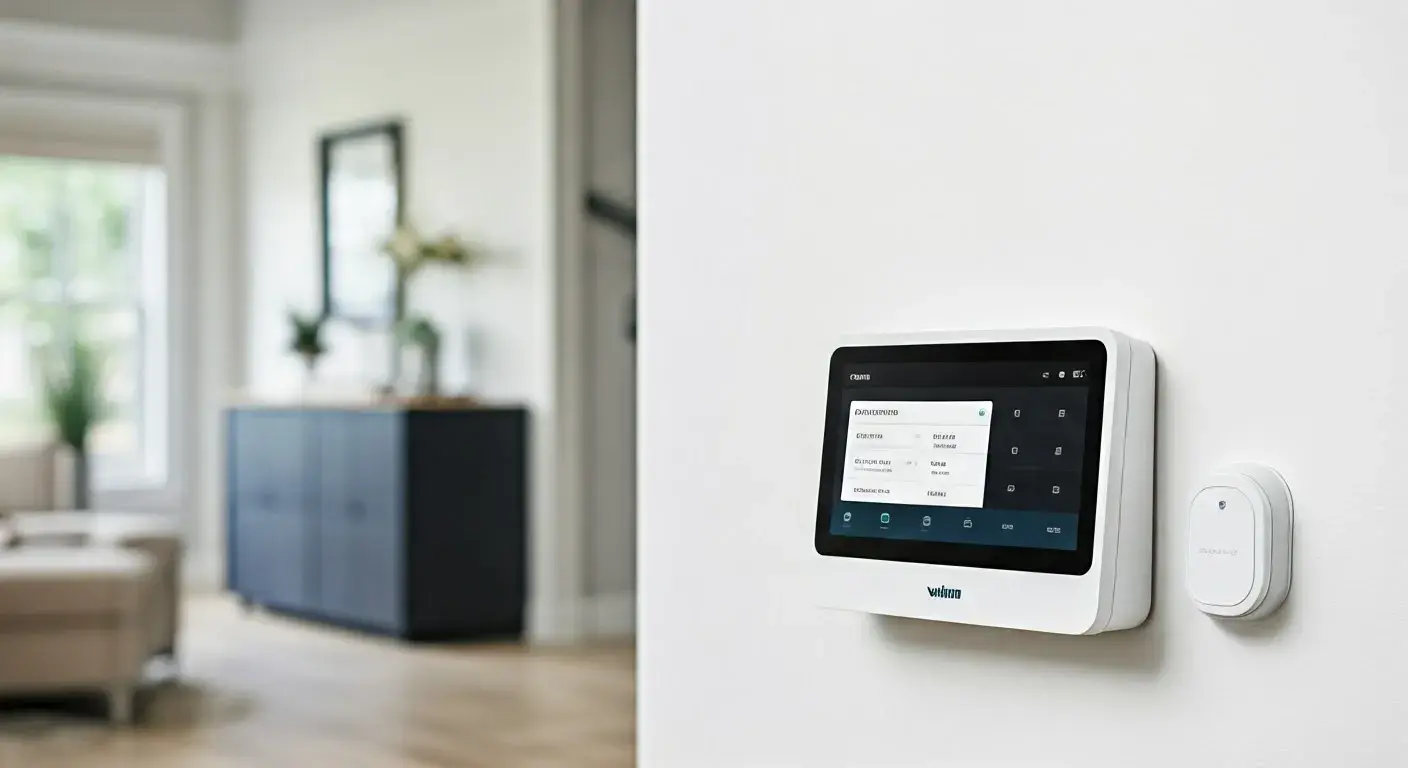
- Smart Hubs (panel)
- Door and window sensors
- Motion detectors
- Glass break sensors
- Smart locks
- Video doorbells
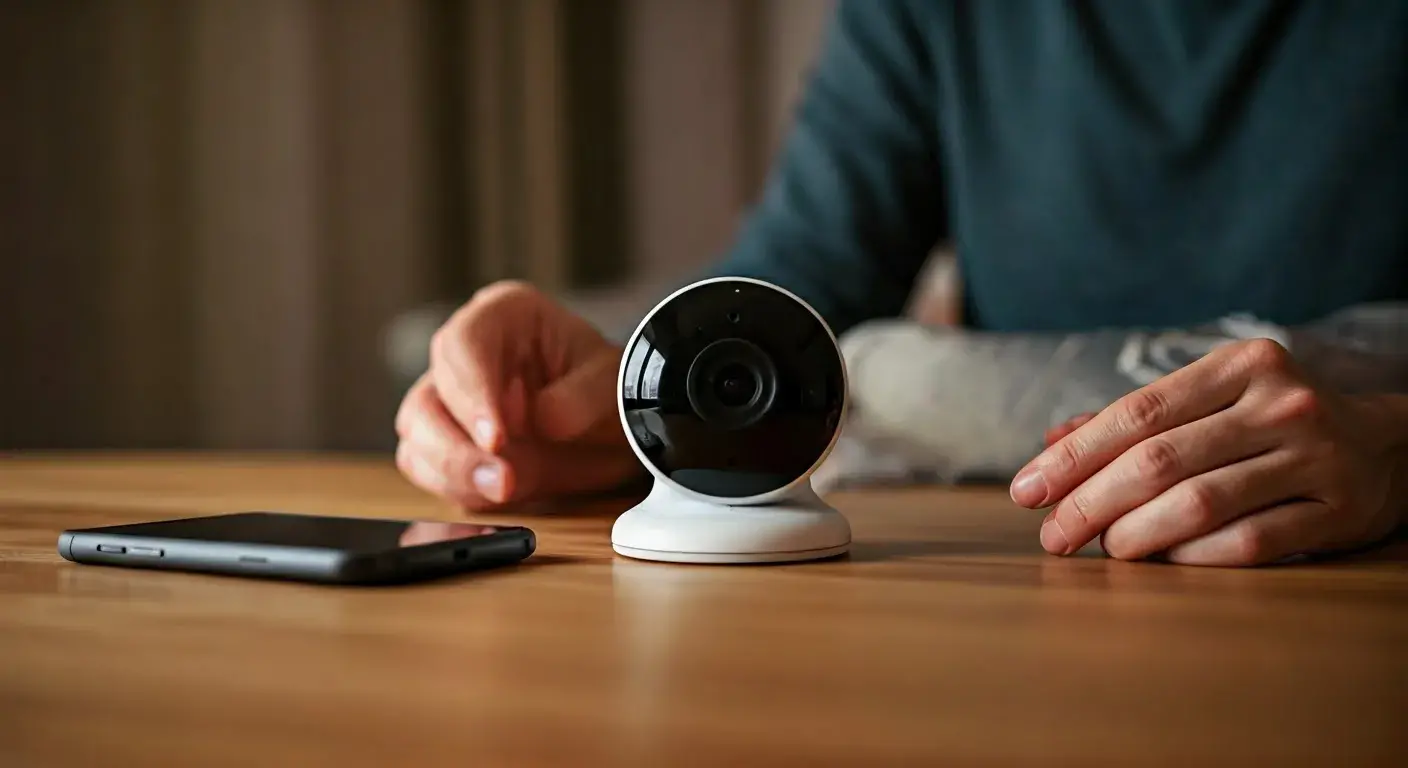
- Security cameras (indoor and outdoor)
- Thermostats
- Garage door controllers
Each of these components, once paid for, is considered your asset. However, it's essential to note that the service itself, the monitoring, and the cloud storage for footage are tied to your Vivint account and subscription. Selling the physical equipment does not transfer the service capabilities or your account to a new owner. The buyer would need to establish their own Vivint service or use the equipment in a different capacity if possible.
For instance, if you purchased your Vivint system outright with no financing through Vivint, the equipment is unequivocally yours. If you financed the equipment through Vivint, it becomes yours once the financing is fully repaid. This is usually stipulated in the service agreement you signed. It's always advisable to review your contract to confirm the exact terms of equipment ownership. This clarity will prevent any misunderstandings when you decide to sell.
Can You Legally Sell Vivint Equipment?
The short answer is generally yes, you can legally sell your Vivint equipment, provided you own it outright. As established, Vivint's business model often involves the customer purchasing the hardware. If you own the equipment, you have the right to sell it, just like any other personal property you possess. This right is fundamental to property ownership.
However, there are critical caveats and conditions to be aware of. The primary constraint is that the equipment is typically linked to your Vivint account and its associated services. When you sell the physical devices, you are selling the hardware only, not the Vivint service, monitoring, or any associated data. The buyer will not be able to seamlessly integrate the equipment into their existing Vivint account without setting up a new service plan with Vivint. Furthermore, Vivint's software and firmware are proprietary, and while the hardware is yours, its full functionality might be dependent on Vivint's network and services.
Key legal considerations include:
- Proof of Ownership: Ensure you have fulfilled all financial obligations to Vivint for the equipment. If there's any outstanding balance or lease agreement, Vivint may have a claim on the equipment, and selling it could be a breach of contract. Review your Vivint service agreement carefully to confirm the terms of equipment ownership and any restrictions on resale.
- Account Deactivation: Before selling, you must deactivate your Vivint account and remove the equipment from your account through Vivint's system. This is crucial for security and to prevent the new owner from being associated with your account or for Vivint to remotely disable the equipment. Failure to do so could lead to security vulnerabilities and potential issues for both you and the buyer.
- Privacy and Data: Ensure all personal data has been wiped from the equipment, especially from the Smart Hub and any cameras. This is a critical step for privacy protection.
- Warranty and Support: Be transparent with potential buyers about the warranty status of the equipment. If the equipment is still under Vivint's warranty, it may transfer to a new owner if Vivint's policy allows, but this is not always the case. Often, warranties are tied to the original account holder.
In 2025-26, consumer protection laws continue to emphasize the rights of property owners. If you have legally purchased and paid for the equipment, you are generally free to sell it. However, Vivint's terms of service may outline specific procedures or limitations regarding the transfer of equipment, especially if it's integrated into their proprietary network. It's always best practice to contact Vivint customer support to understand their official stance and procedures for selling used equipment. They can guide you on how to properly disassociate the equipment from your account, which is vital for a smooth transaction.
Vivint's contracts are designed to ensure a certain period of service. While they cannot typically prevent you from selling your own property, they can enforce contract terms related to service termination and equipment deactivation. Understanding these nuances will help you navigate the sale legally and ethically.
Factors Affecting Resale Value
The resale value of your Vivint equipment is not static; it depends on a variety of factors. Understanding these elements will help you set realistic expectations and price your items competitively. In the current market of 2025-26, several key considerations influence how much buyers are willing to pay for used Vivint gear.
1. Age and Condition of Equipment:
- Age: Newer models generally command higher prices. Vivint, like other tech companies, releases updated versions of its hardware. Older generations, while functional, may be perceived as less capable or compatible with the latest Vivint software updates.
- Condition: The physical appearance and operational status are paramount. Equipment that is free from scratches, dents, or visible damage, and functions perfectly, will sell for significantly more than worn-out or malfunctioning items. Thorough testing of each component before listing is essential.
2. Completeness of the System:
- Bundles: Selling a complete system (e.g., Smart Hub, multiple sensors, cameras) as a package deal often yields a better return than selling individual components. Buyers looking for a full setup may be willing to pay a premium for convenience.
- Individual Components: While less lucrative, individual sensors or cameras can still be sold, particularly to those looking to expand an existing Vivint system or replace a broken part.
3. Original Purchase Price and Financing:
- The initial cost you paid for the equipment will influence your perceived value, but buyers will focus on the current market value for used items. If you financed the equipment, remember that you paid more than the base hardware cost.
4. Demand and Market Trends:
- Vivint's Popularity: Vivint remains a popular choice for home security. This sustained demand for their ecosystem means there's a consistent market for used equipment, especially for those looking to avoid new system costs.
- DIY vs. Professional Install: The growing trend of DIY smart home installations might slightly reduce the demand for professional-install-centric systems like Vivint, but the reliability and integration of Vivint systems still appeal to many.
5. Compatibility and Functionality:
- Software Version: Ensure the equipment is compatible with current Vivint service offerings. Older firmware might limit functionality or integration.
- Unlocked vs. Locked: While Vivint equipment is generally sold as yours, ensure it's not somehow "locked" to a previous account in a way that prevents a new user from activating it with Vivint. This is where deactivation is crucial.
6. Included Accessories and Documentation:
- Having all original mounting hardware, power adapters, cables, and user manuals can increase the perceived value and make installation easier for the buyer.
7. Seller's Reputation and Listing Quality:
- Reviews: On platforms like eBay or Facebook Marketplace, a seller with positive reviews and a history of honest transactions will attract more buyers and can often command slightly higher prices.
- Listing Details: High-quality photos, detailed descriptions of each item's condition and functionality, and clear pricing are essential. Transparency about any minor flaws builds trust.
Estimated Resale Value (2025-26):
Based on current online marketplaces and trends, you can expect to recover anywhere from 20% to 60% of the original purchase price, depending heavily on the factors above. High-demand items like Smart Hubs and newer cameras might fetch more, while older sensors could be in the lower range. For example, a Smart Hub originally costing $600 might sell for $200-$400, while individual door sensors originally costing $30-$50 might sell for $10-$25.
Comparison of Potential Resale Value:
| Equipment Type | Original Estimated Cost (Vivint) | Estimated Resale Value (Used, Good Condition) | Notes |
|---|---|---|---|
| Vivint Smart Hub (Panel) | $400 - $700 | $150 - $450 | Central component, highest demand. Condition is key. |
| Door/Window Sensors | $30 - $50 each | $10 - $25 each | Common, easy to sell individually or in bulk. |
| Motion Detectors | $50 - $70 each | $20 - $40 each | Reliable and useful for larger spaces. |
| Vivint Doorbell Camera Pro | $200 - $300 | $75 - $150 | Popular smart home device, good resale potential. |
| Vivint Indoor Camera | $100 - $150 | $40 - $75 | Demand depends on features and resolution. |
| Vivint Outdoor Camera Pro | $250 - $350 | $100 - $200 | High demand for outdoor security, good resale. |
| Vivint Smart Thermostat | $150 - $200 | $50 - $100 | Value depends on smart home integration capabilities. |
Where to Sell Your Vivint Equipment
Once you've decided to sell your Vivint equipment and understand its potential value, the next step is choosing the right platform. Several avenues exist, each with its own advantages and disadvantages. In 2025-26, online marketplaces dominate, offering broad reach and convenience.
1. Online Marketplaces:
- eBay: This is often the go-to platform for selling used electronics.
- Pros: Massive audience, auction format can drive up prices, seller protection policies.
- Cons: Fees can eat into profits, competition can be high, requires careful shipping and handling.
- Tips: Use clear, high-quality photos, detailed descriptions, and competitive pricing. Offer "Buy It Now" options alongside auctions.
- Facebook Marketplace: Excellent for local sales, reducing the need for shipping.
- Pros: Free to list, easy to connect with local buyers, no shipping hassle for local transactions.
- Cons: Smaller audience than eBay, potential for low-ball offers, safety concerns with meeting strangers.
- Tips: Arrange meetups in safe, public places. Be clear about pricing and payment methods.
- Craigslist: Similar to Facebook Marketplace for local sales.
- Pros: Free, direct local buyer interaction.
- Cons: Limited reach, can be a target for scams, less user-friendly interface than Facebook.
- Tips: Prioritize safety for in-person exchanges.
- Specialized Tech Resale Sites: While less common for specific brands like Vivint, sites like Swappa focus on electronics. Check if they accept security system components.
2. Forums and Online Communities:
- Reddit: Subreddits like r/homesecurity, r/smarthome, or even local city subreddits might have sections for buying and selling.
- Pros: Reaches a targeted audience interested in smart home tech.
- Cons: Less formal structure, may require more effort to vet buyers/sellers.
- Tips: Follow subreddit rules strictly and be transparent.
- Smart Home Enthusiast Forums: Many dedicated forums exist for smart home technology. Searching for Vivint-specific discussions might reveal users looking to buy.
3. Direct Sales to Individuals:
- If you know someone who is looking to upgrade their home security or wants to start with a Vivint system without the full cost, selling directly to them can be the most straightforward.
- Pros: No fees, direct negotiation, quick sale.
- Cons: Limited reach, relies on personal network.
4. Selling to a Third-Party Reseller (Less Common for Vivint):
- Some companies buy used electronics. However, for specialized security systems like Vivint, this is less common and usually offers the lowest payout. You'd typically get a much lower price than selling directly to consumers.
Choosing the Right Platform:
For maximum reach and potential profit, eBay is often the best bet, especially for individual components or if you're willing to ship. For local sales and to avoid shipping hassles, Facebook Marketplace or Craigslist are excellent options. Consider bundling items for a platform like Facebook Marketplace, as local buyers might prefer a complete package.
Example Scenario:
Sarah wants to sell her Vivint system before moving. She has a Smart Hub, 4 door/window sensors, and 2 motion detectors. She checks eBay and sees similar bundles listed for $300-$500. She lists her system on Facebook Marketplace for $400, highlighting its good condition and includes all original accessories. Within two days, a local buyer offers $350, which she accepts, saving on shipping fees and eBay commissions.
Data for 2025-26:
Online marketplaces continue to be the dominant channel for used goods. Statista reports that in 2025, the global market for refurbished electronics is projected to reach over $100 billion, with platforms like eBay and Amazon Renewed leading the charge. While Vivint equipment is a niche within this, the trend indicates a strong consumer appetite for pre-owned, functional technology.
Preparing Your Vivint Equipment for Sale
Proper preparation is key to a successful sale. It ensures you get the best price, makes the transaction smoother, and protects your privacy. In 2025-26, buyers are increasingly savvy and expect well-presented, fully functional items.
1. Deactivate Your Vivint Account and Remove Equipment:
- This is the most critical step. You must formally remove the equipment from your Vivint account. Contact Vivint customer support and explain that you are selling your equipment. They will guide you through the process of deactivating the devices from their network and your account. This ensures the buyer can activate it with their own account.
- Why it's crucial: If you don't deactivate, the equipment might remain locked to your account, rendering it useless for the buyer with Vivint services. It also protects your personal data and security history.
2. Factory Reset All Devices:
- Smart Hub (Panel): Access the settings menu on the panel and look for an option to perform a factory reset or restore to default settings. This will erase all your personal configurations, Wi-Fi passwords, and user data.
- Cameras and Doorbells: Most cameras have a reset button (often a small pinhole) or a reset option within their settings via the app or panel. Consult the specific model's manual if unsure.
- Sensors and Other Devices: While many sensors don't store user data, it's good practice to ensure they are unpaired from your hub if possible, though the hub reset is the primary concern.
3. Thorough Cleaning:
- Physical Appearance: Wipe down all surfaces with a microfiber cloth and a mild, non-abrasive cleaner. Pay attention to screens, lenses, and buttons. Remove any dust, fingerprints, or smudges.
- Lenses: Ensure camera lenses are spotless for clear images.
- Sensors: Gently clean the housing of sensors.
4. Test All Functionality:
- Smart Hub: Power it on, ensure the screen is responsive, and check that it boots up to the factory reset/setup screen.
- Sensors: If possible, test that they are communicating (e.g., trigger a door sensor and see if it registers, though this may require the hub to be in a test mode). If you cannot test individual sensors, state this clearly in the listing.
- Cameras: Power them on. Check for any visible damage to the lens or housing. If possible, connect them temporarily to confirm they power up.
- Other Devices: Test smart locks (if applicable), thermostats, etc., to ensure they power on and are responsive.
5. Gather All Original Accessories:
- Power Adapters: Include the original power cords for the Smart Hub and cameras.
- Mounting Hardware: Collect all screws, brackets, and adhesive strips that came with the equipment.
- Cables: Include any necessary Ethernet or other connecting cables.
- Manuals: If you still have the original user manuals or quick start guides, include them.
6. Document Everything:
- Take High-Quality Photos: Use good lighting to capture clear, detailed photos of each item from multiple angles. Show any included accessories. If there are minor cosmetic flaws, photograph them clearly to be transparent with buyers.
- Record Videos (Optional but Recommended): For key items like the Smart Hub or cameras, a short video showing them powering on or demonstrating basic functionality can significantly boost buyer confidence.
7. Write a Detailed and Honest Description:
- List Each Item: Clearly list every component included in the sale.
- Condition: Be honest about the condition. Use terms like "Excellent," "Very Good," "Good," or "Fair." Mention any scratches, scuffs, or minor issues.
- Functionality: State that the equipment has been factory reset and removed from your Vivint account. Mention if you were able to test specific functions.
- What's Included: List all accessories and mounting hardware.
- Compatibility: Advise buyers that they will need to set up their own Vivint account and service plan to use the equipment with Vivint's monitoring services.
Example Listing Snippet (for eBay):
"Vivint Smart Home Security System - Smart Hub, 4 Door/Window Sensors, 2 Motion Detectors - Fully Reset & Unlinked!
This listing includes:
1x Vivint Smart Hub (Model X) - Factory reset, removed from my account. Powers on and displays setup screen. Minor cosmetic scuff on top edge (see photo).4x Vivint Door/Window Sensors - Tested to power on. Includes original mounting adhesive.2x Vivint Motion Detectors - Tested to power on. Includes mounting brackets.All original power adapters and necessary cables.
Buyer will need to establish their own Vivint service plan for full functionality. Perfect for expanding an existing system or starting fresh at a fraction of the cost! Please review all photos carefully. Sold AS IS."
By following these steps, you present your Vivint equipment in the best possible light, increasing your chances of a quick sale at a good price and ensuring a positive experience for the buyer.
Tips for a Successful Sale
Selling used electronics, especially specialized security systems like Vivint, requires more than just listing the items. To maximize your return and ensure a smooth transaction, consider these strategic tips. These are particularly relevant in the competitive online marketplace of 2025-26.
1. Price Competitively but Realistically:
- Research what similar Vivint equipment is selling for on eBay, Facebook Marketplace, and other platforms.
- Factor in the condition, age, and completeness of your system.
- Don't overprice, as buyers have many options. However, don't undervalue your equipment if it's in good condition and highly sought after.
- Consider offering a "Best Offer" option on platforms like eBay to allow for negotiation.
2. High-Quality Visuals are Non-Negotiable:
- Lighting: Use natural daylight or good artificial lighting. Avoid shadows that obscure details.
- Background: Use a clean, uncluttered background (e.g., a plain wall, a clean table).
- Angles: Photograph from multiple angles, including close-ups of any key features or any minor cosmetic flaws.
- Detail Shots: Show serial numbers (if comfortable), ports, buttons, and included accessories.
- Video: A short video demonstrating the item powering on can be incredibly persuasive for higher-value items like the Smart Hub.
3. Write Clear, Honest, and Comprehensive Descriptions:
- Be Specific: List the exact model numbers if possible.
- Highlight Key Features: Mention any unique selling points of the equipment (e.g., camera resolution, sensor range).
- Transparency is Key: Clearly state the condition, any flaws, and what is included. Mention that the equipment has been factory reset and removed from your account.
- Set Expectations: Remind buyers that they will need to set up their own Vivint account and service.
- Use Keywords: Naturally incorporate terms like "Vivint," "home security," "smart home," "wireless sensors," etc., to improve search visibility.
4. Offer Multiple Payment and Shipping Options (Where Applicable):
- Payment: On platforms like eBay, PayPal and credit card payments are standard. For local sales, cash, Venmo, or Zelle are common.
- Shipping: If shipping, offer standard options. Consider offering expedited shipping for an extra fee. Ensure you calculate shipping costs accurately to avoid losing money.
- Local Pickup: For local sales, clearly state if local pickup is available. This is often preferred by buyers to save on shipping.
5. Package Securely for Shipping:
- If you're shipping, invest in good quality packing materials. Use sturdy boxes, plenty of bubble wrap, and packing peanuts to prevent items from shifting during transit.
- Ensure the Smart Hub and cameras are well-protected, as they are the most fragile and valuable components.
6. Respond Promptly to Inquiries:
- Buyers often have questions. Responding quickly and politely shows you are a serious and trustworthy seller. This can make the difference between a sale and a lost opportunity.
7. Be Patient:
- Selling specialized equipment can sometimes take time. Don't get discouraged if your items don't sell immediately. Adjust your pricing or listing strategy if necessary.
8. Consider Bundling:
- Selling components as a complete system or in logical bundles (e.g., a hub with a few sensors) can be more attractive to buyers looking for a comprehensive solution and can simplify your selling process.
9. Build Trust with Your Reputation:
- If selling on platforms with seller ratings, strive for positive feedback. This builds confidence for future buyers. Be honest, ship on time, and communicate well.
Example of a "Good" vs. "Bad" Listing:
Bad Listing:
- Title: Vivint stuff for sale
- Description: Works fine. Has panel and sensors.
- Photos: Blurry, dark, one photo of everything piled up.
Good Listing:
- Title: Vivint Smart Hub & 5 Piece Security Sensor Kit - Excellent Condition - Factory Reset
- Description: Comprehensive description detailing each item, its condition, what's included, and the need for a new Vivint account.
- Photos: Clear, well-lit photos of each item individually and as a group, showing all accessories.
By implementing these tips, you significantly increase your chances of a successful and profitable sale of your Vivint equipment.
Alternatives to Selling Your Vivint Equipment
While selling your Vivint equipment is a common choice when you no longer need it or are switching providers, it's not the only option. Depending on your situation and goals, several alternatives might be more suitable or even more beneficial. In 2025-26, homeowners have more flexibility than ever.
1. Transferring Service to a New Homeowner:
- If you're moving and the new owners are interested in continuing with Vivint, you can potentially transfer your service and equipment to them.
- Pros: Simplest solution if the new owners want it, no need to remove or sell equipment, can be a selling point for your home.
- Cons: Requires the new owners to qualify for and agree to a new Vivint service contract, may involve Vivint's transfer fees.
- Process: Contact Vivint to discuss the transfer process. The new homeowners will need to go through Vivint's standard application and approval process.
2. Repurposing Equipment (Limited):
- Some components, like cameras or smart thermostats, might have limited standalone functionality or could be integrated into other smart home ecosystems if they support standard protocols (e.g., Wi-Fi, Zigbee, Z-Wave).
- Pros: You might be able to continue using some devices without a Vivint subscription.
- Cons: This is often very limited. Vivint's proprietary system means most devices are heavily reliant on their cloud and hub for full functionality. Cameras might stream locally if accessible, but advanced features will likely be lost. Smart thermostats might function as basic thermostats but lose smart scheduling/remote access.
- Research: You'll need to research each specific device model to see if any non-Vivint functionality exists. This is generally not a recommended path for most Vivint hardware.
3. Donating Equipment:
- If the equipment is still functional, consider donating it to a local charity, a community center, or a program that helps low-income families with home safety.
- Pros: Good for the community, potential tax deduction (consult a tax professional), feel-good factor.
- Cons: No financial return, requires finding a suitable recipient.
- Process: Contact local non-profits or shelters to see if they accept such donations. Ensure the equipment is clean and functional.
4. Keeping Equipment for Future Use (If Moving Locally):
- If you're moving to a new home within the same general area and plan to install a security system again in the future, you might consider storing your current Vivint equipment.
- Pros: Saves money on buying a new system later, familiar technology.
- Cons: Requires storage space, equipment could become outdated or degrade over time, Vivint may update their systems making older gear less compatible.
5. Selling to Existing Vivint Users:
- Instead of selling to the general public, you can specifically target existing Vivint customers who might be looking to expand their system or replace a broken component.
- Pros: Buyers understand the system and its value, less explanation needed.
- Cons: Smaller target audience, requires finding these individuals (e.g., through online forums).
6. Trading In or Selling as Part of a Larger System Upgrade:
- If you're switching to a different security provider that offers trade-in programs or if you're selling your home and the security system is part of the deal, this can be an integrated solution.
- Pros: Can simplify the process of upgrading or selling your home.
- Cons: Trade-in values are often low.
Decision Factors:
- Financial Need: Do you need to recoup costs, or is it a secondary consideration?
- Convenience: How much effort are you willing to put in?
- New Homeowner Interest: Are the new owners looking for a security system?
- Future Plans: Do you plan to get a security system again soon?
For most people looking to get some value back from their investment, selling the equipment through online marketplaces remains the most practical and financially rewarding alternative to simply letting it sit unused.
Conclusion: Selling Your Vivint Gear
Navigating the question, "Can I sell my Vivint equipment?" reveals that the answer is a resounding yes, provided you own it outright. The key lies in understanding your ownership rights, diligently preparing the equipment, and choosing the right sales channels. By deactivating your account, factory resetting devices, and presenting your gear honestly and attractively, you can successfully recoup a portion of your investment.
Remember to research pricing, leverage high-quality visuals, and write detailed descriptions on platforms like eBay or Facebook Marketplace. Transparency about the equipment's condition and the need for a new Vivint service plan will build buyer confidence. While alternatives like transferring service or donation exist, selling typically offers the best financial return for your used Vivint components.
Empower yourself with knowledge about equipment ownership and market value. With careful preparation and a strategic approach, selling your Vivint equipment can be a straightforward and rewarding process, allowing you to move on to your next home security solution with a little extra cash in hand.