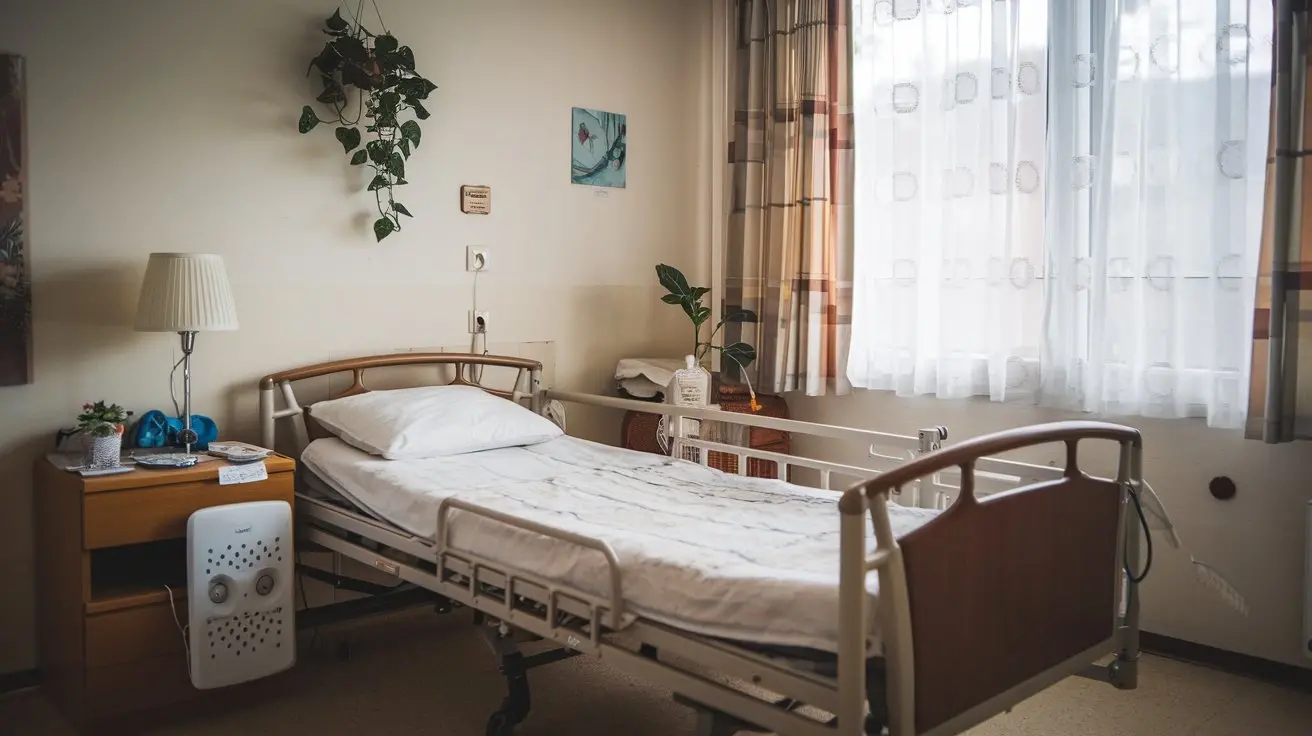
Yes, nursing homes can and frequently do use bed alarms. These devices are crucial for resident safety, helping to prevent falls and injuries by alerting staff when a resident attempts to get out of bed unassisted. They are a vital tool in modern elder care.
Understanding Bed Alarms in Nursing Homes
The question "Can nursing homes use bed alarms?" is met with a resounding affirmative. In the complex and sensitive environment of elder care, resident safety is paramount. Bed alarms, also known as bed exit alarms or fall prevention alarms, have become an indispensable technology for many nursing homes. They serve as an early warning system, alerting caregivers when a resident, particularly one at high risk for falls, begins to move out of their bed. This proactive approach is critical in mitigating the severe consequences of falls, such as fractures, head injuries, and increased mortality. As of 2025, the adoption of such technologies is not just a best practice but often a necessity driven by resident needs and facility responsibility. This comprehensive guide explores the role, types, benefits, implementation, and future of bed alarms in nursing home settings, aiming to provide a clear understanding for administrators, caregivers, and families alike.
Why Nursing Homes Utilize Bed Alarms: The Safety Imperative
The decision for nursing homes to implement bed alarms is rooted in a fundamental commitment to resident well-being and a proactive approach to risk management. Falls are a significant concern in long-term care facilities, impacting a substantial percentage of residents annually. Understanding the 'why' behind bed alarm usage reveals the critical role they play in modern elder care strategies.
The Pervasive Problem of Falls in Elder Care
Falls are not merely minor incidents; they are a leading cause of injury and death among older adults. In nursing home settings, the prevalence is particularly high due to a confluence of factors:
- Age-Related Physiological Changes: Decreased muscle strength, impaired balance, slower reaction times, and sensory deficits (vision, hearing) all contribute to increased fall risk.
- Chronic Health Conditions: Conditions such as arthritis, Parkinson's disease, diabetes, cardiovascular issues, and cognitive impairments (like dementia and Alzheimer's) significantly elevate the likelihood of falling.
- Medication Side Effects: Polypharmacy is common in nursing homes, and many medications, including sedatives, antihypertensives, and antidepressants, can cause dizziness, drowsiness, or orthostatic hypotension, all of which increase fall risk.
- Environmental Hazards: While facilities strive for safety, potential hazards like wet floors, poor lighting, cluttered pathways, and ill-fitting footwear can still contribute to falls.
- Mobility Issues: Residents often have limited mobility, requiring assistance to transfer or ambulate. If they attempt to move without adequate support, the risk of a fall escalates dramatically.
According to 2025 statistics from the Centers for Disease Control and Prevention (CDC) and industry reports, approximately 30-50% of nursing home residents fall each year, with a significant portion experiencing multiple falls. These falls can lead to severe consequences, including:
- Fractures: Hip fractures are particularly devastating, often leading to surgery, prolonged rehabilitation, and a significant decline in independence.
- Head Injuries: Traumatic brain injuries can range from mild concussions to severe, life-altering conditions.
- Soft Tissue Injuries: Bruises, sprains, and lacerations can cause pain and increase the risk of infection.
- Fear of Falling: Even if a fall doesn't result in injury, the experience can lead to a psychological impact, causing residents to become more hesitant to move, which in turn can lead to deconditioning and further mobility loss.
- Increased Healthcare Costs: Falls are a major driver of healthcare expenses, encompassing emergency room visits, hospitalizations, rehabilitation services, and increased staffing needs.
- Mortality: In severe cases, falls can be fatal, either directly from the injury or indirectly due to complications arising from the fall and subsequent immobility.
The Role of Bed Alarms in Fall Prevention
Bed alarms are designed to be a crucial component of a comprehensive fall prevention program. They are not intended to restrain residents but rather to provide a timely alert to caregivers when a resident is at an imminent risk of falling due to attempting to exit their bed. The primary goal is to enable staff to intervene *before* a fall occurs.
The mechanism is straightforward: a sensor placed on the bed (or a pressure pad beneath the resident) detects movement that indicates an attempt to rise. This triggers an alarm, which can be audible within the resident's room, at a central nursing station, or sent to a wearable device carried by a staff member. This immediate notification allows a caregiver to assess the situation, provide necessary assistance, and ensure the resident's safety.
In 2025, the emphasis in elder care is shifting from reactive care to proactive prevention. Bed alarms embody this shift by providing an early warning system that:
- Reduces the Time to Intervention: By alerting staff immediately, the window of opportunity to prevent a fall is maximized.
- Minimizes Fall-Related Injuries: Prompt assistance can prevent residents from completing the motion that leads to a fall.
- Supports Resident Independence: When used appropriately, alarms allow residents to maintain a degree of autonomy while ensuring their safety.
- Optimizes Staff Workflow: Alerts can be directed to specific staff members or zones, allowing for more efficient response.
- Provides Data for Assessment: Many modern systems can track alarm events, providing valuable data for care planning and identifying residents who may require more intensive supervision or different mobility aids.
Therefore, the answer to "Can nursing homes use bed alarms?" is not just yes, but rather, they *should* use them as a vital tool in their ongoing mission to provide a safe and supportive environment for their residents.
Types of Bed Alarms Available for Nursing Home Settings
The landscape of bed alarm technology has evolved significantly, offering nursing homes a range of options to suit diverse resident needs and facility infrastructures. Understanding these different types is crucial for selecting the most effective solution for fall prevention.
Pressure-Sensitive Pads
These are among the most common and traditional types of bed alarms. A thin, durable pad is placed on top of the mattress, usually under a fitted sheet. When a resident's weight is removed from the pad as they attempt to sit up or stand, it triggers a signal to a connected alarm module.
- Pros: Relatively inexpensive, easy to deploy, and widely understood. They are effective for residents who consistently attempt to exit the bed in a similar manner.
- Cons: Can sometimes generate false alarms if residents shift their weight significantly without attempting to exit. Some residents may learn to step over the pad, rendering it less effective. Durability can be an issue with heavy use and frequent cleaning.
Magnetic Sensors
Magnetic sensors typically consist of two parts: a magnet attached to the resident's clothing (e.g., a gown or pajama top) and a sensor unit mounted on the bed frame or headboard. When the resident moves a certain distance away from the bed, the magnetic connection is broken, triggering the alarm.
- Pros: Can be very reliable as they are less prone to false alarms from minor movements. They are also discreet and do not interfere with resident comfort.
- Cons: Requires the resident to consistently wear the magnetic component. The range of the magnetic field needs to be calibrated correctly to avoid false alarms or delayed alerts.
Infrared (IR) and Motion Sensors
These systems utilize infrared beams or motion detection technology to monitor the space around the bed. When a resident crosses an invisible beam or their movement is detected within a designated zone, an alert is sent.
- Pros: Non-contact, so they don't require any attachments to the resident or mattress. They can monitor a broader area and detect movement even if the resident is not directly exiting the bed but is at risk of falling from a seated position.
- Cons: Can be more expensive than other types. Susceptible to environmental factors like changes in lighting or air currents, which might cause false alarms. Requires careful placement and calibration.
Chair Alarms
While not strictly bed alarms, chair alarms are often used in conjunction with them as part of a holistic fall prevention strategy. These are pressure-sensitive pads or sensors designed for wheelchairs or geri-chairs. They alert staff when a resident rises from their chair.
- Pros: Addresses the significant risk of falls from seated positions, which is common among residents with mobility impairments.
- Cons: Similar to bed pads, they can generate false alarms and may be bypassed by some residents.
Integrated Nurse Call Systems
Modern nursing homes are increasingly opting for integrated systems where bed alarms are part of a larger nurse call system. This allows alerts from various devices (bed alarms, pull cords, motion sensors) to be consolidated and managed through a central console or mobile devices carried by staff.
- Pros: Centralized management, improved communication, and enhanced data tracking. Alerts can be prioritized and routed efficiently. Allows for remote monitoring and reporting.
- Cons: Higher initial investment and requires robust IT infrastructure. Training for staff on the integrated system is essential.
Smart Sensors and Wearable Technology
Emerging technologies include smart sensors that can analyze gait and movement patterns, identifying individuals at high risk of falling even before they attempt to get out of bed. Wearable devices, such as pendants or wristbands, can also incorporate fall detection sensors that automatically alert caregivers if a fall occurs.
- Pros: Advanced predictive capabilities, potentially offering a more proactive approach. Wearables offer mobility and can detect falls anywhere within the facility.
- Cons: Still a developing field with higher costs. Privacy concerns and the need for residents to wear and charge devices are considerations.
The choice of alarm system depends on factors like the resident population's specific needs, the facility's budget, existing infrastructure, and staff capabilities. A multi-faceted approach, often combining different types of alarms, is frequently the most effective strategy.
The Multifaceted Benefits of Bed Alarms in Elder Care
The implementation of bed alarms in nursing homes extends far beyond simple fall prevention, offering a cascade of benefits that enhance resident safety, staff efficiency, and overall quality of care. These advantages contribute to a more secure and supportive environment for everyone within the facility.
Enhanced Resident Safety and Reduced Injuries
This is the primary and most critical benefit. By providing an early warning system, bed alarms significantly reduce the incidence of falls. When staff are alerted promptly, they can intervene before a resident completes an unassisted exit from bed, thereby preventing:
- Fractures: Especially hip fractures, which are debilitating and often lead to a permanent decline in mobility and independence.
- Head Injuries: Ranging from minor bumps to severe traumatic brain injuries.
- Bruises, Sprains, and Lacerations: Which, while less severe, still cause pain, discomfort, and can lead to secondary complications like infection.
- Fear of Falling: A reduction in actual falls can lead to a decrease in the psychological fear of falling, encouraging residents to remain more active and engaged.
The proactive nature of alarms means that residents who are at high risk due to cognitive impairment, mobility issues, or medication side effects are better protected. This direct impact on injury reduction is the cornerstone of their value.
Improved Staff Efficiency and Workflow
Bed alarms, particularly when integrated into a modern nurse call system, can optimize staff response and resource allocation:
- Targeted Alerts: Instead of constant rounds for every resident, staff receive alerts only when a specific intervention is needed. This allows them to focus on other essential care tasks.
- Prioritization of Needs: Sophisticated systems can prioritize alerts, ensuring that the most critical situations are addressed first.
- Reduced Burden of Constant Vigilance: While staff remain vigilant, alarms provide a technological assist, reducing the mental and physical fatigue associated with round-the-clock direct observation for high-risk residents.
- Data for Care Planning: Many systems log alarm events, providing valuable data on when and why residents attempt to exit their beds. This information can inform individual care plans, leading to more effective interventions and potentially reducing future alarm activations. For instance, if a resident consistently activates an alarm at night, it might indicate a need for toileting assistance or a change in their sleep schedule.
Support for Resident Autonomy and Dignity
A common concern with fall prevention measures is the potential to compromise resident autonomy. However, bed alarms, when implemented thoughtfully, can actually support independence:
- Enabling Movement: They allow residents who are capable of moving safely to do so, rather than being restricted by constant supervision. The alarm acts as a safeguard, not a barrier.
- Respecting Privacy: Unlike continuous direct observation, alarms allow residents to maintain their privacy and personal space.
- Empowering Residents and Families: Knowing that safety measures are in place can provide peace of mind for both residents and their families, fostering trust and reducing anxiety.
Cost-Effectiveness and Resource Management
While there is an initial investment in bed alarm systems, the long-term benefits often lead to significant cost savings:
- Reduced Healthcare Costs: Preventing falls directly reduces expenses associated with hospitalizations, surgeries, rehabilitation, and long-term care needs that arise from fall-related injuries.
- Optimized Staffing: By improving efficiency, alarms can help facilities manage staffing levels more effectively, ensuring that care is delivered where and when it's most needed without necessarily increasing overall staff numbers.
- Lower Insurance Premiums: Facilities with robust fall prevention programs, including the use of technology like bed alarms, may be able to negotiate lower insurance premiums due to a reduced risk profile.
Compliance and Quality Improvement
Regulatory bodies and quality assurance programs increasingly emphasize proactive fall prevention strategies. Implementing bed alarms can:
- Meet Regulatory Expectations: Demonstrating a commitment to resident safety through technology helps facilities meet and exceed compliance standards.
- Enhance Quality Metrics: Reducing fall rates and fall-related injuries positively impacts key performance indicators, contributing to a facility's reputation for high-quality care.
- Support Continuous Improvement: The data generated by alarm systems can be used in quality improvement initiatives to identify trends, evaluate the effectiveness of interventions, and refine care protocols.
In summary, the benefits of bed alarms are far-reaching, touching upon every critical aspect of nursing home operations, from direct resident care and safety to operational efficiency and financial viability. They are a testament to how technology can be leveraged to improve the lives of vulnerable individuals.
Implementing Bed Alarms Effectively: Key Considerations
Simply purchasing bed alarms is not enough; their successful implementation requires careful planning, training, and ongoing management. A thoughtful approach ensures that the technology serves its intended purpose without creating unintended negative consequences.
Comprehensive Resident Assessment
Before deploying any alarm system, a thorough assessment of each resident's fall risk is paramount. This assessment should consider:
- Mobility Status: Can the resident walk independently, use an assistive device, or require full assistance?
- Cognitive Function: Is the resident alert, confused, or suffering from dementia? Cognitive impairment is a major predictor of falls.
- Medical Conditions: Are there conditions like Parkinson's, arthritis, or cardiovascular issues that affect balance or mobility?
- Medication Regimen: Reviewing medications for side effects that could increase fall risk (e.g., dizziness, drowsiness).
- History of Falls: Previous falls are a strong indicator of future risk.
- Behavioral Patterns: Does the resident frequently attempt to get out of bed at specific times (e.g., to go to the bathroom)?
This assessment should be conducted by a multidisciplinary team, including nurses, physicians, therapists, and social workers, and should be reviewed regularly. The decision to use a bed alarm should be based on this assessment, rather than a blanket policy for all residents.
Tailoring Alarm Selection to Resident Needs
As discussed in the "Types of Bed Alarms" section, different technologies suit different needs. The choice should be guided by the resident assessment:
- For residents who consistently try to get out of bed: Pressure-sensitive pads or magnetic sensors can be effective.
- For residents with cognitive impairments who may wander or attempt to get up at unpredictable times: Motion sensors or integrated systems might offer broader coverage.
- For residents with specific mobility challenges: Specialized alarms or chair alarms might be necessary.
It's also important to consider the resident's comfort. Alarms should not be a source of distress or a hindrance to sleep or rest. For example, a loud, jarring alarm might be counterproductive for a resident who is easily agitated.
Staff Training and Education
Effective implementation hinges on well-trained staff. Training should cover:
- Understanding the Purpose: Why are alarms being used? What are the goals of fall prevention?
- Operation of the System: How to set up, test, and troubleshoot the specific alarm devices.
- Responding to Alerts: What is the protocol for responding to an alarm? How quickly should staff respond? What steps should be taken?
- Interpreting Data: If the system provides data, how should staff use it to inform care plans?
- Resident Rights and Dignity: Emphasizing that alarms are safety tools, not restraints, and how to maintain resident dignity during interventions.
- False Alarm Management: Strategies for minimizing false alarms and troubleshooting their causes.
Ongoing training and refreshers are crucial to ensure staff competency and adapt to new technologies or protocols.
Integration with Existing Protocols and Care Plans
Bed alarms should not operate in isolation. They must be integrated into the facility's overall fall prevention program and individual resident care plans:
- Care Plan Inclusion: The decision to use an alarm, the type of alarm, and the specific response protocol should be documented in the resident's care plan.
- Multidisciplinary Approach: Caregivers, nurses, therapists, and even housekeeping staff should be aware of the alarm systems and their role in maintaining a safe environment.
- Regular Review: The effectiveness of the alarm system for each resident should be reviewed regularly as part of their care plan updates. If an alarm is no longer necessary or effective, it should be adjusted or removed.
Maintenance and Technical Support
Like any technology, bed alarm systems require regular maintenance to ensure they function correctly:
- Regular Testing: Alarms should be tested daily or per facility protocol to confirm they are operational.
- Cleaning and Disinfection: Pads and sensors must be cleaned and disinfected according to manufacturer guidelines and infection control protocols.
- Battery Replacement: For battery-powered units, a schedule for battery replacement is essential.
- Technical Support: Having a reliable source of technical support for troubleshooting and repairs is critical to minimize downtime.
Communication and Feedback Loops
Open communication channels are vital:
- Staff Feedback: Encourage staff to provide feedback on the effectiveness of the alarms, any challenges they encounter, and suggestions for improvement.
- Resident and Family Communication: Explain the purpose of the alarms to residents and their families in a clear, reassuring manner. Address any concerns they may have.
By carefully considering these implementation factors, nursing homes can maximize the benefits of bed alarms, ensuring they are a valuable asset in their commitment to resident safety and well-being.
Addressing Challenges and Finding Solutions with Bed Alarms
Despite their clear benefits, the implementation and use of bed alarms in nursing homes are not without their challenges. Recognizing these potential pitfalls and proactively developing solutions is key to maximizing their effectiveness and ensuring resident comfort and dignity.
Challenge 1: False Alarms
Description: One of the most frequent frustrations with bed alarms is the generation of false alarms. These can occur when a resident shifts their position, rolls over, or even due to environmental factors, leading to unnecessary staff interruptions and potential alarm fatigue.
Solutions:
- Proper Calibration: Ensure sensors and pads are calibrated correctly according to manufacturer instructions. This might involve adjusting sensitivity settings.
- Resident-Specific Assessment: Not all residents require the same type or sensitivity of alarm. Tailor the device and its settings to the individual's movement patterns.
- Advanced Sensor Technology: Invest in newer systems that use more sophisticated algorithms to differentiate between genuine exit attempts and minor movements.
- Regular Maintenance: Ensure pads are not worn out, wires are not frayed, and sensors are clean and functioning optimally.
- Staff Training: Educate staff on how to identify potential causes of false alarms and troubleshoot them efficiently.
- Consider Alternatives: For residents prone to false alarms with one type of sensor, explore other technologies like magnetic sensors or IR beams.
Challenge 2: Alarm Fatigue
Description: When staff are constantly bombarded with alarms, including false ones, they can become desensitized, leading to a delayed or ignored response to genuine alerts. This is a critical safety issue.
Solutions:
- Reduce False Alarms: The most effective way to combat alarm fatigue is to minimize false alarms through the solutions mentioned above.
- Smart Alert Systems: Implement systems that can prioritize alerts, send them to specific staff members or zones, or even escalate them if not acknowledged within a set timeframe.
- Auditory and Visual Cues: Use systems that offer varied alert tones or visual indicators to help staff quickly distinguish between different types of alerts or urgency levels.
- Regular Review of Alarm Protocols: Periodically review the necessity of alarms for individual residents. If a resident no longer poses a high risk, the alarm can be deactivated.
- Staff Education on Importance: Reinforce the critical nature of every alarm, even if false alarms are common. Emphasize the potential severity of a missed alert.
Challenge 3: Resident Discomfort and Dignity
Description: Some residents may find alarms intrusive, uncomfortable, or feel infantilized by their use. This can lead to anxiety, resistance, or attempts to disable the alarms.
Solutions:
- Resident-Centered Approach: Always prioritize the resident's comfort and dignity. Explain the purpose of the alarm clearly and compassionately.
- Non-Intrusive Technologies: Opt for less obtrusive sensors where possible, such as discreet magnetic sensors or IR beams that do not require direct contact with the resident or mattress.
- Comfortable Attachments: If magnetic sensors are used, ensure the attachment is secure but not irritating to the skin.
- Focus on Benefits: Frame the alarm as a tool that allows them to maintain independence and safety, rather than a restriction.
- Observe for Distress: Monitor residents for any signs of distress or anxiety related to the alarm and adjust the approach accordingly.
Challenge 4: Technical Malfunctions and Maintenance
Description: Like any electronic device, bed alarms can malfunction, require repairs, or need regular maintenance, which can be costly and disruptive.
Solutions:
- Invest in Quality Equipment: Choose durable, reliable systems from reputable manufacturers.
- Robust Maintenance Schedule: Implement a proactive maintenance plan, including daily testing, regular cleaning, and scheduled battery replacements.
- Adequate Technical Support: Ensure the facility has access to prompt and effective technical support from the vendor.
- Backup Systems: Consider having a few spare devices available for immediate replacement during repairs.
- Staff Training on Basic Troubleshooting: Empower staff to perform basic troubleshooting steps to resolve minor issues quickly.
Challenge 5: Cost of Implementation and Upkeep
Description: The initial purchase price of advanced alarm systems, along with ongoing maintenance and potential subscription fees for software, can be a significant financial consideration for nursing homes.
Solutions:
- Cost-Benefit Analysis: Conduct a thorough analysis comparing the cost of alarms against the potential costs of fall-related injuries (hospitalizations, litigation, increased staffing). The savings from fall prevention often outweigh the technology costs.
- Phased Implementation: Consider rolling out alarm systems in phases, starting with the highest-risk residents or units.
- Explore Funding Options: Investigate potential grants, rebates, or financing options available for healthcare technology.
- Leasing or Subscription Models: Some vendors offer leasing or subscription-based models that can spread the cost over time and often include maintenance and support.
- Prioritize Essential Features: Focus on acquiring systems with the core features most critical to the facility's needs, rather than paying for advanced features that may not be utilized.
By anticipating these challenges and implementing these solutions, nursing homes can ensure that their bed alarm systems are not just present, but are effective, efficient, and contribute positively to the overall care and well-being of their residents.
Navigating the Regulatory Landscape for Bed Alarms
The use of bed alarms in nursing homes is influenced by a complex web of regulations and guidelines aimed at ensuring resident safety and quality of care. While regulations don't typically mandate the use of specific devices like bed alarms, they set standards for fall prevention and resident rights that these technologies help facilities meet.
Federal Regulations (CMS)
In the United States, the Centers for Medicare & Medicaid Services (CMS) oversees nursing home quality. Key regulations that relate to fall prevention and the use of assistive devices include:
- Resident Rights (42 CFR § 483.10): Residents have the right to be free from abuse, neglect, and exploitation. This includes the right to make choices about their care and to be free from unnecessary physical or chemical restraints. Bed alarms should never be used as a substitute for adequate staffing or as a form of restraint. Their use must be clinically justified and documented in the care plan.
- Quality of Care (42 CFR § 483.24): Facilities must provide services and activities to attain or maintain the highest practicable physical, mental, and psychosocial well-being of each resident. This necessitates a comprehensive fall prevention program, which often includes the use of technologies like bed alarms for high-risk residents.
- Care Planning (42 CFR § 483.24(a)(1)): The facility must develop a comprehensive care plan for each resident that includes the assessment of their needs, services that will be furnished, and the identification of any resident goals. The decision to use a bed alarm, the type of alarm, and the rationale must be documented within this care plan.
- Abuse and Neglect (42 CFR § 483.12): Facilities must have policies and procedures to prevent abuse, neglect, and misappropriation of resident property. Misusing bed alarms (e.g., as a punitive measure, or failing to respond to them, leading to injury) could be considered neglect or a failure to provide adequate care.
CMS emphasizes a person-centered approach. The use of any device that restricts a resident's movement or triggers an alert must be based on an individual assessment of need and risk, and must not infringe on the resident's rights.
State-Specific Regulations
Individual states often have their own licensing requirements and regulations for nursing homes, which may be more stringent than federal guidelines. These can include specific requirements for:
- Fall Prevention Programs: Some states may mandate the implementation of comprehensive fall prevention programs.
- Reporting of Falls: Requirements for reporting the number of falls, fall-related injuries, and the interventions used.
- Use of Restraints: Many states have specific rules regarding the use of physical and chemical restraints, and the use of alarms must comply with these definitions. If an alarm is deemed a restraint, it must meet stringent criteria for physician orders, regular monitoring, and resident rights.
It is crucial for nursing homes to be aware of and comply with their specific state's regulations regarding elder care and assistive devices.
Accreditation Bodies and Quality Standards
Organizations like The Joint Commission (formerly JCAHO) accredit healthcare facilities. While they do not typically dictate the specific technologies used, their standards often focus on:
- Patient Safety: Implementing evidence-based practices to reduce patient harm, including falls.
- Infection Control: Ensuring that any devices used are properly cleaned and maintained.
- Performance Improvement: Having systems in place to monitor, analyze, and improve care processes.
Facilities seeking accreditation must demonstrate robust safety protocols, which would include a well-managed fall prevention program incorporating appropriate technologies.
Best Practices and Professional Guidelines
Beyond formal regulations, professional organizations and industry best practices offer valuable guidance:
- American Geriatrics Society (AGS) Beers Criteria: While not directly about alarms, this provides guidance on medications that may increase fall risk, influencing the need for monitoring.
- National Association of Directors of Nursing (NADONA): Often provides resources and best practices for nursing home operations, including fall prevention.
- Evidence-Based Research: Staying abreast of current research on the effectiveness of different fall prevention strategies and technologies.
Key Compliance Considerations for Bed Alarms:
- Clinical Justification: The use of a bed alarm must be based on a documented clinical need identified through a comprehensive resident assessment.
- Care Plan Integration: The decision, type of alarm, and response protocol must be clearly documented in the resident's individualized care plan.
- No Restraint Definition: Ensure the alarm system is not classified as a physical restraint under federal or state law. This generally means it's a monitoring device that alerts staff, not something that physically prevents movement.
- Staff Training: Adequate training on the proper use, response, and ethical considerations of alarm systems is essential.
- Regular Re-evaluation: The need for an alarm should be periodically reassessed as the resident's condition changes.
- Data Privacy: If the system collects data, ensure compliance with HIPAA and other privacy regulations.
By understanding and adhering to these regulatory requirements and best practices, nursing homes can confidently and ethically utilize bed alarms as a critical component of their fall prevention strategies.
Choosing the Right Bed Alarm System for Your Facility
Selecting the optimal bed alarm system is a critical decision that impacts resident safety, staff efficiency, and operational costs. It requires a strategic approach that considers the unique needs of the facility and its residents. Here's a guide to making an informed choice:
1. Assess Your Facility's Needs and Resident Population
Before even looking at products, conduct a thorough internal assessment:
- Resident Risk Factors: What are the primary fall risks among your residents? (e.g., cognitive impairment, mobility issues, history of falls, nocturnal wandering).
- Current Fall Rates: Analyze your facility's historical fall data to identify trends and areas for improvement.
- Staffing Levels and Workflow: How many staff members are available on each shift? What is their current workflow? How can an alarm system best support them?
- Infrastructure: Does your facility have existing nurse call systems, Wi-Fi capabilities, or wired network infrastructure that can support integrated systems?
- Budget: Determine a realistic budget for initial purchase, installation, and ongoing maintenance.
2. Understand the Different Types of Alarms (Revisited)
As previously discussed, different technologies offer different benefits:
- Pressure Pads: Cost-effective, easy to use, but can have false alarms. Best for residents with predictable exit patterns.
- Magnetic Sensors: Reliable, less prone to false alarms, but require resident compliance with wearing a device.
- Infrared/Motion Sensors: Non-contact, can cover a wider area, but can be more expensive and susceptible to environmental interference.
- Integrated Nurse Call Systems: Offer centralized management, data tracking, and efficient alert routing. Ideal for facilities seeking a comprehensive solution.
- Chair Alarms: Essential if falls from chairs are a significant concern.
Consider a hybrid approach, using different types of alarms for different residents or areas.
3. Key Features to Look For
When evaluating specific products, consider these features:
- Reliability and Accuracy: Minimal false alarms and timely alerts are paramount.
- Ease of Use: Both for residents (if applicable) and staff. Simple setup and operation are crucial.
- Durability and Hygiene: Devices must withstand frequent cleaning and disinfection. Look for antimicrobial properties and robust construction.
- Customization and Adjustability: Can sensitivity settings be adjusted? Can alert types be customized?
- Integration Capabilities: If you have an existing nurse call system, can the new alarms integrate with it?
- Data Tracking and Reporting: Does the system log events? Can it generate reports for care planning and quality improvement?
- Alert Options: Can alerts be sent to pagers, mobile devices, or a central console? Are there different alert tones?
- Battery Life and Power Source: For wireless devices, consider battery life and ease of replacement.
- Scalability: Can the system be easily expanded if your needs grow?
4. Vendor Evaluation
Choosing the right vendor is as important as choosing the right system:
- Reputation and Experience: Look for vendors with a proven track record in the healthcare technology sector.
- Customer Support: What level of technical support is offered? Is it 24/7? What are their response times?
- Training and Onboarding: Does the vendor provide comprehensive training for your staff?
- Warranty and Service Agreements: Understand the warranty terms and available service plans.
- References: Ask for references from other nursing homes or long-term care facilities.
- Demonstrations and Trials: Request product demonstrations and, if possible, a trial period to test the system in your environment.
5. Cost-Benefit Analysis
Beyond the sticker price, consider the total cost of ownership:
- Initial Purchase Price: Includes hardware, software licenses.
- Installation Costs: May require professional installation.
- Maintenance and Service Fees: Ongoing costs for support, repairs, and software updates.
- Consumables: Batteries, replacement pads, etc.
- Training Costs: Time and resources for staff training.
- Return on Investment (ROI): Quantify the potential savings from reduced falls (hospitalizations, litigation, worker's compensation) and improved staff efficiency.
6. Pilot Testing
If feasible, conduct a pilot test of a chosen system with a small group of residents and staff. This allows you to:
- Identify unforeseen issues in your specific environment.
- Gather direct feedback from users.
- Validate the system's effectiveness before a full-scale rollout.
7. Future-Proofing
Consider the evolving landscape of healthcare technology. Can the system be updated or integrated with future technologies (e.g., AI-driven analytics, telehealth)?
By following this structured approach, nursing homes can move beyond simply asking "Can nursing homes use bed alarms?" to confidently selecting and implementing a system that truly enhances resident safety and operational excellence.
The Future of Fall Prevention Technology in Nursing Homes
The field of elder care technology is rapidly advancing, and fall prevention is a major focus. As we look towards 2025 and beyond, several exciting trends are shaping the future of how nursing homes will protect their residents from falls.
AI-Powered Predictive Analytics
The future will see a significant shift from reactive fall detection to proactive fall prediction. Artificial intelligence (AI) and machine learning (ML) algorithms will analyze vast amounts of data from various sources to identify residents at imminent risk of falling:
- Data Sources: This data will include patterns from bed and chair alarms, gait analysis from motion sensors, vital signs, medication logs, sleep patterns, and even environmental factors.
- Predictive Modeling: AI will identify subtle changes in a resident's behavior or physiology that precede a fall, allowing staff to intervene *before* the fall occurs. For example, changes in gait speed, increased restlessness at night, or alterations in sleep-wake cycles could trigger alerts.
- Personalized Interventions: Predictive analytics will enable highly personalized fall prevention strategies, tailoring interventions to the specific predicted risk factors for each resident.
Advanced Sensor Technologies
Sensor technology will become more sophisticated, less intrusive, and more integrated:
- Radar and Millimeter Wave Sensors: These can penetrate clothing and detect subtle movements and vital signs without direct contact, offering a highly discreet way to monitor residents in their rooms and beds.
- Wearable Devices with Enhanced Capabilities: Future wearables will likely incorporate more advanced sensors for gait analysis, balance assessment, and even early detection of physiological changes that precede a fall. They will also offer longer battery life and more comfortable designs.
- Smart Flooring and Mats: Pressure-sensitive flooring or mats integrated into common areas and hallways could provide real-time gait analysis and fall detection, complementing in-room systems.
Integration and Interoperability
The trend towards interconnectedness will accelerate:
- Seamless Integration: Bed alarms, motion sensors, nurse call systems, electronic health records (EHRs), and resident monitoring platforms will become more seamlessly integrated.
- Interoperability: Devices and software from different manufacturers will be designed to communicate with each other, creating a unified data ecosystem. This will provide a holistic view of resident safety and well-being.
- Centralized Command Centers: Facilities may develop sophisticated command centers where all safety data is aggregated, analyzed, and managed, enabling faster and more coordinated responses.
Ambient Monitoring and Non-Intrusive Solutions
The focus will continue to be on solutions that minimize disruption to residents' lives:
- "Invisible" Technology: Sensors embedded in furniture, walls, or ceilings will become more common, providing continuous monitoring without requiring residents to wear or interact with devices.
- Voice and Gesture Recognition: Future systems might use voice commands or gestures to assess resident needs or detect distress, further reducing the need for physical sensors.
- Environmental Sensing: Technology that monitors ambient conditions like lighting, temperature, and air quality could also play a role in fall prevention by identifying environmental hazards.
Enhanced Data Analytics and Reporting
The sheer volume of data generated by these advanced systems will necessitate powerful analytics tools:
- Real-time Dashboards: Staff will have access to intuitive dashboards that provide real-time insights into resident safety status and potential risks.
- Root Cause Analysis: Advanced analytics will help facilities perform more thorough root cause analyses of falls, leading to more effective prevention strategies.
- Benchmarking and Performance Improvement: Data will be used to benchmark performance against industry standards and drive continuous quality improvement initiatives.
Ethical and Privacy Considerations
As technology becomes more pervasive, ethical considerations and data privacy will remain paramount:
- Transparency: Residents and their families will need to be fully informed about the types of technology being used and how their data is managed.
- Data Security: Robust cybersecurity measures will be essential to protect sensitive resident data.
- Balancing Technology and Human Touch: While technology will play an increasing role, the importance of human interaction, compassion, and personalized care will remain central to elder care. Technology will augment, not replace, the role of caregivers.
The future of fall prevention in nursing homes is bright, with technology offering unprecedented opportunities to create safer, more supportive, and more independent living environments for residents. The question "Can nursing homes use bed alarms?" will evolve into "How can nursing homes best leverage advanced technologies like bed alarms and beyond to achieve zero falls?"
Conclusion: Bed Alarms as an Indispensable Safety Tool
The question "Can nursing homes use bed alarms?" is definitively answered with a resounding yes. In 2025, these devices are not merely optional; they are a cornerstone of effective fall prevention strategies in long-term care facilities. As we've explored, bed alarms serve as critical early warning systems, empowering caregivers to intervene proactively, thereby significantly reducing the incidence and severity of falls among vulnerable residents. The benefits extend far beyond injury prevention, encompassing enhanced staff efficiency, support for resident autonomy, cost-effectiveness, and improved regulatory compliance.
While challenges such as false alarms and potential resident discomfort exist, they are surmountable through careful resident assessment, selection of appropriate technology, robust staff training, and a commitment to a person-centered approach. The future of fall prevention is increasingly sophisticated, with AI, advanced sensors, and integrated systems promising even greater predictive and protective capabilities. However, even in this technologically evolving landscape, the fundamental role of bed alarms remains vital. For any nursing home prioritizing resident safety and quality of care, implementing and effectively managing bed alarm systems is not just a possibility, but a necessity.