Discover if your Vivint security system can operate without a traditional Wi-Fi connection. This guide provides a comprehensive look at Vivint's connectivity options, alternative setups, and what you need to know for robust home security in any scenario, even without home Wi-Fi.
Understanding Vivint's Connectivity Backbone
Vivint Smart Home is renowned for its integrated approach to home security and automation. At its core, the Vivint system relies on robust communication channels to ensure seamless operation, remote access, and critical alerts. While many smart home devices are intrinsically linked to Wi-Fi, understanding Vivint's primary communication methods is key to answering the question of whether it can function without it.
The Vivint system is designed with redundancy and reliability in mind. This means it doesn't solely depend on a single point of connection. For a long time, home security systems were primarily reliant on landlines. However, with the advent of IP-based communication and the widespread adoption of home internet, Wi-Fi and Ethernet have become the dominant methods for many smart devices. Vivint, being a modern, integrated system, leverages multiple pathways to maintain its operational integrity.
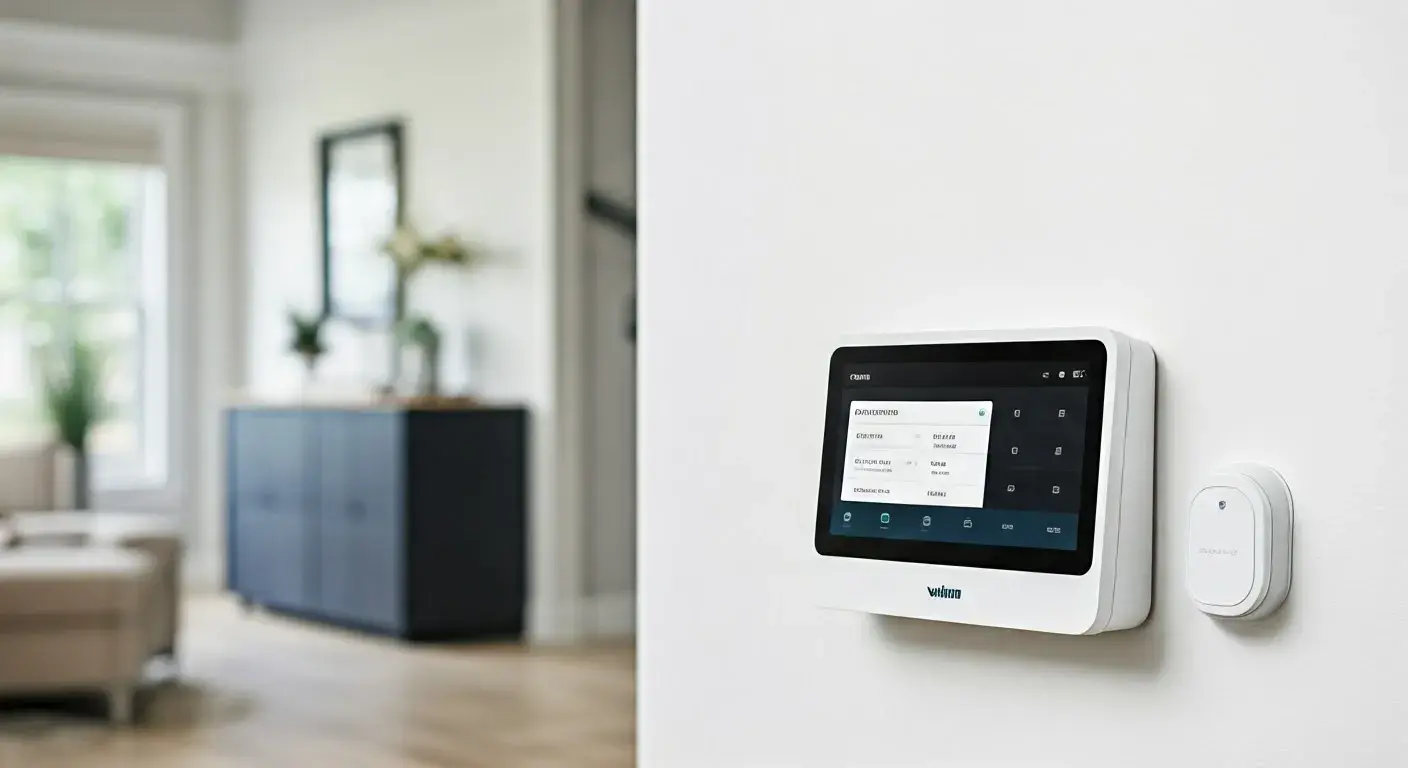
The central hub of the Vivint system, often referred to as the Vivint Panel (e.g., the Vivint Smart Hub or its predecessors), acts as the brain of the operation. It communicates with all installed sensors, cameras, and smart home devices. Its ability to connect to the outside world—specifically, to Vivint's monitoring centers and your mobile device for remote access—is paramount. This connection is typically established through a combination of technologies, with one being more crucial than the others when Wi-Fi is absent.
Vivint's architecture is built to prioritize security and uninterrupted service. This design philosophy directly influences how it handles connectivity, especially in scenarios where a standard home Wi-Fi network might be unavailable or unreliable. The company has invested heavily in ensuring that its systems remain functional and secure, even under less-than-ideal network conditions. This focus on resilience is a significant differentiator in the smart home security market.
Vivint and Cellular Backup: The Primary Solution
The most direct and definitive answer to "Can Vivint be installed without Wi-Fi?" lies in its built-in cellular backup system. This is not merely an add-on feature; it is a fundamental component of the Vivint security ecosystem, designed to ensure that your home remains protected and monitored at all times, regardless of your home's internet status.
Vivint's primary communication path for its security monitoring services is through a dedicated cellular connection. This means that when you have a Vivint system installed, it is automatically equipped with a cellular module. This module connects to cellular networks (similar to how your smartphone connects to a mobile carrier's network) to transmit critical alarm signals to Vivint's 24/7 monitoring center. This is the most vital link for ensuring that if an alarm is triggered, it is promptly received and acted upon by trained professionals.
The cellular backup is designed to be the primary method of communication for alarm events. While many smart home features and remote access capabilities can utilize your home's Wi-Fi network for enhanced speed and functionality, the core security monitoring function is not dependent on it. This is a critical distinction for anyone concerned about the reliability of their security system.
The presence of cellular backup means that even if your home internet goes down due to an outage, your Wi-Fi router malfunctions, or you intentionally choose not to have home internet, your Vivint system will continue to send alarm signals to the monitoring center. This provides a level of security assurance that is often unmatched by systems that rely solely on Wi-Fi for their primary monitoring connection.
For users who might be living in areas with less reliable internet infrastructure, or for those who prefer a more robust and independent security solution, the cellular backup is a game-changer. It offers peace of mind, knowing that the system's most critical function—alerting authorities to emergencies—will operate without interruption. This inherent capability is a cornerstone of Vivint's value proposition for home security.
How Cellular Backup Works for Vivint
Understanding the mechanics of Vivint's cellular backup provides further clarity on how the system operates without Wi-Fi. The process is straightforward but highly effective, ensuring that critical data reaches its destination.
At the heart of the Vivint system is the control panel, which acts as the central communication hub. This panel is equipped with a built-in cellular modem. When any sensor in your home detects an event (e.g., a door or window opening unexpectedly, motion detected, smoke or carbon monoxide detected), it sends a signal to the control panel.
Upon receiving this signal, the control panel immediately assesses the situation. If the system is armed and the detected event constitutes an alarm, the panel initiates a communication sequence. This sequence prioritizes the cellular connection. The cellular modem within the panel establishes a connection with the nearest cellular tower, much like your mobile phone would.
Through this cellular connection, the control panel transmits an alert message to Vivint's secure monitoring center. This message contains vital information, including the type of alarm, the location of the event (which zone was triggered), and your account details. The data is encrypted to ensure security during transmission.
Vivint's monitoring center is staffed 24/7 by trained professionals. Upon receiving the cellular alert, they will verify the alarm (often by attempting to contact you via the panel's two-way voice feature or by calling your designated phone numbers) and dispatch the appropriate emergency services (police, fire department, medical responders) if necessary.
This cellular communication path is designed to be the most reliable for alarm transmission. It bypasses the potential vulnerabilities of a home internet connection, such as router issues, ISP outages, or even intentional tampering with your home network. Therefore, even if your Wi-Fi is down or non-existent, the fundamental security monitoring function of your Vivint system remains active and operational.
It's important to note that while cellular backup handles the critical alarm signals, some advanced smart home features or high-definition video streaming from cameras might be enhanced or primarily function over a Wi-Fi connection due to bandwidth requirements. However, the core security monitoring will always default to the cellular channel when Wi-Fi is unavailable.
Can Vivint Be Installed Without Internet (Wi-Fi or Otherwise)?
This is a crucial distinction. While Vivint systems can operate without *home Wi-Fi*, they generally require some form of internet connectivity for their full functionality and, importantly, for remote access and smart home features. The question then becomes: can you install and have it monitored if you have absolutely no internet service at all, not even cellular?
The answer is nuanced. For the *primary function of alarm monitoring*, the system will rely on its built-in cellular backup. This means that even if you have no home internet (Wi-Fi or wired Ethernet), your system will still communicate alarm events to the Vivint monitoring center. So, in terms of basic security monitoring, the answer is **yes, it can function and be monitored without home internet.**
However, the Vivint system is designed as a comprehensive smart home solution. Many of its advanced features are dependent on an internet connection, primarily for remote access via the Vivint app. These features include:
- Remote Arming/Disarming: Controlling your system from your smartphone when you're away.
- Live Camera Feeds: Viewing real-time video from your Vivint cameras.
- Smart Device Control: Managing smart locks, thermostats, lighting, and garage doors remotely.
- Notifications and Alerts: Receiving push notifications on your phone for various events (e.g., door opened, motion detected).
- System Updates: Receiving firmware updates for the panel and connected devices.
If you have absolutely no internet connection whatsoever (no Wi-Fi, no cellular data on your phone for the app), you will lose access to these features. You would still be able to arm and disarm the system locally using the control panel, and crucially, alarm events would still be transmitted to the monitoring center via cellular backup. But the "smart" aspect, the remote control and real-time monitoring via the app, would be significantly limited or unavailable.
Therefore, while Vivint can be installed and *monitored* without home Wi-Fi or any other home internet service, it is not designed to operate as a fully featured smart home system in a complete internet vacuum. The cellular backup ensures security monitoring, but the smart home capabilities are best experienced with a stable internet connection.
For individuals who truly have no internet and are looking for basic, monitored security, Vivint's cellular backup makes it a viable option. However, for those who want the full suite of smart home conveniences, some form of internet connectivity is highly recommended.
Exploring Alternative Connectivity Solutions
Given that Vivint's core monitoring relies on cellular backup, what if you want to enhance its functionality without a traditional home Wi-Fi network, or if you have specific connectivity challenges? There are several alternative strategies and technologies to consider, especially for 2025-26, where network solutions are constantly evolving.
Using a Mobile Hotspot or Cellular Router
One of the most practical ways to provide an internet connection for your Vivint system, without relying on a standard home internet service provider (ISP), is by using a dedicated cellular router or a mobile hotspot.
- Cellular Router: These devices are designed to connect to cellular networks (like a modem) and then broadcast a Wi-Fi signal within your home. You would need a data plan for the router. This is an excellent solution for areas with poor or no traditional broadband availability.
- Mobile Hotspot: Many smartphones have a built-in feature to create a Wi-Fi hotspot using their cellular data. While convenient for occasional use, it's generally not recommended as a permanent solution for a security system due to potential data limits, battery life, and reliability concerns compared to a dedicated router. However, it can be a temporary workaround.
Pros: Provides a stable Wi-Fi network for Vivint and other smart devices, can be used in areas without traditional broadband, offers flexibility.
Cons: Requires a separate data plan and potentially a monthly fee, performance depends on cellular signal strength, potential data caps.
Ethernet Connection (If Available)
While the question is about "without Wi-Fi," it's worth noting that if your Vivint panel has an Ethernet port (older models did, newer ones might rely more on Wi-Fi or cellular), you could connect it directly to your router. This provides a wired, stable connection. If you have a situation where Wi-Fi is problematic but a wired connection to your modem/router is possible, this is a highly reliable option.
Pros: Highly stable and reliable connection, less susceptible to interference than Wi-Fi.
Cons: Requires a physical cable run, dependent on having a router with an available Ethernet port and proximity.
Mesh Wi-Fi Systems (for Extended Coverage)
If your concern is not the absence of internet but rather poor Wi-Fi coverage in certain areas of your home, a mesh Wi-Fi system can be a solution. These systems use multiple nodes to create a seamless Wi-Fi network throughout your house. While this still requires an underlying internet connection, it ensures that your Vivint panel and devices have a strong, consistent signal.
Pros: Improves Wi-Fi coverage and eliminates dead zones, seamless roaming between nodes.
Cons: Requires an existing internet connection, can be more expensive than a single router.
Satellite Internet
For very remote locations where no other form of internet is available, satellite internet is an option. However, it's important to be aware of the characteristics of satellite internet.
Pros: Available in virtually any location with a clear view of the sky.
Cons: Often has higher latency (delay), can be affected by weather, data caps are common, and it might not be ideal for real-time streaming from cameras due to latency and potential data limits. However, for basic Vivint monitoring and app usage, it could suffice.
When considering these alternatives, always check the specific requirements of the Vivint system you are installing. The primary goal is to ensure that the system can communicate reliably with Vivint's monitoring center, and secondarily, to enable the smart home features you desire.
Impact on Features and Functionality
The absence of a Wi-Fi connection, or any internet connection for that matter, will have a direct impact on the functionality of your Vivint system. While the core security monitoring remains robust due to cellular backup, the "smart" aspects are where you'll notice the most significant differences.
Core Security Monitoring (Alarm Signals)
As repeatedly emphasized, this is the area least affected. Vivint's cellular backup ensures that alarm events—such as intrusion, fire, carbon monoxide, or medical emergencies—are transmitted to the 24/7 monitoring center. This critical function will continue to operate seamlessly even if your home Wi-Fi is down or non-existent. This is the primary safety net provided by Vivint.
Remote Access and Control (Vivint App)
This is where the impact is most pronounced. The Vivint app on your smartphone or tablet connects to your system via the internet.
- Without Wi-Fi and no other internet: You will lose the ability to remotely arm or disarm your system, check its status, or receive push notifications for events. The app will likely show your system as "offline" or inaccessible.
- With cellular backup but no home Wi-Fi: If you've set up a cellular router or hotspot, the app will function as expected, allowing remote control and notifications.
Video Surveillance (Vivint Cameras)
Vivint offers a range of indoor and outdoor cameras.
- Live Streaming: Viewing live feeds from your cameras typically requires a good internet connection. Without Wi-Fi (and relying only on cellular backup for alarm signals, not data streaming), you won't be able to view live feeds through the app.
- Cloud Storage and Playback: Recorded video clips are usually stored in the cloud and accessed via the app. This functionality is dependent on an internet connection. If you have a cellular router, this will work. If you have no internet at all, recorded clips may not be uploaded or accessible.
- Motion-Triggered Alerts: While the camera might detect motion, sending the associated video clip to the cloud for viewing will require an internet connection.
Smart Home Automation
Features like smart locks, thermostats, lighting control, and garage door openers are integrated into the Vivint ecosystem.
- Remote Control: Adjusting your thermostat, locking doors, or turning lights on/off remotely requires an internet connection.
- Automation Rules: Pre-programmed rules (e.g., "turn on lights when motion is detected after sunset") might still function locally on the panel if they don't require external data, but the ability to modify or monitor these rules remotely will be lost.
Two-Way Voice
The Vivint panel often features two-way audio, allowing communication between the panel and the monitoring center, or between you and someone at your door via the doorbell camera. This functionality relies on an internet connection for clear, real-time audio transmission. While basic audio might transmit over cellular for alarm verification, full two-way conversations are best over Wi-Fi or a stable broadband connection.
System Updates
Firmware updates for the Vivint panel and connected devices are delivered over the internet. Without an internet connection, your system will not receive these updates, which can be important for security patches, new features, and bug fixes.
In summary, while Vivint can provide essential security monitoring without Wi-Fi via its cellular backup, the rich experience of a "smart" home system—remote control, live video, and advanced automation—is significantly diminished or entirely lost without a stable internet connection.
Vivint vs. Competitors: A Connectivity Comparison (2025-26)
The home security market in 2025-26 is highly competitive, with various providers offering different approaches to connectivity. Understanding how Vivint stacks up against its peers in terms of reliance on Wi-Fi versus cellular backup is crucial for making an informed decision.
Vivint's Approach: Cellular-First Monitoring
Vivint's primary strength lies in its integrated cellular backup system. For core alarm monitoring, it is designed to be independent of home internet. This makes it a robust choice for users who prioritize uninterrupted security monitoring above all else. Their model often involves a monthly service fee that covers this cellular communication.
Competitor Landscape: A Spectrum of Connectivity
Many other home security providers offer varying levels of connectivity reliance.
DIY Systems (e.g., Ring Alarm, SimpliSafe)
These systems often offer cellular backup as an optional add-on or a feature of their higher-tier monitoring plans.
- Wi-Fi Dependency: Their primary communication method is typically Wi-Fi. If your Wi-Fi goes down, the system may lose its connection to the monitoring center unless you have purchased the cellular backup.
- Cellular Backup: When purchased, it functions similarly to Vivint's, providing a fallback for alarm signals. However, it's often an extra cost.
- Smart Features: Remote access and smart home integrations are heavily reliant on Wi-Fi.
Comparison: Vivint's integration of cellular backup as standard for monitoring offers a more consistent baseline security. DIY systems provide flexibility but require careful selection of monitoring plans to ensure cellular redundancy.
Traditional Security Companies (e.g., ADT Command, Brinks Home)
These companies often have a legacy of landline communication but have evolved to include IP and cellular options.
- Multiple Communication Paths: Many offer a combination of landline, broadband (Ethernet/Wi-Fi), and cellular backup. This redundancy can be very strong.
- Professional Installation: Similar to Vivint, they typically offer professional installation and a service contract.
- Monitoring Fees: Costs can vary, and the inclusion of cellular backup is often part of a comprehensive package.
Comparison: Vivint often excels in its user-friendly app interface and integrated smart home ecosystem, whereas some traditional companies might offer more diverse communication pathways or longer-standing monitoring infrastructure.
Smart Home Hubs with Security Features (e.g., Google Nest, Amazon Alexa integrations)
These platforms are primarily designed around Wi-Fi and cloud connectivity.
- Wi-Fi Dependent: Security features within these ecosystems are almost exclusively reliant on a stable Wi-Fi connection.
- Limited Dedicated Monitoring: While they can send notifications, they typically do not offer 24/7 professional monitoring services in the same way as dedicated security companies.
- No Cellular Backup: Cellular backup for critical alarm events is generally not a feature.
Comparison: These are not direct competitors for comprehensive security monitoring. They are more for basic alerts and smart home convenience. Vivint is built for robust security first.
Table: Connectivity Features Comparison (2025-26)
| Feature | Vivint | DIY Systems (e.g., Ring, SimpliSafe) | Traditional Companies (e.g., ADT) |
|---|---|---|---|
| Primary Monitoring Connection | Cellular (Integrated) | Wi-Fi (Optional Cellular Backup) | Landline, Broadband, Cellular (often tiered) |
| Works Without Home Wi-Fi? (for monitoring) | Yes (via cellular) | No, unless cellular backup is added | Yes (if landline or cellular is primary/backup) |
| Smart Features (App Control, Video) | Requires Internet (Wi-Fi or Cellular Router) | Requires Wi-Fi (or internet via cellular router) | Requires Internet (Wi-Fi or broadband) |
| Integrated Smart Home Ecosystem | Strong | Varies, often ecosystem-specific | Varies, often integrates with third parties |
In conclusion, Vivint's integrated cellular backup positions it strongly for users who need guaranteed monitoring without relying on home Wi-Fi. While competitors offer similar features, they often require additional purchase or configuration for this level of redundancy.
Installation Considerations for Non-Wi-Fi Setups
Installing a Vivint system when you don't have a traditional home Wi-Fi network requires a slightly different approach to planning and setup. The primary focus shifts from ensuring Wi-Fi signal strength to confirming cellular reception and providing a stable internet source for smart features if desired.
1. Cellular Signal Strength Assessment
The most critical factor for a non-Wi-Fi setup is the cellular signal strength at your home. Vivint uses its own cellular communication module.
- During Consultation: Vivint technicians will typically assess cellular reception during their initial consultation. They will check signal strength at the planned location for the control panel.
- DIY Installation (if applicable): If you are performing a DIY installation (though Vivint is primarily professionally installed), you would need to test cellular signal strength in various locations within your home where the panel might be placed. You can often do this by checking the signal bars on a smartphone that uses a similar cellular network.
- Impact of Location: Basements, thick walls, or remote locations can sometimes impede cellular signals. If signal strength is weak, Vivint might suggest alternative panel placements or discuss potential signal boosters, though this is less common for their integrated systems.
2. Power Source for the Control Panel
The Vivint control panel requires a constant power source.
- Standard Outlet: Ensure there is an accessible power outlet near where the panel will be installed.
- Battery Backup: The panel has a built-in battery backup for power outages, but this is separate from internet connectivity.
3. Location of the Control Panel
While Wi-Fi signal strength is not a concern, the panel's placement still matters for:
- Cellular Reception: As mentioned, place it where cellular signals are strongest.
- Sensor Range: Ensure it's centrally located to maintain good communication range with all your wireless sensors (door/window sensors, motion detectors, etc.).
- Audibility: For the audible alarm and two-way voice features.
- Accessibility: For easy arming/disarming and system interaction.
4. Internet Connection for Smart Features (Optional but Recommended)
If you want to use the Vivint app for remote control, live camera feeds, and smart home automation, you'll need to provide an internet connection.
- Cellular Router/Hotspot: If you plan to use a cellular router or mobile hotspot, ensure it's set up and functioning reliably before or during the Vivint installation. The Vivint panel can then connect to this Wi-Fi network.
- Placement of Router: If using a cellular router, ensure it's placed strategically to get the best cellular signal and to broadcast a strong Wi-Fi signal throughout your home.
5. Camera Placement
Vivint cameras (doorbell, indoor, outdoor) will connect wirelessly to the Vivint hub or directly to your Wi-Fi network (if you have one established via a cellular router).
- Power: Ensure cameras have access to power (battery-powered, wired, or doorbell transformer).
- Wi-Fi Range: If they connect via Wi-Fi, ensure they are within range of your Wi-Fi network provided by your cellular router or hotspot.
6. Professional Installation is Key
Vivint systems are designed for professional installation. This is particularly important for non-Wi-Fi setups. The technician's expertise in assessing cellular signals, optimal panel placement, and ensuring all components are correctly configured for reliable communication is invaluable. They will test the system thoroughly to confirm that alarm signals are being sent and received correctly, and that any established internet connection for smart features is working.
By focusing on cellular signal strength and planning for an alternative internet source if smart features are desired, you can ensure a successful Vivint installation even without a traditional home Wi-Fi network.
Troubleshooting Connectivity Issues
Even with Vivint's robust cellular backup, connectivity issues can occasionally arise. Troubleshooting these problems promptly is essential to maintaining your home security.
Common Issues and Initial Checks
1. System Shows as "Offline" in the App:
- Check Your Internet Connection: If you are using Wi-Fi (via a cellular router or otherwise), ensure your internet service is active. Reboot your router and modem.
- Check Cellular Signal (for monitoring): While less common for the primary monitoring, if the panel is struggling to connect to the cellular network, it might display an error. Ensure the panel is not obstructed and has a clear path to where cellular signals are typically strong.
- Power Cycle the Panel: Sometimes, simply rebooting the Vivint panel can resolve temporary communication glitches. Follow Vivint's instructions for a safe reboot.
2. Cameras Not Streaming or Recording:
- Check Wi-Fi Connection: Ensure the camera is connected to your Wi-Fi network (provided by your cellular router or hotspot). Check the Wi-Fi signal strength at the camera's location.
- Check Internet Bandwidth: High-definition video streaming requires significant bandwidth. If your internet connection is slow or overloaded, cameras might struggle.
- Reboot Camera: Try rebooting the individual camera.
- Check Vivint App Settings: Ensure video recording and streaming are enabled in your app settings.
3. Smart Device Control Issues (Locks, Thermostat):
- Check Internet Connection: These devices rely on the internet to communicate with the Vivint app and panel. Ensure your internet is working.
- Check Device Power: Ensure the smart device itself is powered on and functioning.
- Re-sync Devices: Sometimes, devices may need to be re-synced with the Vivint system.
4. No Alarm Notifications Received:
- Check App Notification Settings: Ensure push notifications are enabled for the Vivint app on your smartphone.
- Check Phone's Network Connection: Ensure your smartphone has a stable cellular or Wi-Fi connection to receive notifications.
- Verify Monitoring Service: Confirm that your Vivint monitoring service is active and up-to-date.
When to Contact Vivint Support
If you've gone through the basic troubleshooting steps and are still experiencing issues, it's time to contact Vivint customer support. They have specialized tools to diagnose system-wide problems.
- Provide Details: When you call, be ready to describe the specific problem, any error messages you're seeing, and the troubleshooting steps you've already taken.
- Cellular Signal Issues: If you suspect a problem with the primary cellular connection for monitoring, Vivint support can run remote diagnostics.
- System Malfunctions: For any issues that seem to indicate a hardware or software malfunction with the panel or sensors, Vivint support is your best resource.
- Account Issues: If there are any concerns about your monitoring service or account status, they can clarify.
Remember, the cellular backup is designed for resilience. If your system is consistently failing to communicate alarm signals, it's a critical issue that Vivint support will prioritize. For smart feature issues, they can guide you through more advanced network troubleshooting or recommend solutions.
Making the Right Choice for Your Home Security
The question "Can Vivint be installed without Wi-Fi?" is a critical one for many homeowners, particularly those in areas with unreliable internet or those seeking maximum security resilience. The answer, in essence, is a resounding **yes, for core security monitoring.** Vivint's integrated cellular backup system is specifically designed to ensure that your home remains protected and monitored by professionals 24/7, even if your home internet connection is unavailable. This fundamental capability is a significant advantage.
However, it's crucial to understand the trade-offs. While the security monitoring remains robust, the "smart" features that make Vivint a comprehensive smart home solution—such as remote app control, live video streaming, and advanced automation—are dependent on an internet connection. If you have absolutely no internet whatsoever, these features will be significantly limited or unavailable.
For those without home Wi-Fi, consider using a dedicated cellular router or a reliable mobile hotspot to provide the necessary internet connection for these smart features. This approach allows you to leverage Vivint's full capabilities while maintaining independence from traditional ISPs.
Ultimately, the choice depends on your priorities. If uninterrupted, professional security monitoring is your absolute top priority, Vivint excels even without Wi-Fi. If you also desire the convenience of remote smart home control and live video, ensuring a stable internet connection, either through a cellular router or a traditional broadband service, will be necessary. By understanding Vivint's connectivity options and planning accordingly, you can build a secure and smart home that meets your specific needs.