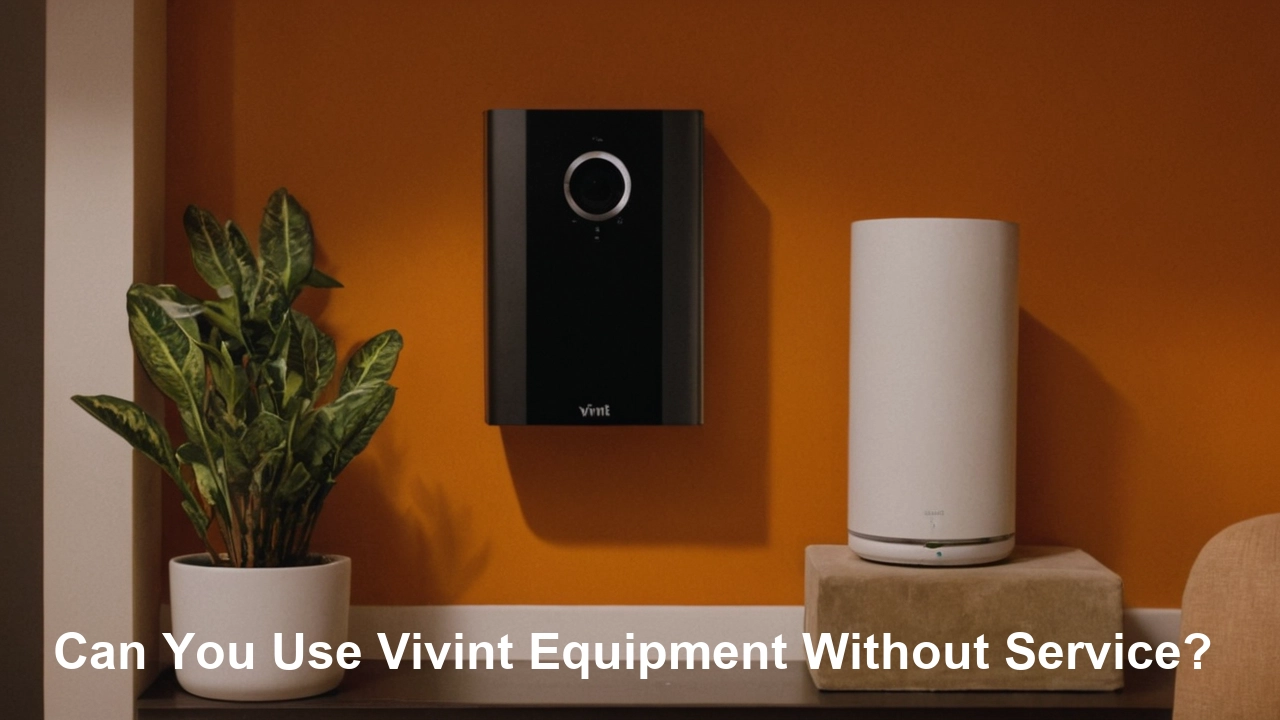
Exploring the functionality of your existing smart home devices is a common concern. This guide directly addresses whether you can utilize Vivint equipment without an active service plan, offering clarity on limitations, potential workarounds, and what to expect in 2025-26.
Understanding the Vivint Ecosystem
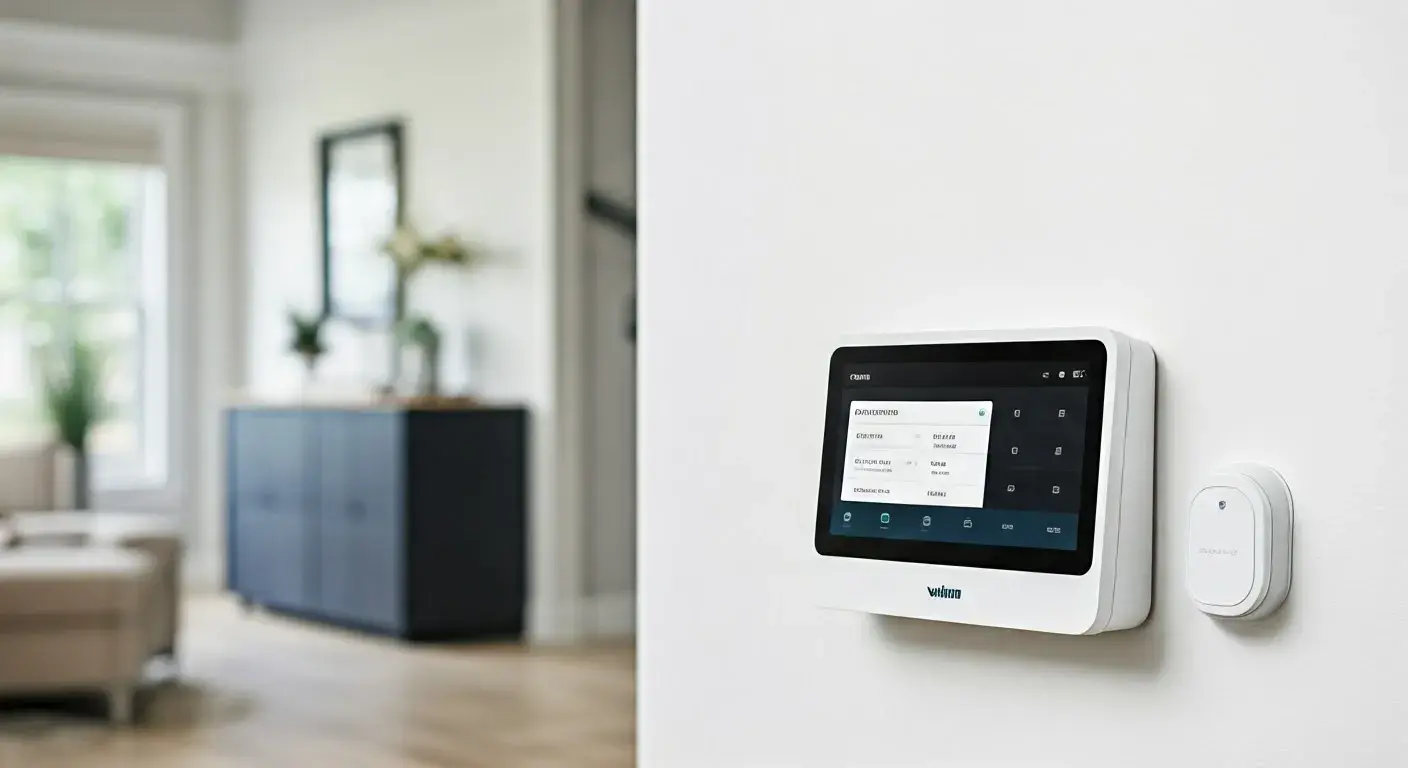
Vivint operates as a comprehensive smart home and security provider, distinguished by its integrated ecosystem. Unlike many DIY smart home brands where devices communicate independently or through a central hub controlled by the user, Vivint's system is designed to be a cohesive unit. This means that sensors, cameras, smart locks, thermostats, and even lighting are intended to work in tandem, managed through a proprietary platform. The core of this integration lies in the Vivint Smart Hub (often referred to as the panel) and the associated cloud services. This central hub acts as the brain of the operation, orchestrating communication between devices and connecting them to the Vivint monitoring center and your mobile app. The service plan is not merely an optional add-on; it's the engine that powers the majority of the system's advanced features, including remote access, professional monitoring, and cloud storage for video footage. Understanding this fundamental architecture is crucial when considering the use of Vivint equipment outside of its intended, serviced environment. The proprietary nature of many Vivint components also means they are not typically designed for direct integration with third-party smart home platforms without specific adapters or workarounds, which are often limited or unsupported by Vivint.
Can You Use Vivint Equipment Without Service? The Direct Answer
The straightforward answer to "Can you use Vivint equipment without service?" is: Yes, but with significant limitations. Vivint equipment is engineered to function optimally within its dedicated service ecosystem. When you disconnect from a Vivint service plan, the core functionalities that define a smart home and security system – such as professional monitoring, remote access via the Vivint app, cloud video storage, and advanced automation – cease to operate. However, some basic, localized functions of certain devices might persist. This distinction is vital for consumers looking to repurpose older equipment or those who have acquired Vivint devices second-hand. It's not a simple plug-and-play scenario for most components once the service is deactivated. The system relies heavily on its connection to Vivint's servers for almost all interactive features. Without this connection, the "smart" aspect of the "smart home" is largely diminished.
Vivint Equipment Functionality Without Service: What Works and What Doesn't
To truly understand the implications of using Vivint equipment without a service plan, it's essential to break down the functionality of individual components and the system as a whole. In 2025-26, the landscape remains largely consistent with previous years, emphasizing the integrated nature of Vivint's offerings.
Basic Device Operation
Some basic, localized functions of Vivint devices might continue to operate without an active service plan, provided they are powered and have a local network connection (if applicable). For instance, a Vivint door sensor might still detect when a door is opened or closed. A motion detector might still sense movement. A smart lock, in its most rudimentary form, might still allow manual key entry or basic keypad access if it has an independent keypad function. However, the crucial element missing is the communication of these events to any central system or to you remotely. The "intelligence" that translates these physical events into alerts or triggers for automation is dependent on the Vivint service.
App Control and Monitoring
This is one of the most significantly impacted areas. The Vivint app is the primary interface for controlling and monitoring your system. Without an active service plan, you will lose:
- Remote access: You cannot arm or disarm your system, view live camera feeds, or receive real-time notifications on your smartphone.
- Device status: You won't be able to check if doors are locked, if motion has been detected, or the current temperature from your thermostat through the app.
- System configuration: Adjusting settings, adding new devices (even if they were previously part of your system), or managing user codes will likely be impossible.
The app essentially becomes a dormant interface, unable to communicate with the Vivint servers that manage your connected devices.
Smart Home Automation
Vivint's strength lies in its ability to create automated routines – for example, turning on lights when motion is detected after sunset, or adjusting the thermostat when you leave home. These automations are orchestrated through the Vivint Smart Hub and its connection to Vivint's cloud. Without an active service, these automations will not function. The sensors will detect events, but there will be no central processing unit or cloud service to trigger the pre-programmed responses. This means your smart lights won't turn on automatically, your smart locks won't engage based on your location, and your thermostat won't adjust based on occupancy or time of day through the Vivint system.
Security Features
The core security features are almost entirely dependent on the service plan. This includes:
- Professional Monitoring: This is the cornerstone of Vivint's security offering. Without a service plan, the system cannot communicate with Vivint's 24/7 monitoring center. If an alarm is triggered (e.g., by a door sensor or motion detector), no authorities will be dispatched.
- Alarm Notifications: You will not receive alerts on your phone or any other device if an alarm is triggered.
- Video Recording and Storage: Vivint's smart cameras typically record clips triggered by motion or other events, and these are stored in the cloud for later viewing. Without a service plan, this cloud storage is unavailable, and often, the cameras themselves will cease recording or transmitting footage.
Effectively, the system reverts from a monitored security solution to a collection of standalone, non-communicating sensors.
Remote Access
Remote access is a key benefit of modern smart home systems, allowing users to interact with their home from anywhere. For Vivint, this encompasses:
- Arming/Disarming: You cannot remotely arm or disarm your security system.
- Live Camera Feeds: Accessing live video streams from your Vivint cameras will be impossible.
- Two-Way Audio: Using the two-way audio feature on Vivint doorbells or cameras will be disabled.
- Smart Lock Control: Remotely locking or unlocking your smart door locks will not be possible.
This loss of remote control significantly diminishes the "smart" aspect of the home, as the ability to manage your home environment and security while away is a primary driver for many users.
Common Misconceptions and Realities
A frequent misconception is that once you own the Vivint hardware, it functions like other off-the-shelf smart home devices, capable of independent operation or easy integration with platforms like Google Home or Amazon Alexa. This is largely untrue for Vivint equipment. The devices are designed to be proprietary and communicate exclusively through the Vivint Smart Hub and its associated cloud infrastructure.
Reality: Vivint equipment is heavily reliant on its proprietary network and cloud services. While a sensor might detect an event (e.g., a window opening), without the Vivint service, that detection goes uncommunicated. The system is not designed to broadcast these events to other smart home hubs or to function as standalone smart devices. For example, a Vivint motion sensor will not trigger a Philips Hue bulb on a separate Zigbee network without the Vivint system acting as an intermediary, which requires an active service.
Another misconception is that even without a monitoring service, the basic security alerts will still function locally. While some older alarm systems might offer local sirens or basic panel alerts, Vivint's modern approach prioritizes cloud-based notifications and professional monitoring. Without the service, the siren might still sound if triggered locally (though this can also be disabled remotely), but the critical element of notification and dispatch is lost.
Reality: The Vivint app is the gateway to most functionalities. Without a service plan, the app will likely display a "disconnected" status or offer very limited, non-interactive information. You cannot reconfigure devices, update firmware, or even verify device status through the app without an active subscription. This lack of control and visibility is a significant drawback.
Furthermore, many users assume that if they purchase Vivint equipment second-hand, it will be easy to activate with a new service plan. While Vivint may allow activation of certain equipment, there are often restrictions based on the age and type of the device. Vivint also has policies around "locked" equipment that was leased rather than purchased outright. It's crucial to verify the eligibility of any used Vivint equipment before assuming it can be brought back into service.
Alternatives and Workarounds
Given the limitations, individuals looking to use Vivint equipment without service often explore a few avenues. These are generally not officially supported by Vivint and may involve technical expertise or a willingness to accept reduced functionality.
Selling or Repurposing Vivint Equipment
One of the most practical approaches for those who no longer have a Vivint service plan is to sell the equipment. Vivint devices, particularly cameras and sensors, can often be sold on platforms like eBay, Facebook Marketplace, or specialized electronics resale sites. Buyers might be looking for replacement parts for their existing Vivint system or may have found ways to integrate them into non-Vivint setups (though this is complex and often unsupported).
Repurposing is more challenging. For instance, a Vivint camera, stripped of its cloud connectivity, becomes a high-quality but essentially useless piece of hardware for most users. It cannot easily be converted into a standard IP camera that connects to a generic NVR or home network without significant, often unsupported, technical modifications. The same applies to sensors; they are designed to communicate with the Vivint hub, not to broadcast their status via Wi-Fi or Bluetooth to other systems.
Integrating with Other Systems
Direct integration of Vivint equipment with popular smart home ecosystems like Amazon Alexa, Google Home, or Apple HomeKit is generally not possible without a Vivint service plan. These integrations are typically enabled through cloud-to-cloud connections managed by Vivint. When the service is inactive, these connections are severed.
Some advanced users might explore the possibility of "jailbreaking" or reverse-engineering the Vivint Smart Hub or individual devices to allow them to communicate with other systems. This is highly technical, voids any warranty, is not supported by Vivint, and is often unreliable. It requires a deep understanding of networking protocols and embedded systems. For the vast majority of users, this is not a feasible or recommended path.
Example: A user might wish to use a Vivint motion sensor to trigger a non-Vivint smart light. Without the service, the motion sensor cannot send a signal to a hub like SmartThings or Hubitat. The Vivint hub itself is locked into the Vivint ecosystem. Therefore, the intended automation cannot occur.
Considering Third-Party Systems
For users who find themselves with Vivint equipment but no service, or for those looking to build a smart home system from scratch, the most straightforward and reliable solution is to invest in equipment from brands that support open standards and offer robust third-party integrations.
Examples of reliable third-party systems in 2025-26 include:
- SmartThings: A versatile hub that supports Z-Wave, Zigbee, and Wi-Fi devices from a wide range of manufacturers, offering extensive integration possibilities with Alexa, Google Assistant, and IFTTT.
- Hubitat Elevation: Known for its local processing capabilities, Hubitat offers powerful automation and device compatibility without relying on cloud services for core functions.
- Home Assistant: A powerful open-source platform that provides unparalleled customization and integration options for technically inclined users.
These systems allow for greater flexibility, interoperability, and often a more cost-effective approach to building a smart home compared to proprietary, service-dependent systems like Vivint. If you're looking for a system that offers flexibility and control without being tied to a specific provider's service, exploring these alternatives is highly recommended.
The Role of Vivint Service in 2025-26
As we look towards 2025-26, the role of Vivint's service plan remains central to the company's value proposition. Vivint continues to position itself as a premium, integrated smart home and security solution that offers peace of mind through professional monitoring and advanced features. The service plan is not just about keeping the lights on; it's about unlocking the full potential of the Vivint ecosystem.
The service plan in 2025-26 will continue to encompass:
- 24/7 Professional Monitoring: The primary driver for many Vivint customers, ensuring that emergencies are handled by trained professionals.
- Remote Access and Control: Full functionality of the Vivint app for managing security, cameras, locks, and other connected devices from anywhere.
- Cloud Video Storage: Access to recorded video clips from Vivint cameras, a critical feature for security and evidence.
- System Updates and Support: Ensuring the hardware and software are up-to-date and providing customer support for the integrated system.
- Advanced Automation and Integration: The seamless operation of smart home routines and the integration between various Vivint devices.
Vivint's business model is built around these recurring service revenues. Therefore, the company has little incentive to enable full functionality of its equipment without an active subscription. While basic local functions might persist, the core "smart" and "secure" aspects are inextricably linked to the service. In 2025-26, expect Vivint to continue refining its service offerings, potentially introducing new features or tiered plans, but the fundamental requirement of a service plan for full functionality will remain.
Case Studies and Examples
To illustrate the practical implications, let's consider a couple of hypothetical scenarios:
Case Study 1: The Relocated Homeowner
Sarah moved into a new home that already had a Vivint system installed by the previous owner. She decided not to continue the Vivint service, opting instead for a different security provider. She still has the Vivint panel, several door/window sensors, a motion detector, and a doorbell camera.
Without Vivint Service:
- The Vivint panel is largely a black screen, displaying minimal information.
- She cannot arm or disarm the system remotely via the Vivint app.
- The doorbell camera does not record or send notifications when someone rings the bell or motion is detected.
- The door/window sensors and motion detector do not trigger any alerts on her phone or connect to her new security system.
- She cannot use the panel to control any smart lights or thermostats that were previously integrated.
Sarah's options are to sell the Vivint equipment and purchase new, compatible devices for her chosen security system, or to attempt complex, unsupported integrations that are unlikely to be reliable.
Case Study 2: The DIY Enthusiast with Old Equipment
Mark had a Vivint system for several years but recently decided to switch to a fully DIY smart home setup using Home Assistant. He has a Vivint Smart Hub and a few older cameras.
Without Vivint Service:
- The Smart Hub is essentially an expensive, non-functional display piece.
- The cameras cannot be accessed remotely, nor can they record footage to the cloud.
- Mark cannot use the cameras as standard IP cameras on his Home Assistant network without specialized, often expensive, and unsupported hardware or software hacks.
- He has tried to find online forums detailing how to "flash" the Vivint hub or cameras to work with other systems, but these methods are often outdated, require advanced technical skills, and carry a high risk of bricking the devices.
Mark's experience highlights that while the hardware might be physically present, its "smart" capabilities are locked behind the service. He ends up selling the old Vivint gear and investing in Zigbee or Z-Wave devices that are known to be compatible with Home Assistant.
Expert Advice and Recommendations
As an SEO strategist and content creator focused on providing actionable advice, here's my recommendation regarding Vivint equipment and service:
For current Vivint customers: If you are considering discontinuing your Vivint service, be fully aware of what you will lose. The system is designed for an integrated, monitored experience. If your primary goal is security and convenience through a professionally monitored system, maintaining the service is essential. If you are looking to save money, explore Vivint's different service tiers or negotiate your current plan before canceling entirely. Understand that canceling service means losing remote access, professional monitoring, and video storage, effectively turning your smart home into a collection of inert devices.
For individuals acquiring used Vivint equipment: Proceed with extreme caution. Unless you are purchasing the equipment specifically to supplement an existing, active Vivint service plan (and have confirmed compatibility with Vivint), it is generally not advisable to buy used Vivint gear. The likelihood of being able to use it effectively without a service plan is very low. The cost and effort involved in attempting unsupported integrations often outweigh the savings compared to purchasing new, compatible devices from brands that support open standards.
For those building a new smart home or security system: If you are not committed to a specific provider like Vivint, I strongly recommend exploring systems that offer greater flexibility and interoperability. Brands and platforms like Ring (which offers some standalone functionality for its cameras, though monitoring is service-based), SimpliSafe (with its own service model but more user-friendly device management), or open-source solutions like Home Assistant or Hubitat provide better long-term value and adaptability. When choosing devices, look for compatibility with standard protocols such as Wi-Fi, Zigbee, Z-Wave, or Matter. This ensures your investment will remain useful even if you switch ecosystems or providers in the future.
Key Takeaway: Vivint equipment is a proprietary system. Its value and functionality are deeply tied to its service plan. Expect minimal functionality without it. For true smart home integration and security, a service plan is generally required. If you need flexibility, opt for systems designed for broader compatibility.
Conclusion
In summary, the question "Can you use Vivint equipment without service?" yields a nuanced answer: yes, but with severe limitations that render most of its "smart" and "secure" features inoperable. While basic local functions of sensors might persist, the core benefits of remote access, professional monitoring, app control, and cloud video storage are entirely dependent on an active Vivint service plan. In 2025-26, Vivint's integrated ecosystem continues to rely on this model, making its equipment largely non-functional as standalone smart devices.
For those considering purchasing used Vivint equipment or discontinuing their service, it's crucial to understand that you will be left with hardware that cannot communicate with its intended network or provide the functionalities you likely purchased it for. The most practical advice for individuals in this situation is to sell the Vivint equipment and invest in smart home devices and systems that support open standards and offer greater flexibility and interoperability. Platforms like SmartThings, Hubitat, or Home Assistant provide robust alternatives that empower users with control and customization without being locked into a specific service provider's ecosystem. Ultimately, choosing the right system upfront based on your long-term needs for integration and control will save considerable frustration and expense.