Colorado's Safest Cities: Top Picks for Secure Living
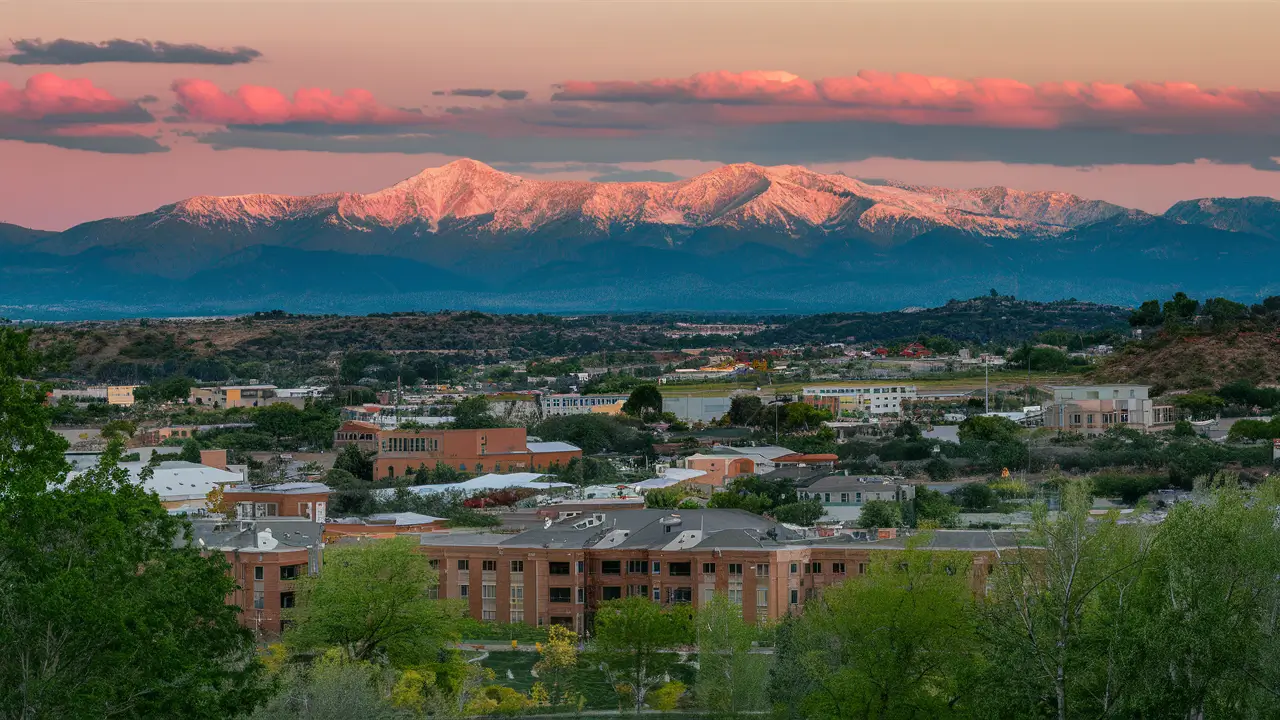
Discovering Colorado's safest cities for your next move or investment means balancing idyllic scenery with peace of mind. This guide dives deep into the metrics that define secure living, presenting top contenders for 2025-26 that offer both safety and quality of life.
Understanding Safety Metrics in Colorado
When we talk about "safest cities," what exactly are we measuring? It's a multifaceted concept that goes beyond simple crime statistics, though those are undeniably crucial. For 2025-26, a comprehensive safety assessment in Colorado involves analyzing several key indicators. These include violent crime rates (homicide, rape, robbery, aggravated assault) and property crime rates (burglary, larceny-theft, motor vehicle theft). However, a truly safe community is also one with a strong sense of community, good infrastructure, and a stable economy. We also look at factors like emergency preparedness, the quality of local law enforcement, and even environmental safety.
The FBI's Uniform Crime Reporting (UCR) Program remains a foundational source, providing standardized data across the nation. For 2025-26, we are also seeing increased emphasis on community-led safety initiatives and the impact of local governance on crime prevention. It's important to remember that statistics are often presented per capita, meaning per 1,000 or 100,000 residents, to allow for fair comparisons between cities of different sizes. A city with a low absolute number of crimes might still have a high per capita rate if its population is very small.
Beyond raw numbers, qualitative aspects play a significant role. Do residents feel safe walking at night? Is there a visible and responsive police presence? Are community watch programs active? These are questions that official statistics can't always answer but are vital for a complete picture of safety. Our analysis for Colorado's safest cities in 2025-26 aims to integrate both quantitative data and qualitative insights to provide a nuanced perspective.
The Nuances of Crime Statistics
It's vital to approach crime statistics with a critical eye. The reporting of crimes can vary, and certain types of offenses might be more or less likely to be reported depending on community trust in law enforcement and the perceived severity of the crime. For instance, domestic disputes or minor property crimes might have different reporting patterns than violent assaults.
Furthermore, crime rates can fluctuate. A single incident or a localized spike can temporarily skew the numbers. Therefore, looking at trends over several years is often more informative than relying on a single year's data. For our 2025-26 assessment, we've considered recent trends and the general stability of crime rates in the cities we highlight.
Another factor is the definition of "crime." While violent and property crimes are standard, some analyses might include other categories like drug offenses or public order crimes. It's essential to understand what specific metrics are being used when comparing different sources or cities. Our focus remains on the core indicators that most directly impact personal safety and security.
Beyond the Numbers: Community and Environment
A city's safety isn't solely determined by its crime statistics. A strong community fabric, where neighbors know and look out for each other, can be a powerful deterrent to crime. Factors like well-maintained public spaces, good lighting, and active community organizations contribute to a feeling of security. In 2025-26, we're seeing a growing recognition of the importance of social capital in maintaining safe neighborhoods.
Environmental factors also play a role. Areas prone to natural disasters, for example, require robust emergency preparedness plans. While not directly related to crime, a community's ability to respond to and recover from emergencies is a component of overall safety and resilience. We've considered these broader aspects in our evaluation of Colorado's safest cities.
Colorado's Safest Cities: Top Picks for 2025-26
After meticulous research and analysis of the latest available data for 2025-26, we've identified several Colorado cities that stand out for their commitment to safety and security. These cities consistently demonstrate low crime rates, strong community engagement, and proactive approaches to resident well-being. While no place is entirely without risk, these locations offer a superior environment for those prioritizing peace of mind.
Our selection process involved cross-referencing data from law enforcement agencies, demographic studies, and community surveys. We looked for cities with a sustained track record of safety, not just a one-off good year. The following cities represent a diverse range of sizes and geographic locations within Colorado, proving that safety can be found across the state.
1. Castle Rock
Nestled south of Denver, Castle Rock continues to impress with its consistently low crime rates. In 2025, it's recognized for its proactive community policing efforts and a strong emphasis on family-friendly living. The town boasts a robust park system and numerous community events that foster a close-knit atmosphere, which often correlates with lower crime. Property crime rates remain significantly below the state and national averages, and violent crime is exceptionally rare. The town's rapid growth has been managed with a focus on maintaining its safe character.
Key Safety Highlights for Castle Rock (2025-26):
- Low violent crime index.
- Effective community policing initiatives.
- High resident satisfaction with public safety.
- Well-maintained infrastructure and public spaces.
2. Parker
Another Denver-area gem, Parker, is renowned for its excellent quality of life and its commitment to public safety. For 2025-26, Parker continues to leverage technology and community partnerships to enhance security. Its diverse housing options, from suburban neighborhoods to more rural estates, are all served by a dedicated and well-resourced police department. The town's median household income is also robust, often correlating with lower crime rates. Parker's commitment to preserving open spaces and its vibrant downtown area contribute to a sense of security and belonging.
Key Safety Highlights for Parker (2025-26):
- Consistently low property and violent crime rates.
- Strong partnership between law enforcement and community.
- Emphasis on family-oriented activities and safe recreational spaces.
- Active neighborhood watch programs.
3. Loveland
Located in Northern Colorado, Loveland offers a compelling combination of natural beauty and a secure environment. For 2025-26, Loveland's police department is noted for its community-oriented approach, focusing on problem-solving and building trust. The city benefits from a stable economy and a population that actively participates in civic life. Its proximity to the Rocky Mountains provides ample opportunities for outdoor recreation, and these areas are generally well-patrolled and maintained. While larger cities often see higher crime rates, Loveland maintains a remarkably low profile for its size.
Key Safety Highlights for Loveland (2025-26):
- Below-average crime rates for a city of its size.
- Proactive community policing strategies.
- Active engagement in neighborhood safety initiatives.
- Access to natural amenities with a focus on safe enjoyment.
4. Grand Junction
As the largest city in Western Colorado, Grand Junction provides a safe haven in a region known for its stunning landscapes. For 2025-26, Grand Junction has made significant strides in community safety, focusing on reducing both violent and property crimes. The city benefits from a strong local economy driven by tourism and agriculture, and its law enforcement actively engages with residents to address concerns. The emphasis on well-lit streets and community policing patrols contributes to a feeling of security, even in its more developed areas.
Key Safety Highlights for Grand Junction (2025-26):
- Demonstrated commitment to crime reduction strategies.
- Effective collaboration between police and community groups.
- Safe access to surrounding natural attractions.
- Positive trends in property crime reduction.
5. Boulder
While often recognized for its progressive culture and outdoor lifestyle, Boulder also ranks highly for safety in 2025-26. Its affluent demographic and highly educated populace often contribute to lower crime rates. Boulder's police department is well-funded and known for its community engagement and innovative approaches to crime prevention. The city's emphasis on pedestrian and cyclist safety, along with its well-maintained public spaces, further enhances the sense of security for its residents. While property crime can be a concern in any vibrant city, Boulder's overall safety profile remains exceptional.
Key Safety Highlights for Boulder (2025-26):
- Consistently low violent crime rates.
- High levels of community trust in law enforcement.
- Focus on pedestrian and cyclist safety.
- Well-funded and proactive police department.
6. Fort Collins
Home to Colorado State University, Fort Collins offers a dynamic environment with a strong commitment to safety. In 2025-26, the city's police department is recognized for its community-oriented policing and its efforts to address root causes of crime. Fort Collins boasts a vibrant downtown, extensive trail systems, and a strong local economy, all contributing to a high quality of life and a sense of security. The city's proactive approach to urban planning and public safety ensures that its growth does not compromise its residents' well-being.
Key Safety Highlights for Fort Collins (2025-26):
- Low crime rates relative to its population size.
- Strong community policing programs.
- Investment in public safety infrastructure and initiatives.
- Active resident participation in neighborhood safety.
7. Erie
Erie, a growing community situated between Denver and Boulder, has managed its expansion while maintaining a strong focus on safety. For 2025-26, Erie's law enforcement has been lauded for its community engagement and effective crime prevention strategies. The town offers a family-friendly atmosphere with numerous parks and recreational opportunities, all within a secure environment. Its strategic location and planned development have helped keep crime rates impressively low, making it an attractive option for those seeking a peaceful suburban lifestyle.
Key Safety Highlights for Erie (2025-26):
- Exceptionally low crime rates for its growth trajectory.
- Proactive community policing and outreach.
- Emphasis on family-friendly amenities and secure public spaces.
- Strong local governance focused on resident safety.
These cities represent the pinnacle of safety in Colorado for 2025-26. Each offers a unique blend of community, security, and quality of life, making them prime candidates for anyone prioritizing a safe living environment. For more detailed comparisons, consider resources like SafeWise's Colorado Safest Cities Report which often provides in-depth breakdowns.
Factors Contributing to a City's Safety
Understanding what makes a city safe goes beyond just looking at crime statistics. Several interconnected factors contribute to the overall security and well-being of a community. For 2025-26, we've observed that cities that excel in safety often demonstrate strength across multiple domains. These elements work in synergy to create an environment where residents feel secure and protected.
Law Enforcement Effectiveness and Community Relations
The presence and effectiveness of local law enforcement are paramount. This includes not only the number of officers per capita but also their training, responsiveness, and approach to policing. In 2025-26, community-oriented policing models, which emphasize building relationships and trust between officers and residents, are proving highly effective. Cities with strong community relations often see higher reporting rates of suspicious activity and greater cooperation in solving crimes.
Key aspects include:
- Adequate Staffing: Ensuring enough officers to patrol effectively and respond to calls promptly.
- Training and Professionalism: Officers equipped with the latest de-escalation techniques, crisis intervention training, and community engagement skills.
- Community Policing Initiatives: Programs like neighborhood watch support, community liaison officers, and regular public forums foster trust and collaboration.
- Technology Integration: Use of data analytics for crime prediction and resource allocation, alongside modern communication systems.
Socioeconomic Factors and Opportunity
There's a well-documented correlation between socioeconomic conditions and crime rates. Cities with higher poverty levels, unemployment, and income inequality often experience higher crime. Conversely, communities with strong economies, good job opportunities, and accessible education tend to be safer. For 2025-26, cities that invest in job training programs, support local businesses, and ensure affordable housing often see positive impacts on their safety metrics.
Consider these points:
- Employment Rates: Stable employment reduces desperation and increases community investment.
- Income Levels and Distribution: More equitable distribution of wealth can reduce social friction.
- Educational Attainment: Higher education levels are often linked to better economic outcomes and lower crime rates.
- Affordable Housing: Stable housing contributes to community stability and reduces stress.
Urban Planning and Infrastructure
The physical environment of a city plays a significant role in its safety. Well-lit streets, well-maintained public spaces, and thoughtful urban design can deter crime and enhance the sense of security. Cities that prioritize pedestrian-friendly areas, accessible public transportation, and green spaces often create more vibrant and safer communities.
Important considerations include:
- Street Lighting: Adequate lighting in residential areas, parks, and commercial districts is crucial.
- Public Space Design: Parks and plazas designed with visibility and accessibility in mind can deter criminal activity.
- Walkability and Transit: Easy access to amenities via walking or public transport can reduce reliance on cars and foster community interaction.
- Maintenance of Public Areas: Clean and well-kept parks and streets signal community pride and deter vandalism.
Community Engagement and Social Cohesion
A strong sense of community and active resident participation are powerful tools for crime prevention. When neighbors know each other and look out for one another, it creates a natural surveillance network and fosters a collective responsibility for safety. In 2025-26, cities that encourage volunteerism, support community events, and facilitate communication channels between residents and authorities tend to be safer.
Key elements of community engagement:
- Neighborhood Watch Programs: Organized efforts by residents to report suspicious activity and look out for each other.
- Community Events: Festivals, farmers' markets, and block parties build connections and strengthen social ties.
- Volunteerism: Active participation in local charities and civic organizations.
- Resident Feedback Mechanisms: Opportunities for residents to voice concerns and contribute to safety planning.
Emergency Preparedness and Resilience
While not directly related to crime, a community's ability to prepare for and respond to emergencies is a critical aspect of overall safety. This includes natural disasters, public health crises, and other large-scale incidents. Cities with robust emergency management plans, well-coordinated first responders, and educated populations are more resilient and better equipped to protect their citizens.
This encompasses:
- Disaster Preparedness Plans: Comprehensive strategies for various emergency scenarios.
- First Responder Coordination: Effective communication and collaboration between police, fire, and medical services.
- Public Education: Informing residents about safety procedures and emergency resources.
- Infrastructure Resilience: Ensuring critical infrastructure can withstand emergencies.
By considering these multifaceted factors, we can gain a more complete understanding of what contributes to a city's safety beyond simple crime statistics. For more insights into how these factors are measured, you might find resources like the Brookings Institution's Urban Policy section helpful.
How to Research Your Own Safety Priorities
Choosing a city based on safety is a personal journey. What one person considers a safe environment, another might view differently. For 2025-26, it's crucial to define what "safety" means to you and your family, and then conduct research that aligns with those priorities. This involves looking beyond general rankings and delving into the specifics that matter most.
1. Define Your Personal Safety Needs
Before you start looking at cities, take time to reflect on what makes you feel secure. Consider:
- Type of Crime: Are you more concerned about violent crime, property crime, or petty theft?
- Environment: Do you prefer a bustling urban center, a quiet suburban neighborhood, or a more rural setting? Each has different safety considerations.
- Family Needs: If you have children, you might prioritize safe schools, parks, and neighborhoods for them to play in.
- Personal Habits: Do you enjoy walking or cycling at night? Do you work late? Your lifestyle will influence your safety needs.
- Vulnerability: Are there specific concerns related to age, health, or personal circumstances that might affect your safety requirements?
2. Utilize Reliable Data Sources
When researching cities, rely on credible sources. For 2025-26, these include:
- FBI Uniform Crime Reporting (UCR) Program: Provides national crime statistics. While sometimes delayed, it's a foundational source.
- State and Local Law Enforcement Websites: Many police departments publish their own crime statistics and community safety reports.
- Reputable Safety Ranking Websites: Sites like SafeWise, Niche, and WalletHub often compile and analyze data, but always cross-reference their findings.
- U.S. Census Bureau: Offers demographic data that can be correlated with safety, such as income levels and education.
- Local News Archives: Can provide context on recent crime trends and community responses.
3. Investigate Local Law Enforcement
The quality and approach of local law enforcement are critical. Look into:
- Police Department Websites: Review their mission statements, community outreach programs, and any available crime maps.
- Community Policing Efforts: Are there active neighborhood watch programs or community liaison officers?
- Response Times: While difficult to find precise data for every area, general information about police presence and response can be indicative.
- Officer-to-Resident Ratio: A higher ratio might indicate better coverage, but community engagement is equally important.
4. Assess Community and Social Factors
Safety isn't just about crime; it's about the community itself. Consider:
- Sense of Community: Are there active community groups, events, and volunteer opportunities?
- Public Spaces: Are parks, sidewalks, and public areas well-maintained and actively used?
- Local Governance: Does the local government prioritize public safety and community well-being in its policies and budget?
- Economic Stability: A healthy local economy often correlates with lower crime rates.
5. Visit and Experience the City
Data can only tell you so much. Visiting a city is essential to get a feel for its safety and atmosphere.
- Daytime and Nighttime Visits: Experience the city at different times to gauge its energy and perceived safety.
- Explore Different Neighborhoods: Safety can vary significantly even within the same city.
- Talk to Locals: Engage with residents, shop owners, and community leaders to get their perspectives on safety.
- Observe the Environment: Pay attention to lighting, upkeep of properties, and general activity levels.
6. Understand the Limitations of Data
Remember that crime statistics can be influenced by reporting practices, population density, and even seasonal factors. A single year's data might not reflect long-term trends. Focus on consistent patterns and a holistic view rather than isolated incidents or numbers. For instance, while The Denver Post might report on specific crime incidents, look for broader analyses of trends.
By following these steps, you can move beyond generic safety rankings and find a Colorado city that truly aligns with your personal definition of secure living for 2025-26 and beyond.
Beyond Crime Rates: Holistic Security in Colorado
In 2025-26, the concept of a "safe city" has evolved significantly. While low crime rates remain a cornerstone, a truly secure community offers a more holistic approach to resident well-being. This includes factors like economic stability, access to healthcare, environmental resilience, and the strength of social networks. Colorado, with its diverse landscapes and growing communities, presents a fascinating case study in how these elements combine to create safe living environments.
Economic Stability as a Safety Net
A thriving local economy is a powerful deterrent to crime. When residents have access to stable jobs, fair wages, and opportunities for advancement, they are less likely to resort to criminal activity. Cities that foster diverse industries, support small businesses, and invest in workforce development often see lower crime rates. For 2025-26, we're seeing a focus on resilience in local economies, ensuring they can withstand economic downturns and provide consistent opportunities for residents.
Key economic indicators for safety include:
- Low Unemployment Rates: Consistent job availability is crucial.
- Diverse Economic Base: Reliance on multiple industries reduces vulnerability to sector-specific downturns.
- Support for Small Businesses: These often form the backbone of local economies and create accessible jobs.
- Median Household Income: Higher incomes generally correlate with lower crime, though equitable distribution is also key.
Access to Quality Healthcare
The availability and accessibility of healthcare services are integral to a community's overall safety and well-being. This includes not only physical health but also mental health services. Cities with robust healthcare infrastructure can better address public health crises, provide essential care, and support residents facing mental health challenges, which can sometimes be linked to crime.
Consider these healthcare aspects:
- Availability of Hospitals and Clinics: Easy access to medical facilities.
- Mental Health Services: Accessible and affordable mental healthcare is vital for community well-being.
- Public Health Initiatives: Programs focused on disease prevention, health education, and emergency response.
- Affordability of Care: Ensuring residents can access necessary medical services without financial hardship.
Environmental Resilience and Preparedness
Colorado is known for its natural beauty, but also for its susceptibility to certain environmental challenges, such as wildfires, severe winter weather, and drought. A truly safe city is one that is prepared to face these challenges. This involves robust emergency management plans, effective communication systems, and community education on preparedness.
Environmental safety factors include:
- Wildfire Mitigation Plans: Strategies to prevent and manage wildfires, especially in interface zones.
- Emergency Response Systems: Effective systems for alerting residents and coordinating response during natural disasters.
- Infrastructure Durability: Ensuring roads, utilities, and public buildings are resilient to extreme weather.
- Water Resource Management: Sustainable practices for managing water resources, especially in drought-prone areas.
The Role of Social Capital and Community Cohesion
Beyond formal safety measures, the strength of social ties within a community is a significant factor in its overall security. High social capital – the networks of relationships among people who live and work in a particular society, enabling that society to function effectively – fosters trust, cooperation, and mutual support. This can lead to informal surveillance, community problem-solving, and a greater sense of collective responsibility.
Elements of strong social capital:
- Trust Among Neighbors: A fundamental building block for community safety.
- Active Civic Participation: Residents involved in local governance, volunteer work, and community initiatives.
- Interconnectedness: Strong networks and communication channels among residents.
- Shared Values and Goals: A common understanding and commitment to improving the community.
Cities that actively cultivate these aspects of holistic security are not only safer in terms of crime statistics but also offer a higher quality of life and greater resilience in the face of challenges. For deeper insights into community resilience, explore resources from organizations like the Federal Emergency Management Agency (FEMA).
Conclusion: Making an Informed Decision
Choosing where to live is a significant decision, and prioritizing safety is a wise investment in your well-being and peace of mind. For 2025-26, Colorado offers a compelling array of cities that balance security with a high quality of life. From the family-friendly suburbs of Castle Rock and Parker to the natural beauty of Loveland and Grand Junction, and the vibrant cultural scenes of Boulder and Fort Collins, there are options for diverse preferences.
Remember that safety is not a single metric but a complex interplay of factors. While crime statistics provide a baseline, it's essential to consider law enforcement effectiveness, socioeconomic conditions, urban planning, community engagement, and even environmental resilience. By understanding these elements and aligning them with your personal priorities, you can make an informed decision.
We encourage you to delve deeper, visit the cities that pique your interest, and speak with residents. Utilize the data and resources available, but trust your instincts. The safest cities in Colorado for 2025-26 are those that not only protect their residents from crime but also foster strong communities, provide opportunities, and build a resilient future. Your journey to a secure and fulfilling life in the Centennial State starts with thorough research and a clear understanding of what truly matters to you.