Differences Between a Condo vs. Townhouse: Which Should You Choose?
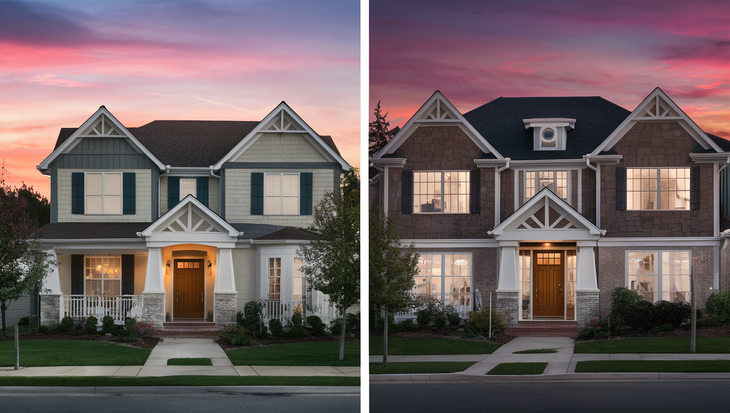
Deciding between a condominium and a townhouse is a significant step in homeownership. Both offer unique advantages and drawbacks, impacting your lifestyle, finances, and responsibilities. This guide breaks down the core differences to help you make the most informed choice for your needs.
Understanding Condominiums (Condos)
A condominium, or condo, is a type of residential real estate where an individual owns a unit within a larger building or complex. This ownership typically includes the interior space of the unit, from the walls inward. However, the owner does not own the land beneath their unit or the common areas of the building. Instead, they share ownership of these common elements—such as hallways, lobbies, elevators, recreational facilities, and the building's exterior—with all other unit owners in the development. This shared ownership is managed by a homeowners' association (HOA), which is responsible for the upkeep and management of the common areas and enforcing community rules.
Condos can range from apartments within high-rise buildings to units in low-rise complexes or even detached structures that are still part of a condo association. The defining characteristic is the ownership model: individual unit ownership combined with shared ownership of common elements. This model often appeals to individuals seeking a more maintenance-free lifestyle, as the HOA typically handles exterior repairs, landscaping, and sometimes even utilities, funded by monthly HOA fees. In 2025, the condo market continues to offer diverse options, from urban studios to suburban multi-unit dwellings, catering to a wide spectrum of buyers, including first-time homeowners, downsizers, and investors.
Understanding Townhouses
A townhouse is a residential dwelling that shares one or more walls with adjacent units, but unlike a condo, townhouse ownership usually includes the land beneath the unit and often a small private outdoor space, such as a patio or backyard. Townhouses are typically arranged in rows, with each unit having its own private entrance from the outside. The ownership structure for townhouses can vary. Some townhouses are part of a condominium association, meaning they follow the condo ownership model described above, with shared ownership of common areas and HOA management. However, many townhouses operate under a traditional HOA structure where owners own their unit and the land, but the HOA still manages common amenities (like a community pool or park) and exterior maintenance for a fee.
The key distinction often lies in the sense of private ownership of land and a more distinct separation from neighbors compared to an apartment-style condo. Townhouses often resemble single-family homes in their exterior appearance and internal layout, offering multiple levels and often more square footage than a typical condo unit. As of 2025, townhouses remain a popular choice for families and individuals looking for a balance between the affordability of multi-unit dwellings and the perceived independence of single-family homeownership, offering a blend of private space and community living.
Key Differences at a Glance
To quickly grasp the fundamental distinctions, consider this overview:
| Feature | Condominium (Condo) | Townhouse |
|---|---|---|
| Ownership | Interior of unit only; shared ownership of common areas. | Unit and land beneath it; may or may not include shared common areas (HOA dependent). |
| Exterior Maintenance | Typically handled by HOA (funded by fees). | Can be handled by HOA or be the owner's responsibility, depending on the development. |
| Private Outdoor Space | Rarely, usually limited to a balcony or patio. | Often includes a small yard, patio, or deck. |
| Building Structure | Apartment-style units in multi-story buildings, or detached units within an association. | Units attached side-by-side, often with multiple floors and private entrances. |
| Privacy | Generally less private, with shared walls, floors, and ceilings. | More private than most condos, with shared side walls but often distinct entrances and outdoor spaces. |
| HOA Fees | Almost always present and typically higher to cover extensive common area maintenance. | Present if there's an HOA, but can vary significantly based on services provided. |
Ownership Structure: What You Actually Own
The most critical difference between a condo and a townhouse lies in what you legally own. Understanding this distinction is paramount when making a purchase decision, as it directly impacts your rights, responsibilities, and the overall value of your investment.
Condominium Ownership
When you buy a condo, you are purchasing what is known as "air space" ownership. This means you own the interior of your individual unit, from the paint on the walls inward. This includes the flooring, ceilings, interior walls, and everything within those boundaries. You do not own the land your unit sits on, nor do you own the exterior walls, roof, or any common elements of the building or complex. Common elements include hallways, lobbies, elevators, stairwells, recreational facilities (pools, gyms, clubhouses), parking garages, and the building's foundation and structure. These are collectively owned by all the unit owners in the development, managed by the HOA.
Your ownership is recorded as a deed for your specific unit, along with a percentage of ownership in all the common elements. This percentage is typically based on the unit's size or value relative to the entire development. This shared ownership model necessitates a governing body – the HOA – to manage, maintain, and make decisions regarding the common areas. The HOA's authority is outlined in the condominium declaration and bylaws, which all owners agree to abide by upon purchase.
Townhouse Ownership
The ownership structure of a townhouse is where the lines can sometimes blur, but generally, it offers a greater degree of individual ownership compared to a condo. In a typical townhouse scenario, you own not only the interior and exterior of your dwelling unit but also the land directly beneath it. This often extends to a small private yard or patio space. This means you have more control over your immediate surroundings, including your front door and any private outdoor areas.
However, many townhouse communities still have an HOA. In these cases, the HOA's responsibilities might be more focused on maintaining shared amenities (like a community park, pool, or private roads) and the overall aesthetic of the neighborhood rather than the structural integrity of individual homes. Some townhouses are legally structured as condominiums, meaning you'd own the interior space and share ownership of common areas, similar to an apartment-style condo, even though the building looks like a traditional townhouse. It is crucial to examine the specific legal documentation (like the declaration and bylaws) for any townhouse property to understand the exact ownership structure and the HOA's role.
For instance, in a 2025 market analysis, a townhouse in a community with a robust HOA managing exterior maintenance and landscaping might feel very similar to a condo in terms of shared responsibilities, even if the owner technically owns the land. Conversely, a condo owner might have more direct control over their interior renovations than a townhouse owner whose HOA has stricter rules on exterior modifications that impact the building's facade.
Exterior Maintenance and Responsibility
The division of labor for maintaining the exterior of your home is a significant practical difference that impacts your daily life and budget. This is where the HOA plays a crucial role in both condo and townhouse living.
Condominiums: The HOA Takes the Lead
In a condominium complex, the HOA is almost universally responsible for the maintenance and repair of the building's exterior and all common areas. This includes:
- Roof repairs and replacement
- Exterior painting and siding maintenance
- Window and door frame repairs (though the glass itself might be the owner's responsibility)
- Landscaping and lawn care for common grounds
- Snow removal from common walkways and parking areas
- Maintenance of shared amenities like pools, gyms, and clubhouses
- Structural repairs to the building
This hands-off approach to exterior upkeep is a major draw for many condo buyers. You don't have to worry about hiring contractors for roof leaks or scheduling lawn mowing. However, this convenience comes at a price: monthly HOA fees, which are often higher in condo developments due to the extensive services provided. Special assessments can also be levied by the HOA for large, unexpected repairs or capital improvements, which can be a significant financial burden.
Townhouses: A Mixed Bag of Responsibilities
Townhouse maintenance can be more varied. If the townhouse is part of a condominium association, the HOA will handle exterior maintenance similarly to a condo. However, in many townhouse communities that are not legally condos, the owner is responsible for the exterior maintenance of their own unit. This can include:
- Roof maintenance and repair
- Exterior painting and siding
- Window and door maintenance
- Maintaining any private yard or patio
Even in these cases, the HOA typically manages common areas like shared driveways, private streets, community parks, or pools. Some HOAs may offer exterior maintenance packages as an optional service for an additional fee, or they might require owners to adhere to strict architectural guidelines for any exterior work they undertake. This means you might have more control over when and how your home's exterior is maintained, but you also bear the direct responsibility and cost. For example, a 2025 homeowner survey indicated that townhouse owners who are responsible for their own exterior maintenance reported higher satisfaction with their ability to personalize their property, but also expressed concerns about unexpected repair costs.
It's essential to review the HOA's governing documents thoroughly to understand the exact scope of exterior maintenance responsibilities for both the HOA and the individual owner in any townhouse community you consider. This is a critical factor in budgeting and lifestyle planning.
Interior Layout and Design
The internal structure and design of a condo versus a townhouse often differ, reflecting their typical architectural styles and the underlying ownership model. These differences can significantly influence your living experience, from the flow of your home to the potential for customization.
Condominium Interiors: Efficiency and Shared Spaces
Condo units are typically found within larger buildings, and their interiors are designed for efficient use of space. Common layouts include:
- Apartment-style: Units are stacked vertically, with neighbors above, below, and on the sides. Layouts are often open-concept to maximize perceived space.
- Single-level or multi-level: While many condos are single-level, some developments offer multi-level units that might resemble a loft or a small townhouse within a larger building.
- Limited customization: While you can paint and decorate your condo interior, major structural changes or alterations to plumbing and electrical systems are often restricted by HOA rules and building codes. The focus is on personalizing the finished space rather than altering its fundamental structure.
- Balconies or small patios: Some units may feature a private balcony or a small ground-level patio, but these are typically not extensive outdoor living areas.
The interior design of condos often prioritizes modern aesthetics, convenience, and maximizing natural light within the confines of the building structure. The lack of direct responsibility for exterior elements means interior finishes and layouts are the primary focus for personal expression.
Townhouse Interiors: More Like a Single-Family Home
Townhouses generally offer a layout that more closely resembles a traditional single-family home, often featuring multiple floors and a more distinct separation of living spaces.
- Multi-level design: Most townhouses have at least two levels, with living areas on one floor and bedrooms on another. This vertical separation can provide more privacy between family members and guests.
- Private entrances: Each townhouse unit typically has its own private entrance directly from the outside, enhancing the sense of individual ownership.
- More potential for customization: Depending on the HOA's rules, townhouse owners often have more freedom to renovate their interiors, including kitchen and bathroom remodels, and potentially even minor structural changes within their unit's boundaries.
- Private outdoor space: A significant feature of many townhouses is the inclusion of a private backyard, patio, or deck. This space can be used for gardening, entertaining, or simply enjoying the outdoors, offering a lifestyle advantage over most condos.
- Attached garages: Many townhouses include an attached or detached private garage, providing secure parking and additional storage space.
The interior layout of a townhouse often provides a greater sense of spaciousness and a more traditional home-like feel, with distinct rooms and better separation of private and public spaces. This makes them attractive to families or individuals who desire more room and functional separation.
Community and Amenities
Both condos and townhouses are often part of planned communities that offer shared amenities and a structured living environment. The type and extent of these amenities can significantly influence the lifestyle and cost of living in each type of property.
Condo Communities: Resort-Style Living
Condominium developments, especially larger ones, are often designed with an emphasis on shared amenities that cater to a resort-like lifestyle. These can include:
- Swimming pools and hot tubs
- Fitness centers and yoga studios
- Clubhouses with community rooms for events
- Tennis courts, basketball courts, and other sports facilities
- Concierge services and security personnel
- Landscaped common grounds and walking paths
- Pet-friendly areas
These amenities are maintained by the HOA and are funded through HOA fees. For residents who value convenience and access to recreational facilities without the personal upkeep, these amenities are a major selling point. In 2025, many new condo developments are focusing on wellness-oriented amenities, such as meditation gardens, advanced fitness equipment, and co-working spaces, reflecting evolving resident needs.
Townhouse Communities: Balancing Private and Shared Spaces
Townhouse communities also offer amenities, but they can vary widely. Some may have extensive facilities similar to condos, while others might offer more modest options.
- Common amenities: Shared pools, playgrounds, and community centers are common.
- Focus on outdoor spaces: Amenities might include community parks, walking trails, or access to natural areas.
- Private amenities: The presence of private yards or patios means residents have their own outdoor space in addition to any shared community areas.
- HOA scope: The HOA's role in amenities often depends on whether the townhouse is legally a condo or a different type of ownership. If it's a traditional townhouse ownership with an HOA, the HOA typically manages shared facilities and common grounds, while individual owners manage their private yards.
The appeal of townhouse communities often lies in the blend of private outdoor space with the option of shared community facilities, offering a middle ground between the intensive amenity focus of some condos and the complete self-reliance of single-family homes.
When considering amenities, it's crucial to factor in the associated HOA fees. Higher amenity packages generally translate to higher monthly costs. A 2025 study on homeowner satisfaction revealed that while residents appreciate amenities, those who actively use them tend to feel they get better value for their HOA fees.
Privacy and Noise Considerations
The physical structure of condos and townhouses inherently affects the level of privacy and potential for noise disturbances. This is a crucial factor for many buyers, especially those sensitive to noise or who value a quiet living environment.
Condominiums: Shared Walls and Floors
Condos, particularly apartment-style units, inherently offer less privacy due to shared walls, floors, and ceilings. You are living in close proximity to neighbors on multiple sides. This proximity can lead to:
- Noise transmission: Sounds from adjacent units, including footsteps, conversations, music, and appliance noise, can often be heard. While modern construction can mitigate this, it's rarely eliminated entirely.
- Shared hallways and entrances: You share common hallways and building entrances, meaning more foot traffic and potential for noise outside your unit.
- Limited separation: The lack of private outdoor space and the close proximity of units can make it feel less private than a detached home.
While soundproofing can help, the fundamental architecture of most condo buildings means that some level of noise transfer is to be expected. Buyers who prioritize absolute quiet and minimal neighborly intrusion might find condos challenging.
Townhouses: More Separation, But Still Attached
Townhouses generally offer a better degree of privacy and noise reduction compared to most condos, primarily due to their layout and ownership structure.
- Shared side walls only: Typically, townhouses only share side walls with adjacent units. This means you don't have neighbors above or below you, significantly reducing noise transmission from those directions.
- Private entrances: Having your own front door directly from the outside means less noise and foot traffic from shared hallways.
- Private outdoor space: A private yard or patio offers a personal outdoor retreat, further enhancing privacy.
- Potential for noise: While better than condos, noise can still be an issue, especially if units are closely spaced or if soundproofing between side walls is inadequate. Activities in adjacent yards can also be heard.
The multi-level design of townhouses also helps by separating living areas from sleeping quarters, potentially reducing the impact of noise from shared walls on bedrooms.
For buyers concerned about privacy, a townhouse typically presents a more appealing option. However, it's always advisable to visit potential properties at different times of the day to assess noise levels and to inquire about the construction and soundproofing measures employed in the building. A 2025 report on urban living noted that buyers in densely populated areas often compromise on absolute privacy for the benefits of location and amenities, making both condo and townhouse options viable depending on individual priorities.
Fees and Costs: HOA, Property Taxes, and More
Understanding the financial implications of owning a condo versus a townhouse is critical. Both typically involve homeowners' association (HOA) fees, but the amounts and what they cover can differ significantly. Property taxes also play a role.
Condominium Costs
Condo ownership almost always comes with monthly HOA fees. These fees are generally higher than those for townhouses because they cover a wider range of services and maintenance responsibilities:
- Maintenance of common areas: This includes landscaping, building exterior repairs (roof, siding, windows), snow removal, elevator maintenance, and upkeep of amenities like pools and gyms.
- Utilities: Some condo HOAs include certain utilities (like water, sewer, trash, and sometimes even electricity or gas) in the monthly fee.
- Insurance: The HOA carries master insurance for the building's structure and common areas.
- Management fees: Costs for property management companies or HOA administrative staff.
- Reserve funds: Money set aside for future major repairs or replacements.
Property Taxes: You will pay property taxes on your individual condo unit. The tax assessment is typically based on the unit's value. The HOA itself does not pay property taxes on the common elements; rather, the collective ownership by unit owners is factored into the overall property tax assessment of the development, which is then divided among the units.
Special Assessments: Beyond monthly fees, condos may face special assessments for large, unforeseen expenses or capital projects not covered by reserves. These can be substantial and are levied on each unit owner.
Townhouse Costs
Townhouse costs are more variable, depending on the specific HOA structure:
- HOA Fees: If there is an HOA, fees will cover the maintenance of common areas, shared amenities, and potentially services like trash removal or landscaping of common grounds. If the owner is responsible for their own exterior maintenance, the HOA fees may be lower than in a condo.
- Exterior Maintenance: If you are responsible for your own exterior maintenance, you will incur costs for roof repairs, painting, landscaping, etc., directly.
- Utilities: Utilities are typically paid individually by the homeowner, similar to a single-family home, unless the HOA specifically includes them.
- Insurance: You will need homeowner's insurance (often called an HO-3 policy) for your unit and its contents, and potentially for the interior structure if the HOA only covers the exterior shell. The HOA may carry a "walls-in" policy for the building structure.
Property Taxes: You will pay property taxes on your townhouse unit and the land it sits on. The tax assessment will reflect the value of both the structure and the land.
Special Assessments: Like condos, townhouses with HOAs can also face special assessments for capital improvements to common areas or shared facilities.
2025 Cost Comparison Insight: According to recent market data for 2025, average monthly HOA fees for condos in major metropolitan areas ranged from $300 to $700+, while townhouse HOA fees (where applicable) often ranged from $150 to $400+. However, this is a generalization; the specific services provided by each HOA are the primary cost driver. Buyers should always scrutinize the HOA budget and reserve study.
When comparing costs, it's essential to look beyond just the monthly HOA fee. Consider all potential expenses, including individual maintenance, utilities, insurance, and the likelihood of special assessments. A comprehensive understanding of these financial factors is crucial for long-term affordability.
Resale Value and Appreciation Trends (2025-26)
The potential for property appreciation and the ease of resale are significant considerations for any homebuyer. The market trends for condos and townhouses in 2025-26 show distinct patterns influenced by economic conditions, buyer preferences, and local market dynamics.
Condominium Appreciation and Resale
Condo appreciation rates can vary significantly by location and the specific development. In urban centers and desirable amenity-rich communities, condos can see strong appreciation. However, they can sometimes lag behind single-family homes in overall appreciation, especially in markets where land ownership is highly valued.
- Factors influencing value: Location (proximity to transit, jobs, entertainment), quality of amenities, HOA financial health, and the overall condition of the building are key drivers.
- Resale challenges: A poorly managed HOA, a high percentage of rental units, or a large number of special assessments can make a condo harder to sell and may depress its value. Lenders may also be more scrutinizing of condo developments with financial issues.
- Investor appeal: Condos are often attractive to investors due to their lower entry price point and potential for rental income, especially in high-demand urban areas.
- 2025-26 Outlook: In many markets, condos are expected to see steady, moderate appreciation in 2025-26, driven by demand from first-time buyers and those seeking lower-maintenance lifestyles. However, rising interest rates could temper rapid growth.
Townhouse Appreciation and Resale
Townhouses often strike a balance, offering appreciation potential that can be closer to single-family homes than condos, especially in suburban markets or areas where they offer a more affordable entry into desirable neighborhoods.
- Factors influencing value: Location, size, the presence of private outdoor space, the quality of finishes, and the effectiveness of the HOA are important.
- Stronger resale potential: The ownership of land and the more home-like feel can make townhouses more appealing to a broader range of buyers, including families. This can translate to more competitive bidding and potentially faster sales.
- Market resilience: Townhouses have shown resilience in various market conditions, often serving as a bridge between the affordability of condos and the higher cost of single-family homes.
- 2025-26 Outlook: Townhouses are projected to continue performing well in 2025-26, particularly in areas with strong job growth and limited single-family home inventory. Their blend of space, affordability, and manageable maintenance is a compelling combination for many buyers.
Market Data Snapshot (2025): National Association of Realtors data for early 2025 indicates that while single-family homes led appreciation, townhouses showed robust gains, often outperforming condos in similar price brackets. Condos saw growth, but were more sensitive to local market saturation and HOA management quality.
Ultimately, the resale value and appreciation potential for both condos and townhouses are highly localized. Thorough research into the specific market, the development's history, and the HOA's financial health is crucial for making an informed investment decision.
Lifestyle Considerations: Which Fits Your Life?
Beyond the physical and financial aspects, choosing between a condo and a townhouse is a lifestyle decision. Each offers a distinct way of living, and understanding your personal priorities is key to making the right choice.
Condo Living: The Low-Maintenance Urbanite or Downsize
Condo living is often ideal for individuals or couples who:
- Prioritize convenience and low maintenance: They want to spend less time on home upkeep (yard work, exterior repairs) and more time on hobbies, travel, or social activities.
- Desire an urban or walkable lifestyle: Many condos are located in city centers, offering easy access to restaurants, entertainment, public transportation, and workplaces.
- Appreciate extensive amenities: They enjoy having access to pools, gyms, and social spaces without the personal cost and effort of maintaining them.
- Are downsizing: Empty nesters or retirees may find the smaller footprint and reduced responsibilities of condo living appealing.
- Are budget-conscious first-time buyers: Condos can offer a more affordable entry into desirable neighborhoods.
However, condo living may not be suitable for those who:
- Value absolute privacy and quiet.
- Need significant storage space or a large private outdoor area.
- Dislike HOA rules and regulations or have concerns about HOA fees increasing.
- Are sensitive to noise from neighbors.
Townhouse Living: The Family-Friendly Suburbanite or Balanced Dweller
Townhouse living often appeals to those who:
- Seek a balance between privacy and community: They want more personal space and a sense of ownership of their land, but still appreciate some shared amenities and the community feel.
- Are families with children: The potential for a small yard, multiple levels, and private entrances can feel more like a traditional home environment.
- Desire more space than a typical condo: Townhouses often offer more square footage and a more functional layout for families or those who work from home.
- Want private outdoor space: A yard or patio for gardening, pets, or outdoor entertaining is a significant draw.
- Are looking for a step up from a condo but not ready for a full single-family home: Townhouses can offer a good compromise in terms of cost and responsibility.
Conversely, townhouse living might not be ideal for those who:
- Want absolutely no HOA involvement or fees.
- Need a large, private backyard for extensive gardening or recreation.
- Are looking for the ultimate low-maintenance lifestyle (as some exterior maintenance may still fall on the owner).
- Are seeking a truly urban, high-density living experience with extensive shared amenities.
Consider your current life stage, future plans, and what you value most in a home and community. Do you envision weekend barbecues in your own yard, or do you prefer to stroll to a nearby cafe and have the building management handle any maintenance issues? Your answer will guide you toward the right choice.
Making Your Decision: A Step-by-Step Guide
Choosing between a condo and a townhouse requires careful consideration of multiple factors. Follow these steps to make an informed decision that aligns with your needs and preferences.
- Assess Your Budget:
- Determine your total housing budget, including mortgage payments, property taxes, insurance, HOA fees, and potential utility costs.
- Compare the upfront costs (down payment, closing costs) for condos and townhouses in your target areas.
- Factor in the ongoing monthly expenses for each type of property.
- Define Your Lifestyle Needs:
- How much privacy do you require?
- Do you need private outdoor space? If so, how much?
- What level of maintenance are you willing to undertake?
- What amenities are important to you (pool, gym, community spaces)?
- What is your preferred location (urban, suburban, proximity to work/amenities)?
- Research Specific Developments:
- Investigate the HOA's financial health, reserve funds, and history of special assessments. A healthy HOA is crucial for long-term stability.
- Review the HOA's governing documents (bylaws, CC&Rs) to understand rules, restrictions, and responsibilities.
- Visit properties at different times of the day to gauge noise levels and the general atmosphere.
- Talk to current residents if possible to get their honest feedback.
- Understand Ownership and Maintenance:
- Clarify exactly what you will own (unit interior, land, common elements).
- Determine who is responsible for exterior maintenance, repairs, and landscaping.
- Understand your insurance requirements for each type of property.
- Consider Future Plans:
- Will your needs change in the next 5-10 years (e.g., starting a family, career changes)?
- How might your chosen property type accommodate these future changes?
- Consult Professionals:
- Work with a real estate agent experienced in condos and townhouses in your area.
- Have a qualified home inspector thoroughly examine any property you consider.
- Consult with a real estate attorney to review all legal documents, especially the HOA's governing documents.
By systematically working through these steps, you can confidently narrow down your options and select the property that best suits your financial situation, lifestyle, and long-term goals. A 2025 buyer survey highlighted that buyers who conducted thorough due diligence on the HOA and community management were significantly more satisfied with their purchase.
Conclusion: Your Path to Homeownership
Navigating the differences between a condo and a townhouse is a crucial step toward finding your ideal home. While both offer alternatives to single-family living, they cater to distinct needs and preferences. Condos excel in offering a low-maintenance lifestyle, abundant amenities, and often an urban convenience, making them perfect for busy professionals, downsizers, or those prioritizing community access. Townhouses, on the other hand, typically provide a greater sense of private ownership, including land and more personal outdoor space, often appealing to families or individuals seeking a balance between independence and community living.
Your decision should be guided by a clear understanding of your budget, lifestyle priorities, and tolerance for maintenance and HOA involvement. Thoroughly examining HOA fees, governing documents, and the specific responsibilities for maintenance is paramount. By carefully weighing the ownership structures, maintenance obligations, privacy levels, and associated costs, you can confidently choose the property type that will best support your life and financial goals. Ultimately, whether you opt for the convenience of a condo or the balanced approach of a townhouse, informed decision-making is your key to a satisfying homeownership experience.