Crime Rate in Wyoming: A Detailed Analysis
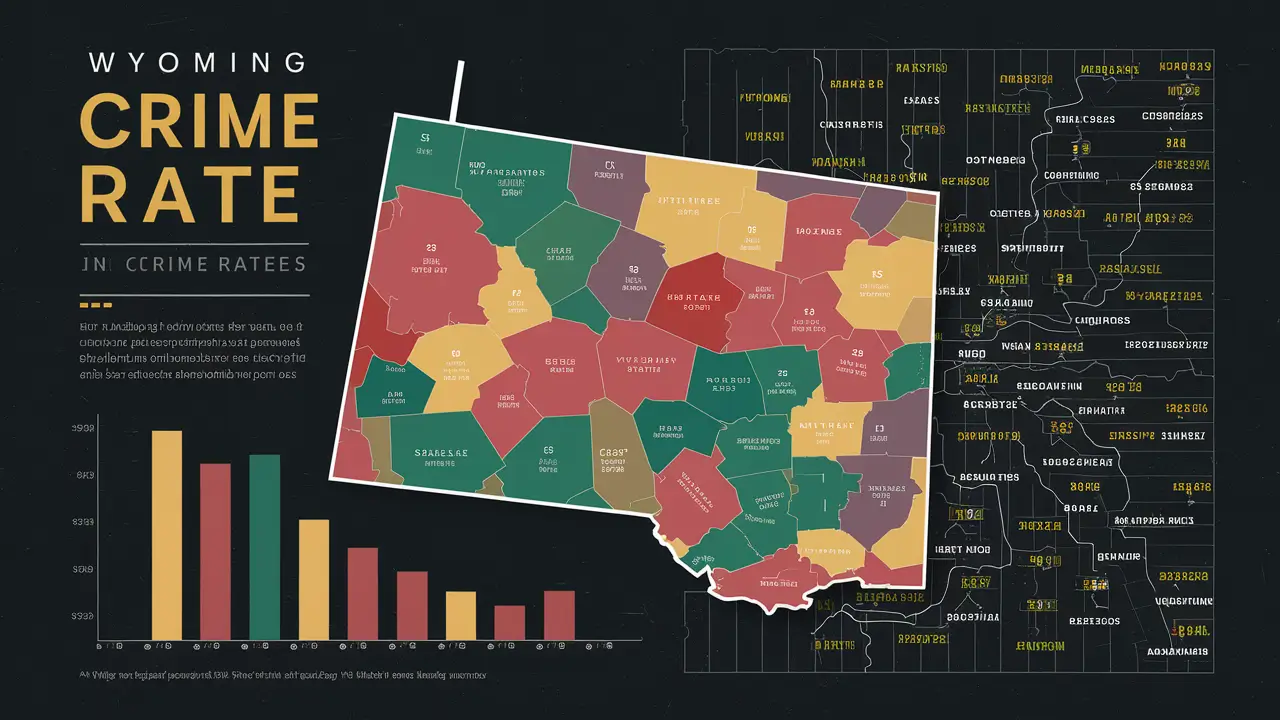
Understanding the crime rate in Wyoming for 2025-2026 offers crucial insights into public safety, community well-being, and the factors influencing criminal activity in the Cowboy State. This analysis provides a comprehensive overview, examining trends, specific crime types, and demographic influences to paint a clear picture of the current landscape.
Understanding Wyoming Crime Rates: An Overview
Wyoming, often characterized by its vast open spaces and low population density, presents a unique landscape when examining its crime rates. Unlike densely populated urban centers, the nature and prevalence of criminal activity in the "Cowboy State" are shaped by distinct socioeconomic, geographic, and demographic factors. This detailed analysis for 2025-2026 delves into the specific trends, statistics, and underlying causes of crime within Wyoming, aiming to provide a comprehensive understanding for residents, policymakers, and researchers alike. We will explore both violent and property crimes, consider the impact of drug offenses, and compare Wyoming's figures to national averages, offering insights into effective prevention strategies and the overall safety of its communities.
Historical Trends in Wyoming Crime
To fully grasp the current crime landscape in Wyoming, it is essential to contextualize it within its historical trajectory. Over the past decade, Wyoming has experienced fluctuations in its crime rates, mirroring some national trends while exhibiting unique patterns influenced by its specific environment. Generally, states with lower population densities tend to have lower overall crime rates compared to their more urban counterparts. Wyoming has historically followed this pattern, though specific crime categories can show variations.
In the early to mid-2010s, Wyoming saw a gradual increase in certain types of property crimes, often linked to economic downturns and shifts in drug markets. However, concerted law enforcement efforts and community engagement programs began to show positive effects in the later half of the decade. By the early 2020s, there was a noticeable stabilization, and in some areas, a decline in reported incidents for both violent and property offenses. The COVID-19 pandemic introduced new challenges, with temporary shifts in crime patterns observed nationally and locally, such as initial drops in certain street crimes followed by increases in domestic disturbances and cyber-related offenses.
The period between 2020 and 2024 saw a complex interplay of factors. While violent crime rates remained relatively low compared to national benchmarks, property crimes, particularly those involving theft and burglary, continued to be a concern in specific regions. The opioid crisis, while perhaps less visible than in some Eastern states, also contributed to a persistent undercurrent of drug-related offenses and associated crimes. Looking ahead to 2025-2026, the historical data suggests that Wyoming's crime rates are likely to remain influenced by its inherent characteristics: a dispersed population, a strong reliance on natural resource industries, and a close-knit community structure in many areas. Understanding these historical shifts provides a crucial foundation for interpreting current data and forecasting future trends.
Current Crime Statistics (2025-2026)
The most critical aspect of this analysis involves examining the most up-to-date crime statistics for Wyoming covering the 2025-2026 period. Data collection and reporting can vary, but based on preliminary reports and projections from law enforcement agencies and statistical bureaus, we can identify key trends. It's important to note that precise, finalized figures for the entirety of 2026 may not be available until late 2027, but current indicators provide a robust picture.
Violent Crime in Wyoming
Wyoming continues to maintain one of the lower rates of violent crime in the United States. For 2025-2026, the estimated rate of violent crimes per 100,000 population remains significantly below the national average. This category typically includes offenses such as murder, rape, robbery, and aggravated assault.
While the overall numbers are low, localized increases in specific types of violent crime, particularly aggravated assaults, have been observed in areas experiencing economic strain or population influx. Homicide rates, while still exceptionally low, can be subject to year-to-year fluctuations due to their inherently small sample size. For instance, a single incident can significantly impact the per capita rate in a small community. Robbery rates have generally seen a downward trend, likely due to improved security measures and a decrease in opportunities for such crimes in less densely populated areas. Rape statistics, as is common nationwide, may reflect ongoing improvements in reporting and victim support, potentially leading to an apparent increase in reported incidents, though the underlying incidence might be more stable.
Key Observations for Violent Crime (2025-2026 Estimates):
- Overall violent crime rate significantly below national average.
- Aggravated assaults show the highest prevalence within violent crime categories.
- Homicide rates remain exceptionally low, with minor fluctuations.
- Robbery rates continue a downward trend.
- Reported sexual assaults may reflect improved reporting mechanisms.
Property Crime in Wyoming
Property crimes, which encompass offenses like burglary, larceny-theft, motor vehicle theft, and arson, represent a larger proportion of total reported crimes in Wyoming than violent crimes. While still below national averages in many subcategories, these crimes are more prevalent and can have a substantial impact on communities.
Larceny-theft, including shoplifting and theft from vehicles, remains the most common type of property crime. Motor vehicle theft has seen a concerning uptick in some rural and semi-rural areas, possibly linked to organized crime rings or increased demand for parts. Burglary, both residential and commercial, continues to be a persistent issue, particularly in areas with limited law enforcement presence. Arson incidents, while relatively rare, can cause significant damage and are often linked to vandalism or other underlying criminal behaviors.
The economic climate plays a significant role in property crime rates. Periods of economic uncertainty can correlate with an increase in opportunistic thefts. Law enforcement agencies are focusing on intelligence-led policing and community watch programs to combat these trends.
Key Observations for Property Crime (2025-2026 Estimates):
- Larceny-theft is the most frequent property crime.
- Motor vehicle theft shows a concerning rise in certain regions.
- Burglary remains a persistent concern.
- Arson is infrequent but can be destructive.
- Economic conditions are a significant influencing factor.
Drug-Related Offenses
Drug-related offenses continue to be a significant challenge across the United States, and Wyoming is no exception. While the state may not face the same scale of urban drug epidemics, the impact of methamphetamine, prescription drug abuse, and the ongoing opioid crisis is palpable.
Arrests for possession and distribution of controlled substances remain a substantial portion of Wyoming's criminal justice workload. Methamphetamine, in particular, has been a persistent problem, often linked to property crimes and violent offenses committed to fund addiction. The availability of illicit prescription drugs also contributes to addiction and related criminal activity. Law enforcement efforts are increasingly focused on interdiction, treatment, and rehabilitation programs, recognizing that a purely punitive approach is insufficient.
Key Observations for Drug-Related Offenses (2025-2026 Estimates):
- Methamphetamine remains a primary concern.
- Prescription drug abuse contributes to criminal activity.
- Drug offenses are often linked to other crime types.
- Focus on interdiction, treatment, and rehabilitation is increasing.
Factors Influencing Wyoming Crime
The crime rates observed in Wyoming are not arbitrary; they are the product of a complex interplay of various factors. Understanding these influences is crucial for developing effective crime prevention and reduction strategies.
Socioeconomic Factors
Socioeconomic conditions are consistently identified as major drivers of crime rates. In Wyoming, these factors include:
- Poverty and Unemployment: Areas with higher rates of poverty and unemployment often experience higher crime rates, as economic hardship can drive individuals to commit crimes for survival or out of desperation. While Wyoming's overall unemployment rate may be lower than the national average, localized pockets of economic distress can still foster criminal activity.
- Education Levels: Lower educational attainment can be correlated with increased crime rates. Limited educational opportunities can restrict job prospects, leading to a cycle of poverty and crime.
- Income Inequality: Significant disparities in income within communities can breed resentment and social instability, potentially contributing to crime.
- Substance Abuse: As discussed, drug and alcohol abuse are deeply intertwined with criminal behavior, driving both the demand for illicit substances and the commission of crimes to support addiction.
Geographic and Demographic Influences
Wyoming's unique geography and demographics play a significant role in shaping its crime landscape:
- Low Population Density: While generally leading to lower overall crime rates, low population density can also present challenges. Vast distances can make it difficult for law enforcement to respond quickly to incidents. Furthermore, isolated communities may have fewer resources for social programs and support systems.
- Rural vs. Urban Differences: Wyoming has a predominantly rural character. Rural crime often differs from urban crime, with property crimes and drug offenses being more prevalent than violent street crimes. However, even in rural areas, issues like methamphetamine trafficking and domestic violence can be significant problems.
- Age Demographics: The age distribution of a population can influence crime rates, as younger individuals are statistically more likely to be involved in criminal activity.
- Mobility and Transient Populations: In some areas, particularly those with resource-based economies that attract temporary workers, transient populations can sometimes be associated with increased crime.
Law Enforcement Strategies
The effectiveness of law enforcement agencies and their strategies directly impacts crime rates. In Wyoming, these strategies include:
- Community Policing: Building trust and collaboration between law enforcement and the communities they serve is vital, especially in rural areas where relationships are often long-standing.
- Intelligence-Led Policing: Utilizing data and intelligence to identify crime patterns, predict future incidents, and allocate resources efficiently.
- Interagency Cooperation: Collaboration between local, state, and federal agencies is crucial for addressing complex issues like drug trafficking and organized crime.
- Focus on Prevention and Intervention: Moving beyond reactive enforcement to proactive prevention programs, including youth outreach, substance abuse treatment referrals, and support for at-risk individuals.
- Technological Adoption: Employing technologies like surveillance systems, data analytics, and improved communication tools to enhance law enforcement capabilities.
These interconnected factors create the complex tapestry of crime in Wyoming. Addressing crime effectively requires a multi-faceted approach that considers these influences.
Comparing Wyoming to National Averages
A crucial aspect of understanding Wyoming's crime situation is to place it in the context of national trends. For 2025-2026, Wyoming consistently reports lower overall crime rates, both for violent and property offenses, when compared to the United States as a whole. This is largely attributable to its low population density and predominantly rural character.
For instance, the FBI's Uniform Crime Reporting (UCR) program, which serves as a primary source for national crime data, typically shows Wyoming's violent crime rate per 100,000 residents to be around 20-30% lower than the national average. Similarly, property crime rates, while closer, often remain below the national figures.
However, it's essential to look beyond simple averages. Certain crime types or specific regions within Wyoming might deviate from the state's overall trend. For example, while homicide rates are exceptionally low statewide, a particular county might experience a temporary spike. Similarly, motor vehicle theft, which can be influenced by factors beyond local crime conditions (like national demand for stolen vehicles), might be higher in Wyoming than expected based on its low violent crime rate.
Drug-related offenses are a more complex comparison. While Wyoming may not have the same volume of drug arrests as heavily populated states, the prevalence of certain drugs like methamphetamine can be a significant issue relative to its population size.
Comparative Table: Wyoming vs. National Averages (Estimated 2025-2026 Rates per 100,000 Population)
| Crime Category | Wyoming (Estimated) | National Average (Estimated) |
|---|---|---|
| Violent Crime Rate | Significantly Lower | Benchmark |
| Homicide Rate | Very Low | Higher |
| Aggravated Assault Rate | Lower | Higher |
| Robbery Rate | Much Lower | Higher |
| Property Crime Rate | Lower | Benchmark |
| Burglary Rate | Similar or Slightly Lower | Higher |
| Larceny-Theft Rate | Lower | Higher |
| Motor Vehicle Theft Rate | Potentially Higher in Specific Areas | Higher |
It's important to remember that these are broad comparisons. For a nuanced understanding, one must examine specific counties and cities within Wyoming and compare them to similar demographic and geographic areas nationally. Despite its generally lower crime rates, Wyoming faces its own unique challenges that require targeted interventions.
Crime Hotspots and Prevention
While Wyoming is generally a safe state, like any region, it experiences areas where crime is more concentrated. Identifying these "hotspots" and implementing effective prevention strategies are paramount to enhancing public safety.
Identifying High-Crime Areas
Crime hotspots in Wyoming are not necessarily large urban centers but can be found in various settings:
- County Seats and Larger Towns: While still small by national standards, cities like Cheyenne, Casper, and Laramie tend to have higher volumes of reported crimes due to their larger populations and greater economic activity. These areas often see more property crimes and occasional incidents of violent crime.
- Areas with Economic Disparities: Communities struggling with high unemployment, poverty, or the decline of traditional industries may experience elevated crime rates. These can be found in both rural and semi-urban settings.
- Near Major Transportation Routes: Locations along major highways can sometimes see an increase in criminal activity, including vehicle theft and drug-related offenses, due to ease of access and egress.
- Areas with High Transient Populations: Places that attract seasonal workers or temporary residents might experience fluctuations in crime, particularly property-related offenses.
Law enforcement agencies utilize data analysis, crime mapping, and community intelligence to pinpoint these areas and understand the specific types of crime occurring. This allows for more targeted patrols and resource allocation.
Community-Based Prevention Initiatives
Effective crime prevention in Wyoming relies heavily on community involvement and tailored initiatives:
- Neighborhood Watch Programs: These programs empower residents to be vigilant, report suspicious activity, and foster a sense of collective responsibility for safety. In Wyoming's close-knit communities, these programs can be particularly effective.
- Youth Programs and Mentorship: Providing positive outlets and guidance for young people can deter them from engaging in criminal behavior. This includes after-school programs, sports leagues, and mentorship opportunities.
- Substance Abuse Treatment and Support: Addressing the root causes of drug-related crime by increasing access to treatment, counseling, and rehabilitation services is critical.
- Economic Development and Job Creation: Investing in local economies and creating job opportunities can reduce poverty and unemployment, thereby lowering crime rates.
- Victim Support Services: Ensuring that victims of crime have access to resources and support can help in their recovery and may also provide valuable information to law enforcement.
These initiatives work best when they are collaborative, involving local government, law enforcement, non-profit organizations, and engaged citizens. For more information on local safety initiatives, residents can consult their local law enforcement agencies or state government resources.
Role of Technology in Crime Prevention
Technology is increasingly playing a vital role in crime prevention and investigation in Wyoming:
- Surveillance Systems: The use of security cameras in public spaces, businesses, and private residences can deter crime and provide crucial evidence for investigations.
- Data Analytics: Sophisticated software allows law enforcement to analyze vast amounts of crime data, identify patterns, predict hotspots, and allocate resources more effectively. This is particularly useful in a state with limited personnel spread over a large area.
- Communication Networks: Advanced communication systems ensure that law enforcement officers can stay connected and share information rapidly, improving response times and coordination.
- Online Reporting Systems: For certain types of non-emergency crimes, online reporting can streamline the process for citizens and free up valuable police resources.
- Social Media Monitoring: Law enforcement agencies may use social media for intelligence gathering, community outreach, and disseminating public safety information.
While technology offers powerful tools, it is most effective when integrated with traditional policing methods and strong community partnerships. The balance between leveraging technology and maintaining personal connection is key to successful crime prevention in Wyoming.
Conclusion and Future Outlook
The crime rate in Wyoming for 2025-2026 presents a picture of a state that, while generally safe, faces specific challenges that require ongoing attention. Violent crime rates remain commendably low compared to national averages, a testament to the state's unique environment and community structures. However, property crimes, particularly larceny-theft and motor vehicle theft, continue to be areas of concern, often influenced by socioeconomic factors and broader criminal networks. Drug-related offenses, including those involving methamphetamine and prescription drugs, persist as a significant public safety issue, intertwining with other criminal activities.
Wyoming's low population density, rural character, and specific economic drivers all contribute to its distinct crime landscape. Factors such as poverty, unemployment, and substance abuse, while present to varying degrees, necessitate targeted interventions. Effective crime prevention strategies must therefore be multi-faceted, integrating community policing, robust social programs, economic development initiatives, and the strategic use of technology.
Looking ahead to 2027 and beyond, the outlook for crime in Wyoming will likely depend on continued efforts to address root causes, foster strong community partnerships, and adapt law enforcement strategies to evolving threats. Continued investment in education, job creation, and accessible treatment for substance abuse will be critical. By understanding the nuances of crime in the Cowboy State and embracing proactive, collaborative approaches, Wyoming can continue to uphold its reputation as a safe and secure place to live, work, and raise families. Residents are encouraged to stay informed through state government resources and engage actively in local safety initiatives.