Simplifying the Process: Delete Notifications from ADT
Tired of a cluttered ADT notification log? This guide provides a clear, step-by-step approach to simplifying the process of deleting notifications from your ADT system, ensuring you maintain a clean and manageable interface. We'll cover the most effective methods for 2025-26.
Understanding ADT Notifications: Why They Matter
ADT security systems are designed to provide peace of mind, and a key component of this is the notification system. These alerts inform you about various events, from system arming and disarming to potential security breaches, sensor activations, and system malfunctions. In 2025, with the increasing sophistication of smart home technology integrated with security, the volume and variety of ADT notifications can be substantial. Understanding what these notifications signify is the first step towards effectively managing them. Each alert serves a purpose, offering insights into your home's security status and the performance of your ADT equipment. For instance, a "System Armed Away" notification confirms your home is protected when you leave, while a "Door Sensor Opened" alert might indicate expected activity or an unexpected event. Similarly, "Low Battery" warnings are crucial for proactive maintenance. However, the sheer volume of routine notifications, such as daily arming and disarming events, can sometimes obscure more critical alerts, leading to a phenomenon known as "alert fatigue." This is where the ability to manage and delete notifications becomes not just a convenience, but a necessity for maintaining an efficient and responsive security system.
ADT's notification system is designed to be comprehensive, aiming to keep homeowners informed about every significant event. This includes:
- Security Alerts: These are the most critical notifications, such as motion detection, glass break sensor activation, or entry point breaches. They are designed to be immediate and attention-grabbing.
- System Status Updates: These notifications inform you about the state of your ADT system, like when it's armed (Stay or Away), disarmed, or if there's a system fault.
- Device Health Alerts: These are vital for maintaining your system's integrity. Examples include low battery warnings for sensors, connectivity issues, or power interruptions.
- Activity Logs: Many systems provide a log of routine events, such as doors being opened and closed, or individuals arming/disarming the system.
In 2025, ADT systems often integrate with mobile apps, providing real-time notifications directly to your smartphone or tablet. This enhances convenience but can also lead to a rapid accumulation of alerts if not managed properly. The ability to delete these notifications is essential for maintaining a clear overview of critical security events and preventing important alerts from being lost in a sea of routine updates. For example, a homeowner might receive dozens of "System Disarmed" notifications throughout a week, which, while informative, can clutter the notification history and make it harder to spot an unusual event, like a disarming event that didn't occur when expected.
Common Reasons for Deleting ADT Notifications
The primary driver for wanting to delete ADT notifications is to declutter your system's log and mobile app interface. Over time, routine events like arming and disarming the system, or even minor sensor triggers that were investigated and resolved, can fill up the notification history. This makes it harder to quickly scan for genuinely important alerts, such as a potential security breach or a critical system error. Imagine trying to find a critical "Intrusion Detected" alert amongst hundreds of "System Armed" notifications – it’s a daunting task. By removing redundant or outdated notifications, users can ensure that their ADT system's log remains a useful tool for monitoring security, rather than a source of digital noise.
Beyond simple clutter, there are several other compelling reasons to manage your ADT notifications:
- Reducing Alert Fatigue: Constant pings from routine events can lead to users ignoring or dismissing alerts, including potentially critical ones. Deleting non-essential notifications helps combat this.
- Improving System Performance (Minor): While not a significant performance booster, a cleaner log can sometimes contribute to slightly faster data retrieval and a more responsive interface, especially on older devices or systems.
- Privacy Concerns: In shared households, certain notifications might reveal sensitive information about who is home or when. Deleting these can enhance privacy.
- Troubleshooting Assistance: When troubleshooting an issue, a clean notification log allows technicians or users to focus on recent, relevant events without being sidetracked by historical data.
- Preparing for System Updates or Transfers: Before a major system update or if transferring ownership, clearing the notification history can be a good housekeeping practice.
- Resolving False Alarms: After a false alarm is investigated and the cause is identified and fixed, the associated notifications can be removed to keep the log clean.
For instance, a family might have teenagers who frequently arm and disarm the system. The ADT app could be flooded with "System Disarmed by [Teenager's Name]" notifications. While useful for tracking, if the parents know the teenagers are home and using the system as expected, these notifications can be deleted to make room for alerts that require their immediate attention, such as a "Smoke Detector Activated" alert.
Furthermore, in 2025, with the proliferation of smart home devices, ADT systems are often integrated with other platforms. This can lead to a cascade of notifications from various sources. Simplifying the ADT notification log helps maintain a clear distinction between critical security alerts and general smart home activity, preventing confusion and ensuring that the ADT system's primary function – security – remains paramount.
Accessing Your ADT Notification Log
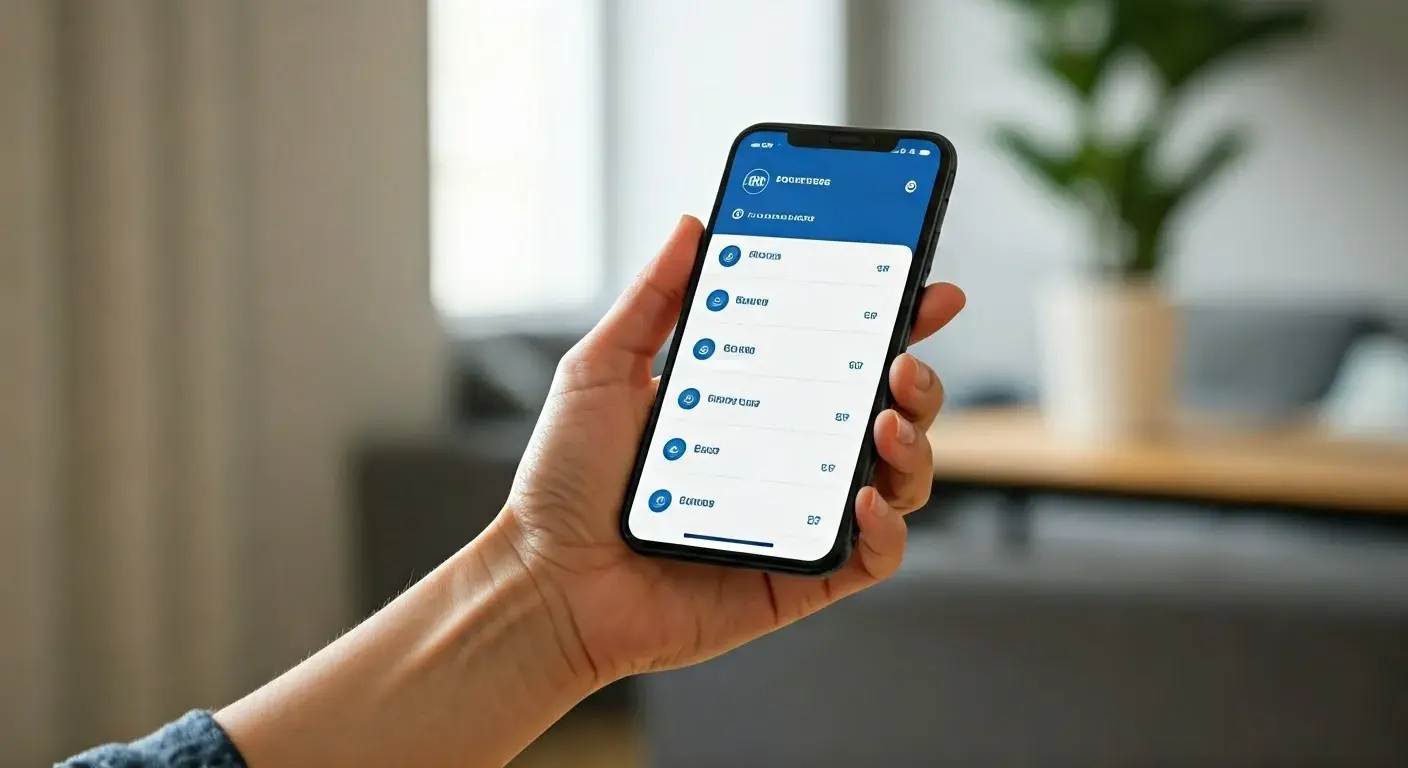
The primary method for accessing your ADT notification log in 2025 is typically through the ADT Control app or the ADT Pulse app, depending on your system's generation and features. These mobile applications are designed to provide a user-friendly interface for managing your security system, including viewing event history and notifications. For older systems or those without app connectivity, access might be available through the ADT customer portal on their website, or potentially directly through the system's keypad interface, though this is less common for detailed logs.
Here’s a breakdown of how to typically access your notifications:
- ADT Control App:
- Open the ADT Control app on your smartphone or tablet.
- Log in using your ADT credentials.
- Navigate to the "Events" or "History" section. This is usually found in the main menu or as a dedicated tab at the bottom of the screen.
- Within this section, you'll find a chronological list of all events and notifications recorded by your ADT system. You can often filter these by date or event type.
- ADT Pulse App:
- Launch the ADT Pulse app.
- Enter your username and password.
- Look for an option labeled "History," "Events," or "Activity Log."
- This will display a comprehensive list of system activities and notifications.
- ADT Customer Portal (Web):
- Visit the official ADT website and log in to your customer account.
- Navigate to the "My Account" or "System Management" section.
- There should be an option to view your system's event history or notification log.
- System Keypad (Limited):
- Some ADT keypads may offer a basic event history view. This is usually limited to recent critical alerts and may not provide the same level of detail or deletion capabilities as the apps or web portal.
- Typically, you would navigate through the keypad's menu options to find "Event History" or a similar designation.
It's important to note that the exact terminology and location of these features can vary slightly depending on the specific ADT system model you have and the version of the app you are using. For example, some newer systems might categorize notifications differently, perhaps separating "Security Alerts" from "System Updates." The ADT Control app, which is becoming more prevalent for newer installations, often offers a more streamlined and visually intuitive interface for managing notifications compared to older platforms like ADT Pulse.
If you are unsure about how to access your specific system's notification log, consulting your ADT user manual or contacting ADT customer support directly is highly recommended. They can provide precise instructions tailored to your equipment. Understanding the interface is crucial before attempting to delete any notifications, as accidental deletion of critical data is a possibility if one is not familiar with the navigation.
Methods for Deleting ADT Notifications
The ability to delete notifications directly from your ADT system can vary significantly based on the specific ADT equipment and software version you have. In 2025, ADT continues to evolve its platforms, with newer systems offering more robust management options. Generally, direct deletion of individual historical notifications is not a standard feature across all ADT systems. Instead, the focus is often on managing the *visibility* and *types* of notifications you receive, or on clearing the log in broader strokes. However, some systems do offer limited deletion capabilities, primarily through their mobile applications.
Method 1: Deleting via the ADT Control or Pulse App (If Available)
This is the most common and user-friendly method for systems that support it. Newer ADT systems, particularly those managed through the ADT Control app, may offer the ability to clear or delete individual notifications from the event history. This is often presented as a way to "clean up" the log.
- Access the Event Log: Open the ADT Control or Pulse app and navigate to the "Events" or "History" section as described previously.
- Identify the Notification: Scroll through the list to find the specific notification you wish to delete.
- Look for a Delete Option: This is where it gets system-dependent. Some apps might have a trash can icon next to each notification, a "swipe to delete" gesture, or a "..." menu option that reveals a "Delete" or "Remove" choice.
- Confirm Deletion: If a delete option is available, you will likely be prompted to confirm your action. Be cautious, as deleted notifications are typically permanent.
Important Note: Not all ADT systems allow for individual notification deletion through the app. For many, the event log is considered a historical record that cannot be altered on a granular level. If you don't see a delete option, it's likely not supported for your specific system.
Method 2: Clearing the Entire Event History (System-Dependent)
Some ADT systems, particularly older ones or those configured for specific purposes, might offer a function to clear the entire event log. This is a more drastic measure and should be used with caution, as it removes all historical data, not just specific alerts. This option is less common through the app and might be accessible through the customer web portal or, in rare cases, via specific programming on the main panel by an ADT technician.
Steps (if available):
- Log in to ADT Customer Portal: Access your account online.
- Navigate to System Settings: Look for options related to system management or data.
- Find "Clear Event Log" or Similar: This option, if present, will usually be clearly labeled.
- Confirm: A strong confirmation prompt will likely appear, emphasizing that all data will be erased.
Caution: Clearing the entire log means losing all historical context. This should only be done if you are certain you no longer need any of the past event data and are primarily concerned with a completely fresh start for your notification log.
Method 3: Contacting ADT Support for Log Management
If you cannot find a way to delete notifications yourself through the app or web portal, your next best step is to contact ADT customer support. They may have the ability to remotely access your system and clear specific notifications or the entire log. This is particularly true for complex system issues or when troubleshooting requires a clean slate.
When to Contact ADT:
- You cannot find any delete options in the app or portal.
- You need specific, older notifications removed that are not accessible for deletion.
- You suspect a system glitch is causing excessive or erroneous notifications.
- You require assistance in understanding what types of notifications can be managed.
ADT support can guide you through the available options for your specific system and may be able to perform the deletion on your behalf. They can also advise on how to adjust notification settings to prevent unwanted alerts in the future.
Method 4: Adjusting Notification Settings to Prevent Future Clutter
While not a method for deleting *past* notifications, this is a crucial proactive step to simplify your notification process going forward. Most ADT systems allow you to customize which events trigger notifications. By disabling notifications for routine events you don't need to be alerted about in real-time, you can significantly reduce the volume of alerts.
Common Settings to Adjust:
- System Arming/Disarming: You might choose to only receive notifications for "System Armed Away" but not "System Armed Stay" or "System Disarmed" if these are frequent and expected.
- Sensor Activity: For non-critical sensors (e.g., a motion sensor in a rarely used room), you might disable immediate notifications.
- User-Specific Alerts: If multiple users have access, you might be able to tailor notifications based on who is performing an action.
How to Adjust Settings:
- Open the ADT Control or Pulse app.
- Navigate to "Settings" or "System Settings."
- Look for "Notifications" or "Alert Preferences."
- Toggle on/off specific event types or categories.
By strategically adjusting these settings, you can ensure that your ADT notification log remains focused on events that truly matter for your home security, making it much easier to manage and less likely to require manual deletion.
It's essential to understand that ADT's approach to notification management prioritizes security and historical record-keeping. Therefore, direct deletion capabilities are often limited. Proactive management through settings adjustments is usually the most effective long-term strategy for simplifying your ADT notification experience.
Comparison of Deletion Methods
Choosing the right method for managing ADT notifications depends heavily on your system's capabilities and your specific needs. Here's a comparative overview to help you decide:
| Method | Ease of Use | Granularity | Scope | System Compatibility | Pros | Cons |
|---|---|---|---|---|---|---|
| ADT App (Individual Deletion) | High | Individual notifications | Specific alerts | Newer systems (ADT Control) | Targeted removal, user-friendly interface | Not available on all systems, may require app updates |
| ADT App/Web (Clear All History) | Medium | Entire log | All historical events | Varies, often older systems or specific configurations | Complete reset, removes all clutter | Irreversible data loss, removes critical historical data |
| Contact ADT Support | Medium (requires contact) | Individual or bulk (by ADT) | Specific alerts or entire log | All systems (ADT can access remotely) | Expert assistance, can resolve complex issues | Requires waiting for support, may involve fees for certain services |
| Adjust Notification Settings | High | Event types/categories | Future notifications | All systems | Prevents clutter proactively, reduces alert fatigue | Does not delete past notifications, requires understanding of settings |
For most users in 2025, the most practical approach involves a combination of adjusting notification settings to minimize incoming alerts and utilizing the ADT Control app for any available individual deletion. If these options are not sufficient, contacting ADT support is the most reliable way to manage historical data or resolve persistent notification issues.
Troubleshooting Common Issues
While the goal is to simplify and delete, sometimes users encounter roadblocks. Here are common issues encountered when trying to manage ADT notifications and their potential solutions:
Issue 1: "Delete" Option is Missing in the App
Problem: You access the event log in the ADT Control or Pulse app, but there's no button, icon, or gesture to delete individual notifications.
Solution: This is the most frequent scenario. It means your specific ADT system's software or hardware configuration does not support direct deletion of historical event logs. The log is designed as a permanent record. In this case, focus on the following:
- Adjust Notification Settings: Proactively manage what alerts you receive going forward. This is your primary tool for reducing clutter.
- Contact ADT Support: Inquire if there are any system-level options for clearing the log or if they can assist. They might offer a remote service to clear the log, though this is not guaranteed.
- Utilize Web Portal: Double-check the ADT customer web portal for any advanced management options that might not be present in the mobile app.
Issue 2: Accidental Deletion of Critical Information
Problem: You deleted a notification, and now you realize it was important, or you've cleared the entire log and lost valuable historical data.
Solution: Unfortunately, most deletions are permanent. If you've deleted a critical alert, you may need to rely on your memory or any other system logs you might have. For a cleared log, there's typically no recovery. This highlights the importance of being absolutely sure before deleting. If the lost information was related to a security incident, contact ADT immediately to report it and discuss any available records they might retain on their servers (though user-accessible logs are usually what's affected).
Issue 3: Notifications Still Appearing After Adjusting Settings
Problem: You've turned off notifications for certain events in the app, but you're still receiving them.
Solution:
- Check All Devices: Ensure you've adjusted settings on all devices where the ADT app is installed and logged in. Sometimes settings sync with a delay.
- System Reboot: Try rebooting your ADT control panel and your router. A simple restart can often resolve minor software glitches.
- App Cache/Data: On your mobile device, clear the cache and data for the ADT app (this might require you to log in again).
- Contact ADT Support: If the issue persists, there might be a deeper configuration problem with your system or the app's connection to it. ADT support can diagnose and resolve this.
Issue 4: Inability to Log In to the App or Web Portal
Problem: You can't access your account to manage notifications.
Solution:
- Verify Credentials: Double-check your username and password.
- Password Reset: Use the "Forgot Password" link on the login page.
- Check for Outages: Visit the ADT website or their social media for any reported service outages.
- Contact ADT Support: If you're still unable to log in, ADT support can help troubleshoot account access issues.
Issue 5: System Errors or Malfunctions Related to Notifications
Problem: Your ADT system is displaying error messages, or notifications are behaving erratically (e.g., repeated false alarms, system alerts that don't correspond to actual events).
Solution: This indicates a potential system malfunction.
- Check for System Updates: Ensure your ADT panel and app are running the latest software versions.
- Review Sensor Status: Check if any individual sensors are reporting errors or low battery.
- Contact ADT Support Immediately: For system errors, it's crucial to contact ADT support. They can diagnose the issue, potentially remotely, and schedule a technician visit if necessary. Do not attempt to delete notifications related to system errors, as this data is vital for diagnosis.
By understanding these common issues and their solutions, users can navigate the process of managing ADT notifications more effectively and confidently.
Best Practices for Managing ADT Notifications
Effective management of ADT notifications goes beyond simply deleting them. It involves a proactive and strategic approach to ensure you receive the information you need without being overwhelmed. By implementing these best practices, you can maintain a clean, functional, and highly responsive ADT security system in 2025 and beyond.
1. Customize Notification Preferences Religiously
This is the single most impactful practice. Don't settle for default settings. Take the time to go through every notification option available in the ADT Control or Pulse app and tailor them to your lifestyle and security needs. For example:
- Prioritize Critical Alerts: Ensure you are always notified immediately for events like "Intrusion Detected," "Smoke Alarm," "Carbon Monoxide Detected," and "Medical Alert."
- Disable Routine Events: For most households, constant notifications for "System Armed Stay" or "System Disarmed" can be turned off. You can always check the event log if you need to review this history.
- User-Specific Notifications: If your system allows, configure notifications based on who is arming or disarming the system. This can be useful for tracking family member activity.
- Device Health Alerts: Keep "Low Battery" and "Sensor Offline" notifications enabled. These are crucial for system maintenance.
Regularly review these settings, especially after adding new devices or changing household routines.
2. Regularly Review Your Event Log (Not Just for Deletion)
Even with customized settings, it's wise to periodically review your ADT event log. This isn't about deleting; it's about understanding your system's activity. Look for patterns, unusual events, or recurring issues that might indicate a problem you weren't explicitly notified about or that you might have previously dismissed.
- Identify False Alarms: If you see frequent "motion detected" alerts in an area where no motion should occur, investigate the sensor.
- Confirm Expected Activity: Ensure that when you expect an event (e.g., a family member arriving home), it appears in the log.
- System Performance Check: Look for any system errors or connectivity issues that might be logged.
3. Understand What Each Notification Means
Don't just react to alerts; understand their context. Familiarize yourself with ADT's terminology for different events. This knowledge will help you quickly assess the severity of an alert and decide on the appropriate action, reducing the likelihood of unnecessary panic or dismissal.
4. Use the ADT App as Your Primary Management Tool
The ADT Control and Pulse apps are designed for ease of use. Leverage their features for viewing history, adjusting settings, and, if available, deleting specific notifications. Relying on the app keeps your management centralized and accessible.
5. Be Cautious with Full Log Clearing
If your system allows for clearing the entire event log, use this feature sparingly and with extreme caution. This action is irreversible and removes all historical data, which can be invaluable for troubleshooting, security audits, or even insurance purposes. Only consider this if you have a specific, compelling reason and have backed up any critical information elsewhere.
6. Document Significant Events
For critical events (e.g., a confirmed break-in, a fire alarm), even if you delete the notification from your log, consider keeping a separate record. This could be a note on your phone, a journal entry, or an email to yourself, detailing the date, time, and nature of the event. This external record can be crucial for future reference.
7. Stay Updated with ADT System and App Updates
ADT regularly releases updates for its systems and mobile applications. These updates often include improved features, bug fixes, and enhanced security. Ensure your system is configured to receive updates, or check for them periodically. Updates can sometimes introduce new notification management capabilities or resolve issues you might be experiencing.
8. Consider Professional Consultation for Complex Systems
If you have a complex ADT system with many integrated devices or unique configurations, and you're struggling with notification management, don't hesitate to contact ADT support or a certified ADT technician. They can provide expert advice and assistance tailored to your specific setup.
By adopting these best practices, you transform notification management from a chore into a strategic advantage, ensuring your ADT system effectively serves its purpose of protecting your home and family while remaining easy to manage.
Future Trends in ADT Notification Management
The landscape of home security and smart home technology is in constant flux, and ADT is at the forefront of integrating these advancements. Looking ahead to 2025-2026 and beyond, we can anticipate several key trends that will shape how users interact with and manage their ADT notifications. These trends are driven by the desire for more intelligent, personalized, and less intrusive security experiences.
1. AI-Powered Notification Prioritization and Filtering
Artificial intelligence (AI) is poised to revolutionize notification management. Instead of users manually filtering through alerts, AI algorithms will learn user behavior and context to intelligently prioritize and filter notifications. For example, an AI might learn that a specific motion detection event at 3 AM is a false alarm due to a pet, while a similar event during the day warrants immediate attention. This could lead to a system that only alerts users to truly critical or unusual events, drastically reducing alert fatigue. Expect ADT to leverage machine learning to analyze patterns and provide smarter, more context-aware alerts.
2. Enhanced Contextual Notifications
Future notifications will likely be richer in context. Instead of a simple "Door Opened" alert, a system might provide "Front Door opened by [User Name] at 3:15 PM using code [XXXX]." Or, with integrated video, it could be "Motion detected at Front Door, live view available." This richer information allows for quicker assessment and response without needing to access the full system interface for every alert. Integration with other smart home devices (e.g., smart locks, cameras, smart lights) will further enhance this contextual data.
3. Proactive Threat Detection and Alerting
ADT systems will likely move beyond simply reporting events to proactively identifying potential threats. AI could analyze subtle changes in sensor activity, unusual patterns of entry/exit, or even external data (like local crime reports) to predict and alert users to potential risks *before* an incident occurs. This predictive capability will shift notifications from reactive reporting to proactive security guidance.
4. Personalized Notification Channels and Delivery
Users will have even more control over how and when they receive notifications. This could include setting specific times for certain alerts, choosing delivery methods (push notification, SMS, email, even voice alerts through smart speakers), or creating "quiet hours" where only critical alerts are delivered. The ability to customize notification profiles for different scenarios (e.g., "Away," "Vacation," "Night") will become more sophisticated.
5. Seamless Integration with Smart Home Ecosystems
As ADT systems become more deeply integrated with broader smart home ecosystems (like Google Home, Amazon Alexa, Apple HomeKit), notifications will become more unified. A single interface or voice command might allow users to manage alerts from their security system alongside alerts from other smart devices, creating a more cohesive smart home experience. This could also lead to cross-device automation triggered by security events, further enhancing the utility of notifications.
6. Advanced Data Analytics and Reporting
Beyond simple event logs, future ADT systems will offer more advanced analytics. Users might receive weekly or monthly reports summarizing their system's activity, security performance, and potential areas for improvement. These reports could be highly customizable, allowing users to track specific metrics relevant to their security concerns.
7. Enhanced Privacy Controls for Notifications
As notification data becomes richer, so too will the focus on privacy. Users will expect more granular control over what data is collected, stored, and shared, especially concerning personal activity within their homes. Future notification management will likely include robust privacy settings to ensure user data is protected.
These future trends suggest a move towards a more intelligent, intuitive, and personalized approach to ADT notification management. The emphasis will be on delivering the right information, at the right time, through the right channel, with minimal user effort and maximum security benefit. While direct deletion might become less of a focus as AI handles filtering, the ability to customize and understand notifications will remain paramount.
In conclusion, simplifying the process of deleting notifications from your ADT system in 2025-26 is achievable through a combination of understanding your system's capabilities, utilizing available app features, and adopting proactive management strategies. While direct deletion options can be limited, focusing on customizing notification settings and leveraging ADT's support resources will ensure a cleaner, more manageable, and ultimately more effective security experience. Stay informed about ADT's evolving technology to benefit from future advancements in intelligent notification management.