Yes, most Blink cameras do have audio capabilities, but the specifics vary by model. Understanding which Blink cameras offer two-way audio versus simple audio recording is crucial for making the right choice for your home security needs. This guide breaks down the audio features across the Blink lineup.
Understanding Blink Camera Audio Features
When we talk about "audio" on security cameras, it's essential to differentiate between two primary functionalities: audio recording and two-way audio communication. For Blink cameras, this distinction is vital. Most Blink cameras are equipped with microphones to capture ambient sound. This means they can record audio alongside video, which can be invaluable for providing context during an event or for identifying specific sounds that might indicate a security breach. For instance, hearing a dog bark, a window break, or a person speaking can offer crucial evidence.
However, not all Blink cameras offer the ability to *speak* through the camera. This feature, known as two-way audio, allows users to communicate with individuals detected by the camera in real-time. This is particularly useful for deterring intruders, speaking with delivery personnel, or interacting with family members who are at home. The presence and type of audio functionality significantly impact a camera's utility for different surveillance and communication purposes. As of 2025, Blink continues to evolve its product line, and understanding these nuances is key to selecting the right device.
The ability to record audio is a standard feature on most modern security cameras, including many in the Blink ecosystem. This recording capability is often a legal requirement for evidence gathering and can provide a more complete picture of an incident than video alone. However, the interactive element of two-way audio adds another layer of functionality that many consumers seek for enhanced home security and convenience. This guide will delve into which Blink models offer these features and how to best utilize them.
Blink Camera Models and Their Audio Capabilities
Blink offers a range of cameras, and their audio features are not uniform across the entire product line. Understanding the specific capabilities of each model is paramount to making an informed purchase decision. Here’s a breakdown of popular Blink cameras and their audio functionalities as of late 2025:
Blink Outdoor and Blink Indoor Cameras
The Blink Outdoor and Blink Indoor cameras are among the most popular choices for home security. Both of these camera series are equipped with microphones that allow for audio recording. This means that when motion is detected and a recording is initiated, the camera will capture the ambient sound present at that moment. This is incredibly useful for understanding the context of an event. For example, if a motion alert is triggered, the recorded audio might include the sound of a car door closing, footsteps, or even spoken words, providing crucial details that video alone might miss.
However, it's important to note that the standard Blink Outdoor and Blink Indoor cameras (often referred to as Blink XT2 and Blink Indoor Gen 2 respectively, though models evolve) do *not* feature two-way audio. This means you cannot speak through the camera to interact with someone on the other side. The audio captured is strictly for playback after the recording has been made.
Blink XT3 (Hypothetical/Future Model) and Blink Outdoor 4
As Blink evolves its product line, newer models often introduce enhanced features. The Blink Outdoor 4, for instance, builds upon its predecessors. While specific details can change with firmware updates and new iterations, generally, the Blink Outdoor 4 *does* include audio recording capabilities, capturing ambient sound. For the most up-to-date information on whether a specific iteration or future model like a hypothetical Blink XT3 includes two-way audio, it's always best to check the official Blink product specifications at the time of purchase.
It is crucial to consult the official product pages or packaging for the most current information. However, historically, Blink’s core indoor and outdoor cameras have focused on robust video and motion detection with audio recording, rather than two-way communication.
Blink Video Doorbell
The Blink Video Doorbell is a significant exception and a prime example of a Blink product that *does* offer two-way audio. Designed to replace a traditional doorbell, its primary function is to allow homeowners to see, hear, and speak to visitors at their front door from anywhere using the Blink Home Monitor app. When someone rings the doorbell or motion is detected near the door, you receive an alert on your smartphone. Through the app, you can then engage in a live, two-way conversation with the person at your door.
This makes the Blink Video Doorbell an excellent tool for managing deliveries, screening visitors, or even deterring potential porch pirates. The audio recording feature is also present, capturing sound along with video when events occur.
Blink Mini Camera
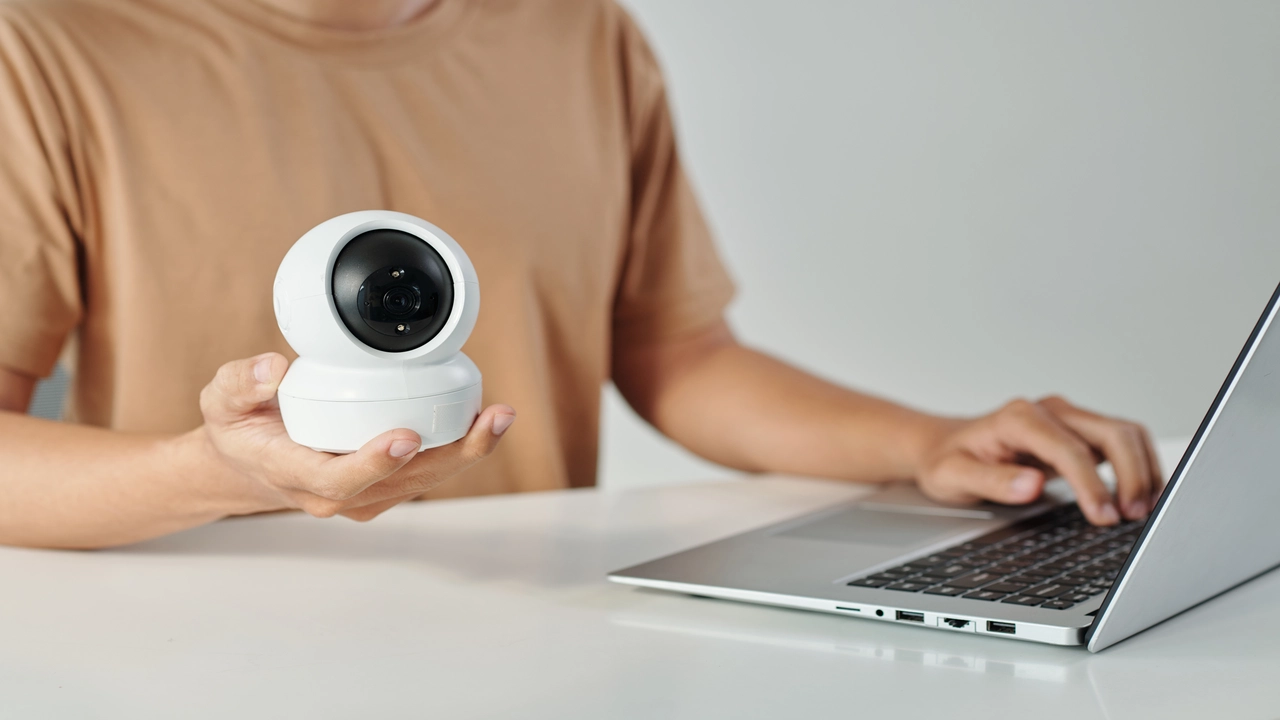
The Blink Mini is Blink's most compact and affordable camera. It is designed for indoor use and offers a straightforward security solution. The Blink Mini *does* feature both audio recording and two-way audio. This means you can not only hear what's happening in the room where the Mini is placed but also use the Blink app to speak through the camera, enabling real-time communication with individuals in the vicinity. This makes it a versatile option for keeping an eye on pets, children, or for general indoor monitoring.
The inclusion of two-way audio in the Blink Mini is a significant advantage, offering more interactive functionality at a budget-friendly price point. This makes it a compelling choice for users who want a simple yet effective way to monitor and communicate within their homes.
In summary, while most Blink cameras record audio, only specific models like the Blink Video Doorbell and the Blink Mini offer the interactive two-way audio feature. Always verify the specifications of the exact model you are interested in purchasing.
| Blink Camera Model | Audio Recording | Two-Way Audio |
|---|---|---|
| Blink Outdoor (Standard) | Yes | No |
| Blink Indoor (Standard) | Yes | No |
| Blink Outdoor 4 | Yes | No (Verify specific sub-model) |
| Blink Video Doorbell | Yes | Yes |
| Blink Mini | Yes | Yes |
How Audio Works on Blink Cameras
The audio functionality on Blink cameras, whether it's simple recording or two-way communication, relies on a combination of hardware components and software integration within the Blink ecosystem. Understanding this process can help users better appreciate and troubleshoot their camera's audio performance.
Microphone and Speaker Components
At the core of any audio feature is the microphone. Blink cameras equipped with audio have integrated microphones designed to capture ambient sound. The quality and sensitivity of these microphones can vary slightly between models, impacting the clarity of recorded audio. For cameras with two-way audio, a speaker is also integrated. This speaker is what allows the audio from your smartphone or tablet, via the Blink app, to be played through the camera, enabling you to speak to someone in the camera's vicinity.
The Blink Home Monitor App Integration
The Blink Home Monitor app is the central hub for managing all your Blink devices, and it plays a crucial role in how audio features are accessed and utilized. For cameras with audio recording, the app allows you to:
- View Live Streams with Audio: When viewing a live feed from a camera with audio recording capabilities, you can typically hear the ambient sounds.
- Playback Recorded Events: After a motion event or doorbell press triggers a recording, the captured video and audio are stored (either locally on a Sync Module with a USB drive, or in the cloud with a Blink Subscription Plan). The app provides access to these recordings, allowing you to listen to the audio.
For cameras with two-way audio (like the Blink Mini and Blink Video Doorbell), the app provides the interface for communication:
- Initiating Two-Way Audio: Within the live view of a two-way audio-enabled camera, there will be a microphone icon. Tapping this icon activates the camera's microphone and your device's speaker, allowing you to speak. You typically need to press and hold the icon to speak, then release it to listen to the response. This "push-to-talk" functionality is common to prevent audio feedback loops.
- Receiving Audio: When someone speaks at the camera's location, their voice will be transmitted through the camera's speaker and heard on your mobile device via the Blink app.
Data Transmission and Storage
Audio data, like video data, needs to be transmitted and stored. When a Blink camera records audio, this data is compressed and sent along with the video stream. The method of storage depends on your Blink setup:
- Cloud Storage: With a Blink Subscription Plan, recorded video and audio clips are uploaded to Blink's cloud servers. This allows for convenient access from anywhere through the app. The subscription plan dictates the duration of cloud storage. As of 2025, Blink offers various subscription tiers that cover multiple cameras and offer extended recording retention.
- Local Storage: For users who prefer not to use cloud storage or wish to have a backup, Blink Sync Modules (Sync Module 2 and Sync Module Pro) support local storage via a USB flash drive. This allows recordings to be saved directly to the drive. However, the ability to access these local recordings remotely might be more limited compared to cloud storage, often requiring the camera to be online and the Sync Module to be accessible.
The transmission of audio, especially for real-time two-way communication, requires a stable internet connection on both the camera's end and the user's mobile device. Latency or poor bandwidth can result in choppy audio, delays, or dropped connections during live conversations.
Firmware and Software Updates
Blink periodically releases firmware and software updates for its cameras and the Blink Home Monitor app. These updates can include improvements to audio quality, bug fixes related to audio capture or playback, and enhancements to the two-way audio experience. Keeping your devices and app updated is crucial for optimal performance.
In essence, the audio on your Blink camera is a seamless integration of hardware and software, managed through the intuitive Blink Home Monitor app, with data being stored either locally or in the cloud. Understanding these components helps in appreciating the technology and troubleshooting any potential issues.
Optimizing Audio Settings for Security
While Blink cameras offer audio features, optimizing these settings can significantly enhance their effectiveness for security purposes. Whether you're relying on audio recording for evidence or using two-way audio for communication, a few adjustments can make a difference. These optimizations are generally managed through the Blink Home Monitor app.
Adjusting Microphone Sensitivity (If Available)
Some security camera systems allow users to adjust the sensitivity of the microphone. While Blink's app doesn't always offer granular control over microphone sensitivity for all models, it's worth checking the settings for any options that might influence how much ambient sound is picked up. If such an option were available, a higher sensitivity would capture fainter sounds, potentially useful for detecting subtle noises like whispers or faint footsteps. Conversely, lowering sensitivity could help reduce background noise from traffic or wind, focusing on clearer, closer sounds.
As of 2025, Blink's focus is often on simplicity. However, by ensuring your camera is positioned to minimize ambient noise interference (e.g., not directly facing a busy street if possible), you can indirectly optimize the clarity of the audio it captures.
Leveraging Two-Way Audio Effectively
For Blink cameras with two-way audio (Blink Mini, Blink Video Doorbell), effective use is key:
- Clear Communication: When using two-way audio, speak clearly and directly into your device's microphone. Keep your device close to your mouth.
- Press-and-Hold Technique: Remember that most Blink systems use a press-and-hold function for speaking. Press and hold the microphone icon to talk, then release it to listen. This prevents audio feedback.
- Deterrence: Use two-way audio proactively. If you see an unfamiliar person on your property, using your voice to acknowledge their presence can often deter them. Say something like, "I see you, how can I help you?" or "You are being recorded."
- Delivery Management: For the Blink Video Doorbell, use two-way audio to give clear instructions to delivery personnel, such as where to leave a package.
Optimizing Motion Detection for Audio Recording
The audio recording on your Blink camera is triggered by motion detection. Therefore, optimizing your motion detection settings directly impacts when audio is captured:
- Motion Zones: Utilize motion zones to define specific areas within the camera's view where you want motion to be detected. This helps filter out irrelevant motion (like trees swaying) and ensures recordings are triggered by significant events in critical areas. By focusing motion detection on entry points or pathways, you ensure that relevant audio is captured.
- Sensitivity Levels: Adjust motion detection sensitivity. Too low, and you might miss events. Too high, and you'll get too many false alerts, filling up your storage and potentially missing important audio amidst the noise. Finding the right balance is crucial.
- Activity Zones: Similar to motion zones, activity zones allow you to draw specific areas within the camera's field of view to monitor. This is particularly useful for focusing on areas where sound is most likely to be relevant, like a doorstep or a gate.
Utilizing Audio for Event Context
Even without two-way audio, the recorded sound from your Blink cameras can provide invaluable context:
- Identifying Sounds: Listen to recordings to identify specific sounds that might indicate a security issue, such as glass breaking, alarms, or unusual voices.
- Verifying Events: Audio can corroborate video evidence. For example, if a video shows someone near your property, the audio might reveal if they were speaking, calling out, or making other noises that provide more information.
- Monitoring Activity: For indoor cameras, audio can help you understand what's happening when you're not home, such as children playing, pets barking, or conversations.
Subscription Plan Considerations
While not directly an audio setting, your Blink Subscription Plan affects how long your audio-inclusive recordings are stored. Ensure your plan provides sufficient cloud storage retention to keep recordings for as long as you might need them for evidence or review. As of 2025, Blink offers plans that retain footage for up to 60 days, which is generally sufficient for most home security needs.
By thoughtfully configuring motion detection, understanding the capabilities of your specific Blink model, and using the app's features effectively, you can maximize the security benefits derived from the audio features of your Blink cameras.
Privacy Considerations with Blink Audio
The inclusion of audio recording and two-way audio on security cameras like those from Blink brings significant security benefits, but it also raises important privacy considerations. It's crucial for users to be aware of these implications and to use the technology responsibly and legally.
Legal Requirements and Consent
Laws regarding audio recording vary significantly by region, state, and country. In many places, it is illegal to record conversations without the consent of at least one party involved. This is known as "one-party consent" or "two-party consent" jurisdiction.
- One-Party Consent: In these jurisdictions, you (as the camera owner) can legally record audio as long as you are a participant in the conversation or have given consent.
- Two-Party Consent: In other jurisdictions, all parties involved in a conversation must consent to be recorded. This means if your Blink camera records a conversation between two other people, you might be in violation of the law.
Recommendation: Always familiarize yourself with the audio recording laws in your specific location. For public-facing areas or areas where guests might be present, it is advisable to provide clear notification that audio is being recorded. This could be a visible sign or an audible announcement when using two-way audio.
Inadvertent Recording of Private Conversations
Even with the best intentions, Blink cameras can inadvertently record private conversations. If a camera is placed in a location where people expect privacy (e.g., a bedroom, bathroom, or even a living room where sensitive discussions might occur), the recorded audio could be a privacy violation. The same applies to two-way audio; while intended for visitors, it could pick up conversations happening inside the home.
Mitigation:
- Strategic Placement: Carefully consider where you place your Blink cameras. Avoid areas where privacy is expected or legally protected.
- Disable Audio When Not Needed: If you have a Blink camera with audio recording that you don't need at a particular time, consider disabling the audio recording feature through the Blink app if the option is available for your model.
- Use Two-Way Audio Sparingly: For cameras with two-way audio, only activate it when necessary to communicate with visitors.
Data Security and Cloud Storage
When you opt for cloud storage with a Blink Subscription Plan, your recorded audio and video are stored on Blink's servers. While Blink implements security measures to protect this data, no system is entirely immune to breaches. It's important to trust that Blink's security protocols are robust enough to safeguard your recordings.
Best Practices:
- Strong Account Security: Use a strong, unique password for your Blink account and enable two-factor authentication (2FA) if available. This adds an extra layer of security to prevent unauthorized access to your account and recordings.
- Review Blink's Privacy Policy: Understand how Blink collects, uses, and protects your data by reviewing their official privacy policy.
Sharing Recordings
If you share recorded clips from your Blink camera, be mindful of the content. Sharing audio recordings of individuals without their consent could lead to legal issues or ethical concerns. Always ensure you have the right to share the content you are distributing.
Children's Privacy
If your Blink cameras are placed in areas where children are present, extra care must be taken. Recording children's voices or conversations without parental consent can have significant privacy implications. Ensure you are compliant with any specific laws related to the recording of minors.
By being mindful of these privacy considerations and adhering to legal requirements, you can use your Blink cameras responsibly, ensuring they enhance your security without compromising the privacy of yourself or others.
Troubleshooting Common Audio Issues
While Blink cameras are generally reliable, users may occasionally encounter issues with their audio features. Whether it's no sound during playback, distorted audio, or problems with two-way communication, several troubleshooting steps can help resolve these problems. These steps apply to both audio recording and two-way audio functionalities.
No Audio During Playback
If you're reviewing a recorded event and there's no sound:
- Check Volume Settings: Ensure the volume on your smartphone or tablet is turned up. Also, check within the Blink Home Monitor app itself for any volume controls for playback.
- Verify Audio Recording Was Enabled: Go into the settings for the specific camera in the Blink app and confirm that audio recording is enabled. For some models, this might be a toggle switch.
- Check Subscription/Storage: If using cloud storage, ensure your subscription is active. If using local storage, verify that the USB drive in the Sync Module is functioning correctly and has sufficient space. Corrupted recordings can sometimes lead to missing audio.
- Restart the App and Device: Close the Blink app completely and reopen it. Then, try restarting your mobile device.
- Test with Another Recording: Try playing back a different recorded event from the same camera or another camera to see if the issue is specific to one recording or the camera itself.
- Check for Firmware Updates: Ensure your camera and Sync Module (if applicable) have the latest firmware installed. Outdated firmware can sometimes cause bugs.
Distorted or Low-Quality Audio
If the audio is muffled, crackly, or very quiet:
- Check Microphone Obstructions: Ensure the microphone port on the Blink camera is not blocked by dust, debris, or any other obstruction. Gently clean the area if necessary.
- Internet Connection Stability: A weak or unstable Wi-Fi connection for the camera can lead to poor audio quality during both recording and live streaming. Check your Wi-Fi signal strength in the Blink app. Consider moving the camera closer to your router or using a Wi-Fi extender.
- Background Noise: Excessive background noise (e.g., wind, traffic, loud machinery) can interfere with clear audio capture. While not always controllable, positioning the camera to minimize direct exposure to loud noise sources can help.
- App and Device Restart: As with no audio, restarting the Blink app and your mobile device can resolve temporary glitches.
- Test Live View Audio: Check the audio quality during a live view session. If it's clear during live view but distorted in recordings, the issue might be with the recording process or storage.
Two-Way Audio Not Working (Blink Mini, Video Doorbell)
If you cannot hear visitors or they cannot hear you:
- Verify Two-Way Audio is Enabled: In the Blink app settings for the specific camera, ensure that the two-way audio feature is enabled.
- Check Microphone and Speaker Permissions: On your mobile device, ensure the Blink Home Monitor app has permission to access your microphone and speakers. You can usually find these permissions in your device's general settings under "Apps" or "Privacy."
- Stable Internet Connection (Both Ends): Two-way audio is highly dependent on a strong and stable internet connection for both your device and the Blink camera. If either connection is poor, communication will be affected. Test your Wi-Fi speed.
- Correct Usage of the App: Ensure you are using the press-and-hold functionality correctly. Press and hold the microphone icon to speak, and release it to listen.
- Restart the Camera: Power cycle the Blink camera by removing and reinserting its batteries (if applicable) or unplugging and replugging its power adapter.
- Restart the App and Device: Close the Blink app and restart your mobile device.
- Check for Updates: Ensure both the Blink app and the camera's firmware are up to date.
- Test with Another Device: If possible, try using the Blink app on a different smartphone or tablet to see if the issue persists. This helps determine if the problem is with the app/device or the camera.
Audio Lag or Delay
If there's a noticeable delay between when someone speaks and when you hear it, or vice versa:
- Internet Speed and Latency: High latency or low bandwidth on either your internet connection or the camera's connection is the most common cause of audio lag. Test your internet speed.
- Server Load: Occasionally, high server load on Blink's end can cause delays. This is usually temporary.
- App and Device Performance: A slow or overloaded mobile device can also contribute to lag. Close unnecessary apps running in the background.
If you've tried these troubleshooting steps and are still experiencing audio issues, it's advisable to contact Blink customer support for further assistance. They can provide model-specific guidance and help determine if there might be a hardware defect.
Blink vs. Competitors: A Look at Audio Features
When evaluating home security camera systems, audio capabilities are a significant factor for many consumers. Blink, known for its affordability and ease of use, offers a range of audio features, but how does it stack up against its competitors in 2025? Let's explore.
Blink's Audio Strengths
Blink's primary strengths in audio lie in its accessibility and integration within its ecosystem. The Blink Mini and Blink Video Doorbell provide two-way audio at competitive price points, making this advanced feature available to a broader audience. The Blink Outdoor and Indoor cameras offer essential audio recording, which is standard but valuable for context. All audio features are managed through the user-friendly Blink Home Monitor app, ensuring a consistent experience across devices.
Comparison with Key Competitors
Ring (Amazon Subsidiary)
As a sister company to Blink under Amazon, Ring offers a wide array of cameras, many of which feature robust two-way audio with noise cancellation. Ring's higher-end models often boast superior audio clarity and more advanced features like ambient noise reduction. Ring generally offers more customization in audio settings compared to Blink's more streamlined approach. However, Ring cameras can also be more expensive, and their subscription plans are comparable.
Key Difference: Ring often provides slightly more refined audio quality and more granular controls, but at a potentially higher cost. Blink offers a more budget-friendly entry into two-way audio.
Arlo
Arlo cameras are known for their premium features and image quality. Most Arlo cameras, including their popular Pro and Ultra series, come equipped with two-way audio and often advanced features like full-duplex communication (allowing both parties to speak and listen simultaneously without the push-to-talk limitation). Arlo's audio quality is generally considered excellent. However, Arlo cameras are typically among the most expensive on the market, and their subscription plans are also premium-priced.
Key Difference: Arlo excels in audio quality and features like full-duplex, but at a significantly higher price point than Blink. Blink offers a more accessible solution.
Wyze
Wyze is a direct competitor to Blink in the budget-friendly smart home space. Many Wyze cameras, including the Wyze Cam v3 and Pan v3, offer both audio recording and two-way audio at very attractive prices, often rivaling or even undercutting Blink's Mini. Wyze's audio performance is generally good for its price range, though it might not always match the clarity of more expensive brands. Wyze's subscription service, Cam Plus, is also competitively priced.
Key Difference: Wyze offers a very similar value proposition to Blink, often with comparable audio features at similar price points. The choice between them can come down to specific model features, app preference, or ecosystem integration.
Google Nest Cam
Google Nest Cams (e.g., Nest Cam (battery), Nest Cam with floodlight) also feature two-way audio and integrate seamlessly with the Google Home ecosystem. Nest cameras are known for their intelligent alerts and good video quality. Their audio is generally clear, though sometimes they employ a push-to-talk system similar to Blink. Nest cameras are typically mid-to-high priced, and their subscription service, Nest Aware, is required for extended recording history.
Key Difference: Nest offers strong integration with Google services and intelligent features, with solid two-way audio. Blink remains more focused on a simpler, more affordable solution.
Blink's Niche
Blink occupies a valuable niche by providing functional two-way audio on specific models (Mini, Video Doorbell) at price points that make it accessible to a wider range of consumers. While Blink's standard indoor/outdoor cameras focus on essential audio recording, their interactive models compete effectively with budget-friendly offerings from competitors like Wyze and provide a more affordable entry into two-way communication than premium brands like Arlo or higher-end Ring models. For users prioritizing cost-effectiveness and straightforward functionality, Blink's audio features are often more than sufficient.
In 2025, the decision often boils down to budget, desired features, and existing smart home ecosystem. If two-way audio is a must-have without breaking the bank, Blink's Mini and Video Doorbell are strong contenders. If top-tier audio quality and advanced features are paramount and budget is less of a concern, competitors like Arlo or higher-end Ring models might be more suitable. For a balance of price and features, Wyze remains a very close competitor to Blink.
In conclusion, Blink cameras do have audio, with the specifics varying by model. The Blink Mini and Blink Video Doorbell offer the valuable two-way audio feature, allowing for real-time communication, while most other Blink cameras focus on audio recording for context. By understanding these differences and optimizing your settings, you can effectively leverage the audio capabilities of your Blink system for enhanced home security and peace of mind. Always check the latest product specifications to ensure you're getting the features you need.