This comprehensive guide dives deep into whether burglars target homes equipped with alarm systems. We'll explore the psychology of a burglar, the deterrent effect of alarms, and what truly makes a home a target, providing actionable insights for 2025-26.
The Deterrent Effect: Do Alarms Actually Scare Burglars Away?
The fundamental question on many homeowners' minds is straightforward: does having a home alarm system genuinely reduce the risk of a break-in? The answer, supported by extensive research and expert opinions, is a resounding yes, but with important nuances. While a visible alarm system acts as a significant psychological deterrent, it's not an impenetrable shield. Burglars, like any rational actor (albeit one operating outside the law), weigh risks and rewards. The presence of an alarm system immediately elevates the perceived risk of getting caught, potentially leading them to seek an easier target. This deterrent effect is amplified by the type of alarm system, its visibility, and the overall security posture of the home.
Studies consistently show that homes without alarm systems are significantly more likely to be burglarized than those that are protected. For instance, a 2025 analysis by the National Home Security Association (NHSA) indicated that homes with active alarm systems experienced approximately 30-40% fewer burglaries compared to similar unmonitored residences. This statistic alone underscores the tangible benefit of installing an alarm. However, it's crucial to understand that this is not solely about the technology itself. The visible signage, the knowledge that the system is monitored, and the potential for immediate police response all contribute to this deterrent factor.
Furthermore, the perception of risk isn't uniform across all burglars. Opportunistic burglars, who are often looking for quick gains with minimal effort, are particularly susceptible to the deterrent effect of alarms. They are less likely to spend time attempting to bypass a sophisticated system or risk triggering an alarm that could lead to rapid apprehension. Professional burglars, on the other hand, may be more inclined to attempt to disable or circumvent alarms, but even they prefer targets that offer less resistance and a lower chance of detection. The sheer presence of an alarm system, therefore, often prompts them to move on to a less challenging prospect.
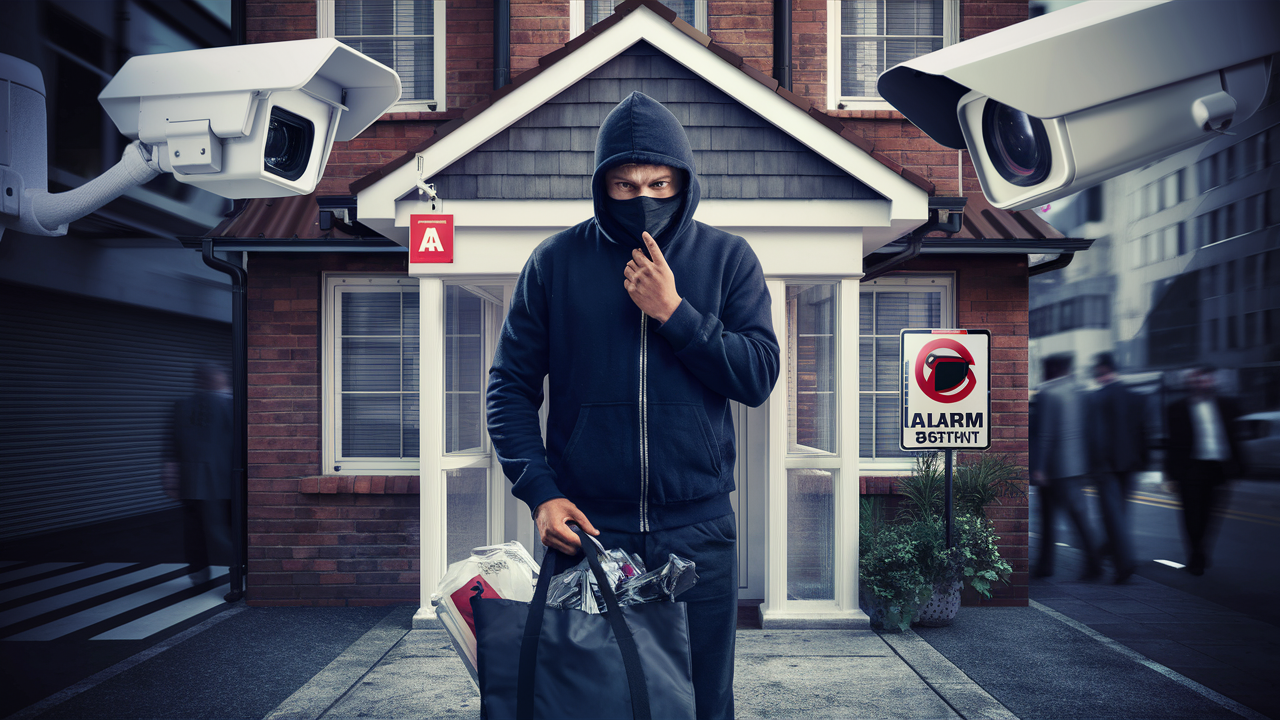
The effectiveness of an alarm as a deterrent is also tied to its visibility. A well-maintained system with visible signage (window stickers, yard signs) communicates a clear message to potential intruders: this home is protected. This visual cue is often the first line of defense, discouraging them before they even attempt to approach the property. Conversely, a hidden or poorly maintained system might offer less of a deterrent, as its presence might not be immediately apparent.
It's also worth noting that the "deterrent effect" isn't just about scaring burglars away entirely. It's also about making them think twice, increasing their hesitation, and potentially forcing them to abandon their attempt if they encounter any unexpected resistance or signs of detection. This hesitation can be the crucial factor that prevents a successful break-in.
In summary, while no security system is foolproof, the evidence strongly suggests that home alarm systems are a powerful deterrent. They increase the perceived risk for potential burglars, making your home a less attractive target and significantly reducing the likelihood of a break-in. The key lies in understanding how this deterrence works and complementing it with other security measures.
Understanding Burglar Psychology: What They Look For
To truly understand whether burglars target homes with alarms, we must delve into the mind of a burglar. Their decision-making process, while criminal, is often driven by a calculated assessment of risk versus reward. They are not typically driven by malice but by opportunity and the potential for financial gain with minimal consequence. Understanding these motivations and the factors they consider can provide invaluable insights into how to make your home less appealing.
Burglars are, in essence, opportunists. They look for easy targets – homes that present the fewest obstacles and the highest probability of a successful, quick entry and exit. This often means looking for signs of vulnerability:
- Signs of Vacancy: This is perhaps the most significant indicator. Overstuffed mailboxes, unkempt lawns, newspapers piling up, lights that are always off or always on, and cars absent from the driveway for extended periods all signal that no one is home. Burglars prefer to operate when the occupants are away, minimizing the risk of confrontation.
- Poor Visibility: Overgrown bushes and trees that provide cover for entry points, poorly lit exteriors, and homes that are secluded from immediate neighbors can be attractive. They want to be able to approach and leave without being easily seen.
- Easy Access Points: Unlocked doors and windows, especially those on the ground floor or in less visible areas like the back of the house, are prime targets. Damaged or flimsy locks, weak window frames, and poorly secured garage doors also signal an easy way in.
- Lack of Security Measures: The absence of visible security measures, such as alarm signs, security cameras, or even a dog, can make a home appear less protected and therefore more vulnerable.
- Valuables in Plain Sight: While less common for sophisticated burglars, opportunistic thieves might be tempted by expensive items visible through windows, such as electronics or jewelry.
- Predictable Routines: If a burglar observes a consistent pattern of residents leaving and returning at specific times, they can plan their entry accordingly.
It's important to differentiate between types of burglars. Opportunistic burglars are often less experienced and may be deterred by even basic security measures. They are more likely to target homes that appear easy to break into. Professional burglars, while rarer, are more sophisticated. They may conduct reconnaissance, identify vulnerabilities, and even attempt to bypass security systems. However, even they prefer targets that offer the least resistance and the lowest risk of capture. The presence of an alarm system, especially a professionally monitored one, significantly increases the risk for both types of intruders.
The psychological impact of an alarm system on a burglar is multifaceted. Firstly, it represents a potential immediate alert to authorities. Secondly, it may indicate the presence of other security measures. Thirdly, it signifies that the homeowner has taken proactive steps to protect their property, suggesting a higher level of vigilance. This combination of factors makes a home with an alarm system a more complex and risky proposition.
Burglars are looking for the path of least resistance. If a home presents multiple signs of security and vigilance, they are likely to move on to a property that offers a perceived easier opportunity. The alarm system, therefore, serves as a critical component in signaling that a property is not an easy target. It's a message that, when combined with other security practices, can significantly reduce your home's attractiveness to potential intruders.
Beyond Alarms: Key Factors That Make a Home a Target
While the presence of an alarm system is a significant deterrent, it's not the sole determinant of whether a home becomes a target. Burglars assess a multitude of factors, and a home can still be targeted even with an alarm if other vulnerabilities are apparent. Understanding these contributing factors is crucial for a holistic approach to home security. These elements often work in conjunction with or in opposition to the deterrent effect of an alarm system.
Here are some of the most critical factors that make a home a target, beyond the presence of an alarm:
1. Perceived Vacancy and Lack of Occupancy
This is arguably the most significant factor. Burglars thrive on the absence of residents. Signs that indicate a home is empty are highly attractive:
- Mail and Deliveries: Piled-up mail, newspapers, and packages on the doorstep are clear indicators of absence.
- Unkempt Landscaping: Overgrown lawns, untrimmed hedges, and unraked leaves suggest the residents are away for an extended period.
- Absence of Vehicles: If the usual vehicles are consistently missing from the driveway, especially during typical working hours or for extended holidays.
- Lights and Curtains: Houses that are consistently dark at night or have curtains/blinds drawn at all times can signal an empty dwelling. Conversely, lights that are always on can also be a sign of a vacant property being "watched."
- Social Media Activity: While not directly observable by a burglar on-site, a homeowner posting about being on vacation can inadvertently broadcast their absence.
2. Accessibility and Entry Points
Burglars are looking for the easiest way in. Homes with obvious vulnerabilities in their physical security are more appealing:
- Poorly Secured Doors and Windows: Weak locks, old doors, single-pane windows, and doors that are easily kicked in are inviting. Ground-floor windows and doors, especially those obscured from street view, are particularly vulnerable.
- Lack of Lighting: Dark areas around the perimeter of the home provide cover for burglars to approach and work on entry points unnoticed.
- Overgrown Vegetation: Bushes and trees near windows and doors can provide hiding spots for burglars to conceal their activities.
- Easy Access to the Backyard: Gates left unlocked or easily bypassed can allow access to less visible entry points.
3. Visibility and Neighborhood Factors
The surrounding environment plays a role:
- Isolation: Homes that are isolated from neighbors or are located in areas with low foot traffic offer more privacy for burglars.
- Lack of Neighborhood Watch or Community Presence: Areas with active community watch programs and engaged neighbors tend to have lower crime rates, as residents are more likely to notice and report suspicious activity.
- Proximity to Escape Routes: Easy access to major roads or highways can be attractive for a quick getaway.
4. Signs of Wealth or Valuables
While burglars often seek quick, easy targets, some are attracted by the potential for high-value returns:
- Expensive Vehicles: Luxury cars parked in the driveway can signal affluence.
- Visible Electronics: Large, expensive electronics like flat-screen TVs or gaming consoles visible through windows.
- High-End Landscaping or Exterior Features: Expensive garden furniture, elaborate lighting, or other visible signs of wealth.
5. Lack of Visible Security Measures
Beyond alarms, other visible deterrents matter:
- No Security Cameras: The absence of visible security cameras can make a home seem less protected.
- No Visible Dog: A barking dog, even if inside, can be a significant deterrent.
- No Exterior Lighting: Poorly lit exteriors offer hiding places and reduce the chances of a burglar being seen.
Even with an alarm system, if a home exhibits several of these vulnerabilities, it can still become a target. A burglar might assess the alarm, but if they see an unlocked window or a clear path to the back door with ample cover, they might still proceed, hoping to bypass the alarm or exploit other weaknesses. Therefore, a layered security approach is essential, where the alarm system is just one component of a comprehensive strategy.
Types of Alarm Systems and Their Effectiveness
The effectiveness of a home alarm system as a deterrent and protector is not uniform. Different types of systems offer varying levels of security, features, and monitoring capabilities. Understanding these distinctions is key to choosing the right system for your needs and maximizing its impact on potential burglars.
Alarm systems can be broadly categorized based on their monitoring and functionality:
1. Monitored Alarm Systems
These are the most effective types of alarm systems for deterring burglars and ensuring a rapid response. They are connected to a central monitoring station, either through a landline, cellular signal, or internet connection.
- How they work: When a sensor is triggered (e.g., a door or window opens, motion is detected), the system sends an alert to the monitoring station. Trained operators then verify the alarm (often by calling the homeowner) and, if necessary, dispatch emergency services (police, fire department).
- Effectiveness: Highly effective. The knowledge that a professional monitoring service is involved significantly increases the perceived risk for burglars, as it means a faster and more certain response from law enforcement. This is a major deterrent.
- Pros: Professional monitoring, rapid response, peace of mind, often required for homeowner's insurance discounts.
- Cons: Monthly fees, potential for false alarm fines.
2. Unmonitored (DIY) Alarm Systems
These systems are designed for self-monitoring. When an alarm is triggered, the system will sound a loud siren and may send notifications directly to the homeowner's smartphone.
- How they work: Homeowners are responsible for contacting emergency services themselves if they receive an alert.
- Effectiveness: Less effective than monitored systems. While the siren can startle an intruder and potentially scare them away, and smartphone alerts can inform the homeowner, there's no guarantee of immediate professional response. Burglars may be less deterred if they believe the response is solely dependent on the homeowner's actions or if they can disable the siren quickly.
- Pros: No monthly fees, typically lower upfront cost, easy installation.
- Cons: Relies on homeowner to act, no guaranteed immediate police dispatch, potentially less deterrent effect.
3. Smart Home Security Systems
These systems integrate alarm functions with broader smart home technology, offering advanced features and remote control via smartphone apps.
- How they work: Can include traditional sensors, cameras, smart locks, and integration with voice assistants. They can be monitored or unmonitored. Many offer features like remote arming/disarming, live video feeds, and customized alerts.
- Effectiveness: Effectiveness varies based on monitoring. However, the integration of cameras that can record evidence and allow remote viewing can be a strong deterrent and aid in investigations. The ability to control and monitor the system from anywhere adds a layer of security.
- Pros: Advanced features, remote access, integration with other smart devices, potential for video verification.
- Cons: Can be more complex, potentially higher cost, reliance on internet connectivity.
4. Traditional Alarm Components
Regardless of the system type, the individual components play a role:
- Door and Window Sensors: Detect when entry points are opened.
- Motion Detectors: Sense movement within a room or area.
- Glass Break Sensors: Detect the sound of breaking glass.
- Siren: A loud audible alarm to alert occupants and deter intruders.
- Keypad/Control Panel: For arming and disarming the system.
- Yard Signs and Window Stickers: Crucial for visible deterrence.
Effectiveness of Visible Deterrents
It's impossible to overstate the importance of visible deterrents. A well-placed yard sign or window sticker from a reputable alarm company is often enough to make a burglar reconsider. These signs communicate that the home is protected and that an alarm system is in place, potentially triggering the thought process of risk assessment for the intruder. Even if the alarm is unmonitored, the visible sign can be a powerful deterrent.
The Role of Professional Monitoring
For maximum effectiveness against burglars, a professionally monitored system is generally considered superior. The immediate dispatch of law enforcement is a critical factor that many burglars wish to avoid. This immediate response significantly reduces their time on the property and increases their chances of being apprehended. While DIY systems offer a level of protection, they lack the direct link to emergency services that monitored systems provide.
In conclusion, while any alarm system is better than none, professionally monitored systems offer the highest level of deterrence and protection. Coupled with visible signage and other security measures, they form a robust defense against burglary. The choice of system should align with your budget, desired level of security, and peace of mind.
Layered Security: The Ultimate Home Protection Strategy
The most effective way to deter burglars and protect your home is not by relying on a single security measure, but by implementing a comprehensive strategy of "layered security." This approach involves combining multiple layers of defense, each reinforcing the others, to create a formidable barrier that makes your home a significantly less attractive target. A home alarm system is a crucial layer, but it's most effective when integrated with other security practices.
Think of layered security as a series of concentric rings of protection around your home. If one layer fails or is bypassed, the next layer is there to provide an additional challenge and deterrent.
Layer 1: The Exterior Perimeter (Visible Deterrents and Environmental Control)
This is the first line of defense, designed to deter burglars before they even reach your doors or windows.
- Landscaping: Keep shrubs and trees trimmed, especially near windows and doors, to eliminate hiding spots. Avoid planting thorny bushes under ground-floor windows.
- Exterior Lighting: Install motion-activated lighting around the entire perimeter of your home. Well-lit exteriors make it difficult for burglars to approach unseen.
- Fencing and Gates: Secure fences with self-latching gates can slow down intruders and make entry more difficult.
- Visible Alarm Signs and Stickers: Prominently display signs indicating that your home is protected by an alarm system and/or security cameras. Even if you have a basic system, these signs are powerful psychological deterrents.
- "Beware of Dog" Signs: Even without a dog, these signs can be a deterrent.
Layer 2: Entry Points (Physical Barriers)
This layer focuses on making doors and windows as secure as possible.
- High-Quality Locks: Install deadbolt locks on all exterior doors. Ensure that door frames are reinforced.
- Solid Doors: Use solid core or metal exterior doors.
- Window Security: Install strong window locks, consider security film for glass, and ensure windows are closed and locked when you're away. For basement or less visible windows, consider security bars or grates.
- Sliding Door Security: Use security bars or pins to prevent sliding doors from being lifted off their tracks or forced open.
- Garage Door Security: Ensure your garage door is sturdy and has a reliable locking mechanism. Consider smart garage door openers that alert you to activity.
Layer 3: The Alarm System (Electronic Surveillance and Alerting)
This is where your alarm system plays a vital role.
- Professionally Monitored System: As discussed, this provides the highest level of deterrence and response.
- Visible Components: Ensure sensors, cameras, and control panels are visible where appropriate.
- Regular Maintenance: Keep your system in good working order. Test it periodically.
- Smart Home Integration: Utilize features like remote arming/disarming, live video feeds, and alerts to enhance control and awareness.
Layer 4: Interior Security (Deterrents and Evidence Gathering)
Even if an intruder breaches the exterior, interior measures can help.
- Interior Motion Detectors: Placed strategically inside the home to detect movement if the perimeter is breached.
- Security Cameras (Indoor): Placed in common areas to record any activity.
- Safe for Valuables: Securely store important documents, jewelry, and other high-value items in a home safe.
- Dog: A barking dog is an excellent deterrent.
Layer 5: Occupant Behavior and Awareness
The habits and vigilance of the homeowners are a critical, often overlooked, layer of security.
- Locking Up: Always lock doors and windows, even when you're home or just stepping out briefly.
- Don't Advertise Vacancy: Arrange for mail and newspaper collection when away. Use timers for lights and radios. Be mindful of social media posts about vacations.
- Community Involvement: Participate in neighborhood watch programs. Get to know your neighbors and look out for each other.
- Report Suspicious Activity: Don't hesitate to report unusual activity in your neighborhood to the police.
- Be Discreet: Avoid leaving expensive items visible from windows.
Example of Layered Security in Action:
Imagine a burglar approaches a home with a well-maintained yard, motion-activated lights, and visible alarm signs. The lights come on, making them visible from the street. They decide to try a back window. The window is locked with a strong latch and has security film. They attempt to force it, triggering a window sensor and a loud siren. If they manage to break the glass, a glass break sensor also triggers the alarm. A professionally monitored system immediately dispatches police. Even if they manage to disable the siren, the police are already en route. This multi-layered approach significantly increases the chances of deterring the burglar or ensuring their swift apprehension.
Implementing layered security is an ongoing process. Regularly review your home's vulnerabilities and update your security measures as needed. By combining physical barriers, electronic surveillance, and vigilant behavior, you create a robust defense that makes your home a far less appealing target for burglars.
Making Your Home Less Appealing to Potential Intruders
The question of whether burglars target homes with alarms is best answered by understanding what makes a home appealing to them in the first place. While alarms are a significant deterrent, they are just one piece of the puzzle. By actively working to make your home appear less inviting and more difficult to breach, you can significantly reduce your risk. This involves a combination of visible deterrents, physical security enhancements, and smart behavioral practices.
Here’s a breakdown of how to make your home a less appealing target:
1. Enhance Visibility and Lighting
Burglars prefer to operate under the cover of darkness and in areas where they can't be easily seen.
- Install Motion-Activated Lights: Place these strategically around your home's exterior, including pathways, entryways, and dark corners. The sudden illumination can startle and deter potential intruders.
- Keep Entryways Well-Lit: Ensure your front porch, back door, and garage areas are adequately lit, especially at night.
- Trim Shrubs and Trees: Keep landscaping neat and trimmed, particularly around windows and doors. Overgrown vegetation provides hiding places.
2. Fortify Entry Points
Making it difficult to get in is paramount.
- Upgrade Locks: Install high-quality deadbolt locks on all exterior doors. Ensure door frames are reinforced.
- Solid Doors: Use solid core or metal exterior doors. Hollow-core doors are easily breached.
- Secure Windows: Ensure all windows have sturdy locks. Consider installing window security film for added strength, especially on ground-floor windows. For basement windows, security bars can be effective.
- Sliding Door Security: Use security bars or pins to prevent sliding doors from being forced open or lifted off their tracks.
- Garage Security: Ensure your garage door is in good repair and securely locked. Consider reinforcing the door and its mechanism.
3. Create the Illusion of Occupancy
Burglars target vacant homes. Make yours look occupied, even when you're away.
- Use Timers: Employ timers for lights, radios, and televisions to switch on and off at different times, mimicking normal activity.
- Manage Mail and Deliveries: Arrange for mail and newspaper collection when you're on vacation. Ask a neighbor to collect flyers or packages.
- Maintain Your Yard: Keep your lawn mowed and garden tidy, even if you're away for an extended period.
- Avoid Broadcasting Absence: Be cautious about posting vacation plans or photos on social media.
4. Install Visible Security Measures
The mere presence of security can be a powerful deterrent.
- Alarm System Signage: Prominently display stickers or signs indicating your home is protected by an alarm system. This is a key deterrent.
- Security Cameras: Install visible security cameras around your property. Even dummy cameras can be effective deterrents.
- "Beware of Dog" Signs: These can deter burglars who prefer not to encounter an animal.
5. Secure Valuables
While not a deterrent to entry, securing valuables can minimize loss if a break-in does occur.
- Home Safe: Invest in a fireproof and burglary-resistant safe for important documents, jewelry, and cash. Bolt it securely to the floor or wall.
- Don't Leave Valuables in Plain Sight: Keep expensive items out of view from windows.
6. Foster Neighborhood Watch and Community Ties
A vigilant community is a strong deterrent.
- Know Your Neighbors: Build relationships with your neighbors. Look out for each other's properties.
- Participate in Neighborhood Watch: If one exists, join it. If not, consider starting one.
- Report Suspicious Activity: Don't hesitate to call the police if you see anything unusual or suspicious in your neighborhood.
7. Be Mindful of Routines
Burglars sometimes observe patterns.
- Vary Your Routine (if possible): If you have a very predictable schedule, consider minor variations.
- Secure Your Home Immediately After Entry/Exit: Ensure doors and windows are locked as soon as you enter or leave.
By implementing these strategies, you create a home environment that is perceived as high-risk and low-reward by potential burglars. The goal is to make them move on to an easier target. An alarm system is a vital component of this strategy, but its effectiveness is greatly amplified when combined with these other measures. A burglar assessing a home will look at multiple factors, and a home that presents a unified front of security is far less likely to be chosen.
2025-26 Statistics and Emerging Trends in Home Security
Staying informed about the latest statistics and emerging trends in home security is crucial for homeowners looking to protect their properties effectively. The landscape of crime and security technology is constantly evolving, and understanding these shifts can help you make the best decisions for your safety. For 2025-26, several key statistics and trends are shaping how we approach home protection.
Key Statistics for 2025-26
While precise, finalized statistics for the entirety of 2025 and 2026 will emerge over time, current projections and early data indicate the following:
- Deterrent Effect of Alarms: Reports from security firms and law enforcement agencies continue to highlight the significant deterrent effect of alarm systems. Early 2025 data suggests that homes with visible alarm signs and active systems are still approximately 30-50% less likely to be burglarized than those without. This figure remains consistent with previous years, reinforcing the value of alarm systems.
- Rise of Smart Home Security: The adoption of smart home security systems is projected to continue its upward trajectory. By mid-2025, it's estimated that over 60% of new home security installations will incorporate smart technology, including app-controlled systems, integrated cameras, and smart locks.
- Impact of Security Cameras: The presence of visible security cameras is increasingly cited as a major deterrent. Surveys from 2025 indicate that over 70% of burglars would avoid a property if they saw visible surveillance equipment. This highlights the importance of not just having cameras, but making them noticeable.
- False Alarm Reduction: With advancements in sensor technology and AI-powered video verification, false alarms are becoming less frequent. This is leading to fewer fines for homeowners and a more reliable response from law enforcement when alarms are genuine.
- Focus on Perimeter Security: Data from 2025 shows a continued emphasis on exterior security measures, with motion-activated lighting and robust door/window locks being key components of effective home protection strategies.
- Cybersecurity Concerns: As smart home systems become more prevalent, cybersecurity threats are also on the rise. While not directly related to physical burglary, ensuring the security of your home network and devices is a growing concern for 2025-26.
Emerging Trends in Home Security
The home security industry is dynamic, with innovation driving new trends:
- AI-Powered Surveillance: Artificial intelligence is revolutionizing security cameras. AI can now distinguish between people, animals, and vehicles, reducing false alerts and providing more intelligent insights. Future systems will offer advanced facial recognition and behavioral analysis to detect potential threats before they materialize.
- Integrated Smart Home Ecosystems: The trend is towards seamless integration of all smart home devices. Your alarm system, smart locks, lighting, thermostats, and even voice assistants will work together to create a more responsive and secure environment. For example, if an alarm is triggered, lights could flash, and doors could automatically lock.
- Video Doorbells and Smart Doorbells: These devices continue to be popular, offering remote monitoring of visitors and an initial layer of security at the most common entry point. Advancements include higher resolution, wider fields of view, and improved two-way audio.
- Drone Surveillance (Emerging): While still in its nascent stages for residential use, the concept of drone surveillance for large properties or as a rapid response tool is being explored. This could offer aerial views of a property in case of an incident.
- Biometric Security: Fingerprint scanners and facial recognition are becoming more common in high-end smart locks and some security systems, offering a more secure and convenient way to grant access.
- Proactive Threat Detection: Beyond simply reacting to an event, future systems aim to be more proactive. This could involve analyzing patterns of activity, detecting unusual movements, or even monitoring for environmental hazards like gas leaks or smoke more effectively.
- DIY Systems with Enhanced Capabilities: While professional installation and monitoring remain popular, DIY systems are becoming more sophisticated, offering features that were once exclusive to professional installations, often at a lower cost.
- Cybersecurity as a Standard Feature: As connected devices proliferate, robust cybersecurity measures are becoming a standard expectation for all smart home security products. Manufacturers are focusing on encrypted communications and secure network protocols.
The overarching trend for 2025-26 is a move towards more intelligent, integrated, and proactive home security solutions. While traditional alarm systems remain highly effective, their capabilities are being enhanced by smart technology and AI. The key takeaway from these statistics and trends is that a layered approach, incorporating visible deterrents, robust physical security, an effective alarm system (preferably monitored), and smart technology, offers the most comprehensive protection against burglary. Staying aware of these developments allows homeowners to adapt and enhance their security strategies effectively.
Conclusion
The question of whether burglars target homes with alarms is definitively answered by the evidence: yes, they do, but not in the way one might initially assume. Rather than being a primary target because they have an alarm, homes with alarms are significantly less likely to be targeted. The presence of a visible, functioning alarm system acts as a powerful psychological deterrent. Burglars, driven by risk assessment, are generally looking for the path of least resistance and the highest probability of a quick, undetected crime. An alarm system, especially a professionally monitored one, introduces a significant element of risk – the risk of rapid detection and apprehension by law enforcement. This elevated risk is often enough to make them seek out an easier target.
However, it's crucial to understand that an alarm system is not a magic bullet. Burglars also assess other factors, such as signs of vacancy, accessibility, poor lighting, and lack of other visible security measures. A home with an alarm system but with overgrown bushes, unlocked windows, or a consistently overflowing mailbox still presents vulnerabilities. Therefore, the most effective strategy is layered security. This involves combining your alarm system with robust physical barriers (strong doors and locks), enhanced visibility (motion-activated lighting), clear signage of security measures (alarm stickers, camera signs), and vigilant homeowner behavior (locking up, managing mail when away).
For 2025-26, trends indicate a growing reliance on smart home technology, AI-powered surveillance, and integrated security ecosystems. These advancements further enhance the effectiveness of home security, offering more proactive threat detection and seamless control. Ultimately, making your home less appealing to burglars is a multi-faceted endeavor. By investing in a reliable alarm system and complementing it with other security measures, you significantly reduce your risk and gain invaluable peace of mind. Prioritize a layered approach, stay informed about emerging technologies, and remember that visible security and consistent vigilance are your strongest allies in protecting your home.