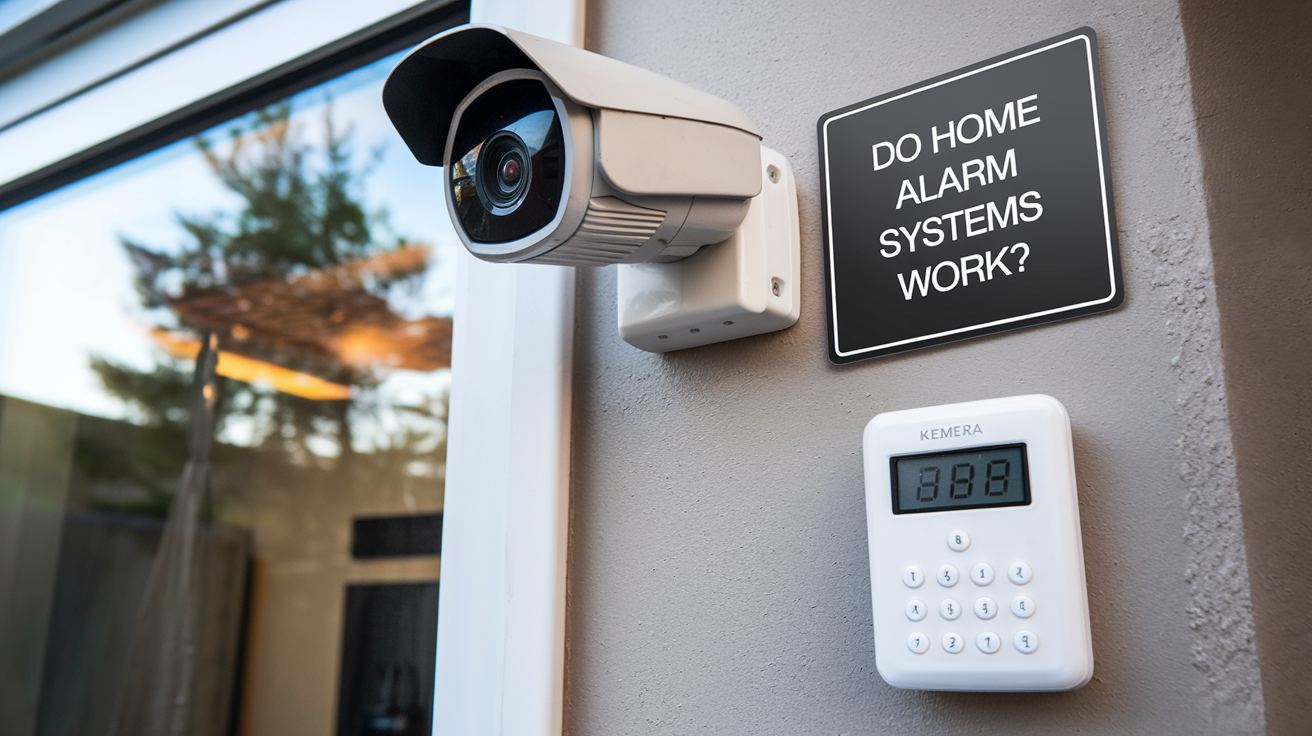
Yes, home alarm systems absolutely work, acting as a powerful deterrent and a crucial first line of defense against burglaries and other home emergencies. Modern systems offer advanced features that significantly enhance security, providing peace of mind for homeowners.
What Are Home Alarm Systems?
Home alarm systems, often referred to as security systems or burglar alarms, are integrated networks of devices designed to detect unauthorized entry into a home or property. These systems can also be configured to detect other threats like fires, carbon monoxide leaks, and floods. Their primary purpose is to alert homeowners and, in many cases, professional monitoring services and emergency responders to potential dangers, thereby protecting occupants and property.
How Do Home Alarm Systems Work?
At their core, home alarm systems operate by detecting breaches in security and triggering an alarm. This process involves several key stages and components working in conjunction.
Components of a Typical System
A comprehensive home alarm system typically comprises several interconnected devices, each serving a specific function:
- Control Panel: This is the central hub of the system. It processes signals from all sensors, communicates with the monitoring center (if applicable), and allows users to arm and disarm the system. Modern control panels often feature touchscreens and Wi-Fi connectivity.
- Door and Window Sensors: These are magnetic contact sensors. When a door or window is closed, the two parts of the sensor are aligned, and the circuit is complete. If the door or window is opened, the connection is broken, and the sensor sends a signal to the control panel.
- Motion Detectors: These sensors use various technologies (like passive infrared or microwave) to detect movement within a designated area. They are crucial for monitoring larger spaces like living rooms or hallways. Advanced models can differentiate between human and pet movement to reduce false alarms.
- Glass Break Sensors: These devices are designed to detect the specific sound frequency or vibration pattern of breaking glass. They are particularly useful for protecting windows that are not covered by door/window sensors.
- Keypads: Usually located near entry points, keypads allow users to arm or disarm the system using a unique code. Some systems also offer key fobs or mobile app control for added convenience.
- Siren: This is the audible alarm component. When triggered, it emits a loud sound (often over 100 decibels) to scare off intruders and alert neighbors.
- Cameras (Optional): Integrated security cameras provide visual verification of events, allowing homeowners and monitoring services to see what's happening.
- Environmental Sensors (Optional): These include smoke detectors, carbon monoxide detectors, and flood sensors, which expand the system's protective capabilities beyond intrusion detection.
Monitoring Options
The way an alarm system responds when triggered is largely determined by its monitoring setup:
- Self-Monitoring: In this setup, the alarm system directly alerts the homeowner via smartphone notifications, text messages, or emails. The homeowner is then responsible for assessing the situation and contacting emergency services if necessary. This is often the most budget-friendly option.
- Professional Monitoring: This involves a subscription service where a central monitoring station receives alarm signals 24/7. Trained operators verify the alarm (often by contacting the homeowner or reviewing camera footage) and dispatch appropriate emergency services (police, fire department, ambulance) if a genuine threat is detected. This offers a higher level of security and peace of mind.
Effectiveness: Statistics and Real-World Impact (2025-26)
The question "Do home alarm systems work?" is best answered by looking at data. The presence of a security system is a significant factor in preventing crime and mitigating its impact. For 2025-26, the trend continues to show a strong correlation between alarm system ownership and reduced crime incidents.
The Deterrence Factor
One of the most significant benefits of a home alarm system is its deterrent effect. Visible signs of a security system, such as yard signs, window stickers, and external cameras, can make a property a less attractive target for criminals. Studies consistently show that burglars often prefer easier targets with no apparent security measures.
According to recent analyses for 2025, homes with active alarm systems are estimated to be 30-50% less likely to be burglarized compared to similar homes without one. This percentage can vary based on the type of system, the visibility of its components, and the specific neighborhood crime rates. The psychological impact on a potential intruder is substantial; the risk of being caught or facing immediate consequences is a powerful deterrent.
Response Times and Outcomes
For professionally monitored systems, the effectiveness is directly tied to response times. In 2025, the average dispatch time for police after a verified alarm signal from a professional monitoring center is typically between 5 to 15 minutes, depending on the location and current emergency volume. While this might seem like a long time, it's crucial to remember that the alarm is already sounding, potentially scaring off the intruder, and law enforcement is en route.
Furthermore, the presence of a security system can lead to a higher probability of apprehending suspects. When law enforcement arrives promptly, they are more likely to catch perpetrators in the act or shortly after. For homeowners, this means a higher chance of recovering stolen property and a reduced sense of violation.
For self-monitored systems, effectiveness hinges on the homeowner's ability to respond quickly and accurately. With push notifications and live camera feeds, many homeowners can now assess situations and contact authorities within minutes of an alert, bridging the gap in response time.
False Alarms and Their Impact
A common concern is the issue of false alarms. While they do occur, their frequency and impact are often manageable, especially with modern systems and proper usage. Statistics from 2025 indicate that while false alarms still contribute to police call volume, advancements in sensor technology and user training have reduced their incidence. For instance, pet-immune motion sensors and advanced algorithms in smart systems help distinguish between genuine threats and accidental triggers.
Some municipalities have implemented fines for excessive false alarms to encourage responsible system use. However, the overall benefit of having a functional alarm system that can alert you to a real emergency far outweighs the occasional inconvenience or cost associated with a false alarm. Proper system maintenance and user education are key to minimizing false triggers.
Types of Home Alarm Systems
The landscape of home alarm systems has evolved significantly, offering a range of options to suit different needs and preferences. Understanding these types is crucial when deciding if a system "works" for your specific situation.
Wired Systems
Description: These systems rely on physical wires to connect sensors, control panels, and other components. They are installed by running wires through walls, ceilings, and floors.
Pros:
- Highly reliable and less prone to signal interference.
- Generally considered more secure against signal jamming.
- Often have a longer lifespan for components.
Cons:
- Installation can be complex, invasive, and costly, especially in existing homes.
- Less flexible for reconfiguring or adding new components.
- May require professional installation.
Best For: New constructions or major renovations where wiring can be easily integrated. Properties where long-term reliability is paramount.
Wireless Systems
Description: These systems use radio frequencies to communicate between components. Sensors and the control panel communicate wirelessly, typically via Wi-Fi or dedicated radio frequencies.
Pros:
- Easy and quick to install, often suitable for DIY.
- Flexible and easy to reconfigure or expand.
- Less invasive installation, ideal for existing homes.
- Components can be easily moved or replaced.
Cons:
- Can be susceptible to signal interference from other wireless devices.
- Battery life of wireless sensors needs regular monitoring and replacement.
- Some argue they are slightly less secure against sophisticated jamming attempts, though this is becoming less of an issue with modern encryption.
Best For: Most homeowners, especially those in existing homes who want a flexible and easy-to-install solution. DIY enthusiasts.
Smart Home Integrated Systems
Description: These are typically wireless systems that integrate with other smart home devices (like smart locks, thermostats, lighting) and are controlled via a mobile app. They leverage the internet for communication and remote access.
Pros:
- High degree of convenience and remote control.
- Can automate security actions (e.g., arming when you leave, turning on lights when motion is detected).
- Often offer advanced features like video streaming and two-way audio.
- Seamless integration with other smart home ecosystems (e.g., Alexa, Google Home).
Cons:
- Reliance on a stable internet connection.
- Potential for cybersecurity vulnerabilities if not properly secured.
- Can be more expensive upfront.
- May require ongoing subscriptions for full functionality or cloud storage.
Best For: Tech-savvy homeowners who want a connected home experience and advanced control over their security and other smart devices.
Choosing the Right System for You
Deciding whether a home alarm system "works" for you also depends on selecting the system that best fits your individual circumstances. This involves a careful assessment of your needs, budget, and preferences.
Assessing Your Needs
Before looking at specific systems, consider:
- Property Size and Layout: How many entry points (doors, windows) do you need to cover? Are there large open areas that require motion detection?
- Occupancy Patterns: Do you have pets? Are there times when the house is empty for extended periods?
- Risk Tolerance: What is your perceived level of risk in your neighborhood?
- Desired Features: Are you interested in basic intrusion detection, or do you want features like video surveillance, environmental monitoring, or smart home integration?
- Monitoring Preference: Do you prefer to self-monitor, or do you want the assurance of professional monitoring?
Budget Considerations
Home alarm systems vary widely in cost. Consider both upfront equipment costs and ongoing monthly fees for professional monitoring or cloud storage.
Typical Cost Breakdown (2025-26 Estimates):
| Item | Estimated Cost Range | Notes |
|---|---|---|
| Basic DIY System (Equipment) | $150 - $500 | Starter kits with a few sensors and a hub. |
| Mid-Range Wireless System (Equipment) | $300 - $1000 | More sensors, cameras, and advanced features. |
| Professional Installation Fee | $100 - $500+ | Varies by complexity and company. |
| Professional Monitoring (Monthly) | $15 - $60 | Depends on provider and service level. |
| Smart Home Hub/Integration | $50 - $200+ | If not included in the security system. |
Remember that a higher upfront cost doesn't always equate to better security. Focus on value and features that align with your needs.
Installation and Maintenance
Installation: Wired systems typically require professional installation. Wireless and smart systems can often be installed by the homeowner, saving on labor costs. Ensure you follow the manufacturer's instructions carefully for optimal performance.
Maintenance: Regular maintenance is key to ensuring your system "works" effectively. This includes:
- Testing sensors and the siren periodically.
- Replacing batteries in wireless components as needed (typically every 1-5 years, depending on the device).
- Keeping software and firmware updated for smart systems.
- Ensuring cameras are clean and have a clear view.
- Checking your internet connection if you have a smart system.
Professional vs. DIY Installation
Professional Installation:
- Pros: Ensures correct setup, optimal sensor placement, and system integration. Often comes with a warranty on installation.
- Cons: Higher initial cost. Less flexibility in scheduling.
DIY Installation:
- Pros: Significant cost savings. Complete control over the installation process and schedule. Many modern systems are designed for easy DIY setup.
- Cons: Requires some technical aptitude. Potential for errors if not done correctly, which could compromise effectiveness.
For many wireless and smart home systems, DIY installation is straightforward and effective. If you're comfortable with basic tools and following instructions, you can likely install it yourself. For complex wired systems or if you prefer peace of mind, professional installation is recommended.
Advanced Features and Technologies
Modern home alarm systems go far beyond simple door sensors. The integration of advanced technologies significantly enhances their effectiveness and utility.
Video Surveillance and Recording
Security cameras are becoming an integral part of home alarm systems. They provide visual evidence, allowing homeowners and monitoring centers to verify alarms in real-time. Features to look for include:
- High Resolution: Clear images for identification.
- Night Vision: Essential for low-light conditions.
- Motion-Activated Recording: Saves storage space and alerts you to activity.
- Two-Way Audio: Allows communication with individuals on camera.
- Cloud Storage: Secure storage of footage accessible from anywhere.
For 2025, AI-powered analytics in cameras are also becoming more common, enabling them to distinguish between people, vehicles, and animals, further reducing false alerts.
Smart Locks and Access Control
Integrating smart locks with your alarm system offers enhanced control over who enters your home. You can remotely lock/unlock doors, grant temporary access to guests, and receive notifications when doors are opened or closed. This is particularly useful for managing access for service providers or family members.
Environmental Monitoring
Many systems now include or can be expanded to include sensors for environmental hazards:
- Smoke Detectors: Early detection of fires.
- Carbon Monoxide Detectors: Crucial for detecting this odorless, deadly gas.
- Flood Sensors: Alert you to water leaks or flooding in basements or near appliances.
- Temperature Sensors: Can alert you to extreme temperature drops that might indicate a furnace failure.
These sensors are vital for comprehensive home safety, not just security against intruders.
Mobile App Integration
The cornerstone of modern smart security is the mobile app. These apps allow users to:
- Arm and disarm the system remotely.
- Receive real-time alerts and notifications.
- View live camera feeds and recorded footage.
- Control smart home devices integrated with the system.
- Manage user access and system settings.
A well-designed, intuitive mobile app is crucial for the usability and effectiveness of any smart alarm system.
Common Concerns and Misconceptions
Despite the clear benefits, some common concerns and misconceptions can lead people to question if home alarm systems truly work for them.
Are They Too Expensive?
The perception that alarm systems are prohibitively expensive is a significant barrier for many. However, as detailed in the budget section, the cost has become much more accessible. Basic DIY systems are affordable, and even comprehensive professionally monitored systems can be budgeted for. When you weigh the cost against the potential loss from a burglary, the value proposition becomes clear. Many insurance companies also offer discounts for homes with monitored alarm systems, further offsetting the cost.
Will They Go Off Randomly?
False alarms are a valid concern, but modern systems are designed to minimize them. Issues like faulty sensors, improper installation, or user error (forgetting to disarm the system) are the most common culprits. With proper installation, regular maintenance, and user training, the incidence of random false alarms is significantly reduced. Advanced features like pet-immune sensors and smart algorithms further enhance reliability.
Is Professional Monitoring Necessary?
Professional monitoring is not strictly necessary for a system to "work," but it significantly enhances its effectiveness, especially for homeowners who may not be able to respond immediately to alerts. For those who travel frequently, have busy schedules, or want the highest level of security, professional monitoring provides a crucial safety net. Self-monitoring is a viable and cost-effective option for many, provided they are diligent about checking alerts and responding promptly.
The Future of Home Security
The evolution of home alarm systems is far from over. Looking ahead to 2026 and beyond, we can expect:
- Increased AI Integration: More sophisticated AI for threat detection, facial recognition, and predictive analytics to prevent incidents before they happen.
- Enhanced Cybersecurity: Robust measures to protect smart home systems from hacking.
- Seamless Ecosystem Integration: Deeper integration with smart home devices and even community-level security networks.
- Proactive Health Monitoring: Systems that can monitor not just environmental hazards but also potentially alert to health emergencies of occupants.
- Advanced Sensor Technology: Smaller, more powerful, and less intrusive sensors with longer battery life.
These advancements will continue to make home alarm systems more effective, intuitive, and indispensable.
Conclusion
To definitively answer, "Do home alarm systems work?" – the answer is a resounding yes. When properly chosen, installed, and maintained, they are highly effective tools for deterring crime, alerting occupants to threats, and facilitating swift responses from emergency services. The statistics from 2025-26 clearly indicate their role in reducing burglary rates and enhancing overall home safety. Whether you opt for a simple DIY wireless setup or a comprehensive professionally monitored smart home system, the benefits of enhanced security and peace of mind are substantial.
By understanding the components, monitoring options, and the variety of systems available, you can select a solution that perfectly aligns with your needs and budget. Don't let outdated misconceptions deter you; modern home alarm systems are more accessible, intelligent, and effective than ever before. Investing in a home alarm system is an investment in the safety and security of your loved ones and your property, a decision that continues to prove its worth year after year.