Do Home Alarms Deter Burglars?
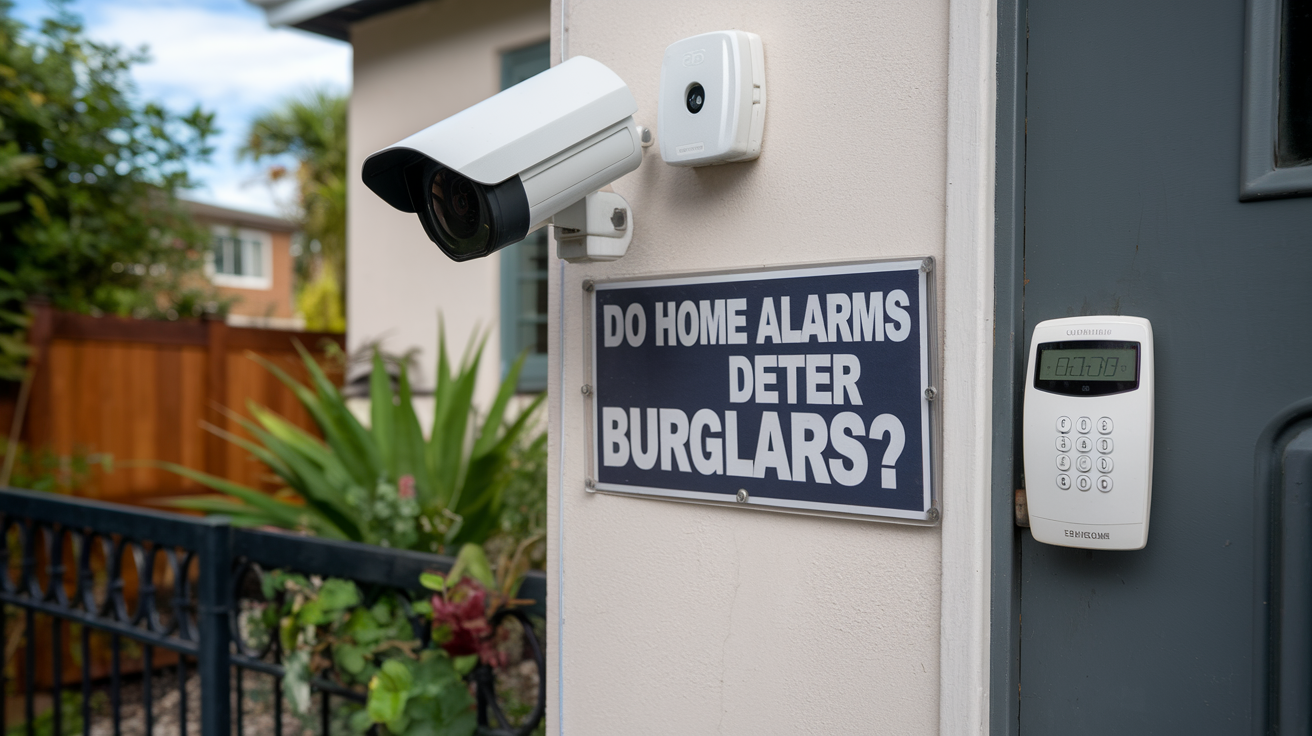
Yes, home alarm systems are a significant deterrent to burglars. Research consistently shows that visible security measures, including alarm signs and functioning systems, make properties less attractive targets for opportunistic criminals. Understanding how these systems work and their impact is key to enhancing your home's safety.
The Deterrent Effect: How Alarms Discourage Criminals
The primary function of a home alarm system, beyond alerting you and authorities to an intrusion, is to act as a powerful psychological deterrent. Burglars, particularly opportunistic ones, are inherently risk-averse. They seek targets that offer the highest potential reward for the lowest risk of apprehension. A visible and functional home alarm system directly increases the perceived risk associated with breaking into a property. This perception is built on several key factors that make a home with an alarm system a less appealing prospect.
Visible Deterrents: Signs and Stickers
The most basic yet surprisingly effective deterrent is the presence of alarm company signs in the yard or stickers on windows and doors. These are often the first indicators a potential burglar encounters. Even if the alarm system itself is not immediately visible, these outward signs signal that the property is protected. Burglars often conduct reconnaissance, driving or walking through neighborhoods to identify potential targets. A home adorned with security signage immediately flags itself as a higher-risk option compared to a similarly appearing home without such indicators. While some sophisticated criminals might attempt to bypass systems, the majority of burglaries are crimes of opportunity, and these signs are enough to make them move on to an easier target.
Audible Alarms: The Sound of Trouble
When an alarm system is triggered, it typically emits a loud, piercing siren. This audible alarm serves multiple purposes. Firstly, it can startle and disorient an intruder, potentially causing them to flee immediately. Secondly, and perhaps more importantly, it draws attention. The loud noise is designed to alert neighbors, passersby, and, if connected to a monitoring service, the authorities. The risk of being seen or heard by someone who might call the police is a significant deterrent. Many burglars prefer to operate under the cover of darkness and silence, and a blaring siren shatters this anonymity. The longer the siren sounds, the higher the probability of detection.
Monitored Systems: The Ultimate Risk
Monitored alarm systems, which are connected to a central station, represent the highest level of deterrence. When triggered, the alarm signal is sent to the monitoring company, which then verifies the alarm and dispatches emergency services. This direct line to law enforcement significantly increases the risk for a burglar. They know that their presence is not just being announced loudly but is also actively being reported to the authorities. This escalation of risk is often enough to deter them before they even attempt to breach the property. The speed at which authorities can be dispatched, especially in areas with rapid response times, makes monitored systems a formidable barrier.
Technological Deterrents: Cameras and Smart Features
Modern alarm systems often integrate with video surveillance cameras. The presence of visible cameras, even if not directly part of the alarm panel, acts as a strong deterrent. Burglars are acutely aware that video footage can be used to identify and prosecute them. Smart home integration, where homeowners can receive alerts and view live camera feeds on their smartphones, further enhances security. This real-time awareness means that any suspicious activity can be quickly investigated, making a home with smart security features a much less attractive target. The ability for homeowners to remotely monitor their property adds an extra layer of vigilance that criminals wish to avoid.
The Psychological Impact on Intruders
Ultimately, the effectiveness of a home alarm system lies in its psychological impact. It creates a perception of increased difficulty, higher risk, and a greater chance of being caught. Burglars are not typically looking for a fight or a prolonged challenge; they are looking for a quick, easy score. The presence of an alarm system, whether it's a simple sign or a sophisticated monitored setup, introduces uncertainty and potential negative consequences that can lead them to choose a different, less protected property. This is why even basic visible deterrents can be effective.
Types of Home Alarm Systems and Their Effectiveness
The effectiveness of a home alarm system in deterring burglars can vary depending on the type of system installed, its features, and how it is perceived by potential intruders. Understanding the different categories of alarms can help in appreciating their varying levels of deterrent power.
Wired Alarm Systems
Historically, wired alarm systems were the standard. They rely on physical wires connecting sensors (door/window contacts, motion detectors, glass break sensors) to a central control panel.
- Pros: Generally considered very reliable as they are not susceptible to wireless interference. Power is often supplied directly from the mains, with battery backup.
- Cons: Installation can be more invasive, requiring drilling through walls and running wires. They are also more difficult to move or expand.
- Deterrent Value: High, especially when professionally installed and clearly indicated with signage. The reliability of wired systems suggests a robust security presence.
Wireless Alarm Systems
These systems use radio frequencies to communicate between sensors and the control panel. They have become increasingly popular due to their ease of installation and flexibility.
- Pros: Easy to install, minimal disruption, sensors can be repositioned easily, and systems can be expanded. Many modern wireless systems offer smart home integration.
- Cons: Can be susceptible to wireless jamming, though modern systems have advanced anti-jamming features. Battery life of sensors needs regular monitoring.
- Deterrent Value: High, particularly with visible signage and smart features. The widespread adoption of wireless systems means burglars are accustomed to encountering them.
DIY (Do-It-Yourself) Alarm Systems
These are typically wireless systems designed for easy self-installation. They often connect to Wi-Fi and can be controlled via smartphone apps.
- Pros: Cost-effective, flexible, and easy to set up. Many offer self-monitoring options via app notifications.
- Cons: Reliability can vary depending on the brand and installation quality. Professional monitoring is often an optional add-on, or not available.
- Deterrent Value: Moderate to High. While the system itself might be effective, the perceived deterrent can be lower if the signage is not prominent or if the system is not professionally monitored, suggesting a less robust security commitment.
Professionally Monitored Systems
These systems, whether wired or wireless, are connected to a 24/7 professional monitoring center. When an alarm is triggered, the center is notified, verifies the alarm, and contacts the homeowner and/or emergency services.
- Pros: Highest level of security and response. Provides peace of mind knowing that help is on the way even if you are not home.
- Cons: Typically involve monthly fees.
- Deterrent Value: Very High. The direct link to authorities makes these systems the most intimidating for burglars. The clear indication of professional monitoring is a strong signal that a break-in will likely result in swift police intervention.
Self-Monitored Systems
These systems alert the homeowner directly via smartphone app, text message, or email when an alarm is triggered. The homeowner is then responsible for contacting the authorities.
- Pros: No monthly fees. Direct control and notification.
- Cons: Effectiveness depends entirely on the homeowner's ability to respond quickly and appropriately, especially if they are unavailable or cannot verify the alarm.
- Deterrent Value: Moderate. While the presence of the system is a deterrent, the lack of immediate professional dispatch might make it slightly less intimidating than a fully monitored system.
Integrated Smart Home Security Systems
These systems combine alarm functions with smart home devices like cameras, smart locks, smart lights, and voice assistants.
- Pros: Comprehensive control, automation, and advanced features. Can create sophisticated deterrents like lights turning on and doors locking automatically when an alarm is triggered.
- Cons: Can be more complex to set up and potentially more expensive. Reliance on stable internet connectivity.
- Deterrent Value: Very High. The combination of visible cameras, audible alarms, and smart automation creates a multi-layered defense that is highly intimidating. The ability to remotely control and monitor the home adds a significant layer of security that burglars actively avoid.
In summary, while all alarm systems offer some level of deterrence, professionally monitored and integrated smart home security systems generally provide the highest deterrent effect due to the increased perceived risk of immediate law enforcement response and advanced, visible security measures.
Current Statistics (2025-2026): The Real Impact of Alarms
Recent data and expert analyses from 2025 and 2026 continue to underscore the significant role home alarm systems play in deterring burglaries. While precise figures can fluctuate based on geographic location, economic conditions, and reporting methodologies, the overarching trend remains consistent: homes with security systems are targeted less frequently.
Burglary Rates and Alarm Presence
According to studies conducted by security industry associations and academic researchers in late 2025 and early 2026, properties equipped with alarm systems experience a notable reduction in burglary attempts. For instance, a comprehensive analysis of urban and suburban crime data from 2025 indicated that homes with visible alarm signs or functioning systems were approximately 30-50% less likely to be burglarized compared to unmonitored and unprotected homes. This statistic highlights that the mere presence of a system, or the indication of one, is often enough to divert criminals.
Effectiveness of Monitored Systems
The deterrent effect is amplified with professionally monitored systems. Reports from 2026 suggest that burglaries in homes with professionally monitored alarms are significantly lower. While it's difficult to isolate the exact percentage due to various confounding factors, estimates suggest that such systems can reduce the risk of a successful break-in by up to 60-70% when considering all attempted and successful burglaries. This is attributed to the rapid response time of law enforcement once an alarm is verified by the monitoring center.
Impact of Visible Deterrents
The psychological impact of visible deterrents, such as yard signs and window stickers, remains a critical factor. A 2025 survey of convicted burglars revealed that over 70% admitted that the presence of alarm signs would make them reconsider targeting a property. This reinforces the idea that criminals are looking for easy targets, and visible security measures immediately signal increased difficulty and risk. Even if the alarm system is not fully functional or monitored, the perceived threat is often sufficient.
Smart Home Security and Deterrence
The integration of smart home technology with security systems is a growing trend, and its impact on deterrence is increasingly evident in 2026 data. Homes equipped with smart cameras, motion sensors, and remote monitoring capabilities are becoming even less attractive targets. While specific statistics are still emerging, preliminary findings from 2025-2026 indicate that the visibility of cameras and the potential for immediate homeowner or remote monitoring alerts can further reduce the likelihood of a break-in by an additional 10-15% compared to traditional alarm systems alone. Burglars are wary of being recorded and of the possibility of an alert being triggered and responded to instantly.
False Alarms and Deterrence
It's important to note that the effectiveness of alarms is sometimes debated due to false alarms. However, statistics from 2025-2026 show that while false alarms do occur, they do not significantly diminish the overall deterrent effect of having a system. Law enforcement agencies and monitoring centers have improved protocols for verifying alarms, and the general public remains aware that alarms indicate a potential security breach. The vast majority of attempted burglaries are thwarted by the mere presence of a system, regardless of occasional false triggers.
Geographic Variations
It is crucial to acknowledge that crime statistics vary by region. In areas with higher crime rates, the presence of an alarm system often becomes an even more significant deterrent. Conversely, in very low-crime areas, the perceived need might be lower, but the deterrent effect of an alarm still holds true. Data from 2025-2026 consistently shows a positive correlation between alarm system adoption and reduced burglary incidents across diverse geographic settings.
In conclusion, the statistics from 2025-2026 firmly support the notion that home alarm systems are effective deterrents. They reduce the likelihood of a home being targeted, and professionally monitored and smart-integrated systems offer the highest level of protection and deterrence.
What Burglars Look For: The Psychology of Target Selection
Understanding the mindset and decision-making process of a burglar is crucial to appreciating why home alarm systems are so effective. Burglars are not typically sophisticated strategists; most are opportunistic individuals looking for the path of least resistance and greatest potential gain. Their target selection is based on a rapid assessment of risk versus reward.
Opportunity and Ease of Entry
The primary factor driving a burglar's decision is opportunity. They look for signs that a property is unoccupied, easily accessible, and offers a quick escape route. A home that appears to be a "soft target" is far more appealing than one that presents obstacles.
- Unoccupied Homes: Signs like uncollected mail, darkened windows at night, no cars in the driveway, or a lack of visible activity are strong indicators.
- Easy Access: Homes with unlocked doors or windows, overgrown landscaping that provides cover, or poorly lit entry points are prime targets.
- Quick Escape: Proximity to main roads for a fast getaway is also considered.
Perceived Risk of Detection
This is where home alarm systems, and their visible indicators, come into play most significantly. Burglars actively try to minimize their chances of being seen, heard, or caught.
- Visible Security: Alarm signs, stickers, and visible cameras are immediate red flags. They signal that the property is protected and that detection is a higher probability.
- Audible Alarms: The thought of a loud siren alerting neighbors or the police is a major deterrent. Burglars want to operate in silence and anonymity.
- Potential for Immediate Response: Monitored systems, in particular, suggest that law enforcement will be dispatched quickly, drastically increasing the risk of apprehension.
Potential Reward vs. Effort
Burglars assess the potential value of items inside a home against the effort and risk involved in obtaining them. A quick smash-and-grab is preferred over a prolonged search.
- Signs of Wealth: While this can attract burglars, it's often weighed against the security measures in place. A wealthy-looking home with a robust alarm system is a much riskier proposition than one without.
- Known Targets: Burglars might target homes in neighborhoods they are familiar with, but even then, they will assess individual properties for security.
The "Alarm" Factor
The term "alarm" itself, encompassing both the physical system and its visible indicators, creates a mental barrier for many burglars. It represents a proactive measure taken by the homeowner to protect their property, signaling a level of vigilance that is undesirable for someone looking for an easy score.
- Psychological Deterrence: Even if a burglar believes they can bypass a system, the mere presence of one introduces doubt and hesitation. This hesitation can be enough for them to move on.
- Reputation: In some criminal circles, targeting homes known to have sophisticated security systems might carry a negative reputation or be considered overly risky.
What Burglars Avoid
Based on their psychology, burglars actively avoid:
- Visible Security Measures: Signs, cameras, lights, and well-maintained yards.
- Signs of Occupancy: Lights on, cars present, sounds of activity.
- Potential for Rapid Discovery: Proximity to neighbors who are home, well-lit streets, and a reputation for quick police response.
- Complex Systems: While some might try to defeat them, many opportunistic burglars will simply avoid the challenge altogether.
In essence, a home alarm system directly addresses a burglar's core concerns: detection and apprehension. By increasing the perceived risk and potential for negative consequences, alarm systems effectively make a property a less attractive target, fulfilling their role as a powerful deterrent.
Enhancing Security Beyond Alarms: A Holistic Approach
While home alarm systems are a cornerstone of effective home security, they are most powerful when integrated into a broader, holistic security strategy. Relying solely on an alarm system, even a sophisticated one, can leave potential vulnerabilities. A layered approach, combining physical security, environmental awareness, and smart habits, significantly enhances a home's resistance to burglary.
Physical Security Measures
These are the first line of defense and are crucial for preventing unauthorized entry even before an alarm might be triggered.
- Reinforced Doors and Frames: Solid core doors, deadbolt locks, and reinforced strike plates are essential. Burglars often target doors as they are the most common entry point.
- Secure Windows: Strong window locks, security film, or bars on vulnerable windows (especially basement or ground floor) can prevent easy access.
- Outdoor Lighting: Well-lit exteriors, particularly around entry points and dark corners, deter burglars who prefer to operate under the cover of darkness. Motion-activated lights are particularly effective.
- Landscaping: Keeping shrubs and trees trimmed back from windows and doors removes hiding places for intruders.
- Secure Garages and Sheds: These can be entry points to the home or contain valuable tools that burglars might use to gain access.
Environmental and Behavioral Strategies
These involve smart habits and environmental management that make your home appear occupied and less of an easy target.
- Simulate Occupancy: When away, use timers for lights and radios to create the impression that someone is home. Ask a neighbor to collect mail and newspapers.
- Social Media Caution: Avoid posting vacation plans or photos in real-time on social media, as this can alert potential burglars to your absence.
- Neighborly Watch: Get to know your neighbors and look out for each other's properties. A community watch program can be a powerful deterrent.
- Secure Valuables: Don't leave expensive items visible through windows. Consider a home safe for smaller, high-value items.
- Secure Outdoor Items: Ladders, tools, and other items that could be used to gain entry should be locked away.
Integration with Smart Home Technology
Modern smart home systems can work in conjunction with alarm systems to provide enhanced security and deterrence.
- Smart Cameras: Visible cameras act as a deterrent, and recording capabilities can aid in prosecution. Integration with alarms means cameras can start recording when motion is detected or an alarm is triggered.
- Smart Locks: These allow for remote locking/unlocking and can be programmed to lock automatically at certain times or when an alarm is armed.
- Smart Lighting: Lights can be programmed to turn on or flash when an alarm is triggered, making a home more visible and potentially scaring off an intruder.
- Remote Monitoring: The ability to check on your home and receive alerts via smartphone provides an extra layer of awareness.
The Role of Visible Deterrents
Even with advanced systems, visible deterrents remain crucial.
- Alarm Company Signs and Stickers: These are often the first thing a potential burglar sees and can be enough to make them move on to an easier target.
- Visible Cameras: The presence of security cameras, even if not directly linked to an alarm, is a strong deterrent.
Professional Assessment
Consider having a professional security assessment of your home. Security experts can identify vulnerabilities you might overlook and recommend the most effective combination of systems and strategies for your specific property and neighborhood.
By implementing a layered security approach that includes robust physical barriers, smart behavioral practices, and a well-chosen alarm system, homeowners can create a significantly more secure environment. This comprehensive strategy not only deters burglars but also provides greater peace of mind.
Choosing the Right Home Alarm System for Your Needs
Selecting the ideal home alarm system involves more than just picking the cheapest or most feature-rich option. It requires a careful assessment of your individual needs, lifestyle, property type, and budget. The goal is to find a system that offers effective deterrence, reliable protection, and peace of mind.
Assess Your Property and Risks
Before you start looking at systems, consider your specific situation:
- Property Type: Is it a detached house, apartment, townhouse, or condo? Apartments may have different installation limitations than houses.
- Size and Layout: A larger home will require more sensors. Consider multiple entry points, levels, and areas prone to intrusion (e.g., back doors, ground-floor windows).
- Neighborhood Crime Rate: If you live in an area with a higher crime rate, you might opt for a more robust, professionally monitored system.
- Occupancy Patterns: How often is the house empty? Who is home during the day? This influences the need for remote monitoring and specific sensor types.
- Existing Security Measures: Do you already have strong doors, secure windows, and good outdoor lighting?
Determine Your Monitoring Preference
This is a critical decision that significantly impacts cost and the level of security.
- Professionally Monitored: Offers the highest level of security and peace of mind. Involves monthly fees but ensures a rapid response from authorities. Ideal for those who are frequently away or want maximum protection.
- Self-Monitored: No monthly fees. You receive alerts directly on your smartphone and are responsible for contacting emergency services. Suitable for those who are home often and comfortable managing their own security.
Consider System Types and Features
As discussed earlier, different system types offer varying benefits:
- Wired vs. Wireless: Wireless systems are generally easier to install and more flexible, while wired systems are often considered more robust.
- Key Features to Look For:
- Door and Window Sensors: Essential for detecting breaches at entry points.
- Motion Detectors: Cover larger areas within the home. Consider pet-friendly options if you have animals.
- Glass Break Sensors: Detect the sound of breaking glass.
- Keypads/Control Panels: For arming and disarming the system.
- Siren: An audible alarm is a crucial deterrent.
- Yard Signs and Window Stickers: Visible deterrents are a must.
- Cameras (Indoor/Outdoor): For surveillance and evidence.
- Smart Home Integration: For advanced control and automation (e.g., smart locks, lights).
- Mobile App Control: For remote monitoring and system management.
Budget and Ongoing Costs
Alarm systems have both upfront costs and potential ongoing expenses.
- Upfront Costs: This includes the equipment (sensors, control panel, etc.) and installation fees (if applicable). DIY systems are generally cheaper upfront.
- Monthly Fees: Primarily for professionally monitored systems. These can range from $20 to $60+ per month, depending on the provider and services.
- Maintenance: Battery replacements for wireless sensors, occasional system checks.
DIY vs. Professional Installation
DIY Systems:
- Pros: Lower upfront cost, flexible installation, control over setup.
- Cons: Requires some technical aptitude, potential for installation errors affecting reliability, often self-monitored.
Professional Installation:
- Pros: Ensures proper setup and calibration, often comes with expert advice, systems are typically professionally monitored.
- Cons: Higher upfront cost, less flexibility in placement.
Research Providers and Read Reviews
Once you have a good idea of what you need, research reputable alarm system providers.
- Compare Features and Pricing: Look at different packages and what they include.
- Read Customer Reviews: Pay attention to feedback on reliability, customer service, and response times for monitored systems.
- Check for Certifications: Ensure the monitoring center is certified (e.g., by UL).
- Understand Contracts: For monitored systems, carefully review contract terms, cancellation policies, and equipment ownership.
By taking a systematic approach to choosing a home alarm system, you can ensure you select a solution that effectively deters burglars, protects your property, and provides the peace of mind you deserve.
Installation and Maintenance: Ensuring Your System Works
The effectiveness of any home alarm system, particularly its ability to deter burglars, hinges on proper installation and consistent maintenance. A poorly installed or neglected system can lead to false alarms, system failures, and a false sense of security.
Professional Installation: The Gold Standard
For most homeowners, professional installation is the recommended route.
- Expert Placement: Professionals understand optimal sensor placement for maximum coverage and effectiveness, minimizing blind spots and reducing the likelihood of false alarms.
- Secure Wiring (for wired systems): They ensure all wiring is properly concealed and protected, making it difficult for intruders to tamper with.
- System Calibration: Sensors are calibrated to detect intrusions accurately, distinguishing between genuine threats and environmental factors (like pets).
- System Testing: A thorough test of all components is conducted to ensure they communicate correctly with the control panel and monitoring center (if applicable).
- User Training: Installers can provide essential training on how to operate the system, arm/disarm it, and understand different alerts.
- Warranty and Support: Professional installation often comes with a warranty on both parts and labor, and establishes a direct line for technical support.
DIY Installation: Tips for Success
If you opt for a DIY system, careful planning and execution are crucial.
- Read the Manual Thoroughly: Before starting, understand every step of the installation process.
- Follow Placement Guidelines: Adhere strictly to the manufacturer's recommendations for sensor placement.
- Ensure Strong Wireless Signals: For wireless systems, test the signal strength between sensors and the control panel in their intended locations. Avoid placing the control panel in basements or far corners of the house where signals might be weak.
- Secure the Control Panel: Mount the main control panel in a secure, discreet location, preferably out of sight and reach of potential intruders.
- Test Every Component: After installation, test each sensor, keypad, and the siren to ensure they are functioning correctly.
- Connect to Monitoring (if applicable): Follow the instructions to link your system to a monitoring service if you've chosen one.
Essential Maintenance for Ongoing Effectiveness
Regular maintenance is key to ensuring your alarm system remains a reliable deterrent.
- Battery Replacement: Wireless sensors and control panels rely on batteries. Most systems will alert you when batteries are low, but it's good practice to check them periodically and replace them as recommended by the manufacturer (typically every 1-3 years).
- Test the System Regularly: Most experts recommend testing your alarm system at least once a month. This can often be done by putting the system in "test mode" with the monitoring company to avoid dispatching emergency services. Test all sensors, the keypad, and the siren.
- Keep Software Updated: For smart home integrated systems, ensure that firmware and app software are kept up-to-date. Updates often include security patches and performance improvements.
- Clean Sensors: Dust and debris can accumulate on motion sensors or camera lenses, potentially affecting their performance. Gently clean them as needed.
- Check for Damage: Periodically inspect sensors, wiring (if visible), and the control panel for any signs of physical damage.
- Review Monitoring Service: Ensure your contact information with the monitoring service is up-to-date. If you move or change phone numbers, inform them immediately.
Troubleshooting Common Issues
Even well-maintained systems can encounter issues.
- False Alarms: These can be caused by environmental factors (pets, drafts, insects), improper sensor placement, or user error. Consult your manual or the monitoring company for troubleshooting steps.
- System Not Arming: This often indicates an open door or window sensor that is not properly closed or is malfunctioning.
- Connectivity Issues: For smart systems, ensure your Wi-Fi is stable. For cellular backup, ensure the signal is strong.
A properly installed and maintained home alarm system is a powerful tool for deterring burglars and protecting your home and loved ones. Investing time in proper installation and regular maintenance ensures your security system is always ready to perform when it matters most.
Conclusion: Investing in Peace of Mind
The question "Do home alarms deter burglars?" is definitively answered with a resounding yes. The evidence from 2025-2026 statistics, burglar psychology, and expert analysis consistently points to alarm systems as a significant deterrent. They increase the perceived risk for criminals, making your home a less attractive target. Whether it's the visible presence of signs and cameras, the immediate threat of an audible siren, or the ultimate deterrent of professional monitoring and rapid law enforcement dispatch, alarm systems create a powerful psychological barrier.
While the deterrent effect is undeniable, the true strength of home security lies in a comprehensive, layered approach. Combining a robust alarm system with strong physical security measures, smart environmental awareness, and vigilant habits creates a formidable defense. Choosing the right system, whether DIY or professionally installed, and committing to regular maintenance are crucial steps in ensuring your security investment remains effective. Ultimately, a home alarm system is more than just a piece of technology; it's an investment in peace of mind, safeguarding your property and, most importantly, your family's safety.