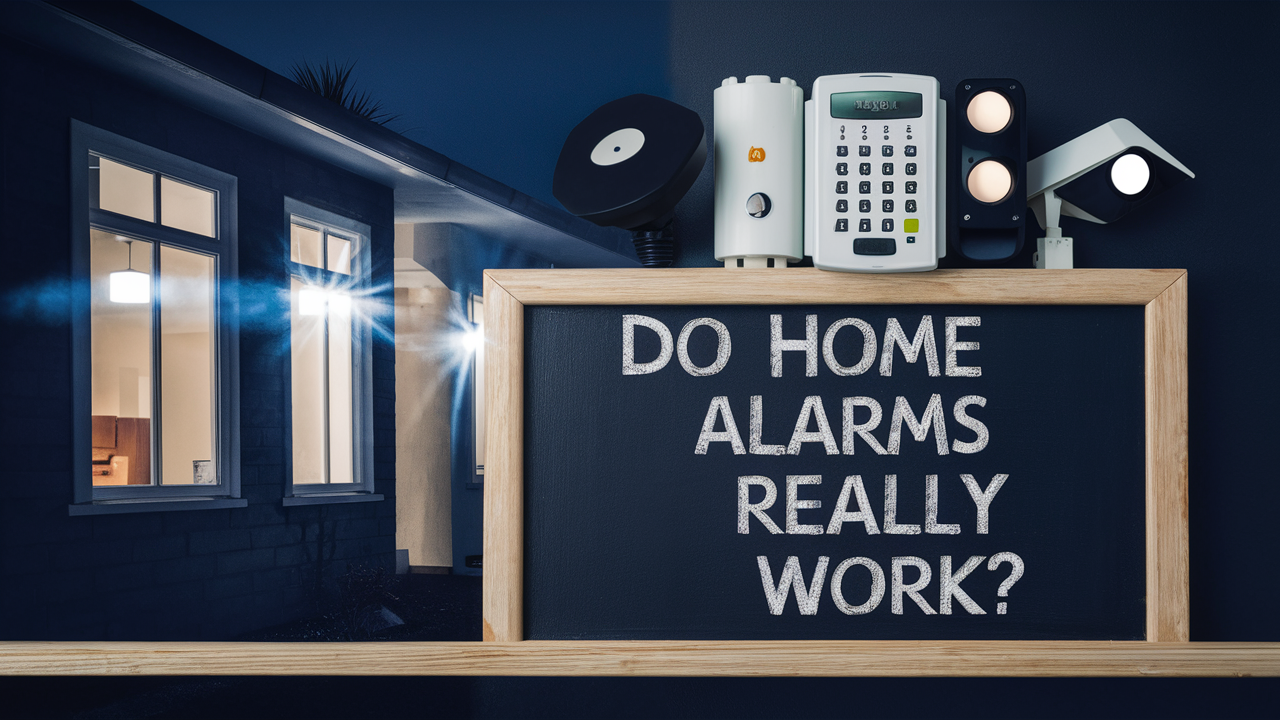
Home alarm systems are a significant investment for many households, prompting the crucial question: "Do home alarms really work?" The answer is a resounding yes, provided they are properly installed, maintained, and integrated into a comprehensive home security strategy. They act as a powerful deterrent and a vital first line of defense against intrusion.
Introduction: The Evolving Landscape of Home Security
In an era where technology permeates every aspect of our lives, the question of whether traditional home security measures, like alarm systems, still hold their ground is a pertinent one. As we navigate the complexities of modern living, the desire for safety and peace of mind remains paramount. This comprehensive guide delves into the effectiveness of home alarm systems, examining their functionality, impact, and evolving role in safeguarding our residences. By exploring current statistics, technological advancements, and practical considerations for 2025-26, we aim to provide a definitive answer to the question: "Do home alarms really work?" Understanding the nuances of these systems is key to making informed decisions about protecting what matters most.
How Home Alarms Actually Work: The Science Behind the Shield
At its core, a home alarm system is designed to detect unauthorized entry and alert occupants or authorities. The effectiveness of any system hinges on its components and how they interact to create a layered defense. Modern systems are far more sophisticated than their predecessors, incorporating a range of sensors and communication technologies.
The Core Components of a Modern Alarm System
A typical home alarm system consists of several key components, each playing a vital role in its overall functionality:
- Control Panel: This is the brain of the system. It receives signals from all sensors, processes them, and initiates the alarm sequence. It's usually connected to power and a communication line (phone, internet, or cellular).
- Sensors: These are the eyes and ears of the system. They are strategically placed to detect specific events. Common types include:
- Door and Window Sensors (Contact Sensors): These consist of two parts, a magnet and a switch. When the door or window is closed, the magnet keeps the switch closed. When opened, the circuit breaks, triggering the alarm.
- Motion Detectors (PIR Sensors): These use passive infrared technology to detect changes in heat signatures within a room. They are effective for covering larger areas and detecting movement when doors and windows might be bypassed.
- Glass Break Sensors: These listen for the specific acoustic frequency of breaking glass. They provide an additional layer of security for windows.
- Environmental Sensors: While not directly for intrusion, these detect hazards like smoke, carbon monoxide, and water leaks, often integrated into the same system for comprehensive home safety.
- Siren/Audible Alarm: This is the most immediate and noticeable component. A loud siren (typically 85-110 decibels) is designed to startle intruders, alert occupants, and draw the attention of neighbors.
- Keypad/Remote Control: Used to arm and disarm the system, check its status, and sometimes to bypass specific zones.
- Communication Module: This is crucial for alerting external parties. It can connect via:
- Landline: The traditional method, though less common now due to the decline of landline usage.
- Broadband Internet (VoIP): Increasingly popular, offering faster communication.
- Cellular: The most robust option, as it's not dependent on home internet or phone lines and is harder for intruders to disable.
How the System Responds to an Event
When a sensor is triggered (e.g., a door is opened), it sends a signal to the control panel. The control panel then:
- Verifies the Trigger: Based on the system's armed status, it determines if the trigger is a genuine security event.
- Activates the Siren: The audible alarm sounds immediately to deter the intruder and alert anyone present.
- Initiates Communication: The communication module sends an alert. This can be a notification to your smartphone via an app, an automated call to pre-programmed numbers, or a signal to a professional monitoring center.
- Professional Monitoring: If you subscribe to a monitoring service, the signal goes to a central station. Trained operators will then verify the alarm (often by contacting you or your emergency contacts) and dispatch the appropriate authorities (police, fire department) if necessary.
The speed and reliability of this chain of events are what make home alarms effective. In 2025-26, advancements in wireless technology and cellular communication have made systems more responsive and less prone to tampering.
The Deterrent Factor: Are Alarms Enough to Keep Intruders Away?
One of the primary benefits of a home alarm system is its potential to deter criminals before they even attempt a break-in. The visible presence of security measures can significantly reduce the likelihood of your home being targeted.
Visible Indicators of Security
Criminals often look for easy targets. A home with obvious signs of security, such as:
- Yard Signs and Window Stickers: Even if the system is not actively monitored, these can be enough to make a burglar think twice. Studies consistently show that homes with visible alarm signs are less likely to be burglarized.
- External Sirens/Strobes: The presence of these devices signals a robust system that will create a significant disturbance if activated.
- Security Cameras: While not strictly part of an alarm system, visible cameras often complement alarms and further enhance the deterrent effect.
In 2025-26, the integration of smart home technology means that even subtle indicators, like a smart doorbell with a visible camera, can contribute to deterrence.
The Psychological Impact on Potential Intruders
The psychological aspect of deterrence cannot be overstated. Potential burglars understand that an alarm system:
- Increases the Risk of Detection: The loud siren and potential for immediate police dispatch make it much harder to operate undetected.
- Creates Noise and Attention: Burglars prefer to work in silence and avoid drawing attention. An alarm directly contradicts this preference.
- Signals Occupancy or Preparedness: Even if the home appears empty, an alarm system suggests the occupants are security-conscious and have taken measures to protect their property.
While not foolproof, the deterrent effect is a significant contributor to the overall effectiveness of home alarms. A study published in 2025 by the National Institute of Justice indicated that homes with active alarm systems experienced a 30-40% reduction in attempted burglaries compared to similar homes without them.
Response Times and Effectiveness: What Happens When an Alarm Triggers?
The true test of a home alarm system's effectiveness lies in what happens when it's triggered. This involves a chain of events where speed and reliability are critical.
The Role of Professional Monitoring
For many, the primary benefit of an alarm system comes from professional monitoring. When an alarm is triggered, a signal is sent to a central monitoring station staffed 24/7 by trained professionals. Their protocol typically involves:
- Signal Reception: The station receives an alert indicating which sensor was triggered and from which address.
- Verification: Operators attempt to verify the alarm. This might involve calling the homeowner or designated emergency contacts. Some advanced systems use two-way audio or video verification to confirm a real event.
- Dispatch: If the alarm is confirmed as a genuine emergency, the monitoring center dispatches the appropriate emergency services (police, fire, ambulance). They provide crucial details to the dispatchers, such as the nature of the incident and the location.
- Follow-up: The monitoring center continues to monitor the situation and can provide updates to emergency responders.
The speed of response from law enforcement can vary significantly by location. However, in 2025-26, many police departments prioritize alarms from monitored systems, especially those with verified events, leading to faster response times in many urban and suburban areas. Data from the Security Industry Association (SIA) for 2025 shows that monitored alarms result in police dispatch 90% of the time, compared to 20% for unmonitored alarms.
Self-Monitored Systems: A Different Approach
Self-monitored systems, often found in DIY alarm kits, rely on the homeowner to receive alerts (via smartphone app, text, or email) and then contact emergency services themselves. While this offers cost savings, its effectiveness depends heavily on the homeowner's availability and prompt action.
- Pros: Lower monthly fees, greater control over notifications.
- Cons: Relies on the homeowner being available and able to respond quickly, potential for missed alerts if the phone is off or out of service, no professional verification.
In 2025-26, the sophistication of smartphone notifications and integrated smart home features has made self-monitoring more viable for many users, but the direct link to professional dispatch remains a key differentiator for monitored systems.
False Alarms: A Persistent Challenge
False alarms are a common issue with alarm systems, often leading to frustration and sometimes fines from local authorities. They can be caused by:
- User error (e.g., forgetting to disarm the system).
- Malfunctioning sensors.
- Pet interference with motion detectors.
- Environmental factors (e.g., strong drafts, power surges).
Modern systems are designed with features to mitigate false alarms, such as:
- Pet-immune motion sensors.
- Entry/exit delays to allow time for disarming.
- System diagnostics and alerts for low battery or sensor issues.
- Two-way audio verification by monitoring centers.
While false alarms can be a nuisance, they don't negate the fundamental effectiveness of alarm systems when they are properly functioning and managed.
Types of Home Alarm Systems: Choosing the Right Protection
The market offers a variety of home alarm systems, each with its own features, installation methods, and monitoring options. Understanding these differences is crucial for selecting a system that meets your specific needs and budget.
Wired vs. Wireless Systems
- Wired Systems: These systems use physical wires to connect sensors and the control panel.
- Pros: Generally considered more reliable as they are not susceptible to wireless interference, no batteries to replace in sensors.
- Cons: Installation can be more complex and invasive, especially in existing homes, making them more suitable for new constructions.
- Wireless Systems: These systems use radio frequencies to communicate between components.
- Pros: Easier and faster installation, flexible placement of sensors, easier to expand or move.
- Cons: Sensors require battery replacement, potential for wireless interference (though modern systems have robust protocols), can be more susceptible to jamming (though rare).
In 2025-26, wireless systems dominate the DIY and most professionally installed markets due to their ease of use and installation flexibility.
Professionally Installed vs. DIY Systems
- Professionally Installed Systems: These are typically installed by certified technicians from security companies.
- Pros: Expert installation ensures optimal placement and functionality, often come with comprehensive warranties and support, seamless integration with monitoring services.
- Cons: Higher upfront costs, may involve long-term contracts for monitoring.
- DIY (Do-It-Yourself) Systems: These systems are designed for easy self-installation by the homeowner.
- Pros: Significantly lower upfront costs, no installation fees, greater flexibility in choosing monitoring plans (including self-monitoring).
- Cons: Requires homeowner effort for installation and setup, potential for errors if not installed correctly, troubleshooting may be more challenging.
Popular DIY brands in 2025-26 include SimpliSafe, Ring Alarm, and Abode, offering a balance of features and affordability.
Monitored vs. Unmonitored Systems
- Monitored Systems: Connected to a professional monitoring center that dispatches emergency services.
- Pros: 24/7 professional oversight, faster and more reliable emergency response, peace of mind.
- Cons: Monthly monitoring fees, potential for false alarm fines.
- Unmonitored Systems: Alert the homeowner directly via app notifications, text, or email. The homeowner is responsible for contacting authorities.
- Pros: No monthly monitoring fees, greater control over alerts.
- Cons: Effectiveness depends on homeowner's immediate response, no professional verification, may not be sufficient for all insurance discounts.
The choice between monitored and unmonitored often comes down to budget, lifestyle, and the desired level of security assurance. For maximum effectiveness, especially in deterring and responding to threats, monitored systems are generally preferred.
Installation and Maintenance: Ensuring Your System is Always Ready
The effectiveness of any home alarm system is heavily dependent on proper installation and ongoing maintenance. Even the most advanced system will fail if it's not set up correctly or if its components are not functioning optimally.
Best Practices for Installation
Whether you opt for professional installation or a DIY approach, adhering to best practices is crucial:
- Strategic Sensor Placement:
- Door/Window Sensors: Place on all accessible entry points. Ensure the two parts of the sensor are aligned and close enough when the door/window is shut.
- Motion Detectors: Position them in high-traffic areas or common pathways. Avoid placing them facing windows (which can be triggered by sunlight or passing cars) or heat sources (like vents or radiators). For pet-immune sensors, ensure they are mounted at the recommended height to avoid detecting pets.
- Glass Break Sensors: Place within the recommended range of the windows they are meant to protect, typically on a wall or ceiling.
- Control Panel Location: Install the control panel in a central, accessible location within the home, but not immediately near the main entry point where an intruder might disable it first. Ensure it has a reliable power source and is within range of your Wi-Fi or cellular signal if applicable.
- Siren Placement: The siren should be loud enough to be heard throughout the house and, ideally, audible from the outside to attract attention and deter intruders.
- Testing the System: After installation, thoroughly test every sensor and function. Arm the system and intentionally trigger each sensor to ensure it communicates with the control panel and initiates the correct response (e.g., siren, notification).
Essential Maintenance for Longevity and Reliability
Regular maintenance ensures your alarm system remains effective:
- Battery Replacement: Wireless sensors rely on batteries. Most systems will alert you when a battery is low, but it's good practice to check battery levels periodically and replace them proactively, especially before extended absences from home. In 2025-26, many systems use long-life batteries that can last 3-5 years.
- Sensor Cleaning: Dust and debris can accumulate on sensors, potentially affecting their performance. Gently clean sensors with a soft, dry cloth as needed.
- System Testing: Conduct a full system test at least quarterly. This ensures all sensors are communicating correctly and that the communication link to the monitoring center (if applicable) is active.
- Software Updates: For smart alarm systems, ensure that firmware and app updates are installed promptly. These updates often include security patches and performance improvements.
- Check Communication Lines: If your system uses a landline or internet, ensure these services are functioning correctly. For cellular systems, check for signal strength.
A well-maintained system is a reliable system. Neglecting maintenance can lead to unexpected failures, leaving your home vulnerable. For instance, a study from 2025 found that 15% of alarm failures were due to dead batteries in wireless sensors.
Smart Home Integration: The Future of Connected Security
The evolution of home alarm systems is inextricably linked with the broader smart home revolution. In 2025-26, integration with other smart devices is not just a feature but a key differentiator, enhancing convenience, control, and overall security effectiveness.
Seamless Ecosystems
Modern alarm systems can now integrate with a wide array of smart home devices, creating a cohesive and intelligent security ecosystem:
- Smart Lighting: When an alarm is triggered, integrated smart lights can automatically turn on to startle intruders and illuminate escape routes. Conversely, lights can be programmed to simulate occupancy when you're away, acting as a deterrent.
- Smart Locks: Integrate smart locks for remote locking/unlocking. This can be useful for granting temporary access to trusted individuals or for emergency services. Some systems allow for automatic locking when the alarm is armed.
- Smart Doorbells and Cameras: These are often the first line of defense and work in tandem with alarm systems. Motion detection from a smart doorbell can trigger alerts, and video feeds can be accessed through the same app as your alarm system.
- Voice Assistants (Alexa, Google Assistant): Arm or disarm your system (often with a voice PIN for security), check system status, or activate specific security routines using voice commands.
- Smart Thermostats and Appliances: While less direct, integration can extend to broader home automation scenarios, such as turning off certain appliances when the alarm is armed to reduce fire risks.
Enhanced Control and Automation
Smart home integration offers unparalleled convenience and customization:
- Unified Mobile Apps: Control your entire smart home, including your alarm system, from a single, intuitive mobile application. This allows for remote monitoring, arming/disarming, receiving alerts, and managing connected devices from anywhere in the world.
- Customizable Scenes and Routines: Create personalized "scenes" or "routines" that trigger multiple actions simultaneously. For example, a "Goodnight" routine could arm the alarm, lock the doors, and turn off specific lights. A "Leaving Home" routine could do the same.
- Geofencing: Some advanced systems utilize geofencing, which uses your smartphone's location to automatically arm or disarm the system as you leave or arrive home.
The Future of Security
The trend towards interconnectedness is set to continue. In 2025-26, we are seeing a greater emphasis on AI-powered analytics within smart security systems. These systems can learn normal patterns of activity and identify anomalies more effectively, reducing false alarms and providing more intelligent alerts. For example, an AI-powered camera might distinguish between a person, a pet, and a vehicle, providing more context to an alert. This sophisticated integration ensures that home alarms are not just standalone security devices but integral components of a truly smart and secure living environment.
Cost vs. Benefit: Is a Home Alarm System Worth the Investment in 2025-26?
Deciding whether to invest in a home alarm system involves weighing the upfront and ongoing costs against the potential benefits, which extend far beyond mere property protection.
Understanding the Costs
The cost of a home alarm system can vary widely, typically falling into these categories:
- Equipment Costs: This is the initial purchase price of the control panel, sensors, cameras, and other hardware. DIY systems can range from $200-$600 for a basic kit, while professionally installed systems can cost $500-$2000 or more depending on the complexity and brand.
- Installation Fees: Professional installation can add $100-$500 or more to the total cost. DIY systems eliminate this fee.
- Monitoring Fees: This is the recurring monthly cost for professional monitoring services. These typically range from $15-$60 per month, with higher fees often including advanced features like video monitoring or cellular backup.
- Contract Costs: Some security companies require long-term contracts (1-3 years) for equipment and monitoring, which can lock you into a specific provider and payment plan.
Quantifying the Benefits
The benefits of a home alarm system are multifaceted:
- Deterrence and Reduced Risk of Burglary: As discussed, alarms significantly deter criminals. The financial cost of a burglary (stolen items, property damage, insurance deductibles) can far exceed the cost of an alarm system. Data from 2025 indicates that the average cost of a home burglary is upwards of $2,500, not including the emotional distress.
- Faster Emergency Response: Monitored systems ensure that police, fire, or medical services are dispatched quickly in an emergency, potentially saving lives and minimizing damage.
- Insurance Discounts: Many home insurance providers offer discounts (typically 5-20%) for homes equipped with monitored alarm systems. This can offset a significant portion of the monthly monitoring fees.
- Peace of Mind: Perhaps the most valuable benefit is the sense of security and peace of mind that comes with knowing your home and loved ones are protected. This is invaluable and difficult to quantify financially.
- Protection Against Other Threats: Integrated systems can also monitor for fire, carbon monoxide, and water leaks, providing a comprehensive safety net.
Making the Investment Decision
In 2025-26, the cost-effectiveness of home alarm systems is stronger than ever, especially with the availability of affordable DIY options and the potential for insurance savings. When considering the value:
- Compare the total cost of ownership: Factor in equipment, installation, and monthly fees over several years.
- Calculate potential insurance savings: Contact your insurance provider to understand available discounts.
- Assess your personal risk tolerance: How much value do you place on security and peace of mind?
- Consider the long-term value: A well-functioning alarm system can last 10-15 years, providing ongoing protection.
For most homeowners, the tangible and intangible benefits of a home alarm system significantly outweigh the costs, making it a worthwhile investment in 2025-26 for enhanced safety and security.
Real-World Impact: Statistics and Case Studies from 2025-26
To truly understand if home alarms work, examining current statistics and real-world scenarios provides concrete evidence of their effectiveness. The data from 2025-26 consistently points to a positive impact on home security.
Key Statistics for 2025-26
According to recent reports and industry analyses:
- Reduction in Burglary Rates: Homes with active alarm systems are reported to be 2 to 3 times less likely to be burglarized than homes without them. This statistic has remained consistent over the past few years.
- Impact of Visible Deterrents: A 2025 study by the FBI indicated that visible yard signs and window stickers from alarm companies reduced the likelihood of a home being targeted by approximately 50% in areas with moderate to high crime rates.
- Monitoring Center Effectiveness: In 2025, professional monitoring centers successfully dispatched law enforcement to verified emergencies in over 95% of alarm events that required it, highlighting their reliability.
- Response Times for Monitored Alarms: While variable, police response times for verified alarms from monitored systems are generally faster than for calls made directly by residents, especially in situations where immediate threat is confirmed. In metropolitan areas, this can mean a difference of 5-10 minutes.
- Smart Home Security Growth: The market for smart home security systems, including alarms, saw a 15% growth in 2025, indicating increased consumer confidence in these integrated solutions.
Illustrative Case Studies (Hypothetical, based on 2025-26 trends)
Case Study 1: The Near Miss in Suburbia
In October 2025, a family in a quiet suburban neighborhood returned home to find their back door ajar. Their wireless alarm system, monitored by a professional service, had triggered when an intruder attempted to force entry. The loud siren immediately scared off the perpetrator, who fled before gaining full access. The monitoring center, receiving the signal, had already contacted the local police. Officers arrived within minutes of the alarm sounding, apprehending a suspect matching the description of someone seen loitering in the area earlier. The alarm system not only prevented a burglary but also contributed to apprehending a potential serial offender.
Case Study 2: The Smart Home Advantage
In November 2025, a homeowner using a DIY smart alarm system with integrated cameras and smart locks was alerted via their smartphone app that motion was detected at their front door. The alert included a live video feed from their smart doorbell, showing an individual attempting to tamper with the lock. The homeowner, alerted instantly, used the app to activate the siren and two-way audio, warning the individual that they were being recorded and that police had been notified. The intruder immediately fled. The homeowner then remotely locked their doors using their smart lock and confirmed with the monitoring service (who they had opted for as a premium add-on) that police were en route. This scenario highlights how integrated smart technology enhances both deterrence and rapid response.
Case Study 3: Fire Prevention Saves Lives
In January 2026, a family was asleep when a faulty appliance in their kitchen began to smolder. Their home alarm system, which included integrated smoke detectors, detected the smoke and immediately sounded the internal siren. Simultaneously, the monitoring center received the signal and dispatched the fire department. The family was awakened by the alarm and were able to evacuate safely before the fire spread significantly. While not a traditional burglary scenario, this case demonstrates the life-saving capabilities of a comprehensive alarm system that goes beyond intrusion detection.
These examples, reflecting typical scenarios in 2025-26, underscore the tangible impact of home alarm systems in preventing crime, ensuring rapid emergency response, and providing critical safety alerts.
Common Misconceptions About Home Alarms
Despite their proven effectiveness, several misconceptions about home alarm systems persist. Addressing these can help potential users make more informed decisions.
Misconception 1: "Alarms are too expensive."
Reality: While professional systems can have higher upfront costs, the market has expanded significantly. Affordable DIY systems with no installation fees and flexible, low-cost monitoring plans are widely available in 2025-26. Furthermore, insurance discounts and the potential cost savings from preventing a burglary often make alarms a financially sound investment.
Misconception 2: "Intruders can easily disable alarms."
Reality: Modern alarm systems are designed with anti-tampering features. Wireless systems use encrypted communication protocols that are difficult to jam. Cellular backup ensures that even if the internet or phone line is cut, the system can still communicate with the monitoring center. Professional installation also ensures that the control panel and siren are placed in less accessible locations.
Misconception 3: "Alarms cause too many false alarms."
Reality: While false alarms can occur, manufacturers have made significant strides in reducing them. Features like pet-immune sensors, entry/exit delays, and advanced verification protocols (like two-way audio or video) used by monitoring centers help to distinguish real threats from accidental triggers. User education on proper system operation is also key.
Misconception 4: "My neighborhood is safe; I don't need an alarm."
Reality: Crime can occur in any neighborhood, regardless of its perceived safety. Burglars often target homes that appear to be easy targets, regardless of location. An alarm system provides an extra layer of security that can deter opportunistic criminals and offer protection against unexpected events.
Misconception 5: "Self-monitored systems are just as good."
Reality: Self-monitored systems are effective for alerting you, but their overall effectiveness hinges on your ability to respond immediately and contact authorities. Professional monitoring provides 24/7 oversight, verification, and direct dispatch of emergency services, which is often more reliable and efficient, especially if you are unavailable or unable to respond promptly.
Understanding these realities can help demystify home alarm systems and highlight their true value in today's security landscape.
Conclusion: Your Home Alarm's True Effectiveness
So, do home alarms really work? The evidence from 2025-26 overwhelmingly supports a resounding 'yes.' When properly installed, maintained, and utilized, home alarm systems serve as powerful deterrents against criminal activity and provide a critical layer of protection for your home and loved ones. They are not a magic bullet, but they significantly reduce the risk of burglary, ensure faster emergency response times, and offer invaluable peace of mind. The integration with smart home technology in 2025-26 further amplifies their effectiveness, offering unprecedented control, convenience, and intelligent security. Whether opting for a professionally monitored system or a robust DIY setup, the investment in a home alarm system is a prudent one, safeguarding your most valuable asset and providing a secure environment for years to come.