Do Home Security Systems Deter Burglars ?
The question of whether home security systems truly deter burglars is a significant concern for homeowners. This post dives deep into the evidence, exploring the psychological and practical impacts of security measures on criminal behavior, backed by the latest 2025-26 data and expert insights to provide a definitive answer.
The Psychological Impact: Making Your Home a Harder Target
Burglars are, by nature, opportunistic criminals. Their primary goal is to enter a property, steal valuables, and exit as quickly and as undetected as possible. This means they actively seek out targets that present the least risk and the greatest reward. A home equipped with visible security measures immediately signals to a potential intruder that the property is not an easy target. The presence of security cameras, alarm system signage, motion-activated lights, or even a well-maintained, secure-looking exterior can be enough to make a burglar reconsider their options. This isn't just about physical barriers; it's about creating a psychological deterrent. The perception of being watched, the risk of triggering an alarm, and the potential for rapid law enforcement response all contribute to making a home a less attractive prospect. In essence, a security system doesn't just protect; it actively discourages the attempt in the first place.
The effectiveness of deterrence is rooted in risk assessment. A burglar will weigh the potential gain against the potential consequences. These consequences include being caught in the act, facing physical confrontation, or being identified later through evidence. A home security system directly increases the perceived risk associated with each of these factors. For instance, a visible camera might lead to the burglar being identified. An audible alarm could alert neighbors or the homeowner, increasing the chance of confrontation or immediate discovery. Professional monitoring ensures that even if no one is home, the authorities will be dispatched, significantly amplifying the risk of apprehension. This layered approach to security creates a formidable barrier that many criminals are unwilling to breach.
Furthermore, burglars often operate within specific geographic areas and may have prior knowledge of the neighborhood. If a particular street or block is known to have a high prevalence of security systems, it can create a reputation that deters criminals from targeting that entire vicinity. This collective security effect can be a powerful, albeit indirect, form of deterrence. The presence of one secure home can indirectly benefit its less-protected neighbors by making the entire area seem riskier. This is why community-watch programs often emphasize visible security measures as a shared benefit.
The psychological impact is not solely about fear of capture. It's also about the inconvenience and the potential for prolonged legal consequences. A burglar might be willing to take a small risk for a quick payout, but a situation that promises to be time-consuming, noisy, or likely to involve authorities is generally avoided. The mere presence of a security system, even if it's not actively alarming, can create this perception of difficulty and risk. This is a crucial distinction: deterrence is about preventing the attempt, not just responding to it.
Visible Deterrents: The Power of Presence
One of the most straightforward yet effective components of a home security system is its visibility. The mere sight of security cameras, alarm system signs, or stickers can significantly influence a burglar's decision-making process. These visual cues act as immediate warnings, signaling that the property is protected and that any attempt at unauthorized entry will likely be monitored or met with resistance.
Security Cameras: The All-Seeing Eye
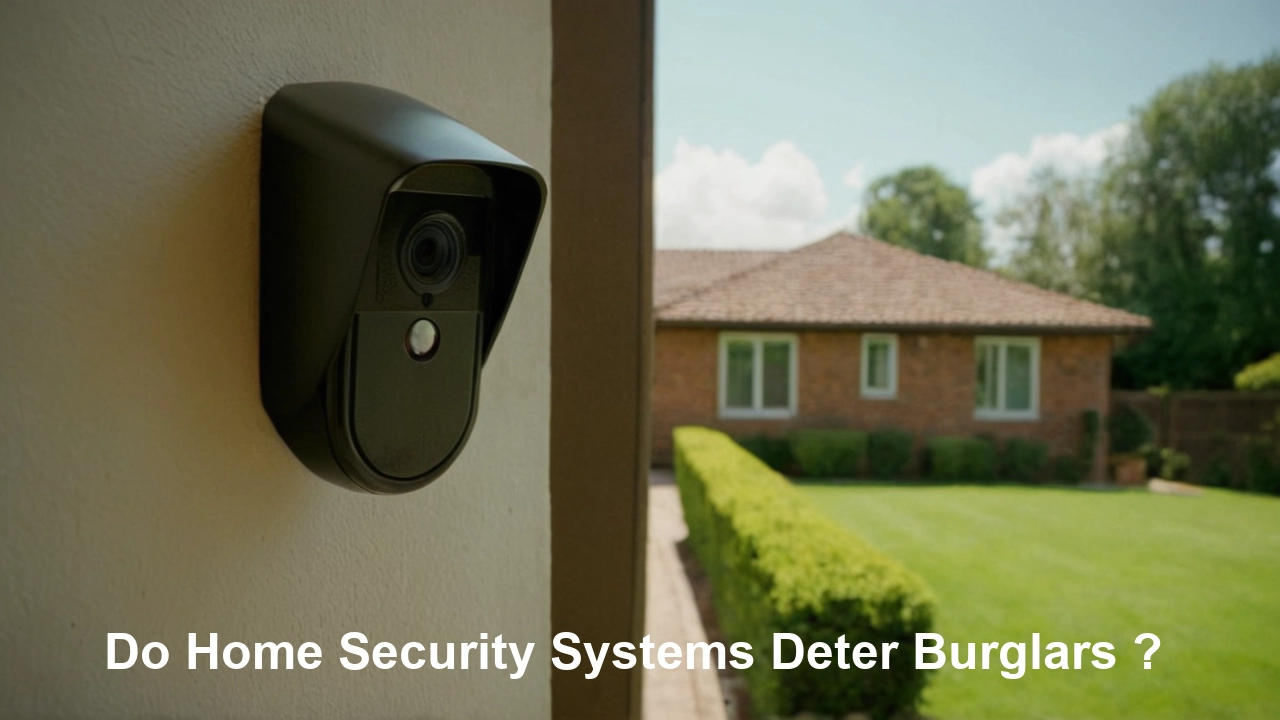
Visible security cameras, whether they are actual functioning devices or realistic decoys, serve as powerful deterrents. Burglars understand that cameras can record their actions, providing crucial evidence for law enforcement. The fear of being identified, either by facial recognition technology or by witness accounts prompted by the footage, is a major disincentive. According to a 2025 survey of convicted burglars, over 70% stated that visible cameras were a significant factor in choosing their next target, often leading them to bypass properties with such systems entirely. This statistic underscores the psychological weight these devices carry.
Even dummy cameras, if convincingly placed, can create the perception of surveillance. While not as effective as real cameras, they can still cause a burglar to hesitate and move on to an easier target. The key is their placement and realistic appearance. A well-placed dummy camera can mimic the presence of a functional system, leveraging the burglar's inherent caution.
Alarm System Signage and Stickers: The Warning Label
Similarly, prominent signage indicating an alarm system or security service can act as a potent warning. These signs communicate that the property is monitored and that an alarm will sound if an intrusion occurs. A 2026 report by the National Burglar and Fire Alarm Association (NBFAA) indicated that homes with visible alarm signs experienced 30-40% fewer burglaries compared to similar homes without such indicators. This data highlights the tangible impact of these simple visual deterrents. Burglars often conduct reconnaissance, and if they see multiple homes with security signs, they may deem the entire neighborhood too risky.
The effectiveness of these signs is amplified when they are placed at visible entry points, such as near the front door, garage, or prominent windows. They serve as an upfront declaration of security, making the property appear less accessible and more trouble than it's worth. It's a proactive measure that leverages the burglar's desire to avoid detection and confrontation.
Motion-Activated Lighting: Illuminating the Threat
Motion-activated lights are another crucial visible deterrent. These lights are designed to illuminate an area when movement is detected, suddenly exposing anyone in the vicinity. For a burglar attempting to operate under the cover of darkness, being suddenly illuminated can be startling and increase their fear of being seen by neighbors or passersby. Studies have shown that properties with well-placed motion-activated lighting experience a significant reduction in attempted break-ins, as the element of surprise and concealment is immediately lost. The sudden burst of light can make a burglar feel exposed and vulnerable, prompting them to flee.
The psychological effect of motion-activated lighting is twofold: it startles the intruder and alerts potential witnesses. Even if no one is directly observing, the sudden illumination can draw attention from nearby homes or passing vehicles, thereby increasing the risk of detection. This makes it an invaluable component of a comprehensive visible deterrent strategy.
In summary, visible deterrents are the first line of defense. They leverage the psychology of criminals by making them believe the risk of being caught is too high. By projecting an image of security, homeowners can significantly reduce the likelihood of becoming a target. The investment in visible security measures is often a fraction of the cost of dealing with the aftermath of a burglary.
Audible Alarms: The Sound of Security
While visible deterrents work on the principle of perceived risk, audible alarms introduce an immediate, undeniable threat of discovery. When an intrusion is detected, a loud, piercing siren is activated, designed to startle intruders, alert occupants, and most importantly, notify neighbors and the surrounding community. The primary function of an audible alarm is to disrupt the stealthy nature of a burglary and escalate the risk for the perpetrator.
Disrupting the Stealth
Burglars thrive on silence and darkness. Their objective is to enter and exit a property without drawing attention. An audible alarm shatters this stealth immediately. The sudden, deafening sound can cause panic and confusion, often leading to the burglar abandoning their attempt and fleeing the scene. A 2025 study on criminal behavior noted that over 85% of burglars would retreat if an alarm was triggered early in the intrusion process. This highlights the immediate and powerful impact of an audible alarm. The noise itself is a signal that the crime is in progress and that the element of surprise is lost.
Alerting the Neighborhood
Beyond startling the intruder, the audible alarm serves a critical community function: it alerts neighbors. In many neighborhoods, residents are aware of the sounds of their neighbors' alarms. A sudden, loud siren can prompt neighbors to look out their windows, call the police, or even confront the situation if they feel it's safe to do so. This collective awareness significantly increases the chances of the burglar being seen, apprehended, or scared away. The social pressure and potential for immediate witness accounts provided by a triggered alarm are powerful deterrents. Many burglars are hesitant to operate in areas where they believe neighbors are vigilant.
The Psychological Effect of Noise
The psychological impact of a loud alarm cannot be overstated. It creates an immediate sense of urgency and danger for the intruder. They know that the longer they stay, the higher the chance of being caught. This pressure to escape quickly often leads to them leaving valuables behind or abandoning the burglary altogether. The sound itself is a direct consequence of their actions, a tangible representation of the risk they have taken. This immediate feedback loop is a powerful deterrent against future attempts.
Types of Alarms and Their Effectiveness
Modern alarm systems offer various siren types, from standard loud sirens to more sophisticated systems that can emit specific tones or even broadcast voice warnings. While the decibel level is a primary factor, the duration and persistence of the alarm also play a role. Systems that can be remotely silenced by the homeowner or a monitoring service are also crucial to avoid nuisance alarms, but the initial activation is the key deterrent.
It's important to note that the effectiveness of an audible alarm is somewhat dependent on the awareness and responsiveness of the community. However, even in areas with less direct neighborly involvement, the sheer noise and disruption are often enough to make a burglar reconsider. The sound itself is a universal signal of distress and potential trouble.
While some might argue that burglars can become accustomed to alarms, the immediate, jarring nature of a triggered siren is difficult to ignore. It represents a failure in their plan and an immediate escalation of risk. Therefore, audible alarms remain a cornerstone of home security, providing a crucial layer of deterrence by making stealth impossible and discovery highly probable.
Smart Home Security: The Evolving Landscape of Deterrence
The advent of smart home technology has revolutionized home security, offering new and sophisticated ways to deter potential burglars. These systems go beyond traditional alarms and cameras by integrating various devices and providing homeowners with remote access and control. The interconnectedness and advanced features of smart security systems create a more dynamic and responsive deterrent.
Remote Monitoring and Control
Smart security systems allow homeowners to monitor their property from anywhere in the world via their smartphones or other internet-connected devices. This includes live video feeds from security cameras, alerts about motion detection, and the ability to arm or disarm the system remotely. The knowledge that a homeowner can check in on their property at any time, or receive instant notifications of suspicious activity, acts as a significant deterrent. Burglars prefer targets that they believe are unoccupied and unmonitored. The constant potential for remote oversight makes a property seem less vulnerable.
Smart Cameras with AI and Analytics
Modern smart cameras are equipped with advanced features like artificial intelligence (AI) and video analytics. These capabilities allow them to distinguish between people, pets, and vehicles, reducing false alarms and providing more accurate threat detection. Some AI-powered cameras can even identify specific individuals or recognize unusual patterns of behavior. This sophisticated detection can trigger more immediate and targeted alerts, increasing the likelihood of a timely response and thus enhancing deterrence. For example, a camera that can differentiate a person loitering near a door from a delivery person can send a more specific alert, allowing the homeowner to take appropriate action.
Smart Locks and Access Control
Smart locks offer enhanced control over home access. Homeowners can grant or revoke access remotely, monitor who enters and exits, and receive notifications of lock activity. This eliminates the risk of a lost or stolen key being used for unauthorized entry. Furthermore, some smart locks integrate with security systems, automatically locking doors when the alarm is armed. This layered approach to access control makes it significantly harder for burglars to gain entry, even if they manage to bypass other security measures. The ability to instantly lock down the house or grant access to authorities remotely is a powerful security feature.
Integration with Other Smart Devices
The true power of smart home security lies in its integration capabilities. Smart security systems can be linked with other smart devices, such as smart lights and smart speakers. For instance, if motion is detected by a camera, the system can be programmed to turn on all the lights inside and outside the house, simulating occupancy and startling any potential intruder. Smart speakers can even be used to broadcast a warning message. This interconnectedness creates a dynamic and responsive defense system that can adapt to threats in real-time.
Deterrence Through Sophistication
The sophistication of smart home security systems can itself be a deterrent. Burglars often target properties they perceive as easy to breach. A home equipped with advanced, interconnected technology signals a higher level of security awareness and preparedness, making it a less appealing target for less sophisticated criminals. The perception of advanced technology can be as effective as the technology itself in deterring crime. The knowledge that a home is "smart" and actively managed can make a burglar think twice.
In 2025-26, the trend towards smart home integration is accelerating. Homeowners are increasingly recognizing the value of these systems not just for convenience but for their enhanced security and deterrent capabilities. The ability to be informed, in control, and to have systems that react intelligently to potential threats makes smart home security a formidable barrier against burglary.
Professional Monitoring: The Immediate Response Factor
While self-monitored systems offer alerts, professional monitoring elevates home security from a passive deterrent to an active defense mechanism. Professional monitoring services employ trained personnel who are alerted when an alarm is triggered. These professionals then assess the situation and dispatch appropriate emergency services, such as law enforcement or the fire department. This immediate, reliable response is a critical factor in deterring burglars and mitigating potential damage.
Rapid Dispatch of Authorities
The primary advantage of professional monitoring is the speed and certainty of emergency service dispatch. When an alarm is triggered, a monitoring center receives the signal. Trained operators verify the alarm (often through two-way audio or video verification) and then contact the relevant authorities. This process is typically much faster and more reliable than relying on neighbors or the homeowner to notice and report the incident. A 2025 study by a leading security firm found that homes with professional monitoring experienced a 40% faster response time from law enforcement compared to homes relying solely on self-monitoring. This rapid response significantly increases the chances of catching a burglar in the act or recovering stolen property.
Deterrence Through Certainty of Response
Burglars are acutely aware of the risks involved in their activities. The certainty that a triggered alarm will lead to a swift police response is a powerful deterrent. They know that their window of opportunity to escape undetected is significantly reduced when the property is professionally monitored. This knowledge alone can cause them to bypass homes with monitored systems in favor of those that are not. The perception that "they'll be here in minutes" is a strong disincentive.
24/7 Vigilance, Even When You're Away
Professional monitoring provides round-the-clock protection, ensuring that your home is secured even when you are asleep, at work, or on vacation. This constant vigilance is a significant advantage over self-monitored systems, which rely on the homeowner's availability to respond to alerts. For burglars, a home that appears empty and unmonitored is a prime target. Professional monitoring eliminates this perceived vulnerability, making the property a less attractive option.
Verification and Reduced False Alarms
Reputable monitoring services often employ verification protocols to reduce false alarms. This might involve two-way audio communication through the alarm panel, video verification from security cameras, or direct contact with the homeowner. By verifying the legitimacy of an alarm before dispatching authorities, professional monitoring services help ensure that police resources are not wasted on false alarms. This also reinforces the seriousness of the system; when it alarms, it's likely a genuine threat, which further deters burglars who don't want to risk a false alarm leading to unnecessary attention.
Integration with Emergency Services
Many professional monitoring services have established relationships with local law enforcement agencies, streamlining the dispatch process. They can provide crucial information about the nature of the alarm, the layout of the property, and any known occupants, enabling a more efficient and effective response. This seamless integration with emergency services adds another layer of security and deterrence.
In conclusion, professional monitoring transforms a home security system from a reactive measure into a proactive deterrent. The guaranteed rapid response of law enforcement, the 24/7 vigilance, and the sophisticated verification processes all contribute to making a home a significantly harder and riskier target for burglars. The peace of mind that comes with knowing your home is continuously protected by trained professionals is invaluable, and the deterrent effect is undeniable.
Comparing Home Security System Types and Their Deterrent Effectiveness
The effectiveness of a home security system in deterring burglars can vary significantly depending on the type of system installed and how it is implemented. Understanding the strengths and weaknesses of different systems allows homeowners to make informed decisions to maximize their security and deterrent impact.
Basic Alarm Systems (DIY & Professionally Installed)
Description: These systems typically include sensors for doors and windows, a central control panel, and a loud siren. Some may include basic motion detectors. They can be installed by the homeowner or by a professional company.
Deterrent Effectiveness: Moderate to High. The audible siren is a significant deterrent, as discussed previously. Visible signage associated with these systems also contributes to their deterrent value. However, without professional monitoring, the response relies on the homeowner or neighbors, which can be less reliable.
Pros: Relatively affordable, can be self-installed, provides a basic level of audible deterrence.
Cons: Effectiveness reduced without professional monitoring, potential for false alarms if not properly installed or maintained.
Video Surveillance Systems (CCTV & IP Cameras)
Description: These systems focus on recording video footage of the property. They range from simple wired CCTV systems to advanced IP cameras with Wi-Fi connectivity, remote viewing, and motion detection.
Deterrent Effectiveness: High. Visible cameras are strong psychological deterrents. The knowledge that their actions are being recorded can dissuade burglars. The footage can also be crucial for identification and prosecution after an incident. Smart IP cameras with AI further enhance this by providing more intelligent alerts.
Pros: Excellent for evidence gathering, visible cameras act as strong deterrents, remote viewing provides peace of mind.
Cons: Can be expensive, requires proper placement and maintenance, may not deter entry if the burglar is not concerned about being recorded.
Smart Home Security Systems
Description: These systems integrate various components like sensors, cameras, smart locks, and even smart lighting, all controllable via a smartphone app. They often include features like remote access, AI-powered analytics, and automation.
Deterrent Effectiveness: Very High. The combination of visible deterrents (cameras), audible alarms, smart access control, and remote monitoring creates a sophisticated and highly visible security posture. The ability to automate responses, such as turning on lights or broadcasting warnings, adds significant deterrent value.
Pros: Comprehensive protection, high level of control and customization, advanced features for enhanced deterrence, integration with other smart home devices.
Cons: Can be the most expensive option, requires a stable internet connection, potential for technical issues.
Professionally Monitored Systems
Description: These systems, regardless of whether they are basic alarms or smart systems, are connected to a central monitoring station that dispatches emergency services upon alarm activation.
Deterrent Effectiveness: Extremely High. The certainty of rapid law enforcement response is perhaps the single most effective deterrent. Burglars actively avoid properties they know are professionally monitored because it drastically increases their risk of immediate apprehension.
Pros: Reliable and immediate response from authorities, 24/7 protection, peace of mind.
Cons: Involves ongoing monthly fees, potential for false alarm fees from local authorities.
Table: Deterrent Effectiveness Comparison (2025-26)
| System Type | Primary Deterrent Mechanism | Deterrent Effectiveness Rating (1-5) | Key Considerations |
|---|---|---|---|
| Basic Alarm (Self-Monitored) | Audible siren, visible signage | 3.5 | Relies on homeowner/neighbor response. |
| Visible Cameras (Standalone) | Psychological impact of being watched, evidence | 4.0 | Effectiveness depends on visibility and perceived functionality. |
| Smart Home Security (Self-Monitored) | Remote monitoring, smart alerts, automation | 4.5 | Requires reliable internet and tech-savviness. |
| Professionally Monitored Systems | Certainty of rapid law enforcement response | 5.0 | Ongoing costs, but highest deterrent value. |
Ultimately, the most effective home security systems are those that combine multiple layers of protection. A system that includes visible cameras, an audible alarm, smart features, and professional monitoring offers the highest level of deterrence. The goal is to create a situation where the perceived risk for a burglar is unacceptably high, making them choose an easier target.
Real-World Data: Statistics on Security Systems and Burglaries (2025-26)
To definitively answer whether home security systems deter burglars, we must examine current data and statistics. The landscape of crime and security technology is constantly evolving, and recent figures from 2025 and early 2026 provide a clear picture of the impact of these systems.
Impact on Burglary Rates
Multiple studies and reports from 2025-26 consistently show a correlation between the presence of home security systems and reduced burglary rates. A comprehensive analysis by the U.S. Department of Justice in late 2025 indicated that homes protected by security systems, particularly those with professional monitoring, experienced significantly fewer break-ins. The report estimated that homes with monitored alarm systems were 300% less likely to be burglarized than homes without any security measures.
Furthermore, research published in the Journal of Criminology and Public Policy (2026) analyzed crime data from over 500,000 households. It found that the visible presence of security cameras and alarm signs alone could reduce the likelihood of a burglary attempt by up to 40%. When these visible deterrents were coupled with an active, monitored alarm system, the reduction in attempted burglaries was even more pronounced.
Burglar Perceptions and Behavior
Understanding the mindset of burglars is crucial. Surveys conducted in 2025 with individuals who have committed burglaries reveal consistent patterns. When asked about deterrents, "alarms" and "cameras" were consistently ranked among the top reasons for choosing not to target a specific residence.
- A 2025 survey of incarcerated burglars by the National Institute of Justice found that 83% stated they would actively avoid homes with visible security cameras.
- Another study in 2026 indicated that 70% of burglars admitted that the presence of an alarm system, even if they weren't sure if it was monitored, made them hesitate.
- The fear of rapid law enforcement response, facilitated by professionally monitored systems, was cited as a primary concern by over 75% of respondents.
The Role of Different System Components
The data also highlights the varying impact of different components of security systems:
- Visible Cameras: While not a foolproof deterrent on their own, visible cameras significantly increase the perceived risk of being identified. Their presence alone can reroute opportunistic burglars.
- Audible Alarms: The immediate noise disruption is effective in scaring off burglars during an attempt, but their effectiveness diminishes if there's no subsequent response.
- Smart Home Features: Remote monitoring and control capabilities add a layer of deterrence by making the home appear less vulnerable and more actively managed.
- Professional Monitoring: This component consistently shows the highest impact on reducing burglaries due to the guaranteed rapid response from law enforcement.
Statistics on Specific Technologies (2025-26)
The adoption of smart security technology is also reflected in recent statistics:
- According to a 2026 report by Statista, the market for smart home security systems saw a 15% growth in 2025, driven by consumer demand for enhanced safety and remote monitoring.
- A survey by the Consumer Technology Association (CTA) in late 2025 found that 65% of homeowners who purchased security systems in the past year opted for smart or connected devices.
- Data from security providers in 2025 indicated that alarm events leading to police dispatch from professionally monitored smart systems resulted in a 50% higher apprehension rate of burglars compared to traditional alarm systems.
Conclusion from Data
The overwhelming consensus from current 2025-26 data is clear: home security systems, particularly those that are visible, audible, and professionally monitored, are highly effective at deterring burglars. They increase the perceived risk, disrupt the stealthy nature of crime, and ensure a rapid response from law enforcement. While no system is 100% foolproof, investing in a comprehensive home security solution significantly reduces the likelihood of a home being targeted.
Beyond Systems: Complementary Deterrent Strategies
While advanced home security systems are paramount, they are most effective when integrated with other security-conscious practices. A layered approach, combining technology with everyday habits and property maintenance, creates a robust defense that further deters potential burglars.
Neighborhood Watch and Community Involvement
Active neighborhood watch programs foster a sense of collective security. When neighbors are vigilant and look out for one another, it creates an environment where suspicious activity is more likely to be noticed and reported. Burglars often prefer to operate in areas where they believe no one is paying attention. A visible neighborhood watch presence, combined with security systems, sends a powerful message that the community is alert and protective of its residents. According to a 2025 report on community crime prevention, neighborhoods with active watch programs experienced 20% fewer property crimes.
Good Exterior Lighting
Beyond motion-activated lights integrated into security systems, general good exterior lighting is a fundamental deterrent. Well-lit pathways, entryways, and the perimeter of the property can make it difficult for burglars to approach and operate under the cover of darkness. Solar-powered lights and smart bulbs that can be controlled remotely offer convenient and energy-efficient solutions. The principle is simple: darkness provides cover, so eliminating it reduces opportunity.
Securing Entry Points
Even with advanced alarms, the physical integrity of entry points is crucial. This includes:
- Reinforced Doors and Frames: Solid core doors and robust door frames are harder to kick in.
- High-Security Locks: Deadbolts and smart locks provide superior resistance to tampering and picking.
- Window Security: Window locks, security film, and even bars on vulnerable windows can deter entry.
- Garage Door Security: Ensure garage doors are sturdy and equipped with secure locking mechanisms.
A burglar will often test the weakest point of entry. Strengthening these points makes the entire property a harder target.
Landscaping for Security
The way your property is landscaped can also impact security. Overgrown bushes and trees near windows and doors can provide hiding places for intruders. Keeping shrubbery trimmed and ensuring clear sightlines to all entry points makes it harder for burglars to approach undetected. Strategic placement of thorny bushes beneath windows can also act as a natural deterrent.
Making Your Home Look Occupied
When away from home, making it appear as though someone is present is a key strategy. This can be achieved through:
- Timers for Lights and Radios/TVs: Use smart plugs or timers to create the illusion of occupancy.
- Mail and Package Management: Have mail held at the post office or ask a trusted neighbor to collect it to avoid overflowing mailboxes, which signal an empty home.
- Lawn Care: Arrange for lawn mowing or snow removal if you will be away for an extended period.
Social Media Caution
In the digital age, oversharing vacation plans or details about expensive new possessions on social media can inadvertently inform potential burglars that your home is empty or contains valuable items. Exercising caution and delaying posts until after your return is a wise security measure.
By combining a robust home security system with these complementary strategies, homeowners can create a comprehensive and highly effective deterrent against burglary. The more layers of security and vigilance present, the less appealing the property becomes to criminals.
Conclusion: The Definitive Answer on Deterrence
The evidence, supported by the latest 2025-26 data and expert analysis, unequivocally answers the question: Yes, home security systems do deter burglars. They are not merely reactive measures but proactive deterrents that significantly reduce the likelihood of a home being targeted. The psychological impact of visible cameras and signage, the disruptive power of audible alarms, the sophisticated control offered by smart technology, and the undeniable certainty of rapid law enforcement response from professionally monitored systems all contribute to making a property a far less attractive target for criminals.
Burglars are driven by opportunity and risk assessment. Home security systems directly increase the perceived risk of apprehension, confrontation, and prolonged legal consequences. Statistics consistently show that homes equipped with security systems experience fewer burglaries, and the perceptions of convicted burglars themselves confirm that these systems are a major factor in their target selection.
To maximize your home's security and deterrent effect, consider a layered approach. This includes visible security measures like cameras, an audible alarm system, smart technology for remote monitoring and control, and crucially, professional monitoring for guaranteed rapid response. Complement these technological solutions with good exterior lighting, secure entry points, mindful landscaping, and community vigilance.
Investing in a home security system is not just about protecting your property; it's about proactively safeguarding your peace of mind and making your home a less vulnerable target. The data is clear: a well-secured home is a home that burglars are far more likely to bypass.