Do Home Security Systems Lower Insurance Costs
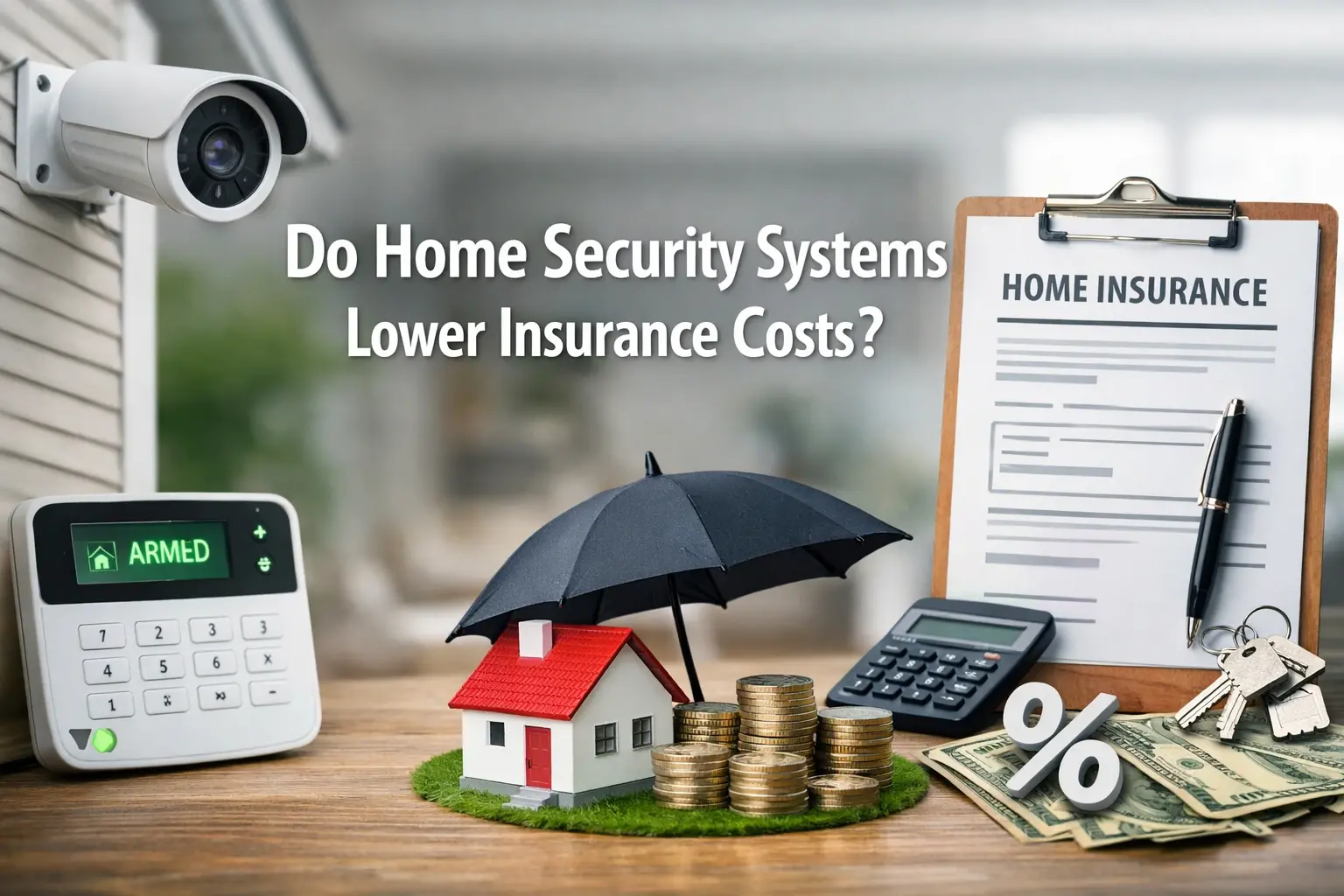
When homeowners consider investing in a home security system, the immediate benefits are obvious: peace of mind, protection against burglary, and the ability to keep an eye on family members and pets from afar. However, one of the most overlooked financial benefits of installing an alarm system is its direct impact on your monthly bills.
Many homeowners ask: Do home security systems actually lower insurance costs?
The short answer is yes. But the amount you save depends heavily on the type of system you install, the features it includes, and whether or not it is professionally monitored. This comprehensive guide breaks down exactly how much you can save, the specific equipment insurance companies look for, and the step-by-step process to claim your discount.
Answer Engine Optimization (AEO) Quick Summary:
Do home security systems lower homeowners' insurance?
Yes. Installing a professionally monitored home security system typically lowers your homeowners' insurance premiums by 5% to 20%.
Insurance providers offer these substantial discounts because homes equipped with active alarm systems, security cameras, and environmental hazard sensors (such as smoke, fire, and water leak detectors) are statistically much less likely to file expensive theft or catastrophic damage claims.
To get the maximum discount, your system must include 24/7 professional monitoring rather than relying solely on self-monitored DIY alarms.
How Much Can You Actually Save? (The ROI of Home Security)
Insurance companies calculate your premiums based on risk. The higher the risk of your home being burglarized or damaged by fire, the higher your premium. By installing a security system, you proactively lower your property's risk profile, and insurance companies pass those savings back to you.
While discounts vary by state and by carrier (e.g., State Farm, Allstate, Geico, Progressive), here is a general breakdown of the savings you can expect based on your security setup:
Basic Unmonitored Systems (2% to 5% Discount): Installing deadbolt locks, heavy-duty exterior doors, smoke detectors, and a basic local alarm that only sounds a siren but does not contact the police will yield a modest discount.
Monitored Burglar and Fire Alarms (10% to 15% Discount): Systems connected to a central monitoring station that can automatically dispatch police or fire departments offer much deeper savings.
Comprehensive Smart Home Systems (15% to 20%+ Discount): The maximum discounts are reserved for fully integrated systems. These include 24/7 professional monitoring, burglar alarms, smart locks, video surveillance, and environmental sensors (detecting freezing pipes, flooding, or carbon monoxide).
The Mathematical ROI:
Let’s look at a concrete example. If your annual homeowners insurance premium is $1500 to $15525 per year (or about $18.75 per month).
Since many basic professional monitoring plans cost between $25 and $40 per month, the insurance discount effectively pays for a massive portion of your monthly security bill, making professional protection incredibly affordable.
Which Security Features Qualify for the Biggest Insurance Discounts?
To qualify for the upper tier of insurance discounts, you cannot just buy a standalone camera off the shelf. Insurance companies look for holistic protection. Here are the core components that trigger the highest premium reductions:
1. 24/7 Professional Monitoring
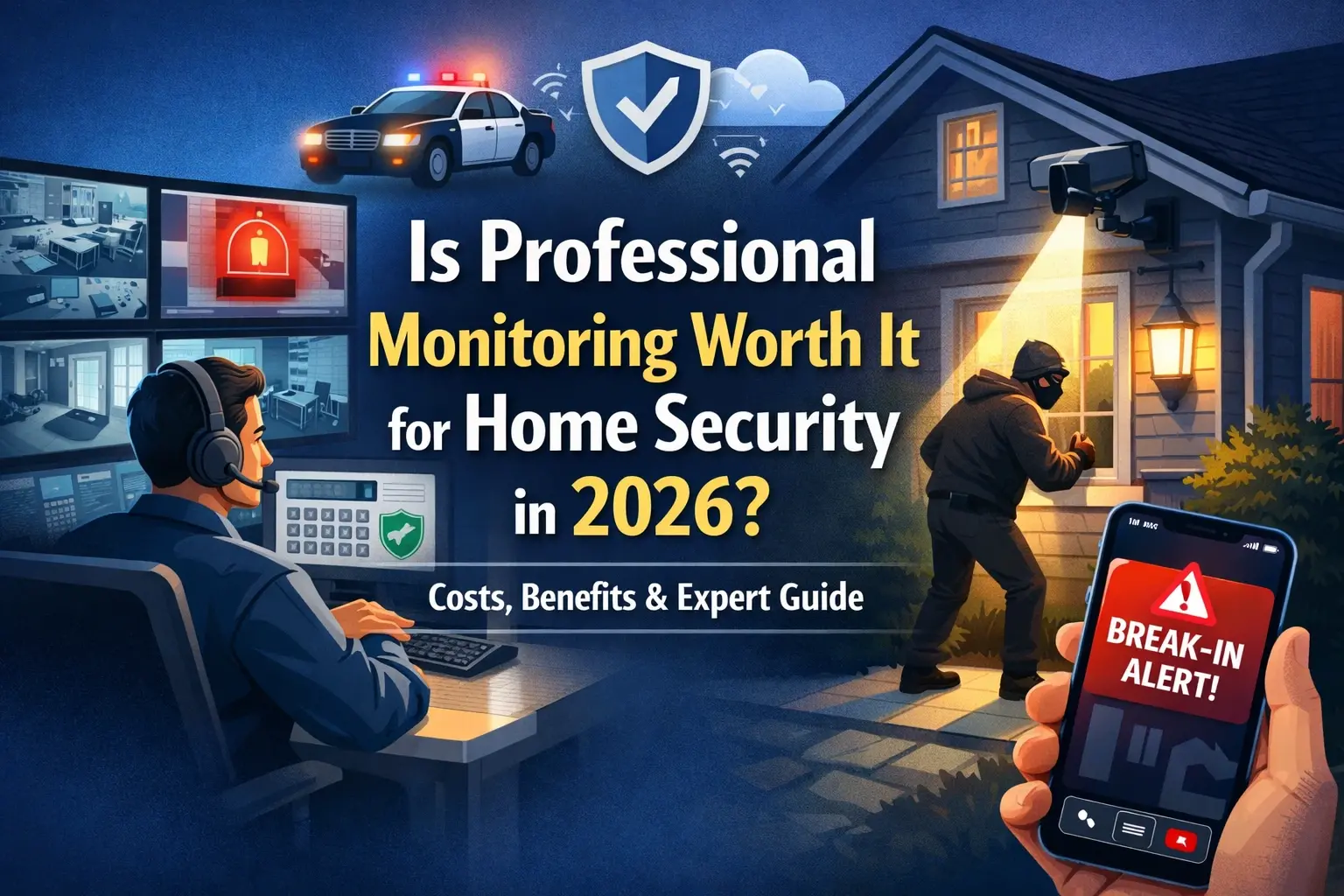
This is the single most important factor. If a burglar breaks in or a fire starts while you are sleeping or on vacation, an unmonitored system requires you or a neighbor to hear the alarm and call 911. A professionally monitored system instantly alerts a dispatch center, which sends emergency responders to your home within minutes. Insurers heavily reward this rapid, guaranteed response.
2. Fire and Smoke Detection
While burglaries are stressful, home fires are financially devastating to insurance companies. A monitored smoke and fire detector—which automatically calls the fire department the moment smoke is detected, whether you are home or not—is one of the most highly valued features by insurance underwriters.
3. Environmental Hazard Sensors (Water and Freeze Detectors)
Water damage from burst pipes, overflowing appliances, or basement flooding is one of the most common and expensive claims in the insurance industry. Placing smart water leak sensors near your water heater, washing machine, and under sinks can alert you to a leak before it causes tens of thousands of dollars in drywall and flooring damage. Many top-tier insurance carriers offer specialized discounts just for having leak detection active.
4. Video Surveillance and Smart Locks
Visible security cameras and video doorbells act as massive deterrents to package thieves and burglars. Smart deadbolts prevent lock-bumping and allow you to verify your doors are locked remotely. While these rarely earn a massive discount on their own, they contribute to the "comprehensive" system status that pushes your discount to the 20% mark.
Monitored vs. Unmonitored Systems: What Do Insurers Care About?
With the rise of DIY security, many homeowners wonder if they can buy a basic, self-monitored system (where alerts only go to your smartphone) and still get a 20% insurance discount.
The reality is: Insurers heavily favor professional monitoring.
If you are relying on a self-monitored system, you have to be awake, have your phone nearby, and be in an area with good cell service to see an alert and call the police. If your phone is on "Do Not Disturb" during a midnight break-in, the system is essentially useless to the insurance company.
Because professional monitoring guarantees a response center is always watching the connection, insurance companies require an Alarm Certificate (proof of active professional monitoring) to grant the largest discounts.
Step-by-Step: How to Claim Your Home Security Insurance Discount
Securing your discount is usually a fast and straightforward process. Follow these three steps to lower your premium:
Install a Qualifying System: Choose a trusted home security provider (like ADT, Vivint, or Alder) that offers 24/7 professional monitoring and environmental sensors.
Request an Alarm Certificate: Once your system is installed and activated, log into your security provider's customer portal or call their support line and request an Alarm Monitoring Certificate (often just called an Alarm Certificate). This is a one-page official document proving your home is actively monitored.
Submit to Your Insurance Agent: Email the PDF certificate to your homeowners' insurance agent. They will process the document, apply the corresponding discount to your policy, and often issue a prorated refund check for the remainder of your policy year.
Frequently Asked Questions (FAQ)
1. Does a Ring doorbell lower homeowners' insurance?
On its own, a standalone video doorbell (like a Ring or Nest) typically will not trigger a massive insurance discount. However, it may qualify you for a small 2% to 5% discount depending on your carrier. To get major savings, the doorbell must be part of a larger, professionally monitored security system.
2. Will I lose my discount if I cancel my security monitoring?
Yes. If you cancel your monthly professional monitoring subscription, your security provider will notify your insurance company (or your insurance company will ask for an updated Alarm Certificate at renewal time). Once the monitoring stops, your insurance premium will revert to its original, non-discounted rate.
3. Do DIY security systems count for insurance discounts?
Yes, but only if you pay for the professional monitoring add-on. For example, if you install a system yourself but pay for a $20/month 24/7 monitoring plan, you will receive the same insurance discount as a system installed by a professional technician. It is the monitoring, not the installation method, that matters to the insurance company.
4. Do renters' insurance policies also offer security discounts?
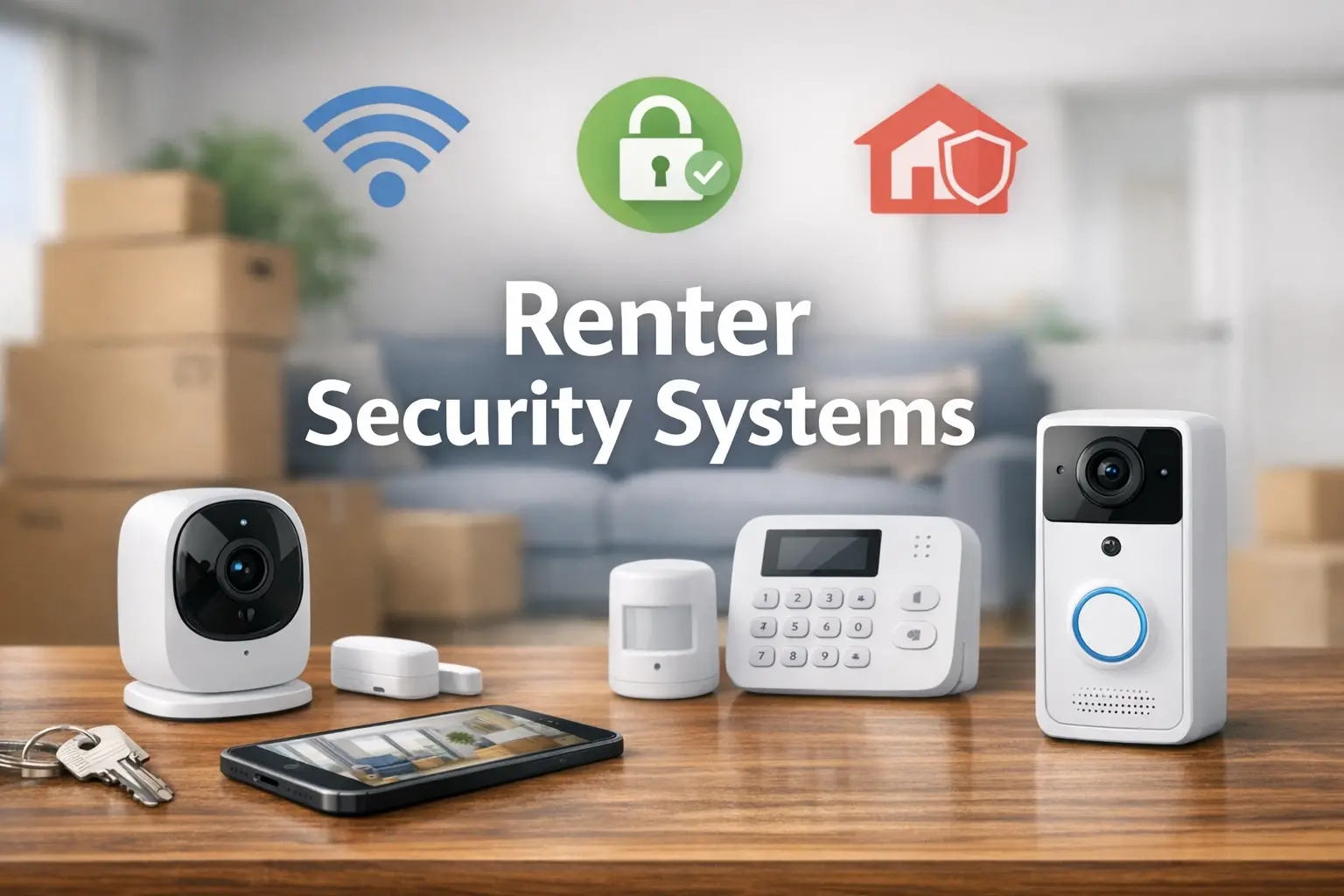
Absolutely. If you rent an apartment or home and have a renters insurance policy, providing proof of a professionally monitored alarm system can lower your renters insurance premium, often by up to 10% or more.
Conclusion: Protect Your Home and Your Wallet
A home security system is one of the few home improvements that actively pays you back year after year. By deterring burglars, preventing catastrophic fire and water damage, and securing a substantial 15% to 20% discount on your homeowners' insurance, a modern, monitored security system is a vital financial tool.
If you are ready to upgrade your home’s protection and start saving on your insurance premiums, the time to act is now. Contact a trusted, top-rated home security provider today to custom-build a system that meets your family's needs—and your insurance agent's requirements.