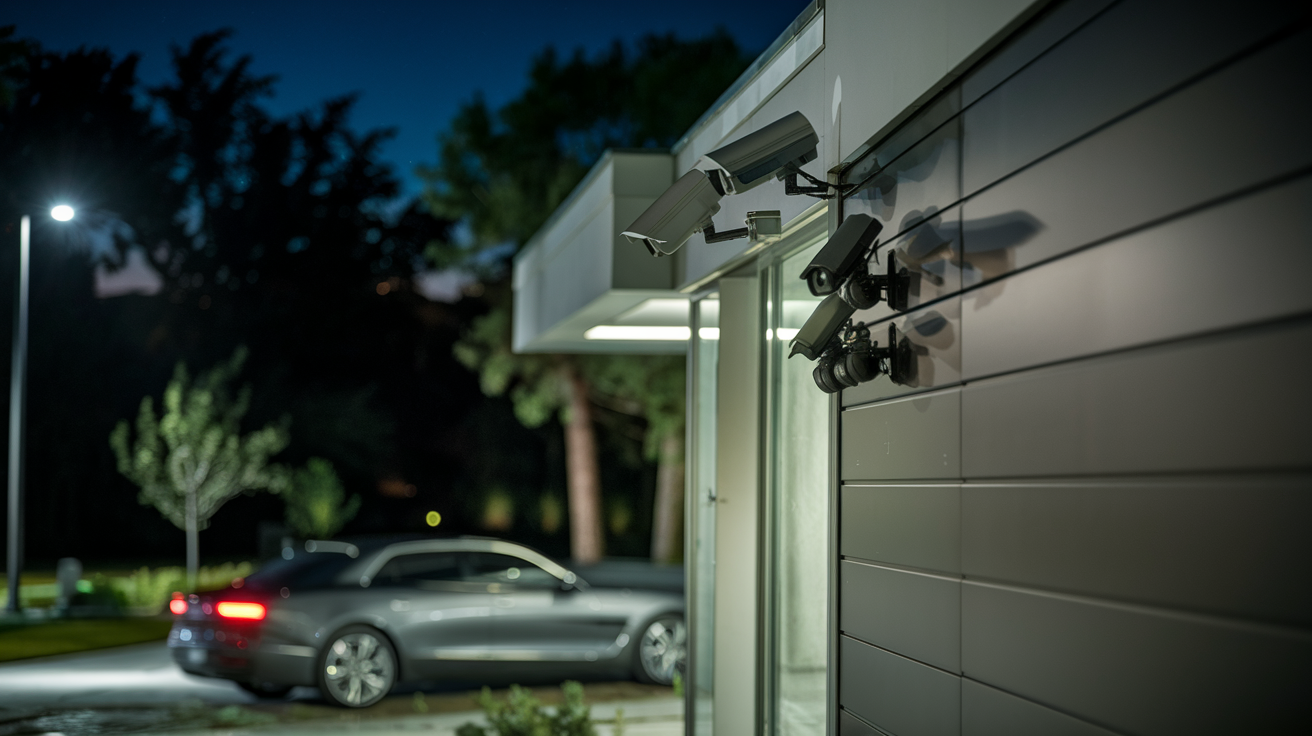
Deciding whether a home alarm system is a necessity or an unnecessary expense can be complex. This guide explores the critical factors, costs, and benefits to help you determine if you need a home alarm system in 2025-26, ensuring your peace of mind and property security.
Why Consider a Home Alarm System?
In today's world, the question "Do I need a home alarm system?" is more relevant than ever. Home security isn't just about deterring burglars; it's about creating a sanctuary for your family and protecting your valuable possessions. With evolving crime trends and increasingly sophisticated security technologies, understanding the landscape of home protection is crucial. In 2025-26, the decision hinges on a blend of personal risk assessment, technological advancements, and the peace of mind that a robust security system can provide. Many homeowners are looking for comprehensive solutions that offer more than just basic intrusion detection, encompassing environmental monitoring and smart home integration.
The primary driver for considering an alarm system is, of course, protection against unauthorized entry. Statistics from the FBI consistently show that homes with visible security measures are less likely to be targeted. Beyond burglary, modern systems can also alert you to fire, carbon monoxide leaks, and even water damage, acting as a multi-layered safety net. The psychological benefit of knowing your home is monitored, especially when you're away, is invaluable. This guide will delve into the specifics to help you make an informed choice.
Assessing Your Personal Risk Factors
The need for a home alarm system is not a one-size-fits-all answer. It's deeply personal and depends on a variety of factors specific to your living situation and location. A thorough risk assessment is the first step in determining if your home warrants the investment in a security system. Consider the following elements:
1. Your Neighborhood and Local Crime Statistics
Researching the crime rates in your immediate neighborhood is paramount. While no area is entirely crime-free, some areas experience higher incidents of property crime, including burglaries. Official sources like local police department websites, FBI Uniform Crime Reporting (UCR) Program data, and community forums can provide valuable insights. Look for trends in residential burglaries, package theft, and vandalism. If your neighborhood has seen an uptick in these issues, the case for an alarm system becomes stronger.
Data Snapshot (2025-26 Projections & Trends):
- Projected national burglary rates for 2025-26 indicate a slight decrease in overall incidents, but a rise in opportunistic and "smash-and-grab" style thefts, particularly in urban fringe and suburban areas.
- Package theft remains a significant concern, with an estimated 2.3 million packages stolen annually in the US, a figure projected to persist or slightly increase due to the continued growth of e-commerce.
- Smart home device vulnerabilities are increasingly being exploited by criminals, making robust network security and physical alarms more critical.
2. Your Home's Vulnerability
Evaluate the physical characteristics of your home that might make it an easier target. This includes:
- Accessibility: Is your home easily visible from the street, or is it secluded? Are there easy entry points like large windows, accessible ground-floor doors, or detached garages?
- Entry Points: How many doors and windows does your home have? Are they equipped with sturdy locks? Older or less secure locks can be a weak point.
- Surroundings: Overgrown landscaping can provide hiding spots for intruders. Poor exterior lighting also increases vulnerability.
- Proximity to Busy Areas: Homes near commercial districts or major roads might experience more transient activity.
3. Your Lifestyle and Schedule
Your daily routine plays a significant role in your home's security needs. Consider:
- Time Away: How often are you and other household members away from home for extended periods (e.g., work, travel, vacations)? The longer your home is unoccupied, the higher the risk.
- Work Schedule: Do you work from home, or are you typically out during standard business hours when many burglaries occur?
- Family Members: Do you have elderly relatives or young children at home who might be more vulnerable?
- Valuables: Do you keep high-value items (jewelry, electronics, art) in your home?
4. Insurance Requirements and Discounts
Many home insurance providers offer discounts for homes equipped with security systems. In some cases, certain types of policies might even require them, especially for high-value properties or in areas with higher insurance risk. Check with your insurance agent to see what benefits are available. A discount can offset a portion of the system's cost, making it a more financially viable option.
5. Personal Peace of Mind
Beyond the tangible risks, the psychological benefit of feeling secure in your own home cannot be overstated. If you or your family experience anxiety about security, a well-functioning alarm system can provide significant peace of mind, allowing you to relax and enjoy your home environment.
Understanding Different Types of Home Alarm Systems
When you're deciding if you need a home alarm system, understanding the available types is crucial. The market offers a spectrum of solutions, from basic self-monitored systems to comprehensive, professionally installed and monitored setups. Each has its own set of features, costs, and benefits.
1. Professionally Monitored Systems
These are the most traditional and often considered the most robust security solutions. They involve a contract with a central monitoring station that receives alerts from your alarm system. If a sensor is triggered, the monitoring station verifies the alarm (often by calling you or a designated contact) and then dispatches emergency services (police, fire department) if necessary.
- Pros: 24/7 professional oversight, rapid emergency response, often includes advanced features and customer support.
- Cons: Typically involves a monthly monitoring fee, longer-term contracts, and can have higher upfront equipment costs.
- Best For: Homeowners who want the highest level of security and assurance that a professional is always watching, especially those who travel frequently or live in higher-risk areas.
2. Self-Monitored Systems
With self-monitored systems, your alarm system is connected to your home's Wi-Fi or cellular network. When an alarm is triggered, you receive notifications directly to your smartphone or tablet. You are then responsible for assessing the situation and contacting emergency services yourself.
- Pros: No monthly monitoring fees (though some may have optional cloud storage fees for cameras), greater control over your system, often more affordable upfront.
- Cons: Requires your constant attention; if you miss a notification or are unable to respond, emergency services won't be dispatched automatically.
- Best For: Budget-conscious homeowners, those in lower-risk areas, or individuals who are comfortable managing their own security and are frequently available to respond to alerts.
3. Smart Home Integrated Systems
These systems leverage modern technology to integrate security with other smart home devices like smart locks, lights, thermostats, and voice assistants. They can be professionally or self-monitored but offer advanced automation and remote control capabilities.
- Pros: Enhanced convenience, ability to control security and other home functions from a single app, potential for sophisticated automation (e.g., lights turn on when motion is detected outside).
- Cons: Can be more complex to set up and manage, reliance on Wi-Fi connectivity, potential for cybersecurity vulnerabilities if not properly secured.
- Best For: Tech-savvy homeowners who want a connected home experience and are looking for advanced features beyond basic intrusion detection.
4. Wireless vs. Wired Systems
This distinction refers to how the components of the alarm system communicate.
- Wireless: Components communicate via radio frequencies or Wi-Fi. They are easier and faster to install, making them ideal for DIY setups and renters. However, they can be susceptible to signal jamming (though this is rare and often requires sophisticated equipment) and may require battery changes.
- Wired: Components are connected by physical wires. These systems are generally considered more reliable and less prone to interference. However, installation is more complex, often requiring drilling and running wires through walls, making them best suited for new constructions or professional installations.
Essential Components of a Modern Alarm System
Regardless of the type of system you choose, understanding the core components will help you build an effective security setup. Modern home alarm systems are modular, allowing you to customize based on your needs. Here are the essential parts:
1. Control Panel (or Hub)
This is the brain of the system. It communicates with all other sensors and devices, receives signals, and sends alerts. Modern control panels often have touchscreens, voice control capabilities, and cellular backup for uninterrupted communication even if your home internet goes down.
2. Door and Window Sensors
These are typically magnetic contact sensors. When the door or window is closed, the two parts of the sensor are in contact, and the system is armed. If the door or window is opened, the contact is broken, triggering an alarm.
- Placement: Essential for all ground-floor entry points, as well as accessible upper-floor windows.
3. Motion Detectors
These sensors use infrared technology to detect changes in heat signatures, indicating movement within a room. They are useful for covering larger areas and interior spaces.
- Types: Passive Infrared (PIR) is most common. Some advanced models include dual-technology (PIR and microwave) to reduce false alarms.
- Placement: Strategically placed in high-traffic areas or rooms containing valuable items, avoiding direct sunlight or heat sources that could cause false triggers.
4. Glass Break Sensors
These sensors listen for the specific sound frequency of breaking glass. They are a valuable addition for homes with many windows, providing an extra layer of security.
- Functionality: Can detect the sound of glass shattering, even if the window itself isn't opened.
5. Security Cameras (Indoor and Outdoor)
Cameras are increasingly integrated into alarm systems. They provide visual verification of events, deter potential intruders, and can record evidence.
- Features: Look for high-definition resolution, night vision, motion detection, two-way audio, and remote viewing capabilities.
- Placement: Outdoors at entry points (front door, back door, garage) and vulnerable areas. Indoors for common areas or specific rooms if desired.
6. Environmental Sensors
These go beyond intrusion detection to enhance overall home safety:
- Smoke Detectors: Integrate with the alarm system to alert monitoring stations or you directly in case of fire.
- Carbon Monoxide (CO) Detectors: Essential for detecting the odorless, colorless gas produced by faulty furnaces or appliances.
- Water Leak Detectors: Can be placed near water heaters, washing machines, or sinks to alert you to potential flooding, preventing costly water damage.
7. Keypads and Key Fobs
Keypads: Used to arm and disarm the system with a code. Often integrated into the control panel or placed near main entry points. Key Fobs: Small remote controls that allow you to arm/disarm the system with the push of a button, offering convenience.
8. Sirens
An audible alarm designed to scare off intruders and alert neighbors. Modern systems often have both indoor and outdoor sirens.
Installation: DIY vs. Professional
One of the significant considerations when deciding if you need a home alarm system is how it will be installed. Both DIY (Do-It-Yourself) and professional installation have their merits, and the best choice depends on your technical skill, budget, and desired level of involvement.
1. DIY Installation
Many modern security systems are designed with DIY installation in mind. Wireless systems, in particular, are user-friendly, often involving simply mounting sensors and the control panel, connecting to Wi-Fi, and following app-based instructions.
- Pros:
- Cost Savings: Eliminates installation fees, which can range from $100 to $500 or more.
- Flexibility: You can install the system on your own schedule.
- Customization: You have full control over sensor placement and system configuration.
- No Contracts: Often associated with self-monitored systems, allowing you to avoid long-term commitments.
- Cons:
- Time Investment: Requires your time and effort to set up correctly.
- Technical Skill: While designed to be easy, some technical aptitude is beneficial, especially for troubleshooting.
- Potential for Errors: Incorrect installation can lead to false alarms or missed detections, compromising security.
- Limited Support: You are primarily responsible for troubleshooting if issues arise.
- Best For: Homeowners comfortable with technology, those on a tighter budget, renters, or individuals who want maximum control over their system.
2. Professional Installation
With professional installation, a trained technician from the security company installs and configures the entire system for you.
- Pros:
- Expertise: Technicians have the knowledge to optimize sensor placement for maximum effectiveness and minimize false alarms.
- Convenience: Saves you time and effort. The system is set up and ready to go.
- System Integration: Ensures all components are properly connected and communicating.
- Warranty and Support: Often comes with a warranty on installation and ongoing technical support.
- Complex Systems: Essential for wired systems or more intricate setups.
- Cons:
- Higher Upfront Cost: Installation fees can add significantly to the initial expense.
- Scheduling: You need to schedule an appointment and be present during installation.
- Less Control: You have less direct input on the fine-tuning of the system compared to DIY.
- Often Tied to Contracts: Professional installation is frequently bundled with monitoring contracts.
- Best For: Homeowners who prefer a hands-off approach, those who are not tech-savvy, individuals with complex home layouts, or those opting for professionally monitored systems.
When considering your options, look at the total cost of ownership, factoring in equipment, installation, and monthly fees (if applicable). Some companies offer free professional installation as part of a long-term contract, which can be appealing if you plan to stay with the service for many years.
The Cost of Home Security: What to Expect in 2025-26
The financial commitment for a home alarm system varies widely, influenced by the type of system, the number of components, whether it's professionally monitored, and installation choices. Understanding these costs is vital for your decision-making process.
1. Equipment Costs
This is the initial outlay for the hardware. Prices can range significantly:
- Basic DIY Kits: Start around $200 - $500 for a hub, a few door/window sensors, and a motion detector.
- Mid-Range Systems: Can cost $500 - $1,000+, including more sensors, a camera, and perhaps a smart lock integration.
- High-End & Professional Systems: Can easily exceed $1,000 - $2,000+, especially with multiple cameras, advanced environmental sensors, and premium control panels.
Many companies offer equipment financing or bundle it into monthly fees, which can make the upfront cost more manageable.
2. Installation Costs
As discussed, this is a one-time fee:
- DIY: $0 (your time is the cost).
- Professional Installation: Typically $100 - $500, though some companies offer it for free with a contract.
3. Monthly Monitoring Fees
This is an ongoing cost for professionally monitored systems.
- Self-Monitored: $0 (though some may have optional fees for cloud storage of camera footage, typically $5 - $20 per month per camera).
- Professionally Monitored: Ranges from $25 - $60+ per month. The price often depends on the level of service, features included (e.g., video verification, cellular backup), and the company.
2025-26 Pricing Trends:
- Expect a slight increase in average monthly monitoring fees due to rising operational costs for monitoring centers and advancements in technology.
- More companies are offering tiered subscription plans for self-monitored systems, providing access to premium features like extended video storage or advanced analytics for a monthly fee.
- Bundling security with other smart home services (e.g., smart thermostats, lighting control) may become more common, offering potential savings for integrated packages.
4. Other Potential Costs
- Moving Fees: If you move, you may incur fees to transfer service or uninstall/reinstall the system.
- Equipment Upgrades: As technology evolves, you might choose to upgrade components.
- Battery Replacements: For wireless systems, batteries need periodic replacement (usually every 1-5 years, depending on the component and usage).
5. Long-Term Contracts
Many professionally monitored systems require a 1-3 year contract. Breaking these contracts can incur significant penalties. Always read the fine print carefully.
Example Cost Comparison (Illustrative for 2025-26):
| Feature | DIY Self-Monitored System (Basic) | Professionally Monitored System (Mid-Range) |
|---|---|---|
| Upfront Equipment Cost | $300 | $500 (often bundled or financed) |
| Installation Cost | $0 | $200 (or free with contract) |
| Monthly Monitoring Fee | $0 (optional $10 for cloud storage) | $45 |
| Annual Cost (Year 1) | $120 (with cloud storage) | $740 ($500 equipment + $240 monitoring) |
| Annual Cost (Subsequent Years) | $120 | $540 ($45 x 12) |
This table highlights how monthly fees can make professionally monitored systems more expensive over time, but they offer 24/7 oversight. DIY systems are cheaper monthly but require you to be the responder.
Benefits Beyond Burglary Prevention
While deterring burglars is the primary reason many homeowners consider an alarm system, the benefits extend far beyond simple intrusion detection. Modern security systems are sophisticated tools that enhance safety, convenience, and even property value in multiple ways.
1. Fire and Environmental Safety
Integrated smoke detectors, carbon monoxide detectors, and water leak sensors are invaluable additions. When these sensors are part of your alarm system:
- Immediate Alerts: You and a professional monitoring service (if applicable) are alerted instantly, allowing for faster response times than traditional standalone detectors.
- Reduced Damage: Early detection of fires or water leaks can significantly minimize property damage and prevent catastrophic losses.
- Peace of Mind: Knowing your home is protected against common household hazards provides immense comfort.
2. Remote Monitoring and Control
Smart home integrated systems offer unparalleled convenience through smartphone apps:
- Arm/Disarm Remotely: Forget to arm your system? You can do it from your office or vacation spot.
- Live Camera Feeds: Check in on your home, pets, or children from anywhere in the world.
- Receive Notifications: Get alerts for any triggered sensor, not just alarms (e.g., a door opening, a package delivered).
- Control Other Devices: Many systems allow you to control smart locks, lights, and thermostats remotely, enhancing convenience and energy efficiency.
3. Deterrent Effect
Visible signs of a security system, such as yard signs, window stickers, and outdoor cameras, act as powerful deterrents. Burglars often look for easier targets, and a home that appears protected is less appealing.
- Visible Components: Well-placed cameras and prominent yard signs signal that the property is monitored.
- Reduced Crime Statistics: Studies consistently show that homes with security systems experience lower rates of burglary.
4. Emergency Response Assistance
For families with elderly members, young children, or individuals with medical conditions, panic buttons or medical alert features can be life-saving. A quick press can summon emergency medical services.
- Medical Alerts: Provides a direct line to emergency responders in critical situations.
- Assistance for Vulnerable Individuals: Offers an added layer of safety for those who may need help quickly.
5. Potential Insurance Discounts
As mentioned earlier, many insurance companies offer discounts on homeowner's insurance premiums for properties equipped with a monitored alarm system. This can help offset the cost of the system over time.
6. Increased Property Value
A professionally installed and well-maintained security system can be an attractive feature for potential buyers, potentially increasing your home's resale value and appeal in the real estate market.
7. Pet-Friendly Features
Modern motion detectors are often designed to differentiate between human movement and that of pets, reducing the likelihood of false alarms caused by your furry companions. This ensures your system protects you without being a nuisance.
Making the Final Decision: Do You Need One?
After exploring the various aspects of home alarm systems, from risk assessment and system types to costs and benefits, you're in a better position to answer the crucial question: "Do I need a home alarm system?" The decision ultimately rests on your personal circumstances, priorities, and risk tolerance.
Recap of Key Considerations:
- High-Risk Factors: If your neighborhood has a high crime rate, your home has easily accessible entry points, or you frequently leave your home unoccupied, an alarm system significantly enhances your security.
- Lifestyle Needs: For busy professionals, frequent travelers, or families with vulnerable members, the peace of mind and remote monitoring capabilities are invaluable.
- Budget: While there's an investment, consider the long-term costs versus the potential cost of a burglary or other property damage. DIY systems offer a budget-friendly entry point.
- Desired Features: Do you want basic intrusion detection, or are you interested in smart home integration, environmental monitoring, and video surveillance?
- Peace of Mind: For many, the psychological benefit of feeling secure in their home is a primary driver, and this is a benefit that's hard to put a price on.
Actionable Steps to Take:
- Conduct a thorough home risk assessment: Walk around your property, inside and out, identifying potential vulnerabilities.
- Research local crime statistics: Visit your local police department's website or use online crime mapping tools.
- Get quotes from multiple security providers: Compare equipment, monitoring fees, contract terms, and installation options for both professional and DIY systems.
- Check with your insurance provider: Inquire about potential discounts for security systems.
- Read reviews: Look for independent reviews of alarm system companies and specific products.
In 2025-26, the landscape of home security is more advanced and accessible than ever. Whether you opt for a sophisticated, professionally monitored system or a more budget-friendly DIY setup, the goal is to create a safer environment for you and your loved ones. If you've identified significant risk factors, value the convenience of remote access, or simply seek greater peace of mind, then the answer is likely a resounding yes – you likely need a home alarm system.
Investing in a home alarm system is an investment in your family's safety and the protection of your most valuable asset. By carefully considering your unique needs and the options available, you can make an informed decision that provides lasting security and tranquility. Don't wait for an incident to occur; proactively protect what matters most.