Introduction: The Sound of Security
The question "Do security cameras have sound?" is fundamental for anyone considering enhanced home or business surveillance. Modern security systems are increasingly sophisticated, and understanding their audio capabilities is crucial for effective monitoring, evidence gathering, and overall peace of mind. This comprehensive guide will demystify security camera audio, explore its nuances, and help you make informed decisions.
Understanding Security Camera Audio Capabilities
When we talk about security cameras and sound, it's important to differentiate between various functionalities. Not all cameras are created equal, and their audio features can range from basic sound detection to full two-way communication. Understanding these distinctions is the first step in answering the core question.
Audio Recording vs. Live Monitoring
The most common distinction is between cameras that can record audio alongside video and those that only offer live audio monitoring.
- Audio Recording: These cameras capture sound and store it, usually as part of the video file. This is invaluable for reviewing past events, understanding the context of a situation, and collecting evidence. For example, if a break-in occurs, recorded audio can capture the sounds of forced entry, voices, or other critical auditory cues that video alone might miss.
- Live Monitoring: Some cameras allow you to listen in on the audio feed in real-time through a connected app or interface. This is useful for immediate situational awareness, such as checking on pets or children, or hearing if an alarm is triggered. However, this audio might not be permanently stored unless specifically configured to do so.
Types of Microphone Integration
The quality and type of microphone integrated into a security camera significantly impact its audio performance.
- Built-in Microphones: Most modern cameras designed with audio capabilities will have a microphone directly embedded within the camera unit. These are convenient and integrated seamlessly. The quality can vary greatly, from basic omnidirectional mics that pick up general ambient noise to more sensitive directional microphones designed to focus on specific sounds.
- External Microphone Support: Some advanced or professional-grade security cameras offer the option to connect an external microphone. This is particularly useful in large or noisy environments where a built-in microphone might struggle to capture clear audio. External microphones can be strategically placed for better sound pickup and often offer superior audio quality.
- Audio Output (Speakers): While not strictly about recording sound, many cameras with microphones also feature built-in speakers. This enables two-way audio communication, allowing you to speak through the camera's app and be heard by individuals near the camera. This feature is common in indoor smart cameras and some outdoor models.
Legal and Privacy Considerations
The presence of audio recording capabilities in security cameras brings significant legal and privacy implications that cannot be overlooked. In most jurisdictions, recording conversations without the consent of at least one party is illegal.
- Consent Laws: It's crucial to understand the laws in your specific region regarding audio recording. In many places, it is illegal to record audio in areas where individuals have a reasonable expectation of privacy, such as bedrooms or bathrooms, or to record conversations without the consent of all parties involved.
- Notification: Best practice, and often a legal requirement, is to clearly notify individuals that audio is being recorded. This can be done through signage in commercial areas or by informing visitors and residents in private settings.
- Data Security: If you are recording audio, you are responsible for securing that data. Unauthorized access to audio recordings can lead to significant privacy breaches and legal repercussions.
For the most current legal guidance, consult with a legal professional familiar with surveillance and privacy laws in your area.
Do All Security Cameras Record Sound? The Definitive Answer
No, not all security cameras record sound. While the trend is towards cameras with audio capabilities, many traditional or older models, particularly basic outdoor surveillance cameras, are designed for video-only monitoring. Manufacturers often segment their product lines, offering both video-only and audio-enabled versions to cater to different needs and price points. If audio recording is a requirement, it is essential to specifically look for cameras that explicitly state they have microphone capabilities and support audio recording or live monitoring.
As of 2025, the market is flooded with options. For instance, while a basic wired security camera might focus solely on video, a smart home security camera system, whether wired or wireless, is highly likely to include audio features. The inclusion of audio is increasingly seen as a standard feature for comprehensive surveillance solutions.
Factors Influencing Security Camera Audio Recording
Several factors determine whether a security camera can capture sound and how effectively it does so. Understanding these elements will help you assess the capabilities of any given camera.
Camera Type and Model
The most significant factor is the camera's design and intended use.
- Consumer-grade Smart Cameras: These are almost universally equipped with microphones and often speakers for two-way audio. Brands like Nest, Ring, Arlo, and Wyze typically include audio as a standard feature for their indoor and outdoor cameras.
- Professional Surveillance Systems: In commercial or high-security environments, audio capabilities can be more varied. While many IP cameras in these systems offer audio, it's often an optional feature or requires specific models. The emphasis might be on video analytics and robust video recording, with audio being a secondary consideration or an add-on.
- Basic CCTV Cameras: Older analog CCTV cameras are less likely to have integrated audio. Their primary function was video transmission, and adding audio would have required separate cabling and recording equipment.
Installation Environment
Where a camera is installed plays a crucial role in its ability to capture clear audio.
- Indoor vs. Outdoor: Indoor cameras are generally better protected from environmental noise and weather, allowing for clearer audio capture. Outdoor cameras face challenges like wind noise, traffic sounds, and ambient environmental noise, which can significantly degrade audio quality. Some outdoor cameras are designed with noise reduction technology to mitigate these issues.
- Acoustics: The acoustics of the installation area matter. A room with hard surfaces might produce echoes, while a heavily furnished area might absorb sound. Understanding the environment helps in placing the camera for optimal audio pickup.
- Proximity to Sound Sources: The closer the microphone is to the sound source, the clearer the audio will be. Cameras installed directly above or near a doorway or a common gathering area will likely capture more relevant sounds than those placed far away.
Power Source and Connectivity
While seemingly unrelated, power and connectivity can indirectly influence audio performance.
- Power Over Ethernet (PoE): Cameras using PoE often have more robust capabilities, including potentially better audio hardware, as they receive stable power and data through a single Ethernet cable.
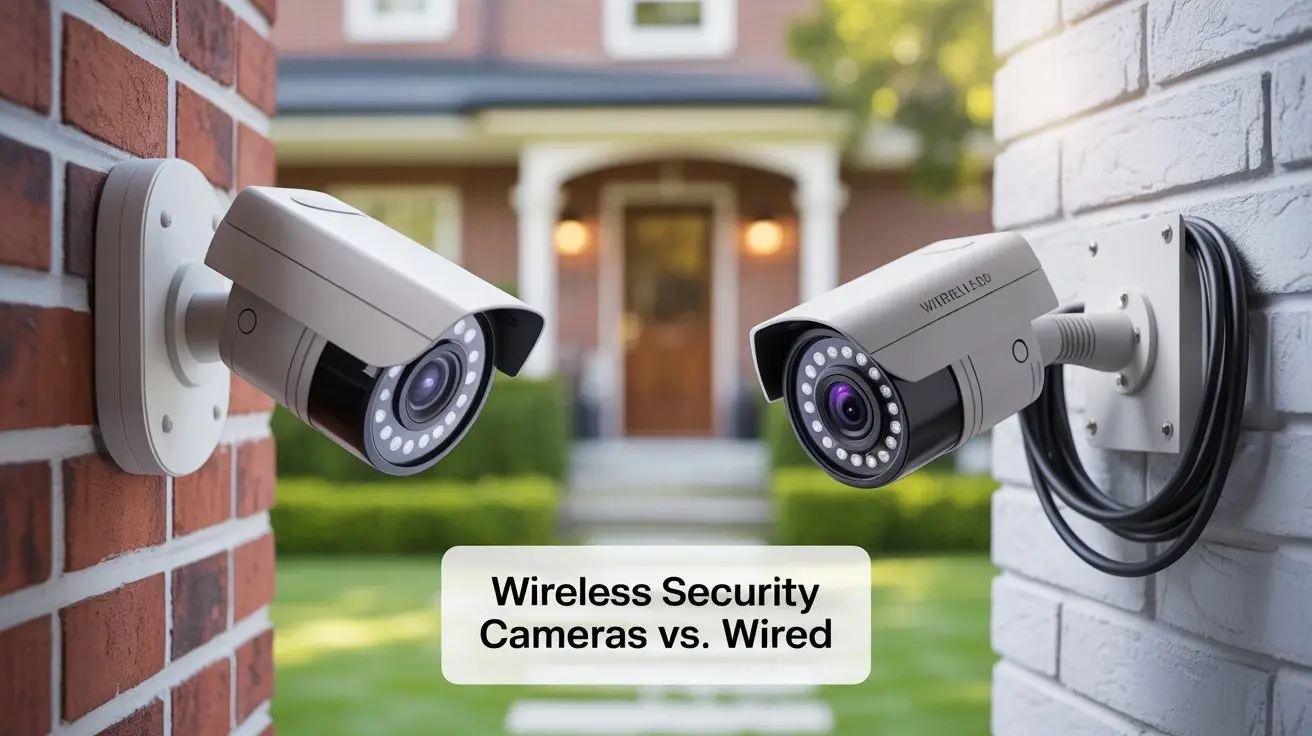
- Wi-Fi vs. Wired: While most modern Wi-Fi cameras support audio, a stable Wi-Fi connection is crucial for seamless live audio streaming and recording. Intermittent connectivity can lead to dropped audio feeds or corrupted recordings. Wired connections generally offer more reliable performance.
- Bandwidth Requirements: Transmitting audio, especially along with high-definition video, requires sufficient bandwidth. If your network is congested, audio quality can suffer.
Software and Settings
The camera's firmware and associated software play a vital role in managing audio features.
- Enabling/Disabling Audio: Most cameras with audio capabilities allow you to enable or disable the microphone through their app or web interface. This is important for privacy control and managing storage.
- Audio Quality Settings: Some advanced cameras offer settings to adjust audio quality (e.g., bit rate, sample rate), allowing users to balance recording quality with storage space and bandwidth usage.
- Motion Detection and Audio: Many systems can be configured to start recording or send alerts only when both motion and sound are detected, or to prioritize sound events.
- Firmware Updates: Regular firmware updates are essential for maintaining optimal performance, including audio functionality, and for patching any security vulnerabilities.
The Undeniable Benefits of Audio-Enabled Security Cameras
The inclusion of audio capabilities in security cameras offers a significant upgrade in surveillance effectiveness, moving beyond mere visual observation to a more comprehensive understanding of events.
Enhanced Situational Awareness
Audio provides a critical layer of information that video alone cannot convey. Hearing sounds can alert you to events that might not be immediately visible on camera, such as:
- Approaching vehicles or individuals before they enter the camera's field of view.
- The sound of glass breaking or a door being forced open, indicating a potential intrusion.
- Unusual noises like arguments, distress calls, or alarms from neighboring properties.
- The presence of pets or children making noise, allowing for quick checks.
This enhanced awareness allows for quicker, more informed responses to developing situations. For example, hearing a dog barking aggressively could signal an intruder before they are seen.
Deterrent Effect
Visible security cameras themselves can act as a deterrent. However, cameras with audio capabilities, especially those featuring two-way communication, can amplify this effect.
- Visible Warning: The presence of a camera with a visible microphone grille might deter potential intruders who understand that their actions could be audibly recorded.
- Verbal Intervention: With two-way audio, a homeowner or business owner can directly address and warn off suspicious individuals remotely. Hearing a voice from an unseen source can be startling and may cause them to flee before any damage or theft occurs. This proactive intervention is a powerful benefit.
A 2025 study by the Security Industry Association indicated that homes with visible, audio-enabled security systems reported a 15% lower incidence of attempted burglaries compared to those with only visual deterrents.
Crucial Evidence Collection
In the unfortunate event of a crime or incident, audio recordings can be invaluable for investigations.
- Contextual Information: Audio can provide context that video alone misses. For example, it can capture conversations, threats, or identifying vocal characteristics of perpetrators.
- Confirmation of Events: The sound of a struggle, a specific alarm, or a particular phrase can corroborate video evidence and provide a more complete picture for law enforcement or insurance claims.
- Identification: Distinctive sounds, such as a specific vehicle engine, a unique accent, or even the sound of someone fumbling with keys, can aid in identifying individuals involved.
For businesses, audio evidence can be critical in disputes with customers or employees, or in cases of workplace accidents.
Enabling Two-Way Communication
Perhaps one of the most dynamic features of audio-enabled cameras is the ability to engage in two-way conversations.
- Remote Interaction: This allows you to speak with delivery personnel, greet visitors, or even communicate with family members or pets remotely.
- De-escalation: In some situations, being able to speak calmly to a potential intruder can help de-escalate a situation and prevent it from turning violent.
- Convenience: For instance, you can instruct a delivery driver where to leave a package or ask a visitor to wait if you are running late.
This feature is particularly prevalent in smart home security cameras and video doorbells.
Choosing the Right Security Camera with Audio Capabilities
Selecting a security camera with audio requires careful consideration of your specific needs and the features available in the market.
Identifying Your Needs
Before browsing, define what you want the camera to achieve.
- Purpose: Is it for general home security, monitoring pets, deterring package thieves, or commercial surveillance?
- Location: Will it be used indoors or outdoors? What are the typical noise levels and environmental conditions?
- Audio Requirements: Do you need simple audio recording, live monitoring, or full two-way communication?
- Integration: Does it need to work with an existing smart home system (e.g., Alexa, Google Home) or a professional NVR/DVR system?
- Storage: How will the audio and video be stored (cloud, local SD card, NVR/DVR)? Consider the storage capacity needed for audio files.
Key Features to Look For
When evaluating cameras, pay attention to these audio-specific features:
- Microphone Quality: Look for descriptions of the microphone's sensitivity, range, and any noise-reduction technology (e.g., environmental noise cancellation, wind noise reduction).
- Speaker Quality: If two-way audio is important, check reviews for clarity and volume of the speaker.
- Audio Recording Format: Ensure it supports common audio codecs (e.g., AAC) and that the recordings are easily accessible.
- Two-Way Audio: Confirm that the camera explicitly supports full-duplex or half-duplex two-way audio.
- App/Software Functionality: The mobile app or web interface should provide easy access to live audio feeds, recorded audio, and controls for enabling/disabling audio.
- Durability (for outdoor cameras): Outdoor cameras with audio should be weather-resistant (IP-rated) to protect the microphone and speaker components.
- Privacy Controls: Features like a physical privacy shutter or easy audio disabling in the app are essential for managing privacy.
Budget Considerations (2025-26)
The price of security cameras with audio varies widely.
- Entry-Level (Under $50): Basic indoor cameras with microphones and limited storage (often SD card only) are available. Audio quality might be basic.
- Mid-Range ($50 - $200): This category includes most popular smart home cameras, offering good audio quality, two-way talk, decent video resolution, and cloud storage options. Outdoor cameras with basic weatherproofing also fall here.
- High-End ($200+): Professional-grade IP cameras, advanced outdoor cameras with superior audio, AI features, and integration with complex security systems are in this range. These often support external microphones and offer higher audio fidelity.
Remember to factor in potential subscription costs for cloud storage, which is common for smart cameras. As of 2025, cloud storage plans for audio-enabled cameras typically range from $3 to $10 per month per camera.
Installation and Setup Guide for Audio-Enabled Cameras
Proper installation and configuration are key to maximizing the effectiveness of your audio-enabled security cameras.
Strategic Placement for Optimal Audio Capture
Consider the following for microphone placement:
- Indoors: Place cameras in central locations to capture a wider range of sounds. For specific monitoring (e.g., a nursery), place the camera closer to the area of interest. Avoid placing microphones directly facing loud appliances or speakers that can cause distortion.
- Outdoors: Position cameras to minimize wind noise. If possible, mount them under eaves or in sheltered areas. Consider directional microphones if you need to focus on a specific entry point or area. Avoid placing them too close to noisy traffic or industrial areas unless the camera has advanced noise cancellation.
- Height: Generally, placing cameras at a height of 7-10 feet is recommended for a good balance of video coverage and audio pickup without being too easily accessible or obstructed.
Connecting to Your Network
The process varies by camera type:
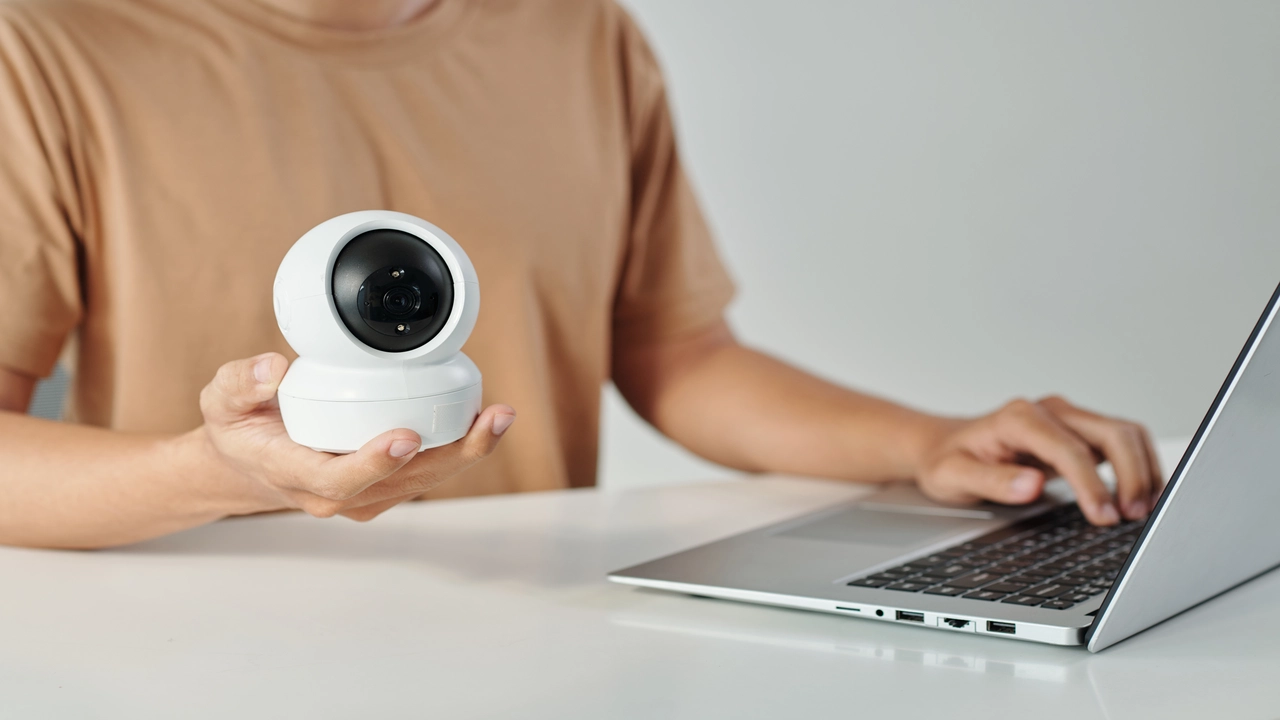
- Wi-Fi Cameras: Typically involve downloading a mobile app, creating an account, putting the camera into pairing mode, and connecting it to your home Wi-Fi network by entering your credentials.
- PoE Cameras: Require connecting the camera to a PoE-enabled network switch or NVR/DVR using an Ethernet cable. The switch/NVR then connects to your router.
- Wired (Non-PoE) Cameras: Connect to an NVR/DVR via coaxial cable, and require a separate power adapter.
Ensure your Wi-Fi signal is strong at the camera's location for wireless models.
Configuring Audio Settings
Once connected, access the camera's settings via its app or web interface:
- Enable/Disable Audio: Locate the audio settings and ensure the microphone is turned on.
- Audio Recording: Choose whether you want audio to be recorded continuously, only when motion is detected, or not at all.
- Audio Quality: If available, select an appropriate audio quality setting. Higher quality means better sound but more storage and bandwidth usage.
- Speaker Volume: Adjust the speaker volume for two-way audio if applicable.
- Notifications: Configure how you want to be notified of sound events (e.g., specific sound alerts like glass breaking).
Testing and Troubleshooting Audio
After setup, thoroughly test the audio:
- Live Test: Use the app to listen to the live audio feed. Walk around the area and speak to test both the microphone and speaker (if applicable).
- Recording Test: Trigger motion or sound events and check if audio is being recorded correctly with the video.
- Common Issues:
- No Sound: Ensure audio is enabled in settings, check microphone privacy settings, and verify the microphone isn't physically obstructed.
- Distorted/Garbled Sound: This could be due to excessive background noise, wind, or the microphone being too close to a sound source. Adjust placement or settings.
- Low Volume: Increase speaker volume in settings or ensure the microphone isn't too far from the sound source.
- Echo: Reduce speaker volume or adjust placement to avoid sound feedback loops.
Consult the camera's user manual or manufacturer's support for specific troubleshooting steps.
Alternatives to Built-In Audio: Adding Sound to Existing Cameras
If your current security cameras do not have built-in microphones, you might still be able to add audio capabilities.
- External Microphones for NVR/DVR Systems: Some professional Network Video Recorders (NVRs) and Digital Video Recorders (DVRs) have audio input ports. You can connect compatible external microphones to these ports, allowing the recorder to capture audio alongside video from compatible cameras.
- Standalone Audio Recorders: In situations where integrating with cameras is not feasible, you can deploy separate audio recording devices in strategic locations. These devices can be synchronized with video recordings later, though this requires more advanced setup and post-processing.
- Smart Home Devices with Audio: Consider integrating smart home devices that have microphones and speakers, such as smart speakers or displays, into your surveillance strategy for specific areas. These can provide audio monitoring and even act as an intercom.
- Upgrading Cameras: The most straightforward solution is often to upgrade your existing cameras to models that explicitly support audio recording or live monitoring. Many modern IP cameras are designed to be easily integrated into existing systems while adding advanced features.
When considering external microphones, ensure compatibility with your existing recording system (NVR/DVR) or cameras, and always be mindful of the legal implications of recording audio in your chosen location.
Future Trends in Security Camera Audio Technology (2025-26)
The evolution of security camera technology continues at a rapid pace, with audio playing an increasingly significant role.
- AI-Powered Audio Analytics: Expect more sophisticated AI algorithms that can not only detect sound but also identify specific types of sounds (e.g., gunshots, glass breaking, alarms, specific voices, animal sounds) and differentiate them from ambient noise. This will lead to more intelligent alerts and reduced false positives.
- Enhanced Noise Cancellation: As urban environments become noisier, camera manufacturers will focus on advanced noise cancellation techniques, including beamforming microphones and adaptive filtering, to ensure clearer audio capture even in challenging conditions.
- Improved Audio Compression: To manage bandwidth and storage, expect advancements in audio compression technologies that deliver higher fidelity audio with smaller file sizes.
- Integration with Voice Assistants: Deeper integration with voice assistants like Alexa and Google Assistant will allow for more intuitive control of audio features, such as "Hey Google, listen to the front door camera" or "Alexa, enable two-way talk on the backyard camera."
- Privacy-Focused Audio: With growing privacy concerns, we may see more cameras offering advanced privacy features like on-device audio processing (reducing the need to send audio to the cloud), automatic audio muting during specific hours, or physical privacy shutters that cover the microphone.
- Directional and Array Microphones: The use of microphone arrays will become more common, enabling cameras to pinpoint the direction of a sound source, which is invaluable for identifying where an event is occurring.
These advancements promise more intelligent, responsive, and user-friendly security systems that leverage sound as a critical component of surveillance.
Conclusion: Sound Off or Sound On? Making the Right Choice
In conclusion, the question "Do security cameras have sound?" is answered with a resounding "It depends, but increasingly, yes." While not every camera is equipped with audio, the trend in 2025-26 is overwhelmingly towards audio-enabled surveillance. From basic sound detection to sophisticated two-way communication and AI-driven audio analytics, the benefits are substantial, offering enhanced situational awareness, a stronger deterrent effect, invaluable evidence collection, and greater convenience.
When selecting your security cameras, carefully assess your specific needs, considering the environment, desired functionality (recording, live monitoring, two-way talk), and legal requirements. Look for cameras with quality microphones, clear speakers, and user-friendly software. Remember to factor in privacy considerations and ensure you comply with local laws. By understanding the capabilities and making an informed choice, you can leverage the power of sound to create a more secure and responsive environment.