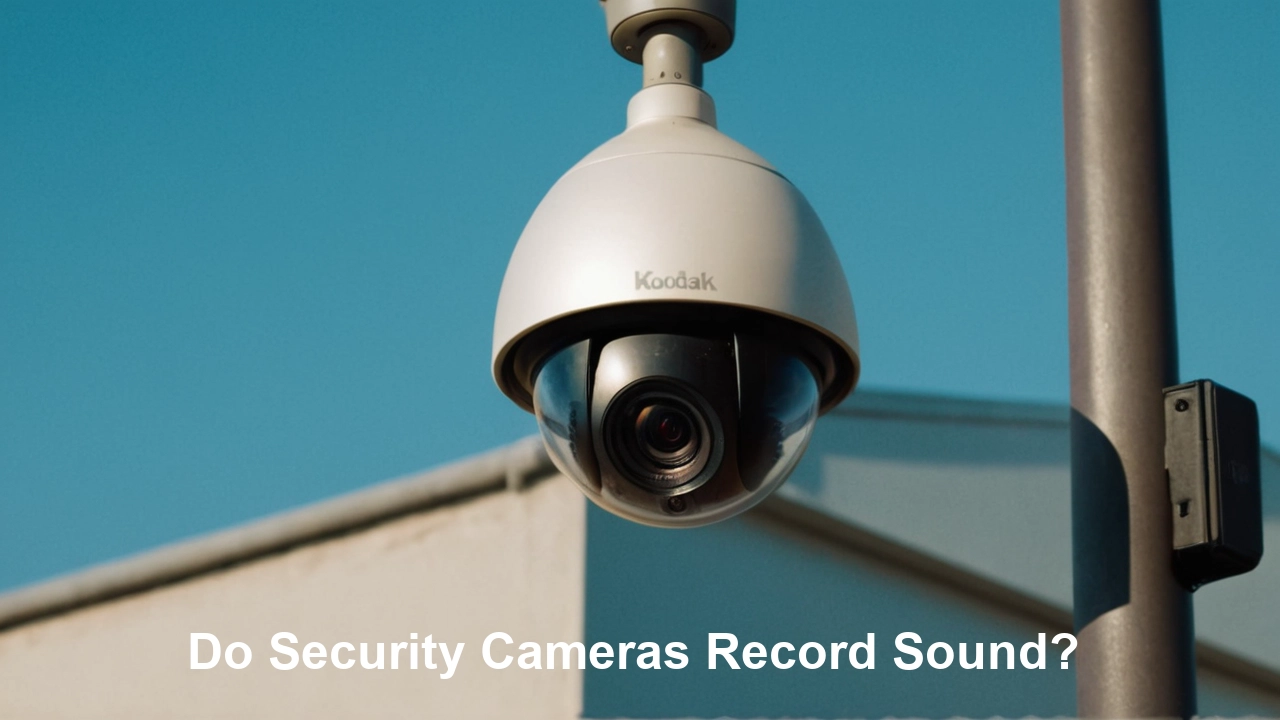
Yes, many security cameras do record sound, but not all. Understanding which cameras have audio capabilities and the legal implications is crucial for effective surveillance and privacy. This guide delves into the nuances of security camera audio recording.
What Are Security Cameras With Audio?
Security cameras with audio, often referred to as audio-enabled security cameras or cameras with microphones, are surveillance devices equipped with built-in microphones designed to capture sound in addition to video. Unlike traditional CCTV systems that solely focus on visual monitoring, these advanced cameras provide a more comprehensive security solution by recording both what is seen and what is heard. This dual-channel recording capability can offer significant advantages in various scenarios, from deterring intruders to capturing critical evidence during incidents.
The integration of microphones into security cameras has become increasingly common, driven by consumer demand for enhanced security features and technological advancements in miniaturization and audio processing. These cameras are available in a wide range of forms, including indoor and outdoor models, wired and wireless options, and various resolutions, catering to diverse surveillance needs. The primary purpose of audio recording in security cameras is to provide a richer, more contextual understanding of events, supplementing the visual information with auditory cues that might otherwise be missed.
It's important to distinguish between cameras that merely have a speaker for two-way communication and those that actively record ambient sound. While some cameras offer audio playback for speaking to visitors or deterring intruders, this functionality does not imply audio recording capabilities. True audio recording requires a microphone capable of capturing sound and a system that stores this audio data alongside the video feed. As of 2025-26, the market offers a broad spectrum of these devices, from basic home security units to sophisticated professional surveillance systems, each with varying audio recording specifications and functionalities.
How Do Security Cameras Record Sound?
The process by which security cameras record sound involves several key components and stages, working in concert to capture, process, and store audio data. At its core, a security camera with audio functionality relies on a microphone to detect sound waves. This microphone, typically a small, sensitive electronic component, converts these sound waves into an electrical signal. The quality and type of microphone used significantly impact the clarity and range of the audio captured.
Once the sound waves are converted into an electrical signal, this analog signal is then passed through an analog-to-digital converter (ADC). The ADC transforms the continuous analog signal into a series of discrete digital values, which can be processed and stored by the camera's internal electronics or a connected recording device. This digital audio data is then compressed using various audio codecs (e.g., G.711, AAC) to reduce file size, making it more manageable for storage and transmission without a significant loss of quality for typical surveillance purposes.
The compressed audio data is then synchronized with the video stream. This synchronization is crucial for ensuring that the audio accurately corresponds to the visual events being recorded. Most modern IP security cameras embed the audio stream directly into the video data stream, often using protocols like RTP (Real-time Transport Protocol). For analog or older digital systems, audio and video might be recorded separately and then synchronized during playback.
Storage of the recorded audio and video can occur in several ways. Many cameras feature onboard storage, such as microSD card slots, allowing for local recording. Alternatively, the data can be transmitted wirelessly or via Ethernet to a Network Video Recorder (NVR) for professional systems or a Digital Video Recorder (DVR) for older analog systems. Cloud storage solutions are also increasingly popular, offering remote access and off-site backups. The duration and quality of audio recording are dependent on factors like storage capacity, recording resolution, and the camera's processing power.
By 2025-26, advancements in audio processing have led to features like noise reduction, echo cancellation, and even directional microphones that can focus on specific sound sources, enhancing the usability and effectiveness of audio recording in security applications. The integration of artificial intelligence (AI) is also beginning to enable more sophisticated audio analytics, such as identifying specific sounds like glass breaking or gunshots.
Legal and Privacy Considerations for Audio Recording
The ability of security cameras to record sound introduces significant legal and privacy considerations that users must be aware of and adhere to. Laws governing audio recording vary widely by jurisdiction, and failing to comply can lead to severe penalties, including fines and legal action. The fundamental principle often revolves around consent and reasonable expectation of privacy.
In many regions, it is illegal to record conversations without the consent of at least one party involved, and in some states or countries, it is illegal to record without the consent of *all* parties involved. This is known as "one-party consent" versus "two-party consent" or "all-party consent" laws. For instance, in the United States, states like California, Florida, and Illinois have two-party consent laws, meaning all individuals in a conversation must agree to be recorded. Other states operate under one-party consent, where only one participant needs to give permission.
When installing security cameras with audio recording capabilities, especially in public or semi-public areas, it is imperative to understand and comply with local laws. This often means clearly notifying individuals that audio is being recorded. Signage is a common and recommended method for providing such notification. For private residences, recording conversations within the home without the knowledge of all occupants can also be problematic, depending on local laws and individual privacy rights.
Beyond legal requirements, ethical considerations and privacy concerns are paramount. Recording audio in areas where individuals have a reasonable expectation of privacy, such as bathrooms or bedrooms, is generally considered a violation of privacy, regardless of legality. For businesses, recording employee conversations without proper notification and consent can lead to labor disputes and legal challenges. The data collected from audio recordings must also be handled securely to prevent unauthorized access and misuse.
As of 2025-26, with the increasing prevalence of smart home devices and interconnected surveillance systems, regulatory bodies are paying closer attention to audio privacy. Companies manufacturing and selling security cameras with audio recording features are increasingly being held responsible for providing clear guidance on legal compliance. Users are strongly advised to consult with legal counsel or local authorities to understand the specific regulations applicable to their location and intended use of audio-recording security cameras. Ignoring these stipulations can have serious repercussions.
Types of Security Cameras and Their Audio Capabilities
The landscape of security cameras is diverse, and their audio recording capabilities vary significantly depending on the type, intended use, and technological sophistication. Understanding these distinctions is key to selecting a system that meets specific needs while respecting legal and privacy boundaries.
Indoor Security Cameras
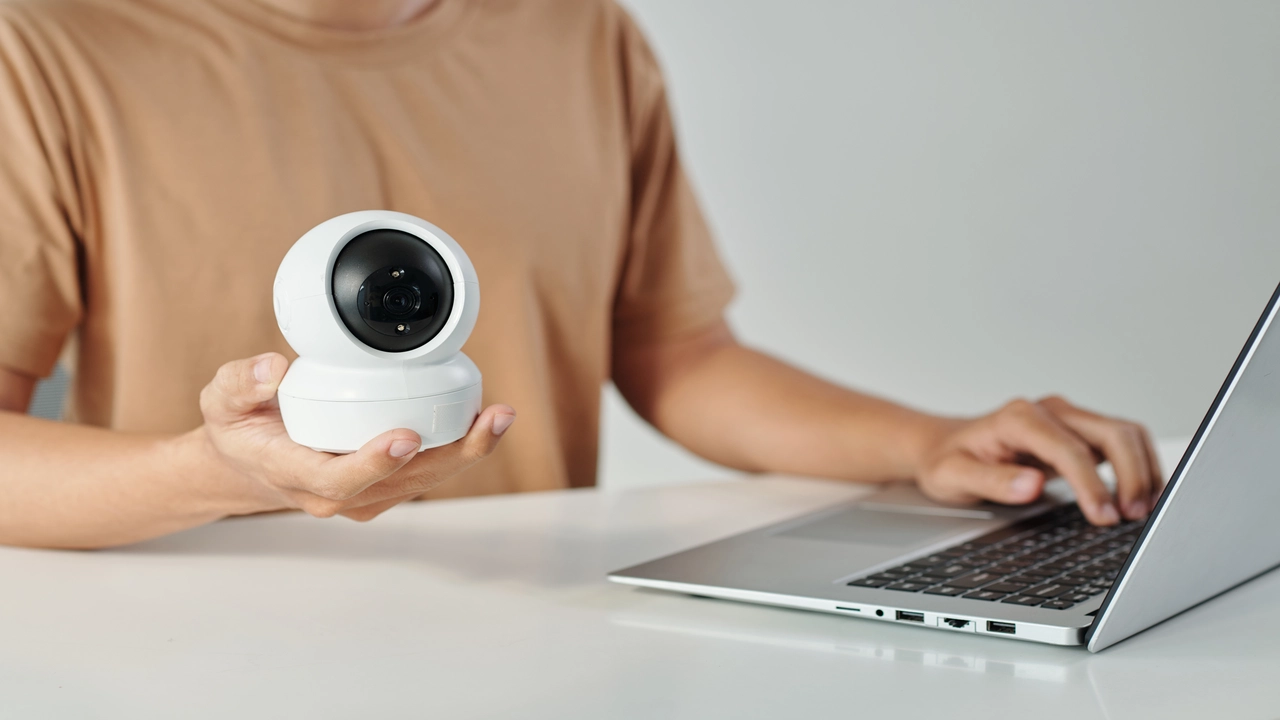
Indoor security cameras are designed for monitoring internal spaces. Many modern indoor cameras, particularly those marketed for home security and smart home integration, come equipped with built-in microphones. These are often used for features like two-way talk (allowing users to communicate through the camera), motion-activated recording with audio, and general surveillance. Examples include small, discreet cameras placed on shelves or mounted on walls. By 2025-26, most new indoor cameras from reputable brands include audio recording as a standard feature, often with adjustable sensitivity and noise reduction.
Outdoor Security Cameras
Outdoor security cameras face harsher environmental conditions and are often designed for broader surveillance. While many outdoor cameras focus primarily on video, an increasing number are incorporating audio recording capabilities. These microphones are typically more robust and weather-resistant. Their use can be invaluable for capturing the sounds of activity outside a property, such as vehicles arriving, alarms being triggered, or suspicious noises. However, due to privacy concerns regarding neighbors and public spaces, outdoor audio recording laws are often more stringent, and clear signage is almost always required.
Dome Cameras
Dome cameras are characterized by their distinctive dome-shaped housing, which often conceals the camera's orientation and makes them more vandal-resistant. Many dome cameras, whether indoor or outdoor, can be equipped with microphones. These are common in commercial settings like retail stores, offices, and public transport, where capturing both visual and auditory evidence can be crucial for security and operational monitoring. The audio quality in dome cameras can vary, but higher-end models often feature advanced audio processing.
Bullet Cameras
Bullet cameras are typically cylindrical and often used for outdoor surveillance due to their visibility and deterrent effect. While traditionally focused on video, many modern bullet cameras now include integrated microphones. They are frequently used to monitor entry points, perimeters, and large outdoor areas. The effectiveness of audio recording on bullet cameras depends on their placement and the microphone's sensitivity to ambient noise.
PTZ (Pan-Tilt-Zoom) Cameras
PTZ cameras offer advanced control, allowing users to remotely pan, tilt, and zoom the camera's view. These cameras are often deployed in large areas requiring dynamic monitoring. Many PTZ cameras are equipped with microphones to capture audio from the specific area the camera is currently focused on. This makes them highly effective for detailed surveillance where audio context is important, such as monitoring events or tracking suspicious individuals across a wide area.
Wireless vs. Wired Cameras
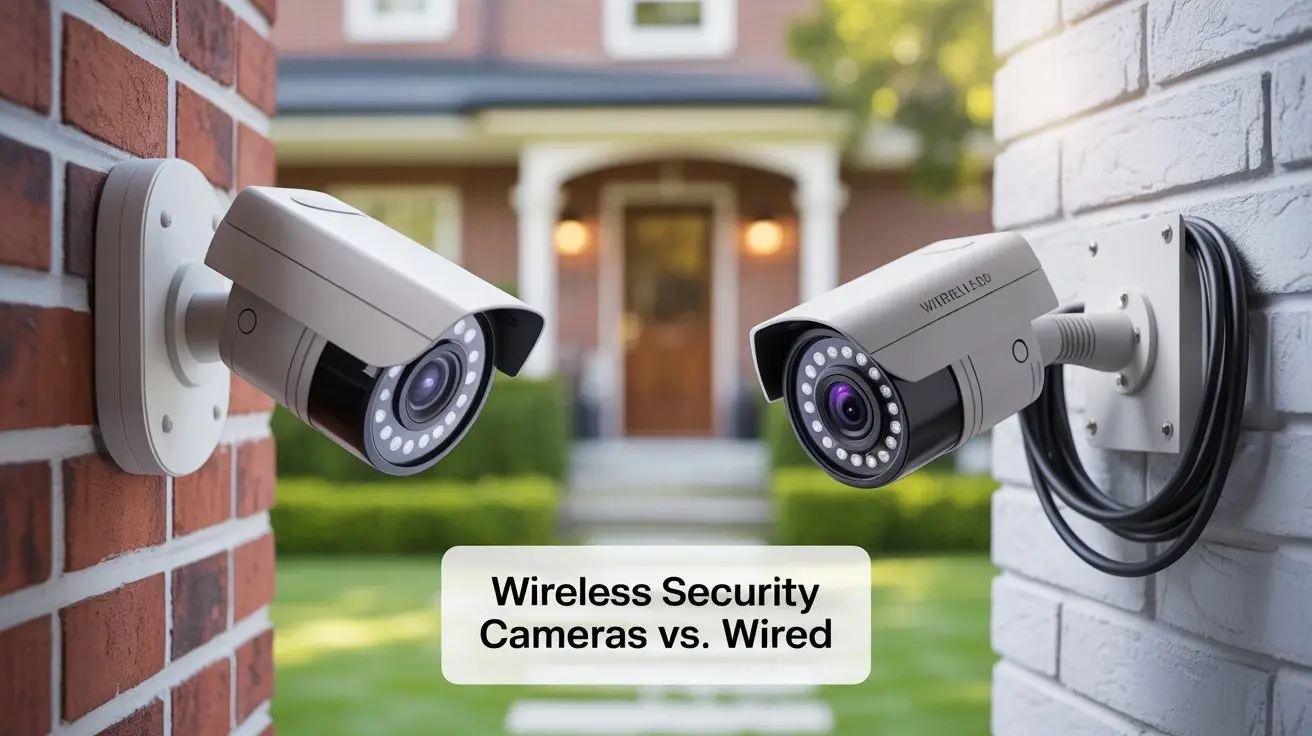
Both wireless (Wi-Fi) and wired (IP or analog) security cameras can feature audio recording. The "wireless" aspect refers to the data transmission method, not necessarily the power source. Wireless cameras with microphones offer flexibility in placement, while wired cameras may provide more stable connections for continuous audio and video streaming. The presence of a microphone is a feature independent of the camera's connectivity type, though integration can be more seamless in IP-based systems.
Specialty Cameras (e.g., Doorbell Cameras)
Video doorbell cameras are a prime example of a specialty camera where audio is a core feature. These cameras are designed to allow homeowners to see, hear, and speak to visitors at their doorstep, even when not at home. They almost universally include both a microphone and a speaker for two-way audio communication, and they record the audio of interactions. By 2025-26, audio recording on doorbell cameras is a standard expectation for consumers.
A comparison of audio capabilities across common camera types in 2025-26:
| Camera Type | Typical Audio Recording Capability | Primary Use Case for Audio | Considerations |
|---|---|---|---|
| Indoor Security Camera | High (Built-in mic common) | Home monitoring, two-way talk, general surveillance | Privacy within the home, potential for eavesdropping |
| Outdoor Security Camera | Medium (Increasingly common) | Perimeter monitoring, capturing external activity sounds | Weatherproofing of mic, stricter privacy laws, signage |
| Dome Camera | Medium to High (Often integrated) | Commercial surveillance, capturing ambient sound in enclosed spaces | Vandal resistance, potential for broad audio capture |
| Bullet Camera | Medium (Becoming more standard) | Point surveillance, capturing sounds at entry/exit points | Directionality of mic, ambient noise interference |
| PTZ Camera | High (Often included) | Dynamic surveillance, focusing audio on specific targets | Cost, complexity, potential for intrusive recording |
| Video Doorbell | Very High (Essential feature) | Visitor interaction, package delivery monitoring, two-way talk | Consent for recording visitors, privacy of passersby |
Choosing the Right Security Camera with Audio
Selecting the appropriate security camera with audio recording capabilities requires a careful assessment of your specific needs, budget, and the legal framework governing your location. Simply looking for a camera with a microphone isn't enough; you need to consider the quality, features, and how it integrates into your overall security strategy. Here’s a step-by-step guide to help you make an informed decision in 2025-26.
1. Define Your Surveillance Goals
Before anything else, clearly identify what you want to achieve with your security cameras. Are you primarily concerned with deterring intruders, monitoring activity in a specific area, capturing evidence of incidents, or communicating with visitors? Your goals will dictate the type of camera, its placement, and the importance of audio recording.
- Deterrence: Visible cameras with audio can be a strong deterrent.
- Evidence Gathering: High-quality audio can provide crucial context to video evidence.
- Monitoring: Capturing ambient sounds can alert you to unusual activity.
- Communication: Two-way audio is essential for doorbell cameras and remote interaction.
2. Assess the Environment and Placement
The intended location of the camera significantly impacts the type of camera and audio features you’ll need. Consider:
- Indoor vs. Outdoor: Outdoor cameras require weatherproofing for both the lens and the microphone.
- Ambient Noise Levels: Areas with high ambient noise (e.g., near a busy street) may require cameras with advanced noise cancellation.
- Distance: The microphone's effective range is crucial. For large areas, you might need cameras with wider audio pickup or multiple microphones.
- Privacy Zones: Be mindful of areas where audio recording is legally or ethically prohibited.
3. Evaluate Audio Quality and Features
Not all microphones are created equal. Look for:
- Microphone Sensitivity: Can it pick up faint sounds?
- Audio Clarity: Is the captured sound clear and understandable? Look for specifications like sample rate and bit depth if available.
- Noise Reduction: Features like AI-powered noise suppression can significantly improve audio quality in noisy environments.
- Echo Cancellation: Important for two-way audio communication.
- Directional Microphones: Some advanced cameras can focus audio capture on a specific direction.
As of 2025-26, many mid-range and high-end cameras offer significant improvements in audio processing, making them more effective than older models.
4. Consider Recording and Storage Options
How will the audio and video be stored? This impacts the camera's capabilities and your ongoing costs.
- Onboard Storage (microSD card): Convenient for smaller setups, but limited capacity.
- NVR/DVR: Professional-grade systems offering larger storage and centralized management.
- Cloud Storage: Offers remote access and off-site backup, often with subscription fees.
Ensure the storage solution can accommodate both high-quality video and audio streams. Audio files are generally smaller than video, but continuous recording of both can still consume significant space.
5. Check Connectivity and Compatibility
Ensure the camera integrates seamlessly with your existing network and recording system.
- Wired (IP/PoE): Offers stable connections, often ideal for continuous audio recording. Power over Ethernet (PoE) simplifies installation.
- Wireless (Wi-Fi): Offers flexibility but can be susceptible to interference, potentially impacting audio stream stability.
- Compatibility: If using an NVR or VMS (Video Management System), ensure the camera is compatible (e.g., ONVIF compliance).
6. Review Legal and Privacy Requirements
This cannot be stressed enough. Before purchasing, thoroughly research the laws in your specific region regarding audio recording. Consult with legal counsel if necessary. Ensure your chosen camera and its deployment strategy comply with all regulations, including consent requirements and notification protocols (e.g., signage).
7. Budget and Brand Reputation
Security cameras with audio features range in price. Determine your budget and research reputable brands known for reliability, customer support, and product innovation. Reading reviews from 2025-26 can provide insights into real-world performance and durability.
Example Scenario: A homeowner wants to monitor their front porch and driveway. They need to see package deliveries, identify visitors, and potentially deter package thieves. They would likely consider a video doorbell with two-way audio and a weather-resistant outdoor camera for the driveway. The doorbell would focus on clear two-way communication, while the driveway camera would prioritize capturing ambient sounds of approaching vehicles or individuals. Legal compliance, especially regarding recording conversations with delivery personnel or visitors, would be paramount.
Advanced Audio Features in Modern Cameras
The evolution of security camera technology has extended beyond mere video capture to encompass sophisticated audio processing and analysis. As of 2025-26, many advanced security cameras are equipped with features that significantly enhance their audio capabilities, moving beyond simple sound recording to intelligent audio interpretation. These advancements aim to provide richer context, proactive alerts, and more actionable intelligence for security professionals and homeowners alike.
AI-Powered Sound Detection and Analytics
One of the most significant advancements is the integration of Artificial Intelligence (AI) for sound detection. Instead of just recording all ambient noise, AI algorithms can be trained to recognize specific sound events. This allows cameras to:
- Detect Anomalous Sounds: Identify unusual noises like glass breaking, alarms, or even shouting, triggering immediate alerts.
- Distinguish Sound Sources: Differentiate between background noise and significant events, reducing false alarms. For example, an AI-powered camera might distinguish between a dog barking and a human scream.
- Categorize Sounds: Classify detected sounds (e.g., vehicle, human speech, animal) for more granular monitoring.
These capabilities are transforming passive recording into active threat detection. For instance, a retail store could use an AI-enabled camera to instantly alert security to the sound of a dropped shelf or a scuffle, allowing for rapid intervention.
Enhanced Noise Reduction and Echo Cancellation
In challenging environments, clear audio is often compromised by background noise and echoes. Modern cameras employ advanced techniques to mitigate these issues:
- Digital Noise Reduction (DNR): Algorithms filter out persistent background noise like HVAC systems, traffic rumble, or wind.
- Acoustic Echo Cancellation (AEC): Crucial for two-way audio communication, AEC prevents the speaker's own voice from being picked up by the microphone and retransmitted, creating a clear, natural conversation.
- Wind Noise Suppression: Specialized filters are used to reduce the disruptive impact of wind on outdoor microphones.
These features ensure that even in noisy outdoor or industrial settings, important audio information can be captured and understood.
Directional and Multi-Microphone Arrays
Some high-end cameras are equipped with multiple microphones or directional microphone technology. This allows for:
- Sound Source Localization: By analyzing the time difference of sound arrival at different microphones, the system can pinpoint the direction or even the approximate location of the sound source.
- Focused Audio Capture: Directional microphones can be configured to primarily capture sound from a specific zone, ignoring noise from other directions.
- Beamforming: Similar to how Wi-Fi signals can be focused, beamforming technology can concentrate the microphone's sensitivity in a particular direction, improving clarity and reducing interference.
This is particularly useful in large open spaces or complex indoor environments where identifying the origin of a sound is critical.
High-Fidelity Audio Recording
While many surveillance cameras use compressed audio codecs optimized for bandwidth and storage, some professional-grade cameras offer higher fidelity audio recording. This involves:
- Higher Sampling Rates: Capturing sound at a greater frequency, resulting in a more accurate representation of the original sound.
- Wider Frequency Response: Recording a broader range of audible frequencies, from low bass to high treble.
- Uncompressed or Lossless Audio: For applications where every nuance of sound is critical, some systems may offer options for less or uncompressed audio, though this requires significantly more storage and bandwidth.
This level of detail can be invaluable in forensic investigations or for capturing subtle environmental cues.
Integration with Other Sensors
The trend in 2025-26 is towards integrated security systems. Audio capabilities are increasingly linked with other sensor data:
- Audio-Visual Correlation: When an unusual sound is detected, the system can automatically zoom the camera to the sound's source and record a high-quality video clip.
- Triggering Other Devices: An audio event (e.g., a gunshot detection) could trigger external alarms, lights, or even lockdown procedures.
These integrated features create a more responsive and intelligent security ecosystem.
These advanced audio features are making security cameras more versatile and effective, providing not just visual surveillance but also a richer, more analytical understanding of the environment they monitor.
Troubleshooting Audio Issues with Security Cameras
Even with advanced technology, security cameras can sometimes experience issues with audio recording. Diagnosing and resolving these problems is crucial to ensure your surveillance system functions as intended. Here’s a systematic approach to troubleshooting common audio problems in 2025-26.
1. Check Basic Settings and Connections
Often, the simplest solutions are overlooked. Start with the fundamentals:
- Microphone Enabled: Ensure the microphone is actually turned on in the camera's settings. This is the most common oversight. Navigate through the camera's software interface or mobile app to verify.
- Volume/Sensitivity Levels: If your camera has adjustable volume or sensitivity settings, ensure they are set appropriately. Too low, and you won't hear anything; too high, and you might get distorted audio or pick up too much background noise.
- Firmware Updates: Outdated firmware can cause various glitches, including audio problems. Check for and install the latest firmware for your camera model.
- Power Supply: Ensure the camera is receiving adequate power. Insufficient power can lead to intermittent functionality of all components, including the microphone.
- Cabling (for wired cameras): Inspect all audio cables for damage, loose connections, or kinks. Ensure they are properly seated in their ports.
2. Verify Audio Input and Output
This step is critical for understanding where the problem might lie:
- Test Microphone Directly: If possible, use the camera's live view feature and speak into the area where the microphone is located. Can you hear yourself through the app or monitoring software?
- Check for Two-Way Audio: If your camera has a speaker, test the two-way audio functionality. If you can speak through the camera but not hear incoming audio, the issue might be with the microphone or its input channel. Conversely, if you can hear but not speak, the problem is with the speaker.
- Storage Device Issues: If audio is not being recorded, ensure your storage device (microSD card, NVR, cloud) is functioning correctly and has sufficient space. Corrupted storage can prevent new recordings.
3. Address Environmental Factors
External conditions can significantly impact audio performance:
- Obstructions: Ensure nothing is physically blocking the microphone's opening. Dust, debris, or paint can accumulate over time. Gently clean the microphone area with a soft brush or compressed air.
- Extreme Temperatures/Moisture: While many outdoor cameras are weather-resistant, extreme conditions can still affect microphone performance or cause condensation.
- Excessive Noise: If you're experiencing poor audio quality due to background noise, consider adjusting sensitivity settings, enabling noise reduction features (if available), or repositioning the camera if possible.
4. Software and Network Issues
Problems can also stem from software or network configurations:
- App/Software Glitches: Sometimes, the issue lies with the viewing application or NVR software. Try closing and reopening the app, or restarting the NVR.
- Network Bandwidth: For IP cameras, insufficient network bandwidth can lead to dropped audio streams, especially if the camera is also transmitting high-resolution video. Check your network speed and prioritize the camera's data if necessary.
- Conflicting Software: Ensure no other software on your network or viewing device is trying to access the camera's audio stream simultaneously.
5. Advanced Troubleshooting and Support
If the above steps don't resolve the issue, it might be time for more advanced measures:
- Factory Reset: As a last resort, perform a factory reset on the camera. This will revert all settings to their default state, which can resolve persistent software glitches. Remember to reconfigure your settings afterward.
- Check for Specific Error Codes: If your camera or software displays an error code, consult the manufacturer's documentation for its meaning and recommended solutions.
- Contact Manufacturer Support: If you've exhausted all troubleshooting steps, reach out to the camera manufacturer's customer support. They can provide model-specific advice and potentially diagnose hardware failures.
When contacting support, be prepared to provide details about your camera model, firmware version, the specific issue you're experiencing, and the troubleshooting steps you've already taken. This will help them assist you more efficiently.
The Future of Audio in Security Surveillance
The role of audio in security surveillance is poised for significant expansion and sophistication in the coming years. Driven by advancements in AI, sensor technology, and data analytics, audio recording is evolving from a supplementary feature to a core component of intelligent security systems. By 2025-26, we are already witnessing the early stages of this transformation, with predictions pointing towards even more integrated and proactive audio capabilities.
Ubiquitous AI-Driven Sound Analytics
The future will see AI-powered sound analytics become standard, not just optional. Cameras will move beyond simply detecting generic sounds to understanding complex acoustic environments. This includes:
- Contextual Awareness: AI will be able to interpret sounds within their context. For example, a loud bang might be identified as a car backfiring on a street but flagged as a potential gunshot or explosion in a quiet indoor setting.
- Behavioral Analysis: AI may learn to identify patterns in speech or vocalizations that indicate distress, aggression, or other behaviors of interest, allowing for proactive intervention.
- Predictive Audio Analytics: Future systems might analyze subtle acoustic cues to predict potential issues before they escalate, such as identifying the early sounds of equipment failure in industrial settings.
Enhanced Audio Privacy and Control
As audio capabilities become more powerful, so too will the focus on privacy. Future systems will likely incorporate:
- Granular Privacy Zones: Advanced software will allow users to define specific audio "dead zones" within a camera's field of view, ensuring sensitive conversations or private areas are not recorded, even if the camera is physically present.
- On-Device Processing: More processing will occur directly on the camera or at the edge, reducing the need to transmit raw audio data to the cloud, thereby enhancing data security and privacy.
- User-Controlled Audio Filtering: Users will have more sophisticated tools to filter out unwanted sounds, focus on specific audio sources, or even anonymize speech if required by regulations.
Integration with IoT and Smart City Initiatives
Security cameras with advanced audio capabilities will play a crucial role in the broader Internet of Things (IoT) ecosystem and smart city development. This integration could lead to:
- Public Safety Enhancements: In urban environments, audio sensors could detect events like gunshots, traffic accidents, or public disturbances, automatically alerting emergency services with precise location data.
- Environmental Monitoring: Audio analysis could contribute to monitoring noise pollution levels, identifying sources of noise complaints, or even detecting the sounds of wildlife in conservation areas.
- Smart Building Management: In commercial buildings, audio analytics could optimize HVAC systems based on occupancy detected through speech patterns or identify potential safety hazards through unusual sounds.
Advanced Sensor Fusion
The future lies in combining audio data with other sensor inputs (video, thermal, lidar, etc.) for a more comprehensive understanding of events. This "sensor fusion" will:
- Improve Accuracy: Cross-referencing audio alerts with visual confirmation will drastically reduce false positives.
- Provide Deeper Insights: Understanding the 'what,' 'where,' and 'when' becomes richer when combined with the 'how' and 'why' derived from audio context.
- Automate Complex Responses: Integrated systems will be able to initiate sophisticated, multi-step responses to detected events without human intervention.
Personalized and Adaptive Audio Surveillance
Users will have greater control over how their cameras record and process audio. This might include:
- Customizable Alert Profiles: Setting up specific audio triggers and response protocols tailored to individual needs and risk profiles.
- Adaptive Recording: Cameras that automatically adjust their audio recording parameters (sensitivity, focus, compression) based on detected ambient conditions or pre-set schedules.
The trajectory of audio in security surveillance points towards smarter, more integrated, and context-aware systems that offer enhanced security while navigating complex privacy landscapes. The focus will shift from simply recording sound to intelligently understanding and acting upon it.
Conclusion
In summary, the answer to "Do security cameras record sound?" is a nuanced yes, but with important caveats. While many modern security cameras are indeed equipped with microphones capable of capturing audio, this functionality is not universal. The decision to use audio recording should be guided by a clear understanding of your surveillance objectives, the specific capabilities of the camera, and, most critically, the legal and ethical implications. As we've explored, laws vary significantly by region, and respecting privacy is paramount.
By 2025-26, the market offers a wide array of cameras with advanced audio features, from AI-powered sound detection to sophisticated noise reduction. When choosing a camera, prioritize defining your needs, assessing the environment, evaluating audio quality, and ensuring compliance with all relevant regulations. Troubleshooting common audio issues often involves checking settings, connections, and environmental factors, with manufacturer support available for persistent problems. The future promises even more integrated and intelligent audio surveillance, driven by AI and IoT advancements, but always with an increasing emphasis on privacy and user control.
Ultimately, leverage audio recording responsibly and ethically to enhance your security posture, but always remain informed and compliant with the law. Your informed choice will ensure effective surveillance without infringing on the rights of others.