Does Adt Alarm Work Without Monitoring ?
Discover if your ADT alarm system can function effectively without a professional monitoring service. This comprehensive guide explores the capabilities, limitations, and potential workarounds for using ADT security systems independently, providing clarity for homeowners seeking self-monitored security solutions in 2025-2026.
Understanding ADT's Core Functionality
ADT, a titan in the home security industry, is renowned for its comprehensive professional monitoring services. For decades, the company's model has been built around a network of monitoring centers that respond to alarm triggers 24/7. When a sensor is tripped, the system sends a signal to ADT's monitoring professionals, who then verify the alarm and dispatch emergency services if necessary. This service provides a significant layer of security, offering peace of mind that trained personnel are always watching over your home. However, the question of whether ADT alarm systems can function effectively without this continuous professional oversight is a common one for consumers evaluating their security needs and budget in 2025-2026. Understanding the fundamental components of an ADT system is crucial to answering this.
ADT Without Monitoring: The Basics
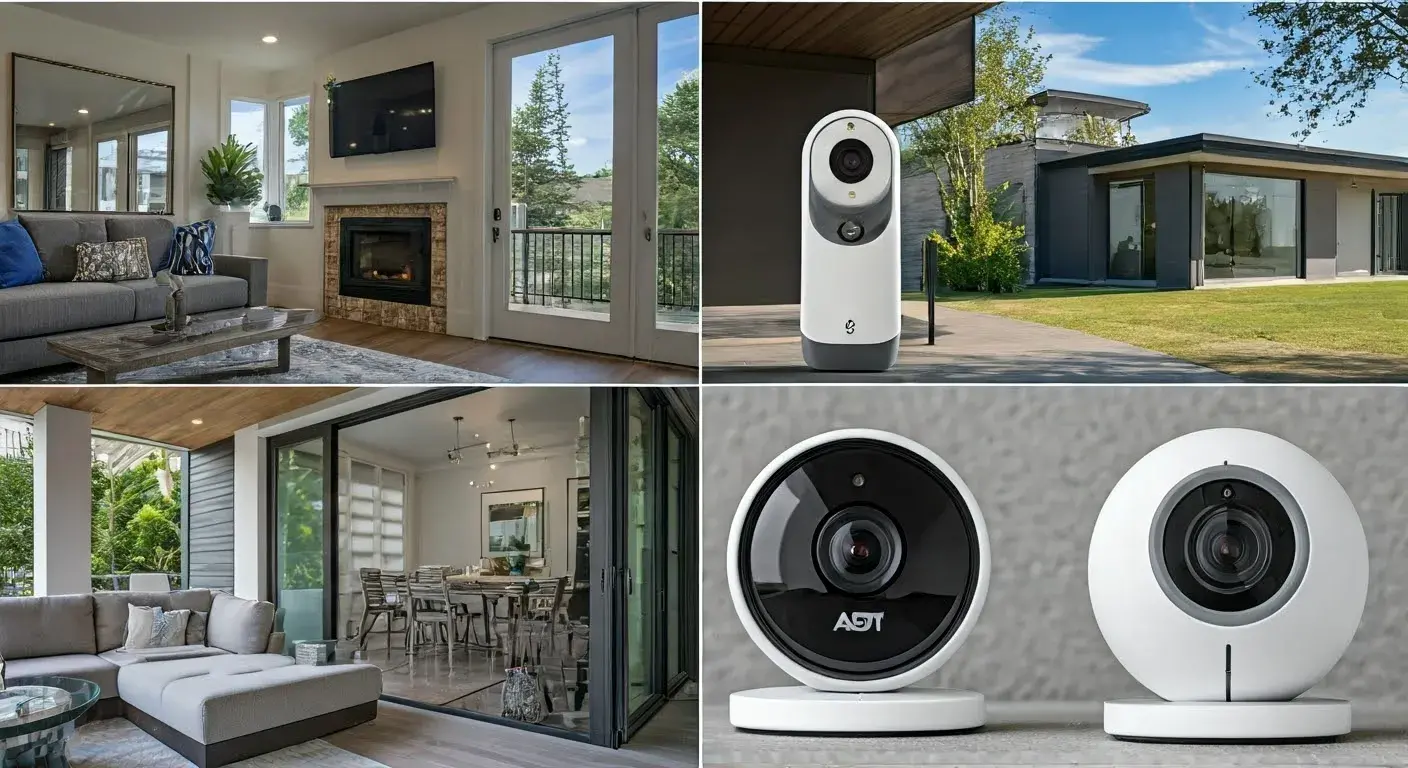
At its heart, an ADT alarm system is a collection of interconnected devices designed to detect intrusions, environmental hazards, and other potential threats. These devices include door and window sensors, motion detectors, glass break sensors, smoke detectors, carbon monoxide detectors, and a central control panel. When these devices are activated, they generate an alert. The primary function of ADT's professional monitoring is to receive these alerts and act upon them. However, the system's ability to detect and signal an event is independent of whether a human is actively watching. This intrinsic functionality is what allows for the possibility of using an ADT system without continuous professional monitoring. The key is to understand which parts of the system remain operational and what limitations arise from disconnecting the professional response.
Core Features That Remain Functional
Even without a subscription to ADT's professional monitoring service, many of the core functionalities of an ADT alarm system can still be utilized. These features are inherent to the hardware and software components, allowing the system to act as a deterrent and alert mechanism even when not connected to ADT's central station.
Local Alarms and Notifications
The most basic function of any alarm system is to make noise when a sensor is triggered. ADT systems are equipped with sirens that will sound loudly when a door or window is opened while the system is armed, or when a motion detector is activated. This loud siren can serve as an immediate deterrent, potentially scaring off intruders. Furthermore, many modern ADT systems, especially those integrated with their mobile app, can send push notifications directly to your smartphone. This means that even without a monitoring service, you will be alerted to an event at your home, allowing you to assess the situation and take appropriate action. This direct alert system is a significant benefit for homeowners looking for a more hands-on approach to their home security. The effectiveness of these local alarms and notifications is a primary reason why many consider using ADT without full monitoring.
Smart Home Integration and Automation
ADT systems are increasingly designed to be part of a broader smart home ecosystem. If your ADT system is integrated with smart home devices like smart locks, smart lights, or smart thermostats, these functionalities may continue to operate even without professional monitoring. For instance, you might still be able to remotely lock or unlock doors, control lights, or adjust your thermostat through the ADT app or compatible smart home platforms. Automation rules you've set up, such as lights turning on when a motion detector is triggered, can also continue to function. This allows the ADT system to serve as a hub for your smart home, offering convenience and enhanced control over your living environment. The synergy between security and smart home features is a compelling aspect for many users.
Self-Monitoring Via App
The ADT mobile app is a powerful tool that can facilitate self-monitoring. When your system is active, even without professional monitoring, the app can provide you with real-time status updates, event history, and live video feeds from connected cameras. You can arm and disarm the system remotely, check sensor status, and receive alerts for any triggered events. This level of control and awareness allows you to act as your own security dispatcher. For example, if you receive a notification about a motion sensor being tripped, you can immediately check your security cameras via the app to see if there's a genuine threat. This capability is central to the concept of using ADT without professional monitoring, offering a proactive security stance. Statistics from 2025 indicate that a growing number of homeowners are opting for self-monitoring solutions facilitated by advanced mobile applications, highlighting the trend towards greater user control.
Limitations of Self-Monitored ADT
While an ADT system retains significant functionality without professional monitoring, it's crucial to understand the limitations. These drawbacks are directly related to the absence of ADT's trained personnel actively overseeing your security.
No Dispatch to Emergency Services
The most significant limitation is the absence of automatic dispatch to police, fire, or medical services. When an ADT system is professionally monitored, a confirmed alarm triggers a direct line to ADT's dispatch center. They verify the emergency and then contact the appropriate authorities. Without this service, if your alarm goes off, you will receive a notification, but ADT will not automatically send help. You would be solely responsible for contacting emergency services yourself. This delay or potential oversight could be critical in a real emergency. For instance, if you are away from your phone or unable to make the call, help may not arrive in time. This is a major consideration for those prioritizing immediate emergency response.
Reliance on Internet and Power
For features like app notifications and remote control to work, your ADT system needs a stable internet connection and a reliable power source. If your home loses power or internet service, the system's ability to communicate alerts to you remotely will be compromised. While most ADT systems have battery backup for the main panel and some sensors, prolonged power outages or internet disruptions can render the self-monitoring capabilities ineffective. Professional monitoring services often have redundant communication lines (e.g., cellular backup) that are not typically available or as robust in a self-monitored setup unless specifically configured. This dependency on external infrastructure is a key vulnerability.
Potential for Missed Alerts
Even with app notifications, there's a risk of missing an alert. This could happen due to your phone being off, on silent, in an area with poor reception, or if the notification is buried among other alerts. In a professional monitoring scenario, multiple operators are constantly monitoring, ensuring that alarms are addressed promptly. With self-monitoring, the responsibility falls entirely on you or designated individuals. If you are asleep, in a meeting, or otherwise occupied, an alert might go unnoticed until it's too late. The sheer volume of notifications from smart devices can also lead to alert fatigue, where users become desensitized to incoming alerts.
Insurance Discounts May Be Affected
Many home insurance providers offer discounts for homes equipped with professionally monitored alarm systems. This is because such systems are generally perceived as more reliable and effective at deterring crime and mitigating damage. When you opt out of ADT's professional monitoring, you may lose eligibility for these discounts. It's essential to check with your insurance provider to understand how self-monitoring affects your policy and premiums. While some insurers might still offer a discount for a basic alarm system, it's often significantly less than what's offered for a professionally monitored one. This financial consideration is important for many homeowners.
Transitioning to Self-Monitoring or Understanding Existing Systems
Many homeowners find themselves with ADT equipment already installed, either through a previous contract or a purchase. Understanding how to leverage this equipment without ongoing monitoring fees is a common objective.
What Happens If I Cancel ADT Monitoring?
If you have an existing ADT contract and decide to cancel the professional monitoring service, the system's behavior will change significantly. The control panel will no longer communicate with ADT's central station. However, the system's sensors and the local siren will likely continue to function as long as the equipment is powered and the system is armed. You will still be able to arm and disarm the system using the keypad or key fobs. Crucially, you will receive app notifications if your system is designed for remote access and has a cellular or internet connection enabled. The primary loss is the dispatch of emergency services by ADT. It's advisable to review your contract terms carefully regarding cancellation policies and any potential equipment ownership clauses.
Can I Buy ADT Equipment Without a Contract?
Historically, ADT's business model heavily relied on long-term contracts that bundled equipment and monitoring. However, the market has evolved, and ADT has introduced more flexible options. In 2025-2026, it is often possible to purchase ADT equipment outright without signing a lengthy monitoring contract. This can be done through ADT's direct sales channels or sometimes through third-party retailers. Purchasing equipment without a contract gives you the freedom to choose whether to subscribe to ADT's professional monitoring, use a third-party monitoring service, or opt for self-monitoring entirely. This approach provides greater control over your security costs and system configuration. Be sure to clarify equipment ownership and any associated activation fees when making such a purchase.
Setting Up Self-Monitoring for Existing ADT Systems
If you have an existing ADT system and wish to transition to self-monitoring, the process can vary depending on the age and type of your system. For newer ADT Command and Control systems, enabling self-monitoring is often straightforward through the ADT app or by contacting ADT customer service to adjust your service plan. You'll want to ensure that your system is connected to your home Wi-Fi network, as this is typically how alerts are transmitted to your mobile device. You may need to verify that your account settings are configured to receive notifications. For older systems, it might be more complex. Some older panels may not have robust app integration or may require a specific type of communication module (e.g., cellular or internet) to be active for remote alerts. In some cases, you might need to consult with a security technician to ensure your existing ADT hardware can support effective self-monitoring. The key is to confirm that the system can still communicate alerts to your personal devices.
Alternatives to ADT Professional Monitoring
If the limitations of self-monitored ADT are a concern, or if you're looking for different approaches to home security, several alternatives exist. These range from entirely DIY systems to other professional monitoring services.
DIY Security Systems
The DIY security market has exploded in recent years, offering a wide array of systems that are designed for self-installation and self-monitoring. Brands like SimpliSafe, Ring Alarm, and Abode offer comprehensive security kits that include sensors, cameras, and a central hub. These systems are typically much more affordable than traditional professionally installed and monitored systems. They often come with optional professional monitoring plans that are significantly cheaper than ADT's, or they can be used entirely for self-monitoring with app-based alerts. Many DIY systems also offer robust smart home integration. For example, the Ring Alarm system integrates seamlessly with other Ring devices and Alexa, providing a cohesive smart home security experience. These systems are a strong contender for those who want control and affordability.
Other Professional Monitoring Services
If you desire professional monitoring but want to explore options beyond ADT, there are many other reputable companies. Companies like Vivint, Frontpoint, and Brinks Home Security offer similar services, often with competitive pricing and different feature sets. Some of these providers may also offer more flexible contract terms or better integration with specific smart home technologies. For instance, Vivint is known for its advanced smart home automation capabilities alongside its security services. It's worth comparing the offerings, pricing, and customer reviews of various providers to find the best fit for your needs. Some services even allow you to use your own existing equipment if it's compatible, potentially saving on hardware costs.
ADT Smart Home Features and Self-Monitoring Synergy
ADT's integration with smart home technology is a significant aspect that enhances the utility of their systems, even when self-monitored. Modern ADT systems, such as the ADT Command and ADT Control platforms, are designed to be more than just intrusion detection devices. They can act as the central nervous system for your connected home. When you opt for self-monitoring, you can still leverage these smart home capabilities to your advantage.
Imagine this scenario: You're away on vacation, and your ADT system is self-monitored. A motion detector in your living room is triggered. Instead of just receiving a siren that no one hears, your ADT app immediately sends you a notification. Simultaneously, you have an automation rule set up that turns on your living room lights and begins recording video from your ADT indoor camera. You can then open the app, view the live feed, see that it was just your cat knocking something over, and turn off the lights and disarm the system remotely. This seamless integration allows for immediate awareness and control without the need for a third-party dispatcher.
Furthermore, smart locks integrated with your ADT system can provide access logs, allowing you to see who has entered and exited your home, even when you're not there. Smart thermostats can be adjusted remotely for energy savings. The synergy lies in the ability to manage all these connected devices through a single app, providing a comprehensive overview and control of your home's security and comfort. This makes self-monitoring a more viable and attractive option for tech-savvy homeowners who value convenience and control. The data from 2025 suggests that smart home adoption continues to rise, making integrated security systems increasingly desirable.
Legal and Insurance Considerations for Self-Monitored Systems
When you choose to self-monitor your ADT alarm system, it's essential to be aware of the legal and insurance implications. These can vary significantly by location and by your specific insurance policy.
Legally, in most jurisdictions, you are responsible for verifying alarms and contacting emergency services. Some municipalities have ordinances regarding false alarms, and repeated false alarms from a self-monitored system could potentially lead to fines. It's advisable to understand your local regulations concerning alarm systems and false alarms.
From an insurance perspective, as mentioned earlier, the most significant impact is often the loss of discounts associated with professionally monitored systems. Homeowners insurance premiums are calculated based on risk assessment, and a professionally monitored alarm system is generally considered a risk-reducing factor. While a self-monitored system still offers some level of security, insurers may view it as less effective.
It is crucial to have an open conversation with your insurance provider. Inform them that you are using an ADT system for self-monitoring. They will advise you on whether any discounts are still applicable and how your coverage might be affected. In some cases, they might require specific evidence of system functionality, such as app-based alerts or camera recordings, to consider any form of discount. Failing to disclose changes in your security system could potentially invalidate your insurance policy in the event of a claim. Therefore, proactive communication with your insurer is paramount.
Frequently Asked Questions on ADT Without Monitoring
Here are answers to some common questions regarding the functionality of ADT alarm systems without professional monitoring.
Q: Can I still use my ADT alarm system if I cancel my monitoring contract?
A: Yes, in most cases, your ADT alarm system's sensors and local siren will continue to function when armed. You will also likely receive mobile app notifications if your system is connected to your home's Wi-Fi and configured for remote access. The main feature lost is ADT's direct dispatch of emergency services.
Q: Will my ADT cameras still record without monitoring?
A: If your ADT cameras are connected to your system and configured for cloud recording or local storage, they should continue to record events based on their motion detection settings or continuous recording schedules, even without professional monitoring. You will typically access these recordings through the ADT app.
Q: Is it cheaper to self-monitor an ADT system than to have professional monitoring?
A: Yes, it is generally significantly cheaper. By canceling ADT's professional monitoring service, you eliminate the monthly monitoring fees, which are a substantial part of the overall cost. You would only be responsible for the cost of the equipment and any applicable internet service fees.
Q: Can I connect my ADT system to a different monitoring company?
A: This can be complex and depends heavily on the specific ADT equipment you have. Older ADT systems may not be easily transferable to other monitoring services. Newer systems might offer more compatibility, but it's often best to consult with the alternative monitoring company to verify equipment compatibility before making any changes. Sometimes, it's more straightforward to switch to a new, compatible DIY system.
Q: What if my ADT system has a cellular backup? Does that still work without monitoring?
A: If your ADT system has a cellular backup module, it's typically used as a redundant communication channel for professional monitoring. When professional monitoring is canceled, the cellular module may cease to function or may only be active for specific system diagnostics, depending on ADT's service configuration. You would need to confirm with ADT whether the cellular backup can be repurposed for self-monitoring alerts.
Q: Are there any legal requirements to have professional monitoring for certain types of alarms?
A: In most residential settings, professional monitoring is not legally mandated. However, some commercial properties or specific high-risk applications might have such requirements. It's always best to check local regulations and any specific requirements from your landlord or homeowner's association.
Conclusion: Making an Informed Decision
The question of whether an ADT alarm works without monitoring yields a nuanced answer: yes, it does, but with significant caveats. An ADT system, even without professional monitoring, retains its core functions of detecting intrusions, sounding local alarms, and sending alerts to your smartphone via the ADT app. This self-monitoring capability can offer a cost-effective security solution for homeowners who are comfortable taking on the responsibility of responding to alerts themselves. The integration with smart home devices further enhances its utility, allowing for remote control and automation.
However, the absence of ADT's 24/7 professional dispatch to emergency services is a critical limitation. This means that in a genuine emergency, you are solely responsible for contacting the authorities, which could lead to crucial delays. Furthermore, reliance on internet and power stability, along with the potential for missed alerts, are vulnerabilities inherent to any self-monitored system. Insurance discounts may also be affected.
Ultimately, the decision to use ADT without monitoring depends on your individual security needs, risk tolerance, and budget. If immediate, automated emergency response is paramount, professional monitoring remains the gold standard. If you prioritize cost savings and direct control, and are prepared for the responsibilities of self-monitoring, then an ADT system can still serve as a valuable security asset. Carefully weigh these factors, understand your system's capabilities and limitations, and always consult with your insurance provider to make the most informed choice for your home's safety in 2025-2026 and beyond.