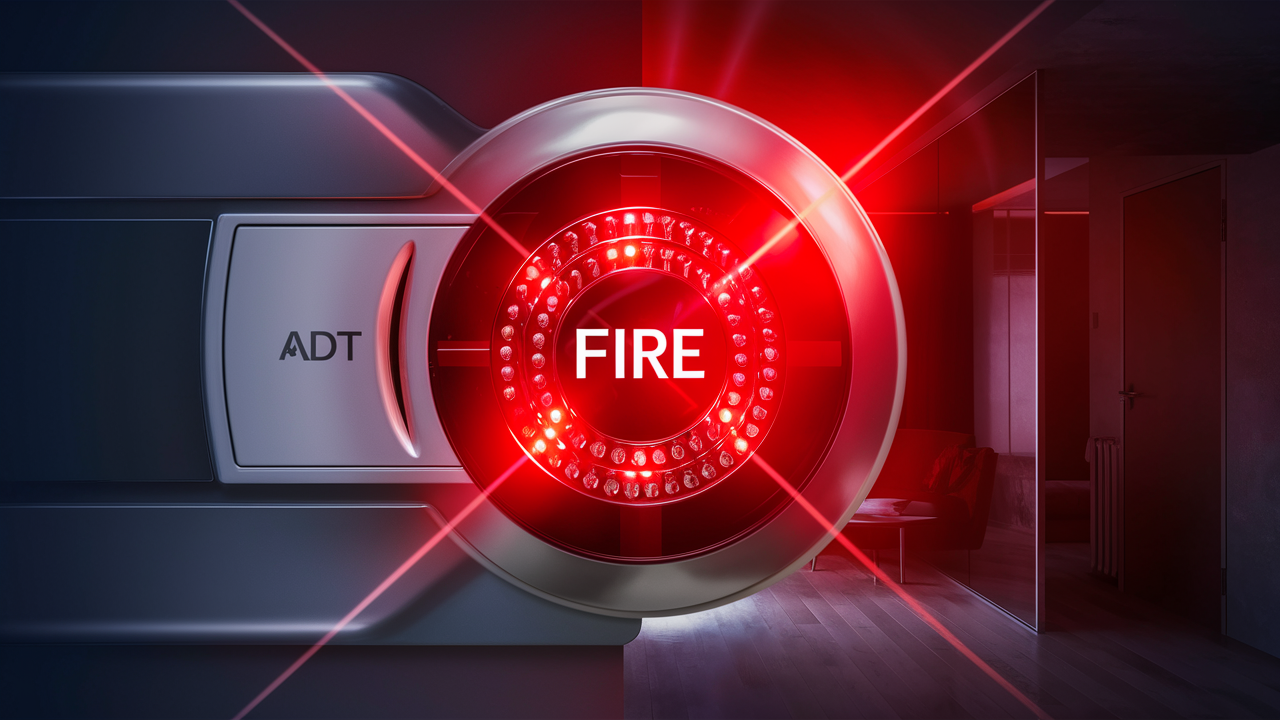
Yes, ADT absolutely monitors fire alarms. As a leading provider of home security and smart home solutions, ADT offers comprehensive fire detection and monitoring services integrated with their alarm systems, ensuring rapid emergency response for your safety.
ADT Fire Monitoring: A Comprehensive Overview
In an era where home safety is paramount, the question "Does ADT monitor fire alarms?" is a critical one for homeowners and renters alike. The answer is a resounding yes. ADT, a titan in the home security industry, offers robust and reliable fire alarm monitoring as a cornerstone of its comprehensive safety solutions. This service goes beyond simple detection; it involves a sophisticated network designed to alert you, your local fire department, and ADT's own monitoring centers simultaneously, ensuring the fastest possible response to potential fire emergencies. For 2025-26, ADT continues to invest heavily in advanced technology and trained professionals to provide peace of mind against the devastating threat of fire.
Fire poses one of the most immediate and destructive threats to life and property. Early detection and rapid response are absolutely crucial in mitigating damage and, more importantly, saving lives. ADT's commitment to this vital aspect of home security is evident in its integrated fire alarm systems. These systems are not merely standalone devices but are part of a professionally monitored network that provides 24/7 protection. Whether you're home, at work, or on vacation, ADT's monitoring center is always vigilant, ready to act the moment a fire is detected. This proactive approach distinguishes ADT's offering from basic smoke detectors, transforming your home into a more secure environment against fire hazards.
How ADT Monitors Fire Alarms
The process by which ADT monitors fire alarms is a multi-layered, technologically advanced system designed for speed and reliability. At its core, ADT's fire monitoring relies on interconnected smoke detectors, heat sensors, and carbon monoxide detectors (often combined) that are linked to a central security panel within your home. When any of these sensors detect the presence of smoke, a rapid temperature increase, or dangerous levels of carbon monoxide, they immediately send a signal to the central panel.
This central panel, in turn, transmits an alert signal to one of ADT's secure, 24/7 professionally staffed monitoring centers. These centers are equipped with state-of-the-art technology and highly trained emergency dispatchers. Upon receiving the alarm signal, the dispatcher verifies the emergency. This verification process can involve attempting to contact the homeowner via pre-determined phone numbers. However, in many cases, especially with fire alarms where seconds count, the dispatcher will proceed directly to dispatching the local fire department to the property.
The speed of this communication is critical. ADT's systems are designed to transmit these signals instantaneously. The monitoring center's dispatchers are trained to handle emergencies with urgency and accuracy, adhering to strict protocols to ensure the correct emergency services are notified and dispatched promptly. This seamless integration between your home's sensors, the central panel, and the ADT monitoring center forms the backbone of their effective fire monitoring service. For 2025-26, ADT is further enhancing this by leveraging faster communication protocols and AI-driven analytics to potentially identify false alarms more effectively while prioritizing genuine emergencies.
Communication Pathways
ADT employs several robust communication pathways to ensure that alarm signals reach their monitoring centers without interruption. The primary method is often through a dedicated landline, which has historically been very reliable. However, with the increasing shift away from landlines, ADT also offers cellular communication. This cellular backup is crucial, as a fire could potentially damage phone lines, rendering a landline connection useless. Cellular communication provides a redundant and often more secure link.
Furthermore, many of ADT's newer systems utilize broadband internet connections for signal transmission. This offers a fast and efficient way to send alerts. The advantage of these multiple communication pathways is that if one fails, the system can automatically switch to another, ensuring continuous monitoring. This redundancy is a key factor in ADT's reliability, especially for critical events like fire detection. In 2025-26, ADT is also exploring and implementing more advanced encrypted communication protocols to enhance security and prevent signal jamming.
Role of Monitoring Personnel
The human element in ADT's monitoring is indispensable. While technology initiates the alert, it is the trained professionals at the monitoring centers who manage the critical response. These individuals undergo rigorous training to understand different alarm signals, verify emergencies, and communicate effectively with homeowners and emergency services. They are the first line of human response, making crucial decisions in high-pressure situations.
Their role includes:
- Receiving and interpreting alarm signals from your home.
- Attempting to contact you for verification (if protocols allow and time permits).
- Dispatching the appropriate emergency services (fire department, police).
- Providing guidance to occupants if possible, based on information available.
- Maintaining a log of the event and the response.
The efficiency and expertise of these personnel are what truly bring the ADT monitoring service to life, ensuring that when a fire alarm sounds, professional help is on its way without delay. For 2025-26, continuous training and scenario-based simulations are a priority for ADT's monitoring staff to handle evolving threats and technologies.
ADT's Fire Detection Technology Explained
ADT utilizes a range of advanced fire detection technologies to ensure comprehensive protection for homes. These technologies are designed to detect the earliest signs of a fire, allowing for quicker response times and minimizing potential damage. The effectiveness of ADT's fire monitoring is built upon the reliability and sophistication of the sensors and systems they deploy.
Types of Sensors
ADT systems typically incorporate several types of sensors, often integrated into a single device for convenience and broader coverage:
- Photoelectric Smoke Detectors: These sensors work by emitting a beam of infrared light across a sensing chamber. When smoke enters the chamber, it scatters the light, and this scattered light is detected by a sensor, triggering the alarm. Photoelectric sensors are particularly effective at detecting slow-burning fires that produce a lot of visible smoke.
- Ionization Smoke Detectors: These sensors contain a small amount of radioactive material that ionizes the air between two electrically charged plates, creating a small, continuous electric current. When smoke particles enter the chamber, they disrupt this current, triggering the alarm. Ionization detectors are generally quicker to respond to fast-flaming fires that produce smaller smoke particles. Many modern ADT detectors combine both photoelectric and ionization technologies for optimal detection of various fire types.
- Heat Detectors: While smoke detectors are the primary line of defense, heat detectors are also used, especially in areas where smoke detectors might trigger false alarms due to normal cooking fumes or steam (e.g., kitchens, garages). Heat detectors are triggered by a rapid rise in temperature or when the ambient temperature reaches a pre-set high level.
- Carbon Monoxide (CO) Detectors: Although not strictly fire detectors, CO detectors are often integrated into ADT's fire safety packages. Carbon monoxide is a colorless, odorless gas produced by incomplete combustion, making it an invisible danger associated with fires or malfunctioning fuel-burning appliances. Detecting CO early can prevent poisoning and alert residents to a potential fire hazard.
For 2025-26, ADT is increasingly deploying smart detectors that can differentiate between types of smoke particles and even identify the source of a potential issue, reducing false alarms and improving response accuracy.
Smart Home Integration and Connectivity
A significant advantage of ADT's fire detection technology in the current landscape is its integration with smart home ecosystems. Modern ADT systems can communicate wirelessly with other smart devices in your home. For instance, if a fire is detected, the system can be programmed to perform specific actions:
- Unlock smart door locks to facilitate escape.
- Turn on smart lights to illuminate escape routes.
- Send notifications to your smartphone, even if you're away from home.
- Integrate with smart thermostats to shut off HVAC systems, preventing the spread of smoke.
This interconnectedness enhances safety by automating responses and providing real-time information. The connectivity also allows for remote system management and status checks via the ADT Control app, offering homeowners greater control and peace of mind. In 2025-26, the emphasis is on seamless integration with platforms like Amazon Alexa, Google Assistant, and Apple HomeKit, making fire safety an integral part of a fully automated smart home.
Wireless vs. Wired Systems
ADT offers both wireless and wired fire detection systems. Wireless systems are generally easier and quicker to install, as they don't require extensive wiring through walls and ceilings. This makes them ideal for existing homes where running wires might be disruptive or costly. The sensors communicate wirelessly with the central control panel, and the panel communicates with the monitoring center.
Wired systems, while requiring more complex installation, offer a highly reliable and robust connection. They are often preferred in new constructions or major renovations where wiring can be integrated seamlessly into the building's structure. Wired systems draw power directly from the home's electrical system, with battery backup for power outages, ensuring continuous operation.
For 2025-26, the trend is heavily towards advanced wireless technology that offers encrypted, reliable communication, often mimicking the security and stability of wired systems while retaining the installation flexibility of wireless. Battery life for wireless sensors is also a key focus, with many systems now offering multi-year battery life and low-battery alerts.
Types of Fire Alarms ADT Monitors
ADT's comprehensive fire monitoring service is designed to work with a variety of fire alarm devices, ensuring that different types of fire threats are detected. Their systems are flexible and can accommodate a range of sensors and detectors, often tailored to the specific needs and layout of a home. The goal is to provide layered protection against the multifaceted risks associated with fire.
Standard Smoke Detectors
The most common type of fire alarm that ADT monitors are standard smoke detectors. These include both photoelectric and ionization types, and often, as mentioned, dual-sensor models that combine both technologies for broader detection capabilities. These are typically installed in key areas of the home such as hallways, bedrooms, and living areas, where they can provide the earliest warning of smoke presence.
When a standard smoke detector is triggered, it emits a loud audible alarm within the home. Simultaneously, it sends a signal to the ADT control panel, initiating the monitoring process. The type of smoke detector used is crucial, as different fires produce different types of smoke, and having the right sensor can significantly impact detection time.
Carbon Monoxide Detectors (Integrated)
While not exclusively fire alarms, carbon monoxide detectors are a critical component of ADT's life safety systems. CO is an invisible killer produced by the incomplete combustion of fuels. Fires, especially smoldering ones, can produce dangerous levels of CO. ADT integrates CO detectors into their fire monitoring packages, so if CO levels become hazardous, the alarm will sound, and the monitoring center will be alerted, just as with a smoke alarm.
This integration provides a dual layer of protection: alerting occupants to the presence of fire via smoke detection and to the presence of dangerous CO gas, which can be a precursor to or a byproduct of a fire. For 2025-26, ADT continues to emphasize the importance of integrated CO detection as a standard feature in most of their life safety packages.
Heat Detectors
In specific environments within a home where smoke detectors might be prone to false alarms, ADT may recommend or install heat detectors. These are particularly useful in areas like kitchens, garages, or attics where normal activities might produce smoke or fumes that could trigger a smoke detector unnecessarily. Heat detectors are designed to respond to a rapid increase in temperature or when the temperature reaches a specific threshold.
While generally slower to detect a fire than smoke detectors, heat detectors are crucial for environments where smoke detection might be less reliable or practical. They serve as a vital backup or alternative detection method, ensuring that fire is detected regardless of the specific conditions or location within the home.
Specialty Sensors
Depending on the specific ADT package and the homeowner's needs, specialty sensors might also be incorporated. These can include:
- Water/Flood Sensors: While not directly for fire, these are often part of a comprehensive home protection system. They can alert homeowners to water leaks or flooding, which can sometimes be indirectly related to fire suppression systems or damage.
- Freeze Sensors: These detect dangerously low temperatures that could lead to burst pipes, another type of property damage ADT aims to protect against.
The ability of ADT to customize the suite of sensors connected to the alarm system means that homeowners can get protection not just from fire but also from other potential home emergencies, all monitored by the same professional team. This holistic approach to home safety is a key differentiator for ADT.
Key Benefits of Choosing ADT for Fire Monitoring
Opting for ADT for fire alarm monitoring offers a multitude of advantages that extend beyond simple smoke detection. The company's long-standing reputation, advanced technology, and dedicated professional monitoring create a robust safety net for homeowners. For 2025-26, these benefits remain highly relevant, with ADT continuously refining its services.
24/7 Professional Monitoring
Perhaps the most significant benefit is ADT's around-the-clock professional monitoring. Unlike a standalone smoke alarm that only alerts those within earshot, ADT's system is connected to a central station staffed by trained professionals 24 hours a day, 7 days a week. This means that even when you're asleep, away from home, or unable to respond, there's always someone watching over your property, ready to dispatch emergency services.
This constant vigilance is invaluable. In the critical minutes of a fire, having a professional team immediately alerted and initiating a response can make the difference between a minor incident and a devastating loss. This level of continuous oversight provides unparalleled peace of mind.
Rapid Emergency Response
ADT's monitoring centers are designed for speed and efficiency. When a fire alarm is triggered and verified, the system is programmed to immediately alert the local fire department. ADT's protocols are established to minimize response times, ensuring that help arrives as quickly as possible. The integration with local emergency services is a critical component of this rapid response capability.
Furthermore, ADT's dispatchers are trained to provide essential information to emergency responders, such as the nature of the emergency (fire, CO), the location within the home if known, and any other relevant details that can aid in their response. This coordinated effort is vital in effectively combating fires.
Integrated Safety Solutions
ADT doesn't just offer fire monitoring in isolation. Their systems are designed to be integrated with other security and smart home features. This means your fire alarms can work in conjunction with security cameras, smart locks, and other devices. For example, in the event of a fire, the system could automatically unlock doors for easier escape or turn on lights to guide occupants.
This holistic approach to home safety means that you can manage your home's security, fire protection, and even some smart home functions through a single app or control panel, simplifying your life and enhancing your overall safety. For 2025-26, the integration with voice assistants and other smart home platforms is a key area of development for ADT.
Advanced Technology and Reliability
ADT invests heavily in cutting-edge technology for its fire detection and monitoring systems. This includes reliable sensors, secure communication pathways (cellular, broadband), and robust monitoring center infrastructure. The company uses redundant systems to ensure that even if one communication line fails, the signal can still reach the monitoring center.
The systems are regularly tested and maintained to ensure optimal performance. This commitment to technological excellence and reliability means that homeowners can trust ADT to be there when they need it most. For 2025-26, ADT is focusing on AI-driven analytics for better false alarm reduction and enhanced threat detection.
Expert Installation and Support
When you choose ADT, you benefit from professional installation by trained technicians who ensure that your fire alarm system is set up correctly and optimally positioned for maximum effectiveness. They will also guide you through the system's operation and answer any questions you may have.
Beyond installation, ADT provides ongoing customer support. If you encounter any issues with your system or have questions about its features, their support team is available to assist. This comprehensive service, from installation to ongoing support, adds significant value and peace of mind.
Comparing ADT to Other Fire Monitoring Services (2025-26)
When considering fire alarm monitoring, ADT is a prominent name, but it's wise to compare its offerings with other providers in the 2025-26 market. While many companies offer similar core services, differences in technology, customer service, pricing, and contract terms can be significant. Understanding these distinctions helps in making an informed decision.
ADT vs. DIY Systems
ADT: Offers professional installation, 24/7 professional monitoring, and a strong brand reputation. Typically involves a monthly monitoring fee and potentially equipment lease or purchase costs. Contracts are common. DIY Systems (e.g., SimpliSafe, Ring Alarm): Allow for self-installation and often offer flexible monitoring plans, including self-monitoring options or lower-cost professional monitoring. Equipment is usually purchased upfront. Contracts are less common. Key Difference: The primary distinction lies in the level of professional involvement. ADT provides a fully managed service, while DIY systems offer more control and flexibility but may require more technical aptitude from the user.
ADT vs. Other Professional Monitoring Companies (e.g., Vivint, Brinks Home)
ADT: Extensive history, large customer base, wide range of equipment options, often perceived as a premium service with potentially higher costs. Strong brand recognition and establishedVivintrk. Vivint: Known for its integrated smart home technology and high-end equipment. Often bundles security with home automation features. Can be more expensive, similar to ADT. Brinks Home: Offers competitive pricing and a focus on reliable monitoring. May have a more straightforward equipment and service offering compared to ADT's extensive options. Key Differences:
- Equipment: While all offer similar core sensors, the specific features, design, and integration capabilities of equipment can vary.
- Contracts: ADT often uses multi-year contracts, which can be a deterrent for some. Competitors may offer shorter terms or month-to-month options.
- Pricing: ADT is generally positioned as a premium service, meaning its monthly fees and upfront costs can be higher. Competitors may offer more aggressive pricing, especially for comparable basic packages.
- Customer Service: Perceptions of customer service quality can vary greatly. ADT's large scale can sometimes lead to mixed reviews, while smaller companies might offer more personalized service.
Comparison Table: ADT vs. Competitors (General Overview for 2025-26)
| Feature | ADT | Vivint | SimpliSafe (DIY w/ Pro Monitoring) | Brinks Home |
|---|---|---|---|---|
| Installation | Professional | Professional | DIY (Optional Pro) | Professional (Optional DIY) |
| Monitoring | 24/7 Professional | 24/7 Professional | 24/7 Professional (Optional Self) | 24/7 Professional |
| Smart Home Integration | Good (ADT Control) | Excellent (Integrated) | Moderate (Works with Alexa/Google) | Moderate |
| Contract Terms | Typically 1-3 years | Typically 2-5 years | Month-to-month (for monitoring) | Often 2-3 years (can vary) |
| Price Point | Premium | Premium | Mid-range (Equipment upfront, low monitoring) | Mid-range to Competitive |
When evaluating, consider your specific needs: Are you looking for the most advanced smart home integration, the lowest monthly cost, the most flexible contract, or the most established brand? For fire monitoring specifically, reliability and response time are paramount, areas where all major professional monitoring services aim to excel.
The ADT Fire Alarm Installation and Setup Process
Getting ADT fire alarm monitoring set up in your home is a streamlined process designed to ensure your system is installed correctly and functions optimally from day one. ADT prioritizes professional installation for its fire safety systems to guarantee they meet safety standards and are integrated seamlessly into your home.
Initial Consultation and Assessment
The process typically begins with an initial consultation. An ADT security consultant will visit your home (or conduct a virtual assessment) to understand your specific needs, assess your home's layout, and identify potential fire hazards. They will discuss the various fire detection options available, including smoke detectors, heat detectors, and carbon monoxide detectors, and recommend a system configuration that best suits your property and budget.
During this assessment, they will also determine the best locations for sensors and the central control panel, considering factors like airflow, room size, and proximity to potential ignition sources. This detailed assessment is crucial for ensuring comprehensive coverage and minimizing the risk of false alarms.
Professional Installation
Once a system is designed, a certified ADT technician will schedule an appointment for installation. The technician will arrive at your home with all the necessary equipment. The installation process involves:
- Mounting Sensors: Smoke, heat, and CO detectors are securely mounted in their designated locations, typically on ceilings or high on walls, according to safety guidelines.
- Installing the Control Panel: The central control panel, the brain of the system, is installed in a convenient and accessible location, often near a main entrance or in a central area.
- Connecting the System: For wired systems, the technician will run wires discreetly through walls and ceilings. For wireless systems, sensors are paired with the control panel wirelessly.
- Setting Up Communication: The technician will ensure the control panel is properly connected to ADT's monitoring network via landline, cellular, or broadband, depending on your chosen service.
- Testing the System: A thorough system test is conducted to ensure all sensors are functioning correctly, communication with the monitoring center is established, and all components are working in unison.
The installation process is generally efficient, with most home installations completed within a few hours, depending on the system's complexity.
System Setup and User Training
After the physical installation, the technician will configure the system settings, including user codes, notification preferences, and any integrated smart home features. They will then provide you with a comprehensive overview of how to use your ADT system.
This training typically covers:
- Arming and disarming the system.
- Understanding different alarm notifications.
- Using the ADT Control app for remote management.
- Basic troubleshooting steps.
- How to respond in case of an alarm.
The technician will ensure you feel comfortable and confident operating your new fire alarm system and understanding its monitoring features. This hands-on training is a vital part of the ADT service, empowering homeowners to utilize their safety system effectively.
Post-Installation Support
ADT provides ongoing support after installation. You will have access to customer service for any questions or technical issues that may arise. Regular system check-ups and potential software updates are also part of maintaining the system's optimal performance. This commitment to continued support ensures that your fire monitoring system remains reliable and effective throughout its lifespan.
What Happens When Your ADT Fire Alarm Triggers?
The moment your ADT fire alarm triggers is a critical juncture where the system's effectiveness is put to the test. ADT has a well-defined protocol designed to ensure the quickest and most appropriate response to a potential fire emergency. Understanding this process can provide reassurance and clarity during a stressful event.
Immediate Local Alarm
The first thing that happens when a smoke or heat sensor detects a fire is that the alarm inside your home will sound. This is a loud, piercing siren designed to alert everyone present in the house to evacuate immediately. The audible alarm is your first and most immediate warning.
Signal Transmission to ADT Monitoring Center
Simultaneously, the activated sensor sends a signal to your ADT control panel. The control panel then instantly transmits this alarm signal to one of ADT's 24/7 monitoring centers. This transmission occurs through the established communication pathway – typically cellular or broadband internet, with landline as a backup for some systems.
Dispatcher Verification and Dispatch
Upon receiving the fire alarm signal, an ADT dispatcher takes immediate action. Their protocol prioritizes fire alarms due to their life-threatening nature. The dispatcher will typically attempt to verify the alarm by calling your designated contact numbers. However, in many fire alarm scenarios, especially if the signal is strong and clear, the dispatcher may proceed directly to dispatching the fire department without waiting for a verbal confirmation from you.
This rapid dispatch is crucial. Every second counts in a fire, and ADT's protocols are designed to initiate emergency services response as swiftly as possible. The dispatcher will relay critical information to the emergency services, including your address and the nature of the alarm (fire).
Emergency Services Arrival and Response
Once dispatched, the local fire department will proceed to your address. ADT's monitoring center often maintains communication with emergency responders, providing any additional updates or information if available. The fire department will then take over the situation, assessing the threat, extinguishing the fire, and ensuring the safety of the occupants.
Post-Event Procedures
After the emergency has been handled by the fire department, ADT will typically contact you to confirm your safety, discuss the incident, and assist with any necessary system checks or repairs. They will also provide documentation of the event and the response, which can be important for insurance purposes. For 2025-26, ADT is enhancing its post-event communication to offer more proactive support and guidance to affected customers.
The entire process, from sensor activation to the fire department's arrival, is designed to be as efficient as possible, leveraging technology and trained personnel to protect lives and property.
ADT Response Times and Effectiveness in Fire Emergencies
When it comes to fire emergencies, response time is a critical factor that can significantly impact the outcome. ADT's effectiveness in fire monitoring is largely determined by the speed and efficiency of its response system. While specific response times can vary based on numerous factors, ADT's infrastructure and protocols are designed for rapid action.
Factors Influencing Response Time
Several factors can influence how quickly emergency services arrive after an ADT fire alarm is triggered:
- Signal Transmission Speed: The reliability and speed of the communication link between your home and ADT's monitoring center (cellular, broadband).
- Dispatcher Efficiency: The training and operational protocols of the ADT dispatchers in verifying and dispatching emergency services.
- Proximity of Fire Station: The distance between your home and the nearest fire station.
- Traffic and Road Conditions: External factors that can impede the travel of emergency vehicles.
- Time of Day: Response times can sometimes be affected by traffic patterns or the availability of emergency personnel.
- Accuracy of Address Information: Ensuring that ADT has the correct and precise address for your property.
ADT continuously works to optimize these factors through advanced technology and rigorous training. For 2025-26, investments in faster communication networks and AI-assisted dispatching are aimed at further reducing response times.
Industry Benchmarks and ADT Performance
The National Fire Protection Association (NFPA) provides guidelines and statistics on fire response. While ADT does not publicly release its average dispatch times, industry benchmarks suggest that professional monitoring services aim to dispatch emergency services within 30-60 seconds of receiving a verified alarm. ADT's systems are designed to meet or exceed these benchmarks for fire-related emergencies.
The effectiveness of ADT's monitoring is also measured by its ability to reduce false alarms while ensuring that genuine emergencies are addressed promptly. By using advanced sensors and verification protocols, ADT strives to balance these two critical aspects. For 2025-26, the focus on AI and machine learning is intended to significantly improve the accuracy of alarm verification, leading to fewer unnecessary dispatches and faster responses to real threats.
Impact of Professional Monitoring on Fire Safety
The presence of 24/7 professional monitoring through ADT has a profound impact on fire safety. Unlike standalone alarms that rely on occupants to detect and report a fire, ADT's system ensures that a fire is reported to the authorities even if the occupants are unaware, incapacitated, or unable to call for help themselves. This is particularly critical for vulnerable populations, such as the elderly or young children.
Studies consistently show that homes with professionally monitored alarm systems have a reduced risk of significant fire damage and a higher survival rate in the event of a fire. The immediate dispatch of the fire department initiated by ADT can contain fires to smaller areas, saving lives and property. This proactive approach is a cornerstone of ADT's value proposition in fire safety.
Real-World Effectiveness
While specific case studies are often proprietary, countless testimonials and reports highlight instances where ADT's monitoring has led to swift fire department responses, saving homes and lives. The company's long history and extensive network of monitoring centers are built to handle high volumes of alerts reliably. The continuous investment in technology and training ensures that ADT remains a leading provider of effective fire monitoring services in 2025-26 and beyond.
Understanding the Cost of ADT Fire Monitoring Services
The cost of ADT fire monitoring services is a significant consideration for potential customers. Like most professional security and monitoring companies, ADT's pricing is influenced by several factors, including the type of equipment, the level of service, and any applicable contracts. For 2025-26, ADT continues to offer tiered packages to suit different needs and budgets.
Equipment Costs
The initial cost of the fire alarm system itself can vary. This includes smoke detectors, heat detectors, carbon monoxide detectors, and the central control panel. ADT often offers packages that bundle these essential life safety devices. Customers may have the option to purchase the equipment outright or, more commonly, to lease it as part of a monthly service agreement.
Purchasing equipment upfront can lead to lower monthly monitoring fees, while leasing spreads the cost over time. The complexity of the system and the number of sensors required will also impact the total equipment cost. For example, a system with integrated smart home features or additional sensors will naturally be more expensive than a basic fire detection setup.
Monthly Monitoring Fees
The core of ADT's service is the 24/7 professional monitoring. This service incurs a monthly fee. The exact amount can range significantly, typically from $25 to $60 per month or more, depending on the package and services included. Factors that influence this fee include:
- Level of Monitoring: Basic fire and intrusion monitoring versus comprehensive smart home integration and video monitoring.
- Contract Length: Longer contracts may sometimes come with slightly lower monthly rates.
- Promotional Offers: ADT frequently offers introductory discounts or bundled deals that can reduce the initial monthly cost.
- Location: Pricing can sometimes vary slightly by region.
It's crucial to understand what is included in the monthly fee. Most ADT packages for fire monitoring will include 24/7 professional dispatch, remote access via the ADT Control app, and potentially basic technical support.
Contract Terms and Length
ADT typically requires customers to sign a contract, often ranging from one to three years. These contracts bind the customer to a specific monthly payment for the duration. While contracts ensure a consistent service and can sometimes offer lower monthly rates or subsidized equipment costs, they also represent a commitment.
Breaking an ADT contract early can incur substantial penalties, so it's essential to read and understand the terms and conditions thoroughly before signing. For 2025-26, ADT may offer more flexible contract options for certain packages, but traditional longer-term contracts remain common for their core services.
Installation Fees
While ADT often promotes "free" installation, this is usually contingent upon signing a long-term contract. In some cases, there might be a nominal installation fee, or the cost of installation might be factored into the overall equipment price or monthly fees. It's important to clarify whether installation is truly included or if there are any associated charges.
Factors Affecting Overall Value
When assessing the cost, consider the overall value proposition. ADT's pricing reflects its brand reputation, extensive network of monitoring centers, professional installation, and advanced technology. For many, the peace of mind that comes with reliable, 24/7 professional monitoring for fire emergencies justifies the investment. It's advisable to obtain a personalized quote from ADT to understand the exact costs for your specific needs and location.
Integrating ADT Fire Alarms with Smart Home Systems
In today's connected world, integrating ADT fire alarms with broader smart home systems offers enhanced convenience, automation, and a more comprehensive safety experience. ADT has been increasingly focusing on this integration, allowing fire safety to be a seamless part of a connected home ecosystem. For 2025-26, this integration is becoming more sophisticated and user-friendly.
The ADT Control App
The cornerstone of ADT's smart home integration is the ADT Control app. This mobile application allows homeowners to monitor and control their entire ADT system remotely. When fire alarms are integrated, the app can provide real-time alerts, status updates, and control over connected smart devices.
Through the app, users can:
- Receive instant notifications if a fire alarm is triggered.
- Check the status of smoke detectors and other sensors.
- Arm or disarm the system remotely.
- Control integrated smart home devices (lights, locks, thermostats).
- View event history.
This level of remote access and control provides significant peace of mind, especially when away from home.
Automation and Scene Creation
ADT's smart home integration allows for the creation of automated "scenes" or routines. For example, a "Fire Safety" scene could be programmed to activate when a fire alarm is triggered:
- Lights: All smart lights in the house could turn on to full brightness to illuminate escape routes.
- Doors: Smart locks on exterior doors could automatically unlock to facilitate a quick exit.
- HVAC: The smart thermostat could shut off the HVAC system to prevent smoke from circulating throughout the house.
- Notifications: Custom notifications could be sent to designated contacts or family members.
These automated actions can significantly improve safety during an emergency by proactively assisting occupants and limiting the spread of fire and smoke.
Compatibility with Voice Assistants
For 2025-26, ADT is enhancing its compatibility with popular voice assistants like Amazon Alexa and Google Assistant. This allows users to interact with their ADT system using voice commands. While direct voice commands to arm/disarm the system may be limited for security reasons, users can often check the status of their fire alarms, activate pre-set scenes, or inquire about system alerts using their voice.
For instance, a user could say, "Alexa, ask ADT if there are any fire alerts," or "Hey Google, activate the 'Evacuate' scene." This hands-free control adds another layer of convenience and accessibility to home safety management.
Integration with Other Smart Devices
ADT systems can often integrate with a range of other smart home devices beyond lighting and locks. This might include smart plugs, garage door openers, and even certain smart appliances. The key is that these devices are compatible with the ADT ecosystem or can be linked through platforms like IFTTT (If This Then That), allowing for more complex custom automations.
The goal of this integration is to create a truly connected and responsive home environment where fire safety is not an isolated feature but an integral part of the overall smart home experience. This makes managing your home's safety more intuitive and effective.
Customer Reviews and Testimonials on ADT Fire Safety
Customer feedback provides valuable insights into the real-world performance and satisfaction levels associated with ADT's fire safety services. While experiences can vary, a general overview of customer reviews and testimonials for ADT's fire monitoring often highlights both its strengths and areas where improvements are noted. For 2025-26, ADT continues to focus on enhancing customer satisfaction.
Positive Feedback Highlights
Many customers express satisfaction with ADT's core monitoring service, particularly the peace of mind that comes with 24/7 professional oversight. Common positive themes include:
- Reliability: Testimonials frequently praise the reliability of the system, noting that it has performed as expected during actual emergencies.
- Prompt Response: Customers who have experienced fire alarms often report that ADT's monitoring center dispatched emergency services quickly, potentially mitigating damage.
- Professional Installation: The expertise and thoroughness of ADT's installation technicians are often commended, ensuring the system is set up correctly.
- Ease of Use: The ADT Control app and the overall system interface are generally found to be user-friendly, making it easy to manage security and receive alerts.
- Brand Trust: ADT's long-standing reputation in the security industry builds trust, which is a significant factor for customers investing in home safety.
These positive reviews often stem from situations where the system's core function—detecting a fire and alerting authorities—worked flawlessly.
Areas for Improvement and Criticisms
Like any large service provider, ADT also receives constructive criticism. Common areas of concern include:
- Contract Length and Fees: Some customers express frustration with the length of ADT's contracts and the perceived high cost of monthly monitoring fees, especially when compared to some DIY alternatives.
- Customer Service Variability: While many have positive interactions, some reviews mention inconsistent customer service experiences, with wait times or difficulty resolving issues being cited.
- Upselling: Occasionally, customers report feeling pressured to purchase additional services or equipment beyond their initial needs.
- Technical Glitches: While rare, some users have reported occasional technical glitches with the app or system components, though these are often resolved through support or updates.
For 2025-26, ADT is actively working on addressing these criticisms by streamlining customer service processes, offering more transparent pricing, and enhancing the reliability of its digital platforms.
Impact of Testimonials on Decision Making
Customer reviews and testimonials play a crucial role in the decision-making process for potential ADT customers. They offer a glimpse into the practical application of the service and help set realistic expectations. While official marketing highlights the benefits, real-world experiences shared by users provide a more grounded perspective.
Prospective customers often look for reviews that specifically address fire safety performance. Hearing from individuals who have had their fire alarms monitored by ADT and experienced a response can be particularly reassuring. Conversely, negative reviews, especially those concerning response failures or significant technical issues, can be a deterrent.
ADT actively monitors customer feedback to identify areas for improvement and to refine its service offerings, aiming to consistently deliver on its promise of reliable home protection.
Making the Decision for ADT Fire Protection
Deciding on the right fire protection for your home is a significant choice that impacts the safety of your loved ones and your property. ADT offers a compelling, professionally monitored solution that addresses the critical need for early fire detection and rapid emergency response. As you weigh your options for 2025-26, consider the comprehensive benefits ADT provides.
The core strength of ADT's fire protection lies in its 24/7 professional monitoring. This ensures that your home is protected around the clock, regardless of whether you are present or able to respond. The integration of advanced smoke, heat, and carbon monoxide detectors with a robust communication network and a dedicated monitoring center creates a powerful defense against fire hazards. The speed at which ADT can dispatch emergency services is a crucial factor in minimizing damage and saving lives.
Furthermore, ADT's commitment to integrating fire safety with smart home technology offers a modern, convenient, and enhanced level of protection. The ability to receive alerts on your smartphone, automate responses like turning on lights, and control your system remotely provides an unparalleled sense of security and control. Professional installation and ongoing support further solidify ADT's position as a reliable provider.
While cost and contract terms are important considerations, it's essential to evaluate them against the value of guaranteed professional monitoring and the potential cost of fire damage or loss. For those prioritizing peace of mind and a proven track record in home security, ADT's fire protection services present a strong case. By understanding your home's specific needs and comparing the comprehensive ADT package against other options, you can make an informed decision that best safeguards your home and family against the devastating threat of fire.