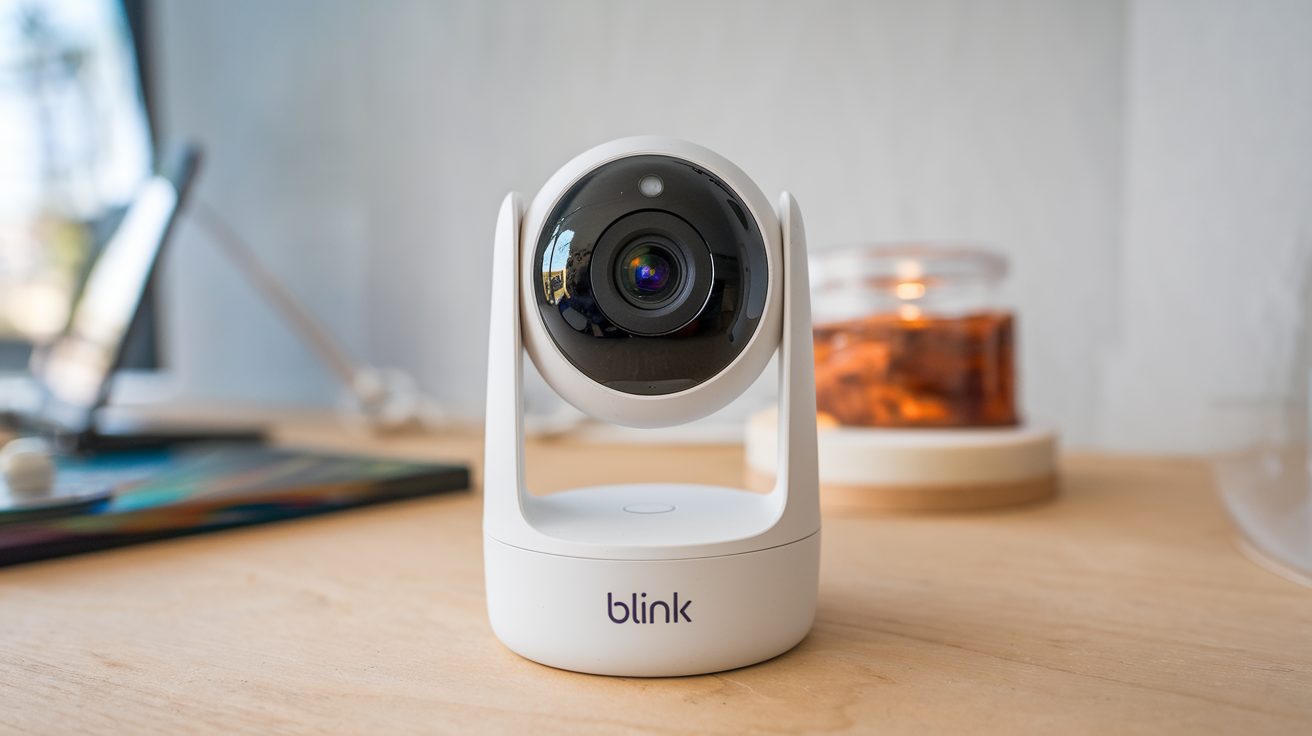
Yes, Amazon does own Blink, the popular smart home security company known for its affordable and wire-free cameras. This acquisition significantly expanded Amazon's presence in the home security market, integrating Blink's offerings into its broader ecosystem of smart devices and services. Understanding this relationship is key for consumers considering Blink products.
The Blink Acquisition: A Strategic Move by Amazon
In December 2019, Amazon officially announced its acquisition of Blink, a move that sent ripples through the smart home security industry. This wasn't just about acquiring a company; it was a strategic maneuver by Amazon to bolster its position in a rapidly growing market. Blink, at the time of the acquisition, had already carved out a niche for itself by offering accessible, battery-powered home security cameras that appealed to a broad consumer base. Their focus on simplicity, affordability, and wire-free installation made them a compelling choice for many homeowners and renters who sought a no-fuss security solution.
Amazon's interest in Blink was likely multifaceted. Firstly, it provided an immediate and significant expansion of its smart home device portfolio. Amazon already had a strong presence with its Echo smart speakers and Fire TV devices, but its smart home security offerings were less robust. Acquiring Blink allowed Amazon to quickly integrate a well-regarded brand of security cameras into its existing ecosystem, offering customers a more comprehensive suite of connected home products. This aligns with Amazon's overarching strategy of making its devices and services indispensable to the modern home.
Secondly, the acquisition signaled Amazon's intent to compete more aggressively with established players in the smart home security space. Companies like Ring (which Amazon acquired in 2018), Arlo, and Nest (Google) were already dominant. By owning both Ring and Blink, Amazon gained a significant competitive advantage, allowing it to cater to different market segments and price points. Blink's reputation for budget-friendly options complemented Ring's slightly more premium positioning, creating a powerful one-two punch in the market. This dual ownership strategy allows Amazon to capture a larger share of the smart home security market by offering diverse solutions for various consumer needs and budgets.
The financial terms of the acquisition were not disclosed, which is common for Amazon's private deals. However, industry analysts estimated the deal to be worth several hundred million dollars, reflecting Blink's significant growth and potential. The integration process has been ongoing, with Amazon gradually weaving Blink's products and services into its broader retail and technology platforms. This includes making Blink devices readily available on Amazon.com, integrating them with Alexa for voice control, and potentially leveraging Amazon's vast cloud infrastructure for Blink's data storage and processing needs. The acquisition was finalized in early 2020, and since then, Blink has continued to operate as a distinct brand under the Amazon umbrella, while benefiting from the resources and reach of its parent company.
Who is Blink?
Before its acquisition by Amazon, Blink had already established itself as a noteworthy player in the smart home security market. Founded in 2014, the company's core mission was to make home security accessible and easy to use for everyone. Their initial product, the Blink indoor camera, quickly gained attention for its compact design, wireless operation, and impressive battery life. This emphasis on wire-free convenience was a key differentiator, addressing a common pain point for consumers who didn't want to deal with complex wiring or frequent charging.
Blink's product philosophy centered on simplicity and affordability. Their cameras were designed to be set up in minutes, requiring no professional installation. Users could simply place the cameras, connect them to their home Wi-Fi network via the Blink Home Monitor app, and start monitoring their homes. The use of AA lithium batteries, which could last up to two years, further enhanced the appeal of their wire-free design, reducing maintenance hassle and ongoing costs associated with rechargeable batteries that needed frequent power-ups.
Over the years, Blink expanded its product line beyond the original indoor camera. They introduced outdoor cameras, doorbells, and even specialized cameras like the Blink XT2, which offered weather resistance and two-way audio, making it suitable for outdoor use. Each product maintained the brand's core principles of ease of use, affordability, and long battery life. The Blink Home Monitor app served as the central hub for all Blink devices, allowing users to view live feeds, receive motion alerts, arm and disarm their systems, and access recorded clips.
The company's growth was fueled by positive reviews and word-of-mouth, particularly among consumers looking for a budget-friendly alternative to more expensive security systems. Blink managed to strike a balance between offering essential security features like motion detection and HD video recording, without the premium price tag often associated with advanced smart home security. This made them a popular choice for renters, apartment dwellers, and homeowners who wanted basic surveillance without a significant investment. By the time Amazon came calling, Blink had a loyal customer base and a solid reputation for delivering value in the competitive smart home market.
Amazon's Evolving Home Security Strategy
Amazon's foray into the smart home security market has been a deliberate and strategic evolution, marked by key acquisitions and product developments. Prior to acquiring Blink, Amazon had already made a significant move with the acquisition of Ring in February 2018 for over $1 billion. Ring, known for its video doorbells and outdoor security cameras, was a well-established brand in the home security space. This acquisition immediately positioned Amazon as a major player, giving it a strong foothold in a market that was experiencing rapid growth.
The acquisition of Ring was a clear signal of Amazon's ambition to dominate the smart home ecosystem. By integrating Ring's products with Alexa, Amazon aimed to create a seamless experience where users could control their home security devices with voice commands, receive notifications on their Echo devices, and even view camera feeds on Echo Show displays. This strategy of ecosystem integration is a cornerstone of Amazon's approach to connected devices, aiming to make its own products the central hub of the smart home.
The subsequent acquisition of Blink in late 2019 was a complementary move. While Ring offered a range of features and price points, Blink's strength lay in its ultra-affordable, battery-powered cameras. This allowed Amazon to cover a wider spectrum of the market. Blink appealed to a more budget-conscious consumer, or those who prioritized extreme ease of installation and long battery life over some of the more advanced features offered by Ring. Owning both brands enabled Amazon to present a comprehensive offering: Ring for robust, feature-rich security, and Blink for simple, accessible, and long-lasting surveillance.
Amazon's strategy isn't just about acquiring companies; it's also about leveraging its vast resources to enhance these brands. This includes access to Amazon's extensive retail platform for distribution, its cloud infrastructure for data storage and processing, and its AI capabilities for improving features like motion detection and facial recognition. For 2025-26, we can expect to see continued integration and potential co-branding efforts, as well as the introduction of new products that leverage the combined strengths of Blink, Ring, and Amazon's broader smart home ambitions. The goal is to make Amazon the go-to provider for all aspects of home security and smart living, from entertainment and voice assistance to safety and surveillance. This multi-brand approach allows Amazon to cater to diverse consumer needs and price sensitivities, maximizing its market penetration.
Impact of the Acquisition on Blink Products and Services
The acquisition of Blink by Amazon has had a discernible impact on the company's products and services, largely characterized by increased accessibility, enhanced features, and deeper integration into the broader Amazon ecosystem. For consumers, this has generally translated into more robust offerings and a more seamless user experience, especially for those already invested in Amazon's smart home products.
One of the most immediate impacts was the expanded distribution of Blink products. Prior to the acquisition, Blink devices were available through select retailers. Post-acquisition, Blink cameras and accessories became readily available on Amazon.com, benefiting from Amazon's massive customer base and efficient logistics network. This increased visibility and ease of purchase has undoubtedly contributed to Blink's wider adoption. Furthermore, Amazon's pricing strategies have often led to more competitive pricing for Blink devices, making them even more attractive to budget-conscious consumers.
In terms of product development, the acquisition has provided Blink with access to Amazon's significant research and development resources. While Blink has maintained its core identity of simple, wire-free cameras, we've seen enhancements in areas like motion detection algorithms, cloud storage capabilities, and app functionality. For instance, the Blink Home Monitor app has seen continuous updates, improving its user interface and stability. The integration with Alexa has also been a major development. Users can now easily arm and disarm their Blink systems, view live camera feeds on Echo Show devices, and receive motion alerts directly through their Alexa-enabled speakers or displays. This level of voice control and cross-device functionality was a key goal for Amazon and has significantly enhanced the usability of Blink products.
Cloud storage, a crucial aspect of modern security cameras, has also been affected. Blink offers cloud storage plans, and Amazon's infrastructure likely plays a role in managing these services. While specific details of the backend infrastructure are proprietary, it's reasonable to assume that Blink benefits from Amazon Web Services (AWS) for its data management, offering potentially greater reliability and scalability. For 2025-26, we anticipate further refinements in cloud storage options, perhaps with tiered plans that align with Amazon's existing subscription models, such as Amazon Prime.
However, it's important to note that Blink has largely retained its brand identity and product focus. Amazon has generally allowed Blink to continue operating as a distinct entity, focusing on its core strengths. This means that Blink cameras still emphasize their long battery life and ease of installation, differentiating them from some of Ring's more feature-rich, but often more power-intensive, devices. The acquisition has allowed Blink to grow and innovate with the backing of a tech giant, while still serving its original market with the same core values.
Integration with the Amazon Ecosystem
The integration of Blink into the Amazon ecosystem is one of the most significant outcomes of the acquisition, directly impacting user experience and device functionality. Amazon's strategy revolves around creating a cohesive smart home environment where its various devices and acquired brands work together seamlessly. For Blink, this means becoming a more integral part of the Alexa-powered smart home.
The most prominent integration is with Alexa voice control. Users can now use voice commands to manage their Blink security cameras. For example, saying "Alexa, show me the front door camera" will bring up the live feed on an Echo Show device. Similarly, commands like "Alexa, arm Blink" or "Alexa, disarm Blink" allow for quick and easy system control without needing to open the Blink app. This hands-free operation is a hallmark of the Amazon ecosystem and enhances the convenience of Blink's security features.
Beyond voice control, Blink devices are increasingly interacting with other Amazon products. Motion alerts from Blink cameras can be sent to Echo speakers, providing an audible notification of activity. If a Blink doorbell detects motion, an Echo Show can display the video feed, allowing users to see who is at the door. This interconnectedness extends to routines within the Alexa app. Users can create custom routines that trigger actions based on Blink events. For instance, a routine could be set to turn on smart lights when Blink detects motion after sunset, or to start recording on a specific camera when a certain Alexa skill is activated.
Amazon's cloud infrastructure, likely AWS, also plays a vital role in the backend operations of Blink. This can lead to improved performance, reliability, and scalability for Blink's cloud storage services and app connectivity. While users might not directly see AWS at work, it underpins the smooth functioning of their Blink devices, ensuring that alerts are delivered promptly and video clips are accessible. For 2025-26, we can expect this integration to deepen further. Potential developments include more sophisticated AI-powered features that leverage Amazon's machine learning capabilities, such as enhanced person detection or activity zone analysis, and perhaps even tighter integration with Amazon's broader services like Amazon Prime for enhanced cloud storage benefits or exclusive features.
The goal of this integration is to make Blink not just a standalone security camera, but a component of a larger, interconnected smart home managed by Amazon. This strategy aims to increase customer loyalty by making it more convenient and beneficial for users to stay within the Amazon ecosystem for their smart home needs. For consumers considering Blink, understanding this level of integration is crucial, as it unlocks the full potential of the devices when used in conjunction with other Amazon products.
Blink vs. Competitors: How Amazon's Ownership Changes the Game
Amazon's ownership of Blink significantly reshapes the competitive landscape in the smart home security market, particularly when compared to rivals like Google (Nest), Arlo, and even its sister brand, Ring. The acquisition has armed Amazon with a dual-pronged strategy, allowing it to target different market segments with distinct brands.
Blink vs. Ring: Complementary Offerings
The most direct comparison is between Blink and Ring, both owned by Amazon. This is not a head-to-head competition in the traditional sense, but rather a strategic segmentation of the market. Blink typically focuses on affordability and extreme ease of use, often with longer battery life due to less power-intensive features. Ring, on the other hand, generally offers a more robust feature set, including higher resolution cameras, more advanced motion detection, and often wired power options or larger rechargeable batteries. This allows Amazon to capture customers who want the absolute cheapest entry into smart security (Blink) and those who are willing to pay a bit more for enhanced features and performance (Ring).
Blink vs. Google Nest: Price and Simplicity Focus
Google's Nest line of cameras (e.g., Nest Cam) is a major competitor. Nest cameras are known for their sleek design, excellent video quality, and strong integration with the Google Assistant ecosystem. However, they are often more expensive than Blink cameras, and many models require a continuous power source, making installation more complex. Blink's appeal lies in its significantly lower price point and its wire-free, battery-powered design, which appeals to users who prioritize simplicity and cost-effectiveness over the absolute highest video fidelity or advanced AI features that might come with a Nest subscription.
Blink vs. Arlo: Battery Life and Ecosystem Advantage
Arlo cameras are also highly regarded for their wireless capabilities and good video quality. Arlo often offers modular systems and advanced features, but their pricing can be on the higher end, and their subscription plans can add up. Blink competes by offering a much more accessible entry price and, in many cases, superior battery life from standard AA batteries, which are easily replaceable. While Arlo might offer more advanced customization, Blink's integration with Alexa provides a powerful ecosystem advantage for Amazon users that Arlo cannot directly match.
The Amazon Advantage: Ecosystem and Distribution
Amazon's ownership provides Blink with significant advantages that competitors struggle to replicate. Firstly, there's the unparalleled distribution network of Amazon.com, ensuring Blink products are easily accessible globally. Secondly, the seamless integration with Alexa creates a compelling reason for users to choose Blink if they already own Echo devices. This ecosystem lock-in is a powerful competitive tool. For 2025-26, as Amazon continues to invest in its smart home technologies, Blink is poised to benefit from ongoing innovation in AI, cloud services, and cross-device functionality, potentially allowing it to punch above its weight class against competitors.
Here's a simplified comparison table:
| Feature | Blink (under Amazon) | Ring (under Amazon) | Google Nest | Arlo |
|---|---|---|---|---|
| Price Point | $$ (Budget-friendly) | $$$ (Mid-range to Premium) | $$$ (Mid-range to Premium) | $$$$ (Premium) |
| Power Source | Battery-powered (long-life AA) | Battery-powered (rechargeable) / Wired | Wired / Rechargeable Battery | Battery-powered (rechargeable) |
| Installation Ease | Very High (Wire-free) | High | Moderate (Wiring may be required) | High (Wireless) |
| Ecosystem Integration | Strong with Alexa | Strong with Alexa | Strong with Google Assistant | Independent / Limited third-party |
| Key Differentiator | Affordability, Battery Life | Feature-rich, Robust Security | Video Quality, AI Features, Design | Wireless Flexibility, Advanced Features |
This table highlights how Blink, under Amazon's ownership, strategically positions itself as the accessible, user-friendly entry point into smart home security, leveraging the power of the Amazon ecosystem to compete effectively.
Consumer Benefits and Considerations
For consumers, Amazon's ownership of Blink presents a mix of compelling benefits and important considerations. Understanding these aspects is crucial for making an informed purchasing decision in the smart home security market.
Key Benefits:
- Affordability: This remains Blink's strongest selling point. Amazon's acquisition has likely further optimized production and distribution costs, leading to consistently competitive pricing. Blink cameras offer a cost-effective way to add security and surveillance to a home without a significant financial outlay. For 2025-26, Blink is expected to continue its trend of offering some of the lowest price points for functional smart security cameras.
- Ease of Installation and Use: Blink's signature wire-free design and reliance on simple AA batteries make installation incredibly straightforward. Users can place cameras almost anywhere without needing to run wires or worry about frequent recharging. The Blink Home Monitor app is designed for intuitive operation, making it accessible even for those who are not tech-savvy.
- Long Battery Life: The use of AA lithium batteries, often lasting up to two years, is a significant convenience. This drastically reduces the maintenance required compared to cameras with rechargeable batteries that need frequent power cycles.
- Alexa Integration: For households already using Amazon Echo devices, the seamless integration with Alexa is a major advantage. Voice control for arming/disarming, viewing feeds, and receiving alerts enhances the overall smart home experience and adds a layer of convenience that many competitors struggle to match.
- Expanded Product Availability: Blink products are now widely available through Amazon's vast retail network, making them easier to find and purchase than ever before.
Key Considerations:
- Feature Set Limitations: While Blink cameras offer essential security features, they may lack some of the advanced capabilities found in higher-priced competitors. This can include things like higher video resolution (though improving), more sophisticated AI-driven motion detection (like distinguishing between people, pets, and vehicles), or wider fields of view.
- Cloud Storage Costs: While Blink offers free local storage via a Sync Module for some older models, newer cameras primarily rely on cloud storage, which requires a paid subscription. While Blink's subscription plans are generally more affordable than some competitors, these ongoing costs should be factored into the total cost of ownership. For 2025-26, expect subscription tiers to remain a key part of Blink's revenue model.
- Privacy Concerns: As with any smart home device, particularly those owned by large tech companies like Amazon, privacy is a valid concern. Users should be aware of Amazon's data collection policies and review Blink's privacy settings within the app. While Amazon states it prioritizes user privacy, the sheer volume of data collected by smart devices warrants careful consideration.
- Dependence on Amazon Ecosystem: While integration with Alexa is a benefit, it also means that users who are heavily invested in the Amazon ecosystem might find it harder to switch to a competitor later on. This can create a degree of vendor lock-in.
- Customer Support: While Amazon generally offers good customer support, the experience can sometimes be depersonalized due to the scale of operations. Users should check current reviews regarding Blink's specific customer service responsiveness.
In summary, Blink offers a compelling package of affordability, ease of use, and Alexa integration, making it an excellent choice for many consumers. However, it's important to weigh these benefits against potential limitations in advanced features and the ongoing costs of cloud storage, as well as general considerations around data privacy inherent in smart home technology.
The Future Outlook for Blink Under Amazon's Wing
The future of Blink under Amazon's ownership appears robust and strategically aligned with Amazon's broader ambitions in the smart home and connected living space. With the backing of a global tech giant, Blink is well-positioned for continued growth, innovation, and deeper integration into the everyday lives of consumers.
One of the most significant trends we can anticipate for Blink in 2025-26 is further enhancement of its AI and machine learning capabilities. Amazon's extensive investments in artificial intelligence, particularly through its AWS cloud services and Alexa AI, will likely be leveraged to improve Blink's existing features and introduce new ones. This could include more sophisticated person detection, package detection, and activity zone analysis, reducing false alerts and providing more relevant notifications to users. Imagine Blink cameras being able to differentiate between a person, a pet, or a passing car with greater accuracy, allowing for more tailored alert settings.
Integration with the Amazon ecosystem is also set to deepen. We can expect more seamless interactions between Blink devices and other Amazon products, including Echo speakers, Fire TV devices, and potentially even future Amazon hardware. This could involve more advanced visual and auditory alerts, richer interactive capabilities through Alexa, and even the possibility of Blink cameras playing a role in Amazon's broader services, such as delivery verification or home monitoring for Amazon packages. The goal will be to make Blink an indispensable part of an Amazon-centric smart home.
Product development will likely continue to focus on Blink's core strengths: affordability, battery-powered convenience, and ease of use. However, we might see incremental upgrades in video quality, low-light performance, and audio capabilities. Amazon may also explore expanding the Blink product line into new categories of smart home security or monitoring devices, leveraging Blink's established brand recognition and manufacturing expertise. The company might also refine its subscription services, potentially offering tiered plans that provide greater value to Amazon Prime members, further incentivizing loyalty within the Amazon ecosystem.
Furthermore, Amazon's global reach and logistical prowess will continue to drive Blink's international expansion. As smart home adoption grows worldwide, Blink is poised to become a more prominent global brand, offering accessible security solutions to a wider audience. The company's ability to scale production and distribution efficiently, thanks to Amazon's infrastructure, will be a key factor in its international success.
However, the future will also involve navigating the evolving landscape of data privacy regulations and consumer expectations. As smart home technology becomes more pervasive, concerns about data security and user privacy will remain paramount. Amazon will need to continue demonstrating its commitment to protecting user data and maintaining transparency in its data handling practices. Blink's future success will depend not only on technological innovation but also on building and maintaining consumer trust in its security and privacy protocols.
In conclusion, Blink's trajectory under Amazon is one of continued integration, innovation, and market expansion. By leveraging Amazon's vast resources and strategic vision, Blink is set to remain a significant player in the smart home security market, offering accessible and increasingly intelligent solutions for consumers worldwide.
In conclusion, the question "Does Amazon Own Blink?" is definitively answered with a resounding yes. This acquisition, finalized in late 2019, was a strategic masterstroke by Amazon, significantly bolstering its presence in the burgeoning smart home security market. By integrating Blink, known for its affordable and user-friendly wire-free cameras, Amazon has expanded its ecosystem and now caters to a broader spectrum of consumer needs and budgets, complementing its existing Ring brand. Consumers benefit from enhanced accessibility, deeper Alexa integration, and the potential for future innovations driven by Amazon's considerable resources. While considerations around feature depth and ongoing subscription costs remain, Blink's future looks bright, poised for further technological advancements and wider global reach under Amazon's influential wing.