Does the ADT Smart Home Hub support integration with other smart home devices?
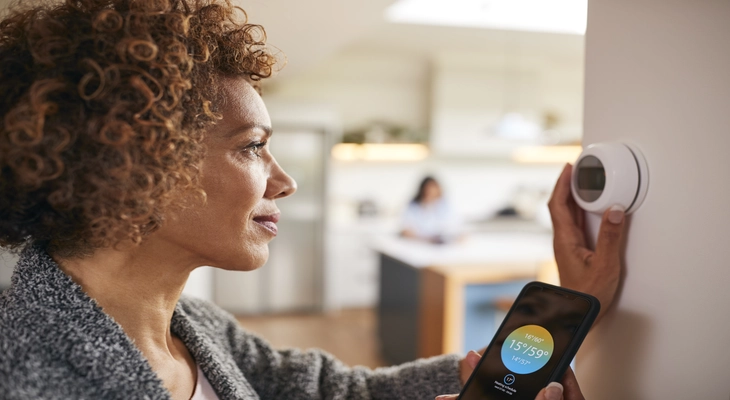
The ADT Smart Home Hub is a central piece of many modern security systems, but a common question arises: does it play well with others? This guide dives deep into the ADT Smart Home Hub's integration capabilities, exploring its compatibility with a wide array of third-party smart home devices and platforms, offering a clear picture for homeowners.
Understanding the ADT Smart Home Hub's Core Functionality
The ADT Smart Home Hub, often referred to as the ADT Command or Control panel depending on the specific system generation, serves as the brain of an ADT-powered smart home security system. Its primary role is to manage and monitor security sensors, cameras, and other connected devices. Beyond basic security, it aims to provide a unified platform for smart home automation, allowing users to control various aspects of their home environment through a single interface, typically a touchscreen panel or a mobile application. This integration is crucial for creating a truly "smart" and responsive living space. The hub's ability to communicate with a diverse range of devices is paramount to its effectiveness as a comprehensive smart home solution. In 2025 and 2026, the demand for seamless interoperability continues to grow, pushing manufacturers like ADT to expand their integration capabilities.
The ADT Smart Home Hub Integration Ecosystem
ADT's approach to smart home integration has evolved significantly over the years. Initially, ADT systems were more closed, focusing primarily on their proprietary sensors and a limited selection of compatible third-party devices. However, with the rise of the interconnected smart home, ADT has made strides to open up its ecosystem. The ADT Smart Home Hub is designed to be more than just a security panel; it's envisioned as a central controller that can orchestrate various smart devices, from lighting and thermostats to locks and entertainment systems. This ecosystem is built upon a foundation of communication protocols and strategic partnerships. The success of the ADT hub as a smart home controller hinges on its ability to communicate effectively with devices from different manufacturers, a challenge that requires careful consideration of underlying technologies and industry standards. By 2025, consumers expect a high degree of flexibility, and ADT is responding by enhancing its platform's interoperability.
Protocol Support: The Foundation of Connectivity
The ability of the ADT Smart Home Hub to integrate with other devices fundamentally relies on the communication protocols it supports. These protocols are the languages that devices use to talk to each other. Without support for common protocols, a hub would be isolated, unable to communicate with a vast majority of smart home products on the market. ADT has invested in supporting a range of these protocols to ensure broader compatibility.
Z-Wave and Zigbee: The Workhorses of Smart Home
Z-Wave and Zigbee are two of the most prevalent low-power wireless communication protocols specifically designed for smart home applications. They operate on different radio frequencies than Wi-Fi, which helps to reduce interference and create a dedicated mesh network for smart devices.
- Z-Wave: Known for its reliability and robust mesh networking capabilities, Z-Wave is widely used for security devices, door locks, and sensors. Devices on a Z-Wave network communicate with each other, extending the network's range and ensuring that commands reach their destination even if the primary controller is not in direct range of a specific device. ADT hubs have historically offered strong support for Z-Wave, making it a key protocol for integrating a wide array of ADT-branded and compatible third-party security and automation devices. In 2025, Z-Wave 700 Series and newer are common, offering improved range and security.
- Zigbee: Similar to Z-Wave, Zigbee also creates a mesh network and is popular for smart lighting (like Philips Hue), smart plugs, and sensors. It's known for its low power consumption and ability to support a large number of devices. While ADT's primary focus has often been Z-Wave, newer iterations of their hubs and ecosystem integrations may include Zigbee support, either directly or through bridging technologies. This allows for a broader range of devices, especially in the smart lighting category, to be controlled. The Zigbee 3.0 standard, widely adopted by 2025, offers enhanced interoperability.
The presence of Z-Wave and, increasingly, Zigbee support on the ADT Smart Home Hub is a strong indicator of its ability to connect with a vast number of existing smart home devices. This is a critical factor for users looking to expand beyond ADT's core security offerings.
Wi-Fi and Bluetooth: Ubiquitous Connectivity
While Z-Wave and Zigbee are specialized for low-power mesh networking, Wi-Fi and Bluetooth are more general-purpose wireless technologies that are also crucial for smart home integration.
- Wi-Fi: Most modern smart home devices, including smart cameras, smart speakers, and many smart appliances, connect directly to your home's Wi-Fi network. The ADT Smart Home Hub itself connects to your home's Wi-Fi for internet access, enabling remote control via the ADT app and receiving software updates. Its ability to *integrate* with Wi-Fi devices often means that these devices are controlled through cloud-to-cloud integrations or by the hub acting as a bridge to your network. For example, while the hub might not directly control a Wi-Fi smart bulb using Wi-Fi radio waves, it can be programmed to send commands to it via an online service.
- Bluetooth: Bluetooth is typically used for shorter-range communication and is common in devices like smart locks, wearable technology, and some sensors. While less common for direct hub integration compared to Z-Wave or Wi-Fi, Bluetooth can be used for initial device setup or for specific device functionalities. Some ADT systems might utilize Bluetooth for proximity detection or for pairing certain accessories.
The ADT Smart Home Hub's connectivity options, including its reliance on Wi-Fi for its own operation and potential for interacting with Wi-Fi and Bluetooth devices, are essential for its role as a central controller.
Exploring Other Potential Protocols
The smart home landscape is constantly evolving, with new protocols and standards emerging. While Z-Wave, Zigbee, Wi-Fi, and Bluetooth are the most common, other protocols like Thread and Matter are gaining traction.
- Thread: Thread is a low-power, IP-based wireless networking protocol designed for the Internet of Things (IoT). It's a key component of the Matter standard. As Matter adoption grows in 2025-26, support for Thread becomes increasingly important for future-proofing smart home ecosystems.
- Matter: Matter is an open-source standard aiming to unify the smart home industry. It's designed to enable devices from different manufacturers to communicate with each other seamlessly, regardless of the brand. Matter leverages existing IP-based protocols like Thread and Wi-Fi. While ADT's direct integration with Matter is still developing, it's a critical area for future expansion. The ADT Smart Home Hub's long-term compatibility will likely depend on its ability to adopt or bridge to Matter-enabled devices.
As of 2025, ADT's direct support for Thread and Matter may be limited, but their strategic direction will undoubtedly involve these emerging standards to ensure continued relevance and interoperability. Users should check for the latest updates regarding ADT's commitment to these newer protocols.
Official ADT Integrations and Partnerships
ADT has cultivated a range of official integrations and partnerships to extend the functionality of its Smart Home Hub. These are devices and services that ADT has specifically tested and certified for compatibility, ensuring a reliable user experience. These official integrations are often the most seamless and recommended options for ADT customers.
Smart Lighting
Controlling home lighting is a popular smart home application. ADT hubs can integrate with various smart lighting systems, allowing users to automate lights based on security events, time of day, or presence.
- Philips Hue: A leading smart lighting brand, Philips Hue systems can often be integrated. This allows for lights to turn on when an alarm is triggered, or to simulate occupancy when you're away.
- Lutron Caséta: Another popular choice for smart lighting and shade control, Lutron systems can sometimes be integrated, offering robust control and automation possibilities.
- Generic Z-Wave/Zigbee Bulbs: Many other smart bulbs that use Z-Wave or Zigbee protocols can also be added to the ADT system, expanding the options beyond specific brands.
By 2025, smart lighting integration is a standard expectation, and ADT's offerings aim to meet this demand, providing convenience and enhanced security through automated lighting.
Smart Thermostats
Smart thermostats offer significant energy savings and convenience. ADT hubs can integrate with popular smart thermostat brands.
- ecobee: ecobee thermostats are known for their advanced features and compatibility. Integration with ADT allows for remote temperature control and energy management.
- Nest (Google Nest): While direct integration can sometimes be complex due to platform changes, Nest thermostats have historically been a target for integration. Users can often control their Nest thermostat through the ADT app.
- Honeywell Home: Honeywell offers a range of smart thermostats that can be integrated, providing another option for climate control automation.
These integrations allow for scenarios like turning down the thermostat when the security system is armed away, or adjusting the temperature based on occupancy detected by ADT sensors.
Smart Locks
Smart locks are a natural fit for a security-focused system like ADT. Integration allows for remote locking/unlocking, user code management, and automated locking based on arming the system.
- Schlage: Schlage offers a variety of Z-Wave enabled smart locks that are often compatible with ADT systems.
- Yale: Yale smart locks, particularly those with Z-Wave connectivity, are another common integration option.
- Kwikset: Kwikset's Z-Wave deadbolts are frequently supported, providing robust keyless entry solutions.
These integrations enhance convenience and security, allowing users to grant temporary access, check lock status remotely, and ensure doors are locked automatically.
Smart Speakers and Voice Assistants
Voice control has become a cornerstone of the smart home experience. ADT hubs often integrate with major voice assistants.
- Amazon Alexa: Many ADT systems can be linked to Alexa, allowing users to arm/disarm their system (with voice PIN), check security status, and control integrated smart devices using voice commands.
- Google Assistant: Similarly, integration with Google Assistant enables voice control over the ADT system and connected devices. This provides hands-free convenience for managing your smart home.
These integrations are critical for a modern smart home, offering seamless control and accessibility. The ability to arm your home or turn off lights with a simple voice command significantly enhances the user experience.
Security Cameras
While ADT offers its own line of security cameras, integration with select third-party cameras can also be possible, though this is often more restricted than other device categories.
- ADT-branded Cameras: ADT's own cameras are, of course, designed for seamless integration and offer features like live viewing and recorded footage accessible through the ADT app.
- Select Third-Party Cameras: In some cases, ADT may allow integration with specific third-party cameras, particularly those that use standard protocols or are part of a broader smart home ecosystem that ADT supports. This often involves cloud-to-cloud integration.
The ability to view feeds from integrated cameras alongside security system status in a single app is a significant benefit.
Third-Party Device Compatibility: Navigating the Landscape
Beyond the officially sanctioned integrations, many users are curious about the broader compatibility of the ADT Smart Home Hub with a wider range of third-party devices. This is where understanding the underlying protocols and ADT's platform philosophy becomes crucial.
Popular Brands and Devices
The ADT Smart Home Hub, especially newer models, leverages Z-Wave and Zigbee extensively. This means that many devices from popular smart home brands that utilize these protocols are likely to be compatible.
Examples of brands and device types often compatible (check specific model numbers):
| Device Category | Example Brands/Devices | Protocol |
|---|---|---|
| Smart Locks | Schlage, Yale, Kwikset (Z-Wave models) | Z-Wave |
| Smart Lighting | GE/Jasco, Leviton (Z-Wave/Zigbee switches/dimmers), Philips Hue (via bridge) | Z-Wave, Zigbee |
| Sensors (Motion, Door/Window, Smoke, CO) | Honeywell, Ecolink, Fibaro (Z-Wave/Zigbee) | Z-Wave, Zigbee |
| Smart Plugs/Outlets | GE/Jasco, Zooz, Inovelli (Z-Wave) | Z-Wave, Zigbee |
| Thermostats | Honeywell, Trane (Z-Wave models) | Z-Wave |
| Garage Door Openers | MyQ (via integration), Linear (Z-Wave) | Z-Wave |
It's important to note that compatibility can vary based on the specific generation of the ADT Smart Home Hub and the firmware version installed. The inclusion of Z-Wave Plus certification in many newer devices is a good indicator of enhanced performance and compatibility.
Potential Limitations and Workarounds
While ADT strives for broad compatibility, some limitations may arise.
- Proprietary Protocols: Some smart home devices use proprietary protocols that are not openly supported. These devices will not be directly compatible with the ADT hub.
- Firmware Updates: Manufacturers frequently update their device firmware. While this often improves performance, it can sometimes introduce compatibility issues with older hub firmware. Conversely, ADT also releases firmware updates that can expand compatibility.
- Cloud-to-Cloud Limitations: For Wi-Fi devices that rely on cloud services (e.g., some smart cameras or appliances), integration with the ADT hub is often achieved through "cloud-to-cloud" connections. This means the ADT hub communicates with the manufacturer's cloud service, which then communicates with the device. This can sometimes lead to delays or dependency on internet connectivity for both services.
- Limited Feature Support: Even if a device is compatible, not all of its advanced features might be accessible through the ADT interface. For instance, a smart lock might be controllable (lock/unlock), but advanced scheduling features might only be available through its native app.
Workarounds:
- IFTTT (If This Then That): For devices that don't have direct integration, services like IFTTT can act as a bridge. If ADT supports IFTTT, you can create applets to trigger actions between your ADT system and other services or devices. For example, "If ADT system is armed away, then turn off Philips Hue lights."
- Smart Home Hubs (e.g., SmartThings, Hubitat): In some advanced setups, users might use a secondary, more open smart home hub that supports a wider range of protocols and then integrate that secondary hub with ADT, effectively using ADT as a security layer and the secondary hub for broader automation. This is a more complex solution.
- Direct App Control: For features not exposed through the ADT app, users can always use the native app of the third-party device.
How to Check Device Compatibility
Before purchasing any smart home device to integrate with your ADT system, it's crucial to verify its compatibility.
- ADT's Official Website: ADT provides lists of compatible devices and services on its support pages. This is the most reliable source for officially supported integrations. Look for sections related to "smart home devices" or "compatible products."
- Consult Your ADT Representative: Your ADT installer or customer service representative can provide specific guidance on what devices work with your particular ADT Smart Home Hub model.
- Device Manufacturer's Specifications: Check the product packaging or the manufacturer's website for explicit mention of Z-Wave, Zigbee, or compatibility with ADT or specific ADT hubs.
- Online Forums and Communities: Smart home enthusiast forums (like Reddit's r/ADT or general smart home subreddits) often have discussions about user experiences with integrating various devices. While not official, these can offer valuable insights.
- Check Protocol Standards: If a device clearly states it uses Z-Wave or Zigbee, it has a higher chance of compatibility, especially if it's a newer device supporting Z-Wave Plus.
Always confirm compatibility for your specific ADT system model and the device you intend to purchase.
The Benefits of an Integrated Smart Home
The primary driver for integrating the ADT Smart Home Hub with other devices is to unlock a more intelligent, convenient, and secure home environment. The synergy between security and automation creates a powerful user experience.
Enhanced Security
Integration elevates your home security beyond just intrusion detection.
- Automated Lighting for Deterrence: Lights can be programmed to turn on when motion is detected outside, or when the alarm is triggered, acting as a deterrent to potential intruders.
- Smart Lock Integration: Automatically lock all doors when the security system is armed away. Receive notifications if a door is unlocked unexpectedly. Grant temporary access to visitors remotely.
- Video Verification: In case of an alarm, integrated cameras can provide visual confirmation to ADT monitoring centers or to the homeowner, helping to distinguish between false alarms and genuine emergencies.
- Environmental Monitoring: Integration with smart smoke and carbon monoxide detectors ensures that ADT can alert you and emergency services not only to intrusion but also to life-threatening environmental hazards.
Convenience and Automation
Streamlining daily tasks and creating personalized routines.
- "Good Morning" Scene: A single command or schedule can disarm the system, turn on lights, adjust the thermostat, and start the coffee maker.
- "Good Night" Scene: Arm the security system, lock all doors, turn off lights, and set the thermostat to an energy-saving temperature with one action.
- Voice Control: Hands-free operation of your home, from checking the status of your doors to adjusting the lights.
- Remote Access: Manage your entire smart home system from anywhere in the world via the ADT mobile app.
Energy Efficiency
Smart home devices can significantly reduce energy consumption.
- Smart Thermostats: Learn your habits and adjust temperatures automatically to save on heating and cooling costs. Integration with ADT can ensure the thermostat is set to an energy-saving mode when the home is empty.
- Smart Lighting: Lights can be programmed to turn off automatically when rooms are unoccupied or when the system is armed away, preventing wasted electricity.
- Smart Plugs: Control power to appliances and electronics, ensuring they are not drawing "phantom power" when not in use.
Personalized Experiences
Tailoring your home environment to your specific needs and preferences.
- Customizable Scenes: Create unique "scenes" for different activities, such as "Movie Night" (dim lights, lock doors) or "Party Mode" (adjust lighting, play music).
- Geofencing: The system can automatically arm or disarm based on your location, or adjust lighting and temperature as you approach or leave home.
- Adaptive Automation: Over time, the system can learn your routines and preferences, offering increasingly intelligent and personalized automation.
These benefits highlight why integration is not just a feature but a core component of a modern smart home strategy, with ADT aiming to be at the center of this connected experience.
The Future of ADT Integration
The smart home landscape is in constant flux, and ADT, like other major players, is continuously adapting its strategy to incorporate new technologies and meet evolving consumer demands. The future of ADT's integration capabilities will be shaped by emerging standards and ADT's own strategic direction.
Emerging Standards
The most significant development on the horizon is the widespread adoption of standards like Matter.
- Matter: As mentioned, Matter is designed to create a universal language for smart home devices. Its success will depend on broad industry support, including from major security providers like ADT. By 2025-26, we expect to see more devices and hubs becoming Matter-certified. ADT's commitment to Matter will be a key indicator of its future-proofing strategy. This could involve direct Matter support within the hub or through a bridging solution.
- Thread: As a foundational protocol for Matter, Thread's importance will grow. Hubs that can support Thread will be better positioned for future compatibility.
ADT's investment in or partnership with companies developing these standards will be crucial for maintaining its position in the evolving smart home market.
ADT's Strategic Direction
ADT's strategy often involves balancing its core security business with smart home automation.
- Enhanced AI and Machine Learning: Future ADT hubs may incorporate more advanced AI to provide predictive automation, learn user behaviors more effectively, and offer more proactive security insights.
- Expanded Partnerships: ADT will likely continue to forge partnerships with leading smart home brands to ensure a robust ecosystem. This might include deeper integrations with companies beyond the traditional smart home players, potentially extending into areas like smart appliances and home energy management.
- Software-Defined Integration: A significant portion of integration capabilities is software-driven. ADT's ability to push over-the-air (OTA) updates to its hubs will be critical for adding support for new devices and protocols without requiring hardware changes. This agile approach is essential in the fast-paced tech industry.
- Focus on User Experience: Ultimately, ADT's future direction will be guided by the desire to provide a seamless and user-friendly experience. This means simplifying the process of adding and managing devices, ensuring reliability, and offering intuitive control through its app and panel.
The company's ability to adapt to new technologies and maintain a broad, reliable integration network will be key to its long-term success in the smart home market.
Conclusion and Recommendations
In response to the core question, "Does the ADT Smart Home Hub support integration with other smart home devices?", the answer is a resounding **yes, with nuances**. The ADT Smart Home Hub is designed to be a central controller for a connected home, offering significant integration capabilities, particularly with devices utilizing Z-Wave and Zigbee protocols. Its official partnerships extend its reach to popular brands in smart lighting, thermostats, locks, and voice assistants like Amazon Alexa and Google Assistant.
For users looking to build a comprehensive smart home ecosystem around their ADT security system, the ADT hub provides a strong foundation. While direct compatibility with every single smart device on the market might not be guaranteed, especially for newer standards like Matter (though this is evolving), the platform offers robust options. Potential limitations can often be navigated through workarounds like IFTTT or by leveraging the native apps of third-party devices.
Recommendation: When planning your smart home setup with ADT, always consult ADT's official compatibility lists and your local ADT representative. Prioritize devices that explicitly state Z-Wave or Zigbee compatibility, as these are most likely to integrate seamlessly. Keep an eye on ADT's software updates and announcements regarding support for emerging standards like Matter to ensure your system remains future-proof. By carefully selecting compatible devices, you can harness the full power of your ADT Smart Home Hub to create a more secure, convenient, and efficient living environment.