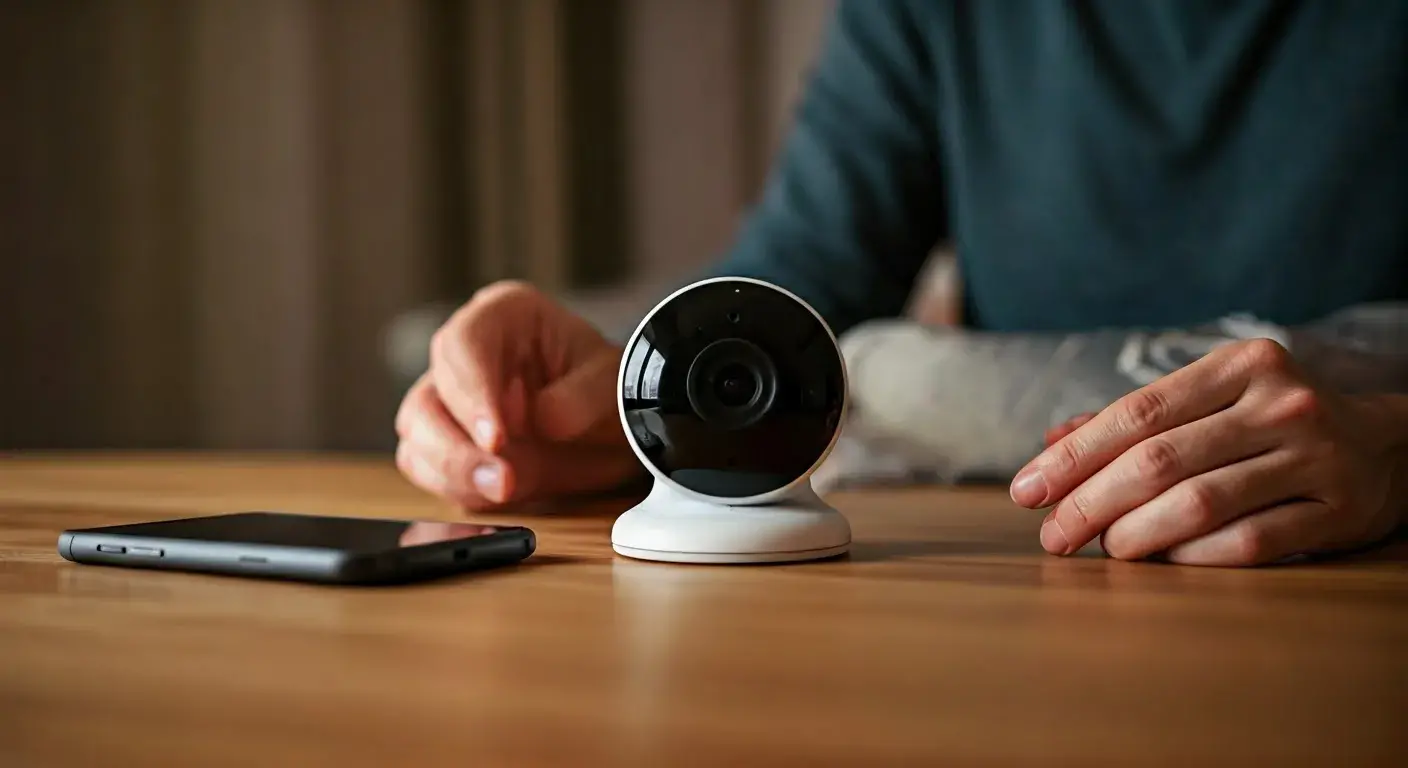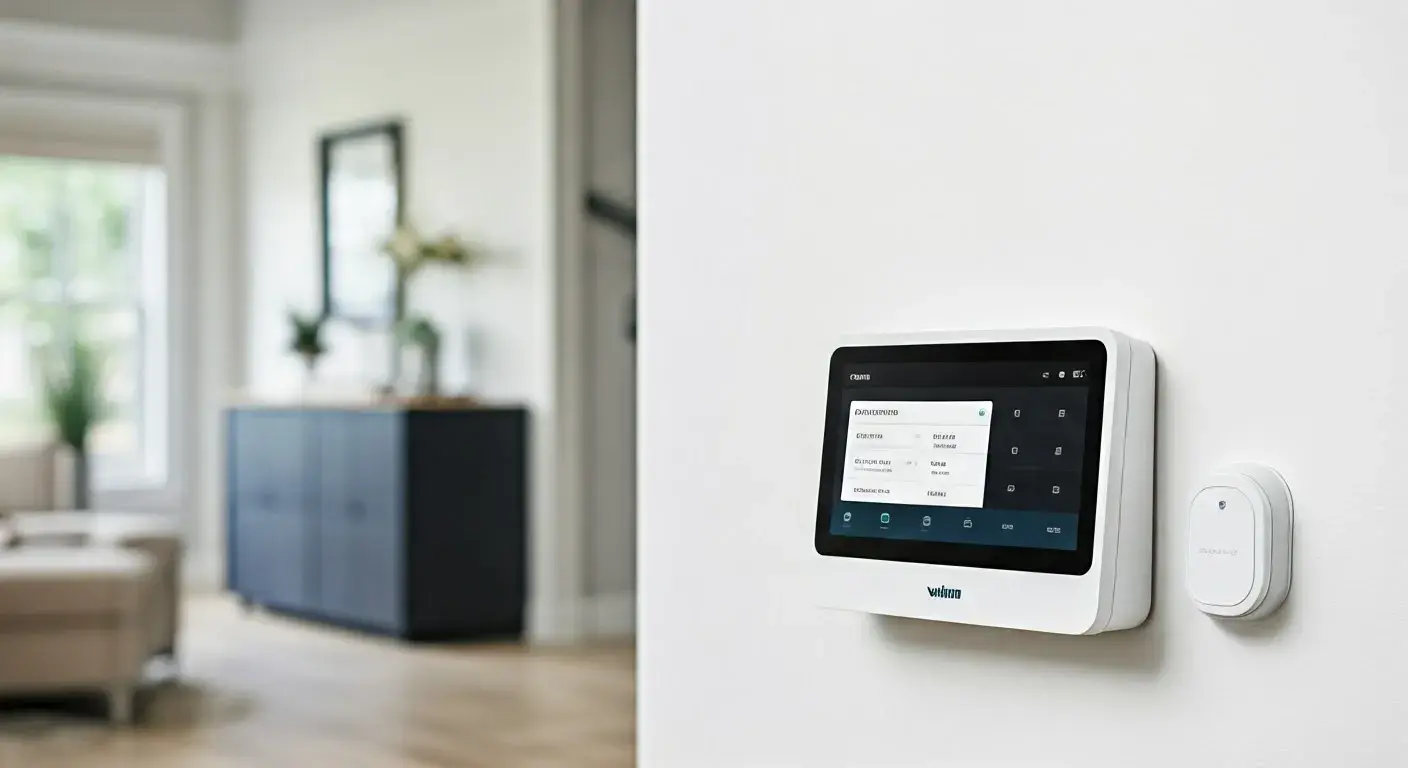
Yes, Vivint does employ door-to-door sales representatives in many areas to introduce their smart home security solutions. This direct approach allows them to engage potential customers personally, explain system benefits, and offer tailored package recommendations. Explore how Vivint's presence impacts your neighborhood security decisions.
Vivint's Door-to-Door Sales Strategy Explained
Vivint Smart Home, a prominent player in the home security and automation industry, frequently utilizes a direct-to-consumer sales model that includes door-to-door representatives. This strategy is a cornerstone of their customer acquisition efforts, allowing them to reach potential clients directly in their homes and communities. The primary goal of these visits is to educate homeowners about the benefits of integrated smart home technology and professional security monitoring, often presenting customized solutions based on immediate needs and property types. In 2025 and 2026, this method continues to be a significant part of Vivint's outreach, especially in new or developing neighborhoods where brand awareness might be lower.
The decision to employ door-to-door sales is strategic. It allows Vivint to bypass some of the traditional advertising costs and connect with potential customers at a time when they are most likely to be thinking about their home environment. A personal interaction can be more persuasive than online ads or brochures, enabling sales representatives to answer questions in real-time, demonstrate product features, and build rapport. This direct engagement is particularly effective for complex systems like those offered by Vivint, which often involve professional installation and ongoing monitoring services. The company aims to differentiate itself by offering a comprehensive, integrated solution, and the door-to-door approach facilitates a deeper explanation of these value propositions.
Vivint's representatives are typically identifiable by company-branded attire and identification. They are trained to discuss various aspects of the Vivint system, including smart locks, cameras, environmental sensors, and professional monitoring. The sales pitch often highlights the convenience, security, and potential energy savings that come with a connected home. For many homeowners, the convenience of having a sales professional come to their door to explain options and provide an on-the-spot quote is a significant advantage, saving them the time and effort of visiting a showroom or conducting extensive online research. This direct contact also allows Vivint to gather valuable feedback about consumer needs and market trends in specific geographic areas, which can inform future product development and marketing strategies.
The effectiveness of door-to-door sales can vary by region and demographic. In suburban areas with a high concentration of homeowners, this method often yields strong results. Vivint's presence in a neighborhood can also serve as a deterrent to crime, a point often subtly woven into their sales conversations. By establishing a visible presence, Vivint aims to build trust and demonstrate its commitment to community safety. The representatives are not just selling a product; they are offering peace of mind and a pathway to a more modern, secure, and convenient living experience. Understanding this strategy is key to appreciating how Vivint operates and how potential customers can best engage with their offerings.
Understanding the Vivint Sales Process
When a Vivint sales representative knocks on your door, they are initiating a carefully structured sales process designed to assess your needs and present a compelling solution. This process is typically multi-faceted, aiming to educate, persuade, and ultimately close a sale. It's important for homeowners to understand these steps to navigate the interaction effectively and make an informed decision. In 2025, Vivint continues to refine this process, emphasizing personalized consultations and transparent pricing.
Initial Engagement and Needs Assessment
The first step involves a friendly introduction and a brief explanation of why they are in the neighborhood. Representatives are trained to gauge a homeowner's interest and identify potential pain points related to security, convenience, or home automation. They will ask questions to understand your current situation, such as whether you have a security system, what your primary concerns are (e.g., package theft, deterring burglars, monitoring children or pets), and what features you might be interested in (e.g., smart locks, video doorbells, indoor cameras, smart thermostats).
System Demonstration and Customization
Based on the needs assessment, the representative will then move on to demonstrating the Vivint system's capabilities. This might involve showcasing the mobile app, explaining how different devices work together, and highlighting key features like remote access, two-way talk, and professional monitoring. They will discuss various package options and how components can be customized to fit your specific home layout and security requirements. For instance, a home with multiple entry points might require more door/window sensors, while a larger property might benefit from additional outdoor cameras.
Proposal and Pricing
Following the demonstration and customization, the representative will present a tailored proposal. This includes a breakdown of the equipment costs, installation fees, and the monthly monitoring service fee. Vivint typically offers financing options or lease-to-own programs for the equipment, making the upfront cost more manageable. They will explain the terms of the contract, which usually involves a multi-year commitment for the monitoring service. Transparency is key here, and representatives are expected to clearly outline all costs and contract durations. As of 2025, Vivint's pricing structures often include bundled discounts for comprehensive packages.
Addressing Concerns and Closing the Sale
This stage involves answering any remaining questions or concerns the homeowner might have. This could relate to installation timelines, contract flexibility, data privacy, or the reliability of the system. The representative will aim to overcome objections and reinforce the value proposition of Vivint's integrated solution. If the homeowner is satisfied, the representative will proceed with the paperwork to initiate the installation process. This might involve signing a contract and scheduling an appointment for a professional installer.
Post-Sale Follow-Up (Internal Process)
While not directly part of the door-to-door interaction, Vivint has internal processes for follow-up, including scheduling installation and ensuring customer satisfaction post-installation. This ensures a smooth transition from the sales pitch to a fully functional smart home security system. The overall process is designed to be efficient and informative, aiming to provide homeowners with a clear understanding of what they are purchasing and the benefits it will bring to their lives.
Benefits of Vivint Door-to-Door Interactions
While some homeowners may be wary of unsolicited visits, engaging with a Vivint door-to-door representative can offer several distinct advantages, particularly for those new to smart home technology or professional security systems. These benefits stem from the direct, personalized nature of the interaction, which is often more effective than remote communication methods. In 2025, Vivint continues to leverage these benefits to connect with a broad customer base.
Personalized Consultation and Needs Assessment
One of the primary benefits is the opportunity for a personalized consultation right at your doorstep. A trained Vivint representative can assess your home's specific layout, identify potential security vulnerabilities, and understand your unique lifestyle needs. This on-the-spot evaluation allows them to recommend the most suitable system components and configurations, ensuring you don't over- or under-buy. For example, they can advise on the optimal placement of cameras for maximum coverage or suggest specific sensors based on your family's habits.
Direct Product Demonstration and Feature Explanation
Instead of relying on online videos or brochures, you can see the Vivint system in action. Representatives can demonstrate the user-friendly mobile app, show how smart locks operate, explain the clarity of the video cameras, and illustrate the ease of arming and disarming the system. This hands-on experience, even if brief, can be far more impactful in understanding the system's functionality and user experience than abstract descriptions. They can answer your questions about features like two-way audio, motion detection, and remote access in real-time.
Immediate Opportunity for Quotes and Package Customization
Door-to-door interactions allow for immediate proposal generation. The representative can quickly put together a customized quote based on your discussed needs and chosen equipment. This eliminates the need to schedule a separate appointment or spend hours researching pricing online. They can explain various package deals and financing options available, making the investment clearer and more accessible. This immediacy is a significant time-saver for busy homeowners.
Building Trust and Rapport
For many, a face-to-face interaction helps build trust and rapport. Seeing a representative in person, wearing branded attire, and being able to ask questions directly can alleviate concerns about the legitimacy of the company or the product. This personal connection can make homeowners feel more comfortable and confident in their decision to invest in Vivint's services. It humanizes the technology and the company behind it.
Educational Value for New Users
If you're unfamiliar with smart home technology or the nuances of professional security monitoring, a door-to-door visit can be highly educational. Representatives are trained to explain complex concepts in simple terms, demystifying the technology and highlighting the practical benefits for your family's safety and convenience. They can explain the role of 24/7 professional monitoring, the response protocols in case of an alarm, and the cybersecurity measures in place.
Potential for Exclusive Neighborhood Offers
In some cases, Vivint may offer special promotions or discounts specifically for residents in a particular neighborhood where they are actively expanding their customer base. A door-to-door representative is the primary channel for communicating these localized offers, which might not be advertised elsewhere. These can include reduced equipment costs, waived installation fees, or bundled services.
While it's always wise to be cautious, understanding these benefits can help homeowners make the most of an interaction with a Vivint sales representative, potentially leading to a more secure and technologically advanced home.
Potential Downsides and Considerations
While Vivint's door-to-door sales strategy offers several benefits, it's crucial for consumers to be aware of potential downsides and to approach these interactions with a critical mindset. Understanding these considerations can help homeowners make more informed decisions and avoid potential pitfalls. In 2025, as with previous years, these concerns remain relevant for consumers evaluating home security options.
Intrusiveness and Time Commitment
For many, an unsolicited visit can be intrusive, especially if they are busy or not interested in purchasing a new system. The sales pitch can sometimes be lengthy, requiring a significant time commitment from the homeowner. Representatives are trained to engage homeowners, which can be challenging to politely disengage from if one is not interested. This can lead to feelings of pressure or inconvenience.
Pressure Tactics and Misinformation
While Vivint aims for professional sales, there's always a risk of encountering sales representatives who employ high-pressure tactics to close a deal. This can include creating a false sense of urgency, downplaying contract terms, or exaggerating the benefits of the system while minimizing potential drawbacks. In rare cases, misrepresentation of pricing, contract lengths, or service limitations could occur, leading to buyer's remorse later.
Contractual Obligations and Early Termination Fees
Vivint systems typically require a multi-year contract for professional monitoring services. While this is often explained, homeowners may not fully grasp the implications of these long-term commitments, especially if their circumstances change. Early termination fees can be substantial, and understanding the exact costs associated with breaking the contract is vital. A quick door-to-door pitch might not always allow for a thorough review of these financial obligations.
Limited Comparison Shopping at the Point of Sale
When a representative visits your home, you are primarily evaluating only Vivint's offerings. This direct sales approach can discourage or prevent homeowners from conducting thorough comparative research with other security providers at that exact moment. While they might be aware of competitors, the immediate focus on Vivint's product can limit a comprehensive market analysis, which is crucial for finding the best value and features for your specific needs.
Installation Scheduling and Quality Control
While Vivint uses professional installers, the scheduling process can sometimes be lengthy, especially in high-demand areas. Furthermore, the quality of installation can vary between technicians. Although Vivint has quality control measures, issues can arise, and resolving them might require further follow-up. The initial door-to-door interaction doesn't provide insight into the installation experience itself.
Understanding Equipment Ownership vs. Leasing
Depending on the financing or purchase agreement, homeowners may not actually own the equipment outright. Vivint often uses a model where equipment is financed or leased. This means that if you terminate the service, you may have to return the equipment, and you won't have any residual value from your initial investment. This distinction is important for long-term financial planning and should be clearly understood.
Privacy Concerns with In-Home Demonstrations
While representatives are trained to be professional, some homeowners may feel uncomfortable with a stranger being inside their home, even for a brief demonstration. This is a personal comfort level issue, and some may prefer to evaluate systems in a more controlled environment, such as a showroom or through online resources.
By being aware of these potential downsides, homeowners can approach door-to-door sales interactions with Vivint more strategically, asking the right questions and ensuring they fully understand all aspects of the offer before committing.
Vivint vs. Competitors: A Sales Approach Comparison
Vivint's door-to-door sales strategy is a defining characteristic that sets it apart from many of its competitors in the smart home and security market. While other companies may employ different methods, understanding these distinctions helps consumers choose the approach that best suits their preferences and needs. This comparison focuses on sales methodologies prevalent in 2025-26.
Vivint: Direct, In-Home Sales
As discussed, Vivint heavily relies on its direct sales force that goes door-to-door. This approach is designed for high-touch customer engagement, allowing for personalized demonstrations and immediate consultations. The sales representatives are trained to educate homeowners about Vivint's integrated ecosystem, which includes security, automation, and professional monitoring. This method aims to build trust and provide a comprehensive understanding of the Vivint offering in the comfort of the customer's home.
ADT: Multi-Channel Approach
ADT, a long-standing competitor, also employs a multi-channel sales strategy. They utilize door-to-door sales in certain markets, similar to Vivint. However, ADT also has a significant online presence, allowing customers to get quotes and purchase systems remotely. They also operate physical retail locations in some areas and have a robust call center for sales inquiries. This offers consumers more flexibility in how they engage with the company.
SimpliSafe: Online and Retail Focus
SimpliSafe, a leader in DIY (Do-It-Yourself) security systems, primarily focuses on online sales and partnerships with major retailers like Best Buy. Their model emphasizes self-installation and straightforward pricing. While they offer customer support via phone and online chat, they do not typically engage in door-to-door sales. This approach appeals to consumers who prefer to research, purchase, and install systems on their own terms, often at a lower price point due to the lack of professional installation and direct sales overhead.
Ring (Amazon): Primarily Online and Retail
Ring, now part of Amazon, is known for its smart doorbells and a range of DIY security devices. Their sales are predominantly conducted through Amazon's e-commerce platform and other online retailers, as well as in brick-and-mortar stores. Ring's focus is on accessible, often self-installable, smart home devices that can be integrated into a broader security ecosystem. They do not have a door-to-door sales force.
Local and Regional Providers: Varied Approaches
Smaller, local security companies often have more varied sales approaches. Some may rely on referrals and word-of-mouth, while others might employ door-to-door sales in their service areas. Their strength often lies in personalized local service and potentially more flexible contract terms, but they may lack the brand recognition and technological integration of larger national companies.
Key Differences Summarized
Here's a comparative look:
| Feature | Vivint | ADT | SimpliSafe | Ring |
|---|---|---|---|---|
| Primary Sales Channel | Door-to-Door, Online | Door-to-Door, Online, Retail, Phone | Online, Retail | Online, Retail |
| Installation | Professional | Professional | DIY | DIY |
| System Integration | High (Smart Home Ecosystem) | High (Security Focus) | Moderate (DIY Focused) | Moderate (Smart Home Devices) |
| Contractual Obligation | Typically Multi-Year | Typically Multi-Year | No Long-Term Contracts (for monitoring) | No Long-Term Contracts (for monitoring) |
Vivint's commitment to door-to-door sales signifies a focus on direct customer relationships and comprehensive system solutions. Consumers who prefer a guided, personalized sales experience and a fully integrated smart home system may find Vivint's approach appealing. Conversely, those who prioritize DIY installation, flexible contracts, or extensive online research might lean towards competitors like SimpliSafe or Ring.
What to Expect When a Vivint Rep Visits
When a Vivint sales representative arrives at your doorstep, they are equipped with specific training and materials to present the company's smart home security solutions. Understanding their typical approach can help you prepare for the interaction and ensure you get the information you need. Here’s a breakdown of what you can generally expect in 2025 and beyond.
Professional Appearance and Identification
Vivint representatives are usually uniformed and carry official identification badges. They will typically wear branded apparel (e.g., a polo shirt or jacket with the Vivint logo) and may have a tablet or presentation materials. This professional presentation is intended to establish credibility and distinguish them from other solicitors.
Introduction and Neighborhood Context
The representative will begin by introducing themselves and explaining that they are in your neighborhood as part of a Vivint outreach program. They might mention that Vivint is installing systems in the area or that they are offering special neighborhood promotions. This context helps to frame their visit and explain why they are there.
Inquiry about Current Security Measures
They will likely ask about your current home security setup, if any. This includes whether you have a security system, what type it is, and what your primary concerns are regarding home safety, convenience, or automation. This is part of their needs assessment to tailor their pitch.
Demonstration of Vivint's System
You can expect a demonstration of the Vivint system's core features. This often involves showcasing the Vivint mobile app on a tablet or smartphone. They will demonstrate how to arm and disarm the system, view camera feeds (e.g., video doorbell, outdoor cameras), control smart locks, and adjust thermostats. They will highlight the integration between different devices and the benefits of professional 24/7 monitoring.
Explanation of Components and Packages
The representative will discuss the various components available, such as security cameras, motion sensors, door/window sensors, smoke detectors, carbon monoxide detectors, smart locks, and smart thermostats. They will explain different package configurations and how they can be customized to fit your home's size, layout, and your specific security needs.
Discussion of Pricing, Contracts, and Financing
A crucial part of the visit involves discussing the financial aspects. You will learn about the cost of the equipment (which may be financed or leased), the monthly monitoring fee, and the typical contract length (often 3-5 years for Vivint). They will explain any available financing options or special offers. It's important to listen carefully and ask clarifying questions about all fees and terms.
Addressing Questions and Concerns
The representative is there to answer any questions you may have about the system, installation process, service, contract terms, or Vivint as a company. They are trained to address common objections and provide reassurance about the system's reliability and effectiveness.
Proposal and Potential for On-the-Spot Agreement
Based on the discussion, the representative will present a customized proposal. If you are satisfied and ready to proceed, they may have the necessary paperwork to sign a contract and schedule your installation appointment on the spot. This is their primary objective.
Polite Departure if Not Interested
If you are not interested, a professional representative should politely thank you for your time and depart. However, as noted in the downsides section, persistence can vary. It's acceptable to firmly state your lack of interest if the representative is overly persistent.
It's advisable to have a notepad and pen ready to jot down key information, pricing details, and any questions you want to ask. Always take your time to review any contract thoroughly before signing, even if the representative presents it as a simple formality.
Alternatives to Door-to-Door Sales for Vivint Systems
While Vivint's door-to-door sales representatives are a common point of contact, homeowners who prefer not to engage in direct sales visits or who want to explore options before a representative arrives have several alternatives. These methods allow for research, consultation, and purchasing without a home visit. In 2025, Vivint offers and encourages these alternative channels.
Vivint Website and Online Quoting Tool
The most direct alternative is to visit the official Vivint website. Vivint provides extensive information about their products, services, and packages online. They often have an interactive quoting tool where you can input your address and desired features to get an estimated price. This allows for discreet research at your own pace. You can explore different camera options, sensor types, and smart home devices, and understand the associated monthly monitoring costs.
Phone Consultation with Vivint Sales Representatives
You can contact Vivint directly via phone to speak with a sales representative. This is a convenient way to get personalized advice and quotes without an in-home visit. You can ask detailed questions about system capabilities, installation, contracts, and financing. Many consumers find that a phone call allows them to gather all the necessary information to make an informed decision, and it’s often the first step before scheduling an in-home consultation if needed.
Vivint Showrooms or Retail Partnerships (Limited)
While not as common as for some other brands, Vivint may have a limited presence in select retail stores or dedicated showrooms in certain metropolitan areas. These locations, if available, allow potential customers to see and interact with Vivint products firsthand in a controlled environment. It's advisable to check Vivint's website or contact customer service to see if such a location exists near you.
Online Reviews and Third-Party Information
Before engaging directly with Vivint, it's highly recommended to read reviews from existing customers on reputable consumer review sites, tech blogs, and security-focused forums. These resources can provide insights into real-world experiences with Vivint's systems, installation, customer service, and the effectiveness of their sales process. This independent research can help you formulate specific questions for Vivint representatives.
Comparison Shopping with Competitors
It's always wise to compare Vivint's offerings with those of other smart home security providers. Companies like ADT, SimpliSafe, Frontpoint, and Ring offer different approaches to security, pricing models, and system functionalities. Researching these competitors will give you a broader perspective on the market and help you determine if Vivint's integrated ecosystem and direct sales model are the best fit for your needs and budget. You can often get quotes and information from competitors online or over the phone as well.
Scheduling an In-Home Consultation (vs. Cold Visit)
If you are interested in Vivint but prefer not to be approached by a door-to-door salesperson, you can proactively schedule an in-home consultation through their website or by calling them. This allows you to set a specific time that is convenient for you, ensuring you are prepared and have dedicated time to discuss your needs without the surprise element of a cold visit.
By utilizing these alternatives, homeowners can gain a comprehensive understanding of Vivint's offerings and compare them effectively against the competition, all while maintaining control over their purchasing journey and avoiding unsolicited visits.
Making an Informed Decision with Vivint
Deciding whether to invest in a Vivint smart home security system, especially after a door-to-door interaction, requires careful consideration. By understanding Vivint's sales approach, weighing the pros and cons, and exploring all available information channels, homeowners can make a choice that aligns with their security needs and budget. In 2025, the landscape of home security is more diverse than ever, making informed decisions paramount.
Key Takeaways for Homeowners
Vivint does indeed employ door-to-door sales representatives as a primary method of customer engagement. This strategy offers the benefit of personalized, in-home consultations and demonstrations. However, it's essential to be aware of potential downsides such as high-pressure sales tactics, the commitment involved in multi-year contracts, and the importance of thorough research.
The Vivint sales process typically involves an initial needs assessment, system demonstration, customized proposal, and addressing any concerns. While this direct approach can be efficient, it's crucial to compare Vivint's offerings with competitors who may use online sales, retail partnerships, or DIY models. Alternatives like Vivint's website, phone consultations, and independent reviews provide valuable resources for research.
Actionable Recommendation
If a Vivint representative visits your home, view it as an opportunity to gather information. Ask detailed questions about equipment costs, financing, contract terms (especially early termination fees), and the specific services included in your monthly monitoring fee. Do not feel pressured to make an immediate decision. Take the information provided, whether it's a brochure or a quote, and use it to conduct your own research.
Visit the Vivint official website to explore their packages and use their online tools. Contact their customer service or sales line directly to discuss your needs and compare their offers against competitors like ADT, SimpliSafe, or Frontpoint. Read unbiased customer reviews and consider what aspects are most important to you: professional installation and monitoring, smart home integration, DIY flexibility, or contract-free options.
Ultimately, the decision to go with Vivint, or any home security provider, should be based on a comprehensive understanding of the system's capabilities, the total cost of ownership over the contract period, and how well it meets your specific security and lifestyle requirements. Empower yourself with knowledge to ensure you are making the best investment for your home and family's safety.