Discover if your Vivint security system can seamlessly integrate with Apple's HomeKit ecosystem. This comprehensive guide breaks down the compatibility, benefits, and potential workarounds for users seeking unified smart home control, directly answering your "Does Vivint work with Apple HomeKit?" query.
Introduction: The HomeKit Ecosystem and Vivint's Place
In the ever-evolving world of smart homes, interoperability is king. Consumers increasingly desire a unified experience, where devices from different manufacturers can communicate and be controlled from a single, intuitive interface. Apple's HomeKit platform has emerged as a significant player in this space, offering a secure and user-friendly way to manage smart devices through the Apple ecosystem. On the other hand, Vivint has established itself as a leading provider of professionally installed and monitored smart home security systems. This has naturally led many users to ask: Does Vivint work with Apple HomeKit? This guide aims to provide a definitive answer, exploring the current state of compatibility, the reasons behind the current limitations, and potential solutions for those looking to integrate their Vivint system with Apple's smart home framework.
As of late 2025 and into 2026, the direct integration between Vivint's proprietary smart home security platform and Apple's HomeKit remains a frequently searched topic. Understanding the nuances of both ecosystems is crucial for users seeking to optimize their smart home experience. Vivint's strength lies in its comprehensive security features, professional monitoring, and integrated smart home devices, all managed through its dedicated app. Apple HomeKit, conversely, focuses on broad device compatibility across various brands, prioritizing user privacy and a seamless experience within the Apple device family. The question of whether these two powerful platforms can coexist is at the heart of this discussion.
Direct Compatibility: The Current Landscape
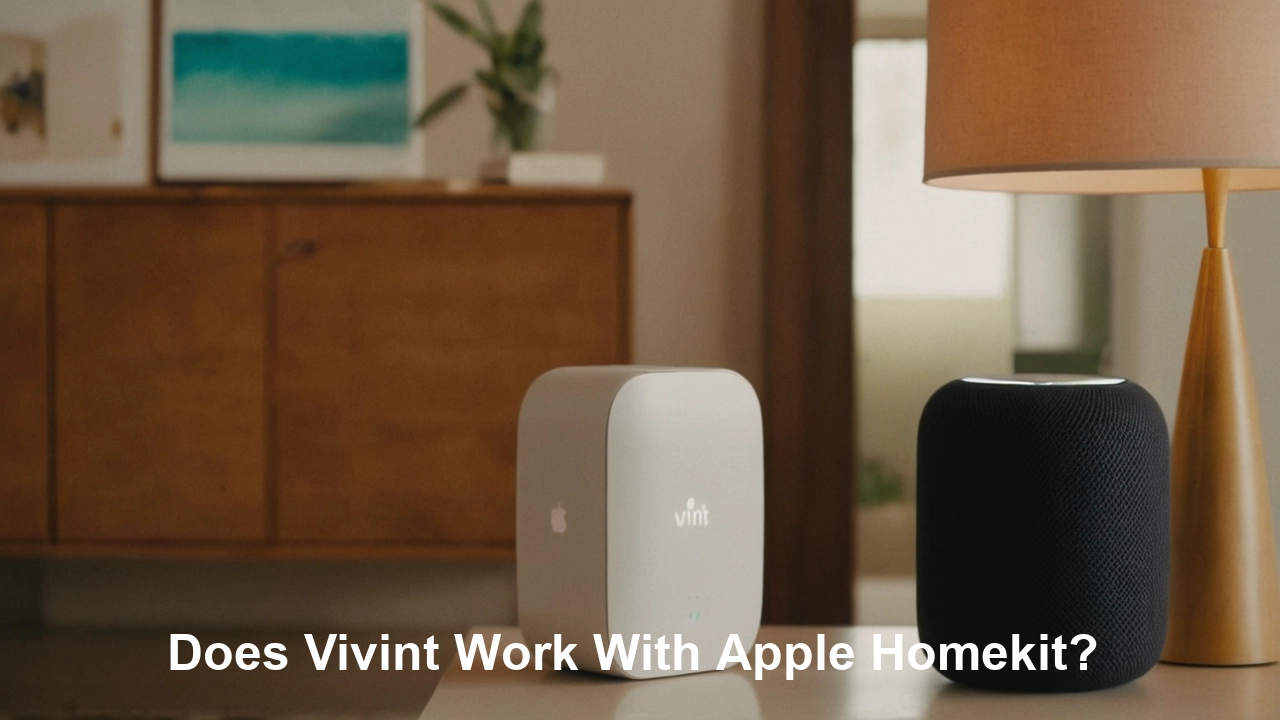
The most straightforward answer to the question "Does Vivint work with Apple HomeKit?" is: not directly, out of the box. Vivint's smart home ecosystem is designed to be a closed, integrated system, with its own proprietary hardware, software, and mobile application. This approach allows Vivint to offer a highly curated and reliable user experience, particularly for its core security services. However, it also means that Vivint devices, such as the Vivint Smart Hub, cameras, door locks, and thermostats, are not natively recognized or controllable through Apple's HomeKit framework.
This lack of direct integration is a common point of frustration for users who have invested in both a Vivint security system and a suite of HomeKit-compatible devices. Apple's HomeKit requires manufacturers to adhere to specific security and communication protocols, often involving a certification process. While Vivint prioritizes its own robust security and integration standards, it has not, to date, pursued official HomeKit certification for its primary devices. This means you won't find Vivint products listed as "Works with Apple HomeKit" on Apple's official compatibility pages, nor will you be able to add them to the Apple Home app using standard HomeKit pairing methods.
The Vivint Smart Hub, the central control panel for most Vivint systems, is the primary gateway to their smart home features. This hub communicates with Vivint's cloud services and its own range of peripherals. Apple HomeKit, on the other hand, relies on the HomeKit Accessory Protocol (HAP) for device communication, often facilitated by a Home Hub (like an Apple TV or HomePod) for remote access and automation. The fundamental communication protocols and architectural designs of these two platforms are distinct, preventing seamless, native integration.
It's important to distinguish between Vivint's own smart home capabilities and what Apple HomeKit offers. Vivint provides its users with a comprehensive mobile app that allows them to control lights, locks, thermostats, and view cameras, all within the Vivint ecosystem. This app offers sophisticated automation and remote access. However, these functionalities are confined to Vivint's platform and do not extend to the broader HomeKit environment. For instance, you can create "scenes" within the Vivint app to arm your system and turn off lights, but you cannot trigger these scenes using Siri commands directed at the Apple Home app or have them interact with other HomeKit-certified devices.
The market for smart home technology is dynamic. While direct integration isn't currently available, it's worth noting that companies sometimes update their product lines or software to include new compatibility features. However, as of the current 2025-26 period, users should assume that Vivint devices will not work directly with Apple HomeKit without the use of third-party workarounds. This fundamental limitation shapes how users can achieve a unified smart home experience when using Vivint.
Why Apple HomeKit Integration is Desired
The desire for Vivint to work with Apple HomeKit stems from several key advantages that HomeKit offers to smart home users. Understanding these benefits sheds light on why this integration is such a sought-after feature for many consumers.
1. Unified Control and Simplicity
One of the primary appeals of HomeKit is its ability to consolidate control of various smart home devices into a single, intuitive application: the Apple Home app. For users who have a mix of smart devices from different brands, HomeKit provides a standardized interface. Instead of juggling multiple manufacturer apps, users can manage lights, locks, thermostats, cameras, and more, all from one place. The prospect of adding Vivint's security and smart home features to this unified dashboard is highly attractive.
2. Voice Control with Siri
Siri, Apple's intelligent voice assistant, is deeply integrated with HomeKit. Users can control their HomeKit-enabled devices using simple voice commands, such as "Hey Siri, lock the front door" or "Hey Siri, turn off the living room lights." If Vivint were HomeKit compatible, users could extend this convenience to their security system. Imagine saying, "Hey Siri, arm Vivint in away mode" or "Hey Siri, show me the front door camera," without needing to open the Vivint app. This seamless voice interaction significantly enhances the user experience and accessibility of smart home technology.
3. Automation and Scenes
HomeKit excels at creating powerful automations and scenes. A "scene" can be a collection of actions that occur with a single command or tap. For example, a "Goodnight" scene might lock all doors, turn off all lights, and adjust the thermostat. Automations can be triggered by time of day, location (geofencing), or the status of other devices. Integrating Vivint would allow these security functions to participate in broader home automations. For instance, when you leave home (detected by geofencing), your Vivint system could arm itself, and your HomeKit lights could turn off.
4. Enhanced Security and Privacy
Apple places a strong emphasis on security and privacy within the HomeKit framework. HomeKit accessories undergo a rigorous certification process to ensure they meet Apple's security standards. Communication between HomeKit devices and the Home app is end-to-end encrypted. For a security-focused company like Vivint, aligning with HomeKit's robust security protocols could be seen as a positive step, potentially offering users greater peace of mind regarding data privacy and system integrity.
5. Interoperability with Other Smart Home Brands
The beauty of HomeKit is its ability to bridge different brands. If Vivint were HomeKit compatible, its devices could interact with a vast array of other HomeKit-certified products. This opens up possibilities for complex and personalized smart home setups that go beyond what individual manufacturer ecosystems can offer. For example, a HomeKit-enabled motion sensor from another brand could trigger Vivint's alarm system, or Vivint's door lock status could be used to initiate a HomeKit automation.
In summary, the desire for Vivint to work with Apple HomeKit is driven by the pursuit of a more integrated, convenient, and intelligent smart home experience. Users want to leverage the power of Siri, the simplicity of the Home app, and the advanced automation capabilities that HomeKit provides, extending these benefits to their security and smart home devices managed by Vivint.
Understanding the Vivint Smart Home System
To fully grasp why direct HomeKit integration is elusive and what alternatives exist, it's essential to understand the architecture and philosophy behind the Vivint smart home system. Vivint positions itself as a premium, end-to-end smart home security solution, emphasizing professional installation, 24/7 professional monitoring, and a tightly integrated ecosystem of devices.
Core Components of Vivint's System
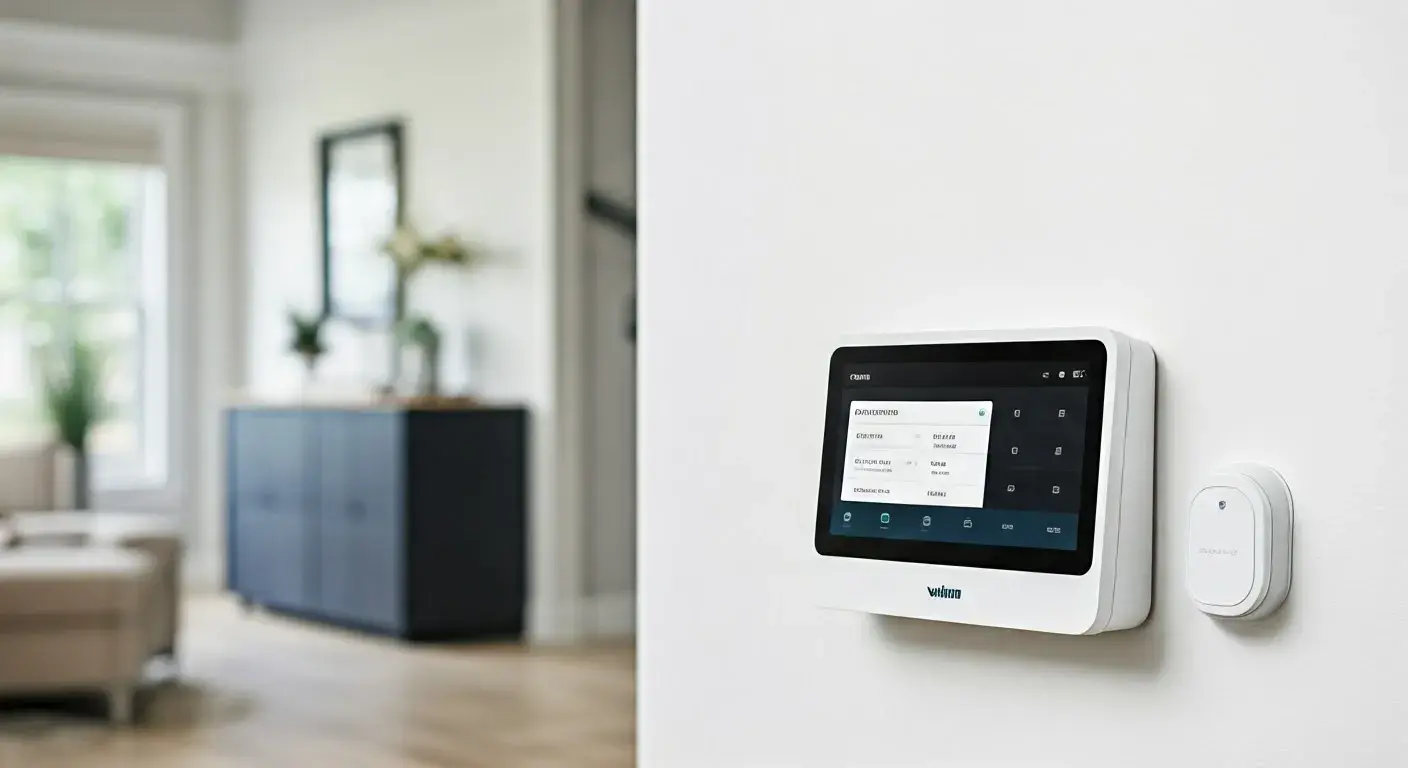
- Vivint Smart Hub (or Panel): This is the central brain of the Vivint system. It's a touchscreen device that controls security functions (arming/disarming), manages connected smart home devices, and serves as the interface for professional monitoring. Unlike many DIY smart home hubs, the Vivint Hub is typically installed and configured by a Vivint technician.
- Vivint Cameras: Vivint offers a range of indoor and outdoor security cameras designed to integrate seamlessly with their system. These cameras provide live streaming, motion detection, and recording capabilities, with footage often stored in the cloud and accessible via the Vivint app.
- Smart Locks: Vivint provides smart deadbolts that can be controlled remotely, scheduled for automatic locking/unlocking, and monitored for access.
- Smart Thermostats: Integrated thermostats allow for remote temperature control and energy savings, often with learning capabilities.
- Smart Lighting: Vivint offers smart plugs and switches that enable remote control and scheduling of lights.
- Door and Window Sensors: These are standard security components that trigger alarms when breaches are detected.
- Vivint App: This is the primary mobile interface for users to control their system, view camera feeds, arm/disarm, manage devices, and receive alerts. It's a powerful application but operates independently of Apple HomeKit.
- Professional Monitoring: A cornerstone of Vivint's service is its 24/7 professional monitoring center. When an alarm is triggered, trained professionals assess the situation and can dispatch emergency services if necessary. This level of service is a key differentiator and influences their system's design.
Vivint's Design Philosophy: Integration and Control
Vivint's approach is to provide a cohesive and reliable experience by controlling the entire stack, from hardware to software to service. This "walled garden" approach offers several benefits:
- Optimized Performance: Devices are designed to work harmoniously with the Vivint Hub and app, ensuring smooth operation and fewer compatibility issues within their own ecosystem.
- Enhanced Security: Vivint implements its own security protocols and encryption methods to protect user data and system integrity.
- Simplified User Experience: For users who want a straightforward, professionally managed system, Vivint's integrated approach is appealing. They don't need to worry about individual device compatibility or complex setup.
- Professional Monitoring Integration: The entire system is built with professional monitoring in mind, ensuring that alarm events are reliably communicated to their monitoring centers.
However, this closed ecosystem is precisely what creates the barrier to direct HomeKit integration. HomeKit operates on open standards and allows for a wide variety of third-party devices. Vivint's proprietary nature means its devices and communication protocols are not designed to be natively understood by HomeKit. While Vivint offers a robust smart home experience, it exists in its own digital universe, separate from the Apple HomeKit universe.
HomeKit vs. Vivint: Key Differences
To understand the compatibility challenge, it's helpful to compare the core philosophies and technical underpinnings of Apple HomeKit and Vivint's smart home system. While both aim to enhance home living, they approach it from different angles.
| Feature | Apple HomeKit | Vivint Smart Home System |
|---|---|---|
| Primary Focus | Interoperability, user privacy, unified control of diverse devices. | Integrated smart home security, professional monitoring, ease of use through a curated ecosystem. |
| Device Compatibility | Broad compatibility with certified third-party devices. | Primarily compatible with Vivint-branded devices and select partners. |
| Installation & Setup | Generally DIY-friendly, with users adding devices to the Home app. | Professionally installed and configured by Vivint technicians. |
| Control Interface | Apple Home App, Siri voice commands. | Vivint App, Vivint Smart Hub touchscreen. |
| Automation Engine | Home app automations, scenes, triggers based on device status, location, time. | Vivint app automations, custom rules within the Vivint ecosystem. |
| Monitoring Service | Not a core feature; relies on third-party services for some devices. | 24/7 professional monitoring is a core service offering. |
| Communication Protocols | HomeKit Accessory Protocol (HAP), Wi-Fi, Bluetooth, Thread. | Proprietary protocols, Wi-Fi, Z-Wave (depending on device). |
| Ecosystem Approach | Open, allowing diverse brands to integrate. | Closed, curated ecosystem for a seamless, controlled experience. |
| Data Privacy Emphasis | High, with end-to-end encryption and on-device processing where possible. | Strong emphasis on security and privacy, with proprietary encryption. |
As the table illustrates, the fundamental difference lies in their approach to the smart home. HomeKit is an open platform designed to connect as many compatible devices as possible, offering users flexibility and choice. Vivint, on the other hand, is a service-oriented provider that builds its offering around a tightly controlled ecosystem to ensure reliability, security, and seamless integration with its professional monitoring services. This difference in philosophy is the primary reason why Vivint devices are not natively compatible with HomeKit.
For example, a HomeKit-certified smart lock from Schlage can be added to the Apple Home app and controlled by Siri. A Vivint smart lock, while offering similar functionality within the Vivint app, cannot be added to the Home app. This is because the Vivint lock communicates with the Vivint Hub using protocols that the HomeKit framework does not understand, and vice-versa. The Vivint Hub itself is not a HomeKit hub or accessory.
This distinction is crucial for consumers. If your priority is a broad, unified smart home experience controlled by Apple devices and Siri, and you are considering Vivint for security, you will likely need to explore alternative solutions or accept the separation of your smart home control interfaces. Conversely, if your priority is a professionally monitored security system with integrated smart home features, Vivint offers a compelling package, even if it means managing it separately from your HomeKit devices.
Workarounds and Third-Party Solutions
While Vivint devices do not directly integrate with Apple HomeKit, there are several workarounds and third-party solutions that can help bridge the gap, allowing for some level of interaction between the two ecosystems. These methods often involve intermediary devices or services that can translate commands or status updates between Vivint and HomeKit.
1. Homebridge and HOOBS
Perhaps the most popular and versatile solution for integrating non-HomeKit devices into Apple HomeKit is using Homebridge or HOOBS (Homebridge Out Of The Box).
- What they are: Homebridge is an open-source NodeJS server that emulates the HomeKit API. It allows you to expose devices that don't natively support HomeKit to your Apple Home app. HOOBS is a user-friendly, pre-configured version of Homebridge.
- How it works with Vivint: There are community-developed Homebridge plugins specifically designed for Vivint. These plugins typically connect to your Vivint account (often requiring your Vivint login credentials) and pull device status (e.g., door unlocked, motion detected) or allow you to send commands (e.g., arm/disarm the system, lock/unlock doors).
- Setup: This requires setting up a server (like a Raspberry Pi, a dedicated computer, or a NAS) to run Homebridge. You then install the Vivint plugin and configure it with your account details. Once set up, your Vivint devices will appear in the Apple Home app as if they were native HomeKit accessories.
- Limitations:
- Reliability: These are community-developed solutions, so their reliability can vary. Updates to Vivint's API or app can sometimes break the plugin, requiring updates from the plugin developer.
- Security: You are essentially giving the Homebridge plugin access to your Vivint account credentials. It's crucial to use reputable plugins and understand the security implications.
- Performance: There might be a slight delay in commands or status updates compared to native HomeKit devices.
- Professional Monitoring: While you might be able to arm/disarm, complex security event handling might not be fully replicated, and it's crucial not to disable Vivint's direct monitoring for critical events.
As of 2025, Homebridge plugins for Vivint remain a viable, though technical, option for many users. The community actively maintains these plugins, with frequent updates addressing compatibility issues.
2. IFTTT (If This Then That)
IFTTT is a web-based service that allows users to create applets (automations) that connect different apps and devices. While IFTTT doesn't directly integrate Vivint into HomeKit, it can create cross-platform automations.
- How it works: Vivint has an IFTTT channel, and you can use HomeKit devices or services that also have IFTTT channels. For example, you could create an applet: "If my HomeKit-enabled door sensor (from another brand) is opened, then trigger Vivint to send a notification." Or, "If IFTTT detects I've left home (based on phone location), then trigger Vivint to arm in 'Away' mode."
- Limitations:
- Indirect Control: IFTTT is primarily for triggering actions based on events, not for direct device control within the Home app. You won't see Vivint devices in your Home app.
- Latency: IFTTT can sometimes experience delays in execution.
- Limited Functionality: The available triggers and actions for Vivint on IFTTT might be limited compared to what the Vivint app offers.
IFTTT's role in smart home integration has evolved, and while it can facilitate some cross-platform interactions, it's not a true HomeKit integration solution.
3. Smart Hubs with Bridge Capabilities (Hypothetical/Future)
While not a current solution for Vivint, some advanced smart home hubs are designed to act as bridges between different protocols. For instance, a hub might support Z-Wave, Zigbee, Wi-Fi, and potentially have integrations with cloud services. If such a hub were to develop a robust cloud-to-cloud integration with Vivint and also support HomeKit, it could serve as an intermediary. However, as of 2025-26, no such mainstream solution exists that directly bridges Vivint's core security system with HomeKit in a comprehensive manner.
4. Voice Assistants (Indirectly)
You can use voice assistants like Google Assistant or Amazon Alexa, which Vivint *does* integrate with, to control some Vivint devices. While this doesn't bring Vivint into HomeKit, it allows for voice control outside of the Vivint app. If you use Google Assistant or Alexa as your primary voice assistant, you can link your Vivint account and use commands like "Hey Google, arm Vivint." This is a separate ecosystem integration, not a HomeKit one.
Choosing the Right Workaround
For users determined to have Vivint devices appear in their Apple Home app, Homebridge/HOOBS is the most direct, albeit technical, path. It offers the closest experience to native HomeKit integration. However, it's crucial to weigh the benefits against the potential complexities and reliability concerns. Users who prioritize simplicity and the professional monitoring aspect of Vivint might find that managing the Vivint system separately from their HomeKit devices is a more stable and less frustrating approach.
The Future Outlook: Potential for Integration
The question of whether Vivint will ever offer direct Apple HomeKit integration is a common one, and the answer is complex, involving market trends, business strategies, and technological advancements. While there's no official announcement or concrete roadmap from Vivint regarding HomeKit compatibility, we can speculate on the factors that might influence such a decision and the potential timelines.
Factors Influencing Vivint's Decision
- Market Demand: As more consumers adopt smart home technology and demand greater interoperability, the pressure on companies like Vivint to support platforms like HomeKit will likely increase. If a significant portion of their customer base expresses a desire for HomeKit integration, it could influence their product development priorities.
- Apple's Evolving Standards: Apple periodically updates its HomeKit framework, introducing new features and potentially making it easier or more appealing for manufacturers to integrate. The introduction of Matter, an open-source smart home connectivity standard, is particularly relevant.
- Matter Protocol: Matter aims to unify the smart home industry by providing a common language for devices to communicate. If Vivint were to adopt Matter, it could indirectly enable HomeKit compatibility, as Matter is designed to work seamlessly with HomeKit. Many manufacturers are investing heavily in Matter for 2025 and 2026. If Vivint embraces Matter, it would be a significant step towards broader interoperability, including with HomeKit.
- Competitive Landscape: As competitors in the smart home security space begin to offer broader integrations, Vivint may feel compelled to follow suit to remain competitive. Companies that offer more open platforms might gain an advantage with consumers who value flexibility.
- Business Model Considerations: Vivint's business model is built around its proprietary ecosystem and professional services. Integrating with a platform like HomeKit, which is controlled by a competitor (Apple), might be seen as diluting their brand or control. They might also prioritize developing their own advanced features rather than relying on a third-party platform for core functionality.
Potential Timelines and Scenarios
Given the current landscape in late 2025, a direct, native HomeKit integration from Vivint in the immediate future (next 1-2 years) seems unlikely without a significant shift in their strategy. However, here are some potential scenarios:
- Gradual Integration via Matter: The most probable path for Vivint to achieve HomeKit compatibility would be through the adoption of the Matter standard. If Vivint announces support for Matter in their devices or hub, this would likely enable HomeKit compatibility automatically, as Matter is designed to be a universal standard supported by Apple HomeKit. This could realistically happen between 2026 and 2027, depending on their development cycles and commitment to Matter.
- Specific Device Integration: Vivint might choose to integrate specific, less security-critical devices with HomeKit, such as smart plugs or thermostats, while keeping their core security components proprietary. This would be a more limited form of integration.
- Continued Reliance on Third-Party Solutions: Vivint might continue to rely on community-driven solutions like Homebridge for users who want HomeKit integration, rather than developing official support. This allows them to cater to a niche demand without overhauling their core product strategy.
- No Integration: It's also possible that Vivint will continue to operate as a standalone, integrated ecosystem, believing its value proposition of professional installation, monitoring, and a curated experience is sufficient for its target market, without needing to integrate with other platforms.
As of the 2025-26 period, users seeking HomeKit integration with their Vivint system should continue to monitor Vivint's official announcements and industry news regarding smart home standards like Matter. While direct integration remains elusive, the evolving nature of the smart home market suggests that greater interoperability is on the horizon for many companies.
Making the Right Choice for Your Smart Home
Deciding whether to prioritize Vivint's integrated security and smart home system or a more open, HomeKit-centric approach involves understanding your personal needs, priorities, and tolerance for technical solutions. There's no single "right" answer, as the best choice depends on your individual circumstances.
When Vivint is the Better Choice
Vivint is an excellent option if your primary concern is a robust, professionally monitored security system that also offers integrated smart home features. Consider Vivint if:
- Professional Monitoring is Paramount: You want the peace of mind that comes with 24/7 professional monitoring for security events.
- Ease of Use and Professional Installation: You prefer a system that is professionally installed, configured, and supported, minimizing DIY effort.
- Seamless Integration Within One Ecosystem: You value a highly integrated experience where all your security and smart home devices work together flawlessly within the Vivint app, and you don't feel the need to integrate with other platforms.
- Comprehensive Security Features: You need advanced security features like integrated cameras, smart locks, and sensors that are all designed to work with Vivint's monitoring services.
- You are not heavily invested in Apple HomeKit: If you don't already have a significant number of HomeKit devices or a strong preference for controlling everything through the Apple Home app and Siri, Vivint's system might be perfectly sufficient.
When a HomeKit-Centric Approach is Better
If your priority is a highly customizable, interconnected smart home experience controlled primarily through Apple's ecosystem, you might find Vivint's lack of direct HomeKit integration a significant drawback. Consider a HomeKit-centric approach if:
- Unified Control is Key: You want to manage all your smart home devices (lights, locks, thermostats, security) from a single interface – the Apple Home app – and control them with Siri.
- You Already Have Many HomeKit Devices: You have a substantial investment in HomeKit-certified products and want to expand your system without introducing separate control apps.
- Automation Flexibility is a Priority: You want to create complex automations that involve devices from various manufacturers, all orchestrated through HomeKit.
- DIY and Customization Appeal: You enjoy the process of setting up and customizing your smart home devices yourself and prefer open standards.
- You are willing to use Workarounds: If you are technically inclined and willing to set up and maintain solutions like Homebridge, you might be able to achieve a degree of integration.
Considering the Trade-offs
When making your decision, weigh the following trade-offs:
- Vivint: Offers top-tier security and professional monitoring but sacrifices broad interoperability with platforms like HomeKit.
- HomeKit: Provides excellent interoperability and unified control but may require more DIY effort for setup and may not offer the same level of integrated professional monitoring as Vivint.
- Workarounds (e.g., Homebridge): Can bridge the gap but introduce complexity, potential reliability issues, and security considerations.
For many users in 2025-26, the ideal solution might involve using Vivint for their security needs and a separate system for their HomeKit-centric smart home devices, or exploring third-party security systems that offer native HomeKit compatibility. However, if Vivint's security and service are paramount, the workarounds are the only way to achieve some level of HomeKit integration.
Conclusion: Bridging the Gap
In conclusion, the direct answer to "Does Vivint work with Apple HomeKit?" remains a definitive no for native integration. Vivint's strength lies in its proprietary, professionally managed ecosystem designed for seamless security and smart home control within its own framework. This deliberate design choice, while ensuring reliability and integration with their monitoring services, creates a barrier to direct compatibility with Apple's HomeKit platform.
However, the desire for unified control and the convenience of HomeKit and Siri are powerful motivators for many smart home enthusiasts. Fortunately, for those who are technically inclined, solutions like Homebridge offer a viable, albeit complex, pathway to integrate Vivint devices into the Apple Home app. These third-party bridges can expose Vivint's cameras, locks, and even arming/disarming functions to HomeKit, allowing for voice control and inclusion in HomeKit automations.
As the smart home industry continues to evolve, particularly with the rise of standards like Matter, the landscape for interoperability is constantly changing. While Vivint has not officially committed to HomeKit or Matter integration as of late 2025, future updates or strategic shifts could alter this reality. For now, users must weigh the unparalleled security and professional service of Vivint against the desire for a fully integrated HomeKit experience. Whether you opt for the robustness of Vivint's standalone system or navigate the complexities of third-party workarounds, understanding these options is key to building the smart home that best suits your needs.