Unlock the full potential of your smart home by integrating Vivint security with Google Home. Discover how seamless voice control and automation can transform your daily routines, enhance security, and simplify life. This guide provides everything you need to know.
Introduction: The Smart Home Synergy
In the ever-evolving landscape of smart home technology, the desire for seamless integration and intuitive control is paramount. Many homeowners seek to consolidate their smart devices under a single, user-friendly interface. This often leads to the question: "Does Vivint work with Google Home?" The answer is a resounding yes, and this integration opens up a world of possibilities for enhanced convenience, security, and automation. By connecting your Vivint security system with Google Home, you can leverage the power of voice commands to manage your home's security, lighting, thermostats, and more, creating a truly connected living experience. This comprehensive guide will explore the intricacies of this integration, from initial setup to advanced automation possibilities, ensuring you can make the most of your smart home ecosystem in 2025 and beyond.
Vivint and Google Home: A Deep Dive into Compatibility
The compatibility between Vivint and Google Home is a cornerstone for users looking to centralize their smart home control. Vivint, a leading provider of smart home security systems, has invested in ensuring its platform can communicate effectively with major smart home ecosystems, including Google Assistant. This integration isn't just about basic commands; it's about creating a cohesive experience where your security system and your voice assistant work in tandem.
Understanding the Connection
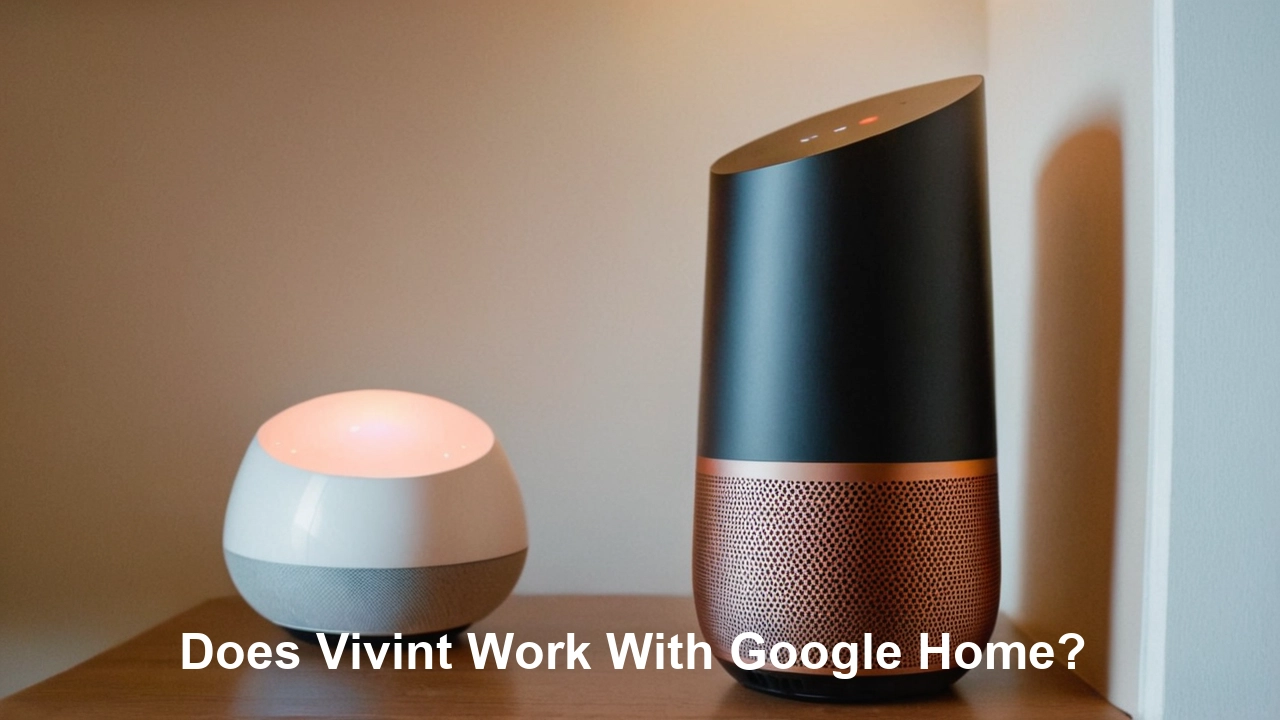
Vivint's integration with Google Home is facilitated through Google Assistant, Google's AI-powered virtual assistant. When you link your Vivint account to your Google account, you enable Google Assistant to send commands to your Vivint system and receive status updates from it. This means you can arm or disarm your system, check the status of sensors, and even control connected smart devices like lights and thermostats, all using simple voice prompts directed at your Google Home devices (such as Google Nest Hub, Google Nest Mini, or your smartphone with Google Assistant enabled).
Key Compatibility Aspects
- Voice Control: The primary benefit is hands-free control of your Vivint system. You can say things like "Hey Google, arm Vivint to Away" or "Hey Google, is the front door locked?"
- Device Integration: Beyond security, if you have other smart devices compatible with Google Home (e.g., Philips Hue lights, Nest thermostats), you can often control them through Vivint's app or through Google Assistant, creating a unified control panel.
- Automation and Routines: This integration is crucial for building complex smart home routines. For example, you can create a "Good Morning" routine that disarms Vivint, turns on your lights, and adjusts the thermostat, all triggered by a single voice command or a scheduled time.
- Security and Privacy: Vivint prioritizes security, and its integration with Google Home adheres to robust security protocols. Data transmission between the two platforms is encrypted, ensuring your personal information and home security data remain protected.
What Vivint Devices are Compatible?
Generally, most core Vivint security components and connected smart home devices within the Vivint ecosystem are designed to be compatible with Google Home. This typically includes:
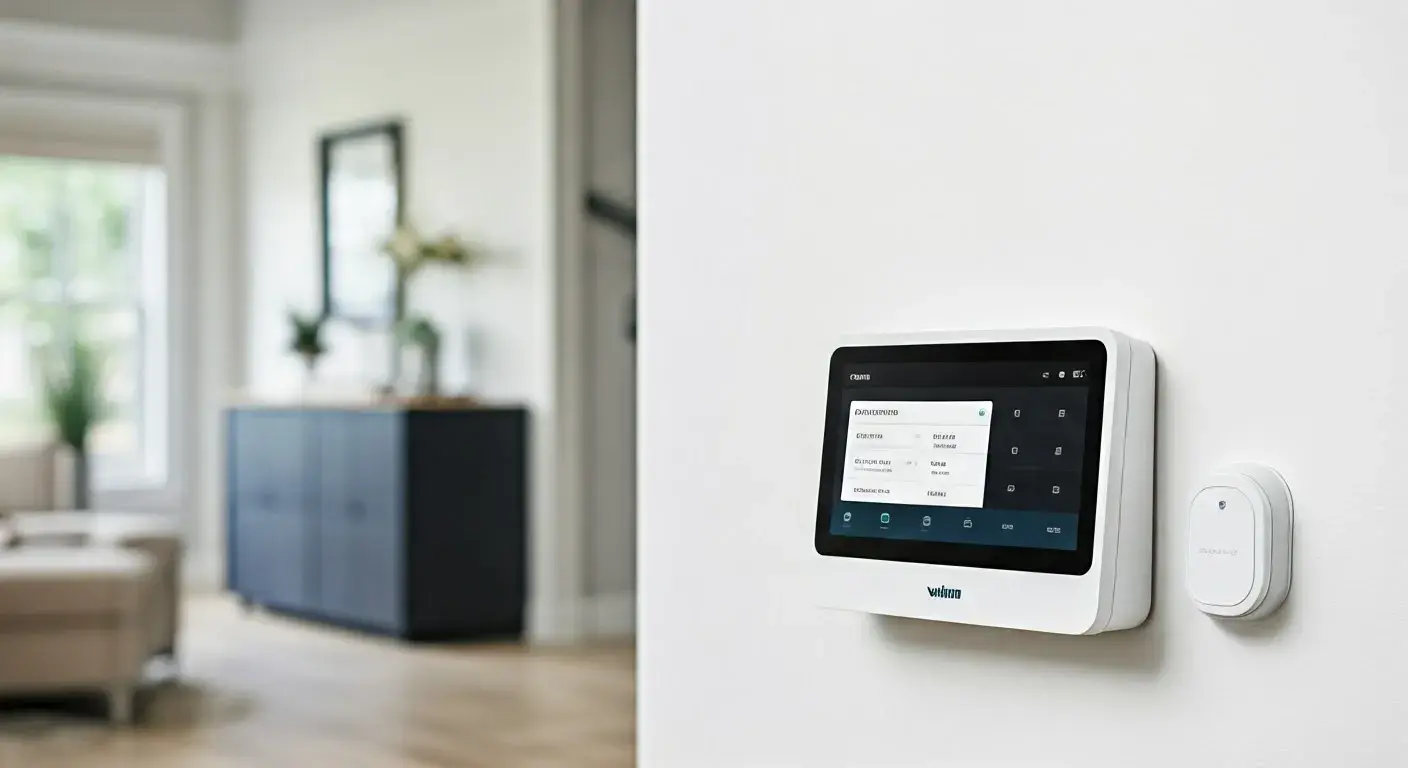
- Vivint Smart Hub/Panel: The central control unit for your system.
- Door/Window Sensors: Allows you to check their status.
- Motion Detectors: Provides status updates.
- Smart Locks: Lock or unlock doors via voice (with appropriate security measures).
- Vivint Cameras: View live feeds on compatible Google Nest Hub displays.
- Smart Thermostats: Adjust temperature settings.
- Smart Lighting: Control lights connected through Vivint.
It's important to note that while Vivint offers a broad range of compatible devices, specific functionalities might depend on your Vivint service plan and the specific models of your devices. For the most up-to-date information, consulting Vivint's official support documentation or contacting their customer service is recommended.
Limitations to Consider
While the integration is robust, there are some nuances:
- Disarming Security: For security reasons, disarming the Vivint system via Google Assistant typically requires a spoken PIN code to prevent unauthorized access. This is a critical security feature.
- Advanced System Settings: Complex system configurations or troubleshooting specific to the Vivint panel itself are usually best handled through the Vivint app or by contacting Vivint support directly, rather than through Google Assistant.
- Third-Party Device Support: While Vivint integrates with Google Home, the extent to which other third-party devices can be controlled *through* Vivint and then *via* Google Home can vary. The primary path for control is usually Vivint to Google Home, or independent devices to Google Home.
In 2025, the synergy between Vivint and Google Home continues to evolve, offering homeowners a powerful and convenient way to manage their entire smart home environment from a single point of interaction.
Connecting Vivint to Google Home: A Step-by-Step Guide
Linking your Vivint security system to your Google Home ecosystem is a straightforward process designed to be user-friendly. This guide will walk you through the necessary steps to enable voice control and smart home automation between your Vivint system and Google Assistant.
Prerequisites
Before you begin, ensure you have the following:
- A functioning Vivint security system, properly installed and configured.
- A Vivint account with login credentials.
- A Google account.
- A Google Home device (e.g., Google Nest Hub, Google Nest Mini) or the Google Assistant app on your smartphone, set up and connected to your Wi-Fi network.
- Your Vivint security PIN code (required for certain voice commands like disarming).
Step-by-Step Connection Process
- Open the Google Home App: Launch the Google Home app on your smartphone or tablet.
- Navigate to "Add Device": Tap the '+' icon, usually located in the top-left corner of the app's home screen.
- Select "Works with Google": From the options presented, choose "Set up device" and then select "Works with Google." This section lists all compatible services and devices that can be linked to your Google Assistant.
- Search for Vivint: In the search bar at the top of the "Works with Google" screen, type "Vivint" and select it from the search results.
- Link Your Vivint Account: You will be prompted to log in to your Vivint account. Enter your Vivint username and password. This authorizes Google Assistant to access and control your Vivint system.
- Authorize Access: After successfully logging in, you will likely see a screen asking you to authorize Google to access your Vivint account. Review the permissions and tap "Allow" or "Authorize."
- Assign Devices to Rooms: Once linked, the Google Home app will discover the devices associated with your Vivint account. You will be prompted to assign these devices to specific rooms in your home (e.g., "Front Door Sensor" to "Entryway," "Vivint Panel" to "Living Room"). This helps Google Assistant understand context and respond more accurately to your commands.
- Set Up Security PIN (for Disarming): For security purposes, disarming your Vivint system via voice command requires a PIN. The Google Home app will guide you through setting up a voice-activated PIN for this specific action. You will need to say your PIN when prompted by Google Assistant to disarm the system.
Verifying the Connection
After completing the steps, it's crucial to verify that the integration is working correctly.
- Test Basic Commands: Try simple voice commands like:
- "Hey Google, what's the status of my Vivint system?"
- "Hey Google, arm Vivint to Stay."
- "Hey Google, turn on the living room lights" (if you have Vivint-controlled lights).
- Check Device List: In the Google Home app, navigate to the "Devices" tab. You should see your Vivint system and its connected devices listed, categorized by room.
- Test Disarming (with PIN): When ready, try disarming your system. Say, "Hey Google, disarm Vivint." You should be prompted to say your security PIN. Ensure you have the system in "Away" or "Stay" mode before testing this.
Troubleshooting Initial Setup
If you encounter issues:
- Double-Check Credentials: Ensure you are using the correct Vivint username and password.
- Verify Internet Connection: Both your Google Home device and your Vivint system (if connected via Wi-Fi) need a stable internet connection.
- Restart Devices: Sometimes, simply restarting your Google Home device and your smartphone can resolve connectivity glitches.
- Unlink and Relink: If problems persist, try unlinking Vivint from your Google Home app and then relinking it following the steps above.
- Vivint Support: For persistent issues related to your Vivint account or system, contact Vivint customer support.
By following these steps, you can successfully integrate your Vivint security system with Google Home, paving the way for enhanced convenience and control over your smart home environment in 2025.
Unlocking Features: What Can You Do with Vivint and Google Home?
The integration of Vivint with Google Home goes far beyond basic arming and disarming. It unlocks a suite of features that can significantly enhance your daily life, providing convenience, security, and automation. By leveraging the power of Google Assistant, you can interact with your Vivint system and other connected smart devices in intuitive and powerful ways.
Core Security Control via Voice
The most fundamental benefit is the ability to control your Vivint security system using only your voice. This is particularly useful when your hands are full or when you're across the room.
- Arming the System:
- "Hey Google, arm Vivint to Stay." (Engages perimeter sensors and delays for entry points).
- "Hey Google, arm Vivint to Away." (Engages all sensors).
- Disarming the System:
- "Hey Google, disarm Vivint." (Requires spoken security PIN for safety).
- Checking System Status:
- "Hey Google, is Vivint armed?"
- "Hey Google, what's the status of my Vivint system?"
- Controlling Connected Locks:
- "Hey Google, lock the front door."
- "Hey Google, is the back door locked?" (Note: Unlocking doors via voice typically requires additional security measures or may be restricted for safety).
Smart Home Device Integration
Vivint systems often include or integrate with various smart home devices. When linked to Google Home, these devices can be controlled through Google Assistant, often with context from your security system.
- Lighting Control:
- "Hey Google, turn on the porch lights."
- "Hey Google, dim the living room lights to 50%."
- You can also trigger lights based on security events (e.g., lights turn on when motion is detected outside).
- Thermostat Management:
- "Hey Google, set the thermostat to 72 degrees."
- "Hey Google, what's the temperature inside?"
- You can create schedules or automate temperature changes based on whether the system is armed or disarmed.
- Smart Plugs and Switches: Control other appliances or devices connected through smart plugs.
Vivint Camera Integration with Google Nest Displays
One of the most visually impressive features is the ability to view live feeds from your Vivint security cameras directly on compatible Google Nest Hub displays.
- Viewing Live Feeds:
- "Hey Google, show me the front door camera."
- "Hey Google, show me the backyard camera."
- Camera Status:
- "Hey Google, is the garage camera recording?"
Notifications and Alerts
While direct notifications from Vivint are managed through the Vivint app, Google Assistant can relay certain alerts or provide status updates when queried. For critical alerts, the Vivint app remains the primary and most immediate notification channel.
Geofencing and Location-Based Automation
By using the location services on your smartphone (linked to your Google account), you can create powerful geofencing automations. For example:
- Automatic Arming/Disarming: When you leave home (your phone leaves a predefined radius), Google Assistant can trigger Vivint to arm to "Away." Conversely, when you arrive home, it can disarm the system. This requires careful setup and understanding of how your phone's location services interact with Google Assistant.
Integration with Other Smart Home Platforms
While this guide focuses on Google Home, it's worth noting that Vivint also integrates with other platforms like Amazon Alexa. The core principle remains the same: enabling voice control and automation across different devices and services.
Security Considerations for Voice Control
Vivint and Google have implemented robust security measures for this integration:
- PIN for Disarming: As mentioned, disarming requires a spoken PIN, which is a crucial layer of security.
- Limited Command Scope: Certain highly sensitive commands might be restricted or require additional verification.
- Account Security: Ensuring your Vivint and Google accounts are secured with strong, unique passwords and two-factor authentication is paramount.
In 2025, the capabilities of this integration continue to expand, offering homeowners an increasingly sophisticated and personalized smart home experience. By understanding these features, you can tailor your Vivint and Google Home setup to meet your specific needs for security, convenience, and automation.
Advanced Automations: Creating Powerful Routines
The true power of integrating Vivint with Google Home lies in its ability to create sophisticated automations and routines. These are sequences of actions that can be triggered by a single voice command, a specific time, or even based on the status of your security system or other smart devices. By crafting custom routines, you can make your smart home work for you in incredibly efficient and personalized ways.
Understanding Google Home Routines
Google Home Routines are pre-programmed sequences of actions. You can create them within the Google Home app. They consist of two main parts:
- Starter: What triggers the routine. This can be a voice command, a specific time, sunrise/sunset, or when a device changes state (e.g., a sensor is triggered, though this is less common for direct Vivint triggers within Google routines compared to Vivint's own app).
- Action(s): What happens when the starter is activated. This can include controlling lights, thermostats, playing music, getting information, and importantly, interacting with your Vivint system.
Examples of Advanced Routines with Vivint
1. "Good Morning" Routine
This is a classic routine designed to start your day smoothly.
- Starter: Voice command: "Hey Google, good morning."
- Actions:
- Disarm Vivint system (requires PIN).
- "Okay Google, tell Vivint to disarm." (Followed by your PIN).
- "Hey Google, set the thermostat to 72 degrees."
- "Hey Google, turn on the kitchen lights."
- "Hey Google, play the news on Spotify."
- "Hey Google, what's the weather today?"
2. "Good Night" Routine
Prepare your home for a secure and restful night.
- Starter: Voice command: "Hey Google, good night."
- Actions:
- Arm Vivint system to "Stay."
- "Okay Google, tell Vivint to arm to Stay."
- "Hey Google, turn off all the lights."
- "Hey Google, lock the front door."
- "Hey Google, set the thermostat to 68 degrees."
3. "Away" Routine (When Leaving Home)
Ensure your home is secured when you depart.
- Starter: Voice command: "Hey Google, I'm leaving."
- Actions:
- Arm Vivint system to "Away."
- "Okay Google, tell Vivint to arm to Away."
- "Hey Google, turn off all lights."
- "Hey Google, turn off the living room TV."
- (Optional Geofencing Trigger): If set up, this routine could also be triggered automatically when your phone leaves a designated home area.
4. "Movie Time" Routine
Create the perfect ambiance for watching a film.
- Starter: Voice command: "Hey Google, it's movie time."
- Actions:
- "Hey Google, dim the living room lights to 20%."
- "Hey Google, turn off the kitchen lights."
- "Hey Google, close the smart blinds." (If you have compatible smart blinds).
5. Security-Triggered Automations (Indirectly via Google Home)
While Vivint's own app is superior for direct security event triggers, you can create some indirect automations through Google Home by leveraging the status of devices that *are* controllable via Google Home.
- Example: If you have Vivint-controlled lights and motion sensors that can be exposed to Google Home, you could create a routine where if motion is detected outside after sunset, the exterior lights turn on.
- Starter: Motion detected by an external Vivint motion sensor (if exposed to Google Home).
- Action: "Hey Google, turn on the backyard floodlights."
Note: The direct integration of Vivint's *internal* sensor triggers (like a door opening) into Google Home routines is limited. For complex security-based automations (e.g., "if window opens while armed, sound alarm and turn on all lights"), you would typically configure these within the Vivint app itself.
Setting Up a Custom Routine in the Google Home App
- Open the Google Home app.
- Tap on "Automations" (or "Routines" in older versions) at the bottom.
- Tap the "+" button to create a new routine.
- Choose a starter (e.g., "Voice command," "Time," "Sunrise/Sunset").
- Add your desired actions. Search for "Vivint" to find commands related to your security system (arm, disarm, lock, unlock, status). You can also add actions for lights, thermostats, media, etc.
- Save the routine.
Tips for Effective Routines
- Keep it Simple: Start with a few actions per routine. Too many can make it slow or prone to errors.
- Use Clear Voice Commands: Choose phrases that are easy to remember and say.
- Test Thoroughly: After creating a routine, test it multiple times to ensure all actions fire as expected.
- Consider Dependencies: If one action relies on another (e.g., turning off lights before arming), ensure the order is correct.
- Leverage Vivint's Strengths: Remember that Vivint's own app is often the best place for complex security-specific rules. Use Google Home for convenience and cross-device automation.
By mastering the creation of advanced routines, you can transform your Vivint system and Google Home into a truly intelligent and responsive smart home environment in 2025, simplifying your life and enhancing your security.
Troubleshooting Common Issues
While the Vivint and Google Home integration is generally reliable, users may occasionally encounter issues. This section provides solutions to common problems, helping you maintain a seamless smart home experience.
Issue 1: Google Assistant Cannot Control Vivint Devices
Symptoms:
- "Sorry, I couldn't reach Vivint."
- Commands like "Arm Vivint" or "Lock the door" fail.
- Vivint devices are not showing up in the Google Home app.
Solutions:
- Check Account Linking:
- Open the Google Home app.
- Tap your profile picture (top right).
- Tap "Assistant settings."
- Scroll down and tap "Home control."
- Under "Linked," find Vivint. If it's not there, tap "Add" and follow the linking process again.
- If Vivint is listed, tap it and select "Unlink account," then relink.
- Verify Vivint Credentials: Ensure you are using the correct username and password for your Vivint account when linking.
- Check Internet Connection: Both your Google Home device and your Vivint system need a stable internet connection. Restart your router and modem if necessary.
- Vivint System Status: Ensure your Vivint system is online and functioning correctly. Check the Vivint app or panel for any system alerts or connectivity issues.
- Google Assistant Update: Make sure your Google Home app and Google Assistant are updated to the latest version.
Issue 2: Voice Commands for Disarming Fail or Require PIN Repeatedly
Symptoms:
- "Hey Google, disarm Vivint" doesn't work.
- Google Assistant doesn't prompt for the PIN.
- The PIN is rejected.
Solutions:
- Correct PIN Entry: Ensure you are speaking the PIN clearly and that your Google Assistant device can hear you properly.
- PIN Setup in Google Home:
- Open the Google Home app.
- Tap your profile picture.
- Tap "Assistant settings."
- Scroll down and tap "Home control."
- Tap on Vivint.
- Look for an option to manage the security PIN or re-enter it.
- Re-sync Devices: Sometimes, re-syncing devices can help. In the Google Home app, go to "Home control," tap the three dots (menu), and select "Sync devices."
- Vivint App Settings: Check if there are any specific security settings within the Vivint app that might affect voice disarming (though this is less common).
Issue 3: Vivint Cameras Not Displaying on Google Nest Hub
Symptoms:
- "Hey Google, show me the front door camera" results in an error or no video.
- Camera feed is black or frozen.
Solutions:
- Camera Compatibility: Ensure your specific Vivint camera models are compatible with Google Nest Hub display integration. Check Vivint's documentation.
- Camera Online Status: Verify that the camera is online and has a strong Wi-Fi signal. Check the Vivint app for camera status.
- Network Bandwidth: Streaming video requires sufficient bandwidth. If your internet is slow, it might cause issues.
- Re-link Account: As with other device control issues, unlinking and relinking your Vivint account in the Google Home app can often resolve camera display problems.
- Restart Camera and Hub: Power cycle your Vivint camera and your Google Nest Hub.
Issue 4: Routines Not Executing Correctly
Symptoms:
- "Good Morning" routine doesn't disarm Vivint.
- Lights don't turn on as expected.
Solutions:
- Check Routine Setup:
- Open the Google Home app and go to "Automations" (or "Routines").
- Edit the problematic routine.
- Verify the starter is correctly configured.
- Check that all actions are added and in the correct order.
- Ensure the actions for Vivint are correctly selected (e.g., "Arm to Stay," not "Arm to Away").
- Device Names: Make sure the device names in your routine match the names in your Google Home app exactly (e.g., "Living Room Lights" vs. "Living Room Lamp").
- Individual Device Control: Test controlling each device within the routine individually using voice commands to ensure they are working outside of the routine.
- Permissions: Ensure Vivint has been granted all necessary permissions to perform the actions within the routine.
Issue 5: Slow Response Times
Symptoms:
- There's a noticeable delay between your voice command and the action.
Solutions:
- Internet Speed: A slow or unstable internet connection is the most common cause of delays. Test your internet speed.
- Network Congestion: If many devices are using your Wi-Fi simultaneously, it can cause congestion.
- Distance from Google Home Device: Ensure you are within a reasonable range of your Google Home device.
- Server Load: Occasionally, delays can be due to high server load on Google's or Vivint's end.
General Troubleshooting Advice
- Restart Everything: Often, a simple restart of your Google Home devices, your smartphone, and your Vivint system can resolve temporary glitches.
- Keep Apps Updated: Ensure both the Google Home app and the Vivint app are always updated to their latest versions.
- Consult Support: If you've tried these steps and are still experiencing issues, don't hesitate to contact Vivint customer support or Google Nest support for further assistance.
By systematically addressing these common issues, you can ensure your Vivint and Google Home integration remains a powerful and reliable tool for your smart home in 2025.
Vivint vs. Other Smart Home Integrations
When considering a smart home security system like Vivint, its integration capabilities with voice assistants and other platforms are crucial. While Vivint offers robust integration with Google Home, it's beneficial to understand how this compares to its compatibility with other ecosystems, such as Amazon Alexa, and to consider the broader smart home landscape.
Vivint and Google Home: The Strengths
As detailed throughout this guide, the Vivint-Google Home integration offers:
- Seamless Voice Control: Intuitive commands for security, lighting, and climate.
- Camera Feed Display: Live video streaming to Google Nest Hubs.
- Routine Creation: Powerful automation possibilities for daily tasks.
- Device Ecosystem: Leverages Google's extensive range of smart home devices.
Vivint and Amazon Alexa: A Comparison
Vivint also integrates with Amazon Alexa, providing a similar set of functionalities:
- Voice Control: Alexa can arm/disarm Vivint systems, check status, and control connected devices.
- Device Control: Alexa can manage Vivint-connected lights, thermostats, and locks.
- Routines: Alexa allows for the creation of routines that include Vivint actions.
Key Differences/Considerations:
- Camera Integration: While Alexa can control Vivint devices, the direct display of Vivint camera feeds on Amazon Echo Show devices might have different implementation details or limitations compared to Google Nest Hubs. Google's integration with its own hardware is often more tightly coupled.
- User Preference: The choice between Google Home and Alexa often comes down to personal preference and which ecosystem you are already invested in. If you primarily use Google services (Gmail, Calendar, etc.), the Google Home integration might feel more natural. If you are an Amazon Prime user and heavily use Amazon services, Alexa might be preferred.
- Routine Complexity: Both platforms offer robust routine creation, but the specific user interface and advanced options can differ.
Vivint's Standalone Smart Home Capabilities
It's important to remember that Vivint is not just a security system that relies on third-party integrations. It offers its own comprehensive suite of smart home features:
- Vivint App: The central hub for controlling all aspects of your security and smart home devices, offering advanced customization and automation that might not be fully replicable through Google Home or Alexa alone.
- Vivint Smart Hub: The physical panel provides direct control and often serves as the brain for many automations.
- Professional Monitoring: Vivint's core offering includes 24/7 professional monitoring, a significant advantage over many DIY smart home setups.
- Vivint Devices: Vivint offers its own branded smart locks, thermostats, cameras, and lighting controls, which are designed to work seamlessly within its ecosystem.
Comparing Vivint's Ecosystem to Others (2025 Perspective)
In 2025, the smart home market is highly competitive. Here's how Vivint's integration strategy stacks up:
- DIY Systems (e.g., Ring, SimpliSafe): These systems also offer integrations with Google Home and Alexa. Vivint often differentiates itself with its professional installation, 24/7 monitoring, and a more integrated, premium hardware experience. However, DIY systems can sometimes offer more flexibility in choosing third-party devices.
- Platform-Centric Ecosystems (e.g., Apple HomeKit): Apple's HomeKit focuses on privacy and security, requiring devices to meet strict standards. Vivint's integration with HomeKit is generally less direct or may require specific bridges. If HomeKit is your primary ecosystem, you might find other security systems offer deeper integration.
- Smart Home Hubs (e.g., SmartThings, Hubitat): These hubs offer a high degree of customization and can integrate a vast array of devices from different brands, often with more advanced local control. Vivint's integration with these is typically through cloud-to-cloud connections, which might be less robust than direct Z-Wave/Zigbee control offered by dedicated hubs.
Choosing the Right Integration for You
Your decision should be based on:
- Existing Ecosystem: Are you already heavily invested in Google Assistant or Amazon Alexa?
- Primary Needs: Is security paramount, or is convenience and automation the main driver? Vivint excels in security with smart home features as a strong add-on.
- Budget: Vivint is a premium service with professional installation and monitoring costs, whereas many DIY systems and voice assistant integrations are more budget-friendly.
- Desired Level of Control: Do you prefer the simplicity of voice commands via Google/Alexa, or the granular control offered by a dedicated app like Vivint's, or advanced hubs?
In summary, Vivint's integration with Google Home is a significant strength, offering a powerful and convenient way to manage your home. While it competes with Alexa and other platforms, its primary differentiator remains its robust, professionally managed security system that is enhanced by these smart home connections. For users prioritizing security and a cohesive experience, Vivint with Google Home provides an excellent solution in 2025.
The Future of Vivint and Google Home Integration
The evolution of smart home technology is relentless, and the integration between Vivint and Google Home is no exception. As both Vivint and Google continue to innovate, we can anticipate several exciting developments that will further enhance the capabilities and user experience of this powerful combination.
Enhanced AI and Machine Learning
Google Assistant is powered by advanced AI, and Vivint is increasingly leveraging machine learning for its security analytics. Future integrations could see:
- Smarter Security Alerts: AI could help Vivint differentiate between genuine threats and false alarms more effectively, with Google Assistant relaying more nuanced alerts. For instance, identifying specific types of motion (person vs. pet vs. vehicle) and providing context-driven notifications.
- Predictive Automation: The combined AI could learn your habits and proactively suggest or initiate actions. Imagine your home automatically adjusting lighting and temperature based on your typical schedule and the weather forecast, all managed through Vivint's understanding of your presence and Google's contextual awareness.
- Natural Language Understanding: Google Assistant's natural language processing will continue to improve, allowing for more conversational and complex commands directed at the Vivint system. You might be able to say, "Hey Google, if I'm not home and the garage door opens, arm the house and send me an alert," with greater reliability.
Deeper Integration with Google's Ecosystem
Google is constantly expanding its suite of smart home products and services. Future integrations could include:
- Chromecast and Android TV: Potential for security alerts or camera feeds to be displayed on Chromecast-enabled devices or Android TVs, extending the reach beyond Nest Hubs.
- Google Pixel Devices: Tighter integration with Pixel phones, perhaps offering enhanced security features or quicker access to Vivint controls directly from the device's interface.
- Google Workspace: For businesses using Vivint, potential integration with Google Workspace could streamline office security management.
Expanded Device Support and Functionality
As Vivint introduces new smart home devices, their compatibility with Google Home is likely to be a priority. We might see:
- More Granular Control: Beyond simple on/off or arm/disarm, future updates could allow for more detailed control of specific Vivint features via voice.
- New Device Categories: As Vivint expands into new smart home categories (e.g., advanced environmental sensors, smart appliances), their integration with Google Home will likely follow.
- Matter Protocol Support: The Matter smart home standard aims to unify device communication. If Vivint adopts Matter, it could lead to even more seamless interoperability with Google Home and a wider range of devices. This would simplify setup and enhance reliability.
Enhanced Security and Privacy Features
With increasing concerns about data privacy, both companies are likely to focus on strengthening security protocols.
- Improved Encryption: Data transmitted between Vivint and Google will likely feature even more robust encryption methods.
- User Control Over Data: Greater transparency and control for users regarding how their data is used and shared between platforms.
- Advanced Authentication: Potential for multi-factor authentication for critical actions, even beyond the PIN for disarming.
Proactive Maintenance and Support
The integration could become more sophisticated in self-diagnosing and resolving issues.
- Automated Troubleshooting: Google Assistant might be able to proactively identify connection issues between Vivint and Google Home and suggest troubleshooting steps, or even attempt to resolve them automatically.
- Predictive Maintenance: Vivint systems, informed by data and potentially shared insights with Google, could predict potential hardware failures or connectivity problems before they occur.
The Role of Vivint's Professional Services
While Google Home provides the interface and automation engine, Vivint's core value proposition of professional installation, monitoring, and support will remain critical. Future integrations will likely focus on making these services even more accessible and responsive through the Google Assistant platform, without compromising the security and reliability that Vivint is known for.
In conclusion, the future of Vivint and Google Home integration is bright. We can expect a more intelligent, intuitive, and secure smart home experience, driven by advancements in AI, expanded device support, and a continued commitment to user privacy and convenience. Homeowners can look forward to a truly seamless interaction between their security system and their digital assistant, making their homes safer, smarter, and more responsive than ever before.
Conclusion: Embracing a Smarter Home
The question "Does Vivint work with Google Home?" is definitively answered with a resounding yes. This integration represents a significant leap forward for homeowners seeking a unified and intelligent smart home experience. By seamlessly connecting your Vivint security system with Google Assistant, you unlock a powerful combination of advanced security, unparalleled convenience, and sophisticated automation. From hands-free arming and disarming to viewing camera feeds on your Nest Hub and crafting personalized routines, the possibilities are extensive and continually growing.
In 2025, this synergy is more relevant than ever. It allows you to manage your home's safety and comfort through simple voice commands, creating an environment that is both secure and effortlessly responsive to your needs. Whether you're starting your day with a "Good Morning" routine that disarms your system and brews your coffee, or ensuring your home is protected with a "Good Night" command, the integration simplifies daily life.
While the setup is straightforward, the potential for advanced automation is vast. By leveraging Google Home routines, you can tailor your smart home to your unique lifestyle, making mundane tasks automated and your home more efficient. Furthermore, Vivint's commitment to security and professional monitoring, combined with Google's intelligent assistant, provides a robust and reliable solution for modern living.
We encourage you to explore this integration fully. Link your accounts, experiment with routines, and discover how Vivint and Google Home can work together to create a smarter, safer, and more convenient home. Embrace the future of connected living – it's now more accessible and powerful than ever before.