Door Locks for Apartments Ensuring Safety and Security in Your Living Space
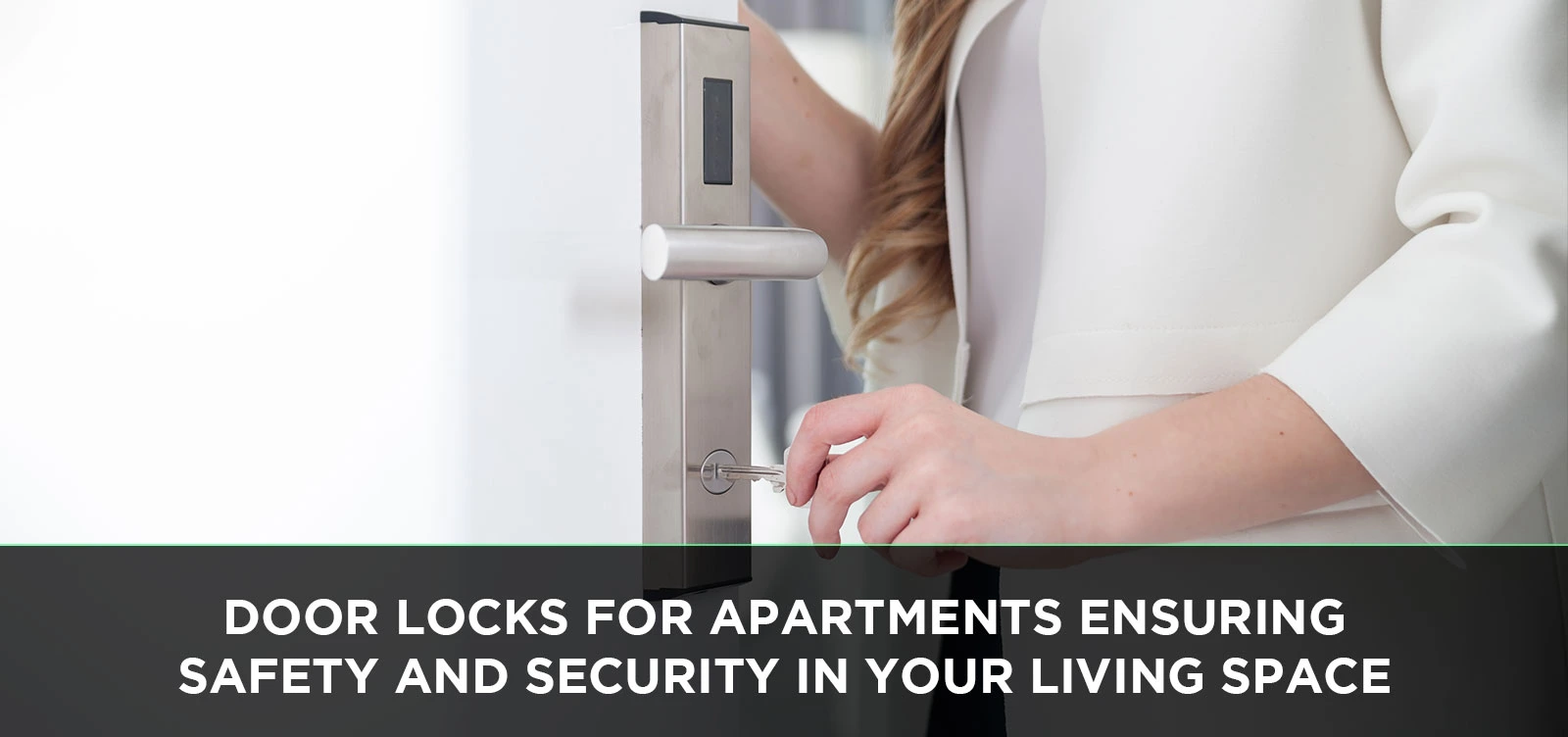
Securing your apartment is paramount for peace of mind. This guide explores essential door locks for apartments, offering comprehensive solutions to enhance safety and security in your living space. Discover the best options to protect your home and belongings.
Understanding Apartment Security Challenges
Apartment living presents unique security considerations that differ significantly from single-family homes. While landlords and property managers are responsible for the overall building security, individual residents must take proactive steps to secure their personal living space. The primary concern for apartment dwellers is the potential for unauthorized entry, whether through forced means or by individuals who may have gained access to building common areas. Statistics from the FBI's Uniform Crime Reporting (UCR) Program for 2023 indicate that property crimes, including burglary, remain a significant issue, with a portion of these incidents occurring in multi-unit dwellings. In 2025-26, it's projected that these trends will continue, making robust personal security measures more critical than ever.
Several factors contribute to the specific security challenges in apartments:
- Proximity to Neighbors: While community can be a benefit, it also means a higher volume of people in close proximity, increasing the potential for opportunistic crime.
- Shared Entry Points: Apartment buildings often have shared main entrances, which can be vulnerable if not properly secured or monitored.
- Limited Control Over Building Access: Residents typically have no control over who enters the main building, making the security of their individual unit paramount.
- Potential for Lock Tampering: In some cases, existing locks might be older or less secure, making them easier targets for skilled burglars.
- Lease Agreements: Many lease agreements restrict modifications to the door or existing hardware, which can limit the types of security upgrades a tenant can implement.
Addressing these challenges requires a layered approach, focusing on enhancing the security of the individual apartment door. This involves understanding the types of locks available, their strengths and weaknesses, and how they can be integrated to create a secure living environment. The goal is to deter potential intruders and provide a safe sanctuary for residents and their belongings.
Types of Door Locks for Apartments
When considering door locks for apartments, it's essential to understand the different types available and their respective benefits. The choice of lock can significantly impact your sense of security. For apartment dwellers, the focus is often on enhancing the existing lock mechanisms or adding secondary security measures that are permissible under lease agreements. Here’s a breakdown of common and effective door lock types for apartment use:
Standard Door Knobs with Integrated Locks
These are the most common types of locks found on apartment doors. They consist of a doorknob with a built-in cylinder lock. While convenient for everyday use, the security offered by standard doorknob locks can vary greatly. Many older or builder-grade models are susceptible to picking or bumping. For enhanced security, look for models with a longer deadbolt throw and a reinforced strike plate.
Deadbolts
A deadbolt is considered the gold standard for door security. Unlike spring latches found in doorknobs, deadbolts use a solid metal bolt that extends deep into the door frame, making them highly resistant to forced entry. There are several types of deadbolts:
- Single-Cylinder Deadbolts: Operated by a key on the outside and a thumb-turn on the inside. These are common and offer good security.
- Double-Cylinder Deadbolts: Operated by a key on both the outside and inside. While offering maximum security against forced entry, they can pose a fire hazard if a key is not readily accessible in an emergency.
- Keyless Deadbolts: These can be either electronic or mechanical and offer entry without a traditional key, often using a keypad or touchscreen.
For apartment security, a single-cylinder deadbolt is usually the most practical and secure option, provided it's installed correctly and is of good quality. Many landlords will allow tenants to upgrade to a higher-security deadbolt, or even install one, as long as the original hardware is kept and can be reinstalled upon moving out.
Smart Locks
Smart locks are revolutionizing home security by offering advanced features and connectivity. These locks can be controlled via a smartphone app, voice commands, or even through smart home hubs. They eliminate the need for physical keys and offer features like remote locking/unlocking, activity logs, and temporary access codes for guests.
Key advantages of smart locks for apartments include:
- Keyless Entry: No more fumbling for keys.
- Remote Access: Lock or unlock your door from anywhere.
- Activity Monitoring: Track who enters and when.
- Guest Access: Grant temporary access to friends, family, or service providers.
- Integration with Smart Home Systems: Enhance overall home automation and security.
While smart locks offer significant convenience and security benefits, it's crucial to choose reputable brands and ensure a stable Wi-Fi connection. The cost can be higher than traditional locks, and installation might require specific door preparations. For apartment dwellers, a smart lock that can be installed without altering the door frame significantly is ideal.
Chain Locks and Slide Bolts
These are typically secondary locks, often found on the interior of apartment doors. Chain locks allow the door to be opened slightly for identification or to receive packages while maintaining a barrier. Slide bolts offer a simple, mechanical way to secure the door from the inside. While they provide an extra layer of security, they are not a substitute for a robust primary lock like a deadbolt.
Mortise Locks
Mortise locks are built into a pocket (mortise) cut into the edge of the door. They are known for their durability and security, often featuring a heavy-duty deadbolt and a latch. These are less common in standard apartment doors but are found in some higher-end or older buildings. If your apartment has a mortise lock, ensure it's in good working order.
When selecting a lock for your apartment, consider your lease agreement, the existing door hardware, and your personal security needs. Prioritizing a strong deadbolt and exploring smart lock options can significantly enhance your living space's safety.
Smart Locks for Apartments: The Future of Security
Smart locks represent a significant leap forward in home security technology, offering unparalleled convenience and advanced features that are particularly beneficial for apartment dwellers. In 2025-26, smart lock adoption continues to surge as consumers seek more integrated and accessible security solutions. These devices move beyond traditional mechanical tumblers, incorporating electronic components that allow for remote control, keyless entry, and sophisticated access management.
How Smart Locks Enhance Apartment Security
The primary advantage of smart locks for apartment residents is the ability to manage access remotely and eliminate the reliance on physical keys, which can be lost, stolen, or duplicated. Here’s how they contribute to a safer living space:
- Keyless Entry Options: Most smart locks offer multiple ways to unlock your door without a physical key. This includes PIN codes entered via a keypad, fingerprint scans, smartphone apps (via Bluetooth or Wi-Fi), and even voice commands through integrated smart assistants. This convenience is invaluable when your hands are full or you’ve misplaced your keys.
- Remote Control and Monitoring: Through a dedicated smartphone app, you can lock or unlock your apartment door from anywhere in the world, provided you have an internet connection. This is incredibly useful if you forget to lock your door, need to grant access to a trusted friend or family member while you’re away, or want to let in a repair person. Many smart locks also provide activity logs, showing you who entered and when, offering an extra layer of accountability and peace of mind.
- Guest Access Management: Smart locks excel at providing temporary or scheduled access. You can create unique PIN codes for guests, dog walkers, or cleaners that are only valid during specific times or for a limited duration. This eliminates the need to hand over a physical key, reducing the risk of unauthorized duplication.
- Enhanced Security Features: Many smart locks incorporate advanced security protocols, such as encryption for wireless communication, to prevent hacking. Some models also feature tamper alerts that notify your smartphone if someone attempts to force the lock.
- Integration with Smart Home Ecosystems: For those with existing smart home setups, smart locks can seamlessly integrate with systems like Amazon Alexa, Google Assistant, or Apple HomeKit. This allows for voice control of your locks and can trigger other smart devices, such as turning on lights when the door is unlocked.
Types of Smart Locks Suitable for Apartments
When choosing a smart lock for an apartment, consider ease of installation and compatibility with existing door hardware. Many smart locks are designed to replace existing deadbolts without requiring significant modifications to the door or frame, making them tenant-friendly.
- Smart Deadbolts: These are the most common type and directly replace your existing deadbolt. They often retain the interior thumb-turn for manual operation, which is important for emergency egress.
- Smart Door Knob Locks: Some smart locks integrate into the doorknob itself, offering a more compact solution.
- Retrofit Smart Locks: These devices attach to the interior side of your existing deadbolt, leaving the exterior hardware untouched. They are excellent for renters as they require no permanent changes and can be easily removed when moving out.
Choosing the Right Smart Lock
When evaluating smart locks for your apartment, consider the following:
- Connectivity: Does it use Wi-Fi, Bluetooth, or Z-Wave/Zigbee? Wi-Fi allows for remote access without a hub, while Bluetooth requires you to be within range or use a separate bridge.
- Power Source: Most smart locks are battery-powered. Check the battery life and the ease of replacement. Many provide low-battery warnings.
- App Functionality: Is the accompanying app user-friendly and feature-rich? Does it offer the specific access management features you need?
- Security Certifications: Look for locks that meet industry security standards.
- Installation Requirements: Can it be installed on your existing door without major modifications?
- Brand Reputation: Opt for well-established brands known for reliability and customer support.
While smart locks offer advanced security, it's crucial to remember that they are part of a larger security strategy. Always maintain strong passwords for your Wi-Fi network and associated accounts, and keep the lock's firmware updated to ensure the latest security patches are applied. For 2025-26, smart locks are an indispensable tool for modern apartment security, blending cutting-edge technology with practical, everyday use.
Deadbolts: The Foundation of Apartment Security
When it comes to securing an apartment, the deadbolt lock stands as a cornerstone of protection. While other security measures can add layers of defense, a properly installed and high-quality deadbolt is non-negotiable for deterring forced entry. In 2025-26, the fundamental importance of deadbolts remains undisputed, even with the rise of smart technology. They provide a robust mechanical barrier that is difficult to overcome without significant force or specialized tools.
Why Deadbolts Are Essential
Unlike the spring-loaded latch found in most doorknobs, a deadbolt uses a solid metal bolt that extends into the strike plate on the door frame. This bolt is typically a cylindrical piece of metal, and when fully extended, it creates a strong connection between the door and the frame, making it resistant to kicking, prying, and other common forced entry methods. According to National Institute of Justice (NIJ) research, deadbolts significantly increase the time and effort required for a burglar to gain entry, often serving as a sufficient deterrent on their own.
Types of Deadbolts and Their Suitability for Apartments
For apartment dwellers, understanding the different types of deadbolts and their applications is crucial:
- Single-Cylinder Deadbolts: These are the most common and practical choice for apartments. They are operated by a key on the exterior and a thumb-turn on the interior. This allows for quick exit in case of emergency. The security comes from the bolt's throw length and the quality of the cylinder.
- Double-Cylinder Deadbolts: These require a key to operate from both the inside and the outside. While they offer maximum security against someone trying to break through the door by reaching through a window or glass panel to turn the thumb-turn, they can be a significant safety hazard in a fire. If a fire breaks out, and the key is not immediately accessible, occupants could be trapped. For this reason, double-cylinder deadbolts are often discouraged or prohibited in residential settings by fire codes.
- High-Security Deadbolts: These are designed with advanced features to resist picking, bumping, drilling, and picking. They often feature hardened steel bolts, complex internal mechanisms, and patented key systems. While more expensive, they offer superior protection.
Key Features of a Secure Deadbolt
When selecting or evaluating a deadbolt for your apartment, consider these critical features:
- ANSI/BHMA Grade: Look for locks certified by the American National Standards Institute (ANSI) and the Builders Hardware Manufacturers Association (BHMA). Grade 1 is the highest level of security and durability, followed by Grade 2 and Grade 3. For apartment doors, a Grade 1 or Grade 2 deadbolt is recommended.
- Bolt Throw Length: The bolt should extend at least one inch into the door frame. A longer throw provides a more secure connection.
- Reinforced Strike Plate: The strike plate is the metal piece on the door frame that the deadbolt enters. A standard strike plate is often only secured by short screws, making it easy to kick in. A high-security strike plate should be at least three inches long and secured with four-inch screws that go deep into the wall studs. This is a crucial upgrade for any apartment door.
- Cylinder Security: The lock cylinder is the part where the key is inserted. Look for cylinders that are resistant to picking and bumping. Some high-security cylinders have features like spool pins or sidebars that make them much harder to manipulate.
- Material and Construction: The deadbolt itself should be made of solid brass or hardened steel for maximum durability.
Installation Considerations for Apartment Deadbolts
One of the primary concerns for apartment dwellers is the ability to install or upgrade locks without violating their lease agreements. Many landlords are amenable to tenants installing a better quality deadbolt, provided the original hardware is kept and can be reinstalled upon moving out. It’s always best to discuss any planned modifications with your landlord or property manager beforehand.
If you are installing a new deadbolt, ensure it is properly aligned with the door frame and that the strike plate is securely fastened. For existing deadbolts, upgrading the strike plate with longer screws is often a simple and highly effective improvement that most landlords will permit.
In summary, a deadbolt is the most critical component of apartment door security. By understanding the different types, key features, and installation considerations, apartment residents can make informed decisions to significantly enhance the safety and security of their living space.
Beyond Locks: Other Apartment Security Enhancements
While a robust door lock is the primary defense for an apartment, a comprehensive security strategy involves layering additional measures. These enhancements can deter potential intruders, provide early warning, and increase your overall sense of safety. In 2025-26, integrating a few simple, cost-effective solutions can make a significant difference in protecting your home.
Reinforcing Your Door and Frame
Even the best lock is less effective if the door or frame is weak. Consider these upgrades:
- Reinforced Strike Plate: As mentioned previously, this is arguably the most critical upgrade after the deadbolt itself. Replacing a standard strike plate with a heavy-duty, three-inch plate secured by four-inch screws that anchor into the wall studs makes the door frame significantly more resistant to forced entry. This is a relatively inexpensive and often permissible modification for renters.
- Door Reinforcement Kits: These kits typically include a metal plate that reinforces the door edge and frame around the lock and deadbolt. They are designed to prevent the door from being kicked in. Some are designed for easy installation without permanent alterations.
- Door Viewers (Peepholes): A wide-angle peephole allows you to see who is at your door without opening it. If your apartment doesn't have one, consider installing a wide-angle door viewer, which can often be fitted without drilling through the main door structure.
Window Security
Windows, especially those on the ground floor or easily accessible balconies, can be vulnerable entry points. For apartments, consider:
- Window Locks: Ensure all windows have functioning locks. For added security, consider secondary window locks such as window bars (if permitted and aesthetically acceptable), window security film (which makes glass harder to break), or simple window wedges that prevent windows from being opened further.
- Sliding Window/Door Locks: For sliding doors or windows, a Charley bar or a secondary locking pin can prevent them from being forced open.
Alarm Systems and Monitoring
While full-scale alarm systems might be complex for renters, there are simpler, more portable options:
- Door/Window Alarms: These are small, battery-operated devices that adhere to doors or windows. When the contact is broken (i.e., the door/window is opened), they emit a loud siren, startling intruders and alerting residents and potentially neighbors.
- Motion Detectors: Some smart home security systems include wireless motion detectors that can be placed in strategic locations within the apartment.
- Professional Monitoring Services: For those seeking a higher level of security, consider companies that offer apartment-specific security systems with professional monitoring. These systems can alert authorities in case of a break-in. Many are designed for easy installation and removal.
Lighting and Visibility
Good lighting can deter criminals by eliminating hiding spots.
- Entryway Lighting: Ensure the area outside your apartment door is well-lit. If it’s not, you might consider battery-operated motion-sensor lights for your immediate entryway.
- Interior Lighting: Using timers for lights when you’re away can create the illusion that someone is home. Smart plugs can automate this process easily.
Community and Awareness
Your neighbors can be your greatest allies in maintaining security.
- Know Your Neighbors: Building a good relationship with your neighbors can foster a sense of community watch.
- Report Suspicious Activity: Don't hesitate to report any unusual activity in your building or neighborhood to property management or the police.
- Be Mindful of Building Access: Never prop open main building doors or allow strangers to follow you through secured entrances.
Smart Home Devices for Security
Beyond smart locks, other smart devices can contribute to your apartment's security:
- Smart Cameras: Indoor smart cameras can provide live feeds and motion-activated recordings, offering visual evidence if an incident occurs. Ensure placement respects privacy laws and lease agreements.
- Smart Plugs: As mentioned, these can be used to automate lights and other devices to simulate occupancy.
By combining a strong primary lock with these additional security enhancements, apartment residents can create a significantly safer and more secure living environment. The key is to assess your specific needs, understand your lease limitations, and implement solutions that provide the best balance of security and convenience.
Choosing the Right Door Lock for Your Apartment
Selecting the ideal door lock for your apartment is a critical decision that balances security, convenience, and lease restrictions. With a variety of options available in 2025-26, from robust mechanical deadbolts to advanced smart locks, understanding your needs and the available features is paramount. This section will guide you through the process of making an informed choice.
Step 1: Assess Your Lease Agreement
Before making any purchase, thoroughly review your lease agreement. Most leases will have clauses regarding alterations to the property. Key points to look for include:
- Permitted Modifications: Does it allow you to change hardware? If so, are there requirements for restoring the original hardware upon moving out?
- Prohibited Modifications: Are there specific types of locks or installations that are forbidden?
- Landlord Approval: Is landlord approval required for any hardware changes?
Understanding these limitations will prevent potential conflicts and ensure your chosen lock is compliant. For renters, prioritizing locks that are easily reversible or that enhance existing hardware without major alterations is often the best strategy.
Step 2: Evaluate Your Apartment's Existing Security
Inspect your current door lock setup. What type of lock is already installed? Is it a doorknob with a basic lock, or is there a separate deadbolt? Assess the condition and perceived security of the existing hardware.
- Door Material and Condition: Is the door solid wood, hollow core, metal, or composite? A solid door is inherently more secure.
- Frame Strength: Does the door frame appear sturdy? Are there signs of wear or damage?
- Existing Lock Quality: If you have a deadbolt, check its ANSI/BHMA grade (if visible) and its bolt throw length.
Your assessment will help you determine whether you need to replace the entire lock, add a secondary lock, or simply upgrade existing components like the strike plate.
Step 3: Define Your Security Needs and Priorities
Consider what level of security and convenience you require:
- Maximum Security: If you live in an area with higher crime rates or have valuable possessions, you'll want the most robust mechanical or high-security smart lock available.
- Convenience: Do you frequently forget your keys, or do you often have guests or service providers needing access? Smart locks offer unparalleled convenience in these scenarios.
- Ease of Use: Some individuals prefer the simplicity of a traditional key, while others embrace keyless entry options.
- Budget: Security solutions range from very affordable to premium. Determine what you're willing to invest.
Step 4: Compare Lock Types and Features
Based on the above steps, you can now narrow down your choices:
Traditional Mechanical Locks (Deadbolts)
- Pros: Highly reliable, no batteries required, generally less expensive, familiar operation.
- Cons: Requires a physical key, limited remote access capabilities, cannot provide activity logs.
- Best For: Renters with strict lease agreements, those who prefer simplicity, or as a foundational security measure.
Recommendation: Always opt for a deadbolt with at least a Grade 2 ANSI/BHMA rating and a 1-inch bolt throw. Consider upgrading the strike plate with longer screws.
Smart Locks
- Pros: Keyless entry, remote access and control, guest access management, activity logs, integration with smart home systems.
- Cons: Higher cost, requires batteries (or power source), potential for technical issues or connectivity problems, may require landlord approval for installation.
- Best For: Tech-savvy individuals, those who value convenience, frequent travelers, or those who often have visitors.
Recommendation: Look for models that are easy to install and remove, such as those that replace existing deadbolts without altering the door or frame significantly. Prioritize brands with strong security protocols and reliable app support.
Hybrid Locks
Some smart locks offer both keyless entry (via app, PIN, or fingerprint) and a traditional key override. This provides the best of both worlds, offering convenience while retaining a mechanical backup in case of power failure or electronic malfunction.
Step 5: Consider Installation and Maintenance
- DIY vs. Professional Installation: Many deadbolts and smart locks are designed for DIY installation. However, if you're uncomfortable with tools or if your door requires specialized fitting, consider hiring a locksmith or handyman.
- Maintenance: Mechanical locks generally require minimal maintenance beyond occasional lubrication. Smart locks need battery replacements and software updates.
Step 6: Make Your Purchase
Once you've made your decision, purchase your lock from a reputable retailer. Read reviews to gauge real-world performance and reliability. For smart locks, check for compatibility with your existing smartphone and Wi-Fi network.
Table: Lock Type Comparison for Apartments
| Feature | Standard Doorknob Lock | Mechanical Deadbolt (Grade 1/2) | Smart Lock (Keyless Entry) |
|---|---|---|---|
| Primary Security Level | Low | High | Very High |
| Keyless Entry | No | No | Yes (PIN, App, Fingerprint) |
| Remote Access | No | No | Yes (via App/Wi-Fi) |
| Guest Access Management | No | No | Yes (Temporary Codes) |
| Activity Logs | No | No | Yes |
| Power Requirement | None | None | Batteries/Power |
| Typical Cost | Low | Moderate | High |
| Lease Friendliness | High (usually pre-installed) | Moderate (may require landlord approval/reinstallation) | Moderate to Low (depends on installation) |
By carefully considering these factors, you can confidently choose the door lock that best suits your apartment, ensuring both safety and peace of mind.
Installation and Maintenance Tips
Proper installation and regular maintenance are crucial for ensuring your apartment door locks function effectively and provide the security you expect. Whether you're installing a new deadbolt, a smart lock, or simply reinforcing your existing setup, following best practices will maximize their lifespan and performance. In 2025-26, with more sophisticated locks becoming commonplace, understanding these aspects is more important than ever.
Installation of Deadbolts
If your apartment allows for deadbolt installation, here’s a general guide. Always refer to the manufacturer's specific instructions for your chosen lock.
- Check Door and Frame Preparation: Ensure your door has the correct bore holes for the deadbolt and that the door edge is properly prepared for the bolt. If not, you may need to drill new holes or enlarge existing ones.
- Install the Deadbolt Mechanism: Insert the deadbolt mechanism into the large hole on the door's face. Ensure the bolt is oriented correctly (usually indicated by an arrow). Secure it with the provided screws.
- Install the Cylinder and Thumb-turn: From the outside, insert the exterior cylinder into the door. From the inside, align the interior thumb-turn mechanism with the cylinder and secure it. Ensure the spindle passes through the deadbolt mechanism correctly.
- Install the Strike Plate: Position the strike plate on the door frame so that the deadbolt aligns perfectly when the door is closed. This is a critical step for smooth operation and security. Mark the screw hole locations and pre-drill pilot holes. For enhanced security, use a heavy-duty strike plate and four-inch screws that reach the wall studs.
- Test the Lock: Open and close the door several times. Ensure the deadbolt extends and retracts smoothly without binding. Test it with the door ajar and then closed.
Important Note for Renters: If you are installing a deadbolt, keep the original hardware. You will need to reinstall it when you move out to comply with your lease agreement. Document the original state of the door and hardware before making any changes.
Installation of Smart Locks
Smart lock installation varies significantly by model. Many are designed for easy DIY installation, replacing existing deadbolts.
- Remove Existing Deadbolt: Unscrew and remove the interior and exterior parts of your current deadbolt.
- Install the New Deadbolt Mechanism: Insert the new deadbolt bolt into the door edge and secure it.
- Install the Exterior Unit: Feed the cable (if applicable) through the door and attach the exterior keypad or touchscreen unit.
- Install the Interior Unit: Mount the interior assembly, ensuring the tailpiece engages the deadbolt mechanism and the cable connects correctly.
- Secure the Lock: Screw the interior and exterior units together.
- Test and Calibrate: Follow the manufacturer's instructions to test the lock's functionality, calibrate it to your door, and set up your PIN codes or connect it to your Wi-Fi network.
Smart Lock Installation Tip: For renters, consider smart locks that are designed to fit over your existing deadbolt from the inside, requiring no alteration to the exterior of the door. These are often the easiest to install and remove.
Maintenance for All Lock Types
Regular maintenance ensures your locks remain secure and functional.
- Lubrication: Periodically lubricate the lock mechanism. For mechanical locks, a graphite-based lubricant or a silicone spray is recommended. Avoid using oil-based lubricants, as they can attract dirt and gum up the mechanism. For smart locks, lubricate the mechanical bolt and cylinder as per the manufacturer's instructions.
- Tighten Screws: Over time, screws can loosen due to door movement and use. Periodically check and tighten all screws on the lockset, strike plate, and any associated hardware. Loose screws can compromise security.
- Check for Wear and Tear: Inspect the bolt, strike plate, and cylinder for any signs of damage, corrosion, or excessive wear. Replace any damaged components immediately.
- Battery Replacement (Smart Locks): For smart locks, pay attention to low-battery warnings. Replace batteries promptly to avoid being locked out or unable to lock your door. Use high-quality batteries recommended by the manufacturer.
- Software Updates (Smart Locks): Keep your smart lock's firmware updated. Manufacturers release updates to improve security, fix bugs, and add new features. Ensure your app and lock are running the latest versions.
- Cleanliness: Keep the exterior of your lock clean, especially keyways and keypads, to prevent debris from interfering with operation.
Troubleshooting Common Issues
- Stiff Operation: This often indicates a need for lubrication or that the strike plate is misaligned.
- Bolt Not Engaging Properly: Check for door sag or frame issues. The strike plate may need adjustment.
- Smart Lock Not Responding: Check battery levels, Wi-Fi connectivity, or Bluetooth range. Try resetting the lock according to the manufacturer's instructions.
By adhering to these installation and maintenance guidelines, you can ensure your apartment door locks provide reliable security for the duration of your tenancy and beyond. Always prioritize safety and consult with a professional locksmith if you encounter complex issues or are unsure about any step.
In conclusion, securing your apartment is a fundamental aspect of creating a safe and comfortable living environment. By understanding the challenges, exploring the diverse range of door locks available, and implementing smart security practices, you can significantly enhance your peace of mind. Prioritizing robust deadbolts, considering the advanced features of smart locks, and layering additional security measures like reinforced strike plates and window locks are all vital steps. Always remember to consult your lease agreement for any restrictions on modifications and to perform regular maintenance on your chosen security hardware. Investing time and effort into your apartment's door security is an investment in your personal safety and well-being.