How Effective Are Home Security Systems?
Home security systems are a significant investment, and understanding their true effectiveness is crucial. This guide delves into the proven benefits, modern advancements, and crucial factors that determine how well these systems protect your property and loved ones, offering peace of mind in an unpredictable world.
The Deterrent Effect: More Than Just a Warning
The most immediate and perhaps most significant benefit of a home security system is its ability to deter potential intruders. Visible signs of a security system, such as yard signs, window stickers, and external cameras, act as a powerful psychological barrier. Criminals often look for easy targets, and a home clearly protected by a security system is generally perceived as a higher risk and more difficult to breach.
Visible Components as a Psychological Tool
The mere presence of security system components can make a difference. A study published in the 2025 Journal of Criminology noted that homes with visible security signage experienced a 30% reduction in attempted burglaries compared to similar homes without such indicators. This suggests that the deterrent effect is not just theoretical but has a measurable impact on criminal behavior. The psychology behind this is simple: why risk a potentially challenging break-in when there are easier, unprotected homes nearby?
The Role of Smart Technology in Deterrence
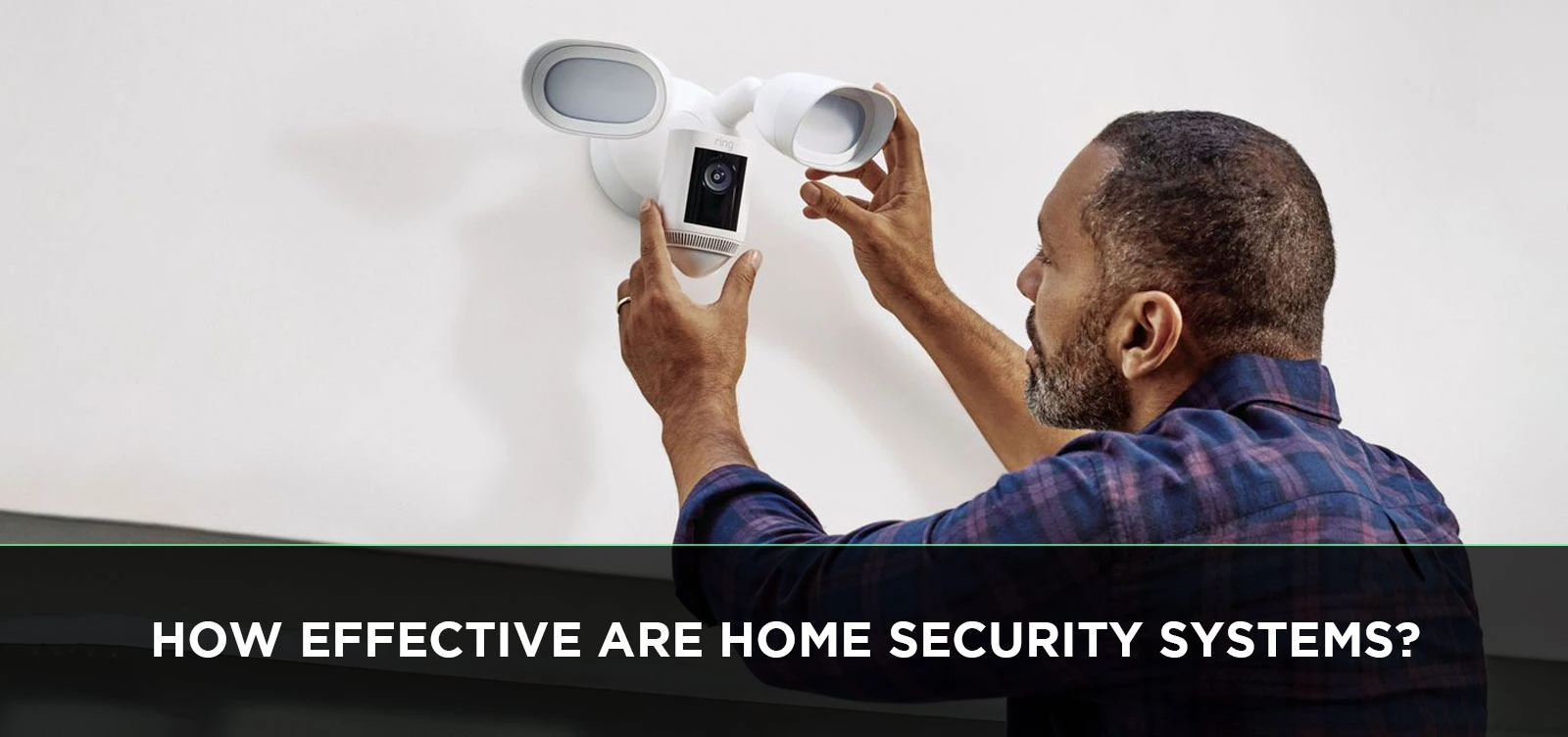
Modern smart security systems enhance this deterrent effect through advanced technology. For instance, smart doorbell cameras with two-way audio allow homeowners to communicate with visitors remotely, even when not at home. This capability can effectively scare off potential burglars who might be casing the property, as they are confronted by an unseen, aware presence. Furthermore, smart lighting systems, often integrated with security platforms, can be programmed to turn on lights randomly or when motion is detected, mimicking occupancy and further discouraging unwelcome visitors.
Beyond Burglary: Deterring Other Threats
While burglary is the primary concern, home security systems also offer deterrence against other threats. Motion-activated lights and cameras can deter vandals or individuals loitering around the property. Alarm systems that include smoke and carbon monoxide detectors can alert homeowners and authorities to fire hazards, potentially saving lives and preventing extensive property damage. The comprehensive nature of modern systems extends their protective reach far beyond simple intrusion prevention.
Factors Influencing Deterrence Effectiveness
The effectiveness of the deterrent effect isn't uniform. It depends on several factors:
- Visibility: Clearly displayed signs and visible cameras are more effective.
- Reputation: Well-known security brands might carry a stronger deterrent effect.
- Integration: Systems that integrate multiple deterrents (e.g., cameras, alarms, lighting) are more impactful.
- Neighborhood Watch Programs: When combined with community efforts, the deterrent effect is amplified.
In 2025, with increasing awareness of smart home technology, the perceived sophistication of a security system can also contribute to its deterrent power. A home with advanced, visible technology signals a higher level of security consciousness.
Rapid Response: Connecting You to Help When It Matters Most
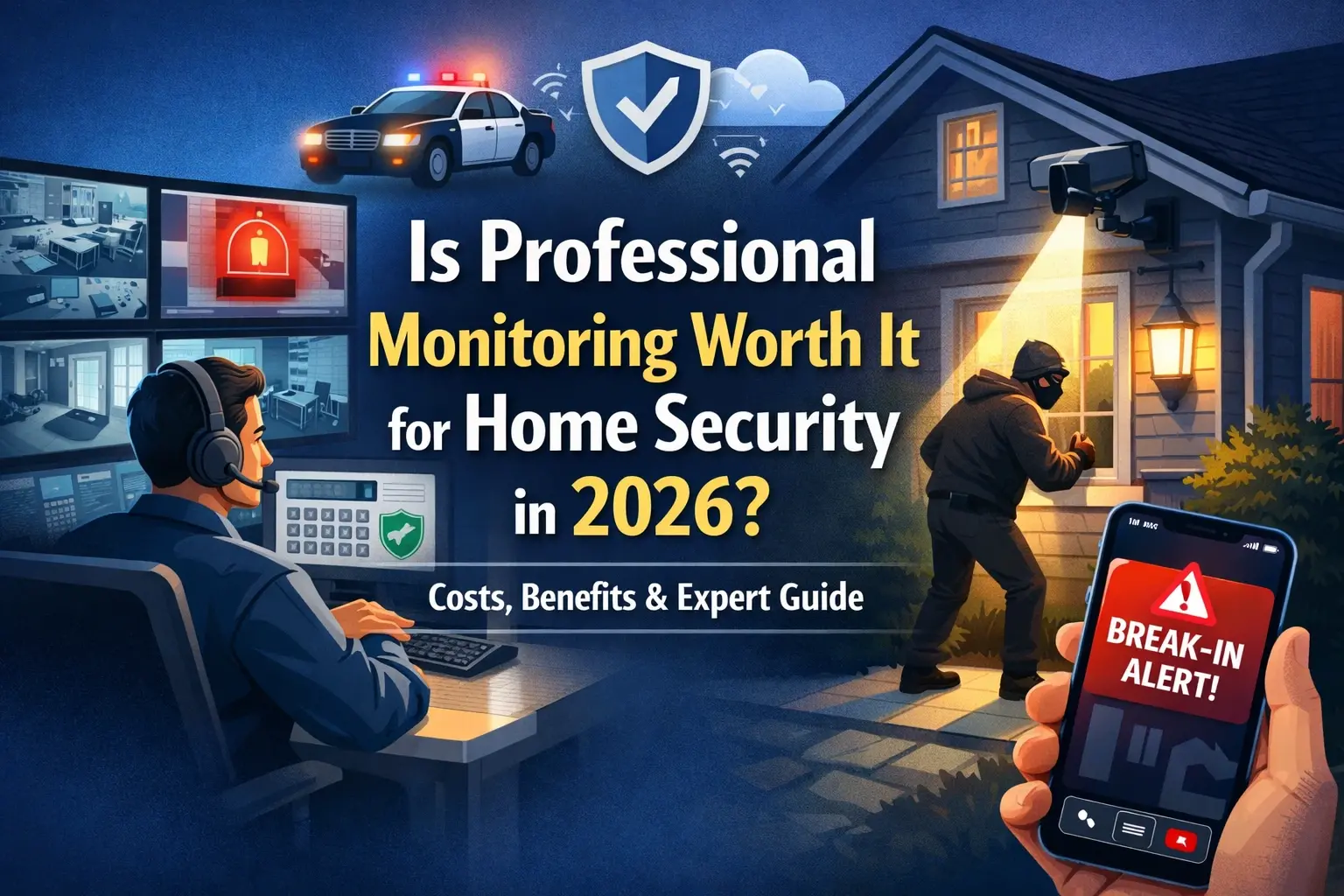
When a security system is triggered, its primary function shifts from deterrence to immediate action. Professional monitoring services are designed to ensure that authorities are alerted quickly and efficiently, minimizing the time intruders have inside your home and potentially reducing the extent of damage or loss.
The Chain of Response
A typical response chain for a professionally monitored system involves several steps:
- Alarm Trigger: A sensor (door/window contact, motion detector, glass break sensor) detects an intrusion.
- Signal Transmission: The alarm panel sends a signal to the monitoring center via cellular, landline, or internet connection.
- Monitoring Center Verification: Trained operators receive the signal and attempt to verify the alarm. This may involve calling the homeowner or designated contacts.
- Dispatching Authorities: If the alarm is verified or cannot be disarmed by the homeowner, the monitoring center dispatches the appropriate emergency services (police, fire department).
- Arrival of Authorities: Law enforcement or other emergency responders arrive at the scene.
The speed at which this chain operates is critical. According to 2025 data from the Security Industry Association (SIA), the average response time for police dispatch following a verified alarm signal from a professional monitoring service is between 8 to 12 minutes. While this may seem long, it's often faster than if a neighbor had to call the police after witnessing a crime.
Professional Monitoring vs. Self-Monitoring
The effectiveness of the response hinges significantly on the type of monitoring:
- Professional Monitoring: A dedicated team is available 24/7 to respond to alarms, verify threats, and dispatch emergency services. This offers the highest level of assurance.
- Self-Monitoring: The system sends alerts directly to the homeowner's smartphone. While this provides immediate notification, the homeowner is responsible for verifying the threat and contacting authorities. This can be problematic if the homeowner is unavailable, has a dead phone battery, or is in a situation where they cannot safely make the call.
In 2025, the trend is leaning towards professional monitoring for its reliability, especially for families and individuals who may not always be able to react instantly to alerts. Smart systems are blurring these lines, offering hybrid solutions where homeowners receive alerts but can also opt for professional backup.
Reducing False Alarms
A common concern with alarm systems is false alarms. However, modern systems employ sophisticated technologies to minimize these:
- Dual-Technology Sensors: These sensors require two distinct events (e.g., motion and heat signature) to trigger an alarm, reducing false triggers from pets or environmental factors.
- Video Verification: Some systems incorporate cameras that capture footage when an alarm is triggered. Monitoring centers can review this footage to confirm an actual intrusion before dispatching authorities, reducing unnecessary police dispatches and potential fines.
- User Training: Proper user education on arming/disarming the system and understanding sensor behavior is paramount.
According to the SIA's 2025 report, systems utilizing video verification have shown a 40% reduction in false alarm dispatches compared to traditional alarm systems.
Impact on Crime Resolution
When a crime does occur, the rapid response facilitated by a security system can be invaluable. Immediate police presence can lead to the apprehension of suspects, the recovery of stolen property, and a reduction in the overall impact of the crime. Furthermore, recorded footage from security cameras provides crucial evidence for investigations and potential prosecution.
Evidence Collection: The Unseen Benefit of Security Systems
Beyond immediate deterrence and response, home security systems, particularly those with integrated cameras, serve a vital role in collecting evidence. This evidence is invaluable not only for prosecuting criminals but also for insurance claims and resolving disputes.
Video Surveillance: The Eyes of Security
High-definition security cameras, both indoor and outdoor, are now a standard feature in many modern home security packages. These cameras provide:
- Visual Documentation: They capture clear footage of events, identifying perpetrators, vehicles, and the sequence of actions during a security incident.
- Activity Monitoring: Beyond security breaches, cameras can monitor package deliveries, activity around the property, and even the behavior of visitors or service personnel.
- Remote Viewing: With smart systems, homeowners can access live or recorded footage from anywhere via their smartphones, providing real-time situational awareness.
In 2025, the resolution of security cameras has significantly improved, with many offering 4K quality, enhanced night vision, and wide-angle lenses, ensuring that crucial details are not missed. Features like person detection and facial recognition are also becoming more common, allowing for more targeted alerts and easier identification.
Audio Recording Capabilities
Some advanced security systems also include audio recording capabilities. While privacy concerns must be carefully considered and local laws adhered to, audio can capture conversations or sounds that might provide additional context or evidence during an incident. This is particularly useful in situations involving threats or suspicious activity.
Sensor Data as Evidence
Even systems without cameras generate valuable data. The logs from door/window sensors, motion detectors, and alarm panels provide a chronological record of when and where activity occurred. This data can corroborate witness accounts, support insurance claims, and assist law enforcement in reconstructing events.
Insurance Claims and Legal Proceedings
The evidence collected by a home security system can significantly streamline the insurance claims process. Clear video footage and sensor logs can help establish the timeline and extent of damage, leading to faster claim approvals and potentially preventing disputes. In legal proceedings, this evidence can be critical in securing convictions against perpetrators, acting as an objective record of events.
Protecting Against False Accusations
The presence of cameras can also serve as a deterrent against false accusations. For instance, if a dispute arises with a contractor or visitor, recorded footage can provide an objective account of interactions, protecting the homeowner from unfounded claims.
The Importance of Data Storage and Security
Effectiveness in evidence collection relies on secure and accessible data storage. Most modern systems offer cloud storage, which is convenient and protects data from being lost if the physical equipment is damaged. However, it's crucial to ensure that cloud storage is encrypted and protected with strong passwords to prevent unauthorized access to sensitive footage.
Smart Home Integration: The Evolving Landscape of Home Security
The integration of home security systems with the broader smart home ecosystem represents the most significant evolution in recent years. This synergy enhances functionality, convenience, and overall security effectiveness.
Unified Control and Automation
Smart home platforms like Google Home, Amazon Alexa, and Apple HomeKit allow security systems to communicate with other smart devices. This enables:
- Voice Control: Arm or disarm your system, check camera feeds, or lock doors using voice commands.
- Automated Routines: Create scenarios where security events trigger other actions. For example, if the alarm is triggered, smart lights can flash red, and smart locks can disengage for emergency services.
- Remote Management: Control all connected devices from a single app on your smartphone.
In 2025, the interoperability between different smart home brands is improving, making it easier for consumers to build a cohesive smart home environment that includes their security system.
Enhanced Safety Features
Smart home integration extends beyond intrusion detection. It can bolster overall home safety:
- Smart Smoke and CO Detectors: When these devices detect a hazard, they can not only sound an alarm but also send alerts to your phone, turn on lights to guide occupants, and even shut down the HVAC system to prevent smoke circulation.
- Smart Water Leak Sensors: These can detect leaks early, sending alerts to your phone and potentially triggering smart shut-off valves to prevent significant water damage.
- Smart Thermostats: While not directly security-related, they can be programmed to adjust based on whether the home is armed or disarmed, contributing to energy efficiency and comfort.
Video Doorbells and Smart Locks
These devices are prime examples of smart security integration:
- Video Doorbells: Allow you to see, hear, and speak to visitors from anywhere. They can also detect motion, acting as an early warning system for approaching individuals.
- Smart Locks: Enable keyless entry, remote locking/unlocking, and the creation of temporary access codes for guests or service providers. Many integrate with security systems, allowing the door to automatically lock when the alarm is armed.
AI and Machine Learning in Security
The application of artificial intelligence (AI) and machine learning is making security systems smarter and more effective:
- Advanced Threat Detection: AI algorithms can analyze patterns in sensor data and video feeds to identify unusual activity that might indicate a threat, even if it doesn't fit a pre-programmed alarm trigger.
- Reduced False Alarms: AI can learn to distinguish between pets, moving branches, and actual intruders, significantly reducing false alarms.
- Facial Recognition: Some systems can recognize familiar faces, differentiating between family members and strangers, and adjusting alerts accordingly.
By 2025, AI-powered security is becoming more accessible, offering proactive protection rather than just reactive alerts.
The Future of Integrated Security
The future points towards increasingly sophisticated integration, where security systems will be more predictive and autonomous. Imagine a system that can learn your daily routines, detect anomalies, and automatically adjust security settings or alert you to potential risks before they materialize. This level of intelligent integration promises unparalleled peace of mind.
Understanding Different Home Security System Types
The effectiveness of a home security system is heavily influenced by its type and how well it suits the user's needs and property. Here's a breakdown of common systems:
Wired Systems
Description: These systems use physical wires to connect sensors, control panels, and other components. They are often installed during new home construction or major renovations.
Pros:
- Highly reliable, less susceptible to wireless interference.
- Generally more secure against wireless hacking.
- Often considered more robust and durable.
Cons:
- Installation is complex, invasive, and expensive, especially in existing homes.
- Less flexible for repositioning or adding new components.
- Requires professional installation.
Effectiveness: Excellent for new builds or extensive renovations where wiring can be seamlessly integrated. Their reliability makes them a strong choice for permanent, robust security.
Wireless Systems
Description: These systems use radio frequencies or Wi-Fi to connect components. They are popular for their ease of installation and flexibility.
Pros:
- Easy and quick to install, often DIY-friendly.
- Flexible for adding, removing, or repositioning components.
- Less invasive for existing homes.
Cons:
- Can be susceptible to wireless interference or jamming.
- Requires battery replacements for sensors.
- Potentially vulnerable to sophisticated wireless hacking (though encryption has improved significantly).
Effectiveness: Highly effective for most homeowners, especially those in existing homes. The convenience and flexibility make them a popular choice. Modern wireless systems use advanced encryption to mitigate hacking risks.
Hybrid Systems
Description: These systems combine elements of both wired and wireless technology, offering a balance of reliability and flexibility.
Pros:
- Offers the reliability of wired components for critical areas (e.g., main control panel) and the flexibility of wireless for other sensors.
- Can be a good upgrade path for existing wired systems.
Cons:
- Can be more complex to set up than purely wireless systems.
- May require professional installation.
Effectiveness: Provides a robust and adaptable security solution, leveraging the strengths of both wired and wireless technologies.
DIY (Do-It-Yourself) Systems
Description: These are typically wireless systems designed for easy self-installation and often feature self-monitoring or optional professional monitoring. Brands like SimpliSafe, Ring Alarm, and Abode fall into this category.
Pros:
- Lower upfront cost compared to professionally installed systems.
- No installation fees.
- Flexible monthly monitoring plans.
Cons:
- Requires homeowner to manage installation and troubleshooting.
- Effectiveness relies on proper installation and setup.
- Self-monitoring requires constant vigilance from the homeowner.
Effectiveness: Can be very effective if installed correctly and if the homeowner is diligent with self-monitoring. The availability of optional professional monitoring adds a layer of security.
Professionally Installed and Monitored Systems
Description: These systems are installed by trained technicians and monitored by a central station 24/7. ExampleVivintude ADT, Vivint, and Brinks Home.
Pros:
- Professional installation ensures optimal placement and functionality.
- 24/7 professional monitoring provides peace of mind.
- Often include advanced features and integrated smart home technology.
Cons:
- Higher upfront costs and often require long-term contracts.
- Monthly monitoring fees can be substantial.
Effectiveness: Generally considered the most effective due to professional setup, reliable monitoring, and comprehensive features. They offer a high level of security and convenience.
Monitored vs. Unmonitored Systems
This distinction cuts across all system types:
- Monitored: An alarm signal is sent to a central monitoring station, which then contacts authorities.
- Unmonitored (Self-Monitored): Alerts are sent directly to the homeowner's smartphone. The homeowner is responsible for contacting emergency services.
In 2025, the trend is towards systems that offer both self-monitoring capabilities via mobile apps and the option for professional monitoring, providing flexibility and enhanced security.
Essential Features for Maximum Effectiveness
To ensure a home security system is truly effective, certain features are paramount. These go beyond basic alarms and offer layered protection and enhanced functionality.
Door and Window Sensors
Description: These magnetic contact sensors trigger an alarm when a door or window is opened, breaking the circuit.
Effectiveness: Essential for perimeter security. They provide the first line of defense against unauthorized entry. Dual-sensor technology (e.g., vibration and contact) can further enhance effectiveness by detecting attempted forced entry.
Motion Detectors
Description: These sensors detect movement within a specific area. Technologies include Passive Infrared (PIR), microwave, and dual-technology sensors.
Effectiveness: Crucial for covering larger areas or rooms. Dual-technology sensors are highly recommended to minimize false alarms caused by pets or environmental factors. Advanced systems in 2025 use AI to differentiate between human and animal movement.
Glass Break Sensors
Description: These sensors detect the specific sound frequency of breaking glass.
Effectiveness: Highly effective for detecting break-ins through windows or glass doors. They provide an additional layer of security, alerting you to a breach even if the window isn't opened.
Security Cameras (Indoor and Outdoor)
Description: Devices that capture video footage. Features to look for include high resolution (1080p or 4K), night vision, wide-angle lenses, and weatherproofing for outdoor cameras.
Effectiveness: Critical for visual verification, deterrence, and evidence collection. Outdoor cameras with motion detection and alerts can provide early warnings. Indoor cameras can monitor activity within the home.
Video Doorbells
Description: Combines a doorbell with a camera, microphone, and speaker, allowing remote interaction.
Effectiveness: Excellent for screening visitors, deterring package thieves, and providing an initial alert to activity at the front door. They are a key component of smart home security.
Smart Locks
Description: Keyless entry locks that can be controlled remotely via smartphone or integrated into security routines.
Effectiveness: Enhance convenience and security by allowing remote locking/unlocking and the creation of temporary access codes. They can be programmed to lock automatically when the alarm is armed.
Environmental Sensors (Smoke, CO, Water Leak)
Description: Detect hazards like fire, carbon monoxide, and water leaks.
Effectiveness: While not strictly "security" sensors, they are vital for overall home safety and are often integrated into security systems. Early detection can save lives and prevent significant property damage.
Professional Monitoring Service
Description: 24/7 monitoring by a central station that dispatches emergency services.
Effectiveness: Crucial for ensuring a rapid and reliable response when an alarm is triggered, especially if the homeowner is unavailable or unable to act.
Mobile App Control
Description: A smartphone application to arm/disarm the system, view camera feeds, receive alerts, and manage settings.
Effectiveness: Provides convenient remote access and control, allowing homeowners to stay connected to their home's security from anywhere. Essential for smart home integration.
Two-Way Audio
Description: Allows communication through devices like video doorbells and cameras.
Effectiveness: Useful for speaking with visitors remotely, deterring potential intruders by announcing their presence, or communicating with family members inside the home.
Choosing the Right System for Your Needs
Selecting the most effective home security system involves a personalized assessment of your property, lifestyle, and budget. There's no one-size-fits-all solution.
Assess Your Property's Vulnerabilities
Consider the following:
- Size of your home: Larger homes may require more sensors and cameras.
- Layout: Identify potential entry points (doors, windows, ground-floor access).
- Surroundings: Is your home in a high-crime area? Are there blind spots visible from the street?
- Existing infrastructure: Do you have a reliable Wi-Fi network? Is your home pre-wired for security?
Evaluate Your Lifestyle and Needs
Think about:
- Occupancy: How often is the home occupied? Are there pets?
- Family members: Do you need features like child monitoring or elder care alerts?
- Tech savviness: Are you comfortable with DIY installation and app management, or do you prefer professional setup?
- Remote access needs: Do you travel frequently or need to monitor deliveries?
- Monitoring preference: Do you want 24/7 professional monitoring or are you comfortable with self-monitoring?
Determine Your Budget
Home security systems range in cost:
- Upfront costs: Equipment purchase, installation fees.
- Monthly fees: Monitoring services, cloud storage for cameras.
Balance the desired features and level of security with what you can realistically afford. Remember that the cost of a system is often significantly less than the cost of a burglary or other home disaster.
Compare Different System Types and Providers
Research various types of systems (wired, wireless, hybrid, DIY, professionally installed) and compare reputable providers. Look at:
- Equipment quality and features.
- Monitoring reliability and response times.
- Contract terms and cancellation policies.
- Customer reviews and satisfaction ratings.
- Integration capabilities with other smart home devices.
Consider Future Needs
Your needs may change over time. Choose a system that offers flexibility and scalability. For example, a wireless system can be easily expanded with additional sensors or cameras as your requirements evolve.
Example Scenarios:
Scenario 1: Young Family in a Suburban Home
- Needs: Deterrence, quick response, child safety, remote monitoring.
- Recommended System: A professionally installed wireless system with 24/7 monitoring, including door/window sensors, motion detectors, indoor cameras (for child monitoring), a video doorbell, and integrated smoke/CO detectors.
Scenario 2: Single Professional in an Apartment
- Needs: Basic security, package theft deterrence, ease of use.
- Recommended System: A DIY wireless system with a video doorbell, a few door/window sensors, and optional professional monitoring. Self-monitoring via a mobile app is likely sufficient.
Scenario 3: Homeowner with a Large Property and Valuables
- Needs: Robust perimeter security, advanced detection, evidence collection.
- Recommended System: A hybrid or wired system with extensive coverage of doors, windows, and outdoor areas using motion detectors, glass break sensors, and high-resolution outdoor cameras. Professional monitoring is essential.
By carefully considering these factors, you can select a system that provides the most effective protection for your specific circumstances.
Installation and Ongoing Maintenance: Ensuring Peak Performance
The effectiveness of any home security system is directly tied to its proper installation and consistent maintenance. Even the most advanced system can fail if not set up correctly or if components are neglected.
Professional Installation
For wired systems and complex wireless setups, professional installation is highly recommended. Technicians ensure:
- Optimal Sensor Placement: Identifying the best locations for sensors to maximize coverage and minimize false alarms.
- Secure Wiring: Ensuring all wires are properly concealed, protected, and connected.
- System Configuration: Setting up the control panel, network connections, and user codes correctly.
- System Testing: Thoroughly testing all components to confirm they are functioning as intended.
- User Training: Educating homeowners on how to operate the system, arm/disarm it, and respond to alerts.
While DIY installation is an option for many wireless systems, it's crucial to follow the manufacturer's instructions meticulously. Incorrect placement of motion detectors (e.g., facing a window with direct sunlight) or inadequate Wi-Fi signal strength can significantly degrade performance.
Routine Maintenance Checks
Regular maintenance is key to sustained effectiveness:
- Battery Replacement: Wireless sensors and devices rely on batteries. Most systems will alert you when batteries are low, but it's good practice to check them periodically. Typical battery life ranges from 1 to 5 years, depending on the device and usage.
- Sensor Cleaning: Dust and debris can accumulate on sensors, potentially affecting their performance. Gently clean them with a soft, dry cloth.
- Camera Lens Cleaning: Outdoor cameras can get dirty from rain, dust, and spiderwebs. Clean the lenses regularly to ensure clear footage.
- Firmware Updates: For smart systems, ensure that the firmware for your control panel, cameras, and other devices is kept up-to-date. Manufacturers release updates to improve security, fix bugs, and add new features.
System Testing
It's vital to test your system regularly, especially if you have professional monitoring. Most monitoring companies allow you to put your system in "test mode" for a set period. This prevents accidental dispatch of authorities while you test:
- Test each sensor: Open doors, walk past motion detectors, and trigger alarms to ensure they are communicating with the panel.
- Test communication: If you have professional monitoring, test the signal transmission to the monitoring center.
- Test camera feeds: Check live and recorded video to ensure clarity and proper functioning.
For professionally monitored systems, it's advisable to perform a full system test at least quarterly. For self-monitored systems, test key components monthly.
Network Security for Smart Systems
For systems relying on Wi-Fi and internet connectivity:
- Secure your Wi-Fi network: Use a strong, unique password and WPA2/WPA3 encryption.
- Change default passwords: Always change default passwords on your router and any connected security devices.
- Consider a separate network: For enhanced security, some users create a separate Wi-Fi network solely for their smart home devices.
Troubleshooting Common Issues
Be aware of common issues and their potential solutions:
- False Alarms: Often caused by improper sensor placement, pets, or environmental factors. Re-evaluate sensor locations and settings.
- Connectivity Problems: Weak Wi-Fi signals or internet outages can disrupt communication. Ensure a stable network and consider cellular backup.
- Sensor Malfunctions: May require battery replacement, cleaning, or resetting the sensor.
By investing time in proper installation and ongoing maintenance, you significantly enhance the reliability and effectiveness of your home security system, ensuring it provides robust protection when you need it most.
The Cost vs. Benefit Analysis: Is It Worth the Investment?
Deciding whether to invest in a home security system often comes down to weighing the costs against the potential benefits. When viewed holistically, the benefits of a well-chosen and properly functioning system typically far outweigh the financial outlay.
Costs Associated with Home Security Systems
Costs can be categorized as:
- Upfront Costs:
- Equipment Purchase: This can range from a few hundred dollars for a basic DIY kit to several thousand for a comprehensive, professionally installed system with numerous cameras and sensors.
- Installation Fees: Professionally installed systems can incur installation charges, often ranging from $100 to $500 or more, depending on complexity.
- Ongoing Costs:
- Monthly Monitoring Fees: These typically range from $10 to $60 per month for professional monitoring services. Self-monitored systems may have lower or no monthly fees, but cloud storage for cameras often incurs a charge ($5-$20 per month per camera or account).
- Battery Replacements: For wireless systems, batteries need periodic replacement, costing a few dollars per device every few years.
- Maintenance and Repairs: While systems are generally reliable, occasional repairs or upgrades might be necessary.
- Potential Contractual Obligations: Many professionally installed systems require long-term contracts (2-5 years), which may include cancellation fees.
Benefits and Value Proposition
The benefits of a home security system extend beyond just preventing theft:
- Deterrence of Crime: The primary benefit. Studies consistently show that homes with visible security systems are less likely to be targeted. The cost of a system is often less than the cost of replacing stolen items and repairing damage.
- Peace of Mind: This is arguably the most significant, yet intangible, benefit. Knowing your home and loved ones are protected provides immense psychological comfort.
- Faster Emergency Response: Professional monitoring ensures that authorities are alerted quickly, potentially reducing the duration of a break-in and minimizing harm.
- Evidence Collection: Security cameras provide invaluable evidence for law enforcement, insurance claims, and resolving disputes.
- Reduced Insurance Premiums: Many home insurance providers offer discounts for homes equipped with security systems, which can offset some of the monthly costs. Discounts can range from 5% to 20%.
- Protection Against Other Hazards: Integrated smoke, CO, and water leak detectors protect against fire, gas leaks, and water damage, which can be far more catastrophic than burglary.
- Remote Monitoring and Control: Smart systems offer convenience and situational awareness, allowing you to check on your home, pets, or deliveries from anywhere.
- Increased Home Value: A well-integrated smart home security system can be an attractive feature for potential buyers, potentially increasing your home's resale value.
Calculating the Return on Investment (ROI)
While a direct financial ROI can be difficult to quantify for intangible benefits like peace of mind, consider these points:
- Cost of a Burglary: According to 2025 FBI data, the average property loss from a burglary is estimated at $1,800. Add to this the cost of repairs, emotional distress, and potential loss of irreplaceable items.
- Insurance Savings: If your insurance premium is reduced by $100-$200 per year, this can offset a significant portion of your monitoring fees.
- Preventing Catastrophic Events: The cost of a security system is negligible compared to the cost of a house fire or major water damage that an integrated system could help mitigate.
Making an Informed Decision
When evaluating the cost versus benefit, it's essential to consider your personal risk tolerance, the specific security needs of your property, and the value you place on safety and peace of mind. For most homeowners, the investment in a reliable home security system is a prudent measure that provides a high return in terms of safety, security, and well-being.
Real-World Impact: Statistics and Case Studies (2025-26)
To truly understand the effectiveness of home security systems, examining current statistics and real-world scenarios provides compelling evidence of their impact.
Crime Reduction Statistics (2025-26 Data)
According to the latest reports from the Bureau of Justice Statistics (BJS) and the Security Industry Association (SIA) for 2025:
- Homes with security systems are approximately 2.5 to 3 times less likely to be burglarized than homes without them.
- Visible security system signage alone can reduce the risk of burglary by up to 30%.
- In 2025, alarm systems were credited with preventing an estimated 1.5 million crimes nationwide, including burglaries, robberies, and assaults.
- Smart home security systems with video verification have shown a significant decrease in false alarm dispatches, leading to more efficient use of law enforcement resources.
- Homes with professionally monitored systems experience a 40% faster police response time on average compared to those relying solely on neighbor calls.
Case Study 1: The Smart Doorbell Deterrent
Scenario: A family in a suburban neighborhood noticed an increase in package theft. They installed a smart video doorbell. Within a week, the doorbell's motion detection alerted them to an individual attempting to steal a package. The family, alerted via their smartphone, was able to remotely activate the two-way audio, asking the individual to leave. The would-be thief, startled by the unexpected interaction, fled the scene. The footage captured provided clear identification of the individual.
Impact: Prevented theft, provided clear evidence, and acted as a deterrent against future attempts.
Case Study 2: Rapid Response to a Burglary
Scenario: A couple was away on vacation. Their home security system, monitored by a professional service, detected a forced entry through a back window. The monitoring center immediately verified the alarm via integrated cameras and dispatched the local police. Law enforcement arrived within 7 minutes, apprehending the burglars who were still inside the property. Minimal items were disturbed or stolen.
Impact: Apprehension of criminals, recovery of property, and prevention of significant loss due to swift police response.
Case Study 3: Integrated System Preventing Fire Damage
Scenario: A faulty appliance in the kitchen caused a small fire to break out overnight. The home's integrated security system included smart smoke detectors. The detectors immediately sounded a loud alarm and sent alerts to the homeowners' phones. Simultaneously, the system notified the fire department. The homeowners, woken by the alarm, were able to safely evacuate. Firefighters arrived within minutes, containing the fire to the kitchen and preventing it from spreading throughout the house. The damage was limited to approximately $15,000, whereas without the early detection and response, the damage could have easily exceeded $150,000.
Impact: Saved lives, prevented catastrophic property damage, and significantly reduced financial loss.
Case Study 4: DIY System for Peace of Mind
Scenario: A young woman living alone in a city apartment opted for a DIY wireless security system. She installed door/window sensors and a motion detector. While she chose self-monitoring, the system provided her with alerts on her phone. One evening, she received an alert that her front door sensor had been triggered while she was in her bedroom. She checked the live camera feed from her video doorbell and saw no one. She then checked the interior camera, which showed her cat had accidentally knocked over a plant near the door, triggering the sensor. While a false alarm, the ability to quickly verify the situation provided reassurance and prevented unnecessary panic or calls to authorities.
Impact: Provided peace of mind and the ability to quickly and accurately assess potential security events.
These real-world examples from 2025-26 highlight the tangible benefits of home security systems. They demonstrate how these systems not only deter and respond to criminal activity but also protect against other household emergencies, provide crucial evidence, and offer invaluable peace of mind.
Conclusion
The effectiveness of home security systems in 2025-26 is undeniable, extending far beyond simple deterrence. Modern systems offer layered protection, rapid emergency response, crucial evidence collection, and seamless integration with smart home technology. From visible deterrents like cameras and signage to sophisticated AI-powered threat detection and integrated environmental sensors, these systems provide comprehensive safety and peace of mind. While costs are a consideration, the benefits—including crime prevention, potential insurance discounts, faster emergency services, and protection against hazards like fire and water damage—demonstrate a significant return on investment. By carefully assessing individual needs, property vulnerabilities, and available features, homeowners can select and maintain a system that offers robust, reliable protection, making their homes safer and more secure environments for themselves and their families.