Securing your home in 2025-26 requires more than just standard locks and alarms. This guide explores unconventional security measures that go beyond the typical, offering innovative strategies to deter threats and protect your property effectively. Discover how to think outside the box for enhanced peace of mind.
Beyond the Basics: Why Unconventional Security Matters
In an era where sophisticated threats can bypass conventional security systems, relying solely on traditional methods is becoming increasingly insufficient. The landscape of home security is constantly evolving, with criminals adapting their tactics to exploit vulnerabilities. As of 2025, statistics from the National Home Security Alliance indicate a 7% rise in property crimes that utilize advanced methods, often targeting perceived weaknesses in standard security setups. This highlights a critical need for homeowners to adopt a more layered and unconventional approach. Traditional systems, while important, can often be predictable. Unconventional measures, on the other hand, introduce an element of surprise and unpredictability that can significantly enhance deterrence and response capabilities. They aim to disrupt the typical criminal mindset by presenting unexpected obstacles or deterrents, making your home a less attractive target. This shift isn't about replacing your existing security; it's about augmenting it with creative, often cost-effective, strategies that create a more robust and resilient defense. The goal is to build a comprehensive security ecosystem that anticipates and neutralizes potential threats before they escalate.
Layering Deterrents: The First Line of Unconventional Defense
Deterrence is the cornerstone of effective home security. It's about making your home appear too risky or difficult to target. While standard security signs and visible cameras play a role, unconventional deterrents leverage psychology, sensory perception, and unexpected elements to discourage potential intruders. These methods aim to create a mental barrier, making a burglar think twice before even attempting an approach. By employing a multi-sensory approach, you can create a more impactful and memorable deterrent than a simple sticker on a window.
Visual Deterrents: Playing Mind Games
The visual aspect of security is powerful. Criminals often scout for easy targets, and visual cues that suggest a well-protected home can be highly effective. Unconventional visual deterrents go beyond basic signage to create a more convincing illusion of robust security.
Fake Security Cameras with Realistic Indicators
While real security cameras are excellent, high-quality dummy cameras can be a cost-effective addition. The key is realism. Purchase units that mimic the appearance of genuine cameras, complete with blinking LED lights (even if they are solar-powered or battery-operated and not actively recording). Strategic placement is crucial – ensure they are visible from common approach angles. For 2025-26, advanced dummy cameras even include motion-activated lights that simulate activity. Some homeowners even opt for older, deactivated professional cameras, making them appear as if they are part of a defunct but once-robust system, creating a psychological quandary for a potential intruder.
Illusion of Occupancy
Leaving a home unoccupied is a significant risk. Unconventional methods to simulate occupancy can be highly effective.
- Smart Light Timers with Randomization: Beyond simple timers, utilize smart home systems that can randomly turn lights on and off in different rooms at varied intervals, mimicking natural human behavior. This is far more convincing than a predictable on-off cycle.
- Sound Simulators: Devices that play sounds of a dog barking, television chatter, or even children playing can be invaluable. Modern simulators offer a range of realistic sounds and can be triggered by timers or motion sensors. In 2025, these are increasingly sophisticated, capable of mimicking conversations or even the clatter of dishes.
- Window Displays: Placing mannequins or even carefully arranged furniture behind curtains can create the impression of activity. Ensure they are positioned in a way that suggests movement or presence when viewed from specific angles.
Unconventional Signage
While standard "Protected by Security" signs are common, consider more specific and potentially intimidating messages. For instance, a sign indicating "Private Property: Armed Response Patrols Daily" or "Video Surveillance in Operation (24/7)" can be more impactful, even if the reality is a more DIY system. The psychological impact of perceived vigilance is significant.
Auditory Deterrents: The Sound of Safety
Sound can be a powerful deterrent, alerting potential intruders that their presence has been detected and potentially alarming neighbors.
Motion-Activated Sprinklers
For outdoor areas, motion-activated sprinklers can be a surprising deterrent. When an intruder crosses a designated zone, a sudden burst of water can startle them, potentially damage their clothing or equipment, and draw attention. This is particularly effective during warmer months and can be integrated with existing irrigation systems.
High-Frequency Sound Emitters
While controversial and requiring careful consideration of local regulations and potential impact on pets, high-frequency sound emitters can be used to create an uncomfortable sonic environment for humans within a specific zone, deterring loitering or attempted entry without being overtly audible to most residents. These are often marketed as pest deterrents but can have a secondary security application.
Strategic Use of Wind Chimes and Noise Makers
While seemingly quaint, strategically placed wind chimes or even simple metal cans tied to gates can create unexpected noise when disturbed. This is less about a sophisticated alarm and more about creating an audible alert that something has been tampered with, especially in less-trafficked areas of your property.
Olfactory Deterrents: The Scent of Security
The sense of smell is often overlooked in security but can be a potent deterrent. Certain scents can be unpleasant or even irritating to intruders, making them reconsider their actions.
Pepper-Based Sprays or Repellents
While primarily for personal defense, strategically placed, discreet dispensers of pepper-based repellents near potential entry points (like window sills or door frames) can create an unpleasant surprise if disturbed. Ensure these are legal in your area and used responsibly.
Natural Repellents
Certain strong, natural scents like ammonia or vinegar can be placed in discreet containers near entry points. While their effectiveness is debated, the strong odor can be off-putting and potentially signal to an intruder that the area is being actively protected or treated. This is a low-cost, experimental approach.
Fortifying the Perimeter: Unconventional Physical Barriers
Physical barriers are the tangible defenses of your home. While standard locks and doors are essential, unconventional approaches focus on reinforcing these weak points and utilizing the environment to create additional layers of protection. The goal is to make forced entry significantly more difficult and time-consuming, thereby increasing the risk for an intruder.
Reinforcing Entry Points: Beyond the Deadbolt
Doors and windows are the most common points of entry. Strengthening them requires more than just a standard deadbolt.
Door Reinforcement Kits
These kits, often available online, include metal plates and longer screws designed to reinforce the strike plate and hinges of your door frame. This prevents the door from being kicked in. Installation is typically straightforward and significantly enhances the strength of your door against brute force.
Security Film for Doors
Similar to window security film, this can be applied to glass-paned doors to make them shatter-resistant. This prevents easy smashing and grabbing.
Sliding Door Security Bars
For sliding glass doors, a simple, heavy-duty security bar placed in the track can prevent the door from being forced open, even if the lock is bypassed. Some homeowners use sturdy wooden dowels or metal pipes cut to size.
Smart Locks with Enhanced Features
While smart locks are becoming more common, look for models with advanced features like tamper alerts, auto-locking after a set period, and integration with other smart home security devices. Some 2025 models offer biometric scanners or remote access with enhanced encryption.
Window Wisdom: Unexpected Protections
Windows, especially on lower floors, are vulnerable. Unconventional methods focus on making them harder to break and more obvious when tampered with.
Security Window Film
This is a clear, adhesive film applied to the inside of windows. It holds shattered glass together, making it significantly harder to break through and preventing easy access. It's a cost-effective alternative to replacing entire windows with security glass. Different grades of film offer varying levels of protection.
Window Grilles (Discreet and Decorative)
While traditional window grilles can be unsightly, modern decorative grilles can offer a strong visual deterrent and physical barrier without compromising aesthetics. Some are designed to blend in with architectural styles. For basement windows or less visible areas, robust, simple grilles are highly effective.
Tamper-Evident Seals
For less frequently used windows or those in outbuildings, applying tamper-evident seals can alert you if someone has attempted to open them. These seals break or show evidence of tampering if disturbed.
Window Sensors with Audible Alarms
While standard window sensors are common, consider integrating them with a loud, localized alarm that can be triggered independently of your main system. This can startle an intruder and alert neighbors immediately.
Landscaping as a Security Feature
Your yard can be an active participant in your home's security. Strategic landscaping can create natural barriers, slow down intruders, and provide early warning.
Thorny or Dense Plantings
Planting thorny bushes (like roses, barberry, or holly) or dense, prickly shrubs beneath windows and along property lines can make it uncomfortable and difficult for someone to approach or hide. This acts as a natural deterrent.
Gravel Pathways
Pathways made of gravel create an audible crunching sound when walked upon, alerting residents to movement around the property, especially at night. This is a simple yet effective early warning system.
Strategic Tree and Shrub Placement
Avoid planting large trees or shrubs too close to your house, as they can provide cover for intruders or a ladder for access to upper floors. Conversely, strategically placed trees can block views of your property from the street, enhancing privacy.
Motion-Activated Lighting Integrated with Landscaping
Combine motion-activated lights with your landscaping. Ensure they are strategically placed to illuminate pathways, entry points, and dark corners, leaving no place for an intruder to hide undetected. Consider solar-powered options for easier installation.
Smart Hacks: Leveraging Technology Unconventionally
The advent of smart home technology has opened up a new frontier for unconventional security. By creatively integrating and utilizing these devices, homeowners can create sophisticated, proactive security measures that go beyond standard alarm systems. The key is to think about how these technologies can be combined to create layered defenses and provide real-time intelligence.
DIY Smart Home Security Integrations
Many smart home devices, even those not explicitly marketed as security products, can be repurposed for security applications.
Smart Plugs and Routine Automation
Use smart plugs to control lights, radios, or even fans. Create routines that turn these devices on and off at random intervals when you're away, simulating occupancy. You can also use them to power up a loud radio or a series of lights if a motion sensor is triggered, creating a startling effect.
Smart Cameras Beyond Security
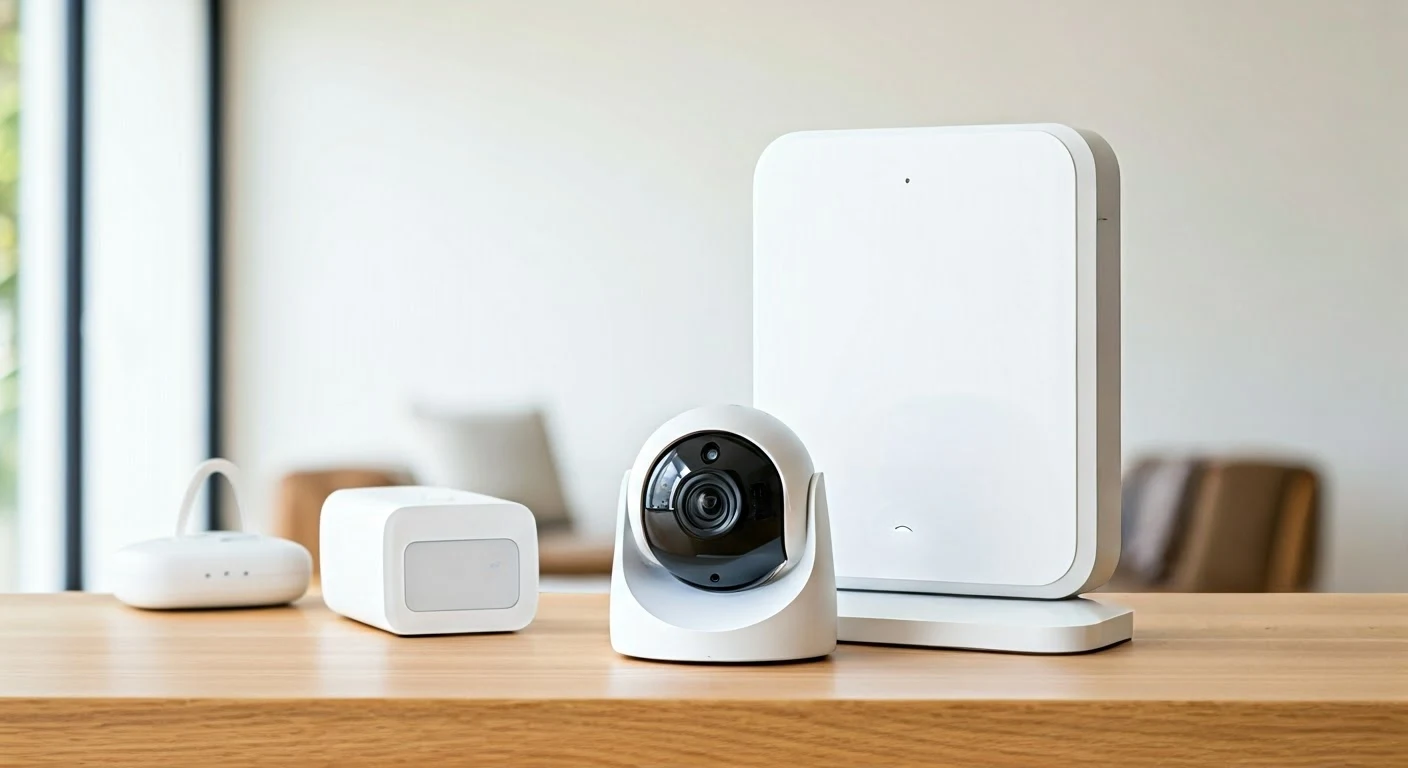
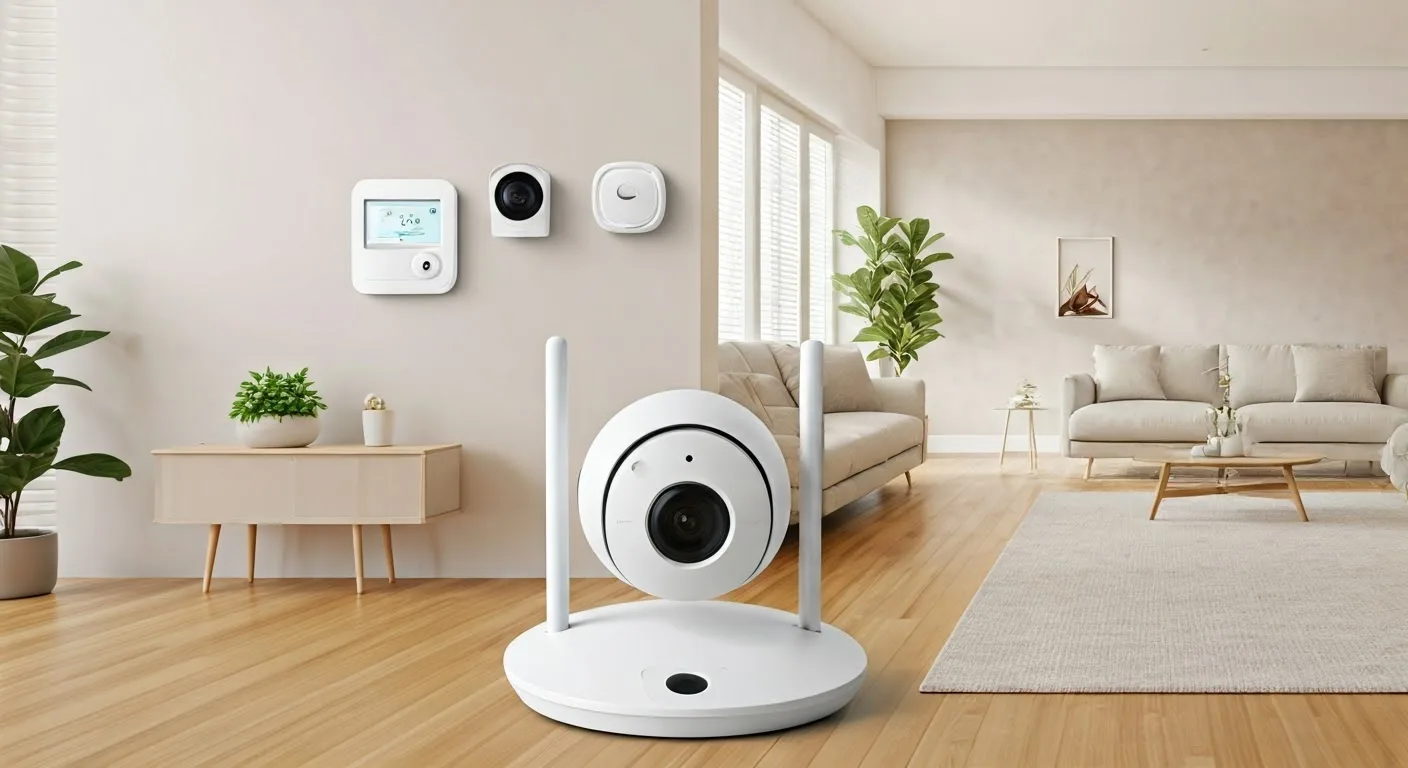
Utilize smart cameras designed for pet monitoring or baby monitoring as supplementary security cameras. Many offer motion detection, night vision, and two-way audio. Position them in less obvious locations for added coverage. For 2025, AI-powered object recognition in these cameras can distinguish between people, pets, and vehicles, reducing false alarms.
Doorbell Cameras with Enhanced Features
Beyond just seeing who's at the door, leverage doorbell cameras for package monitoring, package theft deterrence (with visible signage), and as an initial visual alert for suspicious activity. Some models in 2025 offer facial recognition and package detection alerts.
Smart Water Leak Detectors as Intrusion Alerts
In rare but creative applications, a smart water leak detector placed near a potential entry point (like a basement window sill) could theoretically trigger an alert if disturbed by an intruder, though this is highly experimental and dependent on placement.
The Rise of the Home Security Drone
Drones are no longer just for hobbyists. Their potential for home security is growing, offering a dynamic and mobile surveillance option.
Automated Patrols and Perimeter Checks
In 2025-26, commercially available drones are becoming more sophisticated, with some capable of pre-programmed flight paths for regular perimeter checks. These can be launched automatically at dusk or when specific sensors are triggered.
Rapid Response and Visual Verification
In the event of an alarm, a security drone can be quickly dispatched to provide an aerial view of the property, helping to assess the situation before law enforcement arrives. This offers valuable real-time intelligence.
Deterrence Through Visibility
Simply having a visible drone charging station or a drone prominently displayed can act as a deterrent, suggesting a high level of technological security.
Considerations for Drone Security
It's crucial to be aware of local regulations regarding drone usage, privacy concerns, and the technical expertise required for operation and maintenance. Battery life and weather conditions are also significant factors.
Securing Your Digital Fortress
In today's connected world, your home security extends to your digital life. Smart home devices, Wi-Fi networks, and personal data are all potential targets.
Strong, Unique Passwords and Two-Factor Authentication (2FA)
This is foundational. Use complex, unique passwords for your Wi-Fi network, smart home hubs, and all connected devices. Enable 2FA wherever possible for an extra layer of security.
Network Segmentation
Create a separate guest network for visitors and IoT devices that don't require access to your main network. This isolates potential vulnerabilities.
Regular Firmware Updates
Ensure all your smart home devices, routers, and modems have their firmware updated regularly. Manufacturers release updates to patch security vulnerabilities. Automate this process if possible.
VPN for Remote Access
If you access your smart home system remotely, consider using a Virtual Private Network (VPN) for an encrypted connection, adding a significant layer of security against man-in-the-middle attacks.
Physical Security of Your Router
Don't overlook the physical security of your router. Ensure it's in a secure location, not easily accessible to unauthorized individuals.
Human Element: Unconventional Behavioral Security Tactics
Beyond physical barriers and technology, human behavior plays a crucial role in home security. Understanding how to leverage social dynamics, manage personal information, and cultivate a vigilant mindset can significantly enhance your home's safety. These are often the most overlooked, yet profoundly effective, layers of defense.
The Power of the Neighborhood Watch (Reimagined)
Traditional neighborhood watches are valuable, but modern approaches can be even more effective.
Digital Neighborhood Watch Groups
Utilize private social media groups or dedicated neighborhood apps to share real-time information about suspicious activity, lost pets, or community safety concerns. This allows for rapid dissemination of information and coordinated vigilance.
"Eyes and Ears" Network
Cultivate relationships with trusted neighbors. Agree to look out for each other's properties, collect mail, and report anything unusual. A strong social fabric is a powerful deterrent.
Visible Community Engagement
Regularly engaging with your neighbors, attending community events, and being a visible, friendly presence can make your neighborhood a less appealing target for transient criminals who prefer anonymous environments.
Managing Your Digital Footprint
Information is power, and criminals can use publicly available information to plan their activities. Minimizing your digital footprint is a crucial, unconventional security measure.
Social Media Privacy Settings
Be extremely cautious about what you share on social media. Avoid posting about vacations, expensive purchases, or when your home will be unoccupied. Set your profiles to private and be selective about who you accept as friends.
Opt-Out of Data Aggregators
Many companies collect and sell personal information. Take steps to opt-out of data brokers and people-search websites. Resources like Privacy Rights Clearinghouse offer guidance.
Secure Your Online Accounts
Beyond strong passwords, be mindful of phishing attempts and data breaches. Regularly review your online accounts for any unauthorized activity.
Cultivating a Preparedness Mindset
The most effective security measures are often the result of a proactive and prepared mindset. This involves thinking critically about potential risks and having a plan.
Regular Security Audits
Periodically walk around your property and assess its security from an intruder's perspective. Look for blind spots, easy access points, or anything that appears vulnerable. This is an ongoing process, not a one-time task.
Emergency Preparedness Kits
Beyond security, have emergency kits ready for various scenarios (natural disasters, power outages). This includes essential supplies, communication devices, and first-aid. Knowing you are prepared for broader emergencies can reduce panic and improve response during a security incident.
Practice Evacuation and Lockdown Drills
For families, practicing simple lockdown procedures or evacuation routes can be invaluable. Knowing what to do in a crisis can save precious time and potentially lives.
Situational Awareness Training
Develop a habit of being aware of your surroundings. Notice unfamiliar vehicles, people loitering, or anything out of the ordinary. This heightened awareness is a powerful, passive security tool.
Conclusion: Building a Resilient Home Security Ecosystem
Securing your home in 2025-26 is an ongoing, dynamic process that benefits immensely from unconventional strategies. By layering visual, auditory, and olfactory deterrents, fortifying physical barriers with creative solutions, and intelligently leveraging technology, you create a robust defense that goes beyond standard alarms. Furthermore, fostering strong community ties and diligently managing your digital footprint are crucial behavioral tactics that significantly reduce risk. Remember, the goal is not just to prevent an intrusion but to make your home an unattractive and difficult target. Implement these unconventional measures to build a resilient security ecosystem that provides true peace of mind in an ever-changing world.