Enhance Your Safety with Cutting-Edge Wireless Security Camera Systems with DVR
Elevate your home or business security with advanced wireless camera systems featuring DVR technology. Discover how these cutting-edge solutions offer unparalleled surveillance, remote access, and data storage, providing peace of mind in today's evolving security landscape. This guide explores their benefits, features, and selection criteria.
Understanding Wireless Security Camera Systems with DVR
In the rapidly evolving world of home and business security, the integration of wireless technology with Digital Video Recorder (DVR) capabilities has revolutionized how we monitor and protect our assets. Wireless security camera systems offer the convenience of easy installation without the need for extensive cabling, while the DVR component ensures reliable local storage and management of your video footage. This synergy provides a robust, flexible, and powerful surveillance solution that caters to a wide range of needs, from residential protection to commercial monitoring. By understanding the core components and how they interact, users can make informed decisions about deploying these advanced systems.
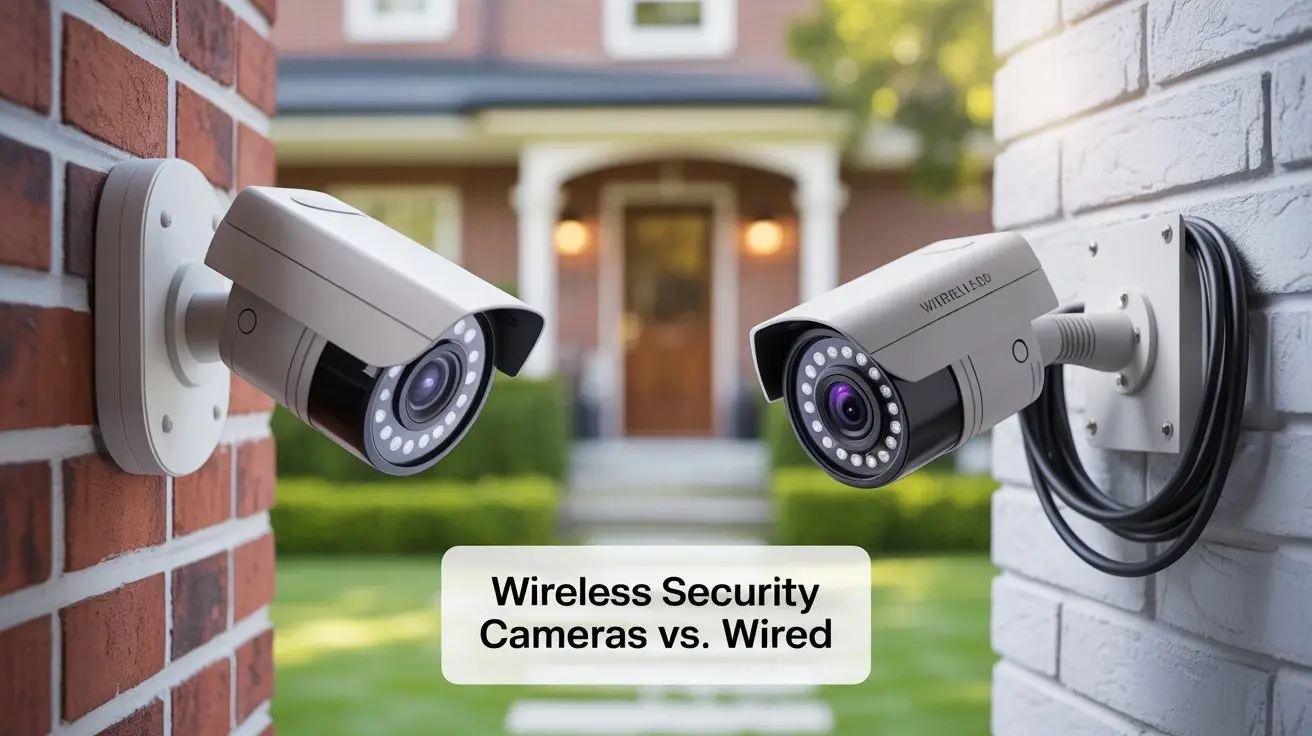
A wireless security camera system, in its simplest form, relies on Wi-Fi or other wireless protocols to transmit video data from the cameras to a central hub or recorder. This eliminates the often cumbersome and aesthetically unappealing task of running Ethernet cables through walls and ceilings. The cameras themselves can be powered either by batteries or by connecting to a nearby power outlet, offering significant placement flexibility. The "wireless" aspect primarily refers to the data transmission, not necessarily the power source, though many modern systems also offer battery-powered camera options for ultimate freedom.
The "DVR" (Digital Video Recorder) component is the brain of the operation. It receives the video streams from the wireless cameras, processes them, and records them onto a hard drive. Unlike cloud-based solutions, a DVR provides local storage, meaning your footage is stored securely on-site. This is a crucial advantage for privacy-conscious individuals and businesses, as it reduces reliance on third-party servers and potential data breaches. A DVR also typically allows for direct viewing of live feeds and recorded footage via a connected monitor or through a network interface, enabling remote access through dedicated apps or web portals.
The combination of wireless cameras and a DVR offers a compelling blend of ease of use, security, and control. It’s a solution designed for those who want comprehensive surveillance without the complexities of traditional wired systems. As we delve deeper, we'll explore the specific features that make these systems cutting-edge and how to select the best one for your unique security requirements.
The Evolution of Surveillance Technology
The journey from bulky, analog CCTV systems to sleek, high-definition wireless DVR setups has been remarkable. Early security cameras were expensive, difficult to install, and offered limited functionality. The advent of digital technology paved the way for DVRs, which replaced older VCRs, offering better video quality, easier search functions, and more efficient storage. The subsequent integration of wireless networking brought unparalleled flexibility, making sophisticated surveillance accessible to a broader audience. Today, advancements in AI, cloud integration (often as a supplementary feature to DVRs), and higher resolution sensors continue to push the boundaries of what's possible in personal and commercial security.
Core Components Explained
To fully appreciate the capabilities of these systems, it's essential to understand their fundamental parts:
- Wireless Cameras: These capture the video feed. Modern wireless cameras boast high-definition resolutions (1080p, 4MP, 5MP, or even 4K), wide-angle lenses, infrared (IR) night vision for low-light conditions, and sometimes advanced features like motion detection, two-way audio, and weatherproofing for outdoor use.
- Digital Video Recorder (DVR): This is the central unit responsible for receiving, processing, and storing video data from the cameras. It typically includes a hard drive for storage, ports for connecting cameras (though for wireless systems, it acts more as a receiver/manager), and connectivity options for network access (Ethernet, Wi-Fi).
- Network Connectivity: Both the cameras and the DVR need to connect to your network. Cameras connect wirelessly to the DVR or a dedicated wireless access point, and the DVR connects to your router to enable remote access.
- Power Source: Cameras require power, either through AC adapters or battery packs. The DVR also needs a constant power supply.
The interplay between these components forms the backbone of a robust wireless DVR security system, offering a layered approach to safeguarding your property.
Key Features to Look For in Cutting-Edge Systems
When evaluating cutting-edge wireless security camera systems with DVR, several key features distinguish the superior options from the average. These features directly impact performance, usability, and the overall effectiveness of your surveillance. Prioritizing these will ensure you invest in a system that truly enhances your safety and provides long-term value. In 2025-2026, the market is saturated with options, but focusing on these core functionalities will help you cut through the noise and identify the best-fit solution for your specific needs.
Video Quality and Resolution
The primary function of a security camera is to capture clear, usable footage. Look for systems offering at least 1080p (Full HD) resolution. However, for enhanced detail, especially for identifying faces or license plates, consider systems with 4MP, 5MP, or even 4K resolution. Higher resolutions provide sharper images, allowing for better digital zoom without significant loss of clarity. This is critical for forensic analysis and evidence gathering. Many modern systems also support Wide Dynamic Range (WDR) or High Dynamic Range (HDR) technology, which helps balance out extreme light and dark areas in a scene, ensuring details are visible even in challenging lighting conditions like direct sunlight or deep shadows.
Night Vision Capabilities
Effective surveillance doesn't stop when the sun goes down. Infrared (IR) night vision is a standard feature, but the range and clarity can vary significantly. Look for systems with IR LEDs that provide a clear, black-and-white image up to a specified distance (e.g., 100 feet or more). Some advanced systems feature "color night vision" or "starlight" technology, which uses highly sensitive sensors and ambient light to produce color images even in very low light, offering a more intuitive and detailed view of nighttime activity. The quality of IR illumination and the sensor's sensitivity are paramount for round-the-clock security.
Storage Capacity and Management
The DVR's storage is central to its function. Consider the maximum storage capacity supported by the DVR and the included hard drive size. For continuous recording, larger capacities are essential. Look for systems that support multiple hard drives or offer expandable storage options. The recording modes are also important: continuous recording, motion-activated recording, or scheduled recording. Motion-activated recording is often preferred as it conserves storage space and makes reviewing footage easier by only recording when activity is detected. The DVR should also offer easy playback, search functions (by date, time, or event), and export capabilities for saving important clips.
Remote Access and Mobile App Functionality
In today's connected world, remote access is non-negotiable. A cutting-edge system will provide seamless access to live feeds and recorded footage from anywhere in the world via a smartphone, tablet, or computer. This is typically achieved through a dedicated mobile app and/or a web portal. Ensure the app is user-friendly, stable, and offers features like push notifications for motion alerts, live viewing, playback, and the ability to download footage. The ease of setup for remote access, often involving simple QR code scanning, is also a key consideration.
Motion Detection and Smart Alerts
Advanced motion detection is a hallmark of modern security systems. Look for systems that offer customizable motion zones, allowing you to define specific areas within the camera's view where motion should be detected, reducing false alarms from trees swaying or passing cars. Some systems also incorporate AI-powered analytics, such as person detection, vehicle detection, or package detection, which significantly improve the accuracy of alerts and reduce the number of irrelevant notifications. Push notifications to your mobile device are crucial for immediate awareness of potential security events.
Camera Durability and Environmental Resistance
If you plan to install cameras outdoors, their durability is paramount. Look for cameras with an IP rating (e.g., IP66 or IP67) that indicates their resistance to dust and water. These ratings ensure the cameras can withstand various weather conditions, including rain, snow, and extreme temperatures. The build quality of the camera housing, including resistance to tampering, is also an important factor for outdoor installations.
Audio Capabilities
Some wireless DVR systems include built-in microphones in the cameras, allowing for audio recording alongside video. This can be invaluable for gathering more context during an incident. Look for systems with clear audio capture. Additionally, some cameras feature two-way audio, enabling you to speak and listen through the camera using the mobile app, which is useful for deterring intruders or communicating with visitors.
Scalability and Expandability
Consider your future needs. Does the system allow you to add more cameras later if you decide to expand your surveillance coverage? Check the maximum number of channels the DVR supports and whether additional cameras are readily available. This ensures your initial investment can grow with your security requirements.
By carefully evaluating these features, you can confidently select a wireless security camera system with DVR that offers robust protection, convenient management, and the advanced capabilities needed for comprehensive surveillance in 2025-2026.
The Multifaceted Benefits of Wireless DVR Security Systems
The adoption of wireless security camera systems with DVR technology has surged due to the distinct advantages they offer over traditional surveillance setups. These benefits extend beyond mere security, encompassing convenience, cost-effectiveness, and enhanced peace of mind. In 2025-2026, these systems are not just a luxury but an essential component for proactive property protection. Understanding these benefits can help solidify the decision to invest in such a system.
Enhanced Flexibility and Ease of Installation
One of the most significant benefits is the unparalleled flexibility in camera placement. Wireless cameras eliminate the need to run long, unsightly, and often expensive cables through walls, floors, and ceilings. This drastically simplifies the installation process, making it feasible for DIY enthusiasts or reducing professional installation costs. Cameras can be strategically positioned in virtually any location with a power source and within wireless range of the DVR or network, allowing for optimal coverage without compromising aesthetics or structural integrity. This flexibility is particularly advantageous for renters or in older buildings where running wires is difficult or prohibited.
Cost-Effectiveness
While the initial cost of wireless systems might seem comparable to wired counterparts, the long-term savings are substantial. Reduced installation labor, minimal need for specialized tools or materials for cabling, and the ease of repositioning or expanding the system contribute to a lower total cost of ownership. Furthermore, many wireless systems offer tiered storage solutions and efficient recording modes (like motion detection) that optimize hard drive usage, potentially reducing the need for frequent upgrades or larger storage devices. The ability to start with a smaller system and expand later also makes it a more budget-friendly option for phased security upgrades.
Reliable Local Storage and Data Privacy
The DVR component is a critical differentiator, providing secure, local storage for all your video footage. Unlike cloud-only solutions, which can be susceptible to internet outages, subscription fees, or data breaches on third-party servers, a DVR ensures your recordings are stored safely on-site. This is a significant advantage for individuals and businesses concerned about data privacy and security. Local storage means you have direct control over your footage, and it remains accessible even if your internet connection is down. This reliability is crucial for evidence gathering and ensuring continuous monitoring.
Remote Monitoring and Real-Time Alerts
Modern wireless DVR systems are designed for the connected era. Through intuitive mobile apps and web portals, users can access live video feeds and recorded footage from anywhere in the world with an internet connection. This provides constant oversight of your property, whether you're at work, on vacation, or simply in another room. Furthermore, advanced motion detection and AI-powered analytics trigger instant push notifications to your smartphone or email when suspicious activity is detected. This proactive alerting system allows you to respond quickly to potential threats, deterring intruders or addressing issues before they escalate.
Scalability and Future-Proofing
As your security needs evolve, so can your surveillance system. Most wireless DVR systems are designed to be scalable, allowing you to add more cameras as required. This means you can start with a basic setup and expand your coverage area or add more vantage points without needing to replace the entire system. This modularity ensures your investment remains relevant and effective over time, adapting to changing property layouts or increased security concerns. This future-proofing aspect is a significant economic and practical benefit.
Deterrence and Evidence Collection
The mere presence of visible security cameras, especially those with advanced features like high-definition video and clear night vision, acts as a powerful deterrent to potential criminals. In the unfortunate event of a break-in, vandalism, or other incidents, the recorded footage provides invaluable evidence for law enforcement investigations and insurance claims. The clarity and detail captured by modern high-resolution cameras significantly increase the chances of identifying perpetrators and recovering stolen property. This dual benefit of deterrence and evidence collection makes these systems a wise investment for any property owner.
Integration with Smart Home Ecosystems (Emerging Trend)
While not universal, an increasing number of cutting-edge wireless DVR systems are beginning to offer integration capabilities with popular smart home platforms. This can allow for more sophisticated automation, such as lights turning on when motion is detected by a camera, or voice control of certain system functions. As this trend grows, the synergy between security and smart home management will become even more pronounced, offering a more unified and intelligent living or working environment.
In summary, the benefits of wireless security camera systems with DVR are substantial and wide-ranging. They offer a potent combination of flexibility, reliability, advanced features, and cost-effectiveness, making them an indispensable tool for modern security management. The peace of mind that comes from knowing your property is continuously monitored and protected by cutting-edge technology is, perhaps, the most valuable benefit of all.
Seamless Installation and Setup: A Step-by-Step Guide
One of the primary appeals of wireless security camera systems with DVR is their relative ease of installation compared to traditional wired systems. While professional installation is always an option, many homeowners and small business owners can successfully set up these systems themselves. This guide breaks down the process into manageable steps, ensuring a smooth and efficient setup for optimal performance. Following these instructions will help you get your cutting-edge system up and running in no time.
Step 1: Planning Your Surveillance Layout
Before you begin unpacking, take time to plan. Walk around your property and identify key areas that require surveillance. Consider:
- Entry Points: Front door, back door, garage doors, ground-floor windows.
- Vulnerable Areas: Driveways, secluded corners, side gates, sheds, detached garages.
- High-Traffic Zones: Areas where activity is frequent and needs monitoring.
- Blind Spots: Areas that are not visible from existing vantage points.
For each camera location, consider the field of view needed and any potential obstructions. Also, identify proximity to power outlets (if not using battery-powered cameras) and the general direction of the DVR unit or your home's Wi-Fi router to ensure a strong wireless signal.
Step 2: Unboxing and Initial Setup of the DVR
Carefully unbox all components. Connect the DVR to your router using an Ethernet cable (even for wireless systems, an initial wired connection is often required for setup and firmware updates). Connect the DVR to a power source and a monitor (using HDMI or VGA) and a mouse for navigation. Power on the DVR. Follow the on-screen prompts for initial setup, which typically includes setting the date and time, creating an administrator password, and configuring network settings. Ensure the DVR is connected to your network and has internet access.
Step 3: Positioning and Mounting the Wireless Cameras
Once the DVR is set up, it's time to position your cameras. For each camera:
- Choose the Location: Mount the camera at a height that provides a good view but is also out of easy reach (e.g., 8-10 feet high).
- Angle the Camera: Adjust the camera to cover the desired area. Many cameras have adjustable mounts for fine-tuning.
- Secure the Mount: Use the provided mounting hardware (screws, anchors) to securely attach the camera mount to the wall, ceiling, or soffit. Ensure it's stable.
- Connect Power: If using wired power, connect the camera to its power adapter and plug it into a nearby outlet. For battery-powered cameras, ensure the batteries are fully charged and inserted.
Tip: For outdoor installations, consider mounting under eaves to provide extra protection from the elements.
Step 4: Pairing Cameras with the DVR
This is where the "wireless" aspect comes into play. The method for pairing varies by manufacturer, but most systems use a straightforward process:
- Automatic Pairing: Some systems automatically detect and pair cameras when they are powered on and within range of the DVR.
- Manual Pairing: You may need to navigate the DVR's menu to initiate a camera search and pairing process. This often involves pressing a sync button on the camera or entering a pairing code.
- Wi-Fi Network Connection: For systems that connect to your existing Wi-Fi network, you'll typically use the DVR's interface or a mobile app to connect each camera to your Wi-Fi SSID and password.
Once paired, the camera feed should appear on your monitor connected to the DVR. Test each camera to ensure a stable connection and clear image.
Step 5: Configuring Recording Settings
Access the DVR's recording settings menu. Here you can customize how your system records footage:
- Recording Mode: Choose between continuous recording, motion-activated recording, or scheduled recording. Motion-activated is often the most efficient for conserving storage space.
- Resolution and Frame Rate: Select the desired video quality and frame rate for each camera. Higher settings provide better detail but consume more storage.
- Motion Detection Zones: If your system supports it, define specific areas within the camera's view where motion should trigger recording. This helps reduce false alarms.
- Overwrite Settings: Configure how the system handles full storage – typically by overwriting the oldest footage.
Step 6: Setting Up Remote Access
This is a crucial step for leveraging the full potential of your system. On the DVR, navigate to the network or remote access settings. You'll likely need to:
- Enable Remote Access: Turn on the feature.
- Download the Mobile App: Install the manufacturer's dedicated app on your smartphone or tablet.
- Create an Account: Register for an account with the manufacturer.
- Add Your DVR: Use the app to scan a QR code displayed on the DVR's interface or manually enter the DVR's unique ID and your account credentials.
Once connected, you should be able to view live feeds, playback recordings, and receive motion alerts directly on your mobile device. Test this functionality thoroughly.
Step 7: Final Testing and Adjustments
Perform a comprehensive test of your entire system. Walk in front of each camera to trigger motion detection (if enabled) and check if you receive alerts and if recording starts. Review the recorded footage for clarity, audio quality (if applicable), and field of view. Make any necessary adjustments to camera angles, motion zones, or recording settings. Ensure all connections are secure and the system is operating smoothly.
By following these steps, you can successfully install and configure your cutting-edge wireless security camera system with DVR, providing robust protection and convenient monitoring for your property.
Choosing the Right Wireless Security Camera System with DVR for Your Needs
Selecting the ideal wireless security camera system with DVR can feel daunting given the vast array of options available in 2025-2026. The "best" system is not a one-size-fits-all answer; it depends entirely on your specific requirements, property type, budget, and technical comfort level. This section provides a structured approach to help you navigate the choices and make an informed decision that perfectly aligns with your security needs.
Assess Your Security Objectives
Before looking at any products, clearly define what you want to achieve with your security system. Ask yourself:
- What am I protecting? A home, a small business, a large commercial property, a remote cabin?
- What are the primary threats? Burglary, vandalism, package theft, employee misconduct, general surveillance?
- What areas need coverage? Interior, exterior, specific entry points, parking lots, storage areas?
- What level of detail is required? Basic activity monitoring, identification of individuals, license plate recognition?
- What is my budget? Systems range from a few hundred to several thousand dollars.
Your answers will guide you towards systems with specific features and capabilities.
Consider the Number of Cameras Needed
Most DVR systems are categorized by the number of channels they support (e.g., 4-channel, 8-channel, 16-channel). Choose a DVR that can accommodate your current camera needs with room for expansion. If you need 4 cameras now but might want to add 2 more later, opt for at least an 8-channel DVR to avoid needing to replace the DVR unit itself.
Evaluate Camera Specifications Based on Location
For Outdoor Use:
- Weatherproofing: Look for an IP rating of IP66 or IP67 for protection against dust and water.
- Night Vision Range: Ensure the IR range is sufficient for the area you need to cover.
- Field of View: Wider angles (e.g., 110°+) are often better for covering larger outdoor areas.
- Durability: Robust housing materials are essential.
For Indoor Use:
- Discreet Design: Smaller, less obtrusive cameras might be preferred.
- Audio: Two-way audio can be useful for interacting with family or deterring unwanted visitors.
- Motion Detection Sensitivity: Fine-tuning might be needed to avoid false alarms from pets or household activity.
General Considerations:
- Resolution: Aim for at least 1080p, but 4MP or higher is recommended for critical areas.
- WDR/HDR: Essential for areas with challenging lighting, like facing a bright window or entrance.
Storage Capacity and Recording Preferences
Hard Drive Size: The amount of footage you can store depends on the hard drive capacity and your recording settings (resolution, frame rate, recording mode). For continuous recording of multiple HD cameras, a 2TB or 4TB drive is often a good starting point. For motion-activated recording, a smaller drive might suffice. Check the maximum supported HDD size for the DVR.
Network and Remote Access Capabilities
Wi-Fi Reliability: For wireless cameras, ensure they connect reliably to your network. Check reviews for signal strength and stability. Consider mesh Wi-Fi systems if you have a large property with weak spots.
Budget and Value for Money
Compare systems based on the features offered relative to their price. Don't just look at the lowest price; consider the build quality, warranty, customer support, and the availability of future upgrades or additional cameras. Sometimes, paying a bit more for a reputable brand with better support and reliability is a wiser investment.
DIY vs. Professional Installation
DIY: If you are comfortable with basic tools and technology, a DIY installation can save significant costs. Wireless systems are generally more DIY-friendly.
Comparison Table Example (Illustrative)
To aid in decision-making, here's an example of how you might compare systems:
| Feature | System A (Budget-Friendly) | System B (Mid-Range) | System C (Premium) |
|---|---|---|---|
| Camera Resolution | 1080p | 4MP | 4K |
| Night Vision Range | Up to 65 ft | Up to 100 ft | Up to 150 ft + Color Night Vision |
| DVR Channels | 4-Channel | 8-Channel | 16-Channel |
| Max Storage | 1TB HDD (Expandable) | 2TB HDD (Expandable) | 4TB HDD (Expandable) |
| Remote Access | Basic Mobile App | Advanced Mobile App + Web Portal | Feature-Rich App, Cloud Backup Option |
| AI Features | Basic Motion Detection | Person Detection | Person, Vehicle, Package Detection |
| Weatherproofing | IP65 | IP66 | IP67 |
| Price Range (Approx.) | $300 - $500 | $600 - $1000 | $1200+ |
This table is a simplified example. Always refer to the manufacturer's detailed specifications. By systematically evaluating these factors, you can confidently choose a wireless security camera system with DVR that provides the optimal balance of features, performance, and value for your unique security needs.
Advanced Features and Future-Proofing Your Security
The landscape of security technology is constantly evolving, and cutting-edge wireless DVR systems are no exception. Beyond the fundamental features, several advanced functionalities can significantly enhance your surveillance capabilities and ensure your system remains relevant and effective for years to come. Future-proofing your security investment means choosing a system that not only meets your current needs but is also adaptable to emerging technologies and potential future requirements. In 2025-2026, these advanced features are becoming increasingly accessible and crucial for comprehensive protection.
Artificial Intelligence (AI) and Smart Analytics
This is perhaps the most significant advancement in modern security systems. AI-powered analytics go far beyond simple motion detection. They enable cameras and DVRs to intelligently interpret the video feed, leading to:
- Person Detection: Alerts you only when a human figure is detected, significantly reducing false alarms from pets, swaying branches, or passing cars.
- Vehicle Detection: Identifies vehicles, useful for monitoring driveways, parking lots, or detecting unauthorized vehicle entry.
- Package Detection: Notifies you when a package is delivered or removed from a designated area, combating porch piracy.
- Facial Recognition (Emerging): While still in early stages for consumer-grade systems, some high-end solutions are beginning to offer basic facial recognition capabilities to identify known individuals.
- Line Crossing and Intrusion Detection: Set virtual tripwires or define specific zones that, when crossed, trigger an alert.
These smart analytics transform your security system from a passive recorder into an active, intelligent guardian.
Enhanced Connectivity and Cloud Integration
While DVRs provide essential local storage, many modern systems offer hybrid solutions that integrate with cloud services. This provides several advantages:
- Redundant Backups: Critical footage can be automatically backed up to the cloud, providing an extra layer of security in case the DVR is damaged or stolen.
- Easier Sharing: Cloud platforms can facilitate secure sharing of footage with authorized individuals or authorities.
- Remote Management: Some cloud platforms offer more advanced remote management tools and firmware updates.
When choosing a system, consider the options for cloud integration. Some offer free limited cloud storage, while others have subscription-based plans for extended storage or advanced features. Ensure the system’s connectivity options (Wi-Fi standards, Ethernet ports) are up-to-date.
Higher Resolutions and Advanced Imaging Technologies
The push for higher resolutions continues. While 4K is becoming more common, look for systems that offer:
- Higher Frame Rates: For smoother video capture, especially in fast-moving scenes.
- Improved Low-Light Performance: Technologies like Starlight sensors or advanced IR illumination provide clearer color or black-and-white images in near-total darkness.
- Better WDR/HDR: Essential for balancing extreme light and shadow, ensuring details are visible in challenging outdoor environments.
These imaging advancements mean more detail, better identification capabilities, and more reliable footage in all conditions.
Two-Way Audio and Advanced Communication
Beyond basic audio recording, some cameras offer two-way audio communication. This allows you to speak and listen through the camera using the mobile app. This feature is invaluable for:
- Deterring Intruders: Speaking to someone you see on camera can scare them away.
- Communicating with Visitors: Granting access to delivery personnel or speaking with guests remotely.
- Monitoring Children or Pets: Interacting with family members or pets when you're not home.
Power Over Ethernet (PoE) for Wired Components (If Applicable)
While focusing on wireless, it's worth noting that some hybrid systems might use wired cameras for specific high-demand locations. PoE technology allows a single Ethernet cable to provide both data connectivity and power to the camera, simplifying installation for these wired components.
Open Standards and Integration Capabilities
For users who want to integrate their security system with other smart home devices or third-party platforms, look for systems that support open standards like ONVIF (Open Network Video Interface Forum). While less common for purely wireless DVR systems, it's a consideration for more complex setups. This ensures greater compatibility and flexibility in the long run.
System Updates and Manufacturer Support
Future-proofing also involves choosing a reputable manufacturer that provides regular firmware updates for their DVR and cameras. These updates often introduce new features, improve performance, and patch security vulnerabilities. Good customer support is also crucial for troubleshooting and assistance, especially as technology advances.
Scalability and Modularity
Ensure the system you choose allows for easy expansion. Can you add more cameras to the DVR? Are additional cameras readily available for purchase? A modular design ensures that your system can grow with your needs without requiring a complete overhaul.
By prioritizing these advanced features and considering the future-proofing aspects, you can select a wireless security camera system with DVR that not only provides robust security today but also remains a powerful and relevant asset for years to come, adapting to the evolving technological landscape and your changing security requirements.
Real-World Applications and Case Studies (2025-2026)
The practical application of cutting-edge wireless security camera systems with DVR is vast, impacting homes, businesses, and public spaces in increasingly sophisticated ways. By examining real-world scenarios and case studies from 2025-2026, we can better understand the tangible benefits and diverse use cases of these advanced surveillance solutions. These examples highlight how technology is actively enhancing safety and security across various environments.
Residential Security: Beyond Deterrence
Case Study: Suburban Family Home
The Miller family in suburban California invested in an 8-channel wireless DVR system with 4K cameras featuring AI person detection and color night vision. Their primary goals were to deter package theft and monitor their property while on vacation.
- Application: Cameras were placed at the front door, driveway, backyard gate, and garage.
- Outcome (2025): The system provided crystal-clear footage, even at night, allowing them to identify a serial package thief who was subsequently apprehended by local police thanks to the detailed evidence. During a two-week trip, they received timely alerts for any activity, allowing them to remotely check on their property via the mobile app, providing immense peace of mind. The system's ability to differentiate between people and animals prevented unnecessary alerts from their pets.
This case exemplifies how advanced features like high resolution and AI person detection directly translate into tangible security improvements and evidence for law enforcement.
Small Business Security: Protecting Assets and Operations
Case Study: Boutique Retail Store
A popular boutique in downtown Chicago implemented a 16-channel wireless DVR system with 5MP cameras, including wide-angle lenses and two-way audio. Their objectives included preventing shoplifting, monitoring employee activity, and ensuring safety during opening and closing hours.
- Application: Cameras covered the storefront entrance, interior sales floor, stockroom, and cash register area.
- Outcome (2026): The high-resolution cameras captured clear images of potential shoplifters, deterring them before they could act. The two-way audio feature allowed the manager to verbally warn suspicious individuals. Footage from the stockroom helped resolve a dispute regarding inventory discrepancies. Remote access enabled the owner to monitor sales floor activity and staff performance even when off-site. The system's robust local storage ensured all relevant footage was available for review.
This scenario highlights the value of comprehensive coverage, high-resolution imaging for identification, and communication features for proactive business management and loss prevention.
Commercial Property Management: Enhancing Safety and Efficiency
Case Study: Mixed-Use Commercial Building
A property management company overseeing a small office building deployed a robust wireless DVR system with 4K cameras, featuring AI vehicle detection and advanced motion zones. Their aim was to monitor common areas, parking lots, and entry points, enhancing tenant safety and managing access.
- Application: Cameras were installed in the lobby, parking garage, exterior perimeter, and near service entrances.
- Outcome (2025): The vehicle detection accurately alerted security personnel to unauthorized vehicles entering the restricted parking area. Motion zones were configured to ignore pedestrian traffic in hallways, focusing alerts on critical areas like emergency exits. The high-resolution lobby cameras provided clear identification of visitors and delivery personnel. Remote access allowed the management team to quickly review incidents and provide necessary information to tenants and authorities, improving overall building security and tenant satisfaction.
This case demonstrates the effectiveness of AI analytics and strategic placement in managing larger, more complex environments and improving operational efficiency.
Remote Property Monitoring: Peace of Mind from Afar
Case Study: Rural Farm Property
A farmer with a large rural property facing challenges with equipment theft and unauthorized access installed a weather-resistant wireless DVR system with extended-range wireless capabilities and long-range night vision. Their primary need was to monitor remote outbuildings and equipment yards.
- Application: Cameras were strategically placed to cover barns, equipment storage areas, and access roads, connected wirelessly to a central DVR in the farmhouse.
- Outcome (2026): The system provided reliable surveillance despite the remote location and lack of robust Wi-Fi infrastructure, thanks to the extended-range wireless features. The long-range night vision allowed them to detect suspicious activity around equipment sheds late at night, deterring potential thieves. Alerts received on their mobile devices enabled them to monitor the property remotely, reducing the need for constant physical checks and providing crucial evidence when incidents did occur.
This application showcases the importance of robust wireless connectivity and specialized camera features for protecting assets in challenging, remote environments.
Construction Site Security: Preventing Theft and Vandalism
Case Study: New Housing Development
A construction company managing a large housing development implemented a temporary wireless DVR system with ruggedized cameras and battery-powered options. The goal was to protect expensive building materials and equipment from theft and vandalism during off-hours.
- Application: Cameras were placed around the perimeter of the site, near material storage areas, and on scaffolding.
- Outcome (2025): The wireless nature of the system allowed for quick deployment and repositioning as the construction progressed. The ruggedized cameras withstood harsh weather and site conditions. Footage captured instances of vandalism and attempted theft, leading to increased security patrols and arrests. The ability to remotely monitor the site helped manage operations and ensure worker safety.
This illustrates the flexibility and resilience of wireless DVR systems in dynamic and demanding environments like construction sites.
These real-world applications and case studies from 2025-2026 underscore the transformative impact of cutting-edge wireless security camera systems with DVR. They are no longer just passive monitoring tools but active contributors to safety, security, and operational efficiency across a diverse range of scenarios.
Maintaining Your System: Tips for Longevity and Performance
Even the most advanced cutting-edge wireless security camera system with DVR requires regular maintenance to ensure optimal performance and longevity. Neglecting maintenance can lead to degraded image quality, connectivity issues, and potential system failures. By adopting a proactive approach to upkeep, you can maximize the return on your security investment and ensure your system reliably protects your property in 2025-2026 and beyond. This section outlines essential maintenance tasks and common troubleshooting steps.
Regular Cleaning of Camera Lenses
Over time, camera lenses can accumulate dust, dirt, pollen, cobwebs, and water spots, especially for outdoor cameras. This buildup can significantly degrade image quality, leading to blurry or obscured footage. Periodically clean the lenses using a soft, lint-free microfiber cloth. For stubborn grime, a mild lens cleaner specifically designed for electronics can be used sparingly. Ensure the cameras are powered off or that you are using appropriate safety measures before cleaning, especially for high-mounted cameras.
Checking Camera Connections and Power Sources
For wireless cameras, periodically check that they are still securely connected to their power sources. For cameras plugged into AC adapters, ensure the connections are firm and the outlet is functioning. If using battery-powered cameras, monitor battery levels and replace or recharge them as needed. For systems with wired network connections for the DVR, ensure the Ethernet cable is securely plugged in at both ends.
Verifying Wireless Signal Strength
Wireless signals can be affected by environmental changes, new obstructions, or interference from other devices. Regularly check the signal strength indicator in your DVR's interface or mobile app for each camera. If a camera's signal is weak or intermittent, consider repositioning the camera, the DVR, or your Wi-Fi router, or investing in a Wi-Fi extender or mesh system to improve coverage.
Inspecting the DVR and Hard Drive
The DVR unit itself requires minimal maintenance, but ensure it is kept in a well-ventilated area to prevent overheating. Periodically check the DVR's status lights and interface for any error messages. Most DVRs have a built-in hard drive health check feature. Run this regularly to detect any potential issues with the storage drive, which could lead to data loss.
Updating Firmware and Software
Manufacturers frequently release firmware updates for both the DVR and the cameras, as well as updates for their mobile apps. These updates often include performance enhancements, bug fixes, and critical security patches. Enable automatic updates if available, or make it a habit to check the manufacturer's website or app for new updates and install them promptly. This is crucial for maintaining system security and performance.
Reviewing Recording Settings and Motion Zones
As your needs or environment change, your recording settings might need adjustment. For example, if you're experiencing too many false motion alerts, you may need to refine your motion detection zones or sensitivity settings. Periodically review these settings to ensure they are still optimal for your current situation. Check that scheduled recordings are still aligned with your operational hours.
Testing Remote Access and Alerts
Regularly test your remote access capabilities by logging into the mobile app or web portal from outside your local network. Verify that you can view live feeds and access recorded footage. Also, test your motion alert notifications to ensure they are being received promptly on your devices. This ensures that in an actual event, you will be alerted.
Common Troubleshooting Scenarios
Problem: Camera Offline or No Video Feed
Possible Solutions:
- Check camera power source (adapter, battery).
- Verify wireless signal strength. Try moving the camera closer to the DVR/router.
- Restart the camera and the DVR.
- Ensure the camera is properly paired with the DVR.
- Check for any physical damage to the camera or its cables.
Problem: Poor Image Quality (Blurry, Grainy, Dark)
Possible Solutions:
- Clean the camera lens.
- Check for obstructions in the camera's field of view.
- Adjust camera angle for optimal lighting.
- Ensure correct resolution and frame rate settings are configured in the DVR.
- For night vision issues, check IR illuminator functionality and range.
Problem: Motion Alerts Not Triggering (or Too Many False Alerts)
Possible Solutions:
- Adjust motion detection sensitivity settings.
- Redefine motion detection zones to exclude irrelevant areas.
- Ensure AI detection features (if applicable) are enabled and configured correctly.
- Check for environmental factors causing false triggers (e.g., moving branches, strong light changes).
Problem: Cannot Access System Remotely
Possible Solutions:
- Verify that the DVR is connected to the internet and has a stable network connection.
- Ensure remote access is enabled in the DVR settings.
- Check your mobile device's internet connection.
- Log out and log back into the mobile app.
- Restart your router and the DVR.
- Confirm you are using the correct login credentials.
Problem: DVR Not Recording
Possible Solutions:
- Check the hard drive status and capacity. Ensure it's not full or has errors.
- Verify that recording schedules or motion detection settings are correctly configured.
- Ensure the DVR has sufficient power.
- Restart the DVR.
By implementing these maintenance routines and being prepared to troubleshoot common issues, you can ensure your cutting-edge wireless security camera system with DVR continues to provide reliable, high-performance surveillance, safeguarding your property effectively for years to come.
In conclusion, embracing cutting-edge wireless security camera systems with DVR technology represents a significant leap forward in safeguarding your home or business. The combination of flexible, easy-to-install wireless cameras and robust, locally-managed DVR recording offers unparalleled convenience, enhanced security, and greater control over your surveillance data. From advanced AI analytics and high-resolution imaging to seamless remote access and reliable local storage, these systems provide a comprehensive solution for modern security challenges. Prioritizing features like clear night vision, durable construction, and user-friendly mobile applications will ensure you select a system that perfectly aligns with your unique needs. Proactive maintenance and understanding basic troubleshooting will further guarantee the longevity and optimal performance of your investment. Make the smart choice today to elevate your security posture and gain true peace of mind.