Is Your Fire Alarm Beeping? 7 Things to Check First
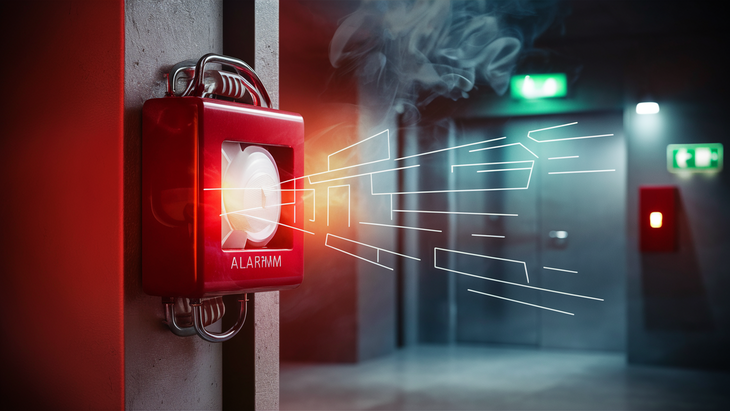
A beeping fire alarm can be startling, but before you panic, understand that it often signals a simple issue. This guide helps you quickly diagnose the cause of your fire alarm's beeping and provides actionable steps to resolve it, ensuring your home's safety without unnecessary alarm.
Understanding Fire Alarm Beeps: Why is it Happening?
The intermittent chirp or persistent beep from a smoke or carbon monoxide detector can send a jolt of anxiety through any homeowner. It's a sound designed to grab your attention, but often, it doesn't signify an immediate fire emergency. Instead, these beeping sounds are typically diagnostic signals, alerting you to a specific issue that needs your attention. Understanding these signals is crucial for maintaining the effectiveness of your home safety system. In 2025, the National Fire Protection Association (NFPA) reported that nearly 60% of home fire deaths occurred in homes without working smoke alarms. This statistic underscores the critical importance of ensuring your alarms are functioning correctly at all times. The key to a quiet, safe home lies in understanding what that beeping means and how to address it promptly and effectively. This guide will walk you through the most common reasons your fire alarm might be beeping and provide clear, actionable steps to resolve the issue, ensuring your peace of mind and, more importantly, your safety.
1. The Low Battery Signal: The Most Common Culprit
The single most frequent reason for a smoke or carbon monoxide detector to emit a beeping sound is a low battery. This is a deliberate feature designed to warn you that the alarm's power source is dwindling and will soon be unable to power the device effectively. These alarms are designed to chirp intermittently, typically once every 30 to 60 seconds, to signal this condition. The sound is usually distinct from a full alarm, which is a continuous, loud siren. However, the distinction can sometimes be subtle, especially if you're already stressed or the beep is infrequent.
Identifying the Low Battery Beep
Most modern smoke and carbon monoxide detectors use a specific pattern for low battery warnings. While manufacturers may vary slightly, common indicators include:
- Intermittent Chirps: A single, short beep that repeats at regular intervals (e.g., every minute).
- Specific Timing: The beep often occurs at the same time each day or night, which can be disorienting.
- Indicator Lights: Many alarms have a small LED light that flashes in a particular pattern to indicate a low battery. This might be a red or yellow flash.
What Kind of Battery?
The type of battery your alarm uses depends on the model. Most detectors run on standard alkaline batteries (like 9-volt or AA), while others are hardwired into your home's electrical system but still have a battery backup. It's essential to know which type your alarm uses before attempting a replacement.
How to Replace the Battery
Replacing the battery is a straightforward process for most alarms:
- Locate the Alarm: Identify the specific alarm that is beeping. If you have interconnected alarms, one may beep to indicate a problem with another.
- Remove the Alarm: Most smoke detectors twist off their mounting bracket. Some may have a small tab or latch to release them.
- Open the Battery Compartment: This is usually on the back or side of the alarm. It might be a door that slides open or requires a gentle twist.
- Remove the Old Battery: Note the orientation of the old battery.
- Insert the New Battery: Ensure you use the correct type and size of battery. Match the positive (+) and negative (-) terminals.
- Close the Compartment: Securely close the battery compartment.
- Reattach the Alarm: Twist the alarm back onto its mounting bracket until it clicks into place.
- Test the Alarm: Press and hold the test button on the alarm for a few seconds. It should emit a loud, clear siren sound. If it doesn't, check the battery installation or consult the manual.
Choosing the Right Battery
For optimal performance and longevity, it's recommended to use high-quality alkaline batteries or, if your alarm supports it, lithium batteries. Lithium batteries offer a longer lifespan and perform better in extreme temperatures, though they can be more expensive. For 2025, consider rechargeable batteries if your alarm model is compatible and you are committed to a sustainable solution, but ensure they maintain sufficient charge for consistent power. Always refer to your alarm's user manual for specific battery recommendations.
Frequency of Battery Replacement
Even with new batteries, smoke detectors typically require battery changes at least once a year. A good reminder is to change them when you change your clocks for daylight saving time. For alarms with sealed, long-life batteries (often lasting 10 years), the entire unit will need replacement at the end of its lifespan, which we will discuss later.
Troubleshooting After Battery Replacement
If the beeping continues after replacing the battery, ensure the new battery is correctly installed and fully charged. Sometimes, a faulty new battery can be the issue. Try a different brand or batch of batteries. If the problem persists, the alarm might be signaling something else, or it could be malfunctioning.
2. Resetting the Alarm: A Quick Fix for Glitches
Like any electronic device, smoke and carbon monoxide detectors can occasionally experience minor electronic glitches. These can be triggered by power fluctuations, temporary sensor issues, or even the process of changing batteries. In many cases, a simple reset can clear these temporary errors and stop the unwanted beeping.
Why Resetting Works
A reset essentially reboots the alarm's internal circuitry. It clears its memory of any temporary error states or false alarms that might have occurred. Think of it like restarting your computer when it acts up; it often resolves minor software conflicts or temporary bugs.
How to Reset Your Fire Alarm
The reset procedure can vary slightly between manufacturers and models, but the general steps are usually similar. Always consult your alarm's user manual for the most accurate instructions for your specific model. Here are the common methods:
Method 1: Using the Test/Silence Button
- Locate the Test/Silence Button: This is the prominent button on the face of your alarm.
- Press and Hold: Press and hold the test/silence button for an extended period, typically 15-20 seconds. Some alarms may beep or flash during this process.
- Release the Button: Release the button once the time has elapsed or the alarm indicates a reset (e.g., a single chirp or a change in indicator light).
- Wait for Stabilization: Allow the alarm a minute or two to stabilize.
- Test the Alarm: Press the test button again to ensure it's functioning correctly.
Method 2: Power Cycling (for Hardwired Alarms with Battery Backup)
If your alarm is hardwired into your home's electrical system and has a battery backup, you can try a power cycle:
- Turn Off Power: Locate the circuit breaker that controls your smoke detectors and turn it off. If you're unsure which breaker it is, you may need to turn off the main breaker for your home, but this is generally not recommended unless necessary.
- Remove the Battery: Open the battery compartment and remove the backup battery.
- Wait: Leave the power off and the battery removed for at least 60 seconds. This allows the internal capacitors to discharge.
- Reinsert the Battery: Replace the battery, ensuring it's correctly oriented.
- Restore Power: Turn the circuit breaker back on.
- Test the Alarm: Press the test button to confirm functionality.
Method 3: Removing and Reinstalling the Alarm
In some cases, removing the alarm from its mounting bracket and then reattaching it can also initiate a reset sequence, especially if there's a slight disruption in the electrical connection.
- Remove the Alarm: Gently twist the alarm off its mounting bracket.
- Wait a Few Seconds: Allow the alarm to power down completely.
- Reattach the Alarm: Twist it back onto the bracket until it is securely in place.
- Test the Alarm: Press the test button.
When Resetting Might Not Work
While resetting is a common fix, it won't solve every problem. If the beeping persists after multiple reset attempts, or if the alarm fails its test after a reset, it indicates a more significant issue, such as a faulty sensor, a persistent power problem, or the end of the alarm's lifespan.
Preventing Future Glitches
Regular maintenance, including dusting and periodic testing, can help prevent minor issues that might lead to glitches. For hardwired alarms, ensuring stable power supply and checking for loose connections during periodic inspections can also be beneficial.
3. Dust and Debris: When a Clean Alarm is a Safe Alarm
Smoke detectors are designed to detect tiny particles in the air. Ironically, this sensitivity means that dust, dirt, insects, and other airborne debris can accumulate inside the sensing chamber, leading to false alarms or, more commonly, intermittent beeping that signals a need for cleaning. This is a particularly common issue in older homes or those undergoing renovations.
How Dust Affects Alarms
The sensing chamber of a smoke detector typically uses a photoelectric or ionization sensor. Dust particles can interfere with the light beam in photoelectric sensors or alter the electrical charge in ionization sensors. This interference can be interpreted by the alarm's electronics as smoke, triggering a false alarm, or it can cause the alarm to become overly sensitive, leading to diagnostic beeps.
Signs Your Alarm Needs Cleaning
Beyond the beeping, other signs that your alarm might need cleaning include:
- Frequent False Alarms: If your alarm goes off without any apparent source of smoke or other triggers.
- Reduced Sensitivity: While less common as a cause for beeping, a heavily soiled alarm might become less responsive to actual smoke.
- Visible Debris: If you can see dust, cobwebs, or even small insects around the vents or inside the alarm housing.
Cleaning Your Smoke Detector: A Step-by-Step Guide
Cleaning your smoke detector is a simple but crucial maintenance task. It's best done at least once a year, or more frequently if you live in a dusty environment or have pets.
- Safety First: Turn Off Power. If your alarm is hardwired, turn off the power to the circuit at your home's electrical panel. If it's battery-powered, remove the battery to prevent accidental chirping during cleaning.
- Remove the Alarm: Gently twist the alarm off its mounting bracket.
- Vacuum the Exterior: Use the soft brush attachment of your vacuum cleaner to gently vacuum the entire exterior of the alarm, paying close attention to the vents and openings. This will remove loose dust and cobwebs.
- Clean the Interior (Carefully):
- Most alarms have a cover that can be gently pried open or a battery compartment that provides access to the interior. Consult your user manual if unsure.
- Use a can of compressed air to blow out any dust or debris from the sensing chamber and internal components. Hold the can upright and use short bursts. Be careful not to spray too close, as the propellant can be damaging.
- Alternatively, you can use a soft, dry brush or a cotton swab to gently dislodge stubborn dust. Avoid using any liquids, solvents, or cleaning sprays, as these can damage the sensor and void the warranty.
- Clean the Battery Terminals: If you removed the battery, use a pencil eraser or a slightly damp cloth (ensure it's nearly dry) to clean the battery terminals and the contacts inside the alarm for a better connection.
- Reassemble and Reinstall: Once clean and dry, reassemble the alarm if you took it apart. Reinstall the battery and then twist the alarm back onto its mounting bracket.
- Restore Power and Test: If you turned off the circuit breaker, turn it back on. Press and hold the test button on the alarm to ensure it is functioning correctly.
Special Considerations for Carbon Monoxide Detectors
Carbon monoxide detectors also have vents that can become clogged. The cleaning process is similar, but it's especially important not to use any liquids, as this can damage the CO sensor. Stick to vacuuming and compressed air.
Frequency of Cleaning
The NFPA recommends testing smoke alarms monthly and cleaning them at least once a year. However, if your home is prone to dust, or if you have pets that shed significantly, you may need to clean your alarms more frequently, perhaps every six months.
4. Location, Location, Location: Is Your Alarm in the Right Spot?
The placement of your smoke and carbon monoxide detectors is critical for their effectiveness. An alarm that is too close to a cooking appliance, a bathroom, or in a poorly ventilated area might experience frequent nuisance beeps or false alarms. Conversely, an alarm placed in an area that doesn't effectively monitor living spaces can be a safety hazard. While improper placement usually leads to false alarms rather than persistent beeping, it can sometimes cause the alarm to register minor environmental changes as problematic, leading to chirps.
Ideal Placement Guidelines (2025 Recommendations)
Based on current safety standards and recommendations from organizations like the NFPA, here's where your alarms should ideally be located:
- Every Level of the Home: Install at least one smoke alarm on each level of your home, including the basement.
- Inside Each Sleeping Area: Place alarms inside each bedroom where people sleep.
- Outside Sleeping Areas: Install an alarm in the hallway or common area immediately outside each separate sleeping area.
- Living Areas: Consider placing alarms in main living areas like the living room or family room.
- Near the Kitchen: Install an alarm at least 10 feet (3 meters) away from the kitchen to avoid nuisance alarms from cooking fumes.
- Near Bathrooms: Similarly, keep alarms at least 10 feet (3 meters) away from bathrooms to prevent false alarms from steam.
- Near Heat Sources: Avoid placing alarms directly above or near heat-producing appliances such as furnaces, water heaters, or fireplaces.
- Avoid Dead Air Spaces: Do not install alarms in the dead air space at the peak of angled ceilings or in wall/ceiling corners, as smoke may not reach them effectively. The ideal placement on a sloped ceiling is within 3 feet (0.9 meters) of the peak.
- Ceiling vs. Wall: Alarms can be mounted on the ceiling or on walls. If mounting on a wall, the top of the alarm should be at least 4 inches (10 cm) from the ceiling.
Common Placement Mistakes Leading to Beeping/False Alarms
- Too Close to the Kitchen: Cooking fumes, even light ones, can trigger alarms. If your alarm is within 10 feet of the stove, it's a prime candidate for nuisance beeps or false alarms.
- Near Bathrooms with Steam: Showers and baths can produce significant steam, which can sometimes be misinterpreted by sensitive smoke detectors.
- Adjacent to High-Humidity Areas: Laundry rooms or areas with high natural humidity can also cause issues.
- Near Air Vents or Fans: Strong drafts can sometimes carry dust or other particles towards the alarm, or cool the sensor surface, potentially causing a chirp.
- In Garages or Unconditioned Spaces: While not typically a cause for beeping, these areas can expose alarms to extreme temperatures and dust, shortening their lifespan and increasing the chance of malfunction.
What to Do if Placement is Suspect
If you suspect your alarm's location is causing intermittent beeping or false alarms, consider relocating it. Follow these steps:
- Consult Your Manual: Check your alarm's user manual for specific placement recommendations.
- Identify the Problematic Location: Note where the alarm is currently installed and why you think it's an issue (e.g., too close to the kitchen).
- Choose a New Location: Select a spot that meets the ideal placement guidelines. Ensure it's still within range of a power source if hardwired, and consider the airflow.
- Disconnect Power: Turn off power at the breaker for hardwired alarms, and remove the battery for battery-powered ones.
- Remove the Old Alarm: Detach the existing alarm from its bracket.
- Install the Mounting Bracket: Securely install the new mounting bracket in the chosen location.
- Attach the Alarm: Connect the alarm to the new bracket. Reinsert the battery and reconnect power if hardwired.
- Test the Alarm: Press the test button to ensure it functions correctly.
Hardwired Interconnected Systems
If you have a hardwired system where alarms are interconnected, a problem with one alarm's placement can sometimes cause other alarms to chirp or malfunction. If multiple alarms are beeping, review the placement of all units.
5. The Age Factor: When Your Alarm Needs Retirement
Smoke and carbon monoxide detectors, like all electronic devices, have a finite lifespan. Over time, their components degrade, and their sensitivity can decrease. Most manufacturers recommend replacing smoke alarms every 10 years and carbon monoxide detectors every 5 to 7 years, depending on the model. An aging alarm is a common, yet often overlooked, reason for persistent beeping or erratic behavior.
Understanding Alarm Lifespans
Smoke Alarms: Typically last 10 years. This lifespan applies to both battery-powered and hardwired units. The 10-year mark is measured from the date of manufacture, not the date of installation. You can usually find the manufacture date printed on the back or side of the alarm.
Carbon Monoxide (CO) Alarms: Generally have a shorter lifespan, ranging from 5 to 7 years. CO sensors degrade over time, and their ability to accurately detect dangerous levels of the gas diminishes. Again, check the manufacture date.
Combination Smoke/CO Alarms: These units will have a lifespan dictated by the component with the shorter life, usually the CO sensor, so plan for replacement around the 5-7 year mark.
Why Do Alarms Expire?
- Sensor Degradation: The sensors within the alarm are sensitive components that can lose their effectiveness over time due to exposure to airborne particles, temperature fluctuations, and general wear and tear.
- Component Aging: Electronic components, including circuit boards and power supplies, can degrade, leading to unreliable operation.
- Battery Backup Issues: For hardwired alarms, the battery backup's ability to hold a charge can diminish over the years, leading to low battery warnings or operational issues.
Identifying an Expired Alarm
The most reliable way to know if your alarm has expired is to check the manufacture date printed on the unit. If the date is 10 years or older for a smoke alarm, or 5-7 years or older for a CO alarm, it's time for replacement, regardless of whether it's beeping.
However, an expired alarm might also exhibit the following behaviors:
- Frequent, Unexplained Beeping: Even after replacing batteries and cleaning, an old alarm may start to beep erratically.
- Failure to Test: The alarm may not sound when the test button is pressed, or the sound may be weak.
- Intermittent Functionality: The alarm might work sporadically, failing to activate when needed.
- End-of-Life Signal: Some newer alarms are designed to emit a specific "end-of-life" chirp or beep pattern to indicate they need replacement. Consult your manual to identify this signal.
The Replacement Process
Replacing an expired alarm is critical for maintaining your home's safety. The process is similar to battery replacement or relocation:
- Purchase a New Alarm: Ensure you buy a new alarm that meets current safety standards (e.g., UL 217 for smoke alarms, UL 2034 for CO alarms). Consider interconnected alarms for enhanced safety if your current system supports it.
- Turn Off Power: For hardwired alarms, switch off the power at the circuit breaker.
- Remove the Old Alarm: Twist it off the mounting bracket.
- Remove the Battery: Disconnect the battery backup.
- Install the New Mounting Bracket: Use the new bracket provided with your replacement alarm.
- Connect the New Alarm: If hardwired, connect the wiring harness from the new alarm to the existing wiring. Then, attach the new alarm to its bracket.
- Insert the Battery: Install the new battery backup.
- Restore Power: Turn the circuit breaker back on.
- Test the New Alarm: Press and hold the test button until the alarm sounds. Test all interconnected alarms to ensure they communicate.
Statistics on Expired Alarms
According to a 2025 study by the U.S. Fire Administration, approximately 25% of home smoke alarms are more than 10 years old, and a significant portion of these are non-functional. This highlights the widespread issue of expired alarms posing a silent threat.
6. Environmental Factors and Interference
Beyond the common issues of batteries, dust, and age, several environmental factors can cause your fire alarm to beep. These are often temporary but can be perplexing if you're not aware of the potential causes. Understanding these external influences can help you troubleshoot and prevent future beeping incidents.
Power Fluctuations and Surges
For hardwired smoke detectors, power surges or brownouts (temporary drops in voltage) from the electrical grid can sometimes trigger alarms or cause them to beep erratically. While alarms are designed to withstand minor fluctuations, significant or prolonged power instability can affect their performance. If you notice beeping shortly after a power outage or during a storm, this could be the culprit.
Solution: If this is a recurring issue, consider installing a whole-house surge protector or a battery backup system for your home's electrical panel. For individual alarms, ensure the battery backup is robust.
Humidity and Steam
As mentioned in the placement section, high humidity and steam can trigger alarms. While this often leads to false alarms, in some sensitive units, it might manifest as a series of chirps indicating a potential issue with the sensor's environment. This is more common in bathrooms or kitchens without adequate ventilation.
Solution: Ensure bathrooms have working exhaust fans that are used during and after showers. Improve ventilation in kitchens. If the problem persists, consider relocating the alarm further away from the source of humidity.
Temperature Extremes
Smoke detectors are designed to operate within a specific temperature range. Exposing them to extreme heat or cold can affect their performance and lead to erratic behavior, including beeping. This is particularly relevant for alarms installed in attics, garages, or near uninsulated windows or doors.
Solution: Ensure alarms are installed in climate-controlled areas of your home, within the manufacturer's specified operating temperature range (typically 40°F to 100°F or 4°C to 38°C).
Insects and Pests
Small insects, such as spiders or flies, can crawl into the sensing chamber of a smoke detector. Their presence can obstruct the sensor or trigger false alarms. While cleaning usually resolves this, persistent infestations might lead to ongoing issues and beeping.
Solution: Regular cleaning with compressed air is the best preventative measure. If you have a persistent insect problem, consider using pest control methods in the vicinity of your alarms, but avoid spraying directly onto the alarms themselves.
Electromagnetic Interference (EMI)
In rare cases, strong electromagnetic fields from nearby electronic devices (like certain types of lighting, high-power Wi-Fi routers, or cordless phones) can potentially interfere with the sensitive electronics of a smoke alarm. This is more likely with older or less shielded alarm models.
Solution: Try moving the alarm or the interfering device further apart. If the beeping stops, you've found the source of interference.
Testing of Other Alarms
In interconnected alarm systems, one alarm's test sequence or a genuine alarm condition in one unit can cause other units to beep or sound briefly. If you hear beeping and then a test button is pressed elsewhere in the house, it might be a normal system response.
Solution: Understand how your interconnected system works. If one alarm sounds, all should sound. If only one beeps intermittently, it's likely an issue with that specific unit.
Chemical Vapors
Exposure to certain cleaning agents, paint fumes, or aerosol sprays can sometimes trigger a smoke alarm or cause it to beep. While usually resulting in a full alarm, very mild or intermittent exposure might lead to chirping.
Solution: Ensure proper ventilation when using strong chemicals. If the beeping occurs after painting or cleaning, ventilate the area thoroughly and clean the alarm as per instructions.
7. Is the Alarm Malfunctioning? When to Call a Professional
After exhausting all other possibilities—checking the battery, resetting the unit, cleaning it, verifying its placement, and ensuring it's not expired—if your fire alarm continues to beep persistently, it's highly probable that the unit itself is malfunctioning. This is a critical safety concern, as a malfunctioning alarm cannot be relied upon to detect a fire.
Signs of a Malfunctioning Alarm
Beyond persistent, unresolvable beeping, a malfunctioning alarm might exhibit other troubling signs:
- Failure to Test: The alarm does not sound when the test button is pressed, even with a new, correctly installed battery.
- Intermittent or Weak Sound: The alarm sounds, but the siren is weak, distorted, or cuts out.
- Constant Alarm State: The alarm sounds continuously without any apparent trigger, and resetting does not help.
- Erratic Beeping Patterns: The beeping does not match any known low-battery or error codes for your specific model.
- Indicator Lights Behaving Strangely: LED lights flash in unusual patterns not described in the manual.
Why Malfunctions Occur
Malfunctions can stem from various causes:
- Internal Component Failure: The sensor, circuitry, or siren mechanism may have failed due to age, manufacturing defects, or damage.
- Water Damage: If the alarm has been exposed to significant moisture (e.g., a leak from above), internal components can corrode.
- Electrical Damage: Power surges or faulty wiring in hardwired systems can damage the alarm's electronics.
- Manufacturing Defects: While less common, some alarms may have inherent defects that become apparent over time.
When to Call a Professional
If you suspect your alarm is malfunctioning, it's time to involve a professional. This is particularly true for hardwired systems, which involve your home's electrical wiring.
- For Hardwired Systems: If you've tried replacing the battery backup and resetting the unit, and the beeping persists, it's best to call a qualified electrician. They can safely inspect the wiring, the power supply, and the alarm unit itself. They can also advise on replacing interconnected hardwired alarms.
- For Battery-Powered Alarms: If a battery-powered alarm is malfunctioning, and you've gone through all the troubleshooting steps, the most straightforward and safest solution is to replace the unit entirely. However, if you have a complex interconnected battery-powered system and are unsure, an electrician specializing in low-voltage systems or a security system installer might be able to assist.
- If You're Unsure: When in doubt, err on the side of caution. A faulty smoke alarm is a significant safety risk. Contacting a professional ensures the issue is correctly diagnosed and resolved, protecting your home and family.
Replacing a Malfunctioning Unit
In most cases of malfunction, the alarm unit itself needs to be replaced. Since alarms have a limited lifespan anyway, replacing a malfunctioning unit with a new one is the most practical and safest solution. Ensure the new unit is compatible with your existing system if it's interconnected.
Statistics on Malfunctioning Alarms
A 2025 survey indicated that nearly 15% of homes with smoke alarms reported experiencing at least one instance of a malfunctioning unit in the past year, with persistent beeping being the most common symptom. This underscores the importance of not ignoring persistent alarm issues.
Proactive Fire Alarm Maintenance: Beyond the Beep
The beeping of a fire alarm is a signal, often a cry for attention to a problem that needs addressing. However, the best approach to fire safety is proactive maintenance, rather than reactive troubleshooting. By implementing a regular maintenance schedule, you can significantly reduce the likelihood of encountering unexpected beeps and ensure your alarms are always ready to perform their critical life-saving function.
The Importance of a Maintenance Schedule
A consistent maintenance routine is your best defense against alarm failure. It involves simple, regular checks that take minimal time but offer maximum benefit. The NFPA recommends monthly testing and annual cleaning as a minimum standard.
Key Maintenance Tasks and Frequency
Here's a recommended maintenance schedule for your smoke and carbon monoxide detectors:
Monthly: Testing
Action: Press the test button on each alarm. Why: This verifies that the battery, circuitry, and siren are all functioning correctly. If an alarm doesn't sound, or the sound is weak, it needs immediate attention (battery change, cleaning, or replacement).
Annually: Cleaning
Action: Vacuum the exterior and use compressed air to clean the interior of each alarm. Why: Removes dust, cobwebs, and debris that can interfere with sensor performance and cause false alarms or malfunctions.
Annually: Battery Replacement (for non-sealed units)
Action: Replace the batteries in all smoke and CO alarms. Why: Ensures a reliable power source. Even if the alarm doesn't beep, old batteries may not have enough power to activate the siren during a real emergency. A good reminder is to do this when you change your clocks for daylight saving time.
Every 5-7 Years: Replace CO Alarms
Action: Replace carbon monoxide detectors. Why: CO sensors degrade over time and lose their effectiveness. Check the manufacture date; replace the unit by its expiration date.
Every 10 Years: Replace Smoke Alarms
Action: Replace smoke alarms. Why: All components, including sensors, degrade over time. The 10-year replacement rule ensures optimal performance. Check the manufacture date on the unit.
When Installing New Alarms
Action: Record the installation date. Why: This helps you track the lifespan of your alarms accurately, especially for smoke alarms where the 10-year replacement is crucial.
Choosing the Right Alarms for the Future
When purchasing new alarms, consider these features for enhanced safety and easier maintenance:
- Interconnected Alarms: Hardwired or wirelessly interconnected alarms ensure that if one alarm detects danger, all alarms in the system will sound. This is crucial for larger homes.
- Sealed, Long-Life Batteries: Many newer alarms come with sealed batteries designed to last the entire life of the alarm (10 years). This eliminates the need for annual battery changes and reduces the risk of a dead battery.
- Smart Alarms: Some modern alarms connect to your home Wi-Fi and can send alerts to your smartphone, even when you're away. They often provide more detailed diagnostic information.
- Combination Alarms: Consider combination smoke and carbon monoxide alarms for convenience, but remember their shorter replacement cycle.
Creating a Home Safety Plan
Beyond alarm maintenance, ensure your family has a comprehensive fire safety plan:
- Escape Routes: Plan and practice at least two escape routes from every room.
- Meeting Place: Designate an outdoor meeting place a safe distance from your home.
- Fire Extinguishers: Keep fire extinguishers in key locations (kitchen, garage) and know how to use them.
- Emergency Contacts: Have emergency contact numbers readily available.
By integrating these proactive maintenance steps and safety practices into your home routine, you can ensure your fire alarms are always a reliable guardian, providing peace of mind and crucial early warnings when they matter most.
In conclusion, a beeping fire alarm is rarely a cause for immediate panic, but it always demands attention. We've explored the seven most common reasons for this disruptive sound: low batteries, the need for a simple reset, accumulated dust and debris, improper placement, the alarm reaching the end of its lifespan, environmental interference, and outright malfunction. By systematically working through these checks, you can often resolve the issue yourself. Remember, proactive maintenance—regular testing, cleaning, and timely replacement—is the most effective strategy to prevent these beeps and ensure your home safety system is always functioning optimally. Don't delay in addressing any persistent beeping; your family's safety depends on it.