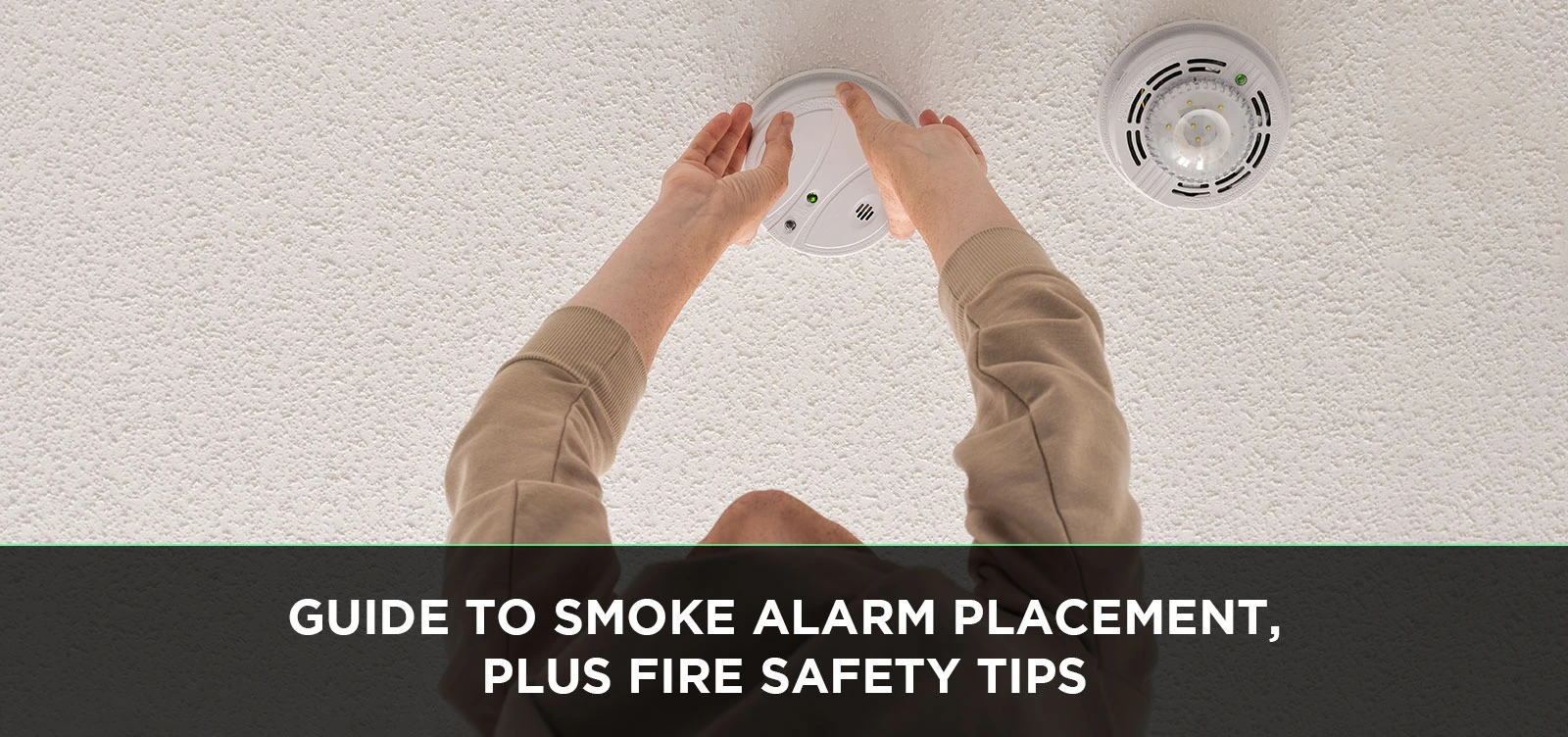
Guide to Smoke Alarm Placement, Plus Fire Safety Tips
Understanding Smoke Alarm Placement: Your First Line of Defense
In the face of a fire, every second counts. The effectiveness of your smoke alarms hinges critically on their placement. This comprehensive guide will equip you with the knowledge to strategically position smoke alarms throughout your home, ensuring they provide the earliest possible warning. We'll delve into the nuances of placement, explore different alarm types, and offer vital fire safety tips for 2025-26, empowering you to create a safer living environment for your family.
Why Proper Smoke Alarm Placement Matters
The primary function of a smoke alarm is to detect the presence of smoke and alert occupants to a potential fire. However, their ability to do so effectively is directly tied to where they are installed. Smoke, like heat, rises. Therefore, placing alarms in optimal locations allows them to quickly sense the earliest signs of combustion before flames become visible or the environment becomes dangerously hot. Incorrect placement can lead to delayed detection, false alarms, or even complete failure to alert residents, especially during sleep when senses are dulled. According to 2025 statistics from the National Fire Protection Association (NFPA), in fires where the smoke alarm was present but not functioning, nearly half (46%) had missing or disconnected batteries. This highlights the importance of both proper installation and ongoing maintenance, with placement being a foundational element of a functional system. For 2026, research continues to emphasize that early detection is the single most crucial factor in reducing fire-related fatalities and injuries. A well-placed smoke alarm can provide precious minutes, turning a potential tragedy into a manageable situation.
Choosing the Right Smoke Alarms
Before discussing placement, it's essential to understand the two primary types of smoke-sensing technologies: ionization and photoelectric. Most modern smoke alarms are dual-sensor, combining both technologies for broader detection capabilities.
Ionization Alarms
These alarms are generally more responsive to fast-flaming fires, which produce smaller smoke particles. They work by using a small amount of radioactive material to ionize the air between two electrodes, creating a current. When smoke enters the chamber, it disrupts this current, triggering the alarm.
Photoelectric Alarms
These alarms are more effective at detecting slow-smoldering fires, which produce larger smoke particles. They use a light beam and a sensor. In a normal state, the light beam does not hit the sensor. When smoke enters the chamber, it scatters the light beam, causing it to hit the sensor and activate the alarm.
Dual-Sensor Alarms
For maximum protection, dual-sensor alarms are highly recommended. They combine both ionization and photoelectric technologies, offering the best of both worlds by detecting a wider range of fire types.
Other Considerations
When selecting alarms, also consider:
- Power Source: Alarms are either battery-powered, hardwired into your home's electrical system, or a combination of both (with a battery backup). Hardwired alarms are generally considered more reliable as they don't rely on batteries that can be forgotten or removed.
- Interconnectivity: Alarms that can be interconnected (wired or wirelessly) are crucial for larger homes. When one alarm sounds, all connected alarms will sound, ensuring everyone hears the warning.
- Smart Features: Some modern alarms offer smart features like smartphone alerts, battery level monitoring, and voice alerts that can specify the type and location of the danger.
The Definitive Guide to Smoke Alarm Placement
The goal of smoke alarm placement is to ensure they can detect smoke from any potential fire source in your home as quickly as possible, without being triggered by normal household activities like cooking or steam. The general rule of thumb, recommended by fire safety organizations for 2025-26, is to install smoke alarms on every level of your home, inside each bedroom, and outside each sleeping area.
General Installation Guidelines
Regardless of the specific room, follow these universal installation rules:
- Ceiling or Wall Mounting: Smoke alarms should be mounted on the ceiling or on a wall. If on a wall, the top of the alarm should be at least 4 inches (10 cm) and no more than 12 inches (30 cm) from the ceiling.
- Avoid Dead Air Spaces: Do not place alarms in the peak of a sloped ceiling or in the corner where the wall meets the ceiling. These are known as "dead air spaces" where smoke may not reach the sensor promptly. For ceilings that are flat, place alarms at least 4 inches (10 cm) from any wall or corner.
- Away from Obstructions: Ensure there are no obstructions (like ceiling fans, light fixtures, or ventilation grilles) within 12 inches (30 cm) of the alarm.
- Avoid High Humidity Areas: Do not install alarms in bathrooms, kitchens (unless specifically designed for kitchens and placed correctly), or garages where steam or fumes can cause false alarms.
Hallways and Sleeping Areas: The Core Strategy
This is the most critical area for smoke alarm placement, as fires often start and spread while people are asleep.
Inside Sleeping Areas
Install at least one smoke alarm inside each bedroom. This is vital for detecting fires that may start within a bedroom itself, such as from faulty electrical wiring, a discarded cigarette, or a malfunctioning appliance.
Outside Sleeping Areas
Install at least one smoke alarm in the hallway or common area immediately outside each sleeping area. For homes with multiple levels, this means placing alarms on every level, including basements and attics that are used for living or storage.
In Stairwells
For homes with more than one story, place an alarm on every level of the stairway. This is especially important at the top and bottom of staircases, as smoke and heat will travel upwards.
Placement Example for a Two-Story Home
Consider a typical two-story home:
- First Floor: One alarm in the main living area or hallway leading to bedrooms, and one alarm outside each bedroom on this floor. If there's a basement, an alarm at the top of the basement stairs and at the bottom.
- Second Floor: One alarm in the hallway outside the bedrooms on this floor, and one alarm inside each bedroom.
For larger homes or those with complex layouts, consult NFPA guidelines or your local fire department for specific recommendations. The overarching principle is to ensure no sleeping area is more than a few steps away from an audible alarm.
Living Areas and Kitchens: Navigating Potential Nuisances
While living areas and kitchens are important, placement here requires careful consideration to avoid nuisance alarms.
Living Rooms and Family Rooms
It's generally recommended to have smoke alarms in main living areas. Place them in the center of the room or on the ceiling, following the general guidelines. This is where occupants spend a lot of time, and fires can originate from electrical outlets, entertainment systems, or fireplaces.
Dining Rooms
If your dining room is a separate area, consider an alarm there as well, particularly if it's a common gathering space.
Kitchen Placement
Kitchens are notorious for nuisance alarms due to cooking fumes and steam. However, fires can and do start in kitchens.
- Avoid Direct Proximity to Cooking Appliances: Never place a smoke alarm within 10 feet (3 meters) of a stove, oven, or microwave.
- Placement Recommendations: If you must place an alarm in or near the kitchen, install it on the ceiling or on a wall at least 10 feet (3 meters) away from cooking appliances. Consider a photoelectric alarm, which is less prone to nuisance alarms from cooking, or a dual-sensor alarm. Some specialized kitchen alarms are designed to differentiate between cooking smoke and fire smoke.
- Ventilation: Ensure good ventilation in the kitchen to help dissipate cooking fumes quickly.
A 2025 study by the Fire Safety Research Institute indicated that while nuisance alarms are a concern, the risk of undetected fires in kitchens outweighs the inconvenience of occasional false alarms if placement is done thoughtfully.
Special Considerations for Unique Spaces
Certain areas of your home may require specific placement strategies.
Basements and Attics
Basements: Install an alarm at the bottom of the basement stairs and at the top of the stairs leading to the main floor. If the basement is finished and used as living space, an additional alarm may be necessary within the living area itself. Basements often contain furnaces, water heaters, and electrical panels, which can be fire hazards.
Attics: If your attic is used for living space, storage, or contains significant electrical equipment, install an alarm there. Follow the general mounting guidelines, ensuring it's accessible and not in a dead air space.
Garages
Garages are often excluded from primary smoke alarm placement due to potential fumes from vehicles and chemicals. However, if your garage is attached and there is a door connecting it to the living space, it's highly recommended to install a smoke alarm on the wall adjacent to that connecting door, but not inside the garage itself. This provides an early warning if a fire starts in the garage and begins to spread into the home.
Homes with High Ceilings
For rooms with very high ceilings (over 8 feet or 2.4 meters), it's best to place alarms on the ceiling. If a ceiling is vaulted or sloped, place the alarm within 3 feet (0.9 meters) of the peak, but not in the dead air space.
Homes with Multiple Furnaces or Water Heaters
If you have separate furnaces or water heaters in different areas (e.g., a main unit and a secondary one in a basement), consider placing an alarm in proximity to each, following the general distance guidelines from heat sources.
The Power of Interconnected Smoke Alarms
For comprehensive safety, especially in larger or multi-story homes, interconnected smoke alarms are a game-changer.
How They Work
When one interconnected alarm detects smoke, it sends a signal to all other connected alarms, causing them to sound simultaneously. This ensures that everyone in the house hears the alarm, regardless of where the fire starts.
Benefits
- Early Warning for Everyone: If a fire starts in a remote part of the house, or if occupants are asleep in different areas, interconnected alarms guarantee that everyone is alerted immediately.
- Increased Safety for Vulnerable Individuals: This is particularly crucial for homes with young children, elderly residents, or individuals with hearing impairments.
- Compliance with Modern Standards: Many building codes and fire safety recommendations for new constructions and renovations now mandate interconnected alarms.
Types of Interconnection
- Wired Interconnection: Alarms are physically wired together. This is common in hardwired systems.
- Wireless Interconnection: Alarms communicate with each other wirelessly using radio frequency. This is a more flexible option for retrofitting existing homes.
According to 2025 NFPA data, homes with interconnected smoke alarms have a significantly lower risk of fire fatalities compared to homes with only standalone units. The recommendation for 2026 is to ensure all alarms in a home are interconnected.
Beyond Placement: Essential Maintenance and Testing
Proper placement is only one piece of the puzzle. Regular maintenance and testing are critical to ensure your smoke alarms function when needed.
Testing Your Alarms
- Monthly Testing: Test all smoke alarms at least once a month by pressing the test button. This verifies that the power source and the alarm mechanism are working.
- Listen for the Sound: The test should produce a loud, clear, continuous alarm sound. If the sound is weak or doesn't sound, the alarm needs attention.
Battery Replacement
- Annual Replacement: Replace batteries in all smoke alarms at least once a year, even if they are hardwired with battery backup. A good reminder is to change them when you change your clocks for daylight saving time.
- Check Battery Levels: Some smart alarms will alert you to low battery levels via your smartphone.
- Never Remove Batteries: As noted earlier, missing or dead batteries are a primary reason for non-functioning alarms.
Cleaning Your Alarms
Smoke alarms can accumulate dust, dirt, and insects, which can interfere with their sensors.
- Vacuuming: Gently vacuum the alarms with a soft brush attachment once a year to remove dust and debris.
- Avoid Sprays: Never use cleaning sprays or solvents on smoke alarms, as they can damage the sensors.
Alarm Lifespan
Smoke alarms do not last forever. Most manufacturers recommend replacing smoke alarms every 10 years from the date of manufacture. Check the manufacturing date on the back of your alarm and replace them accordingly.
A 2025 survey indicated that nearly 20% of households reported having smoke alarms that were older than 10 years, significantly compromising their effectiveness.
Broader Fire Safety: A Holistic Approach
While smoke alarms are your first line of defense, a comprehensive fire safety strategy involves more than just alarms. It's about prevention and preparedness.
Creating and Practicing Your Fire Escape Plan
A well-thought-out and practiced fire escape plan can save lives.
Steps to Create a Plan:
- Two Ways Out: For every room, identify at least two escape routes – typically a door and a window. Ensure windows are not painted shut and can be opened easily.
- Designate a Meeting Place: Choose a safe, familiar location outside your home where everyone will meet after escaping. This could be a specific tree, a neighbor's mailbox, or a lamppost across the street.
- Map Your Home: Draw a simple floor plan of your home and mark all doors, windows, and potential escape routes.
- Practice Regularly: Conduct fire drills at least twice a year. Practice escaping in the dark, as fires often occur at night.
- Special Needs: Consider the needs of infants, elderly individuals, or people with disabilities. Ensure someone is assigned to assist them during an escape.
Practice Scenarios:
- Blocked Exit: What if the primary exit is blocked by smoke or flames? Practice using the secondary exit.
- Difficulty Opening Windows: Ensure everyone knows how to operate windows and escape devices if necessary.
- Getting Low: Teach everyone to stay low to the ground where the air is clearer and cooler.
A 2026 report by the U.S. Fire Administration noted that while many households have smoke alarms, fewer than half have a practiced fire escape plan.
Proactive Fire Prevention: Minimizing Risk
The best fire is one that never starts. Here are key prevention tips for 2025-26:
Kitchen Safety:
- Never Leave Cooking Unattended: Stay in the kitchen when frying, grilling, or broiling. If you leave, even for a moment, turn off the stove.
- Keep Flammables Away: Keep oven mitts, wooden utensils, food packaging, towels, and curtains away from stovetops.
- Clean Grease Buildup: Regularly clean stovetops and ovens to prevent grease buildup, which can ignite.
- Microwave Safety: Use only microwave-safe containers. Never use aluminum foil or metal in the microwave.
Electrical Safety:
- Don't Overload Circuits: Avoid plugging too many appliances into one outlet or extension cord.
- Inspect Cords: Regularly check electrical cords for fraying or damage. Replace them if damaged.
- Use Certified Products: Ensure all electrical appliances and extension cords are certified by a recognized testing laboratory (like UL).
- Proper Lighting: Use the correct wattage bulbs for lamps and fixtures.
Heating Safety:
- Clearance Around Heaters: Keep portable heaters at least 3 feet (0.9 meters) away from anything that can burn, including furniture, curtains, and bedding.
- Turn Off Heaters: Turn off portable heaters when you leave the room or go to sleep.
- Chimney Maintenance: Have chimneys and vents inspected and cleaned annually by a qualified professional.
Smoking Safety:
- Use Sturdy Ashtrays: Use deep, sturdy ashtrays and make sure cigarettes are completely extinguished before discarding.
- Never Smoke in Bed: The risk of falling asleep with a lit cigarette is extremely high.
- Dispose of Butts Properly: Ensure cigarette butts are fully out and disposed of in a safe receptacle.
Candle Safety:
- Never Leave Unattended: Always extinguish candles before leaving a room or going to sleep.
- Keep Away from Flammables: Place candles on stable, heat-resistant surfaces away from curtains, bedding, and other combustible materials.
- Use Holders: Use sturdy candle holders that won't tip over.
Flammable Liquids:
- Store Safely: Store flammable liquids like gasoline, paint thinner, and cleaning solvents in approved containers, away from heat sources and out of reach of children.
- Use in Well-Ventilated Areas: Use these products only in well-ventilated areas.
According to 2025 fire statistics, cooking equipment is the leading cause of home fires, followed by heating equipment and electrical malfunctions. Proactive prevention is key to mitigating these risks.
Immediate Actions During a Fire
If your smoke alarm sounds, it's crucial to act quickly and calmly.
- Stay Calm: Don't panic.
- Alert Others: Yell "Fire!" to wake up everyone in the house.
- Feel Doors: Before opening any door, feel it with the back of your hand. If it's hot, do not open it. Use your secondary escape route.
- Stay Low: If there is smoke, crawl on your hands and knees to stay below the smoke layer.
- Go to Your Meeting Place: Once outside, go directly to your designated meeting place.
- Call 911: From a safe location outside your home, call the fire department (911 or your local emergency number). Do not go back inside for any reason.
- Account for Everyone: Make sure everyone is accounted for at the meeting place.
Remember, the goal is to get out safely and quickly. Your smoke alarms are designed to give you that critical early warning.
Conclusion: Your Safety, Our Priority
Your home's safety is paramount, and effective smoke alarm placement is a cornerstone of a robust fire safety strategy. By understanding the principles of where to install alarms – especially within sleeping areas, hallways, and on every level – you significantly enhance your household's early warning capabilities. Remember to choose the right type of alarms, consider the benefits of interconnected systems, and commit to regular maintenance and testing. Beyond alarms, proactive fire prevention measures and a practiced escape plan are indispensable. For 2025-26, the data consistently shows that early detection and preparedness are the most effective tools against the devastating impact of home fires. Implement these guidelines diligently to protect your loved ones and your property. Your vigilance today ensures a safer tomorrow.