Harnessing the Sun Advantages of Solar Security Cameras for Your Home
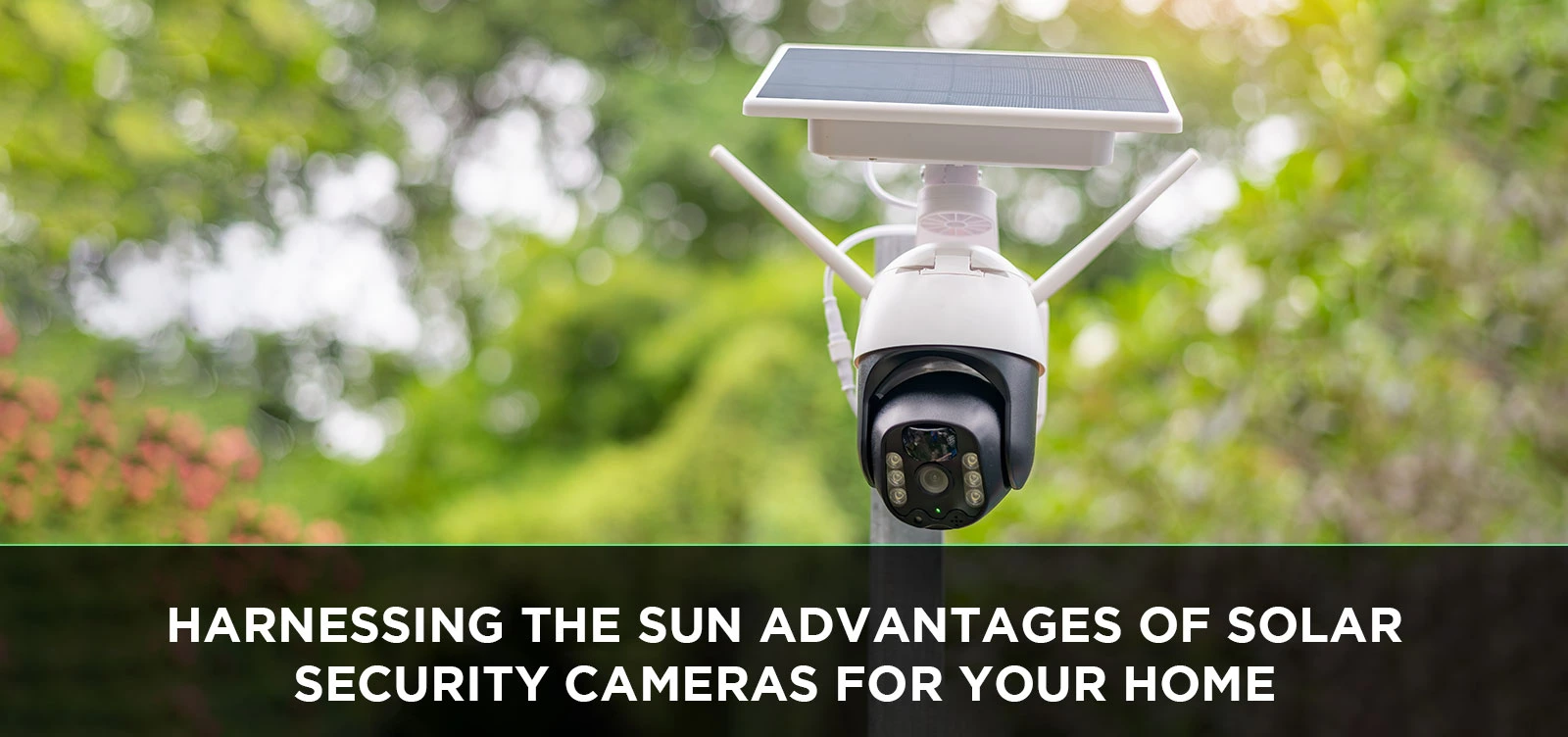
Discover the compelling advantages of solar security cameras for your home. This guide explores how harnessing the sun’s power offers an eco-friendly, cost-effective, and reliable solution for enhanced home security, ensuring peace of mind with cutting-edge technology.
Introduction to Solar Security Cameras
In today's world, home security is paramount. As technology advances, so do the methods of protecting our homes and loved ones. Solar-powered security cameras are emerging as a revolutionary solution, offering a blend of advanced surveillance capabilities with sustainable energy practices. These cameras leverage the abundant power of the sun to operate, eliminating the need for traditional wiring and reducing reliance on grid electricity. This not only simplifies installation but also contributes to a greener environment and significant long-term cost savings. For homeowners seeking an efficient, eco-conscious, and reliable security system, exploring the advantages of solar security cameras is a wise investment.
Key Advantages of Solar Security Cameras
The adoption of solar security cameras is rapidly increasing, driven by a multitude of benefits that address common pain points associated with traditional security systems. These advantages range from environmental consciousness to practical, day-to-day operational efficiencies.
Eco-Friendly and Sustainable Operation
One of the most compelling reasons to opt for solar security cameras is their inherent eco-friendliness. By utilizing renewable solar energy, these devices significantly reduce a household's carbon footprint. Unlike traditional cameras that draw power from the grid, often generated by fossil fuels, solar cameras rely on clean, inexhaustible sunlight. This aligns with the growing global trend towards sustainable living and environmental responsibility. In 2025, with increased awareness of climate change, homeowners are actively seeking green alternatives for their homes. Solar security cameras offer a tangible way to contribute to a healthier planet while simultaneously enhancing home safety. This sustainable approach means no emissions are generated during operation, making them an environmentally sound choice for modern households.
Significant Cost Savings Over Time
While the initial investment in a solar security camera system might be comparable to or slightly higher than some traditional options, the long-term cost savings are substantial. Once installed, the cameras draw their power directly from the sun, meaning there are no ongoing electricity bills associated with their operation. This can lead to noticeable reductions in monthly utility expenses, especially for systems with multiple cameras or those that require continuous monitoring. Furthermore, the absence of extensive wiring can reduce installation costs, particularly for properties where running cables would be complex or disruptive. By 2026, with fluctuating energy prices, the predictability of zero energy costs for security cameras makes solar a financially attractive option for many homeowners. The reduced reliance on external power sources also minimizes vulnerability to power outages, which can indirectly save money by preventing potential security breaches during blackouts.
Unparalleled Wireless and Easy Installation
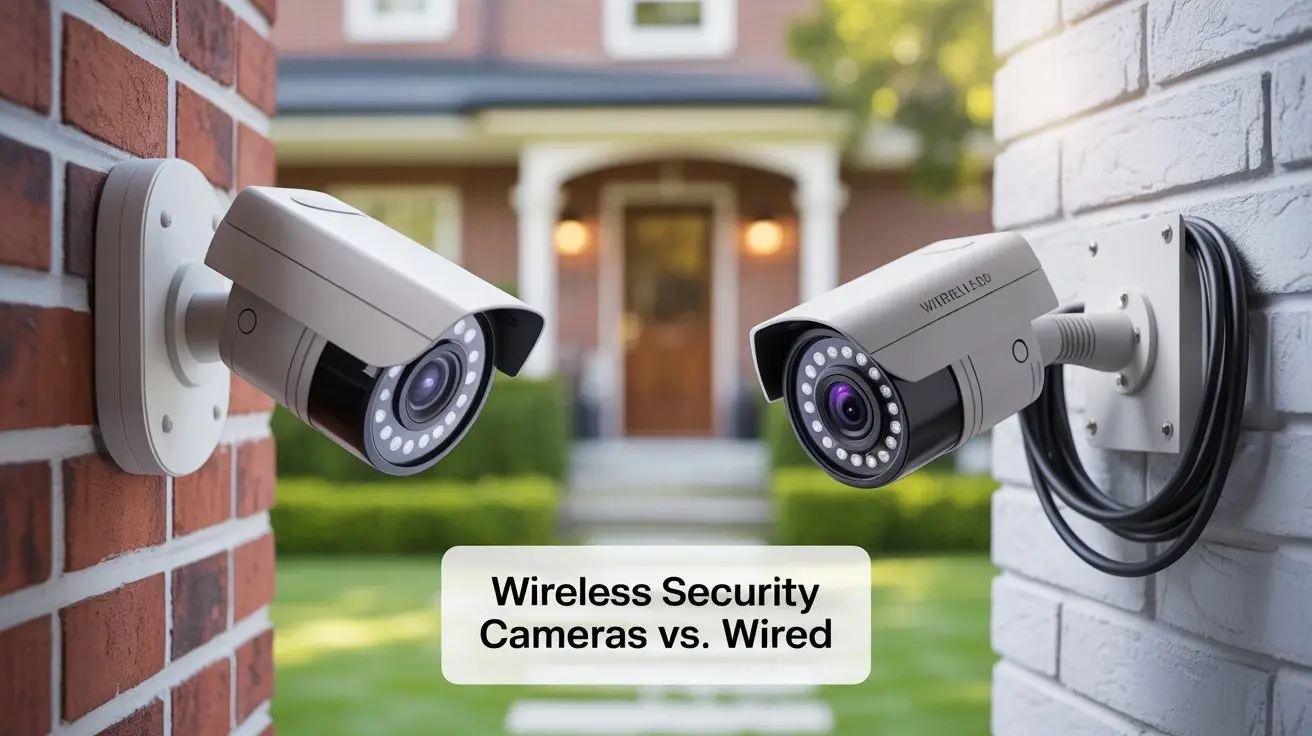
The wireless nature of solar security cameras is a game-changer for installation. Traditional wired cameras often require drilling holes through walls, running cables across the property, and sometimes even professional electrical work. This can be time-consuming, expensive, and aesthetically unappealing. Solar cameras, on the other hand, typically consist of the camera unit and a separate solar panel, both of which can be mounted wirelessly. The camera can be placed in virtually any location with a clear view of the area to be monitored, and the solar panel can be positioned to receive optimal sunlight. This ease of installation makes them ideal for renters, DIY enthusiasts, or homeowners who want to avoid structural modifications. Many models are designed for plug-and-play setup, allowing users to have a functional security system up and running in a matter of minutes or hours, rather than days. This flexibility also means cameras can be easily relocated if a homeowner's needs change.
Reliable Power Supply and Reduced Downtime
A common concern with electronic devices is power reliability. Solar security cameras address this through an integrated battery storage system. The solar panel continuously charges the internal battery during daylight hours. This stored energy then powers the camera throughout the night or during periods of low sunlight. Modern systems are designed with efficient power management, ensuring that even on cloudy days, the battery can maintain operation for extended periods. Some advanced models can operate for several days or even weeks on a single full charge, depending on usage and environmental conditions. This built-in redundancy significantly reduces the risk of the camera going offline due to power interruptions, a critical advantage for continuous surveillance. In 2025, the reliability of these systems is further enhanced by improved battery technology and more efficient solar cells, offering peace of mind that the camera will be operational when needed most.
Enhanced Security Features and Connectivity
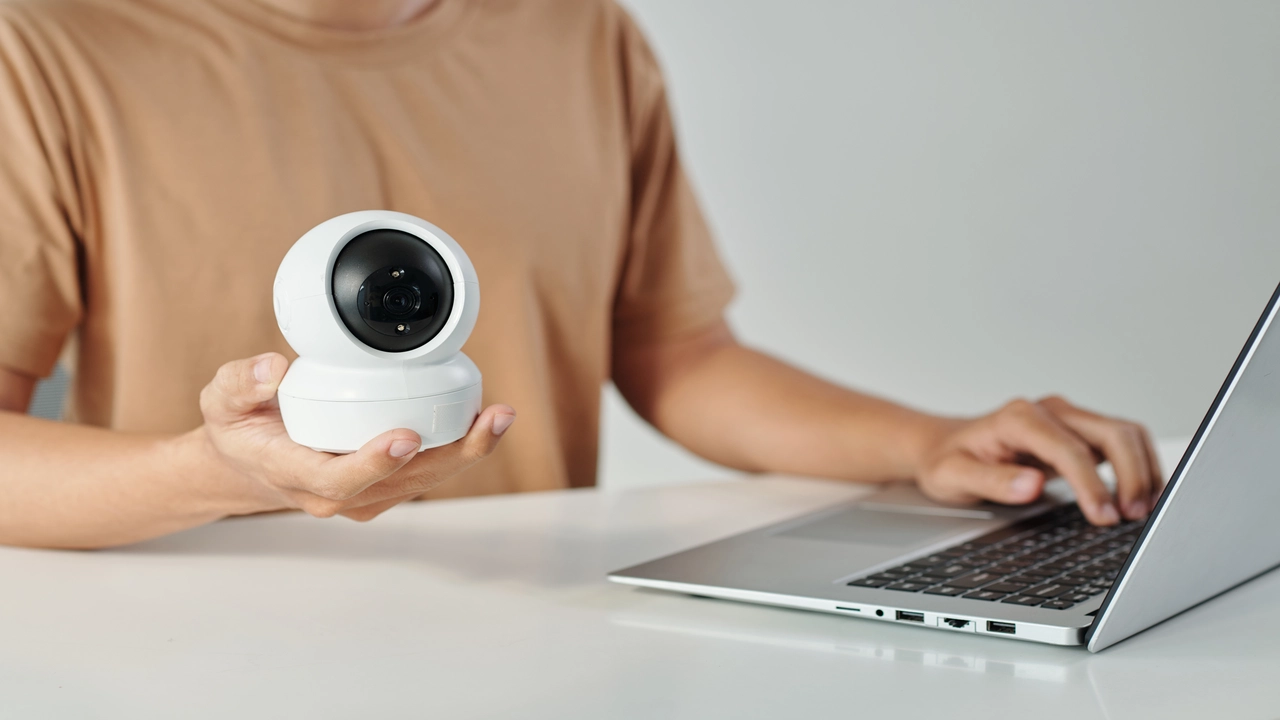
Solar security cameras are not just about power; they are packed with advanced security features. Most models offer high-definition video recording, wide-angle lenses for comprehensive coverage, and night vision capabilities for clear footage in low-light conditions. Many connect wirelessly to your home Wi-Fi network, allowing you to view live feeds, receive motion detection alerts, and access recorded footage directly from your smartphone or tablet via a dedicated app. This remote access provides unparalleled convenience and control over your home's security from anywhere in the world. Some higher-end models even offer cellular connectivity, providing an alternative or backup to Wi-Fi, which is particularly useful for locations without reliable internet access. Features like two-way audio, customizable motion zones, and cloud storage for footage further enhance their security capabilities, making them a robust and modern surveillance solution.
Low Maintenance Requirements
Beyond the initial setup, solar security cameras require remarkably little maintenance. The primary task is ensuring the solar panel remains clean and unobstructed to maximize its charging efficiency. Occasional dusting or wiping of the panel is usually sufficient. Unlike wired systems that might require checks for damaged cables or power supply issues, solar cameras are largely self-sufficient. The cameras themselves are built to be durable and weather-resistant, designed to withstand various environmental conditions. Battery replacements are typically only needed after several years of use, depending on the battery's quality and the operating conditions. This minimal upkeep makes them an attractive option for homeowners who prefer a "set it and forget it" security solution.
How Solar Security Cameras Work
Understanding the fundamental components and operational principles of solar security cameras reveals why they are such an effective and increasingly popular choice for home security. The system is elegantly designed to harness natural energy and provide continuous surveillance.
The Solar Panel Component
The heart of any solar security camera system is its solar panel. These panels are typically made from photovoltaic (PV) cells, usually silicon-based, which have the remarkable ability to convert sunlight directly into electrical energy. When photons from sunlight strike the PV cells, they excite electrons, creating a flow of direct current (DC) electricity. The size and efficiency of the solar panel are crucial factors determining how quickly and effectively the camera's battery can be recharged. Higher efficiency panels can generate more power from the same amount of sunlight, making them ideal for areas with less consistent sun exposure or for cameras that consume more power. The panel is usually designed to be durable and weather-resistant, capable of withstanding rain, snow, and extreme temperatures.
Battery Storage for Continuous Power
Since sunlight is not available 24/7, solar security cameras incorporate rechargeable batteries to store the energy generated by the solar panel. These batteries act as a buffer, ensuring the camera remains operational even when the sun isn't shining, such as during the night or on heavily overcast days. Common battery types include lithium-ion, known for their high energy density and long lifespan. The capacity of the battery, measured in milliampere-hours (mAh) or watt-hours (Wh), dictates how long the camera can run on stored power. Manufacturers often specify the expected battery life under different operating conditions, such as continuous recording versus motion-activated recording. Efficient power management systems within the camera ensure that the battery is charged optimally and that power consumption is minimized when not actively recording or transmitting.
The Charging and Power Management Process
The charging process is a continuous cycle. During daylight hours, the solar panel converts sunlight into DC electricity. This electricity is then directed to the camera's internal battery, topping it up. A charge controller, often integrated into the camera's circuitry, regulates the flow of electricity to prevent overcharging, which can damage the battery and reduce its lifespan. When the solar panel is not generating enough power (e.g., at night or during storms), the camera draws power from the stored energy in the battery. Advanced power management systems optimize energy usage. For instance, many solar cameras are motion-activated; they remain in a low-power standby mode until motion is detected, at which point they wake up, start recording, and send an alert. This intelligent power management is key to maximizing battery life and ensuring the camera remains operational for extended periods without direct sunlight. By 2026, advancements in AI-powered power management further optimize these cycles, extending operational uptime even in challenging weather.
Choosing the Right Solar Security Camera for Your Home
Selecting the ideal solar security camera involves considering several key features and specifications to ensure it meets your specific security needs and environmental conditions. A thoughtful selection process will lead to a more effective and satisfying surveillance solution.
Essential Camera Features to Consider
When evaluating solar security cameras, prioritize features that enhance surveillance effectiveness. High-definition resolution (1080p or higher) is crucial for clear image quality, allowing you to identify details like faces or license plates. A wide-angle lens (130 degrees or more) provides a broader field of view, reducing the number of cameras needed to cover an area. Night vision, typically achieved through infrared (IR) LEDs, is essential for round-the-clock monitoring, with ranges varying by model. Motion detection capabilities are standard, but look for customizable motion zones and adjustable sensitivity to minimize false alerts. Two-way audio allows for communication with visitors or deterrence of intruders. Advanced features like AI-powered person detection can further refine alerts.
Solar Panel Size and Efficiency
The solar panel's performance directly impacts the camera's reliability. Consider the panel's size and wattage. Larger panels generally capture more sunlight and can charge the battery faster. Panel efficiency ratings indicate how well it converts sunlight into electricity; higher efficiency is better, especially in areas with less direct sunlight. Many manufacturers offer optional larger solar panels for cameras that are expected to operate in challenging conditions or have higher power demands. It's also important to check if the panel is detachable or integrated. Detachable panels offer more flexibility in placement to maximize sun exposure independently of the camera's mounting location.
Battery Capacity and Lifespan
Battery capacity is measured in mAh or Wh and indicates how much energy the battery can store. A higher capacity means the camera can run for longer periods without solar charging. Manufacturers often provide estimates for battery life based on typical usage patterns (e.g., number of motion events per day). Consider the expected lifespan of the battery itself, as it will eventually need replacement. Lithium-ion batteries are common and offer good longevity, but their performance can degrade over time and in extreme temperatures. Look for cameras with user-replaceable batteries if long-term maintenance is a concern.
Connectivity Options (Wi-Fi, Cellular)
Most solar security cameras connect via Wi-Fi to your home network. Ensure the camera supports the Wi-Fi frequency band you use (2.4GHz is common and offers better range, while 5GHz offers faster speeds). Check the camera's Wi-Fi range and consider if you might need a Wi-Fi extender for larger properties. For areas without Wi-Fi, cellular-enabled cameras are an option, but these typically require a separate data plan and may have higher ongoing costs. Some systems offer both Wi-Fi and cellular as a backup. The ease of connecting and maintaining a stable connection is paramount for receiving alerts and viewing live feeds.
Durability and Weather Resistance
Solar security cameras are exposed to the elements, so their durability and weather resistance are critical. Look for an IP (Ingress Protection) rating, such as IP65 or IP66, which indicates the level of protection against dust and water. The operating temperature range is also important; ensure the camera and solar panel can function reliably in your local climate, whether it's extreme heat or cold. Robust construction materials and seals are indicators of a well-built, long-lasting product.
Budget and Brand Reputation
Solar security cameras are available at various price points. While budget is a factor, it's important to balance cost with features, reliability, and build quality. Research reputable brands known for producing durable and well-supported security devices. Reading customer reviews can provide valuable insights into real-world performance and customer service. Consider the total cost of ownership, including any potential subscription fees for cloud storage or cellular data plans, in addition to the initial purchase price.
Installation and Optimal Placement
Proper installation and strategic placement of solar security cameras are crucial for maximizing their effectiveness and ensuring they operate reliably. This section outlines key considerations for a successful setup.
Mounting the Camera and Solar Panel
Most solar security cameras come with mounting brackets for both the camera and the solar panel. These brackets are typically adjustable, allowing you to angle the devices for optimal performance. For the camera, choose a location that provides a clear, unobstructed view of the area you want to monitor. Mounting height is important; too low and it might be vulnerable to tampering, too high and details may be lost. For the solar panel, the primary goal is to maximize sun exposure. It should be mounted in a location that receives direct sunlight for the longest possible duration throughout the day, ideally facing south in the Northern Hemisphere or north in the Southern Hemisphere. Avoid placing it where it will be shaded by trees, buildings, or other obstructions, especially during peak sunlight hours.
Maximizing Sunlight Exposure
Achieving optimal sunlight exposure is paramount for the continuous operation of solar security cameras. Even a few hours of shade can significantly impact the battery's ability to recharge.
- Orientation: Position the solar panel to face the direction of the sun's path throughout the day.
- Angle: Adjust the tilt angle of the panel to optimize for seasonal sun angles. A steeper angle is better in winter when the sun is lower, while a shallower angle is better in summer. Many mounts allow for adjustable angles.
- Clearance: Ensure there are no permanent or temporary obstructions (e.g., growing branches, new structures) that could cast shadows on the panel.
- Cleaning: Regularly clean the solar panel surface. Dust, dirt, bird droppings, and pollen can accumulate and reduce its efficiency. A simple wipe-down with a damp cloth is usually sufficient.
In 2025, smart solar panels with higher efficiency and wider light-capturing angles are becoming more common, offering better performance even in less-than-ideal conditions.
Achieving the Best Field of View
The placement of the camera directly influences its field of view (FOV). A wider FOV means the camera can see more of the surrounding area with a single unit.
- Corner Placement: Mounting cameras in corners of the property often provides the widest coverage.
- Height: Mount cameras at a height that captures a good overview but also allows for identification of individuals. 8-10 feet is often a good starting point.
- Avoid Obstructions: Ensure trees, bushes, or architectural features do not block the camera's view.
- Overlap: If using multiple cameras, plan their placement so their fields of view overlap slightly to avoid blind spots.
Consider the specific areas you need to monitor – entry points, driveways, yards, or outbuildings – and position the camera accordingly.
Ensuring Strong Connectivity
For Wi-Fi-enabled cameras, a strong and stable connection to your router is essential for remote access and receiving alerts.
- Signal Strength: Before permanently mounting the camera, test the Wi-Fi signal strength at the desired location using your smartphone.
- Router Proximity: Place cameras within a reasonable range of your Wi-Fi router.
- Interference: Be aware of potential sources of Wi-Fi interference, such as thick walls, metal objects, or other electronic devices.
- Wi-Fi Extenders/Mesh Systems: If the signal is weak, consider using a Wi-Fi extender or a mesh network system to boost coverage across your property.
For cellular cameras, ensure the location has adequate cellular reception for the chosen carrier.
Real-World Applications and Case Studies
Solar security cameras are proving their versatility and effectiveness across a wide range of applications, offering practical solutions where traditional systems fall short.
Securing Remote Areas and Outbuildings
For homeowners with large properties, detached garages, sheds, or guest houses, running power and data cables can be prohibitively difficult and expensive. Solar security cameras provide an ideal solution. For example, a homeowner in a rural area might install a solar camera to monitor their detached workshop, ensuring valuable tools are secure without needing an electrician. Another common use is monitoring a remote gate or driveway entrance, providing an alert and visual confirmation of visitors or potential intruders long before they reach the main house. The ease of installation means these cameras can be deployed quickly and efficiently in hard-to-reach spots.
Monitoring Livestock and Farms
Farmers and ranchers can leverage solar security cameras for essential monitoring tasks. A solar-powered camera can be placed in a barn to keep an eye on newborn animals, monitor feeding stations, or observe livestock in remote pastures. This provides peace of mind and allows for early detection of issues like illness or distress, without the need for extensive wiring across fields. By 2025, integrated AI features in some farm-specific solar cameras can even alert farmers to unusual animal behavior or potential predator threats. This proactive monitoring can prevent losses and improve animal welfare.
Temporary Security for Construction Sites
Construction sites are often targets for theft and vandalism due to the presence of valuable materials and equipment. Solar security cameras offer a portable and self-sufficient surveillance solution. They can be quickly deployed to monitor the site, deter criminals, and record any incidents. The wireless nature means they can be moved as the construction progresses. The solar power ensures continuous operation without reliance on temporary power sources, which can be unreliable or unavailable on remote sites. This makes them a cost-effective and practical security measure for managing and protecting assets throughout the project lifecycle.
Comparison: Solar vs. Traditional Wired Security Cameras
To fully appreciate the advantages of solar security cameras, it's helpful to compare them directly with traditional wired systems. The differences are significant, impacting cost, installation, maintenance, and flexibility.
| Feature | Solar Security Cameras | Traditional Wired Cameras |
|---|---|---|
| Power Source | Solar energy (sunlight) with battery backup. | Wired electrical connection to the grid. |
| Installation | Wireless, easy, quick, flexible placement. Minimal tools required. | Requires drilling, running cables, potential professional electrical work. Time-consuming and disruptive. |
| Cost (Initial) | Can be comparable or slightly higher for premium models. | Varies widely; basic wired cameras can be cheaper, but complex installations increase costs significantly. |
| Cost (Ongoing) | Virtually zero electricity costs. Potential battery replacement after several years. | Ongoing electricity consumption, potentially higher utility bills. |
| Maintenance | Low: occasional solar panel cleaning. | Higher: checking for cable damage, power supply issues, potential electrical faults. |
| Flexibility/Portability | High: easy to relocate or move to new locations. Ideal for renters. | Low: fixed installation, difficult to move. |
| Reliability During Outages | High: battery backup ensures continuous operation. | Low: cameras go offline during power outages unless on a separate UPS. |
| Environmental Impact | Low: uses renewable energy, reduces carbon footprint. | Higher: relies on grid electricity, which may be generated from fossil fuels. |
| Aesthetics | Can be cleaner with fewer visible wires. | Visible wires can be unsightly unless meticulously managed. |
As the table illustrates, solar security cameras excel in areas of installation ease, ongoing cost savings, and operational flexibility. While traditional wired systems might offer a consistent power source without relying on weather, the advancements in solar technology and battery storage in 2025-26 have significantly closed this gap, making solar a more attractive and practical choice for many homeowners.
The Future of Solar Security Cameras
The trajectory of solar security camera technology points towards even greater integration, intelligence, and efficiency. By 2026, we can anticipate several key advancements:
- Enhanced AI Capabilities: Expect more sophisticated AI for object recognition (e.g., distinguishing between people, animals, and vehicles), facial recognition, and anomaly detection, leading to fewer false alerts and more actionable insights.
- Improved Battery Technology: Advances in battery chemistry and management will lead to longer operational times on a single charge, even in low-light conditions, and extended battery lifespans.
- Higher Efficiency Solar Cells: Next-generation solar cells will capture more energy from ambient light and less direct sunlight, improving performance on cloudy days and in shaded areas.
- Seamless Smart Home Integration: Deeper integration with broader smart home ecosystems (e.g., Amazon Alexa, Google Home, Apple HomeKit) will allow for more complex automation scenarios, such as lights turning on when motion is detected by the camera.
- 5G and Beyond Connectivity: For areas requiring high-bandwidth, low-latency communication, 5G-enabled solar cameras will become more prevalent, offering faster live streaming and quicker response times.
- Miniaturization and Aesthetics: Cameras and solar panels will likely become more compact and aesthetically pleasing, blending more seamlessly into home exteriors.
- Self-Healing Systems: Future systems may incorporate features that can automatically diagnose and report issues, or even attempt to resolve minor problems without user intervention.
These trends indicate that solar security cameras are not just a niche product but are poised to become a mainstream, intelligent, and indispensable part of home security infrastructure, offering unparalleled convenience and sustainability.
Conclusion: Embracing Solar for Smarter Home Security
Harnessing the sun's power through solar security cameras presents a compelling evolution in home protection. The advantages are clear and substantial: eco-friendly operation that aligns with sustainable living, significant long-term cost savings by eliminating electricity bills, and unparalleled ease of wireless installation that bypasses the complexities of traditional wiring. Furthermore, their inherent reliability, thanks to integrated battery storage, ensures continuous surveillance even during power outages, providing genuine peace of mind. With advanced features like high-definition video, night vision, and remote access via smartphone apps, these cameras offer robust security capabilities.
By understanding how they work – from the photovoltaic cells converting sunlight to the battery storing energy – and by carefully selecting cameras based on panel efficiency, battery life, and connectivity, homeowners can deploy a truly effective security solution. Whether securing remote outbuildings, monitoring expansive properties, or simply seeking a greener, more cost-efficient security system, solar cameras deliver. As technology continues to advance, their capabilities will only expand, making them an increasingly intelligent and indispensable choice. We encourage you to explore the solar security camera options available today and take a significant step towards a more secure, sustainable, and cost-effective home defense strategy.