Understanding how an ADT alarm system works is crucial for homeowners and businesses seeking robust security. This comprehensive guide delves into the core components, operational principles, and advanced features of ADT's security solutions, empowering you to make informed decisions about protecting what matters most.
How ADT Alarm Systems Work: A Deep Dive
ADT alarm systems are sophisticated networks designed to detect unauthorized entry or environmental hazards and alert both the property owner and a professional monitoring center. At their core, these systems function by using a series of interconnected devices that communicate with a central hub. When a sensor detects a breach – such as a door opening or motion in a restricted area – it sends a signal to the control panel. The control panel then processes this information and, depending on the system's status (armed or disarmed), initiates a response. This response typically involves sounding an alarm, sending notifications to the user's mobile device, and, most critically, alerting the ADT 24/7 monitoring center. This seamless integration of detection, communication, and professional oversight is what makes ADT a leading name in home and business security.
The Essential Components of an ADT System
A robust ADT alarm system is comprised of several key components working in unison. Understanding each part is fundamental to grasping the overall functionality and effectiveness of the security solution. These components are designed to be reliable, user-friendly, and integrated to provide comprehensive protection.
The Central Control Panel
The control panel, often referred to as the "brain" of the system, is the central hub where all signals from sensors are received and processed. It houses the system's logic, allowing it to interpret sensor data and determine the appropriate action. Modern ADT control panels are typically touchscreen-enabled, offering an intuitive interface for users to arm, disarm, and manage system settings. They also contain the communication module that transmits alarm signals to the ADT monitoring center. In 2025-26, these panels often feature enhanced processing power for faster response times and greater integration capabilities with other smart home devices.
Intelligent Sensors: The Eyes and Ears
Sensors are the distributed detection devices that monitor various aspects of a property. ADT offers a wide array of sensors, each specialized for different types of threats. Their reliability is paramount, and they are designed to operate effectively in diverse environments. The effectiveness of an ADT system hinges on the strategic placement and proper functioning of these sensors.
Door and Window Sensors
These are perhaps the most common type of sensor. They consist of two parts: a magnet and a sensor. When the door or window is closed, the magnet is close to the sensor, completing a circuit. When the door or window is opened, the magnet moves away, breaking the circuit and triggering an alarm signal. ADT systems utilize these to secure entry points, providing an immediate alert upon any unauthorized opening.
Motion Detectors
Motion detectors, also known as Passive Infrared (PIR) sensors, detect movement within a specific area. They work by sensing changes in infrared energy. When a warm body, like a person, moves across the detector's field of vision, it causes a detectable change in the infrared signature, triggering the alarm. Advanced ADT motion detectors often incorporate pet-friendly technology to avoid false alarms from household animals.
Glass Break Sensors
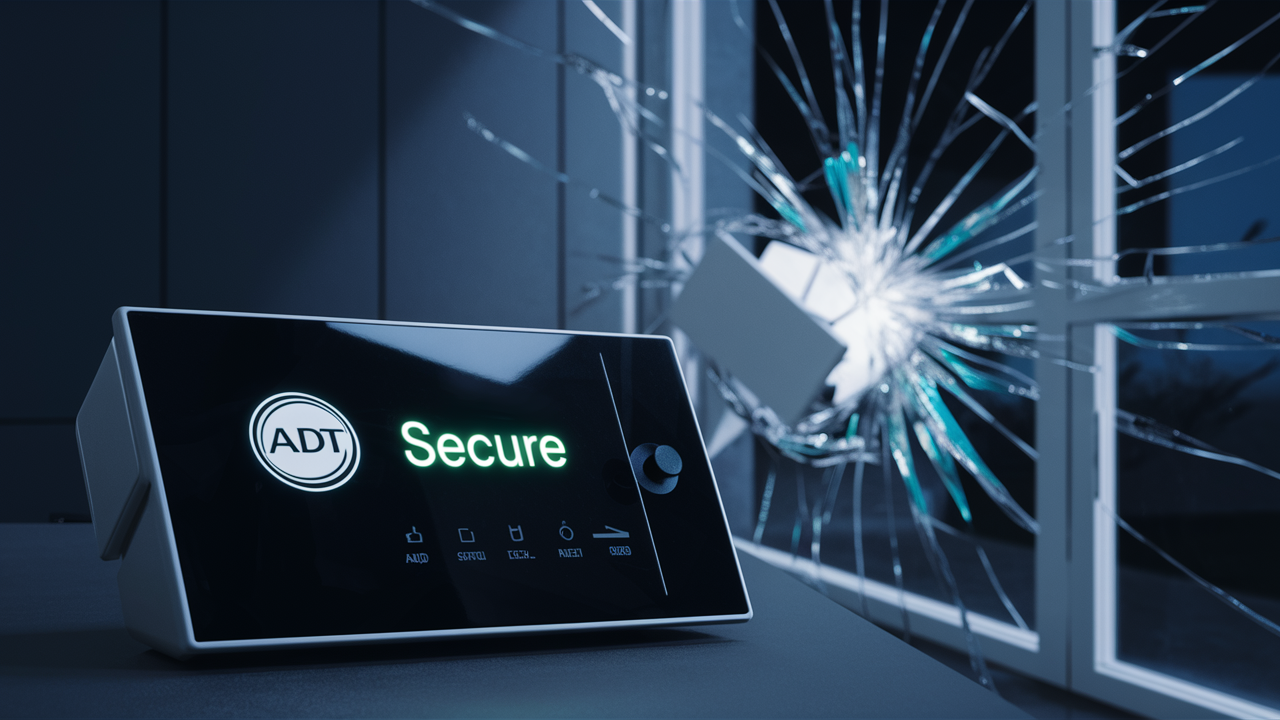
These sensors are designed to detect the specific sound frequency or shockwave produced when glass shatters. This is crucial for properties with extensive windows, as it provides an additional layer of security that complements door and window sensors. ADT's glass break sensors are engineered to distinguish between the sound of breaking glass and other common household noises, minimizing false alarms.
Environmental Sensors
Beyond intrusion detection, ADT systems can also incorporate environmental sensors to protect against hazards like fire, carbon monoxide, and water leaks. Smoke detectors, CO detectors, and flood sensors are vital for comprehensive home safety. When these sensors detect a dangerous condition, they trigger an alarm and notify the monitoring center, allowing for rapid emergency response.
User-Friendly Keypads
Keypads are the primary interface for users to interact with the alarm system. They are typically located near main entry points. Users enter a security code to arm or disarm the system. Modern ADT keypads often feature backlighting for easy use in the dark, customizable settings, and sometimes even integrated RFID card readers for quick arming/disarming. The interface is designed for simplicity, ensuring that most users can operate it with ease.
Audible Sirens
When an alarm is triggered, an audible siren is activated. These are typically very loud (often exceeding 85 decibels) to deter intruders and alert occupants and neighbors to the emergency. The loud noise is a critical component of the immediate response, creating a disorienting environment for an intruder and drawing attention to the situation.
Surveillance Cameras
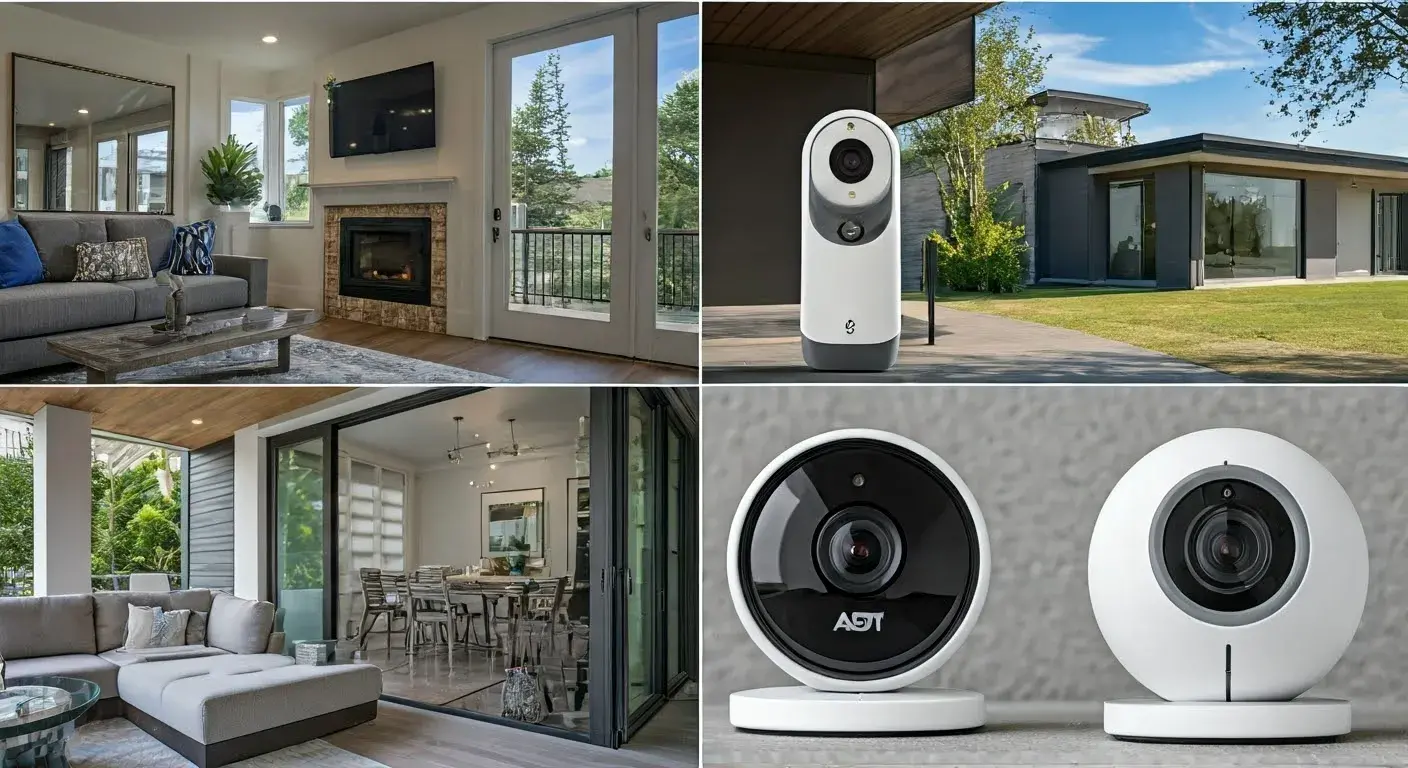
ADT offers a range of indoor and outdoor surveillance cameras that can be integrated into their security systems. These cameras provide visual verification of events, allowing homeowners and the monitoring center to see what is happening in real-time. Many ADT cameras offer features like high-definition video, night vision, motion detection recording, and two-way audio. In 2025-26, AI-powered analytics are becoming more common, enabling cameras to differentiate between people, vehicles, and animals.
Communication Modules
These modules are essential for transmitting alarm signals to the ADT monitoring center. Historically, this was done via a landline telephone connection. However, modern ADT systems primarily use cellular communication modules. Cellular backup is superior because it is not dependent on the home's phone line, which could be cut by an intruder. Some systems may also offer broadband internet as a communication pathway. This redundancy ensures that the system can always communicate with the monitoring center, even if one communication channel is disrupted.
The Operational Flow: From Intrusion to Response
Understanding the sequence of events when an ADT alarm system is activated provides clarity on its effectiveness. This process is designed to be swift and efficient, prioritizing the safety of occupants and the swift apprehension of intruders.
Arming and Disarming Your System
Before leaving or going to bed, users arm the system using the keypad, a mobile app, or a key fob. There are typically two main modes: 'Stay' and 'Away'.
- Stay Mode: This mode arms perimeter sensors (doors and windows) but leaves interior motion detectors disarmed. It's ideal for when occupants are home, allowing them to move freely inside while still securing entry points.
- Away Mode: This mode arms all sensors, including perimeter and interior motion detectors. It's used when the property is empty.
To disarm the system, users enter their unique security code on the keypad or use the mobile app. A designated "entry delay" period allows users to enter and disarm the system without triggering an immediate alarm.
When a Sensor is Triggered
If the system is armed and a sensor is tripped (e.g., a door is opened, motion is detected in an armed zone), the following typically occurs:
- Sensor Activation: The specific sensor sends a signal to the control panel.
- Entry Delay (if applicable): If the triggered sensor is associated with an entry point and an entry delay is active, the system will provide a set period (usually 30-60 seconds) for the user to disarm it.
- Alarm Activation: If the system is not disarmed within the entry delay period, or if a sensor that does not have an entry delay (like a motion detector in Away mode) is triggered, the control panel will activate the audible siren and visual alerts.
- Notification to Monitoring Center: Simultaneously, the control panel uses its communication module (cellular, internet, or landline) to send an alarm signal to the ADT 24/7 monitoring center. This signal includes information about the type of alarm and the specific sensor that was triggered.
The ADT Monitoring Center Response
ADT's monitoring centers are staffed by trained professionals who are the critical link in the security chain. Upon receiving an alarm signal:
- Signal Reception: Operators receive the alarm notification, identifying the customer's account and the nature of the alert.
- Customer Verification: The operator will attempt to contact the homeowner or designated emergency contacts using pre-arranged phone numbers. This is a crucial step to verify if the alarm is genuine or a false alarm. ADT uses a tiered verification process to ensure accuracy.
- Information Gathering: During the call, the operator may ask for a verbal password or security code to confirm the identity of the person they are speaking with.
Verification and Dispatch Protocols
The verification process is key to minimizing false alarms and ensuring that emergency services are dispatched only when necessary. ADT's protocols vary slightly depending on the type of alarm and the customer's service plan, but generally follow these steps:
- Initial Contact: The monitoring center attempts to reach the primary contact.
- Secondary Contact: If the primary contact is unreachable, they will attempt to reach secondary contacts.
- Video Verification (if applicable): If the system includes cameras with video verification capabilities, operators may be able to view live or recorded footage to confirm an intrusion.
- Dispatch Decision: If the alarm is confirmed as a genuine emergency (e.g., the homeowner confirms an intrusion, or there is no response and evidence suggests a real threat), the monitoring center will dispatch the appropriate emergency services (police, fire department, or medical personnel) to the property.
- Information Relay: The monitoring center provides the responding authorities with all relevant details, including the type of emergency, the location, and any specific information gathered during the verification process.
The speed and efficiency of this entire process, from sensor trigger to dispatch, are vital for effective security. In 2025-26, advancements in AI and communication technology are further streamlining these response times.
ADT Smart Home Integration: Beyond Basic Security
ADT systems are no longer just about intrusion detection. They are increasingly integrated into the broader smart home ecosystem, offering convenience, energy efficiency, and enhanced control. This integration allows users to manage their home's security and other functions from a single platform, often through the ADT+ mobile app.
Smart Locks and Access Control
ADT offers smart locks that can be controlled remotely. This allows homeowners to lock or unlock doors from their smartphone, grant temporary access to guests, and receive notifications when doors are opened or closed. Integration with the alarm system means that smart locks can be programmed to automatically lock when the system is armed 'Away'.
Smart Thermostats and Energy Management
By integrating smart thermostats, users can manage their home's temperature remotely, saving energy and money. These thermostats can learn user preferences and adjust settings automatically. In some ADT packages, the thermostat can be programmed to adjust to an energy-saving mode when the system is armed 'Away'.
Smart Lighting for Deterrence and Convenience
Smart lighting allows for remote control of lights, enabling users to turn them on or off from anywhere. This can be used for convenience, to simulate occupancy when away from home (a deterrent to burglars), or to illuminate pathways. ADT systems can be configured to turn lights on when motion is detected outdoors or when the alarm is triggered.
Voice Control and Automation
Many ADT smart home systems are compatible with popular voice assistants like Amazon Alexa and Google Assistant. This allows users to arm/disarm their system (with voice PIN protection), check system status, control lights, and adjust thermostats using voice commands, adding a layer of hands-free convenience.
Remote Access via the ADT+ App
The ADT+ mobile app is the central command center for managing an integrated ADT system. It allows users to:
- Arm and disarm the system remotely.
- Receive real-time alerts and notifications for events.
- View live video feeds from connected cameras.
- Control smart home devices like locks, lights, and thermostats.
- Review event history and system status.
This app provides unparalleled control and peace of mind, allowing users to stay connected to their home's security from anywhere in the world.
Types of ADT Security Systems
ADT offers a variety of system types to cater to different needs, budgets, and installation preferences. Understanding these distinctions helps in selecting the most suitable option.
Wired vs. Wireless Systems
ADT offers both wired and wireless security systems, each with its advantages:
- Wired Systems: These systems use physical wires to connect sensors and components to the control panel. They are known for their reliability and are less susceptible to signal interference. However, installation can be more invasive, requiring drilling and running wires through walls.
- Wireless Systems: These systems use radio frequency signals to communicate between components. They are much easier and faster to install, with minimal disruption to the home's aesthetics. Batteries in wireless sensors need periodic replacement, and they can occasionally be subject to interference, though modern systems are highly robust. ADT's wireless systems are extremely popular for their flexibility and ease of use.
DIY vs. Professionally Installed
ADT primarily offers professionally installed systems, ensuring that the system is set up correctly by trained technicians. However, they also offer options that can be installed by the homeowner (DIY), providing more flexibility and potentially lower upfront costs. Professional installation guarantees optimal placement of sensors and components for maximum effectiveness and ensures that the system is properly configured and tested.
ADT's Popular Packages (2025-26 Overview)
ADT typically offers several tiered packages designed to meet varying security needs. While specific names and inclusions can evolve, common offerings in 2025-26 often include:
- Basic Security: Includes a control panel, a few door/window sensors, a motion detector, and a siren. Focuses on core intrusion detection.
- Smart Home Security: Builds upon basic security by adding smart home device integration, such as smart locks, thermostats, and lighting. Often includes mobile app control and video doorbell capabilities.
- Video Security: Emphasizes surveillance with multiple indoor and outdoor cameras, high-definition recording, and advanced analytics.
- Life Safety Packages: Integrates advanced fire, CO, and flood detection with intrusion security.
Each package is customizable, allowing users to add additional sensors, cameras, or smart devices as needed. Pricing is typically based on the equipment chosen, installation fees, and the monthly monitoring service subscription.
Advanced Features and Technologies
ADT continuously innovates, incorporating advanced features and technologies to enhance security and user experience. These features are designed to provide greater reliability, convenience, and protection.
Two-Way Voice Communication
Many ADT systems, particularly those with integrated keypads or cameras, offer two-way voice communication. This allows ADT monitoring center personnel to speak directly with individuals at the property through the control panel or a connected device. This is invaluable for quickly assessing situations, providing instructions during emergencies, or even deterring intruders by communicating with them directly.
Cellular Backup for Reliable Connectivity
As mentioned, cellular backup is a standard and critical feature in modern ADT systems. It ensures that the alarm system can communicate with the monitoring center even if the primary internet connection or landline is disrupted. This redundancy significantly enhances the reliability of the system, especially during power outages or attempts at tampering.
Encryption and Data Security
ADT prioritizes the security of its customers' data. All communications between the system components, the ADT cloud, and the monitoring center are typically encrypted using industry-standard protocols. This protects sensitive information, such as alarm signals and video feeds, from unauthorized interception. In 2025-26, cybersecurity is a major focus, with ongoing updates to protect against emerging threats.
Geofencing Technology
Geofencing is an increasingly popular feature that leverages a user's smartphone location. When the user's phone leaves a pre-defined geographic area around their home (the "geofence"), the system can automatically prompt them to arm the system or even arm it automatically in 'Away' mode. Conversely, when the phone re-enters the geofence, it can prompt the user to disarm the system or suggest disarming. This automates a crucial step in home security, reducing the likelihood of forgetting to arm the system.
Security Statistics and the Impact of Alarm Systems (2025-26)
The presence of a professionally monitored alarm system like ADT has a demonstrable impact on security. Statistics from 2025-26 continue to highlight this:
- Deterrence: Properties with visible security system signs or equipment are significantly less likely to be targeted by burglars. Studies in 2025 indicate that alarm systems can reduce the risk of burglary by up to 50%.
- Response Time: Professionally monitored systems lead to faster police response times compared to systems that only alert the homeowner. ADT's 24/7 monitoring ensures that authorities are notified immediately upon alarm verification.
- Reduced Loss: In the event of a break-in, alarm systems can help minimize loss by shortening the time an intruder has inside the property.
- Peace of Mind: Beyond statistics, the psychological benefit of knowing a home is protected by a reliable system is immense. This is a primary driver for homeowners investing in security.
- Smart Home Adoption: By 2026, it's estimated that over 70% of new home security system installations will include some form of smart home integration, driven by the convenience and added layers of security these technologies provide.
- False Alarm Reduction: Advancements in sensor technology and verification protocols have led to a significant reduction in false alarms. In 2025, systems with video verification and improved AI analytics are achieving false alarm rates below 5% for verified events.
These figures underscore the tangible benefits and ongoing evolution of home security technology.
Choosing the Right ADT System for Your Needs
Selecting the appropriate ADT system involves considering several factors:
- Property Size and Type: A larger home or one with many entry points will require more sensors than a smaller apartment.
- Budget: ADT offers packages at various price points, from basic intrusion detection to comprehensive smart home and video surveillance systems. Consider both upfront equipment costs and monthly monitoring fees.
- Desired Features: Do you want smart home integration, video surveillance, or advanced life safety features? Prioritize what's most important to you.
- Occupant Needs: If you have pets, ensure motion detectors are pet-friendly. If you have elderly family members, consider systems with medical alert capabilities.
- Installation Preference: Decide whether professional installation is essential for your peace of mind or if a DIY option is suitable.
Consulting with an ADT security consultant can help tailor a system that precisely matches your requirements. For more information on specific packages and customization, you can explore ADT's official website.
Conclusion: Securing Your Peace of Mind
Understanding how an ADT alarm system works reveals a sophisticated and integrated approach to home and business security. From the fundamental components like control panels and intelligent sensors to advanced features like smart home integration and cellular backup, ADT systems are designed for comprehensive protection. The operational flow, from arming the system to the rapid response of the 24/7 monitoring center, ensures that help is always on the way when needed. With current statistics for 2025-26 demonstrating their effectiveness in deterring crime and reducing response times, investing in an ADT system is a proactive step towards safeguarding your property and loved ones. By carefully considering your specific needs and exploring the available options, you can select an ADT solution that delivers not just security, but true peace of mind in an ever-evolving world.