How Do Home Alarm Systems Work?
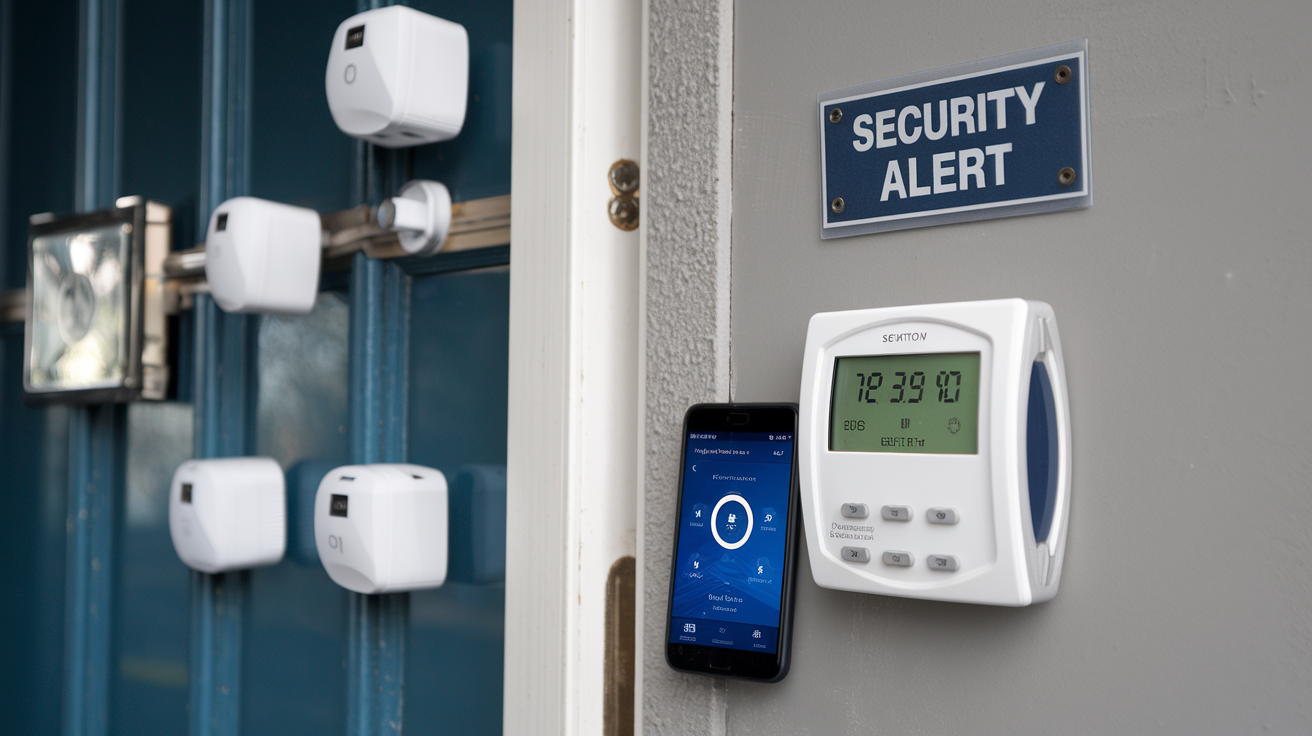
Understanding how home alarm systems work empowers you to choose the right security solution for your peace of mind. This comprehensive guide breaks down the technology, components, and operational principles behind modern home security, ensuring you're well-informed about safeguarding your property and loved ones.
What Are Home Alarm Systems?
Home alarm systems, also known as home security systems, are integrated networks of devices designed to detect unauthorized entry or other threats to a home and alert the homeowner and/or authorities. These systems act as a deterrent to criminals and provide a crucial layer of safety for occupants. In essence, they are the first line of defense against burglary, fire, carbon monoxide poisoning, and other potential hazards, offering peace of mind through constant vigilance and rapid response capabilities.
The Core Components of a Home Alarm System
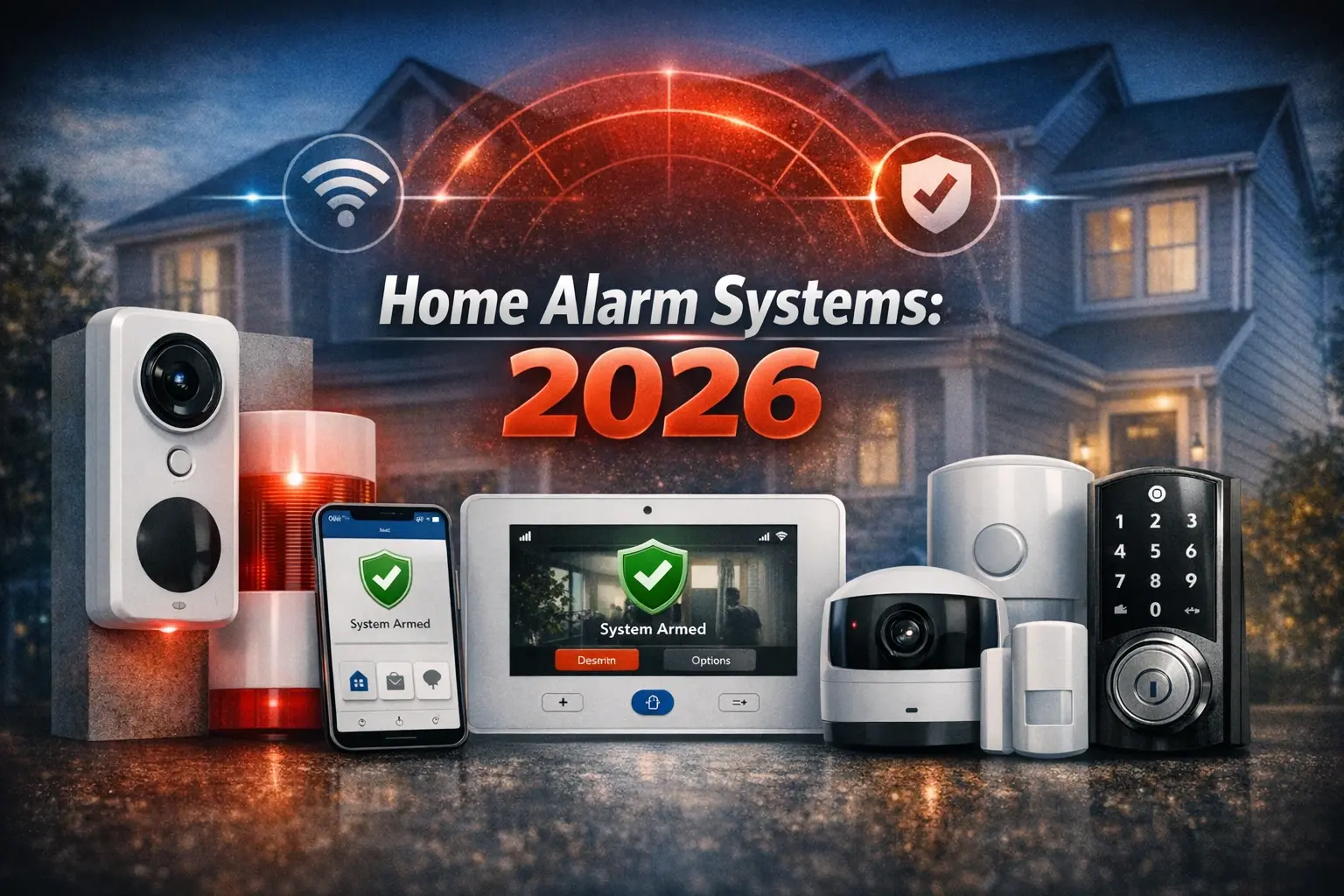
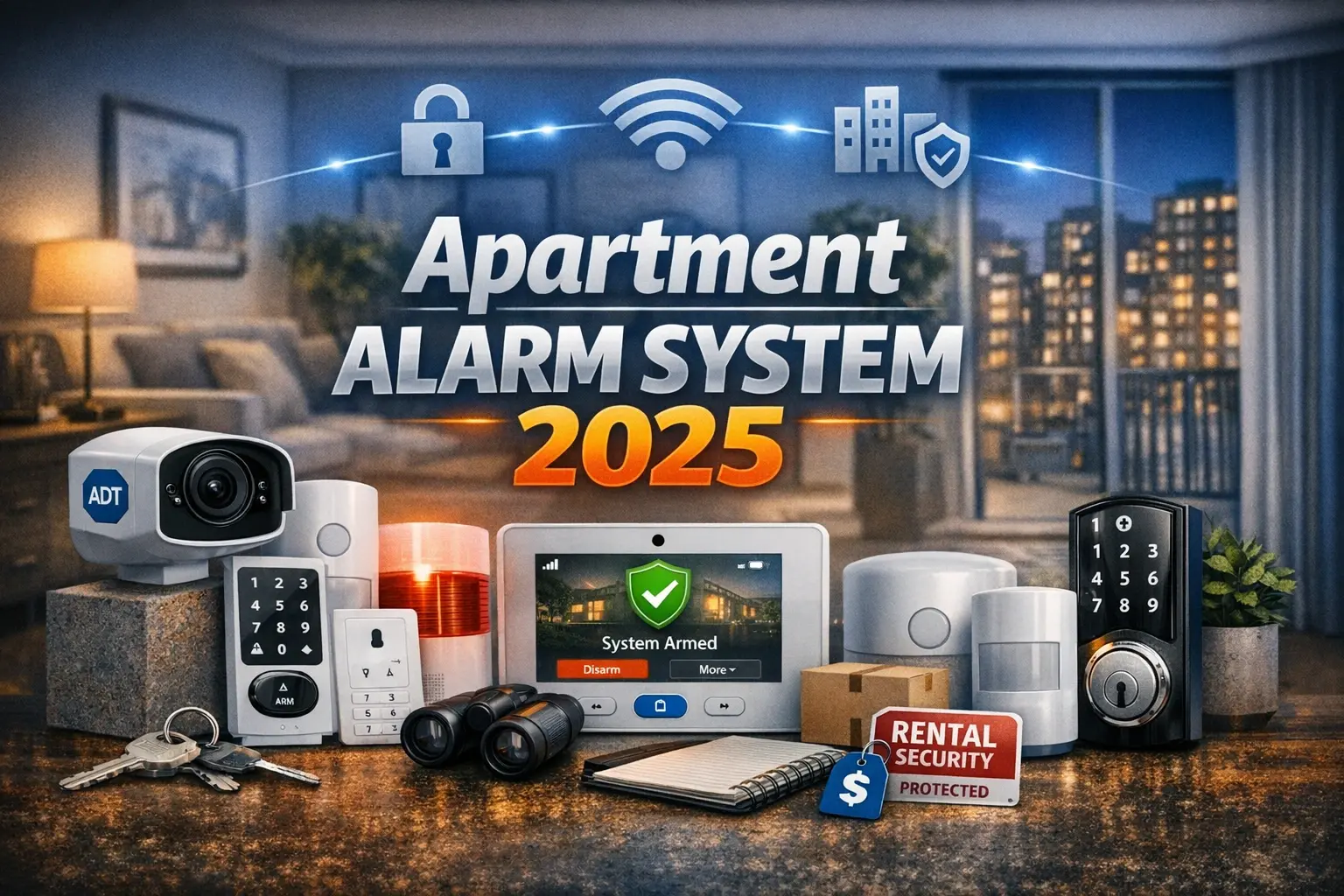
A home alarm system is not a single device but a symphony of interconnected components working in harmony. Understanding each part is key to grasping the overall functionality and effectiveness of the system. These components can be broadly categorized into the central control unit, various types of sensors, alert mechanisms, user interfaces, and communication modules.
Control Panel: The Brain
The control panel is the central hub of any home alarm system. It's the 'brain' that receives signals from all connected sensors, processes this information, and determines the appropriate action. When a sensor is triggered (e.g., a door opens), it sends a signal to the control panel. The panel then interprets this signal based on whether the system is armed or disarmed, and whether it's a legitimate or an intrusion event. Modern control panels often feature advanced processing capabilities, allowing for complex logic, user management, and integration with other smart home devices. They typically house the system's battery backup and communication modules.
Sensors: The Eyes and Ears
Sensors are the devices that detect specific events or conditions within and around your home. They are the 'eyes and ears' of the alarm system, constantly monitoring for anomalies. The type and number of sensors used depend on the size of the home, its layout, and the specific security concerns of the homeowner. Some common types include:
Door and Window Sensors
These are perhaps the most fundamental type of sensor. They typically consist of two parts: a magnet and a sensor. One part is attached to the door or window frame, and the other is attached to the door or window itself. When the door or window is closed, the magnet is close to the sensor, completing a circuit. When the door or window is opened, the magnet moves away, breaking the circuit. This break in the circuit sends a signal to the control panel, indicating an intrusion attempt.
Motion Detectors
Motion detectors are designed to sense movement within a specific area. The most common type is Passive Infrared (PIR) motion detectors, which detect changes in infrared energy (heat) emitted by moving bodies. More advanced systems may use dual-technology sensors that combine PIR with microwave technology to reduce false alarms caused by environmental factors like drafts or pets. These are ideal for covering larger areas like living rooms, hallways, or basements.
Glass Break Sensors
These sensors are specifically designed to detect the sound frequency or shockwaves associated with breaking glass. They are crucial for securing windows, especially in areas where an intruder might attempt to break a pane to gain entry without triggering a door or window sensor. Some glass break sensors use acoustic detection, listening for the specific sound pattern of shattering glass, while others use shock sensors that detect the vibration of impact.
Environmental Sensors
Beyond intrusion detection, alarm systems can also monitor for environmental hazards. These include:
- Smoke Detectors: Alert to the presence of smoke, indicating a potential fire. These are often integrated with the alarm system, so a smoke alarm can trigger the siren and notify monitoring services.
- Carbon Monoxide (CO) Detectors: Detect the presence of odorless, colorless carbon monoxide gas, which can be fatal. CO detectors are vital for homes with fuel-burning appliances like furnaces, water heaters, or fireplaces.
- Water Leak Detectors: Can be placed near water heaters, washing machines, or in basements to detect leaks, preventing significant water damage.
- Freeze Detectors: Monitor for dangerously low temperatures that could lead to frozen pipes.
Sirens: The Alert
When an alarm is triggered, the siren is the audible component that alerts occupants and potentially scares off intruders. Sirens can range from internal units that emit a loud, piercing sound inside the home to external sirens that are visible and audible from a distance. The decibel level of sirens is significant, often exceeding 100 decibels, to ensure they are heard over considerable distances and through walls. Some systems also allow for customizable siren sounds or voice alerts.
Keypads and Remotes: User Interface
Keypads and remote controls are the primary means by which users interact with the alarm system. The keypad, typically mounted near entry points, allows users to arm and disarm the system using a unique PIN code. It also displays the system's status and can be used to bypass zones or trigger panic alarms. Remote controls (key fobs) offer a convenient way to arm and disarm the system without needing to enter a code, which is particularly useful when arriving or leaving home.
Communication Methods: Staying Connected
A critical function of any home alarm system is its ability to communicate with the outside world, especially in the event of an alarm. This communication is typically directed to a central monitoring station, but can also be configured to alert the homeowner directly via smartphone. The method of communication has evolved significantly:
Landline Communication
This was the traditional method for alarm systems. The control panel would use the home's phone line to dial a monitoring station's number and transmit alarm signals. While simple and reliable when the phone line is active, it's vulnerable. An intruder could cut the phone line to disable communication, and many households are increasingly foregoing traditional landlines for mobile phones.
Cellular Communication
This method uses a dedicated cellular module within the control panel to communicate with the monitoring station. It's far more secure than landline communication because it's not susceptible to being cut. Cellular communication is a popular choice for its reliability and independence from home phone lines. Many modern systems offer cellular as a primary or backup communication path.
Broadband Internet Communication
Many newer systems leverage the home's broadband internet connection (Wi-Fi or Ethernet) to send alarm signals. This method can be very fast and cost-effective, especially for systems that also offer remote control via smartphone apps. However, it relies on the stability of the internet connection and can be vulnerable if the internet service is disrupted or the router is compromised.
Dual-Path Communication
The most secure and reliable communication method is dual-path, which uses two different communication channels simultaneously or as a backup. For example, a system might use both cellular and broadband internet. If one path fails, the other can still transmit alarm signals. This redundancy significantly enhances the system's resilience against tampering or service outages.
Optional Components: Enhanced Security
While the core components form the foundation, many systems offer optional add-ons to enhance security and convenience:
Security Cameras
Integrated security cameras provide visual verification of events. They can record footage when motion is detected or when an alarm is triggered, allowing homeowners and monitoring services to see what's happening. Many modern systems offer indoor and outdoor cameras with features like night vision, two-way audio, and cloud storage.
Smart Home Integration
The rise of the Internet of Things (IoT) has led to alarm systems becoming integral parts of smart homes. Systems can integrate with smart locks, smart lighting, smart thermostats, and voice assistants (like Alexa or Google Assistant). This allows for automated responses, such as lights turning on when an alarm is triggered, or the ability to arm/disarm the system using voice commands.
How a Home Alarm System Activates and Responds
Understanding the sequence of events from arming the system to an actual alarm response is crucial for appreciating its functionality. It's a carefully orchestrated process designed to provide timely protection.
Arming the System
When you leave your home or go to sleep, you arm the alarm system. This is typically done via the keypad or a remote. There are usually two main modes:
- Stay Mode (or Home Mode): This mode arms perimeter sensors (doors and windows) but bypasses interior motion detectors. This allows you to move freely inside the house while still being protected against forced entry through doors or windows.
- Away Mode (or Away From Home Mode): This mode arms all sensors, including perimeter sensors and interior motion detectors. This is the most secure setting and is used when no one is home.
Once armed, the system usually has a brief "entry delay" period. This allows you to enter your home and disarm the system using your PIN code before the alarm is triggered. Similarly, there's often an "exit delay" when arming the system, giving you time to leave the house without setting off the alarm.
Triggering an Alarm Event
An alarm event occurs when a sensor detects a breach of security while the system is armed. For example:
- A door or window sensor is tripped (opened).
- A motion detector senses movement in an occupied area.
- A glass break sensor detects the sound of breaking glass.
- A smoke or CO detector senses a hazard.
- A panic button is pressed.
When a sensor is triggered, it sends an immediate signal to the control panel. If the system is armed and the entry delay has expired, the control panel interprets this as an unauthorized event.
System Response to an Event
The response sequence typically unfolds as follows:
- Local Alarm: The control panel activates the internal and/or external siren, emitting a loud noise to alert occupants, deter intruders, and potentially alert neighbors.
- Notification to Monitoring Station (if applicable): If the system is professionally monitored, the control panel immediately sends a signal to the central monitoring station via its designated communication path (cellular, broadband, etc.). This signal includes information about the type of alarm (e.g., burglary, fire) and the specific zone or sensor that was triggered.
- Verification Process (for monitored systems): Monitoring stations have trained operators who receive these signals. They will typically attempt to contact the homeowner via phone to verify if the alarm is genuine or a false alarm. This may involve asking a pre-determined security question.
- Dispatching Authorities: If the alarm is confirmed as a genuine emergency, or if the homeowner cannot be reached, the monitoring station will dispatch the appropriate authorities (police, fire department, ambulance) to the property.
- Direct Notification (for self-monitored systems): For self-monitored systems, the control panel will send notifications directly to the homeowner's smartphone via a mobile app or text message. The homeowner is then responsible for contacting emergency services themselves.
- Visual Verification (with cameras): If cameras are integrated, the monitoring station or homeowner may be able to view live or recorded footage to assess the situation.
The speed and effectiveness of this response are paramount to the system's purpose. The goal is to deter intruders, protect occupants, and ensure that help arrives as quickly as possible.
Types of Home Alarm Systems
Home alarm systems come in various forms, each with its own advantages and disadvantages. The choice often depends on factors like home construction, budget, and technical proficiency.
Wired Systems
In wired systems, all sensors, keypads, and the control panel are connected by physical wires. These wires run through the walls, floors, and ceilings of the home, connecting each component back to the central control panel.
- Pros: Generally considered more reliable and less prone to interference than wireless systems. They don't rely on batteries for sensors, reducing maintenance.
- Cons: Installation is more invasive and expensive, often requiring drilling holes and running wires. Retrofitting into existing homes can be challenging and costly.
Wireless Systems
Wireless systems use radio frequency signals to communicate between sensors, keypads, and the control panel. Sensors are battery-powered and can be easily installed and repositioned.
- Pros: Easy and quick to install, with minimal disruption to home decor. Sensors can be moved or added easily. Ideal for renters or older homes where running wires is impractical.
- Cons: Sensors require battery replacement periodically. They can be susceptible to signal interference, although modern systems have advanced encryption and frequency hopping to mitigate this.
Hybrid Systems
Hybrid systems combine elements of both wired and wireless technology. They might use wired connections for critical components like the control panel and keypads, while employing wireless sensors for ease of installation and flexibility.
- Pros: Offers a balance of reliability and installation convenience. Can be a good option for upgrading older wired systems with wireless components.
- Cons: Can be more complex to manage than purely wired or wireless systems.
Professionally Monitored vs. Self-Monitored
This distinction refers to how alarm events are handled:
- Professionally Monitored Systems: These systems are connected to a central monitoring station operated by a security company. When an alarm is triggered, the station is notified, and trained operators handle the response, including contacting emergency services. These typically involve a monthly monitoring fee.
- Self-Monitored Systems: With self-monitored systems, the homeowner is responsible for monitoring their own alarms. When an event occurs, the system sends alerts directly to the homeowner's smartphone. The homeowner then decides whether to contact authorities. These systems often have no monthly fees but require the homeowner to be vigilant and responsive.
A comparison table for these types:
| Feature | Wired Systems | Wireless Systems | Professionally Monitored | Self-Monitored |
|---|---|---|---|---|
| Installation Complexity | High | Low | Varies (often professional) | Varies (DIY friendly for wireless) |
| Reliability | Very High | High (modern systems) | High (due to professional response) | Dependent on homeowner's response |
| Cost (Initial) | Higher | Lower | Varies | Lower |
| Cost (Ongoing) | None (unless monitored) | None (unless monitored) | Monthly Fee | None (typically) |
| Interference Risk | None | Low (modern systems) | N/A | N/A |
| Battery Maintenance | None (for sensors) | Required (for sensors) | N/A | N/A |
Choosing the Right Home Alarm System for You
Selecting the ideal home alarm system involves careful consideration of your specific circumstances and priorities. A system that works for one household might not be suitable for another. Here's a step-by-step approach to making an informed decision:
Assess Your Security Needs
Begin by evaluating the vulnerabilities of your home and your personal security concerns. Consider:
- Location: Is your home in a high-crime area? Are there specific types of crime prevalent in your neighborhood?
- Home Size and Layout: How many entry points (doors, windows) do you have? Are there large, open spaces or multiple levels that require extensive coverage?
- Occupants: Do you have children, elderly family members, or pets? This might influence the type of motion detectors or the need for panic buttons.
- Valuables: Do you have particularly valuable items that warrant extra protection?
- Environmental Risks: Are you in an area prone to fires, floods, or extreme temperatures?
Consider Your Budget
Home alarm systems vary significantly in cost, both for the initial equipment and ongoing services. Determine how much you're willing to spend on:
- Equipment Purchase: This includes the control panel, sensors, cameras, and other hardware.
- Installation Fees: If you opt for professional installation.
- Monthly Monitoring Fees: For professionally monitored systems.
- App Subscriptions or Cloud Storage: For smart features and camera footage.
It's important to balance cost with the level of security and peace of mind you desire. A cheaper system might offer less protection or require more DIY effort.
Installation and Maintenance
Decide whether you prefer a DIY installation or professional setup. Wireless systems are generally easier for DIY installation, while wired systems almost always require professional expertise. Consider the ongoing maintenance required for each system type, such as battery replacements for wireless sensors or software updates for smart systems.
Integration with Smart Home Devices
If you already have or plan to build a smart home ecosystem, consider how the alarm system will integrate. Look for systems that are compatible with your existing smart locks, lights, thermostats, and voice assistants. This can create a more automated and convenient security experience.
Monitoring Options
The choice between professional and self-monitoring is a significant one. Professional monitoring offers the assurance of a dedicated team responding to alarms, which can be crucial if you're often away or unable to respond quickly. Self-monitoring can be more cost-effective and offers direct control, but it places the responsibility of contacting authorities squarely on your shoulders.
Current Trends and Statistics in Home Security (2025-2026)
The home security landscape is continuously evolving, driven by technological advancements and changing consumer needs. Here are some key trends and statistics expected to shape the market in 2025-2026:
- Increased Adoption of Smart Home Integration: The market for integrated smart home security systems is projected to grow significantly. By 2026, it's estimated that over 60% of new home security system installations will include smart home capabilities, such as voice control, smart lock integration, and automated routines. (Source: Industry Analyst Reports, 2025)
- Rise of DIY and Hybrid Systems: While professional installation remains popular, the demand for DIY-friendly wireless systems continues to rise, especially among younger homeowners. These systems offer flexibility and lower upfront costs. Hybrid systems, blending wired and wireless components, are also gaining traction for their versatility.
- Emphasis on Video Surveillance and Verification: Security cameras are becoming a standard component, not just an add-on. The ability to visually verify alarms is crucial for reducing false alarms and enabling faster, more targeted emergency responses. Expect advancements in AI-powered video analytics for better threat detection and fewer false positives.
- Cybersecurity as a Priority: As more systems become connected to the internet, cybersecurity is a paramount concern. Manufacturers are investing heavily in robust encryption and secure network protocols to protect systems from hacking and unauthorized access. Consumers are also becoming more aware of the need for secure passwords and network configurations.
- Growth in Environmental Monitoring: Beyond intrusion detection, the integration of smoke, CO, and water leak sensors is becoming more common. This holistic approach to home safety appeals to consumers looking for comprehensive protection.
- Demand for Wireless and Cellular Communication: Landline communication is steadily declining. Cellular and dual-path communication methods are favored for their reliability and security, especially in areas with inconsistent internet service. By 2025, cellular backup is expected to be standard in over 70% of new professionally monitored systems. (Source: Market Research Firms, 2025)
- Subscription Models Evolving: While monthly monitoring fees remain a staple, there's a trend towards more flexible subscription models that offer tiered services, including cloud storage, advanced analytics, and integration with other smart home platforms.
- Home Invasion Statistics: While overall burglary rates have seen fluctuations, home invasions remain a significant concern. Data from 2024 indicates that homes with visible security systems are 300% less likely to be burglarized. (Source: FBI Uniform Crime Reporting Program, 2024 Data Analysis)
- Impact of Smart Devices on Response Times: Smart home integration, when used effectively, can streamline emergency responses. For example, smart locks can be programmed to unlock for emergency responders upon verified alarm, potentially saving critical time.
These trends highlight a move towards more intelligent, interconnected, and user-centric home security solutions. Consumers are increasingly looking for systems that offer not just protection but also convenience, integration, and peace of mind through advanced technology.
Conclusion: Securing Your Home with Knowledge
Understanding how home alarm systems work is the first and most critical step toward safeguarding your property and loved ones. From the intricate dance of sensors and control panels to the diverse communication methods and response protocols, each component plays a vital role in creating a robust security net. Whether you opt for a traditional wired system, a modern wireless setup, or a sophisticated smart home integration, the underlying principles remain consistent: detect, alert, and respond.
By thoroughly assessing your unique security needs, considering your budget, and weighing the benefits of professional versus self-monitoring, you can confidently choose a system that provides the optimal balance of protection and convenience. The trends for 2025-2026 point towards increasingly intelligent, interconnected, and visually verified security solutions, making now an opportune time to invest in your home's safety. Empower yourself with this knowledge and take proactive steps to secure your home, ensuring peace of mind for you and your family.