How Do Security Cameras Work
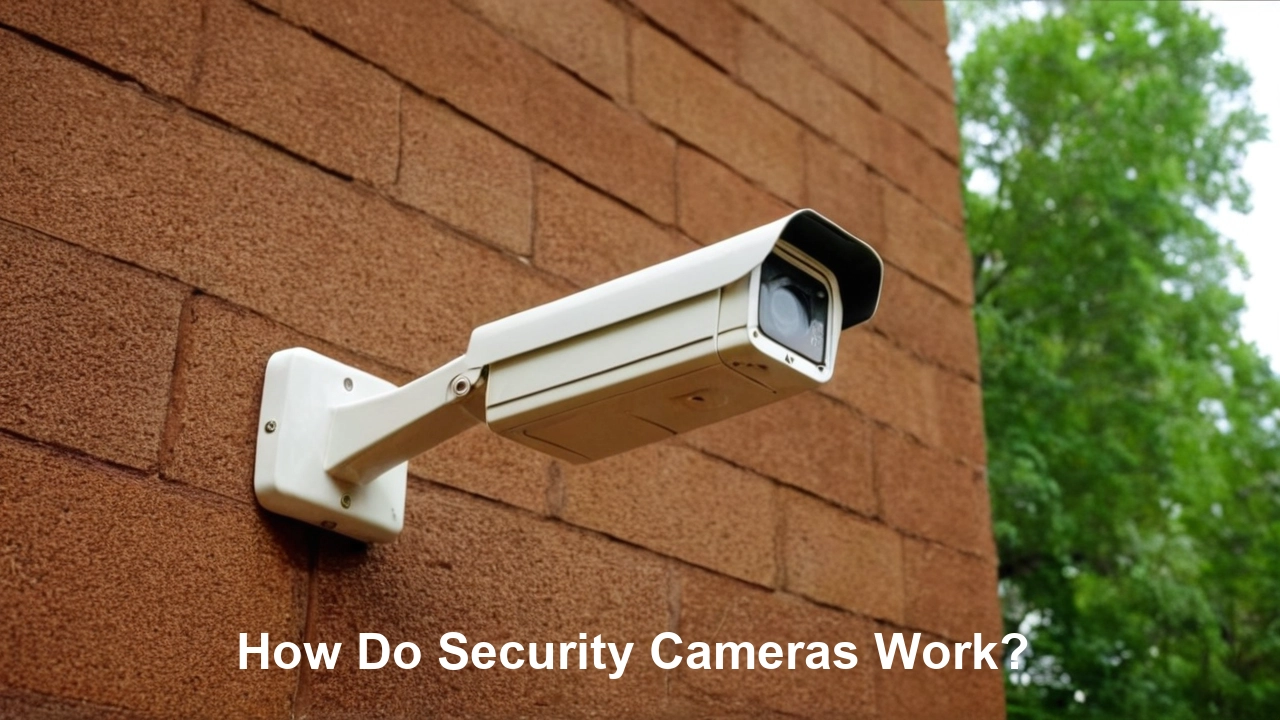
Security cameras are the vigilant eyes of modern safety, but how do these sophisticated devices actually work? Understanding their inner mechanisms, from capturing images to transmitting data, empowers you to make informed decisions about home and business protection. This comprehensive guide demystifies the technology behind your surveillance systems.
Understanding the Basics: The Core Components
At their heart, security cameras, regardless of their complexity, operate on a fundamental principle: capturing visual information and making it accessible. This process involves several key components working in harmony. Understanding these building blocks is crucial to grasping the overall functionality of any surveillance system.
The Lens: The Eye of the Camera
The lens is the primary interface through which light enters the camera. It's a precisely engineered piece of optical glass designed to focus light rays onto the image sensor. The quality and type of lens significantly impact the camera's field of view, clarity, and low-light performance. Different lenses offer varying focal lengths, affecting how wide or narrow the captured scene appears.
The Image Sensor: Converting Light to Data
Behind the lens lies the image sensor, the digital equivalent of film in traditional cameras. This semiconductor chip is responsible for converting the light focused by the lens into electrical signals. The most common types of image sensors in security cameras are CMOS (Complementary Metal-Oxide-Semiconductor) and CCD (Charge-Coupled Device). CMOS sensors are generally more energy-efficient and widely used in modern IP cameras, while CCD sensors were historically known for their superior image quality, though CMOS technology has largely caught up.
The Image Signal Processor (ISP): Refining the Image
Once the image sensor captures the raw electrical signals, the Image Signal Processor (ISP) takes over. The ISP is a specialized microchip that performs a series of complex operations to refine the raw data into a viewable image. These operations include:
- Demosaicing: Correcting the color information captured by the sensor.
- Noise Reduction: Minimizing unwanted grain or speckles in the image, especially in low-light conditions.
- White Balance: Adjusting colors to ensure they appear natural under different lighting conditions.
- Sharpening: Enhancing image details for better clarity.
- Exposure Control: Adjusting brightness levels to prevent over- or under-exposure.
The effectiveness of the ISP directly influences the final image quality, making it a critical component for clear and usable footage.
The Housing and Mounting: Protection and Placement
While not directly involved in image capture, the camera's housing and mounting system are vital for its practical operation. The housing protects the internal components from environmental factors such as dust, moisture, extreme temperatures, and vandalism. Mounting hardware ensures the camera is positioned correctly to achieve the desired field of view and angle of surveillance. For outdoor cameras, weatherproofing (IP ratings) is a paramount consideration.
How Cameras Capture Images: From Light to Pixels
The journey from a real-world scene to a digital image is a fascinating process that involves physics and advanced electronics. Understanding this conversion is key to appreciating the technology behind how security cameras work.
The Role of Light
All visual information begins with light. Light reflects off objects in the environment, carrying information about their color, shape, and texture. The security camera's job is to capture this reflected light.
Focusing Light with the Lens
The lens system, typically composed of multiple glass elements, gathers the ambient light and bends it. This bending of light, or refraction, is precisely controlled to converge the light rays at a specific point – the image sensor. The focal length of the lens determines the magnification and the angle of view. A wide-angle lens captures a broader scene, while a telephoto lens zooms in on a specific area.
The Image Sensor: The Digital Canvas
The image sensor is a grid of millions of tiny light-sensitive elements called pixels. When light focused by the lens strikes these pixels, it generates an electrical charge. The intensity of the light determines the strength of the charge. In color cameras, each pixel is typically covered by a color filter (usually red, green, or blue) in a Bayer pattern, allowing the sensor to capture color information.
Analog-to-Digital Conversion (ADC)
The electrical charges generated by the pixels are initially analog signals. These analog signals are then converted into digital data by an Analog-to-Digital Converter (ADC). This process quantizes the analog signal into discrete numerical values, representing the brightness and color information for each pixel. This digital data is what forms the basis of the image file.
Image Processing and Compression
As mentioned earlier, the ISP plays a crucial role in processing this raw digital data. Beyond basic adjustments, it also handles image compression. Raw image data can be very large, making it impractical for storage and transmission. Compression algorithms, such as H.264, H.265 (HEVC), and MJPEG, reduce the file size by removing redundant information without significant loss of visual quality. The choice of compression affects bandwidth usage and storage requirements.
Understanding Resolution
Image resolution refers to the number of pixels that make up the image. Higher resolution means more pixels, resulting in a sharper, more detailed image. Common resolutions for security cameras include:
- 720p (HD): 1280 x 720 pixels
- 1080p (Full HD): 1920 x 1080 pixels
- 4MP (Quad HD): 2560 x 1440 pixels
- 4K (Ultra HD): 3840 x 2160 pixels
The resolution directly impacts the ability to identify fine details, such as faces or license plates, from a distance.
Types of Security Cameras and Their Mechanisms
The world of security cameras is diverse, with different types designed for specific applications and environments. Each type employs variations in their core mechanisms to achieve optimal performance.
Analog Cameras (CCTV)
Older but still prevalent, analog cameras capture images and transmit them as an analog video signal over coaxial cables to a Digital Video Recorder (DVR). The DVR then digitizes the signal, compresses it, and stores it. While simpler and often cheaper, analog systems generally offer lower resolution and fewer advanced features compared to IP cameras.
- Mechanism: Light hits a lens, is focused onto an image sensor (often a CCD in older models), and the resulting analog signal is sent via coaxial cable.
- Pros: Cost-effective, simpler installation in some cases.
- Cons: Lower resolution, limited features, susceptible to signal degradation over distance.
IP Cameras (Network Cameras)
Internet Protocol (IP) cameras are the modern standard. They capture images and process them internally, converting them directly into digital data. This data is then transmitted over a network (like your home or office network) using Ethernet cables or Wi-Fi to a Network Video Recorder (NVR) or cloud storage. IP cameras offer higher resolutions, greater flexibility, and advanced features.
- Mechanism: Light hits a lens, is focused onto a CMOS sensor, processed by an onboard ISP, digitized, compressed, and transmitted as digital packets over a network.
- Pros: High resolution, advanced features (AI analytics, two-way audio), remote access, scalability.
- Cons: Can be more expensive initially, require network infrastructure.
Dome Cameras
Named for their distinctive dome-shaped housing, these cameras are often discreet and vandal-resistant. The dome can obscure the camera's direction, making it harder for intruders to know where they are being watched. They can be analog or IP-based.
- Mechanism: Standard lens, sensor, and ISP within a protective dome. The dome itself can sometimes cause glare or affect image quality if not properly designed.
Bullet Cameras
These are the classic "tube-shaped" cameras, often used for visible deterrence. They are typically weatherproof and easy to mount. Bullet cameras can also be analog or IP.
- Mechanism: Similar to dome cameras, with the primary difference being the form factor and housing.
PTZ Cameras (Pan-Tilt-Zoom)
PTZ cameras offer remote control over their movement. They can pan horizontally, tilt vertically, and zoom in and out, allowing operators to cover a much larger area with a single camera. They are almost exclusively IP-based and feature advanced motor control systems.
- Mechanism: Incorporate motors and control boards that allow for remote manipulation of the lens and camera body, in addition to standard image capture components.
Turret Cameras (Eyeball Cameras)
A hybrid between dome and bullet cameras, turret cameras have a distinct ball-and-socket design allowing for easy adjustment. They offer a good balance of visibility, adjustability, and protection.
- Mechanism: Standard image capture components mounted on an adjustable turret.
Fisheye Cameras
These cameras use an ultra-wide-angle lens to capture a 180-degree or even 360-degree view. The resulting image is distorted (fisheye effect) but can be de-warped digitally by the camera or software to provide panoramic views or multiple standard views from a single camera.
- Mechanism: Feature a specialized ultra-wide-angle lens that captures a vast field of view, often requiring advanced digital processing for usable output.
Thermal Cameras
Thermal cameras do not capture visible light. Instead, they detect infrared radiation (heat) emitted by objects. This allows them to "see" in complete darkness, through smoke, and fog, making them ideal for critical infrastructure monitoring, perimeter security, and firefighting applications.
- Mechanism: Utilize a specialized sensor (microbolometer) that detects infrared radiation. They do not have a traditional lens for visible light.
- 2025-26 Relevance: Advancements in thermal sensor resolution and cost reduction are making them more accessible for broader security applications.
Explosion-Proof Cameras
Designed for hazardous environments where flammable gases or dust may be present, these cameras have specialized housings that prevent them from igniting any surrounding atmosphere. They are crucial in industries like oil and gas, chemical plants, and mining.
- Mechanism: Standard camera components encased in a robust, sealed, and certified explosion-proof housing.
Powering Your Surveillance: How Cameras Get Energy
For any security camera to function, it needs a reliable power source. The method of power delivery can significantly influence installation complexity and system design.
Direct Current (DC) Power Adapters
The most straightforward method involves a dedicated DC power adapter plugged into a wall outlet and connected to the camera via a power cable. This is common for indoor cameras or those with easily accessible power sources.
- Pros: Simple, reliable if the power source is stable.
- Cons: Requires a nearby power outlet, can lead to cable clutter, vulnerable to power outages without a backup.
Power over Ethernet (PoE)
PoE is a highly efficient and popular method for IP cameras. It allows the camera to receive both data and power over a single Ethernet cable. This significantly simplifies installation, especially for multiple cameras, as it eliminates the need for separate power cables and outlets near each camera.
How it works: A PoE-enabled network switch or injector supplies electrical power through the unused wires in an Ethernet cable. The camera must also be PoE-compatible.
- Pros: Single cable for data and power, cleaner installation, reduced wiring costs, remote power management.
- Cons: Requires PoE-enabled network hardware, distance limitations for power transmission (typically up to 100 meters).
- 2025-26 Trend: PoE++ (802.3bt) is becoming more common, offering higher power budgets for more demanding cameras like those with advanced PTZ or heating capabilities.
Battery-Powered Cameras
These cameras are designed for maximum flexibility, often used in locations where wired power is impractical or impossible. They rely on rechargeable or long-lasting disposable batteries.
- Pros: Wireless installation, ideal for remote locations, easy to reposition.
- Cons: Limited recording time or motion-activated recording, frequent battery replacements or recharging required, potential for battery failure.
- 2025-26 Development: Improved battery life and solar charging integration are making battery-powered options more viable for longer-term surveillance.
Solar Power
Often used in conjunction with battery-powered cameras, solar panels can provide a continuous trickle charge, extending the operational life of the camera and reducing the frequency of battery replacements. This is particularly useful for remote outdoor installations.
- Pros: Sustainable, reduces reliance on grid power or frequent battery changes.
- Cons: Dependent on sunlight, may require larger panels in less sunny regions, initial cost can be higher.
Uninterruptible Power Supply (UPS)
For critical surveillance systems, a UPS is essential. It acts as a battery backup, providing continuous power to cameras and recording devices during power outages. This ensures that surveillance is never interrupted, even when the main power fails.
- Pros: Ensures continuous operation during power outages.
- Cons: Adds cost and complexity to the system.
Data Transmission and Storage: Getting Footage Where It Needs to Be
Once a security camera captures and processes an image, that data needs to be transmitted and stored. The method chosen impacts accessibility, security, and cost.
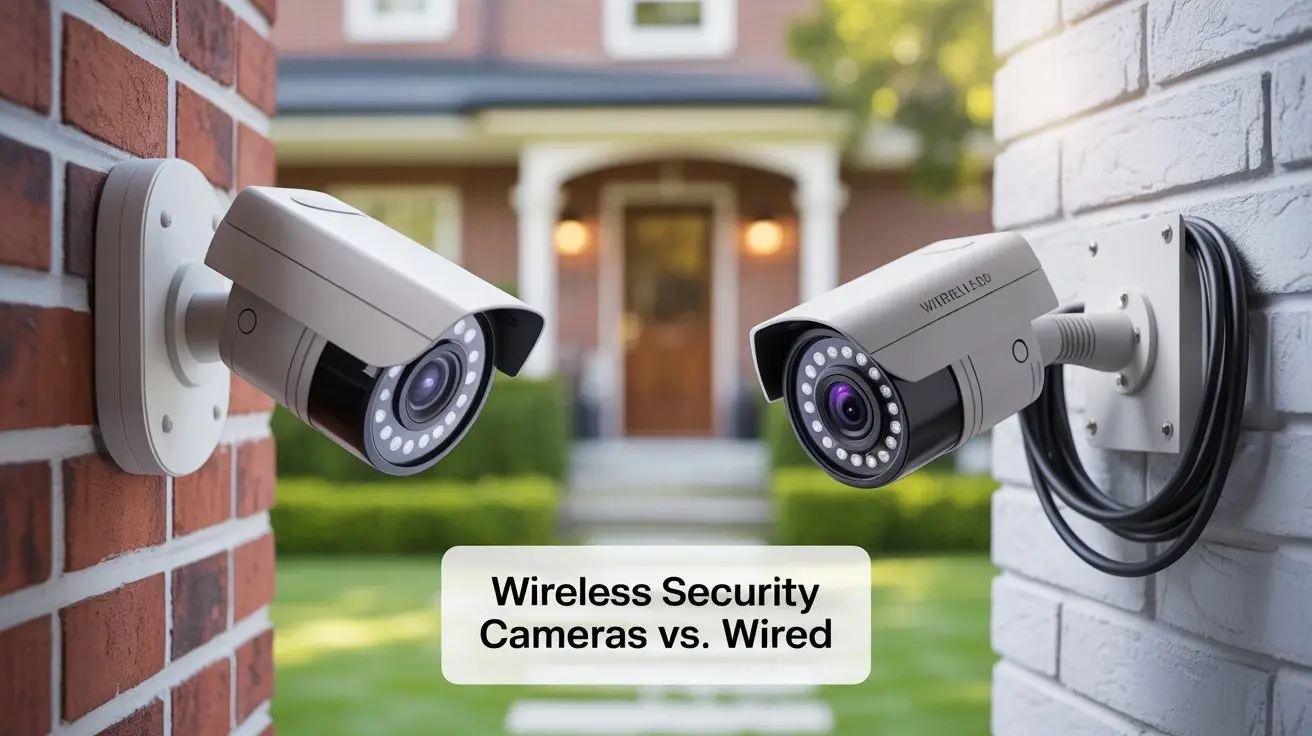
Wired Transmission (Ethernet Cables)
For IP cameras, Ethernet cables (Cat5e, Cat6, etc.) provide a stable and secure wired connection for transmitting data. This is the preferred method for fixed installations where reliability is paramount.
- Pros: High bandwidth, secure, reliable, less susceptible to interference.
- Cons: Requires physical cabling, installation can be labor-intensive and costly.
Wireless Transmission (Wi-Fi)
Wi-Fi enabled cameras offer greater installation flexibility, eliminating the need for Ethernet cables. They connect to your existing wireless network.
- Pros: Easy installation, no need for extensive cabling, flexible placement.
- Cons: Signal strength can be an issue, susceptible to interference, potentially less secure than wired connections, requires a strong Wi-Fi network.
- 2025-26 Advancement: Wi-Fi 6E and 7 are improving bandwidth and reducing latency for wireless camera feeds.
Cellular Transmission
For remote locations without internet access, cellular cameras use mobile networks (3G, 4G, 5G) to transmit data. These are often battery or solar-powered.
- Pros: Works anywhere with cellular service, ideal for temporary or remote sites.
- Cons: Requires a data plan, can be expensive, transmission speeds may be limited.
Recording Devices
The captured footage needs to be stored somewhere. Common options include:
Digital Video Recorder (DVR)
Used with analog cameras, a DVR digitizes analog video signals, compresses them, and stores them on a hard drive. It typically has multiple BNC ports for camera connections.
- Pros: Cost-effective for analog systems.
- Cons: Limited by analog camera resolution, less flexible than NVRs.
Network Video Recorder (NVR)
Designed for IP cameras, an NVR receives digital video streams directly from the cameras over the network. It offers higher resolution recording and more advanced features.
- Pros: Supports high-resolution IP cameras, scalable, offers advanced analytics.
- Cons: Can be more expensive than DVRs.
Cloud Storage
Footage is uploaded directly from the camera or NVR/DVR to a remote server (the cloud). This offers accessibility from anywhere and often includes backup and redundancy.
- Pros: Remote access, data redundancy, no local storage hardware needed, automatic backups.
- Cons: Requires a reliable internet connection, ongoing subscription fees, privacy concerns for some users.
- 2025-26 Landscape: Cloud-based surveillance is rapidly growing, with providers offering tiered plans for different storage needs and analytics.
SD Card Storage
Many IP cameras have a built-in microSD card slot, allowing for local recording directly on the camera. This can serve as a backup or primary storage for single cameras.
- Pros: Local, independent recording, useful as a backup if network fails.
- Cons: Limited storage capacity, susceptible to camera theft or damage.
Data Encryption
For enhanced security, especially with IP cameras transmitting data over networks or the internet, encryption is crucial. End-to-end encryption ensures that footage is unreadable to anyone who intercepts it, protecting against unauthorized access.
- 2025-26 Emphasis: With increasing cyber threats, robust encryption protocols (like AES-256) are becoming a standard expectation for all security camera systems.
Advanced Features and Technologies in 2025-26
The security camera landscape is constantly evolving, with new technologies enhancing their capabilities beyond simple recording. By 2025-26, several advanced features are becoming mainstream or significantly more sophisticated.
Artificial Intelligence (AI) and Machine Learning (ML)
AI and ML are revolutionizing how security cameras interpret data. Instead of just recording, cameras can now actively analyze footage for specific events.
- Object Detection: Differentiating between people, vehicles, animals, and other objects, reducing false alarms from moving trees or shadows.
- Facial Recognition: Identifying known individuals or flagging unknown persons against a database.
- License Plate Recognition (LPR): Automatically reading and recording vehicle license plates.
- Intrusion Detection: Smart perimeter monitoring that can differentiate between legitimate activity and potential threats.
- Behavioral Analysis: Detecting unusual patterns of movement, such as loitering or sudden crowds.
- 2025-26 Impact: AI analytics are now integrated into many mid-range and high-end cameras, offering proactive security rather than just reactive recording. Edge AI (processing on the camera itself) is reducing reliance on powerful servers.
Enhanced Low-Light Performance (Starlight, DarkFighter, etc.)
Modern cameras employ advanced sensors and image processing techniques to capture clear, color images even in extremely low-light conditions, often without relying solely on infrared illumination.
- Mechanism: Larger sensors, wider apertures, advanced noise reduction algorithms, and sometimes specialized color night vision technology.
- 2025-26 Status: Full-color night vision is becoming increasingly common and effective, offering richer detail than traditional black-and-white IR footage.
High Dynamic Range (HDR)
HDR technology allows cameras to capture more detail in both the brightest and darkest areas of a scene simultaneously. This is crucial for areas with high contrast lighting, such as entrances with bright sunlight outside and darker interiors.
- Mechanism: Capturing multiple exposures of the same scene and combining them into a single image with a wider dynamic range.
Two-Way Audio
Many modern cameras include built-in microphones and speakers, enabling two-way audio communication. This allows users to speak to individuals near the camera remotely or for security personnel to issue verbal warnings.
- Pros: Enhanced interaction and deterrence.
- Cons: Requires network bandwidth, potential privacy concerns if misused.
Integrated Smart Home and IoT Connectivity
Security cameras are increasingly becoming part of a larger smart home ecosystem. They can trigger other smart devices (like lights or alarms) based on detected events or be controlled via voice assistants.
- 2025-26 Integration: Seamless integration with platforms like Google Home, Amazon Alexa, and Apple HomeKit is becoming standard.
Cybersecurity Features
As cameras become more connected, cybersecurity is paramount. Manufacturers are implementing stronger password policies, encrypted communication, firmware update mechanisms, and network security protocols to protect against hacking.
- 2025-26 Focus: Cybersecurity is no longer an afterthought but a core design consideration for reputable camera manufacturers.
Advanced Compression (H.265+)
Newer compression standards like H.265 (HEVC) and proprietary enhancements (like H.265+) offer significantly better compression ratios than H.264, meaning higher quality video can be stored and transmitted using less bandwidth and storage space.
- Benefit: Reduces storage costs and network strain.
Edge Computing
Processing data directly on the camera (edge computing) allows for faster response times and reduces the need to send all raw data to a central server or the cloud. This is particularly beneficial for AI analytics.
- 2025-26 Adoption: Edge AI is becoming a key differentiator, enabling more sophisticated on-camera analytics.
Choosing the Right System: Key Considerations
With a solid understanding of how security cameras work, you're better equipped to select a system that meets your specific needs. Here are crucial factors to consider:
1. Your Security Goals
What do you want to achieve? Deterrence? Evidence collection? Remote monitoring? Identifying specific threats? Your goals will dictate the type, features, and placement of cameras.
2. Environment and Placement
- Indoor vs. Outdoor: Outdoor cameras need weatherproofing (IP ratings), wider temperature ranges, and potentially vandal resistance.
- Lighting Conditions: Consider low-light performance, infrared capabilities, or the need for color night vision.
- Field of View: Determine how wide an area each camera needs to cover. Wide-angle lenses are good for general surveillance, while telephoto lenses are for specific points of interest.
- Power Availability: Is there easy access to power outlets? Is PoE feasible?
- Network Connectivity: Do you have a robust Wi-Fi network, or is wired Ethernet the better option?
3. Resolution and Image Quality
Higher resolution (e.g., 4MP, 4K) provides more detail, which is essential for identifying faces or license plates. However, higher resolution also requires more storage and bandwidth.
4. Recording and Storage Needs
How long do you need to store footage? This will determine the storage capacity required (NVR/DVR hard drive size, cloud storage plan). Consider the frame rate and compression used, as these affect file size.
5. Budget
Security camera systems range from a few hundred dollars for basic DIY kits to tens of thousands for professional, high-end installations. Balance your needs with your budget.
6. Ease of Installation and Use
Are you comfortable with DIY installation, or do you need professional setup? Consider the user interface of the app or software for remote viewing and management.
7. Advanced Features
Do you need AI analytics (motion detection, facial recognition), two-way audio, PTZ capabilities, or integration with other smart home devices? Prioritize features that offer genuine value for your security.
8. Brand Reputation and Support
Choose reputable brands known for reliability, good customer support, and regular firmware updates to address security vulnerabilities.
9. Cybersecurity
Ensure the system has strong security features, including robust password protection and encrypted data transmission. Research the manufacturer's commitment to cybersecurity.
By carefully evaluating these factors, you can select a security camera system that effectively leverages the technology to provide the protection and peace of mind you need.
Conclusion
Understanding "how do security cameras work" reveals a sophisticated interplay of optics, electronics, and digital processing. From the fundamental capture of light by lenses and sensors to the intricate refinement by ISPs and the crucial transmission and storage of data, each component plays a vital role. Whether you're opting for traditional analog systems or the advanced capabilities of IP cameras, the core principles remain consistent: to provide a vigilant electronic eye for safety and security. In 2025-26, advancements in AI, low-light performance, and cybersecurity are further enhancing these systems, transforming them from passive recorders into intelligent security partners. By considering your specific needs, environment, and desired features, you can confidently choose a system that leverages this powerful technology to safeguard what matters most.