Understanding how to blind a security camera is a crucial aspect of both legitimate security testing and, unfortunately, illicit activities. This guide provides comprehensive methods, ethical considerations, and the technical nuances involved in rendering surveillance systems ineffective, focusing on practical applications and potential consequences.
Understanding Security Camera Vulnerabilities
Security cameras, while essential for modern surveillance, are not infallible. Their effectiveness hinges on several factors, including their placement, type, and the environmental conditions they operate under. Understanding these vulnerabilities is the first step in comprehending how one might go about blinding them. In 2025, the security landscape continues to evolve, with cameras becoming more sophisticated, but so too are methods to circumvent them. Factors like lens type, sensor technology, and connectivity all present potential weak points.
Lens and Sensor Vulnerabilities
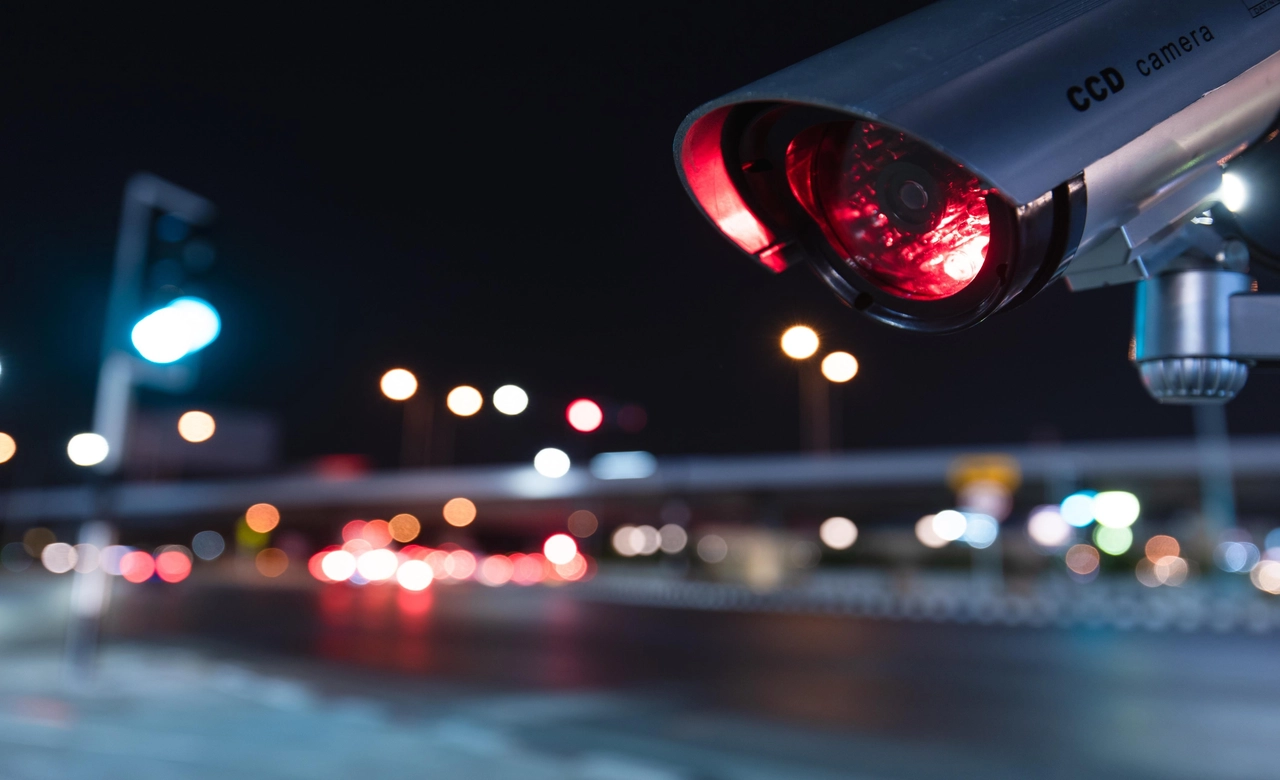
The primary component of any camera is its lens, which focuses light onto the sensor. Any interference with this process can degrade or eliminate the image. Common lens vulnerabilities include susceptibility to physical damage, smudges, and direct light sources. The sensor itself, typically a CMOS or CCD chip, can also be overwhelmed by excessive light, leading to image saturation or permanent damage in extreme cases.
Types of Lenses and Their Weaknesses
Different lenses have varying degrees of vulnerability. Wide-angle lenses, for instance, capture a broader field of view, but their curvature can sometimes be exploited by specific light patterns. Telephoto lenses, used for distant objects, have a narrower field but can concentrate light more intensely. Fixed-aperture lenses are less adaptable to changing light conditions than variable-aperture ones, making them potentially more susceptible to overexposure.
Environmental Factors
The environment in which a security camera operates significantly impacts its performance and potential vulnerabilities. Factors like weather, lighting conditions, and physical obstructions can all play a role. For example, cameras exposed to direct sunlight during peak hours are more prone to glare and overexposure. Similarly, cameras placed in dusty or dirty environments can have their lenses obscured over time.
Weather and Light Conditions
Rain, snow, fog, and even dust can obscure a camera's view. While these are natural phenomena, they can be mimicked or exacerbated. Extreme temperature fluctuations can also affect camera performance, though this is less about "blinding" and more about general malfunction. The most critical environmental factor for blinding is light. Direct, intense light sources, whether natural or artificial, are the most common tools for overwhelming a camera's sensor.
Technological Advancements and Countermeasures
The security camera industry is constantly innovating. Features like High Dynamic Range (HDR) are designed to mitigate issues with bright and dark areas in a single scene, making cameras more resilient to glare. Infrared (IR) illumination, used for night vision, can also be a target. Countermeasures against IR include specialized filters or even IR jammers, though the latter are often illegal.
Infrared (IR) Capabilities
Many modern security cameras incorporate IR LEDs for low-light or no-light surveillance. These LEDs emit light in the infrared spectrum, invisible to the human eye but detectable by the camera's sensor. Blinding an IR-equipped camera typically involves overwhelming its sensor with a stronger IR source, effectively washing out the image or causing a whiteout effect. This is a common tactic for nocturnal intrusions.
Physical Obstruction Methods
Physical methods are the most straightforward and often the most effective ways to blind a security camera. These techniques involve directly interfering with the camera's ability to capture an image by blocking its lens or obscuring its field of view. The simplicity of these methods belies their effectiveness, especially against cameras that are not adequately protected or monitored.
Direct Lens Covering
The most direct approach is to cover the camera's lens. This can be achieved with a variety of materials, ranging from simple tape to more sophisticated devices. The goal is to prevent light from reaching the sensor. The effectiveness depends on the camera's design and accessibility.
Materials for Covering Lenses
- Tape: Duct tape, electrical tape, or even packing tape can be applied directly to the lens. While effective, it can leave residue and is often a crude but functional solution.
- Paint: Spray paint or even a quick dab of thick paint can permanently disable a camera by covering the lens. This is a destructive method.
- Adhesives: Sticky substances like glue or putty can be used to attach objects to the lens.
- Physical Objects: A strategically placed object, such as a piece of cardboard, a cloth, or even a small container, can block the view.
Accessibility and Placement Challenges
The success of direct lens covering is heavily dependent on the camera's location. Cameras mounted high on buildings or in difficult-to-reach areas are less susceptible to this method. However, cameras at ground level or on lower structures are prime targets. In 2025, many security systems incorporate tamper detection that alerts authorities if a camera is physically disturbed or covered, mitigating this simple approach.
Obscuring the Field of View
Instead of directly covering the lens, one can obstruct the camera's entire field of view. This is often achieved by placing objects in front of the camera or by creating a visual barrier.
Using Aerosols and Sprays
Aerosol sprays, such as spray paint, fogging agents, or even certain types of lubricants, can be sprayed directly onto the camera lens or in front of it. This creates a temporary or permanent obscuring layer that prevents clear imaging. Some specialized sprays are designed to be difficult to clean off, offering a more persistent effect.
Creating Physical Barriers
For cameras with a wider field of view or those mounted at a lower angle, creating a physical barrier can be effective. This could involve placing large objects, such as bins, furniture, or even dense foliage, in the camera's line of sight. This method is less about directly interacting with the camera and more about manipulating the environment around it.
Water and Liquid Obstructions
Water, especially when mixed with certain substances, can be used to temporarily blind cameras. Pouring water over the lens can distort the image, and if the water contains contaminants like paint or dirt, it can leave a residue that further impairs visibility.
Impact of Rain and Water Damage
While natural rain can degrade image quality, intentionally dousing a camera with water, especially hot water or water containing cleaning agents, can cause immediate damage. This can lead to condensation inside the lens housing or even short-circuiting the electronics, effectively disabling the camera. However, many modern outdoor cameras are designed with robust weatherproofing, making them resistant to simple water-based attacks.
Destructive Methods
In some cases, the objective is not just to blind but to permanently disable the camera. This involves physically damaging the camera or its components.
Smashing or Damaging the Lens
A direct physical assault, such as smashing the lens with a blunt object, is a surefire way to blind a camera. However, this is a high-risk, highly visible action that is likely to trigger alarms and be captured by other surveillance devices.
Cutting Power or Cables
Many security cameras rely on power cables or network cables for their operation. Cutting these cables can render the camera inoperable. However, modern systems often have battery backups or wireless connectivity, and tampering with cables can also trigger tamper alerts.
Technological Disruption Techniques
Beyond physical methods, technological approaches can be employed to blind security cameras. These methods often involve exploiting the camera's electronic systems or overwhelming its sensors with specific types of light or signals. These techniques can be more sophisticated and may require specialized knowledge or equipment.
Light-Based Interference
The most common technological method involves overwhelming the camera's sensor with intense light. This can be achieved using various light sources, including high-powered lasers, strobes, and even modified flashlights.
Laser Pointers
High-powered laser pointers, particularly those in the green or blue spectrum, can be aimed at a camera lens. While a low-power laser might cause temporary glare, a sufficiently powerful laser can permanently damage the camera's sensor by burning it. The effectiveness depends on the laser's power, the camera's sensitivity, and the distance. In 2025, regulations on laser pointer power are stricter in many regions, but powerful industrial or military-grade lasers can still pose a significant threat.
Strobe Lights and High-Intensity Flashes
Rapidly flashing high-intensity lights, such as powerful strobe lights or even multiple camera flashes, can overwhelm the camera's automatic exposure control. This can result in a series of overexposed images or a continuous whiteout effect, making it impossible to discern any detail. Some specialized devices can generate strobing patterns designed to disrupt digital sensors more effectively.
Infrared (IR) Overload
As mentioned earlier, IR illumination is used for night vision. By introducing a stronger IR source directed at the camera, the IR sensor can be saturated. This effectively blinds the camera in low-light conditions, rendering its night vision useless. This can be achieved with IR illuminators or even modified IR LEDs. For example, a powerful IR LED array placed close to the camera could flood its sensor with IR light.
Electronic Jamming and Spoofing
More advanced techniques involve disrupting the camera's electronic signals or tricking its systems. This is often more complex and may require specialized knowledge of network protocols and camera firmware.
RF Jamming (Limited Applicability)
Radio Frequency (RF) jamming aims to disrupt wireless communication signals. While effective against wireless cameras transmitting data over Wi-Fi or other radio frequencies, it does not directly blind the camera's lens. However, by cutting off its communication, it can prevent footage from being transmitted, effectively making it useless for real-time monitoring. It's important to note that operating RF jammers is illegal in most countries without proper licensing.
Network Intrusion and Spoofing
For IP cameras connected to a network, hacking into the system can allow an attacker to disable the camera, loop footage, or even feed it false images. This is a highly technical approach that requires exploiting vulnerabilities in the camera's software or network security. For instance, an attacker could gain access to the camera's control interface and instruct it to shut down or point away from the intended area. Spoofing involves feeding the camera false data, making it believe it is in a different location or capturing a different scene.
Electromagnetic Pulse (EMP) Devices
While often portrayed in fiction, directed energy weapons or EMP devices can theoretically disable electronic equipment, including security cameras, by inducing a powerful electromagnetic field. However, practical, portable EMP devices capable of selectively disabling a single camera without causing widespread damage are largely theoretical or highly restricted military technology. Their use in a civilian context is extremely unlikely and illegal.
Software-Based Disruption
Some cameras, especially those with advanced features like AI object detection or facial recognition, might have software vulnerabilities that can be exploited.
Firmware Exploitation
By finding and exploiting vulnerabilities in a camera's firmware, an attacker could potentially gain control over its functions, including disabling the camera feed. This is a highly specialized form of hacking that requires deep knowledge of the specific camera model and its operating system.
Denial-of-Service (DoS) Attacks
For network-connected cameras, a DoS attack could flood the camera with so much network traffic that it becomes unresponsive, effectively disabling its ability to record or transmit data. This is similar to RF jamming in that it disrupts functionality rather than blinding the lens directly.
Comparison of Methods
Choosing the right method depends on various factors, including the type of camera, its location, the desired outcome (temporary vs. permanent), and the risk of detection. Here's a comparative overview:
| Method | Effectiveness | Ease of Use | Risk of Detection | Potential for Damage | Typical Use Case |
|---|---|---|---|---|---|
| Tape/Paint on Lens | High (if accessible) | Very High | Moderate (physical act) | Moderate (paint/glue) to Low (tape) | Quick, low-tech disablement |
| Spray/Obscuring View | Moderate to High | High | Moderate | Low to Moderate | Temporary disruption, wider area |
| Laser Pointer (High Power) | High (sensor damage) | Moderate | Moderate (visible beam) | High (permanent sensor damage) | Targeted, permanent disabling |
| Strobe/Flash Overload | Moderate (temporary) | Moderate | Low (if done discreetly) | Low | Temporary disruption, difficult to trace |
| IR Overload | High (in low light) | Moderate | Low (if IR source is hidden) | Low | Night vision disablement |
| Network Hacking/Spoofing | Very High (if successful) | Very Low (requires expertise) | Very Low (if done remotely and carefully) | None (software-based) | Sophisticated, remote disablement |
Legal and Ethical Implications
It is imperative to understand that attempting to blind or disable security cameras can have severe legal and ethical consequences. While curiosity about how to do it is understandable, engaging in such activities without proper authorization is illegal and can lead to significant penalties.
Unauthorized Tampering and Vandalism
In most jurisdictions, tampering with or damaging security equipment is considered vandalism or a specific offense related to interfering with surveillance. Penalties can include hefty fines, restitution for damages, and even imprisonment, especially if the act is linked to other criminal activities. For instance, in the US, the 1996 federal law prohibiting interference with federal investigations could be invoked if cameras are used for law enforcement purposes.
Property Damage Laws
Security cameras are considered property. Damaging or disabling them without the owner's consent constitutes property damage. This can range from a misdemeanor to a felony, depending on the value of the equipment and the intent behind the action. As of 2025, the legal frameworks surrounding digital and physical surveillance equipment are robust and actively enforced.
Consequences for Criminal Activity
Blinding security cameras is often a preparatory step for committing other crimes, such as burglary, theft, or assault. If caught, the act of blinding the camera will be considered evidence of intent to commit a crime, significantly increasing the severity of the charges and potential sentences. For example, a conviction for burglary might be enhanced by charges related to disabling security systems.
Privacy Concerns and Ethical Use
While this guide discusses methods to blind cameras, it is crucial to emphasize ethical considerations. The information provided is for educational purposes, such as understanding security vulnerabilities for defensive measures or for authorized penetration testing. Using this knowledge to infringe on others' privacy or to facilitate illegal activities is unethical and illegal.
Authorized Security Testing
Penetration testers and security professionals may be authorized to test the resilience of security systems, which could include methods to temporarily disable cameras. This is always done with explicit written consent from the property owner and within strict legal and ethical guidelines. Such testing helps identify weaknesses before malicious actors exploit them. For example, a security firm might be hired to perform a "red team" exercise where they simulate an attack on a corporate facility, including attempting to blind cameras.
Understanding Surveillance Legality
The legality of installing and using security cameras also varies. While businesses and homeowners generally have the right to install cameras on their property for security purposes, there are limitations regarding public spaces and the expectation of privacy. Understanding these boundaries is as important as understanding how to bypass them.
Preventing Camera Blinding
For those responsible for security systems, understanding how cameras can be blinded is essential for implementing effective countermeasures. Proactive measures can significantly deter or mitigate attempts to disable surveillance equipment.
Strategic Placement and Design
The physical placement and design of security cameras play a critical role in their resilience.
Height and Accessibility
Mounting cameras at heights that are difficult to reach without specialized equipment significantly deters physical obstruction methods. Consider installing cameras on poles, high on building facades, or under eaves. For ground-level cameras, consider protective enclosures.
Field of View and Overlap
Ensure that camera fields of view overlap. If one camera is blinded, others can still provide coverage of the area. This creates redundancy and makes it harder for an intruder to escape detection entirely.
Protective Housings and Mounts
Use vandal-resistant camera housings and mounts. These are designed to withstand physical attacks and tampering. Many modern housings also include features like tamper detection that trigger alarms if the camera is disturbed.
Technological Countermeasures
Leveraging technology can provide advanced protection against blinding attempts.
Tamper Detection Systems
Many modern IP cameras come equipped with tamper detection features. These can include:
- Motion Detection: Alerts if movement occurs directly in front of the camera, potentially indicating an attempt to cover it.
- Lens Tampering Alerts: Detects if the lens is covered, sprayed, or physically moved.
- Network Disruption Alerts: Notifies if the camera loses its network connection unexpectedly.
When a tamper event is detected, the system can trigger local alarms, send notifications to security personnel, or even activate other security measures.
IR Cut Filters and Anti-Glare Technology
Cameras equipped with automatic IR cut filters can switch between color (day) and black-and-white (night) modes. These filters help manage light levels and can reduce the impact of sudden light changes. Advanced HDR (High Dynamic Range) technology also helps cameras capture detail in scenes with extreme variations in light, making them more resistant to glare and overexposure.
Secure Network Infrastructure
For IP cameras, a robust and secure network is paramount. This includes:
- Strong Passwords: Use complex, unique passwords for all cameras and network devices.
- Network Segmentation: Isolate security camera networks from general office or home networks to limit the impact of a breach.
- Firewalls and Intrusion Detection Systems: Implement network security measures to block unauthorized access and detect malicious activity.
- Regular Software Updates: Keep camera firmware and network equipment up to date to patch known vulnerabilities.
Operational and Procedural Measures
Beyond physical and technological defenses, operational procedures are vital.
Regular Monitoring and Auditing
Actively monitor camera feeds and review footage regularly. This allows for early detection of anomalies or tampering attempts. Conduct periodic audits of camera functionality and security settings.
Response Protocols
Establish clear protocols for responding to tamper alerts or suspicious activity. Ensure that security personnel are trained to identify and respond to potential threats effectively.
Lighting Management
While cameras are designed to work in various lighting conditions, excessive or directed lighting can still be a problem. Ensure that external lighting is strategically placed to illuminate areas without directly shining into camera lenses, creating excessive glare or overexposure.
Conclusion
Understanding how to blind a security camera involves a spectrum of methods, from simple physical obstructions like tape or paint to sophisticated technological disruptions like laser targeting or network hacking. While the technical feasibility of blinding cameras is evident, it is crucial to underscore the significant legal and ethical ramifications associated with such actions. Unauthorized tampering with surveillance equipment constitutes vandalism and can lead to severe penalties, including fines and imprisonment, especially when linked to other criminal intent. For security professionals and property owners, the knowledge of these methods is invaluable for implementing robust preventative measures. Strategic placement, protective housings, tamper detection technology, secure network configurations, and vigilant monitoring are key to safeguarding surveillance systems. Ultimately, while the "how" is explored here for informational and defensive purposes, the "why" and "should you" are paramount, guiding responsible security practices and adherence to the law.