How Do You Change Your Adt Alarm Code ?
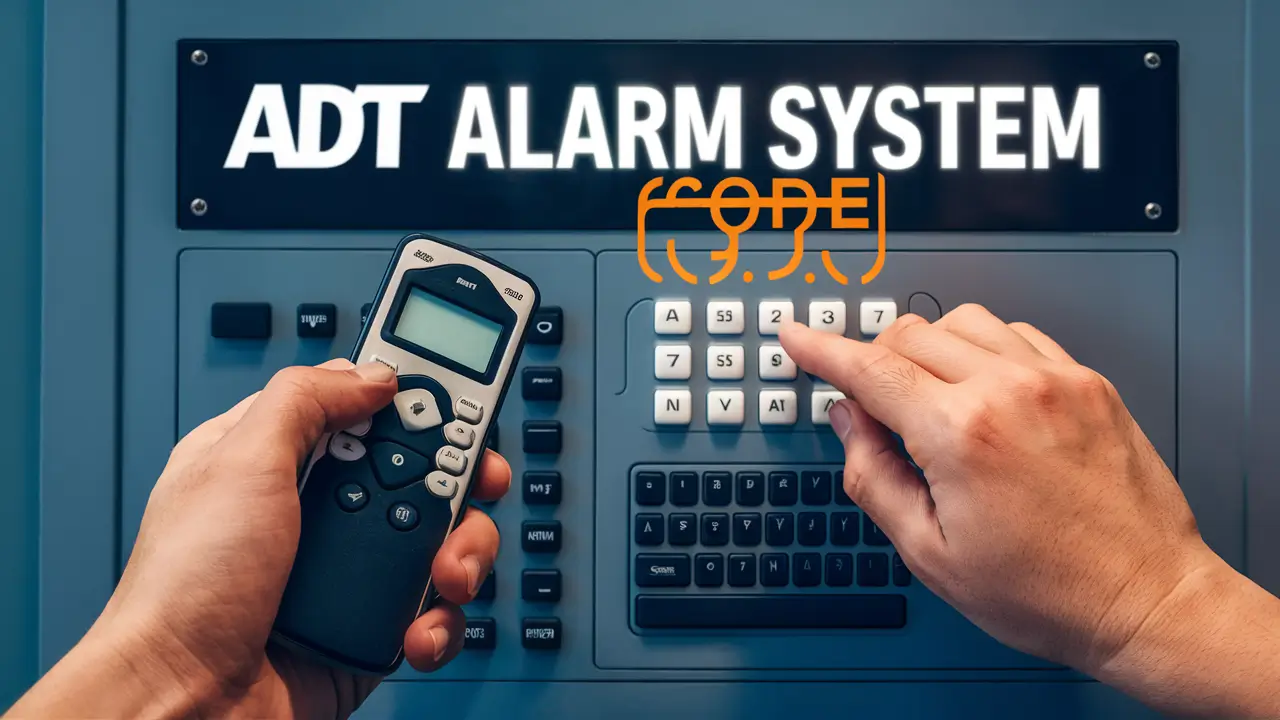
Changing your ADT alarm code is a straightforward process designed for security and convenience. This guide provides a comprehensive, step-by-step walkthrough for various ADT systems, ensuring you can easily update your primary or secondary access codes. Learn how to enhance your home security by mastering this essential function.
Understanding ADT Alarm Codes
ADT alarm codes are the numerical sequences that allow authorized users to arm and disarm your home security system. These codes are fundamental to the operation of your ADT system, acting as a digital key to control its security status. Think of them as the unique password that communicates your intention to the system – whether to activate protection or deactivate it for entry. ADT systems are designed with multiple layers of security, and the master code is the primary access point. However, for enhanced security and convenience, especially in households with multiple members or frequent visitors, the ability to change these codes is paramount. This guide will delve into the specifics of how to perform this essential task, ensuring your home remains secure and accessible only to those you authorize.
Why Change Your ADT Code?
The primary reason for changing your ADT alarm code is security. Over time, codes can become compromised, either intentionally or unintentionally. For instance, if a contractor or a temporary guest has had access to your code, it's wise to change it once their access is no longer needed. Sharing your code with too many individuals can also increase the risk of unauthorized use. Another common reason is for convenience or personalization. You might want a code that is easier for your family members to remember or a code that doesn't have obvious connections to personal information like birthdays or addresses. In 2025, with the increasing sophistication of smart home technology and potential cyber threats, regularly updating your security codes is a critical practice. Many security experts recommend changing your primary access code at least every six months, or immediately if you suspect it has been compromised. This proactive approach significantly reduces the likelihood of false alarms and unauthorized access, maintaining the integrity of your home security system.
Types of ADT Codes
ADT systems typically utilize several types of codes, each serving a distinct purpose:
- Master Code: This is the primary code used to arm and disarm the system. It's the most powerful code and is usually set during the initial installation. Only one master code typically exists per system.
- User Codes (or Secondary Codes): These are additional codes that can be programmed into the system. They function identically to the master code for arming and disarming but do not allow for system programming changes (like adding or deleting other user codes). This is ideal for family members, trusted friends, or service providers. Most ADT systems allow for multiple user codes, typically up to 30 or more, depending on the specific panel.
- Duress Code: This is a special code that, when entered, disarms the system but also silently signals ADT to dispatch authorities. It's a critical safety feature for situations where you are forced to disarm the system under duress. This code is usually distinct from the master or user codes and should be memorized separately.
- Installer Code: This code is reserved for ADT technicians and is used for system installation, programming, and maintenance. Homeowners should never know or attempt to use the installer code, as it can grant access to sensitive system settings.
Understanding these different code types is crucial for managing your ADT system effectively and ensuring that you are using the appropriate code for each situation.
Preparing to Change Your Code
Before you begin the process of changing your ADT alarm code, a few preparatory steps will ensure a smooth and successful transition. First, ensure you have your current master code or a user code with programming privileges. If you've forgotten your master code, you will need to contact ADT support for assistance. It's also a good idea to have a pen and paper handy to write down your new code temporarily until you have memorized it. Choose a new code that is easy for you and your authorized users to remember but difficult for others to guess. Avoid using simple sequences like "1234," "0000," or codes that are easily associated with your personal information, such as your birthdate, address numbers, or phone number. For enhanced security, consider using a random combination of numbers. If you are changing codes for multiple users, have a clear list of who will use which code. Finally, ensure your ADT system is not currently in an alarm state or undergoing a test, as this could interfere with the programming process. If you are unsure about any of these steps, consulting your ADT system's user manual or contacting ADT customer support is always recommended.
Changing Your Code on Different ADT Systems
The method for changing your ADT alarm code can vary depending on the specific ADT system you have installed. ADT offers a range of systems, from traditional keypads to advanced touchscreen panels and mobile app interfaces. Here's a breakdown of how to change your codes on some of the most common ADT platforms.
ADT Command Center Touchscreen
The ADT Command Center, often featuring a sleek touchscreen interface, offers an intuitive way to manage your security settings, including changing your access codes. This system is common in newer installations and provides a user-friendly experience.
- Access the Menu: On the main screen of your ADT Command Center, locate and tap the 'Menu' icon. This is usually found in a corner of the screen.
- Navigate to Settings: Within the menu, find and select 'Settings' or 'System Settings.' You may be prompted to enter your current master code to proceed.
- Select User Management: Look for an option like 'Users,' 'User Codes,' or 'Manage Users.' Tap on this option.
- Choose the User: You will see a list of existing user codes. Select the user whose code you wish to change. If you are changing the master code, there will be a specific option for it.
- Enter New Code: The system will prompt you to enter the new code. Type in your desired new code. Ensure it meets ADT's security requirements (e.g., typically 4-6 digits, not sequential or repeating).
- Confirm New Code: You will likely be asked to enter the new code again to confirm it.
- Save Changes: Tap 'Save,' 'Done,' or 'Confirm' to finalize the change. The system may briefly display a confirmation message.
Example: If you want to change your master code from 1234 to 5678, you would navigate to 'Users,' select 'Master Code,' enter '5678,' re-enter '5678,' and then save.
ADT SafeWatch App
For users with compatible ADT systems, the ADT SafeWatch app (or the ADT Control app, depending on your system generation) offers a convenient way to manage your security system remotely, including changing codes. This requires your system to be connected to the internet and linked to your ADT account.
- Open the App: Launch the ADT SafeWatch or ADT Control app on your smartphone or tablet.
- Log In: Enter your ADT account credentials to log in.
- Navigate to System Settings: Look for a 'Settings' or 'System' icon, often represented by a gear or a wrench.
- Find User Management: Within the settings, locate the 'Users' or 'User Codes' section.
- Select User to Edit: Tap on the user whose code you wish to modify.
- Edit Code: You should see an option to 'Edit' or 'Change Code.' Tap this.
- Enter New Code: Input your new desired code into the provided field.
- Save Changes: Confirm your changes by tapping 'Save' or 'Update.' The app will sync the new code to your ADT system.
Note: The exact interface and options may differ slightly based on the specific version of the app and your ADT system model.
Older ADT Keypads
Many ADT systems utilize older, alphanumeric keypads. The process here involves a sequence of button presses and code entries. The most common older systems include the ADT Safewatch QuickConnect and similar models.
General Steps for Older Keypads:
- Enter Programming Mode: Press the 'Program' or 'Func' button (often a function key). Then, enter your master code. Some systems might require you to enter a specific programming code first, followed by your master code.
- Select User Code Programming: Look for a menu option or a specific key that corresponds to 'User Codes' or 'Installer Programming.' This might be indicated by a number like '6' or '8' on the keypad.
- Choose User Number: The keypad will likely prompt you to enter the user number for the code you want to change (e.g., User 2, User 3, etc.). For the master code, it's usually User 1.
- Enter New Code: Once you've selected the user, the keypad will prompt you to enter the new code. Enter your desired 4-digit code.
- Confirm New Code: You will typically need to enter the new code a second time for confirmation.
- Exit Programming: Press the 'Off' or 'End' button to exit programming mode. The system will usually beep to confirm the changes have been saved.
Specific Example (Hypothetical Older System):
- Press 'Func' then '6' (for user codes).
- Enter your current master code (e.g., 1234).
- Enter '02' to select User Code 2.
- Enter your new code for User 2 (e.g., 5678).
- Enter '5678' again to confirm.
- Press 'Off' to exit.
Important Note for Older Systems: The exact button sequences and menu numbers can vary significantly between different older ADT models. Always refer to your specific system's user manual for precise instructions. If you no longer have the manual, ADT's customer support can guide you.
Changing Master Code on Older Keypads
To change the master code on most older ADT keypads, you typically follow the same programming steps but select User 1. For instance:
- Enter programming mode (e.g., 'Func' + Master Code).
- Select the option for User Codes.
- Enter '01' to select the Master Code.
- Enter your new 4-digit master code.
- Re-enter the new master code for confirmation.
- Exit programming mode.
Remember, if you lose or forget your master code, you will need professional assistance from ADT to reset it.
Comparison of ADT Code Change Methods
Here's a quick comparison to help you identify the best method for your situation:
| Method | Ease of Use | Accessibility | Requirements |
|---|---|---|---|
| ADT Command Center Touchscreen | High | Directly on panel | Current master code |
| ADT SafeWatch/Control App | High | Remote (smartphone/tablet) | Internet connection, app installed, account linked, current master code |
| Older ADT Keypads | Medium | Directly on keypad | Current master code, knowledge of specific button sequences |
Troubleshooting Common Issues
While changing your ADT alarm code is generally straightforward, you might encounter a few common issues. Here’s how to address them:
- "Invalid Code" or "Access Denied" Message: This usually means you've entered an incorrect current code or are attempting to perform an action without the necessary privileges. Double-check the code you're entering. If you're trying to change a user code and it's not working, ensure you are using the master code or a code with programming rights.
- System Not Responding After Code Change: Sometimes, the system might not register the change immediately. Try disarming and re-arming the system with the new code. If it still doesn't work, you may need to re-enter the programming sequence.
- Forgetting the New Code: If you've just changed your code and already forgotten it, you'll need to go through the programming process again to set a new one. If you forget your master code, you will need to contact ADT.
- Unable to Access Programming Mode: This often happens if you're not using the correct sequence of button presses or if you're not entering the master code correctly when prompted. Refer to your user manual or ADT support.
- System Beeps Continuously: This could indicate a system fault or that the programming mode wasn't exited correctly. Try pressing the 'Off' or 'End' button again. If the beeping persists, check your system's error codes or contact ADT.
- App Not Syncing Changes: Ensure your smartphone has a stable internet connection and that the ADT app is updated to the latest version. Sometimes, logging out and back into the app can resolve syncing issues.
For any persistent issues, especially those involving the master code or system malfunctions, it's always best to contact ADT customer support.
Best Practices for ADT Codes
To maximize the security and effectiveness of your ADT alarm system, adhere to these best practices for managing your access codes:
- Choose Strong, Memorable Codes: Opt for codes that are easy for you and your family to remember but difficult for others to guess. Avoid common patterns, sequences, or personal information. A 4-digit code is standard, but some systems allow for longer ones.
- Change Codes Regularly: As a general rule, change your master code at least every six months. Also, change codes immediately if a contractor, cleaner, or any other individual with temporary access leaves your employment or no longer requires access.
- Do Not Share Your Master Code: Reserve the master code for yourself or one primary trusted individual. Use secondary user codes for family members, babysitters, or pet sitters. This allows you to disable individual codes without affecting the master code.
- Use Unique Codes for Each User: Assign a different user code to each person who needs access. This helps track who is arming or disarming the system and allows you to easily revoke access for one person without affecting others.
- Program a Duress Code: If your system supports it, set up and memorize a duress code. This is a vital safety feature for emergencies.
- Avoid Writing Codes Down: Unless absolutely necessary and stored securely, try to memorize your codes. If you must write them down, keep the note in a place that is not obvious and inaccessible to intruders.
- Test Your System Periodically: Regularly test your alarm system by arming and disarming it with your codes. This ensures the codes are working correctly and the system is functioning as expected. You can usually put your system in "test mode" with ADT to avoid dispatching authorities during tests.
- Update Codes After System Maintenance: If ADT technicians perform any work on your system, it's a good security practice to change your codes afterward.
Implementing these practices will significantly enhance the security of your home and the reliability of your ADT system.
ADT Security Statistics (2025-26)
In the evolving landscape of home security, understanding current trends and the effectiveness of systems like ADT is crucial. While specific internal ADT statistics for 2025-26 are proprietary, industry-wide data and ADT's market position provide valuable insights. The home security market continues to grow, with projections indicating a compound annual growth rate (CAGR) of approximately 7-9% globally through 2026. This surge is driven by increasing crime rates in certain areas, greater awareness of security needs, and the integration of smart home technology.
Key Trends and Statistics for 2025-26:
- Smart Home Integration: Over 70% of new security system installations in 2025-26 are expected to include smart home features, such as remote access via apps, integration with voice assistants, and smart locks. ADT's investment in platforms like the ADT Control app aligns perfectly with this trend.
- Deterrence Effectiveness: Studies consistently show that homes with professionally monitored security systems, like those offered by ADT, are significantly less likely to be burglarized. Estimates suggest a reduction in burglary risk by as much as 30-50% for monitored homes.
- Response Times: ADT's professional monitoring centers are equipped with advanced technology to ensure rapid response. For alarm events, ADT aims for dispatch times that are among the fastest in the industry, often within 30-60 seconds of a confirmed alarm. This speed is critical in mitigating losses and ensuring safety.
- False Alarm Reduction: While false alarms remain a challenge for the industry, professional systems like ADT's, coupled with user education on proper code usage and system operation, contribute to a reduction. For example, systems with video verification can reduce false alarm dispatches by up to 80% compared to systems without.
- Cybersecurity Concerns: As smart home integration increases, so does the focus on cybersecurity. ADT invests heavily in securing its platforms against cyber threats. For users, changing codes regularly (as outlined in this guide) is a fundamental step in maintaining digital security for their physical security system.
These statistics underscore the importance of a robust security system and the role that proper management, including changing your ADT alarm code, plays in its overall effectiveness. By staying informed and proactive, homeowners can ensure their ADT system provides the highest level of protection.
When to Call ADT Support
While you can manage many aspects of your ADT system yourself, there are specific situations where contacting ADT customer support is necessary. These include:
- Forgotten Master Code: If you have forgotten your master code and cannot access programming to change user codes, ADT support is the only way to reset it. They will need to verify your identity and account ownership before proceeding.
- System Malfunctions: If your system is displaying error messages, not responding to commands, or behaving erratically after you've made changes, it's time to call for professional help.
- Inability to Program New Codes: If you've followed the instructions for your specific system and are still unable to change your codes, ADT support can guide you through the process or schedule a technician visit.
- Suspected System Tampering: If you believe your system has been tampered with or compromised in any way, contact ADT immediately.
- System Upgrades or Complex Changes: For significant system changes, adding new components, or understanding advanced features, ADT support or a technician can provide expert assistance.
- Cancelling Service or Moving: If you are moving and want to transfer your service, or if you need to cancel your ADT service, you will need to contact customer support.
When you call ADT, have your account number and any relevant details about your system ready to expedite the support process. You can typically find ADT's customer service number on your monthly bill or on their official website.
Conclusion
Mastering how to change your ADT alarm code is an essential skill for any ADT customer. It empowers you to maintain control over your home's security, adapt to changing needs, and ensure that only authorized individuals have access. Whether you're using a modern touchscreen panel, the convenient ADT mobile app, or a traditional keypad, the process is designed to be accessible. Remember to choose strong, memorable codes, change them regularly, and never share your master code. By following the steps outlined in this comprehensive guide and adhering to best practices, you can significantly enhance your home security and enjoy peace of mind. For any complex issues or if you've forgotten your master code, don't hesitate to reach out to ADT support for professional assistance. Proactive management of your security codes is a cornerstone of effective home protection in 2025 and beyond.