Determining "how far can security cameras see" is crucial for effective surveillance. This guide delves into the technical aspects, influencing factors, and practical considerations for maximizing your security camera's visual range, ensuring you have the clarity needed for comprehensive monitoring in 2025-26.
Understanding Security Camera Range
The question "how far can security cameras see?" is more complex than a single number. Camera range isn't a fixed attribute but a dynamic outcome influenced by a confluence of technological specifications, environmental conditions, and the specific purpose of the surveillance. For homeowners and businesses in 2025-26, understanding these nuances is paramount to selecting and deploying the right surveillance equipment for optimal security coverage.
At its core, a security camera's ability to "see" is determined by its lens, sensor, and the resolution at which it captures images. However, these technical specifications are only part of the story. The distance at which a camera can effectively identify a person, a vehicle, or a specific object is what truly matters in practical security applications. This is often referred to as effective range, which differs from the theoretical maximum distance a camera can capture light.
In 2025-26, the market offers a vast array of cameras, from compact indoor units designed for short-range monitoring to powerful telephoto lenses on specialized outdoor cameras capable of observing distant objects. The effective range is not just about detecting motion; it's about the ability to discern details crucial for identification and evidence gathering. This includes recognizing faces, reading license plates, or identifying specific tools or clothing. Without this level of detail, a camera's extended reach becomes less valuable for security purposes.
Furthermore, the definition of "seeing" can vary. For some applications, simply detecting the presence of an object or person at a distance might suffice. For others, like border security or large industrial sites, the ability to identify individuals or vehicles from hundreds of meters away is essential. This guide aims to demystify the factors that contribute to a security camera's visual range and provide actionable insights for optimizing your surveillance setup.
Defining Effective Range vs. Maximum Range
It's vital to distinguish between a camera's theoretical maximum range and its practical effective range. The maximum range often refers to the distance at which a camera can detect light or movement, which can be quite substantial, especially for infrared (IR) equipped cameras in complete darkness. However, this doesn't mean the camera can provide useful, identifiable images at that distance.
The effective range, on the other hand, is the distance at which a camera can provide clear, detailed images sufficient for identification. This is heavily dependent on resolution, lens focal length, pixel density, and environmental factors like lighting and atmospheric conditions. For instance, a 4K camera might have a theoretical maximum range of several kilometers, but its effective range for identifying a human face might be limited to 50-100 meters, depending on other variables.
In 2025-26, advancements in sensor technology and image processing have significantly improved effective ranges. However, the fundamental principles remain: higher resolution, longer focal length lenses, and optimal lighting conditions contribute to greater effective visibility. Manufacturers often provide specifications for effective range based on standardized testing, but real-world performance can differ.
Resolution and Its Impact on Range
Resolution is arguably the most significant factor determining a security camera's effective range. Measured in pixels, higher resolutions mean more detail can be captured within the frame. This is critical for identifying objects or individuals at a distance.
- Lower Resolutions (e.g., 720p, 1080p): These cameras are suitable for close to medium-range surveillance. At longer distances, details become blurred, making identification difficult. A 1080p camera might offer good detail for a driveway or front porch but struggle to identify a face across a large yard.
- Higher Resolutions (e.g., 4MP, 5MP, 8MP/4K): Cameras with 4K resolution (approximately 8 megapixels) offer significantly more detail. This allows for clearer identification of individuals, license plates, and other critical details at much greater distances compared to lower-resolution cameras. For example, a 4K camera can often provide identifiable details at distances where a 1080p camera would only show a blurry shape.
The benefit of higher resolution isn't just about seeing "further" in terms of raw distance, but seeing *more clearly* at a given distance. This allows for digital zoom without significant loss of quality, effectively extending the usable range of the camera for identification purposes. By 2025-26, 4K resolution has become increasingly standard for outdoor surveillance where extended range is a requirement.
Field of View and Lens Type
The lens of a security camera determines its field of view (FOV), which is the extent of the scene that the camera can capture. This is directly related to how "far" the camera can see in terms of the breadth of coverage, but also influences the detail at a specific point within that view.
- Wide-Angle Lenses (Short Focal Length): These lenses offer a broad field of view, capturing a large area. They are excellent for general surveillance and monitoring large spaces. However, objects at a distance appear smaller and less detailed within the wide frame. Think of a fisheye lens – it sees almost everything, but specific details far away are hard to discern.
- Narrow-Angle Lenses (Long Focal Length): These lenses have a narrower field of view but magnify distant objects. This is crucial for long-range surveillance where identifying specific details is paramount. A camera with a long focal length lens can "zoom in" optically on a distant point, making objects appear larger and clearer. This is why specialized cameras for perimeter security or traffic monitoring often feature long focal length lenses.
- Varifocal Lenses: These lenses allow for adjustable focal lengths, providing flexibility. Users can manually adjust the lens to achieve a wider view for general monitoring or a narrower, more zoomed-in view for specific long-range observation. This is a common feature in professional surveillance systems, offering a balance between broad coverage and detailed long-range identification.
The interplay between resolution and lens type is critical. A high-resolution camera with a wide-angle lens might still struggle to identify details at a distance due to the small number of pixels dedicated to that distant object. Conversely, a high-resolution camera with a narrow-angle lens can provide excellent detail at extended ranges.
Key Factors Influencing Security Camera Visibility
Beyond the camera's inherent specifications, a multitude of external factors significantly impact its effective range and the clarity of its footage. Understanding these elements is crucial for accurate deployment and for troubleshooting any perceived limitations in a security camera system in 2025-26.
Lighting Conditions: Day and Night
Lighting is perhaps the most critical environmental factor. The human eye and a camera sensor rely on light to perceive detail. What a camera can see is directly proportional to the available light.
- Daylight: During the day, ample natural light allows most cameras, especially those with good resolution, to capture clear images at significant distances. The intensity and quality of sunlight can still play a role – harsh glare can wash out details, while overcast conditions can reduce contrast.
- Low Light: As light levels decrease, camera performance degrades. Even cameras with advanced low-light capabilities will capture less detail. This is where features like Wide Dynamic Range (WDR) and advanced sensors become vital. WDR helps balance bright and dark areas in the scene, preventing overexposure of bright spots and underexposure of shadows, thus improving detail in challenging lighting.
- Night Vision (Infrared/IR): Most outdoor security cameras are equipped with infrared (IR) LEDs. These emit invisible light that illuminates the scene, allowing the camera to "see" in complete darkness. The range of these IR LEDs is a key specification. However, IR light is monochromatic (black and white) and can sometimes create glare from reflective surfaces. The effectiveness of IR night vision depends on the strength and spread of the LEDs, as well as the camera's sensor sensitivity to IR wavelengths. In 2025-26, smart IR technology that adjusts intensity based on object distance is common, preventing overexposure of nearby objects.
- Color Night Vision: Newer technologies in 2025-26 are emerging that aim to provide color images in low-light conditions, often by using sensitive color sensors and ambient light amplification. These can offer more intuitive and detailed night-time surveillance than traditional black-and-white IR footage.
The effective range of a camera at night is often significantly less than its daytime range, especially when relying solely on IR illumination. The stated IR range of a camera is typically the distance at which it can detect movement, not necessarily identify details. For identification at night, specialized IR illuminators or cameras with superior low-light sensors are necessary.
Atmospheric Conditions and Obstructions
The environment between the camera and the subject plays a crucial role in image clarity and effective range.
- Fog, Rain, Snow: These weather conditions scatter light, reducing visibility and image quality. Heavy fog can drastically reduce the effective range of any camera, making distant objects appear hazy and indistinct.
- Dust and Smoke: Similar to fog, dust and smoke particles in the air can obscure vision and reduce the clarity of images. This is particularly relevant for industrial sites or areas prone to wildfires.
- Obstructions: Physical obstructions like trees, bushes, fences, buildings, or even parked vehicles can block the camera's line of sight. A camera cannot see through solid objects. Even partially obscured views can render identification impossible. Careful site surveys are essential to identify and mitigate potential obstructions.
- Heat Haze: On hot days, heat rising from surfaces can create atmospheric distortion, similar to heat haze seen over asphalt. This can blur images and reduce the effective range, especially for cameras trained on distant objects.
For applications requiring reliable surveillance in adverse weather, cameras with features like defogging algorithms or specialized lenses designed to minimize distortion can be beneficial. However, no camera can entirely overcome severe atmospheric limitations.
Target Size and Detail Level Required
What you need the camera to see directly impacts its effective range. The size of the object and the level of detail required for identification are key considerations.
- Detection: The simplest requirement is to detect the presence of something. A camera might detect a large vehicle at several hundred meters, even if it can't read the license plate.
- Recognition: This involves recognizing a general class of object, such as distinguishing a person from an animal, or a car from a truck. This requires more detail than simple detection.
- Identification: This is the highest level of detail, requiring the ability to identify specific features, such as a person's face, a license plate number, or the make and model of a vehicle. This demands the highest resolution and optimal viewing conditions.
The "pixels on target" principle is fundamental here. To identify a face, you typically need a minimum number of pixels (e.g., 40-60 pixels per face) to discern key features. For license plates, even more pixels might be required. Therefore, a camera's effective range for identification will be significantly shorter than its range for simple detection.
In 2025-26, with the prevalence of AI-powered analytics, cameras can be trained to identify specific types of objects (e.g., people, vehicles, animals) at greater distances than previously possible, even with lower pixel counts, by leveraging advanced algorithms.
Camera Placement and Angle
Where a camera is positioned and the angle at which it views a scene dramatically influence its effective range and the quality of the footage.
- Line of Sight: As mentioned, a clear, unobstructed line of sight is paramount. Placing cameras to avoid trees, buildings, or other permanent obstructions is crucial.
- Angle of View:
- Downward Angle: Cameras mounted high and looking down are effective for general area coverage but may struggle to capture facial details of people directly below due to foreshortening.
- Eye-Level Angle: For facial recognition, mounting cameras at or near eye level (e.g., 5-7 feet) is often ideal, providing a more direct view of faces.
- Oblique Angles: While sometimes necessary, viewing subjects at extreme oblique angles can distort features and reduce identification accuracy.
- Distance from Target: The closer the camera is to the area of interest, the more detail it can capture. For long-range surveillance, cameras are often positioned at a distance where they can still achieve the required "pixels on target" for identification.
- Mounting Height: Higher mounting can provide a broader view and reduce the risk of tampering but might necessitate longer focal length lenses for detail at ground level.
Strategic placement, often involving multiple cameras with overlapping fields of view and different focal lengths, is key to comprehensive surveillance that accounts for varying distances and detail requirements.
Types of Security Cameras and Their Range Capabilities
The vast array of security cameras available in 2025-26 each comes with distinct characteristics that dictate their typical range. Understanding these types helps in selecting the appropriate camera for specific surveillance needs.
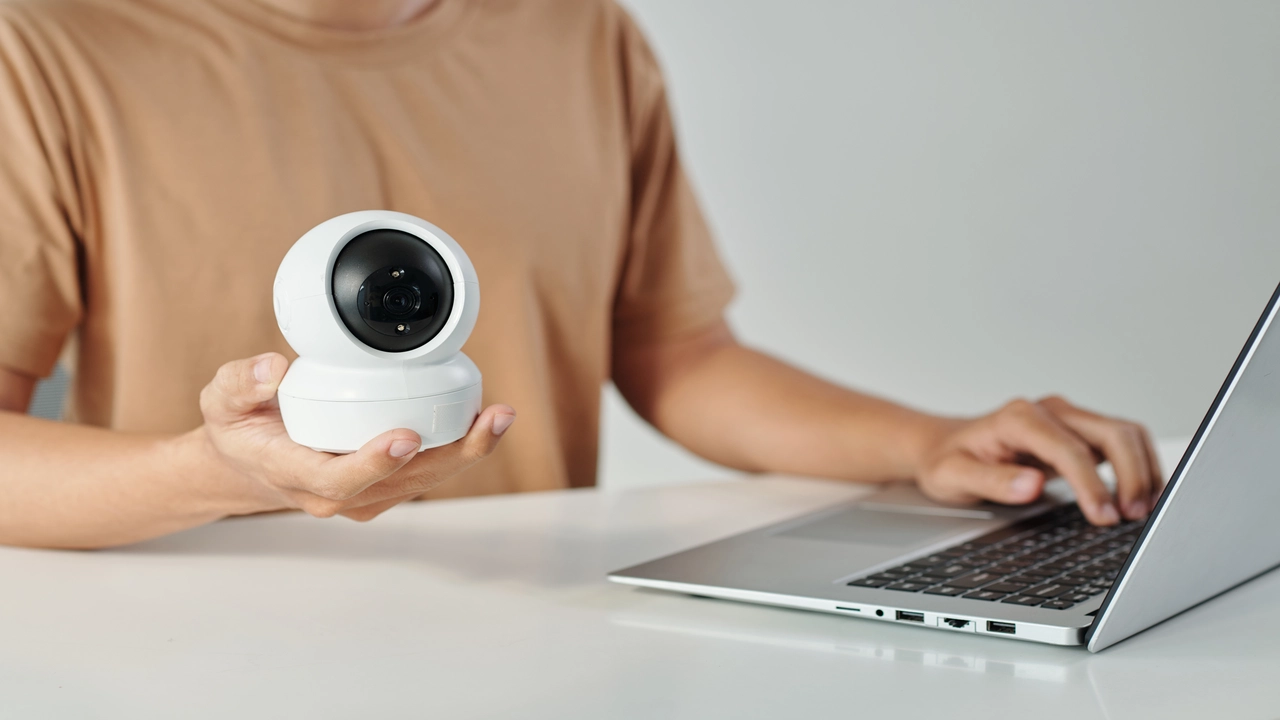
Dome Cameras
Dome cameras are popular for their discreet appearance and vandal-resistant housing. Their range is primarily determined by their lens and resolution.
- Typical Range: Most indoor/outdoor dome cameras offer a moderate range, suitable for monitoring entryways, hallways, or small to medium-sized rooms. Their effective range for identification is often between 10-50 meters, depending on resolution (1080p to 4K) and lens.
- Lens Options: They often come with fixed lenses or varifocal lenses, allowing some adjustment. Wide-angle lenses are common for general coverage.
- Specialized Domes: PTZ (Pan-Tilt-Zoom) dome cameras are a different category and can have significantly extended ranges due to their powerful zoom capabilities.
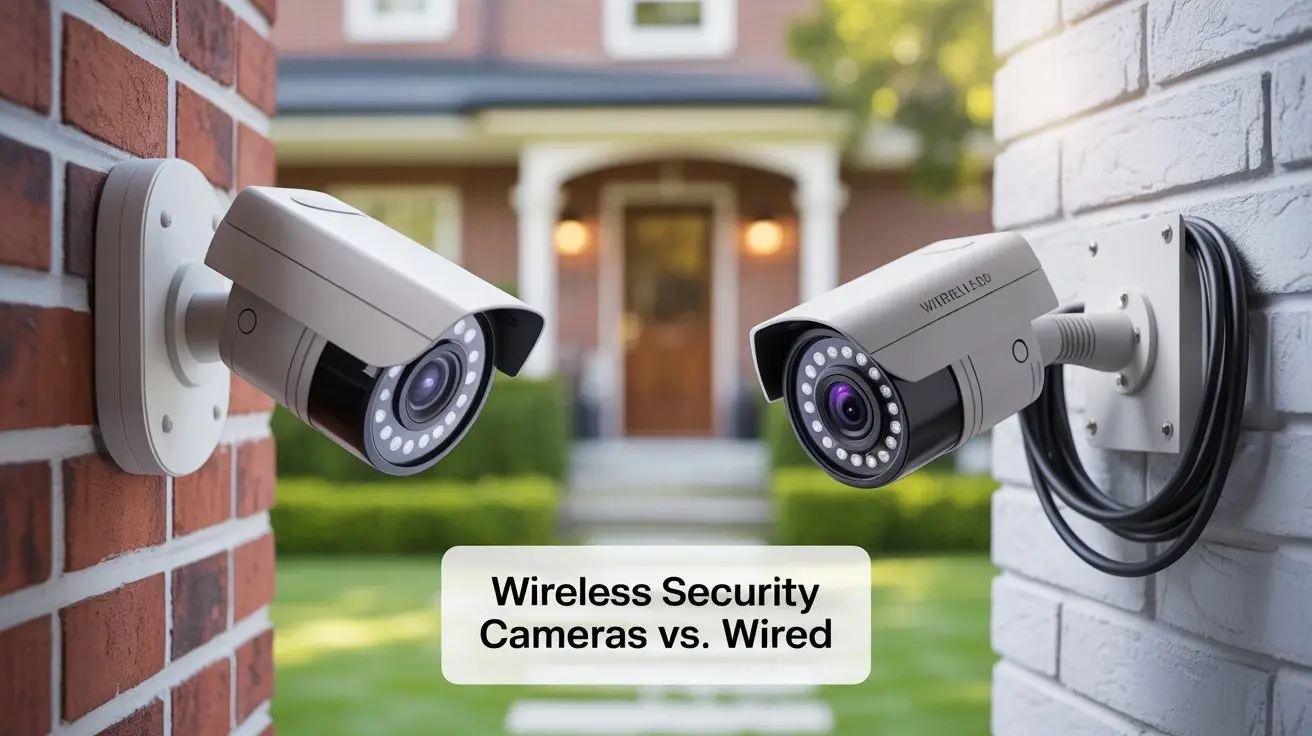
Bullet Cameras
Bullet cameras are easily identifiable and often used for outdoor surveillance due to their robust, weather-resistant design. They are frequently equipped with IR LEDs.
- Typical Range: Bullet cameras are designed for longer-range surveillance than typical dome cameras. With resolutions of 4MP or 4K and appropriate lenses, they can offer effective identification ranges from 30 meters up to 100 meters or more, especially with powerful IR illuminators.
- Lens Options: Many bullet cameras feature fixed lenses, but varifocal and motorized zoom lenses are also common, allowing for precise focus and zoom adjustments.
- IR Range: The IR range of bullet cameras is a key specification, often advertised from 30 meters to over 100 meters. This is the distance at which the IR illuminators can provide sufficient light for the camera to capture a recognizable image in darkness.
PTZ Cameras (Pan-Tilt-Zoom)
PTZ cameras are designed for dynamic, long-range surveillance and can cover vast areas by moving their lens. Their range is exceptionally high due to optical zoom capabilities.
- Typical Range: PTZ cameras are the champions of long-range surveillance. Their optical zoom can range from 10x to 50x or even 100x. This allows them to identify objects or individuals from several hundred meters to over a kilometer away, depending on the zoom level, resolution, and environmental conditions.
- Optical Zoom: This is the key feature. Unlike digital zoom, optical zoom uses lens elements to magnify the image, preserving detail. A 30x optical zoom can bring a distant object much closer without significant quality loss.
- Applications: Ideal for large properties, perimeter security, traffic monitoring, and public spaces where extensive coverage and the ability to track moving subjects are required.
Turret Cameras (Eyeball Cameras)
Similar to dome cameras but with a more exposed lens, turret cameras are versatile and often feature advanced IR and image processing.
- Typical Range: They generally offer a range comparable to bullet cameras, often between 20-80 meters for identification, depending on resolution and lens.
- Flexibility: Their design allows for easier adjustment of the camera's angle after installation.
- Features: Many incorporate advanced IR technology and good low-light performance, making them suitable for both day and night surveillance.
Specialty Cameras (Thermal and Long-Range IP)
Beyond standard visible-light cameras, specialized types offer unique capabilities for extended range or specific conditions.
- Thermal Cameras: These cameras detect heat signatures rather than visible light. They can see through fog, smoke, and darkness, making them excellent for detecting people or animals at long distances (hundreds of meters) regardless of lighting. However, they do not provide detailed visual identification of features like faces or clothing. Their primary use is detection and tracking.
- Long-Range IP Cameras: These are typically high-resolution cameras (4K and above) with powerful telephoto lenses designed specifically for extended range surveillance. They can achieve identification ranges of 200-500 meters or more, often used in critical infrastructure, border security, or large industrial facilities.
When considering range, always look at the specifications for resolution, lens focal length (or zoom capability), and IR range (if applicable). Also, consider the "pixels on target" recommendations for the level of detail you require.
How to Accurately Measure Security Camera Range
Measuring the true range of a security camera involves understanding its specifications and how they translate into real-world performance. It's not just about looking at a single number but considering a combination of factors and the specific application.
Understanding Camera Specifications for Range
The manufacturer's specifications are the starting point. Key terms to look for include:
- Resolution: (e.g., 1080p, 4MP, 4K) – Higher resolution generally means better detail at distance.
- Focal Length (mm): For fixed lenses, this indicates the angle of view and magnification. Higher numbers mean a narrower view and more magnification (longer range).
- Zoom Ratio (x): For varifocal or PTZ cameras, this indicates the extent of optical magnification. A 20x zoom can magnify the image 20 times.
- Field of View (FOV): Expressed in degrees (e.g., 90°, 30°, 5°). A narrower FOV implies greater magnification and thus a longer potential range for detail.
- IR Range (meters/feet): The distance at which the camera's built-in infrared illuminators can provide usable black-and-white images in darkness. This is often for detection, not identification.
- WDR (Wide Dynamic Range): Indicates the camera's ability to handle scenes with both very bright and very dark areas, improving detail in challenging lighting.
The Pixels on Target Method
This is the most scientifically accepted method for determining effective surveillance range. It focuses on the number of pixels a specific object (like a human face or a license plate) occupies in the camera's image.
The general guidelines, based on industry standards like those from the SIA (Security Industry Association), are:
| Purpose | Pixels on Target (per foot of object width) | Typical Application | Example Range (for a 4K camera with appropriate lens) |
|---|---|---|---|
| Detection | 10-20 pixels | Identifying presence of people or vehicles | Up to 500+ meters |
| Observation | 20-40 pixels | Distinguishing general activity, vehicle type | Up to 300 meters |
| Recognition | 40-60 pixels | Recognizing a person's build, clothing, or vehicle make/model | Up to 150 meters |
| Identification | 60-120+ pixels | Identifying a specific face or license plate number | Up to 50-100 meters |
How to Apply:
- Determine the required level of detail for your surveillance needs (e.g., identification of faces).
- Estimate the width of your target object (e.g., an average human head is about 6-8 inches wide).
- Use the "pixels on target" guideline to determine the required pixel density.
- Calculate the distance at which your chosen camera (with its specific resolution and lens) can achieve that pixel density on your target. This often involves using online calculators or performing on-site tests.
For example, if you need to identify faces (requiring ~80 pixels per face width) and an average face is 7 inches wide, you need a resolution that can deliver approximately (80 pixels/inch * 7 inches) = 560 pixels across the face. A 4K camera (3840 pixels wide) with a narrow field of view will dedicate more pixels to distant objects, enabling identification at a greater distance than a lower-resolution camera or one with a wide lens.
Real-World Testing and Site Surveys
Specifications are theoretical. Actual performance can vary due to the factors discussed earlier (lighting, atmosphere, obstructions). Therefore, real-world testing is invaluable.
- Site Survey: Before purchasing and installing, conduct a thorough site survey. Walk the area, note potential obstructions, assess lighting conditions at different times of day and night, and identify critical points of interest.
- Test Cameras: If possible, test cameras on-site before committing to a full system. Place a camera in the intended location and observe its performance at various distances, using known targets (e.g., a person standing at a specific point).
- Simulations: Use online tools or software that simulate camera views based on lens type, resolution, and distance to get an estimate of performance.
Understanding IR Range Limitations
The advertised IR range is often optimistic. It typically refers to the distance at which the camera can detect motion or a vague shape in complete darkness. Identifying details at that distance is usually not possible.
- Overexposure: IR light can reflect off nearby surfaces (walls, objects), causing glare and washing out the image, especially for close-up objects.
- Beam Spread: The IR LEDs have a beam spread. A narrow beam might reach further but illuminate a smaller area, while a wide beam covers more area but might not reach as far.
- External Illuminators: For true long-range night identification, external IR illuminators are often required to supplement the camera's built-in LEDs. These can be focused and more powerful.
In 2025-26, smart IR technology, which dynamically adjusts IR intensity based on distance, helps mitigate overexposure issues, but the fundamental limitations of IR light remain.
Optimizing Camera Placement for Maximum Range
Even the most advanced camera can fall short if not installed correctly. Strategic placement is key to maximizing its effective visual range and ensuring it captures the necessary details.
Strategic Positioning for Clear Line of Sight
The most fundamental aspect of placement is ensuring an unobstructed view of the area you need to monitor. This involves:
- Identifying Key Areas: Determine the critical zones that require surveillance (e.g., entry points, driveways, perimeters, sensitive areas).
- Mapping Obstructions: Conduct a thorough site survey to identify any permanent or temporary obstructions like trees, bushes, fences, walls, or parked vehicles that could block the camera's view.
- Elevated Mounting: Mounting cameras at a sufficient height (typically 8-15 feet for outdoor cameras) can provide a wider field of view and reduce the likelihood of tampering or obstruction by everyday objects. However, very high mounting might require specialized lenses for ground-level detail.
- Avoiding Direct Sunlight: Position cameras to avoid pointing directly into the sun, especially during sunrise and sunset, as this can cause glare and wash out images, significantly reducing visibility.
Optimizing Angle and Height for Detail
The angle and height of the camera significantly impact the level of detail captured, especially for identification purposes.
- Facial Recognition: For capturing clear facial details, cameras should ideally be mounted at or near eye level (approximately 5-7 feet). This provides a direct view of faces without excessive foreshortening or distortion.
- License Plate Recognition (LPR): LPR cameras often require specific mounting heights and angles to capture license plates clearly as vehicles pass. They are typically positioned to view plates at a slight downward angle.
- Perimeter Surveillance: For monitoring long perimeters, cameras might be mounted higher to cover a wider area, often using cameras with longer focal length lenses or PTZ capabilities to zoom in on specific points of interest.
- Minimizing Oblique Angles: While sometimes unavoidable, avoid extreme oblique angles that can distort facial features or make objects appear smaller and less detailed.
Leveraging Multiple Cameras for Redundancy and Coverage
A single camera rarely provides complete coverage. A well-designed system uses multiple cameras strategically placed to:
- Create Overlapping Fields of View: Ensure that if one camera's view is obstructed or fails, another camera can cover the same area. This also allows for tracking subjects moving between zones.
- Use Different Camera Types: Combine wide-angle cameras for general area monitoring with narrow-angle or PTZ cameras for specific long-range observation or identification points.
- Cover Blind Spots: Identify and strategically place cameras to eliminate any "blind spots" in the surveillance coverage.
Considering Environmental Factors in Placement
The surrounding environment dictates where cameras can be effectively placed and how they will perform.
- Weather Protection: Ensure cameras are mounted in locations that offer some protection from direct weather exposure, or use weather-rated enclosures (IP66/IP67).
- Lighting Analysis: Assess natural light patterns throughout the day and night. Place cameras to take advantage of available light or to minimize glare from artificial sources. For night vision, consider the reflectivity of surfaces in the area.
- Proximity to Power and Network: Practical placement also depends on the availability of power sources and network connectivity (Ethernet cables or Wi-Fi signal strength).
By carefully planning camera placement, you can significantly enhance the effective range and overall utility of your security camera system, ensuring it meets your specific surveillance objectives in 2025-26.
Advanced Features That Extend Range
Beyond basic resolution and lens specifications, modern security cameras in 2025-26 incorporate a range of advanced features designed to enhance visibility, extend effective range, and improve image quality in challenging conditions.
WDR and HDR for Challenging Lighting
Wide Dynamic Range (WDR) and High Dynamic Range (HDR) technologies are crucial for cameras operating in scenes with high contrast lighting, such as areas with bright sunlight and deep shadows, or entrances/exits.
- How it Works: These technologies capture multiple exposures of the same scene simultaneously and then combine them into a single image. This process balances out extreme differences in brightness, ensuring that details are visible in both the brightest and darkest areas.
- Impact on Range: While not directly increasing the physical distance a camera can "see," WDR/HDR significantly extends the *usable* range by ensuring that details remain discernible in challenging lighting conditions that would otherwise render parts of the image black or blown out. This means a camera can provide identifiable footage in more varied lighting scenarios.
Low-Light and Starlight Technology
Cameras equipped with advanced low-light sensors and image processing algorithms can capture usable color or black-and-white images in extremely dim conditions, far beyond the capabilities of standard cameras.
- Sensor Sensitivity: These sensors are designed to capture more light photons, leading to brighter and clearer images in low-light environments.
- Noise Reduction: Advanced algorithms reduce image noise that typically appears in low-light footage, maintaining clarity and detail.
- Starlight/DarkFighter Technology: Proprietary technologies often referred to as "Starlight" or "DarkFighter" allow cameras to produce clear, detailed color images even in near-total darkness, often without relying solely on IR illumination.
- Impact on Range: This technology effectively extends the camera's operational range into the night, providing better identification capabilities than traditional IR cameras in low-light conditions, often preserving color information which is vital for identification.
Digital vs. Optical Zoom and Digital Enhancement
Understanding the difference between zoom types is critical for assessing range capabilities.
- Optical Zoom: Uses the camera's lens to magnify the image. This preserves image quality and detail, allowing for true long-range viewing. PTZ cameras excel here.
- Digital Zoom: Essentially crops and enlarges a portion of the image captured by the sensor. While it makes a distant object appear larger, it significantly degrades image quality and detail. Its effective range for identification is very limited.
- AI-Powered Digital Enhancement: In 2025-26, AI is being used to enhance digital zoom. Algorithms can intelligently upscale and sharpen cropped images, improving detail beyond what traditional digital zoom can achieve. This can make digital zoom more useful, but it still doesn't match the clarity of optical zoom for extreme distances.
Integrated IR Illuminators and Smart IR
The infrared (IR) illuminators built into many cameras are essential for night vision. Their effectiveness is key to the camera's night-time range.
- IR Range Specification: Manufacturers typically specify the maximum distance their IR LEDs can illuminate a scene. This is usually for detection, not identification.
- Smart IR: This technology automatically adjusts the intensity of the IR LEDs based on the distance of the subject. It prevents overexposure of nearby objects while ensuring sufficient illumination for distant ones, optimizing the IR range and image quality in varying scenarios.
- Adaptive IR: Some advanced systems can dynamically adjust the IR beam angle to match the camera's field of view, ensuring consistent illumination across the entire scene.
AI Analytics for Object Detection and Tracking
Artificial Intelligence (AI) is revolutionizing how cameras interpret scenes, significantly enhancing their practical range and utility.
- Intelligent Object Detection: AI algorithms can distinguish between different types of objects (people, vehicles, animals, etc.) and ignore irrelevant motion (like swaying trees or passing cars). This allows cameras to focus on significant events.
- Targeted Tracking: AI can track specific objects of interest across multiple cameras or within a single camera's view, even if they move erratically or are partially obscured.
- Range Extension through Analytics: By intelligently processing video streams, AI can help identify and classify objects at distances where traditional motion detection might fail or generate false alarms. For example, AI can confirm a human presence at a distance where a simple motion sensor would be unreliable.
- Facial and License Plate Recognition: Advanced AI models are specifically trained for highly accurate facial and license plate recognition, even at extended ranges, provided sufficient pixel density.
These advanced features collectively push the boundaries of what security cameras can achieve, making them more effective and versatile for a wider range of surveillance applications in 2025-26.
Legal and Privacy Considerations for Camera Range
While maximizing camera range can enhance security, it's crucial to be aware of the legal and privacy implications. Deploying surveillance systems, especially those with extensive reach, requires adherence to regulations and ethical guidelines.
Understanding Privacy Laws and Regulations
Privacy laws vary significantly by region (country, state, city) and dictate where and how surveillance cameras can be legally deployed.
- Public vs. Private Spaces: Generally, there is a lower expectation of privacy in public spaces than in private ones. However, even in public areas, there can be restrictions on continuous surveillance or surveillance that targets specific individuals without cause.
- Reasonable Expectation of Privacy: Laws often protect individuals in areas where they have a "reasonable expectation of privacy," such as inside their homes, bathrooms, or changing rooms. Cameras should never be pointed into these areas.
- Consent and Notification: In some jurisdictions, it may be legally required to notify individuals that they are being recorded, especially in commercial or workplace settings. Signage is often a minimum requirement.
- Data Protection: Regulations like GDPR (General Data Protection Regulation) in Europe and similar laws elsewhere govern the collection, storage, and processing of personal data, including video footage.
Ethical Deployment of Long-Range Cameras
Beyond legal requirements, ethical considerations are paramount when deploying cameras with extensive reach.
- Proportionality: The need for surveillance should be proportionate to the risks being mitigated. Using extremely long-range cameras for minor security concerns might be considered overreach.
- Minimizing Intrusion: Aim to capture only the necessary footage. Avoid unnecessarily broad surveillance that intrudes on the privacy of individuals not suspected of any wrongdoing.
- Transparency: Be transparent about the presence and purpose of surveillance systems where appropriate.
Specific Considerations for Neighboring Properties
Long-range cameras can inadvertently capture footage of neighboring properties, raising privacy concerns.
- Avoiding Neighbor's Private Areas: Cameras should not be pointed directly into neighbors' windows, backyards, or other areas where individuals have a reasonable expectation of privacy.
- Consulting Neighbors: In some cases, it may be advisable to discuss camera placement with neighbors, especially if there's a potential for overlap.
- Local Ordinances: Be aware of any local ordinances that might restrict camera placement relative to property lines.
Data Retention and Security
The footage captured by security cameras is sensitive data. Proper handling is essential.
- Limited Retention Periods: Store footage only for as long as necessary for security or legal purposes, then securely delete it. Indefinite storage increases risk.
- Secure Storage: Ensure that recorded footage is stored securely, whether on local devices or in the cloud, with strong passwords and encryption to prevent unauthorized access.
- Access Control: Limit access to camera footage to authorized personnel only.
In 2025-26, with increasingly powerful surveillance technology, responsible and legal deployment is more critical than ever. Always consult with legal counsel or a security professional to ensure your surveillance system complies with all applicable laws and ethical standards.
Future Trends in Security Camera Visibility
The evolution of security camera technology is rapid, with ongoing advancements promising even greater visibility and intelligence in the coming years. By 2025-26, several key trends are shaping the future of how far and how well security cameras can see.
AI-Powered Predictive Analytics
The integration of AI is moving beyond simple detection and tracking. Future systems will leverage AI for predictive analytics.
- Behavioral Analysis: Cameras will become more adept at analyzing patterns of behavior to predict potential threats or incidents before they occur. This could involve identifying loitering, unusual crowd movements, or abandoned objects.
- Proactive Threat Identification: AI will be trained to recognize subtle indicators of potential danger, allowing systems to alert security personnel to emerging threats at greater distances and with higher accuracy.
Enhanced Low-Light and Color Night Vision
The quest for clear, color imagery in complete darkness will continue to drive innovation.
- Advanced Sensor Fusion: Combining data from visible light, thermal, and even low-light sensors will create a more comprehensive and detailed image, regardless of ambient light conditions.
- Computational Imaging: Sophisticated algorithms will reconstruct detailed color images from minimal light, pushing the boundaries of what's visible at night. This will significantly extend the effective identification range in low-light scenarios.
Longer-Range Optical Zoom and Stabilization
PTZ and long-range cameras will see improvements in zoom capabilities and image stability.
- Higher Zoom Ratios: Expect to see optical zoom ratios of 100x or more becoming more common in specialized surveillance cameras, enabling identification at extreme distances.
- Advanced Image Stabilization: As zoom levels increase, even minor vibrations can cause significant image shake. Advanced optical and electronic image stabilization will be crucial for maintaining clear, usable footage at long ranges.
Integration with IoT and Other Sensors
Security cameras will become more integrated into broader Internet of Things (IoT) ecosystems.
- Sensor Fusion: Cameras will work in conjunction with other sensors (e.g., motion detectors, acoustic sensors, environmental sensors) to provide a richer, more context-aware surveillance picture. For instance, an acoustic sensor detecting a breaking window could trigger a PTZ camera to focus on that area.
- Data Correlation: AI will correlate data from multiple sources to provide a more accurate assessment of a situation, potentially extending the perceived range and effectiveness of individual devices.
Privacy-Preserving Surveillance
As camera capabilities grow, so will the demand for privacy-preserving technologies.
- On-Device AI Processing: More AI processing will occur directly on the camera (edge computing), reducing the need to transmit raw video data. This can allow for anonymization or selective data extraction before transmission.
- Privacy Zones and Anonymization: Future systems will offer more sophisticated ways to mask or anonymize specific areas or individuals within the camera's field of view, while still allowing for detection and alerts.
These trends indicate a future where security cameras are not only capable of seeing further but also of understanding and interpreting their surroundings with unprecedented intelligence, all while striving to balance security needs with privacy concerns.
In conclusion, the question of "how far can security cameras see?" is multifaceted. In 2025-26, advancements in resolution, lens technology, and AI have pushed the boundaries significantly. While theoretical ranges can be vast, the practical, effective range for identification is dictated by a complex interplay of factors including lighting, atmospheric conditions, target detail, and camera placement. By understanding these elements and leveraging advanced features, users can optimize their surveillance systems to achieve the necessary clarity and coverage for robust security. Always remember to prioritize legal and ethical considerations when deploying any surveillance technology.