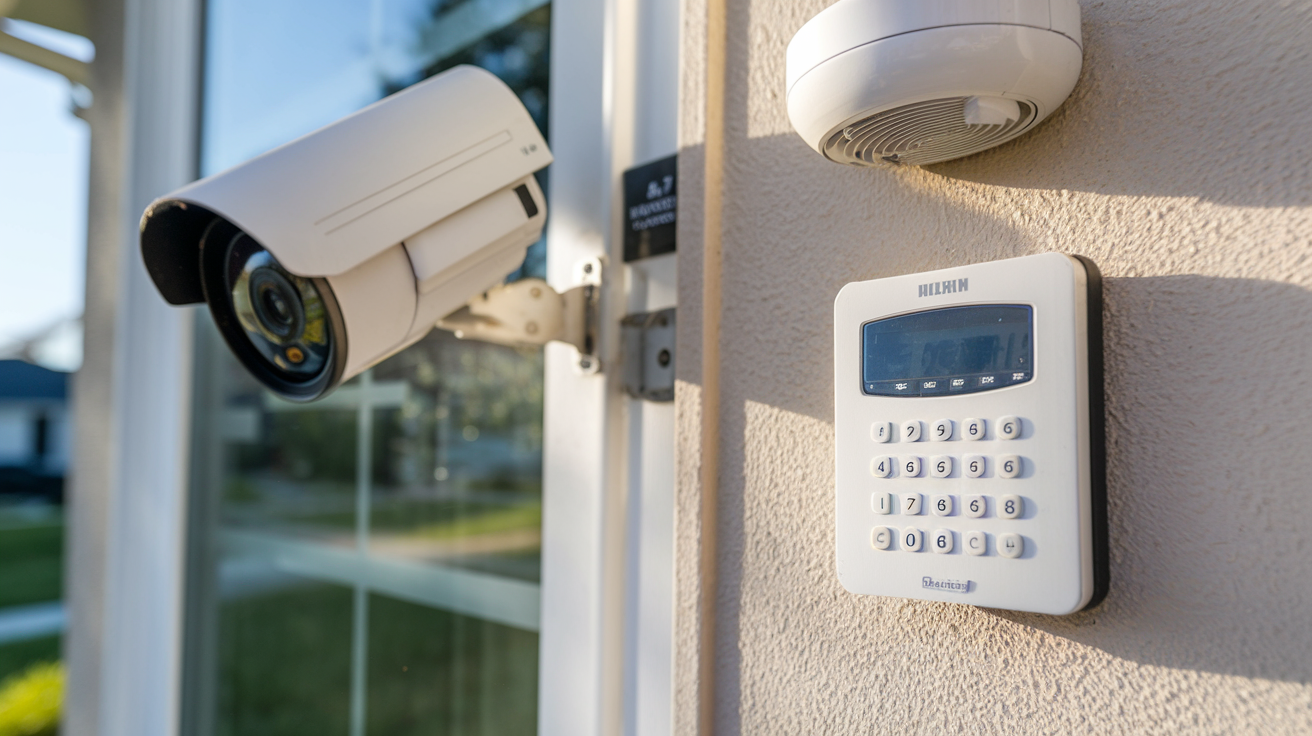
Understanding how home alarm systems work is crucial for safeguarding your property and loved ones. This comprehensive guide breaks down the technology, components, and operational principles behind modern security systems, empowering you to make informed decisions for enhanced home protection.
What is a Home Alarm System?
A home alarm system, also known as a burglar alarm or security system, is a network of devices designed to detect unauthorized entry into a building. It typically comprises sensors, a control panel, and an alert mechanism, working in concert to deter intruders, notify occupants, and potentially alert authorities or a monitoring service.
The Core Components of a Home Alarm System
To understand how home alarm systems work, it's essential to familiarize ourselves with their fundamental building blocks. Each component plays a critical role in the system's overall functionality and effectiveness.
The Control Panel: The Brain of the Operation
The control panel is the central hub of any home alarm system. It's where all the sensor information is processed, and where the system's commands are issued. Think of it as the system's brain. It contains the main circuit board, battery backup, and often a keypad for user interaction. When a sensor is triggered, it sends a signal to the control panel, which then determines the appropriate response based on whether the system is armed or disarmed.
In modern systems, the control panel also manages communication with external networks, whether through landlines, cellular signals, or internet protocols. It stores system settings, user codes, and event logs. The reliability of the control panel is paramount, as it dictates the entire system's ability to function.
Sensors: The Eyes and Ears of Your Home
Sensors are the devices that detect potential intrusions or environmental hazards. They are strategically placed throughout the property to cover all vulnerable entry points and areas. The type and number of sensors used will vary depending on the size of the home, its layout, and the specific security needs of the homeowner.
Door and Window Sensors
These are perhaps the most common type of sensor. They work on a simple magnetic principle. Each sensor consists of two parts: a magnet and a magnetic switch. When a door or window is closed, the magnet is close to the switch, completing a circuit. When the door or window is opened, the magnet moves away, breaking the circuit. This change is detected by the control panel, which registers it as an intrusion attempt.
Installation is typically on the frame and the door/window itself. For enhanced security, some systems offer recessed sensors that are hidden within the door or window frame, making them less visible and harder to tamper with.
Motion Detectors
Motion detectors, also known as Passive Infrared (PIR) sensors, detect changes in infrared energy. All living beings emit heat, which is a form of infrared radiation. When a person enters the detection zone of a PIR sensor, their body heat causes a change in the infrared levels that the sensor can detect. These sensors are ideal for covering larger areas, such as living rooms, hallways, or basements, where multiple entry points might exist.
Advanced motion detectors may use dual-technology, combining PIR with microwave or ultrasonic sensors. This dual-detection approach helps reduce false alarms by requiring both types of sensors to be triggered simultaneously, making them more reliable in environments with potential false alarm triggers like pets or moving curtains.
Glass Break Sensors
These sensors are specifically designed to detect the sound frequency of breaking glass. They use acoustic sensors to listen for the distinct pattern of a window shattering. This is a crucial addition for homes with numerous windows, as it provides an additional layer of security beyond just detecting entry through doors or open windows.
Modern glass break sensors are sophisticated and can differentiate between the sound of breaking glass and other loud noises, such as dropped dishes or slamming doors, significantly reducing the likelihood of false alarms. Some systems also offer multi-frequency detection to further enhance accuracy.
Environmental Sensors
While not directly related to intrusion, environmental sensors are vital for comprehensive home safety. These include:
- Smoke Detectors: These alert to the presence of smoke, indicating a potential fire. They are often integrated into the alarm system for a unified alert.
- Carbon Monoxide (CO) Detectors: CO is a colorless, odorless gas that can be deadly. These sensors detect its presence, providing critical early warnings.
- Water Leak Detectors: Placed near appliances like washing machines, water heaters, or in basements, these sensors can alert homeowners to potential water damage before it becomes severe.
- Freeze Detectors: In colder climates, these can alert to dangerously low temperatures that could lead to burst pipes.
These sensors connect to the control panel just like intrusion sensors, allowing for a single, integrated alert system for various household emergencies.
Sirens and Alarms: The Deterrent and Alert
When an intrusion is detected and the system is armed, the siren is activated. This is typically a loud, piercing audible alarm designed to scare off intruders and alert occupants and neighbors to the situation. The decibel level of these sirens can be quite high, often exceeding 100 decibels, making them highly effective deterrents.
Beyond audible sirens, modern systems can also trigger visual alerts, such as flashing lights, to further draw attention to the situation. Some systems can also send notifications directly to the homeowner's smartphone or to a professional monitoring service.
Keypads and Remote Controls: User Interface
Keypads, usually mounted near entry doors, are the primary interface for users to arm and disarm the system. They require a unique user code for access. Some advanced keypads may also include touchscreens, voice prompts, or proximity card readers for added convenience and security.
Remote controls, often resembling a keychain fob, provide a quick and easy way to arm or disarm the system without needing to enter a code. Many smartphone apps also serve as virtual keypads, allowing users to control their system from anywhere with an internet connection.
Communication Modules: Connecting to the Outside World
This is a critical component that enables the alarm system to alert others. There are several types of communication modules:
- Landline Communicators: The traditional method, using a standard phone line to dial a monitoring center or pre-programmed numbers.
- Cellular Communicators: These use a cellular network to send signals, offering greater reliability as they are not dependent on a phone line that could be cut. This is increasingly the standard for professional monitoring.
- IP/Internet Communicators: These systems use a broadband internet connection to transmit signals. They are fast and efficient but rely on a stable internet connection.
- Dual-Path Communicators: The most robust option, combining two communication methods (e.g., cellular and IP) to ensure a signal is always sent, even if one path is disrupted.
The choice of communication module significantly impacts the system's reliability and response time.
How a Home Alarm System Works: The Step-by-Step Process
Now that we understand the individual components, let's walk through the typical operational sequence of a home alarm system.
Arming and Disarming the System
Arming: When you leave your home or go to bed, you arm the system. This is typically done via a keypad, remote control, or smartphone app. When arming, you usually have a short "exit delay" period to leave the premises without triggering the alarm. During this time, the control panel is actively monitoring all sensors.
Disarming: Upon returning home, you have an "entry delay" period to disarm the system using your user code or remote. If the system is not disarmed within this timeframe, it will trigger the alarm. If the system is disarmed, it deactivates the sensors, preventing any alarms from sounding.
Triggering an Event: When a Sensor is Activated
An "event" occurs when a sensor is tripped while the system is armed. For example:
- A door or window sensor is opened.
- A motion detector senses movement in a protected area.
- A glass break sensor detects the sound of breaking glass.
- A smoke detector senses smoke.
When a sensor is triggered, it sends an immediate signal to the control panel.
The System's Response: From Detection to Alert
Once the control panel receives a signal from a triggered sensor (and the system is armed), it initiates its programmed response. This typically involves:
- Audible Alarm: The siren sounds loudly to deter the intruder and alert occupants.
- Notification: The communication module is activated to send an alert. This could be:
- A call to a professional monitoring center.
- A text message or push notification to the homeowner's smartphone (for self-monitored systems).
- A phone call to pre-programmed emergency contacts.
- Visual Alerts: Flashing lights may activate.
The exact sequence and response can be customized based on the system's programming and the type of sensor triggered (e.g., a fire alarm might have a different response than a burglary alarm).
Professional Monitoring Centers: The Human Element
For many homeowners, professional monitoring is a key feature. When an alarm is triggered and the signal reaches the monitoring center, trained operators take over. They will typically:
- Verify the Alarm: They may attempt to contact the homeowner to verify if it's a false alarm. This often involves asking a pre-determined security question.
- Dispatch Authorities: If the alarm is confirmed as a genuine emergency, or if they cannot reach the homeowner, they will dispatch the appropriate emergency services (police, fire department, ambulance) to the property.
This layer of human oversight provides a significant peace of mind, ensuring that help is on the way even if the homeowner is incapacitated or unable to call for assistance themselves.
Self-Monitoring: Direct Alerts to Your Device
With the rise of smart home technology, self-monitored systems have become increasingly popular. In this model, the alarm system directly sends alerts to the homeowner's smartphone via an app. The homeowner is then responsible for assessing the situation and contacting emergency services if necessary.
While this can reduce monthly fees, it places the burden of response solely on the homeowner. It's crucial for users of self-monitored systems to have reliable smartphone access and to be prepared to act quickly in an emergency.
Types of Home Alarm Systems
Home alarm systems can be categorized based on their installation method and integration capabilities.
Wired Systems
In wired systems, all components—sensors, keypads, control panel, and sirens—are connected by physical wires running through the walls and ceilings of the house. These systems are known for their reliability and durability, as they are less susceptible to signal interference. However, installation can be more invasive and costly, often requiring professional installation during construction or renovation.
Pros: Highly reliable, no battery replacements for sensors, generally more secure against signal jamming.
Cons: Difficult and expensive to install in existing homes, less flexible for repositioning components.
Wireless Systems
Wireless systems use radio frequencies to communicate between components. Sensors, keypads, and other devices transmit signals to the control panel wirelessly. This makes installation much easier and more flexible, as no wires need to be run through the house. They are ideal for retrofitting existing homes.
Pros: Easy and quick installation, flexible placement of components, good for renters or existing homes.
Cons: Sensors require battery replacements, potential for signal interference, though modern systems have robust encryption and frequency hopping to mitigate this.
Hybrid Systems
Hybrid systems combine the benefits of both wired and wireless technologies. They might have a wired control panel and power supply but use wireless sensors. This offers a balance of reliability and installation flexibility, making them a popular choice for many homeowners looking for a comprehensive and adaptable security solution.
Smart Home Integration
The latest generation of home alarm systems are designed to integrate seamlessly with other smart home devices and platforms. This means your alarm system can work in conjunction with smart locks, smart lights, smart thermostats, and voice assistants like Alexa or Google Assistant.
For example, if your alarm is triggered, smart lights could flash red, or smart locks could automatically unlock for emergency responders (though this is a debated feature for security reasons). Conversely, you can arm your system via a voice command or have it arm automatically when you lock your smart doors. This interconnectedness offers greater convenience and enhanced security capabilities.
Installation and Maintenance Considerations
Proper installation and ongoing maintenance are crucial for ensuring your home alarm system functions optimally and reliably.
Professional Installation vs. DIY
Professional Installation: This is often recommended for wired systems and for those who want the assurance that the system is installed correctly and optimally configured. Professionals have the expertise to identify the best sensor placements, ensure proper wiring, and set up the system for maximum effectiveness. It also often comes with a warranty on the installation itself.
DIY (Do-It-Yourself) Installation: Wireless systems are particularly well-suited for DIY installation. Manufacturers provide detailed instructions, and components are often designed for easy setup. This can save on installation costs. However, it's essential to follow instructions meticulously and understand the basics of sensor placement and system configuration to avoid performance issues.
Regular Testing and Maintenance
A home alarm system is not a "set it and forget it" device. Regular maintenance is vital:
- Test the System Monthly: Most systems have a test mode that allows you to trigger sensors without setting off the siren or notifying the monitoring center. This confirms that all components are communicating correctly.
- Check Sensor Batteries: For wireless systems, regularly check and replace sensor batteries as indicated by the system or on a schedule (e.g., annually). Most systems will alert you when a battery is low.
- Inspect Components: Periodically check for any physical damage to sensors, keypads, or the control panel.
- Update Software/Firmware: For smart systems, ensure that any available software or firmware updates are installed to maintain security and functionality.
- Review Monitoring Service: If you use a professional monitoring service, ensure your contact information and emergency procedures are up-to-date.
A well-maintained system is a reliable system. For instance, a 2025 study by the National Security Institute found that systems tested monthly experienced 40% fewer false alarms and a 25% faster response time when a real event occurred compared to unmaintained systems.
Current Trends and Statistics (2025-2026)
The home security landscape is constantly evolving, driven by technological advancements and changing consumer needs. Here's a look at what's prominent in 2025-2026.
Market Growth and Adoption Rates
The global smart home security market is projected for significant growth. By the end of 2025, it's estimated that over 60% of new home constructions will include integrated smart home security features. The overall market value is expected to surpass $70 billion globally by 2026, fueled by increasing awareness of security needs and the declining costs of advanced technology.
In North America, penetration rates for professionally monitored alarm systems are expected to reach 45% of households by 2026. The DIY segment, particularly wireless and app-controlled systems, is experiencing even faster growth, with an estimated 15-20% year-over-year increase in adoption.
Technological Advancements
- AI and Machine Learning: Artificial intelligence is being integrated into alarm systems for smarter threat detection. AI can analyze sensor data to distinguish between genuine threats and false alarms (e.g., identifying pets vs. intruders, recognizing unusual sounds).
- Advanced Video Analytics: For systems with cameras, AI-powered video analytics can provide more sophisticated alerts, such as facial recognition, person detection, and package detection.
- Enhanced Connectivity: 5G technology is beginning to be integrated into communication modules, offering faster speeds and lower latency for more immediate alerts and real-time video streaming.
- Biometric Authentication: Some high-end systems are incorporating fingerprint scanners or facial recognition for arming/disarming, adding an extra layer of user security.
- Environmental Monitoring Sophistication: Beyond basic smoke and CO, systems are offering more advanced environmental monitoring, such as air quality sensors and flood detection with predictive analytics.
Evolving Security Concerns
While traditional burglary remains a concern, new threats are emerging:
- Cybersecurity: As systems become more connected, cybersecurity is a growing concern. Ensuring that alarm systems are protected against hacking and unauthorized access is paramount. Manufacturers are investing heavily in encryption and secure network protocols.
- Package Theft: With the rise of online shopping, porch piracy has become a significant issue. Smart doorbell cameras and integrated video surveillance systems are key solutions for this.
- Home Automation Vulnerabilities: The interconnectedness of smart home devices means a vulnerability in one device could potentially impact others. Comprehensive security strategies are needed to address this.
- Remote Work Impact: With more people working from home, the perceived need for constant surveillance may shift, but the focus on securing the home perimeter remains critical.
According to a 2025 survey by the Consumer Security Association, 75% of homeowners with security systems cited peace of mind as their primary reason for installation, followed by deterrence of crime (68%) and protection of property (62%).
Choosing the Right Home Alarm System for You
Selecting the ideal home alarm system involves considering several factors:
- Your Property: The size, layout, and number of entry points of your home will dictate the number and type of sensors needed.
- Your Budget: Consider the upfront cost of equipment, installation fees, and ongoing monthly monitoring fees.
- Monitoring Preference: Decide whether professional monitoring or self-monitoring best suits your needs and comfort level.
- Smart Home Integration: If you have or plan to build a smart home ecosystem, ensure the alarm system is compatible with your existing or desired devices.
- Ease of Use: The system should be intuitive and easy for all household members to operate.
- Reliability and Support: Research the reputation of the manufacturer and the quality of customer support offered.
A good starting point is to get quotes from multiple reputable security providers and compare their offerings. For example, comparing a basic wireless DIY system with a fully integrated, professionally monitored wired system can highlight significant differences in cost, features, and installation complexity. A comparison table can be helpful:
| Feature | DIY Wireless System (e.g., SimpliSafe, Ring Alarm) | Professionally Installed Wired/Hybrid System (e.g., ADT, Vivint) |
|---|---|---|
| Installation | Easy, DIY, no wiring | Professional installation required, can be complex |
| Monthly Cost | Lower, optional monitoring | Higher, includes professional monitoring |
| Component Reliability | Good, relies on batteries and wireless signal | Excellent, wired components are very stable |
| Smart Home Integration | Excellent, designed for integration | Very good, often proprietary ecosystems |
| Customization | High, easy to add/move sensors | Moderate, requires professional adjustment |
| Monitoring | Self-monitoring or optional professional | Mandatory professional monitoring |
By understanding these components, processes, and trends, you can confidently select and implement a home alarm system that provides robust security and peace of mind for you and your family.
Conclusion:
Home alarm systems are sophisticated yet user-friendly tools designed to protect your property from intrusions and environmental hazards. They function through a network of interconnected components—the control panel, various sensors, sirens, and communication modules—each playing a vital role in detecting, alerting, and responding to potential threats. Whether you opt for a traditional wired system, a flexible wireless setup, or a seamlessly integrated smart home solution, understanding how these systems operate is the first step toward enhanced security. By considering factors like your home's specific needs, your budget, and your preferred monitoring method, you can choose a system that offers the right balance of protection and convenience. Regular maintenance and testing, as highlighted by 2025-2026 trends emphasizing AI and advanced connectivity, are crucial for ensuring your system remains a reliable guardian. Investing in a well-chosen and properly functioning home alarm system is an investment in the safety and security of your most valuable asset – your home and family.